
The Illusion Of The Insta Cabin: Why Your Getaway Fails

Aesthetic Expectation Versus Actual Rest
You want proof that you deserve to escape. That’s why you scroll through cabin photos before booking. The mechanism at work here is borrowed from marketing psychology: aspirational identity. You’re not renting shelter. You’re renting the story you’ll tell about yourself.
The gap between curated feeds and functional retreat destroys most weekends before they start. Instagram cabins feature styled interiors, golden hour lighting, and zero evidence of plumbing problems or neighbor noise. Your actual cabin has a water heater that sounds like a wounded animal and no cell service where you expected three bars. The retreat fails because you’re competing against a fiction, not building against reality.
The True Cost Of Imitation
Most advice says “just find a cabin that matches your style.” This is incomplete. The real cost isn’t the nightly rate. It’s the hours spent sourcing furniture, decor, and finishes to replicate what you saw online, then the disappointment when your version looks flat.
Cabin owners who chase Instagram aesthetics spend 40 to 60 percent more on interior investment than owners who design around function first. A rustic wood table costs three times as much as a durable metal one, but won’t hold up to weekend traffic. Stone fireplaces look cinematic and generate zero heat efficiently. You’re paying premium prices for visual performance, not practical retreat. Start by listing what your body actually needs on a weekend—silence, temperature control, hot water, daylight—then choose materials and spaces that deliver those first. Decoration follows utility, never the reverse.
Small Cabin Woods: The Anti Glamour Protocol

Minimalism By Design, Not Deprivation
You want a cabin so you can tell people you have a cabin. Strip that motive first, because it ruins everything that follows. Real minimalism in a weekend cabin operates like load bearing in architecture: every object either supports the structure of your actual use or it fails inspection. Remove it.

The difference between deprivation and intentional design is function. A cabin with no electricity because you can’t afford it feels like punishment. A cabin with no electricity because you chose gas lamps and a wood stove feels like control. The mechanism is identical. The psychology flips when you own the constraint instead of resent it.
Purpose Driven Amenities, Not Excess
Most cabin advice tells you to strip down to bare essentials. That’s incomplete. The real move is building for your specific use case, not some generic “rustic retreat” fantasy. A cabin built for woodworking needs different infrastructure than one for writing or sleeping. Excess means amenities that serve no purpose. Purpose means every system earns its space.
Water, heat, and light are the three systems that matter. Everything else is negotiable based on what you actually do there. Install a shower if you plan to stay overnight. Skip it if you visit for eight hours on Saturday morning. Run propane or wood heat depending on your tolerance for maintenance. The discipline is saying no to Pinterest cabins and yes to your behavior.
The 3×3 Getaway Matrix: Maximizing ROI On Your Weekend Cabin
Location Synergy Utility Over Views
You want the cabin with the view because you think that’s what makes it valuable. It doesn’t. Logistics are the actual currency of a weekend retreat. Distance from your primary residence, proximity to water or trails, cell service availability, and road condition during off-season matter infinitely more than a sunset backdrop. A cabin thirty miles from a highway versus one hundred fifty miles creates a measurable difference in trip frequency and mental load. You’ll use the closer property three times as often because friction compounds.
The real mechanism comes from economics: your time has an opportunity cost. Every hour spent driving is an hour not spent resting or working on something that matters. A mediocre cabin two hours away beats a stunning cabin six hours away by default. Calculate the actual cost per visit by dividing property price and maintenance by realistic annual trips. Most people pick locations based on narrative appeal, then never return because the drive kills the math. Reverse this. Pick the location that removes friction first, then evaluate what’s actually there.
Energy Expenditure Versus Recharge
The common advice is to fill your cabin weekends with activities. This misreads what recharge actually requires. Recharge is the inverse of your week’s energy output. If your work involves high-stakes decisions or social performance, a cabin stacked with hiking, group meals, and planned events recreates the same sympathetic nervous system state you already live in. The cabin becomes a second job, not recovery.
Map this to physiology: a stressed nervous system requires low-stimulus environments to reset. This means location choice must align with what your baseline depletes. A remote cabin with no services forces genuine disconnection for some people and creates panic for others. Audit honestly. If your week demands constant collaboration, don’t rent a cabin and fill it with group trips. If your week is solitary and cognitively heavy, activity-sparse isolation extends the drain instead of releasing it. Choose the cabin model that opposes your week’s demand pattern, then structure nothing into the schedule except when you arrive and when you leave.
Cabin In Wood: The Systems Thinking Approach To Serenity
How Your Cabin Regulates You Back
You want a weekend cabin because you think rest is a choice. It’s not. Cybernetics teaches us that systems maintain stability through feedback loops, and your nervous system is no exception. A cabin works because it removes you from the feedback loop that keeps you wired. No notifications. No ambient stress cues. No people interrupting your baseline.
The mechanism is simple: your body reads environmental signals and adjusts its state accordingly. A cabin forces a signal shift. Wood grain, reduced stimuli, predictable rhythms, controlled temperature. These aren’t luxuries. They’re inputs that flip your nervous system from sympathetic (stressed) to parasympathetic (restored). You can’t think yourself calm. You have to redesign what your senses encounter. The cabin does that work for you.
Isolation Creates The Regeneration Cycle
Most people misunderstand why cabins work. They think it’s about “getting away.” Wrong. Ecology shows us that isolated ecosystems regenerate faster than stressed ones because resource depletion stops. Apply that to your mind. In the city, you’re constantly depleting cognitive and emotional resources with social negotiation, decision-making, and threat assessment.
A cabin interrupts that drain by removing the ecosystem’s predators and competitors. You’re not solving anyone else’s problems. You’re not competing for status or attention. You’re not parsing ambiguous social signals. The regeneration cycle begins when depletion stops. This is why a weekend matters more than a vacation that involves planning, logistics, and people management. Isolation without obligation is the actual mechanism.
Mountain Cabin Modern: Function Over Form (The Spartan Method)
Build To Last, Not To Impress
You want your cabin to feel intentional. The real motive is avoiding the shame of decay—watching nice things fall apart because you picked them for how they photograph. Here’s the mechanism: materials that age gracefully don’t require you to maintain a lie about the property’s condition.

Stone, metal, and solid wood cost more upfront but eliminate the maintenance spiral. Concrete floors, steel beams, and untreated timber darken and patina instead of deteriorating. A cabin isn’t a show project. It’s a place that works harder the less you touch it.
Connectivity Without The Noise
People confuse “off the grid” with “broken.” That’s backwards. Install what solves a real problem—reliable power, water heat, maybe satellite internet if you work remotely. Skip the smart home theater and WiFi-enabled everything.
Generator backup, propane heat, and basic LED lighting handle 95 percent of the utility load. A single charger and one good USB power source cover devices. The rule is simple: tech should extend your time there, not fragment your attention into your regular life. Remove the friction of being unreachable without creating an entertainment distraction that defeats the purpose of leaving.
Glamping Cabins: The Sophisticated Deception
You Want Permission To Spend More
You’re hoping glamping justifies the price tag by making roughness optional. The real mechanism here borrows from economics: diminishing returns. You pay exponentially more for each marginal comfort upgrade, but the actual escape value flatlines after a certain point. A heated bed in a canvas structure costs three times what a basic cabin does, yet both get you away from your phone for two days. The markup exists because the word “glamping” itself sells status, not function.
Most glamping setups strip the actual cabin experience. You get the aesthetic without the reset. Wi-Fi reaches the bed. A heated shower replaces cold water shock that actually changes your nervous system. You end up in a expensive simulation of a getaway rather than an actual one. The vendors know this. They’re not selling escape. They’re selling the appearance of escape to people who want to post about it.
The Real Price Of Convenience
Luxury always trades liberty for comfort, and you need to see the exchange clearly. Glamping sites impose schedules: breakfast hours, activity times, checkout windows. A basic cabin gives you keys and silence. You arrive when you want, leave when you want, move through space on your terms. The glamping model monetizes your time by structuring it. Staff proximity means less solitude. Shared amenities mean negotiated experience. You’re paying premium rates for reduced autonomy.
The cost-benefit fails when you measure what you actually want from a weekend cabin. If you want rest, a remote basic cabin delivers it cheaper and deeper. If you want to tell people you went somewhere nice, glamping works. If you want to think differently for 48 hours, you need friction and isolation, not thread count and morning coffee service. Calculate the hourly cost of actual mental reset you’ll achieve, not the nightly rate. The cheaper option usually wins.
Cabin Getaway: Crafting Your Exit Strategy
Before You Leave: The Friction Audit
You’re worried the cabin won’t feel worth it. You want proof you’re doing this right. The real bottleneck isn’t the cabin itself—it’s the chaos you leave behind and the mental load you carry into it. Think of preparation like load balancing in systems engineering: you’re distributing cognitive weight so your brain arrives empty, not full. Most people pack a bag. Smart operators eliminate decision points entirely.
- Water systems: Shut off the main if winter risk exists. Drain outdoor spigots. Leave the interior valves open to prevent frozen pipes and costly damage.
- Heat and thermostat: Set to 55-60 degrees Fahrenheit if vacant in cold months. Prevents freezing without wasting energy. Program the rise time two hours before arrival.
- Food and supplies: Stock non-perishables the week before. Bring coffee, snacks, and one meal prep item. Eliminates the first-night grocery run that kills momentum.
- Routes and logistics: Map the drive, check weather, and identify one gas stop. Know where the nearest pharmacy and grocery store operate. Removes decision fatigue on arrival.
- Communication blacklist: Notify two key contacts of your dates. Set email auto-reply. Silence Slack notifications. The cabin fails if work follows you through the door.

The difference between a rushed escape and a real reset is friction removal. You create a pre-departure checklist that lives on your phone, not your mental to-do list. Run it the Tuesday before every trip. It takes fifteen minutes and it converts the cabin from a destination into a legitimate escape hatch.
Returning With The Habit Intact
You’ll lose the calm the moment you step back into your regular environment if you don’t architect the transition. The cabin resets your nervous system, but most people destroy that reset by Wednesday. The mechanism here is momentum transfer: you maintain one physical or mental artifact from the cabin and fold it into your week.
Don’t unpack immediately. Leave the bag in your closet for two days. This breaks the visual anchor that says normal life resumes now. Grab one small ritual from the cabin—the morning coffee routine, the walk you took each dawn, the quiet hour before work—and execute it at home within twelve hours of return. The ritual doesn’t matter. The consistency does. You’re building a bridge between two states so the elevated baseline doesn’t collapse into the original pattern.
The Unspoken Truth About Your Cabin In The Mountains

A Tool, Not A Therapist
You want the cabin to fix something broken inside you. That’s not going to happen. The cabin is a container, nothing more. It holds whatever you bring to it. People buy or rent weekend cabins expecting the location to solve problems—stress, disconnection, boredom—when the actual mechanism is behavioral change. You either build new patterns there or you replicate the same ones in a different setting. The address doesn’t matter.
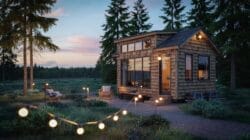
What matters is the friction you remove or add. A cabin without internet forces different behavior than your home office. A cabin without a schedule forces different decisions than your Monday morning. The structure changes because the constraints change. You don’t need a mountain view to think differently. You need an environment that makes your default behavior harder and your intended behavior easier. That’s the only reason to go.
Your Mindset, Not The Address
This mirrors decision-making under constraint in systems thinking. In systems theory, you optimize outcomes by changing the boundary conditions, not by hoping for different results inside the same system. Your weekend cabin operates the same way. The view is decoration. The wood beams are decoration. What works is the psychological break from your normal operating environment. If you spend three days there thinking about work emails and scrolling your phone, you didn’t change the boundary condition. You just changed your zip code.
The real work starts before you arrive. Decide what behavior you want to practice. Then build the cabin experience around making that behavior the path of least resistance. If you want rest, eliminate notification sounds. If you want creativity, eliminate schedule pressure. If you want connection, eliminate screens at specific times. The cabin doesn’t do this for you. You engineer it into the space. No mechanic operates without first understanding what needs to change.
Your Cabin Isn’t The Problem; Your Expectation Of Effortless Transformation Is

You don’t need a perfect cabin. You need to stop waiting for one. Every hour you spend scrolling listings is an hour you’re not building the habit of actually leaving. Pick any weekend cabin available next month and book it today. Not the ideal one. Not the one you’ll find in two weeks. The one you can grab right now. Your transformation doesn’t happen in a cabin. It happens the moment you decide the escape matters more than the perfect escape.