
The Unseen Cost Of More Light
Windows And Thermal Load
You want maximum light because you think it makes the space feel bigger and costs nothing. It doesn’t. Thermal dynamics calls this heat gain, and your she shed experiences it like any other structure: windows transmit solar radiation directly into the interior, raising temperature regardless of season. A south-facing window in summer can push interior temps 15 to 20 degrees above outside air. That’s not ambiance. That’s a cooling problem you’ll pay to solve.
Oversized windows in a she shed force a direct trade-off between illumination and climate control. The glass itself conducts heat in winter and admits it in summer. Single-pane windows perform worst. Double-pane with low-emissivity coatings reduce this penalty but don’t eliminate it. The mechanism is simple: more glass surface area equals more thermal transfer. Your HVAC system compensates by running longer and harder. You get light. You pay for it in utility costs, not just installation.
Orientation Determines Your Real Window Budget
Most advice says put windows where you want views and call it done. That’s incomplete because orientation determines whether a window costs or saves you money over time. East and west-facing windows admit intense afternoon heat in summer but offer minimal winter gain. North-facing windows provide consistent, non-directional light without peak heat loads. South-facing windows in northern climates deliver winter heat gain but create summer cooling problems. The physics doesn’t change based on preference.
A she shed in temperate or warm climates should prioritize east-facing glazing to capture morning light without afternoon thermal spike. North-facing windows supplement this with diffuse light at zero thermal penalty. West-facing windows require external shading devices or smaller dimensions to avoid the 3 PM to 6 PM temperature surge. Establish window area as a percentage of wall exposure, then allocate that budget strategically by orientation. The allocation determines whether your space stays comfortable or requires constant mechanical intervention.
The She Shed Exterior: Strategic Placement Over Pretty Pictures

Sun Path Analysis For Optimal Light
You want the she shed to feel open and bright because you’re betting your comfort and mood on it, and a dark structure signals wasted money. Borrow from solar engineering: windows function as thermal mass collection points. The sun moves predictably across the sky. Track it.

In the Northern Hemisphere, south-facing windows capture the most consistent light year-round. East-facing windows flood the space with morning sun but leave afternoons dim. West-facing windows create heat gain in summer and should use shade devices. North-facing windows deliver even, shadowless light without direct sun intensity. Plot your shed’s orientation against the sun’s actual arc in your latitude before placing a single window.
Wind Direction For Natural Ventilation
Everyone talks about cross-ventilation like it’s automatic, but most she sheds suffer dead air because the windows aren’t positioned against actual wind patterns. Apply meteorology directly: pressure differential drives airflow, not window count. Your shed needs opposing pressure zones to move air.
Identify prevailing winds in your region using local weather data or observation. Position one window perpendicular to incoming wind direction and another on the opposite side or corner to let air escape. This creates through-flow without fans. If prevailing winds come from the west, place an intake window on the west wall and an exhaust window on the east or north wall. Measure ventilation effectiveness by checking temperature and moisture levels inside the shed during peak hours, then adjust opening sizes or positions if stagnant zones remain.
She Shed Greenhouse: The Photosynthesis Protocol
Light Spectrum Manipulation For Plant Growth
You want plants to thrive in your she shed because it signals competence and control—but most people waste money on the wrong light wavelengths. Plants don’t process light like your eyes do. Photosynthesis operates on specific wavelengths: blue light drives vegetative growth, red light triggers flowering and fruiting. Standard windows filter ultraviolet and transmit visible light inconsistently depending on glass type and angle.

South-facing windows deliver the strongest photosynthetically active radiation (PAR) because the sun travels highest in the southern sky. If your she shed sits north-facing, you’re working against physics—supplemental grow lights become mandatory, not optional. Install windows on the side receiving maximum direct sun during your growing season, then measure actual light intensity with a PAR meter, not assumptions about brightness.
Thermal Mass Integration For Temperature Stability
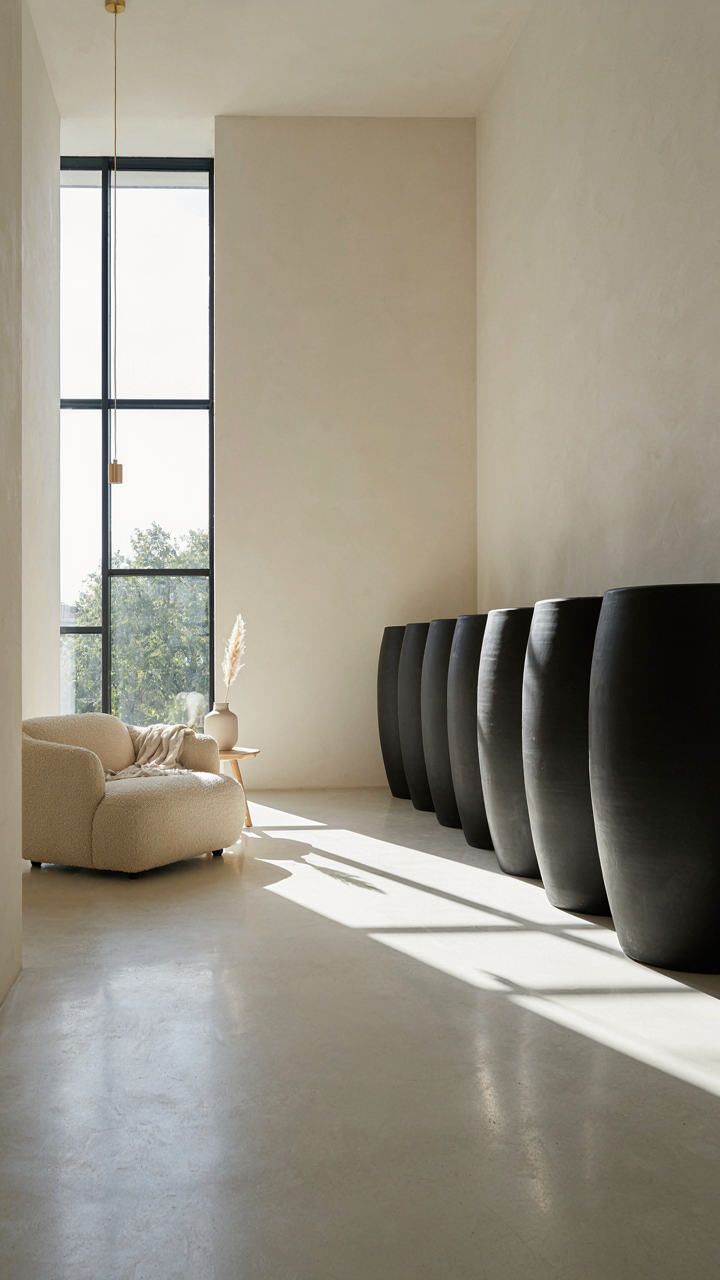
Everyone mentions insulation for she sheds, but they ignore the real lever: thermal mass stops temperature swings that kill plants faster than cold alone. Thermal mass is the building material’s capacity to absorb and release heat—borrowed from architectural physics, it’s your window’s invisible partner in climate control. Glass itself has minimal thermal mass. Water, stone, and concrete do the heavy lifting by absorbing heat during the day and releasing it at night.
Position your she shed windows to allow direct solar gain on thermal mass materials—concrete floors, water barrels, or stone benches—placed strategically inside. This setup moderates temperature fluctuations that otherwise spike and crash hourly. Pair south or west-facing windows with internal thermal mass placement, then measure daily temperature variance with a data logger over two weeks to confirm stability before committing plants.
Beyond Clear Panes: The She Shed Window Material Matrix
How Glass Type Shifts Heat Flow
You’re really asking this question because you don’t want to waste money heating or cooling a space that refuses to hold temperature. Most people pick windows by how they look, then wonder why their shed becomes a sauna in summer or an icebox in winter. Physics calls this thermal resistance. For windows, it’s called R-value, and it measures how well a pane stops heat transfer. Single-pane glass has an R-value around 1. Double-pane sits closer to 2. Triple-pane reaches 3 or higher. Each additional layer of glass creates an air gap that acts as insulation.
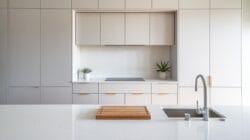
The material between panes matters as much as the glass itself. Standard air gaps work fine. Argon gas, denser than air, slows heat movement more effectively. Low-emissivity coatings on the glass reflect infrared radiation back into the shed during winter and back outside during summer. Choose single-pane if your she shed sits in mild climates and sees seasonal use. Pick double-pane if you spend consistent time there and want actual temperature control. Triple-pane justifies itself only if you’re in extreme cold zones or treating this like a full-time studio.
Weather Resistance And What Actually Breaks
The common take on window durability is that wood frames need maintenance and vinyl doesn’t. That’s incomplete. Aluminum frames conduct cold and heat straight through the frame itself, creating condensation problems nobody discusses until it’s too late. Vinyl frames don’t conduct temperature, but they expand and contract with heat, which can create seal failures after ten to fifteen years in direct sun. Wood frames last longest if maintained, but that maintenance cost compounds over time.
Seals fail before frames do. The urethane or silicone gasket between the frame and glass degrades from UV exposure and temperature cycling. Check seals every three years by running your hand around the frame edge. If you feel air movement or see discoloration in the gasket, reseal or replace the window. For a she shed that gets direct south or west exposure, vinyl frames with upgraded seals outperform the alternatives because they eliminate the wood maintenance burden without the thermal bridging problem aluminum creates.
The Visual Access Hierarchy: Optimizing Garden Views
Frame What Matters, Cut The Rest
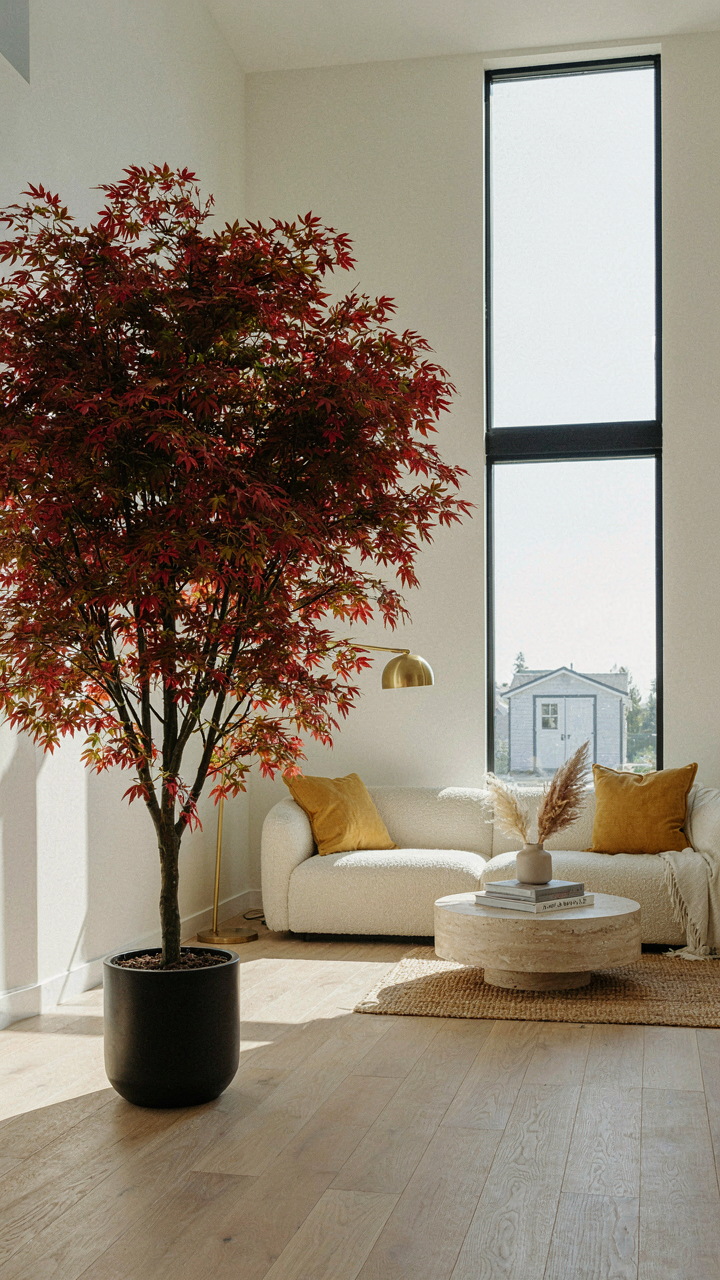
You want people to know you spent time designing this space. The real mechanism here borrows from architecture’s concept of “figure-ground relationship”—the idea that what you emphasize (figure) stands out because you’ve deliberately removed what distracts (ground). Your she shed windows don’t frame random garden patches. They isolate specific elements: a specimen plant, a seating area, a water feature. Everything else disappears.

Most people throw a window wherever it fits the wall and call it done. Wrong. Window placement determines what your eye lands on first. A low window positioned at seated eye level forces focus downward—toward a pollinator garden or herb bed. A higher window pulls your gaze toward tree canopy or distant landscaping. Position the window to crop out utility areas, property lines, and neighboring structures. The window becomes a frame within a frame. Your shed doesn’t overlook a yard. It overlooks a curated view.
Sight Lines Against Exposure Trade Offs
Privacy and panoramic views operate on a direct inverse. You cannot have both simultaneously from the same window without compromise, and the design world knows this but rarely states it plainly. Your choice is territorial: do you want depth of field (panorama, shallow privacy) or visual enclosure (limited view, high privacy). A large picture window gives you the garden vista but exposes your interior to anyone passing. A series of smaller, positioned windows lets you see out selectively while keeping sight lines from outside broken and unclear.
The practical protocol: identify which directions need views and which need concealment. North-facing windows can run larger without exposing you to foot traffic. South and west sides typically get more external traffic and warrant either smaller windows, strategic placement above eye level, or framing with exterior landscaping. Decide what you’re willing to sacrifice—unobstructed sightlines or undisturbed presence. Then build the window strategy around that choice, not around generic “natural light” goals that ignore the actual cost.
She Shed Interior: The Light Diffusion Tactic
Paint And Material Finishes That Bounce Light
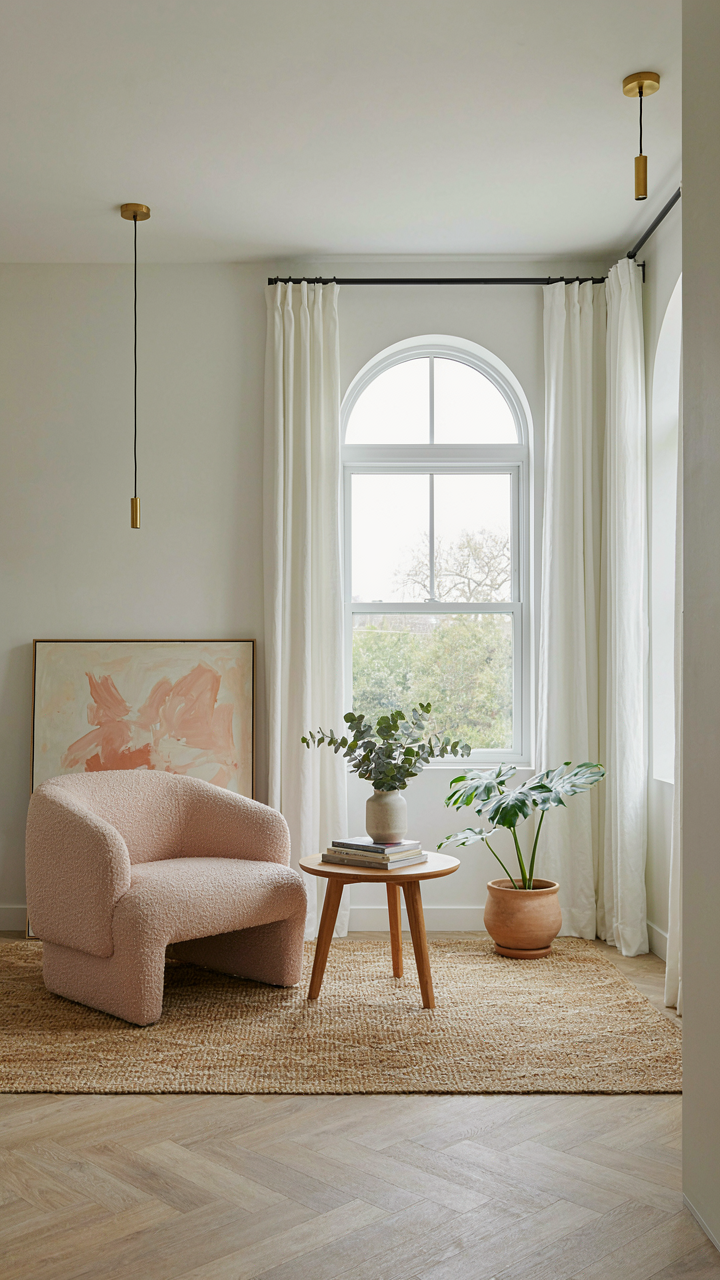
You want your shed to feel bigger and more open because you’re spending money on it and need to justify the investment to yourself. That’s the real driver. Here’s the mechanism: light reflection follows the physics principle of albedo—the measure of how much surface area bounces radiation back instead of absorbing it. Matte finishes absorb light. Satin and semi-gloss finishes reflect it. A white satin wall paint reflects roughly 80-90% of available light, while flat white absorbs 10-20% more. This difference compounds across all interior surfaces.

The common advice says “paint it white.” That’s incomplete. White matters, but finish matters more. A matte white wall in a she shed with limited windows stays dim. The same wall in satin finish becomes a secondary light source. Choose semi-gloss for trim and satin for walls. Semi-gloss on door frames and shelving creates intentional reflection points that guide light deeper into the space. Avoid flat finishes entirely if natural light is your constraint.
Partition Placement To Control Light Flow
Strategic partitions work like light baffles in optical systems. They don’t add light, but they redirect and distribute it. Most people install partitions after furniture placement—wrong sequence. Plan partition placement first based on window position and the angle sunlight enters throughout the day. A partition placed perpendicular to a window wall blocks direct light and creates shadow zones. Placed parallel, it lets light travel the full length of the space.
If your she shed has windows on one wall only, a vertical partition near the center creates two zones: a bright side and a dim side. You can control which activities happen where. If windows face multiple directions, partitions become unnecessary. The real tactic is this: measure your window placement, sketch sun angles for morning and afternoon, then decide if a partition serves the space or steals light from where you need it most.
Shed Made Of Windows: The “Fishbowl Fallacy” Defense
Window Placement As Perimeter Definition
You want people to think you’re thoughtful about design, so you’re considering this section at all. Here’s what actually matters: permaculture zones aren’t abstract concepts. They’re concentric rings of intensity radiating from your workspace. Window placement marks these zones physically. A she shed with windows only on the garden side creates zone one, intimate and controlled. Windows facing the driveway or street mark zone two, the transition where you’re semi-visible but functionally separate. No windows on the working side means zone three stays private. This is load management, not decoration.

The mechanism is simple: every window direction either invites sight lines or blocks them. Each blocked sight line costs you attention. Position your primary work windows toward the garden where you control the view. Place secondary windows toward property boundaries where you need awareness but not immersion. Position zero windows toward the street side unless you’re intentionally creating a display. This creates graduated privacy and prevents the fishbowl effect where every angle exposes your activity equally. Your window placement becomes your perimeter defense.
Sightlines And Functional Blind Spots
Military strategy calls this field of fire. In shed design, it’s the difference between seeing what matters and being seen when you don’t want to be. A window that frames your garden gives you tactical advantage. You monitor activity in your zone. A window that faces a neighbor’s yard or the street hands control to someone else. They see your movement. You see traffic and disruption. The advice to maximize windows everywhere is incomplete because it ignores asymmetry. You need to see more than you’re seen.
Place your largest windows where your eye needs to scan the work area or garden. Install smaller, higher windows on sides where external sightlines exist. This setup lets you work without interruption while maintaining awareness. Use opaque or semi-opaque glass on exposed sides, or rely on vertical placement that requires standing to see through. The result: you maintain the fishbowl’s light without the fishbowl’s exposure. This is information control, not just aesthetics. Measure external sightlines before ordering glass.
Backyard Sheds: The Airflow Advantage Protocol
How Windows Create Passive Cooling
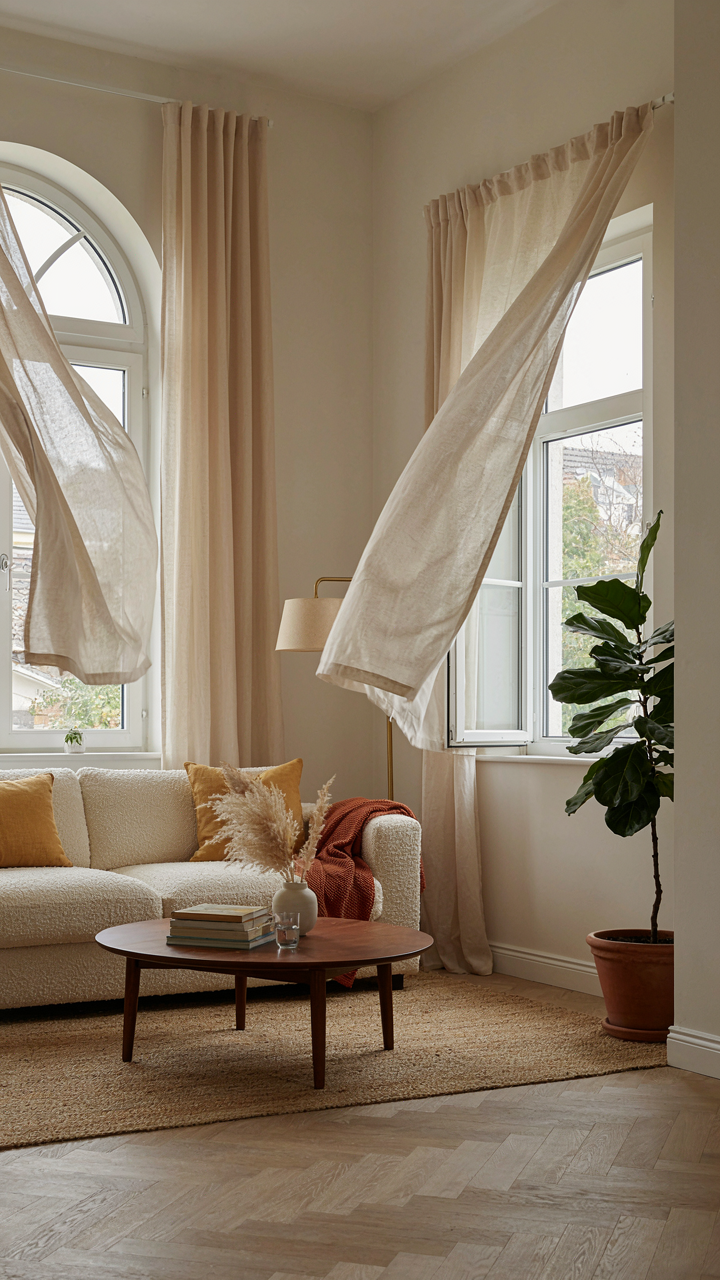
You want your she shed to feel comfortable without running an AC unit and spiking your electric bill. The real mechanism is cross-ventilation: wind enters through one window opening and exits through another, creating pressure differential that moves air through the space automatically. This isn’t about aesthetics or having “nice views.” It’s about physics. Temperature and humidity control depend entirely on how you position intake and exhaust openings relative to prevailing wind direction and solar heat gain.

Most people place windows randomly, treating them as decoration. That’s the mistake. You need windows on opposite or perpendicular walls to create flow paths. A window on the south or west wall takes direct solar heat. A north or east window positioned higher creates an exit point for that warm air. The larger the window area difference between inlet and outlet, the faster air moves through. Size matters more than quantity here. One large window beats three small ones if placement is wrong.
Heat Rises, Windows Exploit That
Stack effect is a thermodynamics principle: warm air becomes less dense and naturally rises, while cooler air sinks. You apply stack effect to she sheds by positioning a high window on the hot side of your structure and a low window on the cool side, forcing hot air to exit at the peak while cooler air enters near ground level.
- Upper window placement on south wall: Position windows near the roof line on the side receiving most direct sun. Heat accumulates at the ceiling and needs an escape route.
- Lower window on north or shaded side: Ground-level windows on the opposite wall allow cooler ambient air to enter naturally, replacing warm rising air.
- Awning or casement windows for control: These window styles angle open to direct airflow upward, amplifying the stack effect rather than allowing random air movement patterns.
- Window size ratio matters: Make the upper exhaust window 15-20% larger than the intake window to maximize upward velocity without creating dead zones.
- Roof vents paired with upper windows: A small roof vent combined with a high side window creates a dual exit path, accelerating thermal stratification and expelling peak heat faster.
Stack effect only works when temperature difference exists between inside and outside air. On cool mornings or evenings, this effect weakens. But during midday heat when your she shed temperature climbs fastest, stack effect peaks. The protocol is simple: open upper exhaust windows first to let hot air out, then crack lower intake windows to pull cooler air in. The speed of heat expulsion depends entirely on this sequence and window positioning.
She Shed Exterior Ideas: The Security Integration Method
Frame Reinforcement And Locking Mechanisms
You care about this section because you don’t want to find out the hard way that your retreat isn’t actually a retreat. Window security isn’t about paranoia—it’s about removing the easiest entry point a structure offers. Standard residential windows use frames designed for weather sealing, not load-bearing resistance. The mechanism is simple: most break-ins target windows because the frame absorbs minimal force before failing. Upgrading frame integrity shifts the cost of entry from seconds to minutes, which is enough to deter most casual attempts.

Reinforced frames use heavier gauge aluminum or steel inserts behind the existing frame perimeter. This distributes force across a larger surface area, making the frame itself the barrier instead of the glass. Install keyed locks rated for exterior doors, not standard sashes. Position them at the midpoint of each sash to prevent lift-and-slide attacks. The lock hardware must anchor into the frame stile, not just the sash edge. Mount strike plates with long screws into solid wood backing rather than hollow sections. This takes two hours per window and costs under 50 dollars per unit in materials.
Sensor And Alarm System Integration
Window sensors work like tripwires for your perimeter. Place magnetic contact sensors on every operable window, not just ground-level ones. The sensor mounts to the frame, the magnet to the sash. When separation occurs, the circuit breaks and triggers your alarm. Most systems use wireless sensors now, which eliminate the need for running wires through walls. Pair these with a hub that sends real-time alerts to your phone, not just a buzzer on the shed.
Position sensors where they’re invisible from outside, typically on the interior sash edge. Run the wiring for any hardwired sensors through the frame cavity during installation, never exposed. Connect all sensors to a system with 24-hour battery backup—a standard alarm battery pack lasts 3 to 5 years. Test each sensor monthly by opening and closing the window to confirm the alert triggers. Integration happens at the hub level, so all windows report to one dashboard you check daily.
Automating Your Environment: Beyond Manual Cranks
Smart Window Technology For Dynamic Shading
You want automation because you’re tired of adjusting things manually, but you’re also afraid it’ll break and you’ll be stuck with an expensive brick. Here’s the mechanism: smart shading uses the same feedback loop that thermostats use—sensors read conditions, trigger an action, and repeat. In she sheds, motorized roller shades or cellular blinds respond to light intensity or temperature. A photocell detects when direct sun hits the window and closes the shade. A thermistor measures interior heat and opens vents if needed. You don’t touch anything.
Most people think smart windows mean full glass panels that tint electronically. Wrong. That tech is electrochromic glass, it’s expensive, and it fails silently. What actually works for she sheds is motorized shade hardware paired with cheap wireless sensors. Install a motor on your existing shade track, add a light sensor to the windowsill, and connect both to a simple control hub. The shade closes when lux levels spike. It opens when they drop. Total cost runs between 150 and 400 dollars depending on window count and brand.
Sensor Driven Ventilation And Climate Control
Ventilation strategy borrowed from HVAC engineering maps directly onto she shed windows: you need intake, exhaust, and pressure balancing. Without sensors, you’re guessing when to open what. With them, you’re responding to actual conditions. A humidity sensor triggers an operable window to crack open when moisture climbs above 55 percent. A temperature sensor signals a second window to open wider if the interior hits 78 degrees. The system prevents mold, heat stress, and stagnant air without you entering the space.
The real lever here is cross-ventilation with sensor control. Install operable windows on opposite walls, then pair each with its own sensor and motorized opener. When the north-facing window detects temperature drop at dusk, it closes automatically. When the south-facing window detects rising humidity mid-afternoon, it opens a fixed amount. This creates passive airflow that shifts with actual conditions. Most motorized operators cost 80 to 200 dollars per window and plug into a standalone controller that needs no WiFi.
The Real Obstacle Isn’t Finding The Right Window; It’s Your Failure To Define The Shed’s True Purpose
Most people buy she shed windows before they know what they’re building. You’re backwards. Decide first: meditation retreat, creative studio, or garden viewing post. That decision kills 90 percent of your window choices instantly. Stop scrolling Instagram for inspiration. Spend two hours this week actually sitting in your shed space at different times of day. Feel the light. Feel what you need. Then choose windows that serve that reality, not some fantasy version of yourself. Your shed’s purpose determines everything, and you’re avoiding it because it requires actual thinking.