
The Unspoken Truth: Why Most She Shed Guest Bedrooms Fail
You’re Designing For Instagram, Not Sleep
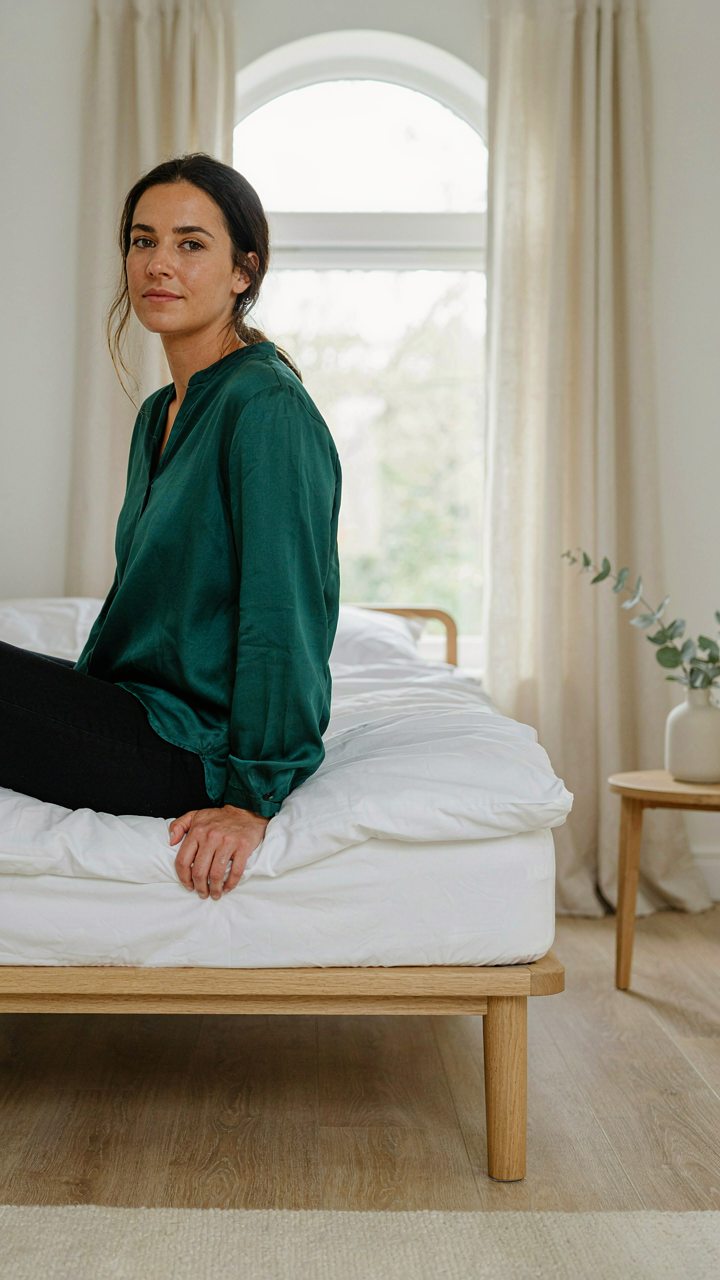
You want visitors to think you’re organized and intentional, but you’re actually just recreating what you’ve seen online without asking what a guest actually needs. The real mechanism here is confusing decoration with accommodation. A she shed guest bedroom is temporary shelter, not a showroom. Most fail because the owner prioritizes how the space looks in a photo over whether someone can sleep through the night without sweating or freezing.
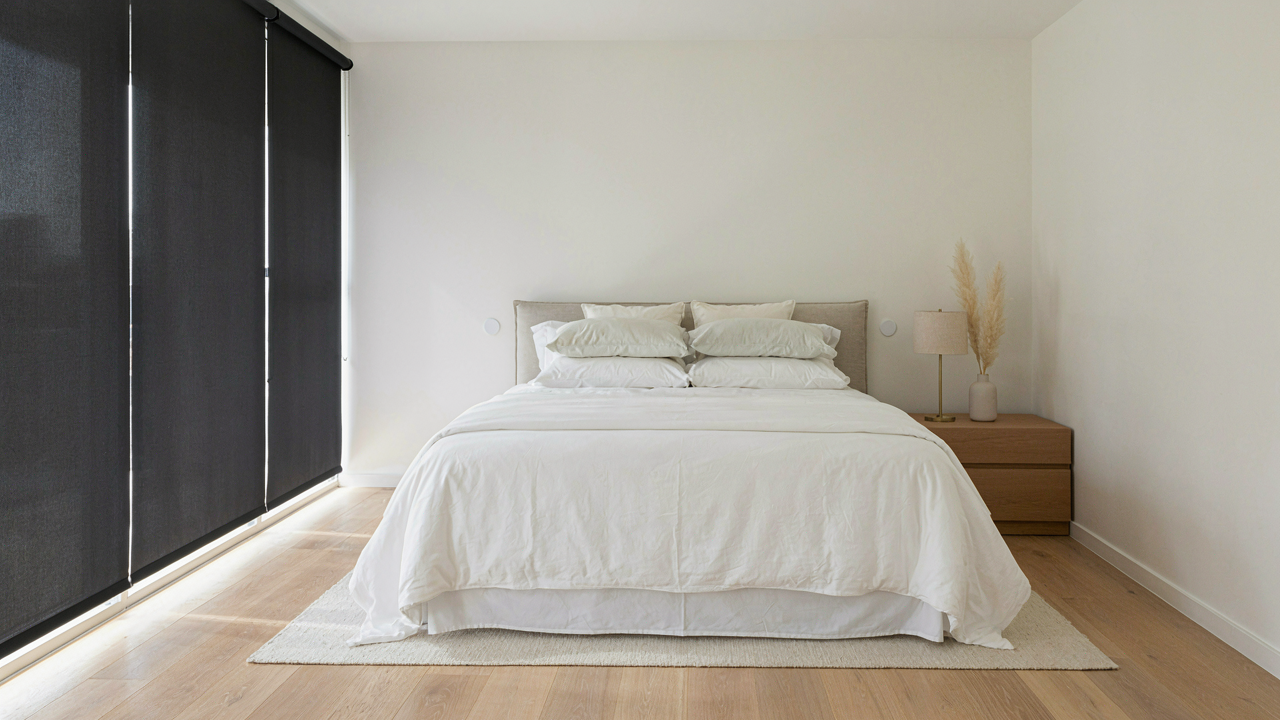
Start by removing the assumption that visible design choices matter more than invisible ones. The thread count of sheets beats the color palette. Blackout capability beats a statement wall. Temperature control beats aesthetic cohesion. Your guests don’t care if your she shed matches your primary home’s design language. They care if they wake up rested.
The Price Of Skipping The Basics
What gets marketed as “cozy” is often just cramped and underbuilt. You save money upfront by installing a thin-walled structure, skipping insulation, or using a cheap window unit, then watch guests cancel return visits because the space is unusable. Poor climate control, inadequate lighting, and weak mattresses create a compound failure that no throw pillow fixes.
The real cost isn’t in the initial build. It’s in the guest experience becoming the reason someone stops visiting. You lose credibility as a host. You waste the financial investment you already made in the structure itself. The fix is unavoidable: invest in a quality mattress, proper HVAC or heating capability, blackout window treatments, and adequate task lighting before you think about decor. These aren’t optional upgrades.
The Minimalist Protocol For She Shed Bedroom Ideas

Remove Everything That Isn’t Being Used
You want your guests to feel comfortable, but what you’re actually after is permission to stop feeling guilty about a room that doesn’t pull its weight. The real mechanism here comes from production design: constraint forces clarity. In film, removing props from a set makes the remaining elements visible. Your she shed guest bedroom works the same way. Strip it first. Every item that isn’t serving sleep, storage, or basic function creates visual noise that makes the space feel smaller and less intentional than it is.

Most advice tells you to “declutter mindfully” or “keep only what brings joy,” which is useless. Joy is subjective and won’t help your guests sleep better. Instead, start with ruthless removal: pull everything out, return only what serves one of three purposes—rest, hygiene, or emergency access to belongings. A nightstand. A lamp. A chair if you have wall space. The bed. That’s the skeleton. Everything else is negotiable.
The Functional Minimum Stack
- Bed Frame And Mattress: The primary function. Choose a size that fits the room without dominating it. A queen works for most she sheds; twin or full if space is tight.
- Two Nightstands Or One With Wall Shelf: Guests need a place for phone, water glass, and personal items. One surface is often enough; the second creates symmetry if your room allows it.
- Blackout Window Treatment: Sleep quality depends on light control. Thermal shades or blackout curtains serve double duty—privacy and temperature regulation without visual clutter.
- Single Overhead Or Bedside Lamp: Avoid multiple light sources. One high-quality lamp with dimmable capability handles all lighting needs and maintains spatial simplicity.
- Small Dresser Or Wall Pegs: Guests need to hang or fold clothes. Wall-mounted coat pegs take zero floor space and eliminate the need for a bulky furniture piece.
- Closet Rod Or Clothing Rail: Even a temporary tension rod or freestanding rail beats piling clothes on the bed. Visibility of storage invites use and prevents chaos.
These six elements create a functioning guest room. Nothing about minimalism means deprivation—it means you’ve identified what actually matters for someone sleeping there and removed the distraction of everything else. When your guests arrive, they see a room that respects their time, not one asking them to navigate around your overflow.
Shed To Bedroom Conversion: Beyond The Blueprint
When The Structure Fights Back
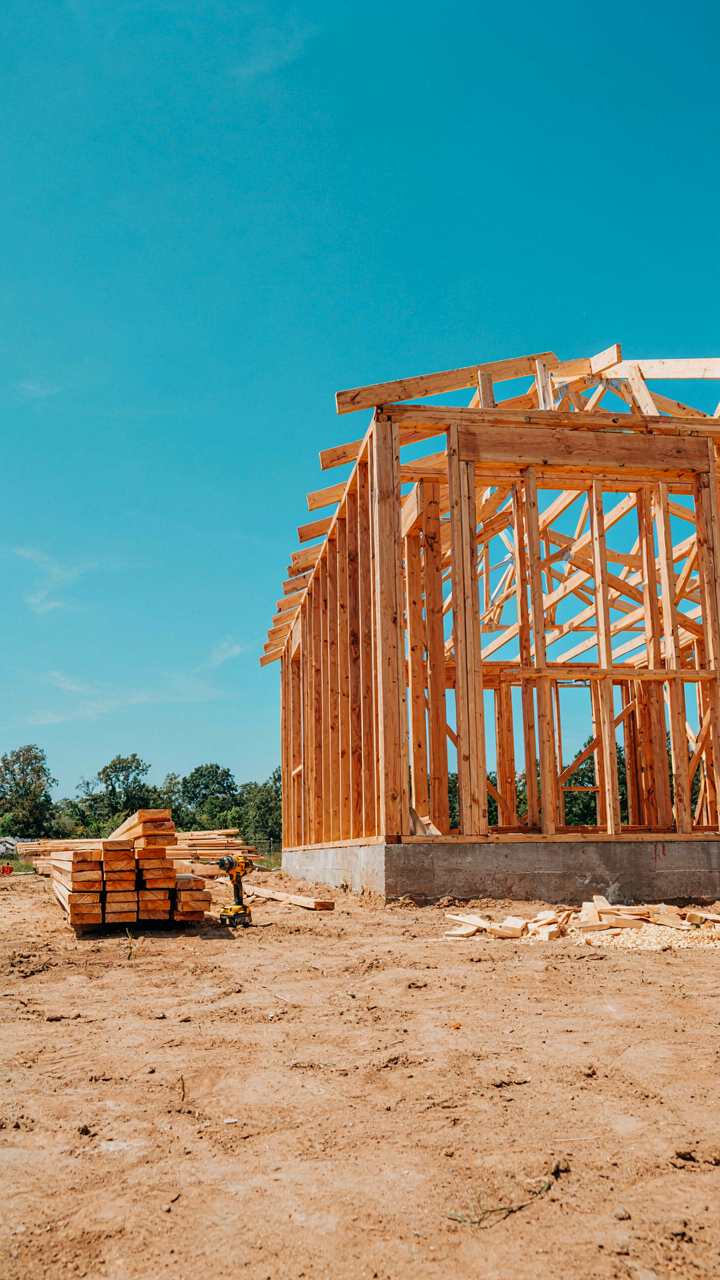
You’re picturing yourself hosting guests in a finished shed without admitting you’re terrified of the project collapsing halfway through, literally or financially. Here’s what matters: a shed was engineered for storage, not human habitation. Load-bearing capacity is the key term from structural engineering, and your shed’s foundation either supports it or doesn’t. Most garden sheds rest on concrete piers or blocks with massive gaps underneath. That design dumps snow and water straight through. A bedroom needs a proper foundation system that resists ground moisture, distributes weight evenly, and prevents settling that cracks drywall and doors.
Start by determining what you actually have. Crawl underneath. Photograph everything. Most shed conversions fail because builders ignore what exists and layer fixes on top of failure. Hire a structural engineer for two to three hours, not the full inspection. They’ll identify whether you have frost heave risk, inadequate footings, or rotted rim joists. This costs four hundred to eight hundred dollars and prevents ten thousand dollar mistakes later. The conversion only works if the foundation does.
Permits And The Actual Cost Of Skipping Them
Common advice says permits slow you down and cost too much. That’s incomplete. Permits are your paper trail proving you didn’t build a code violation that tanks your home’s resale value or triggers an insurance claim denial. What matters is understanding what your jurisdiction requires. Most places require permits for any structure conversion to habitable space because bedroom status means egress windows, electrical capacity, minimum ceiling height, and fire-rated walls become legal requirements, not suggestions.

Call your local building department before spending money. Ask directly: does converting a detached shed to a guest bedroom need a permit, and what’s the checklist? Some jurisdictions care about square footage, setback distances from property lines, or whether you’re adding plumbing and electrical. The permit cost ranges from one hundred to five hundred dollars depending on location and scope. Skipping permits costs you years of liability and kills your exit strategy when you sell. Build it right or don’t build it.
She Shed Bedroom Ideas Interior: The Psychological Advantage
Color Selection For Nervous Systems
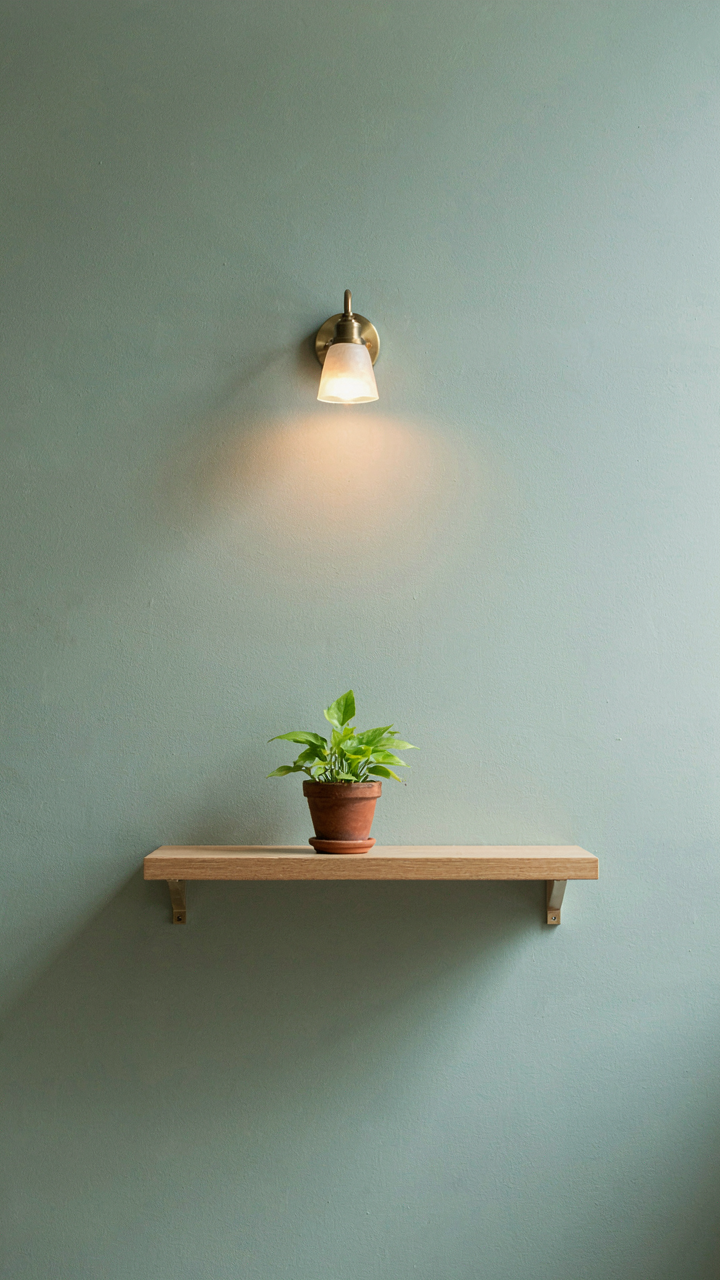
You want your guests to feel like you put thought into this space. That’s not shallow. It’s actually the mechanism: your nervous system responds to color wavelengths before conscious thought arrives. Neuroscience shows cool colors like soft blues and greens trigger parasympathetic activation—the rest response. Warm neutrals like taupe calm without stimulation. The mistake most people make is painting guest rooms the same bold accent color they use elsewhere. Wrong context, wrong neurological outcome.
Saturation matters more than hue. A muted sage reads as restful. A bright sage reads as a design statement that demands attention. In a guest bedroom, saturation should drop. Aim for colors that feel like they’re receding rather than advancing. Your guests’ cortisol drops when the room doesn’t demand their focus. That’s the actual job of color here.
Lighting That Controls Alertness
Everyone says good lighting is important. They’re wrong about why. Lighting isn’t about being able to see. It’s about controlling circadian rhythm suppression. Bright white light above 5000K keeps melatonin production offline. Your guest bedroom needs dimmable warm lights that can drop to 2700K or lower by evening. This is applied circadian biology, not interior decoration.

Layer your fixtures so guests control the narrative. Overhead lights stay off unless someone needs to find something. Bedside lamps with warm bulbs let them read or wind down. Consider a wall sconce that doesn’t shine directly at eye level. The goal is illumination without alertness signals. When light doesn’t force wakefulness, sleep actually happens. Install a dimmer switch on every fixture that can accommodate one.
Shed Bedroom Ideas Backyards: Strategic Placement And Access
Layered Distance Between House And Shed
You want your guests comfortable but not underfoot, and you’re hoping placement solves a problem that’s actually about boundaries. Military strategy calls this “defense in depth”—creating multiple zones of separation so each layer serves a specific function. Your she shed guest bedroom works the same way. Distance isn’t about rudeness. It’s about giving both parties permission to exist without negotiating shared space every waking hour.
Place the shed 40 to 60 feet from the main house. This range hits the sweet spot: far enough that bedroom light and noise don’t bleed into your evening routine, close enough that guests don’t feel exile. Path quality matters more than distance itself. A clear, lit walkway from house to shed eliminates the friction of navigation at night. Poor placement forces constant decision-making about whether it’s worth the trek to grab something.
The Sightline Problem Nobody Names
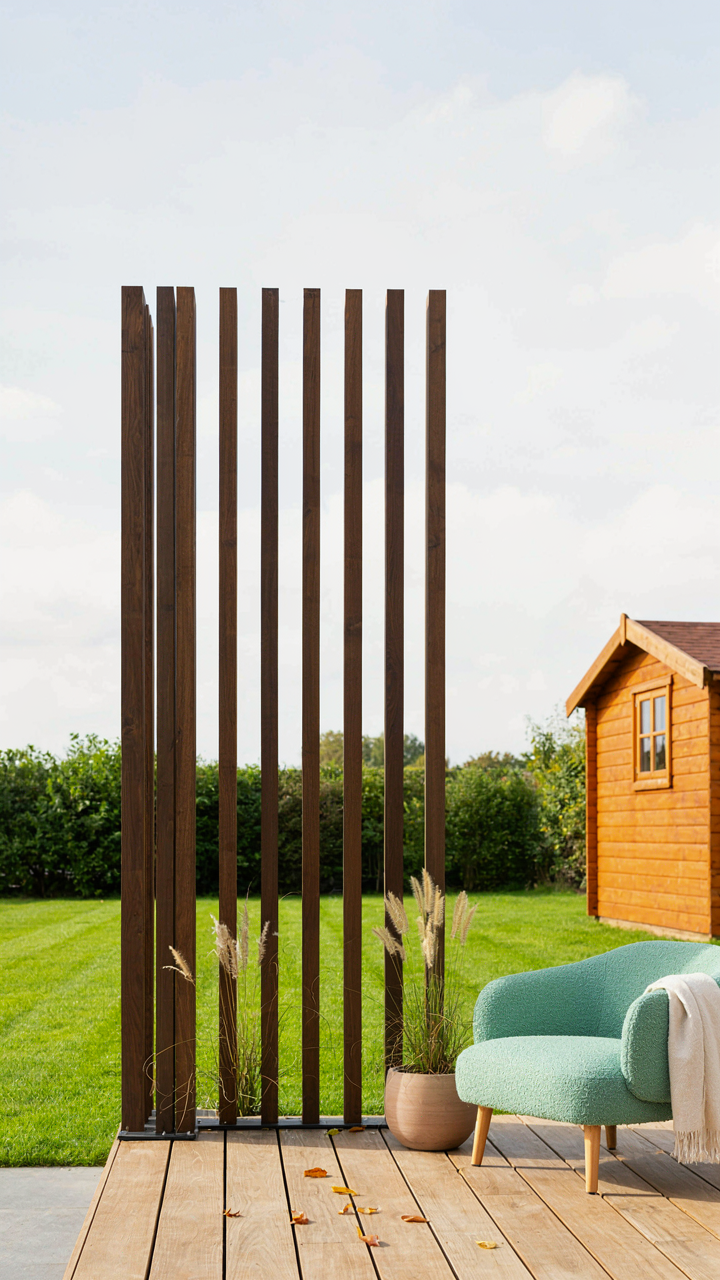
Most advice focuses on where to put the shed. The real question is what sightlines you’re creating. If your guest bedroom sits where people can watch it from the kitchen window all evening, you’ve built surveillance, not hospitality. Placement that breaks direct sightlines from main living areas gives guests psychological ownership of their space.

Position the shed so trees, fencing, or terrain changes break the direct line of sight from your house’s primary windows. This doesn’t mean hidden—visible but not observable. Guests feel the difference immediately. They relax when they know they’re not being passively monitored. A single strategically planted privacy screen or fence line positioned between shed and house accomplishes this without requiring the structure to move. This one detail determines whether guests feel like residents or residents feel invaded by guests.
The Guest Experience: Engineered Autonomy, Not Hand Holding
Self Service Infrastructure
You want guests to feel welcome without feeling obligated to you. The real mechanism here comes from systems thinking: a she shed guest bedroom works like a closed-loop ecosystem where the guest can operate independently without asking permission or creating friction. Most people treat guest rooms like hotel rooms that happen to be in someone’s yard. That’s lazy. A functional guest space removes decision points entirely.
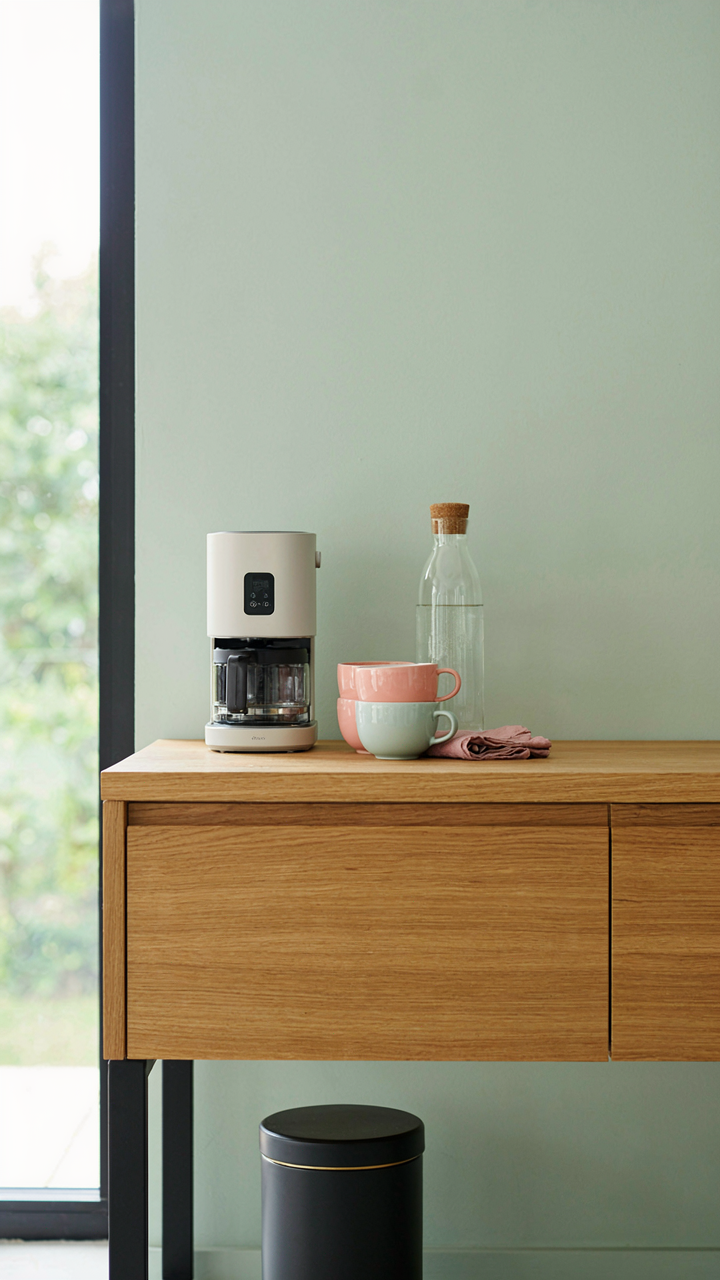
Stock the bedroom with what guests actually need before they arrive. Coffee maker, water bottle, phone charger, tissues, extra blankets, reading material, waste bin. Label drawers and shelves so nothing requires a search or a text asking where things are. Provide WiFi credentials written on a card, not spoken once during arrival. A small notebook and pen on the nightstand eliminate the awkward “how do I contact you” moment. These aren’t hospitality touches. They’re friction reduction.
Explicit Boundaries Prevent Resentment
People don’t resent rules. They resent ambiguity. You’re actually protecting your own peace and your guests’ comfort by stating what’s off-limits upfront. Vague expectations about shared spaces, kitchen access, or quiet hours create tension because both sides guess wrong. Write down what you need and post it visibly.

Simple protocols work: quiet hours start at 10 PM, guests use their own coffee and mugs, bathroom cleaning happens before checkout, guests lock the she shed when they leave. Don’t soften these with apologies or explanations. Present them as operational requirements, the same way a rental property does. Clarity feels cold only to people who prefer to blame you silently later. Everyone else respects it immediately.
Shed Guest Room: Insulation, Climate Control, And Comfort
Why Your Shed Stays Cold (And How To Fix It)
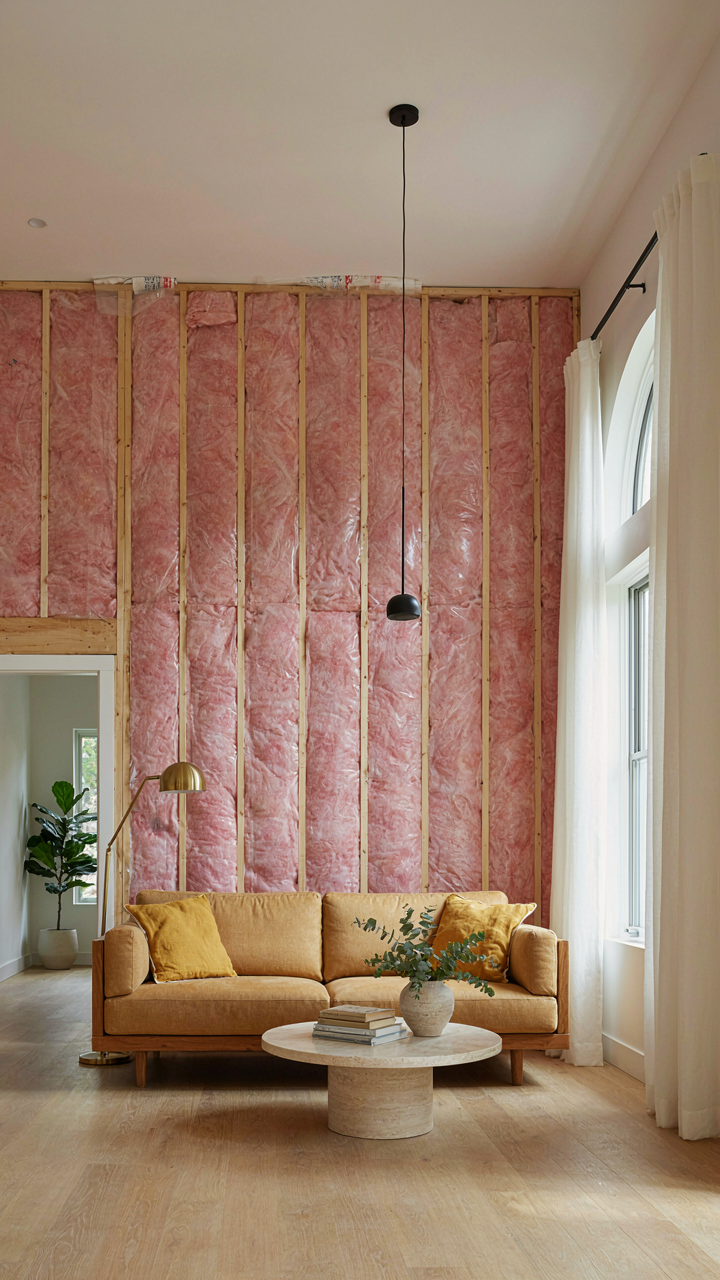
You want guests comfortable because discomfort signals you cut corners. Here’s the thermodynamic reality: a shed is a thin thermal boundary. The physics of heat transfer demands three mechanisms—conduction through walls, convection through air movement, and radiation from surfaces—all work against you simultaneously. Most sheds fail because they address none of these systematically. Standard framing with minimal insulation creates a temperature gradient between inside and outside that your HVAC can’t overcome without running constantly.
Proper insulation thickness matters more than type. Fiberglass batts, mineral wool, or closed-cell spray foam all work, but you need R-13 minimum in walls and R-38 in ceiling for most climates. The key is continuous coverage with no thermal bridging at studs. A single gap defeats the entire system. Install vapor barriers on the warm side of walls to prevent moisture migration into insulation. This isn’t optional—moisture kills R-value and rots your structure from inside. Seal air leaks at rim joists, window frames, and door jambs before insulation goes in.
Air That Doesn’t Smell Like Surrender
Most sheds fail ventilation because people confuse stagnant air with quiet. A sealed room traps humidity, odor, and CO2—then you blame the furniture. Proper ventilation requires active exchange, not just cracking a window. Install a balanced ventilation system with intake and exhaust ducts that exchange indoor air without losing conditioned temperature. This sounds expensive but costs less than replacing guests’ first impression of you.

Your shed needs continuous fresh air movement without temperature loss. Ductless mini-split systems handle heating and cooling while a separate ventilation unit manages air quality. Size the ventilation to your square footage—typically one complete air change per hour minimum. Install exhaust fans in the bathroom area if your shed has one. Use humidity sensors to trigger ventilation automatically when moisture rises above 50 percent. This prevents mold and keeps the space feeling alive rather than like a storage unit someone decided to sleep in.
She Shed Bedroom Ideas: The Security Imperative
Protecting Your Space: Locks, Alarms, And Privacy
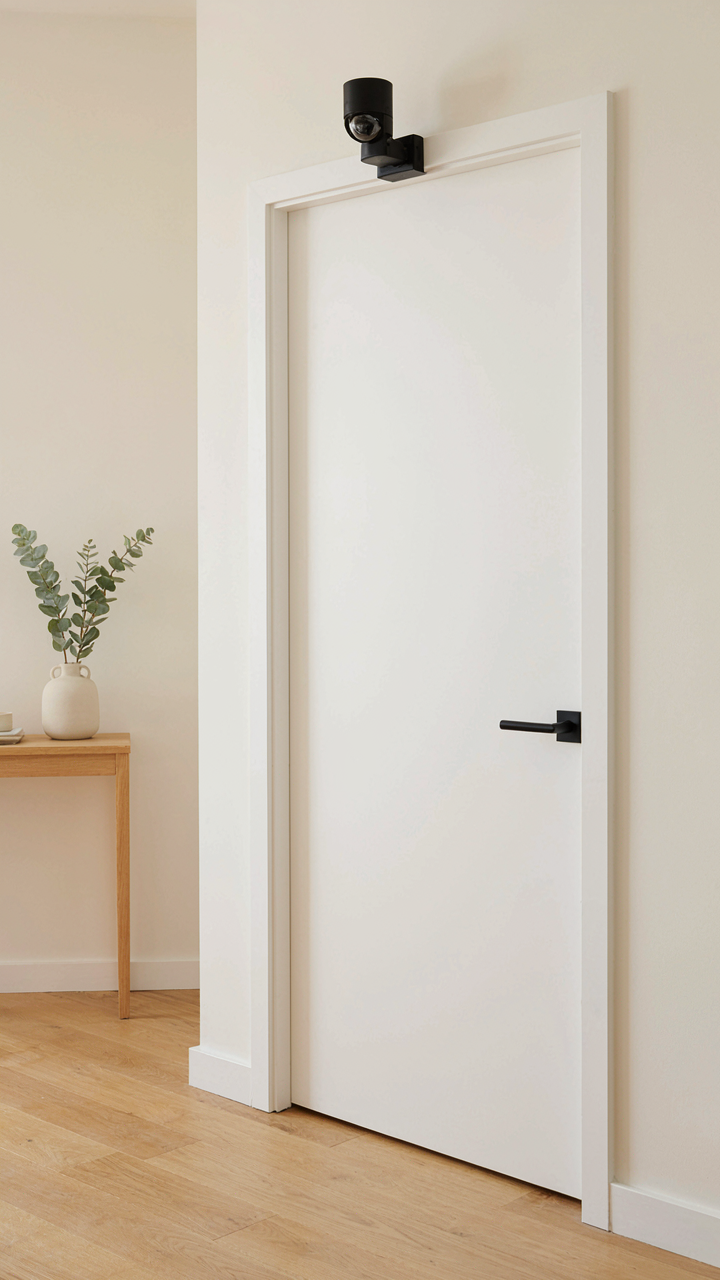
You’re worried someone will steal from you or violate your boundaries, and you’re right to be. Most people skip this entirely and regret it. Think of security in architectural terms: control means you design the perimeter first, then everything inside it. A she shed guest bedroom is a contained structure, which makes it easier to secure than rooms inside your main house. Start with the entry point. Install a deadbolt on the interior bedroom door that guests cannot override. This isn’t paranoia, it’s basic separation of use. Your guests need privacy from the rest of your property, and you need the same from them.
Motion sensor lights outside the shed deter unwanted entry and signal presence. A door alarm, the kind that chimes when opened, costs under thirty dollars and works without electricity in some models. Window locks matter even if windows seem high. The goal is friction, not fortress mentality. Guests expect privacy but also understand reasonable security measures. A simple rule: master key stays with you, guest key gets returned. Document the condition of the room before check-in with photos. This sounds clinical, but it protects both parties when disputes arise.
Digital Detox: Creating A Tech Free Sanctuary
Most guest rooms fail because they compete with guests’ phones instead of offering something phones cannot provide. The mechanism here comes from behavioral economics: removing choice removes decision fatigue. Guests don’t want to decide whether to scroll or relax, they want the environment to decide for them. Eliminate the WiFi signal in the she shed entirely, or never provide the password. No outlets near the bed forces charging to happen outside the sleeping area. Remove the bedside table lamp and replace it with a wall sconce controlled by a physical switch. This sounds minimal, but it prevents the late-night phone scroll that kills sleep quality.

Provide one high-quality object guests can interact with instead: a book, a journal, a deck of cards, a window view. The room’s job is not to be a hotel, it’s to be a break from the pace guests came from. Establish this expectation on your booking or welcome information, not during arrival. Guests who chose your space did so partly because it promised something different. Delivering that difference means the room itself enforces the boundary between distraction and rest.
Beyond The Hype: The True Value Of Your Shed To Bedroom
Mental Clarity Through Spatial Ownership
You want permission to build something just for you without guilt. Here’s the mechanism: a dedicated guest space that you also control creates a psychological buffer zone. In neuroscience terms, this is environmental load reduction. Your shed guest bedroom operates like a circuit breaker for cognitive overhead. Instead of mentally managing “where guests sleep” across your actual home, you’ve externalized that decision into one contained space. The friction disappears.
This matters because overnight visitors disrupt baseline patterns. Your nervous system treats unexpected sleeping arrangements as minor threats to process. A designated shed space means guests have zero flexibility to wander or interrupt your environment. You sleep better. You think clearer during the day. The mental energy you’d normally spend managing logistics redirects into actual work. That’s not luxury. That’s operational efficiency.
Rental Income From Dead Square Footage
Most people miss the obvious play: you already own the structure. Converting a shed to a guest bedroom isn’t just about hospitality. It’s about turning a depreciating asset into a cash-generating one. Short-term rental platforms exist specifically for spaces like this. A detached guest structure commands premium rates because it offers privacy guests can’t find in traditional Airbnb listings.

The mechanism is scarcity positioning. Furnished shed bedrooms with independent entry and basic amenities sit in a narrow market segment. Hosts charge 60-80 dollars per night for similar setups in suburban and rural markets. Run the math over a year with even moderate booking rates. That’s 8,000 to 12,000 dollars from square footage that previously generated nothing. Stop treating it as a guest accommodation. Start treating it as inventory.
The Real Obstacle Isn’t The Shed; It’s Your Inability To Define And Defend Your Personal Space
You don’t need a perfect she shed guest bedroom. You need permission to own one. Most people build spaces then apologize for them, treating their own sanctuary like borrowed property. Stop. Design the room you actually want, not the room you think guests expect. Your guests sleep better when they’re not absorbing your guilt. Make one decision today: pick your non-negotiable rule for the space and defend it hard. Everything changes when you stop asking permission to want something.