The Illusion Of The Instagram She Shed Interior Ideas

Why Most She Sheds Fail Before You Buy A Single Chair
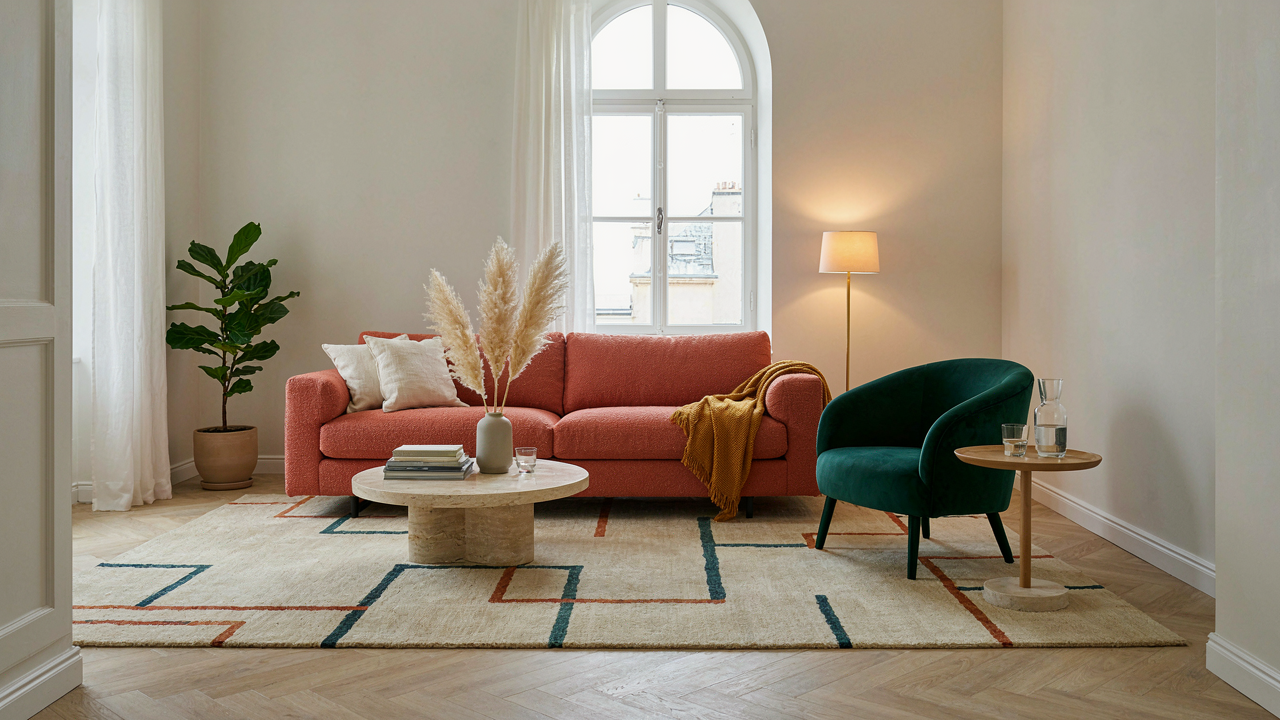
You want the she shed to signal that you have taste and your life together. Here’s what actually happens: most people confuse the look of completion with the function of usability. They scroll through images of perfectly styled sheds, buy furniture that photographs well in that context, then find the space doesn’t work for how they actually spend time there. The mechanism is simple. You’re optimizing for an audience that will never sit in your shed while ignoring the person who will.
The real failure point isn’t bad taste. It’s buying furniture based on what you see rather than what you need. A velvet wingback chair looks stunning in a 12-by-14 space online. In a 10-by-10 shed with a single window on the north side, it consumes floor space and blocks sightlines while collecting dust because it’s uncomfortable in poor light. Most she shed interiors fail because they treat the space like a photo shoot set instead of a room where someone spends actual hours. Start by naming what you’ll actually do there. Then let that dictate every piece you bring in.
When Beauty Becomes The Enemy Of Use
Aesthetic-driven design treats function as optional detail. Industrial shelving looks sophisticated in magazine spreads and performs terribly when you need to retrieve items quickly or adjust spacing as your needs change. The trap isn’t that pretty furniture is bad. The trap is believing that prettiness solves the problem of functionality, when the two operate on completely different currencies.
She shed furniture optimized for appearance typically sacrifices ergonomics, accessibility, and durability under actual use. A thin decorative side table serves the Instagram algorithm. A solid surface at elbow height with weight capacity for a coffee cup and notebook serves the human using the space. Don’t start with the aesthetic you want to project. Start with the actions you want to support, then choose furniture that supports those actions while looking intentional.
Shed Interior: The “Minimum Viable Sanctuary” Protocol

Start With What You Actually Do
You want permission to buy more stuff than you need. That’s the real question hiding here. But a small backyard shed doesn’t reward consumption. It rewards clarity. Borrowing from economics, think of your shed like a production system with a fixed resource constraint. Every piece of furniture is capital allocation. You get a return only if it serves a documented activity. No activity means no furniture.

Start by listing what you’ll actually do in the space. Not what sounds nice. Not what you saw on Instagram. What do you realistically do? Read? Work? Paint? Sit with coffee? Most people can’t answer this honestly. That hesitation is your signal. Write it down. One activity per line. Then build the shed around those activities only. Everything else is waste wearing the costume of potential.
Furniture As Tool, Not Decoration
The conventional wisdom here is backwards. People pick a chair because it looks like a “she shed chair” instead of picking it because they’ll sit in it for hours. They buy a small table because it’s cute, not because it serves a specific function. That’s decoration thinking. Wrong category.
Evaluate each piece by one measure: does it serve a documented activity better than the alternative? A task chair matters if you work at a desk. A small table matters if you eat or write there. A storage bench matters if you have gear to store. If you can’t name the activity it supports, you don’t buy it. The best she shed furniture disappears into function. You notice the activity happening, not the object enabling it.
Cozy She Shed Interior: The Physics Of Personal Space
Distance Dictates What Furniture Actually Works
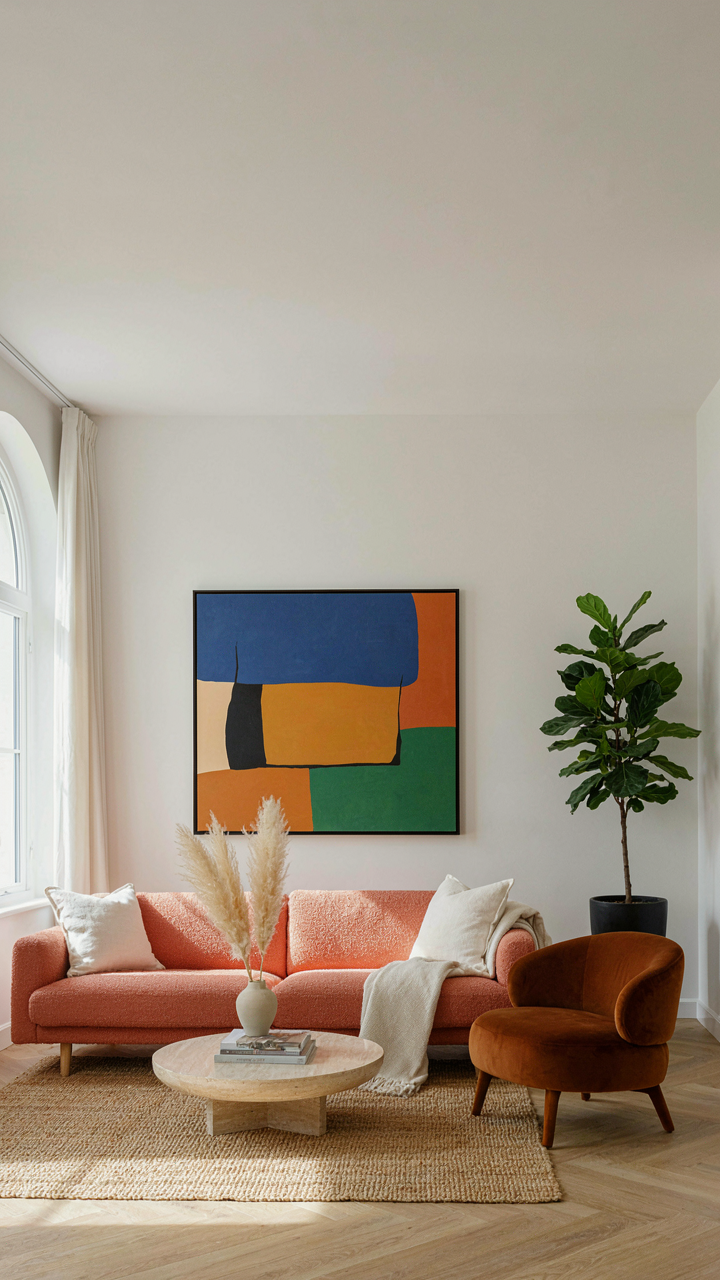
You want your she shed to feel intimate without feeling cramped, and that’s really about controlling how close strangers or family get to you without asking. Proxemics, the study of how humans use space, reveals that furniture placement determines whether a room feels like a retreat or a holding cell. In intimate spaces under 100 square feet, every piece either expands perceived distance or collapses it. A chair angled away from the door creates psychological separation. A bench against the wall facing inward does the opposite.

The mistake people make is treating small spaces like they need minimal furniture. They don’t. They need strategic furniture. A love seat positioned perpendicular to a window doesn’t shrink the room, it creates a defined zone. A small side table between two chairs forces you to sit facing each other instead of shoulder-to-shoulder, which changes the entire social dynamic. The furniture isn’t decoration. It’s the architecture of how you move through and occupy the space.
What Furniture Lets Your Body Actually Do
Affordance theory from cognitive psychology states that objects communicate their function through design. A chair with arms affords leaning and containment. A stool with no back affords flexibility and quick exit. In she shed furniture, the body reads the piece before the brain decides to use it. Lumbar support on a reading chair affords long sitting sessions. A low table affords feet-up sprawling. A tall shelving unit affords vertical storage that doesn’t eat floor square footage.
Most people buy furniture that looks right and then wonder why they never use the space. They bought pieces that don’t match how their body actually behaves. A woven pouffe affords both seating and footrest, changing function based on need. A console table affords desk work or display depending on height and depth. The mechanism is simple: measure your actual sitting positions and your actual work heights, then buy pieces that support those exact postures. Your shed will transform from a photo prop into a place you actually inhabit.
She Shed Exterior: Why The Outside Reflects The Inside
Your Exterior Signals Your Commitment
You want people to see that your she shed matters. Not because you’re vain, but because the exterior functions as a permission structure. When the outside looks intentional, you give yourself license to actually use the space instead of abandoning it after two weeks. Here’s the mechanism: your brain treats spaces differently based on visual signals. A she shed with mismatched siding, no defined entryway, and furniture shoved against walls reads as temporary. Your body chemistry responds accordingly and you avoid it.
The exterior doesn’t need to match your house or follow neighborhood codes. It needs to signal that someone made a choice here. That choice lives in three things: a defined threshold (even just a single step or threshold trim), consistent material language (if the walls are one material, keep it that way rather than mixing vinyl and wood randomly), and furniture placement that answers a basic question about what happens inside. The exterior becomes a contract you’re making with yourself.
Visual Anchors Direct How You Enter
Military strategists call this principle “controlled terrain.” They designate specific entry and movement routes to shape behavior. Your she shed exterior works identically. Place a single piece of furniture outside the door, and you’ve created a visual anchor that controls where your eye lands first, therefore where your body moves second. A bench, a small side table, or even a single potted planter at the threshold becomes the statement piece that frames the entire experience.
Interior furniture selection hinges on what the exterior already established. If your exterior furniture suggests relaxation, comfort matters more for your interior picks. If it suggests function or creative work, ergonomics dominate your indoor selections. The exterior doesn’t decorate around the interior. It declares the interior’s purpose to anyone approaching, including your future self walking toward that door at 6 a.m. to actually use the space instead of scrolling in your kitchen.
Shed Living Room: The 3 Tiered Efficiency Method
Start With What Actually Gets Used
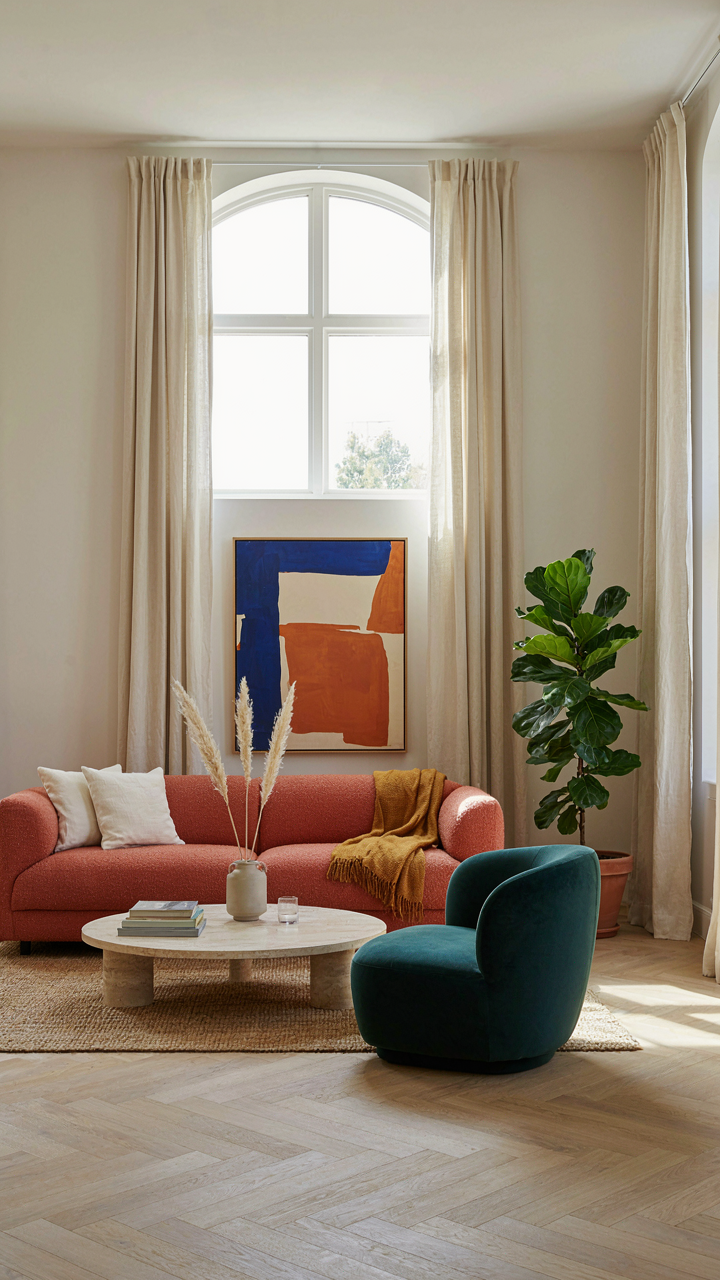
You want to feel like your shed is a real room, not a storage unit with a chair in it. That desire is normal and expensive. The mechanism is simple: a small shed has finite square footage, and every object you add reduces usable space exponentially. Comfort requires restraint first, furniture second.

A single piece does multiple jobs in a functional shed living room. A low-profile loveseat or compact sectional anchors the space without consuming it. Pair this with a side table that doubles as storage, and you’ve covered seating and surfaces with two objects instead of five. The goal is occupancy, not inventory.
Storage That Functions As Furniture
Most advice treats storage as an afterthought—get the couch first, then squeeze in a cabinet. That’s backwards. Built-in benches with lift-top access and wall-mounted shelving create the impression of a room while hiding necessities. This is the principle of load-bearing walls applied to furniture: every vertical element earns its footprint by carrying weight.
- Bench seating with under-seat storage: Removes the need for a separate ottoman or chest, collapsing two functions into one footprint while providing immediate access to blankets, books, or seasonal items.
- Corner shelving units: Captures dead space that would otherwise waste square footage and creates vertical organization that draws the eye upward, making the room feel larger than it is.
- Wall-mounted fold-down desk: Functions as a work surface or side table when deployed, folds flat when not needed, and eliminates the need for a traditional desk in a tight footprint.
- Storage ottomans with removable tops: Acts as both seating and container simultaneously, and the removable cushion allows quick access without opening a separate lid or drawer.
- Floating shelves with brackets: Installs directly into wall studs without consuming floor space, holds decor or functional items, and requires less visual bulk than a freestanding cabinet.
The tiered method works because it forces prioritization. Tier one answers the question: can I sit and be comfortable? Tier two answers: where does everything else go? This sequence prevents the common failure of buying furniture that looks good but solves nothing.
She Sheds Ideas Interior: Beyond Tiny House Fantasies
Pieces That Do More Than One Thing
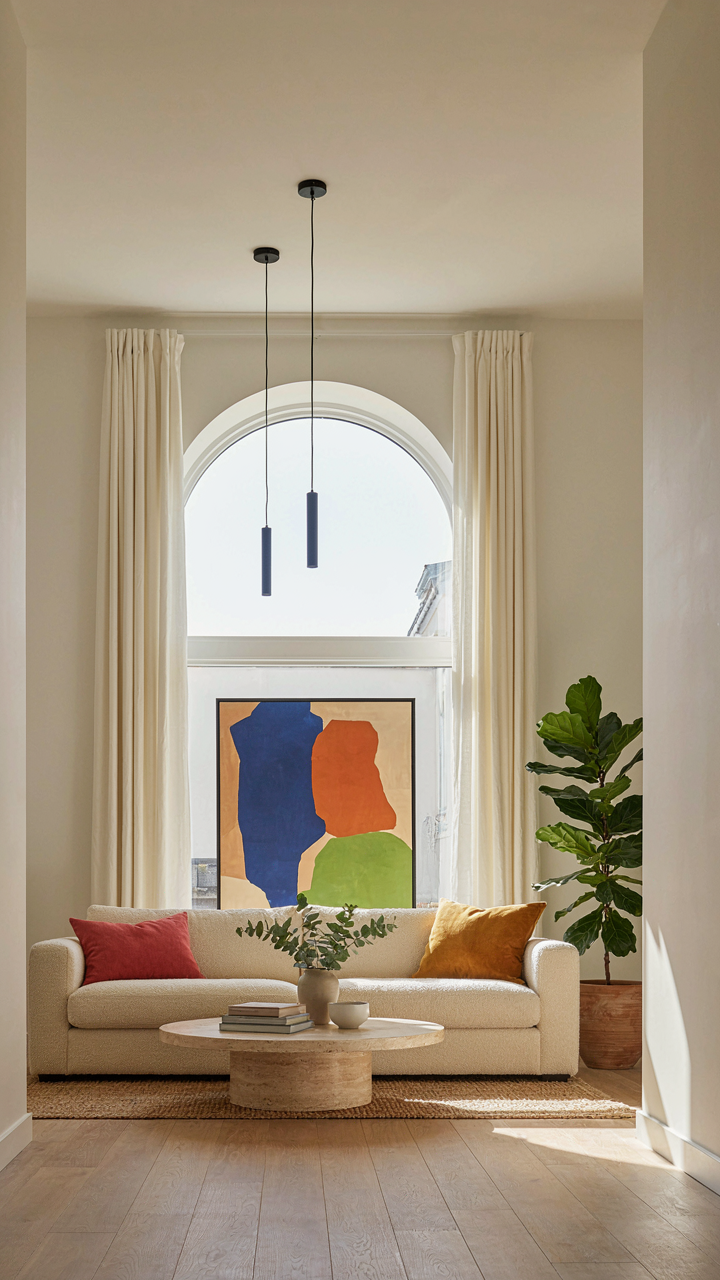
You want your she shed to feel spacious without admitting you bought a small structure. Here’s the mechanism: multi-functional furniture compresses what would normally require three separate pieces into one, which eliminates visual clutter and psychological crowding simultaneously. A storage bench becomes seating and hidden organization. A side table with shelves becomes display and surface area. The work happens in the design, not the square footage.

Most people treat multi-functional furniture as a compromise, a lesser version of having separate pieces. That’s backwards. Ottoman-storage combos, wall-mounted fold-down desks, and murphy shelving units aren’t scaled-down alternatives. They’re space compression tools that force intentionality into every object you place in the shed. You stop keeping things because they’re decorative and start keeping only what serves two or more purposes. The constraint creates clarity.
Vertical Real Estate Solves The Floor Problem
You have limited floor space, which means you’re fighting against gravity inefficiently. Wall-mounted storage systems use the principle of leverage from physics, scaling storage capacity without consuming ground area. Every inch from floor to ceiling becomes usable storage through shelving, pegboards, and hanging systems. Most shed designers ignore walls and cram furniture into the middle of the room. That’s the opposite of what works.
Install floating shelves at eye level and above, mount pegboards for tools or hanging organizers, and use wall-mounted cabinets for items you need accessible but not visible. Vertical storage also shifts the visual weight upward, making the space feel taller than it actually is. The real tactic is this: assign every vertical surface a function before you buy a single piece of furniture. Walls are inventory space. Treat them that way.
Small She Shed: The Unspoken Advantage Of Constraints
When Limits Force Better Decisions
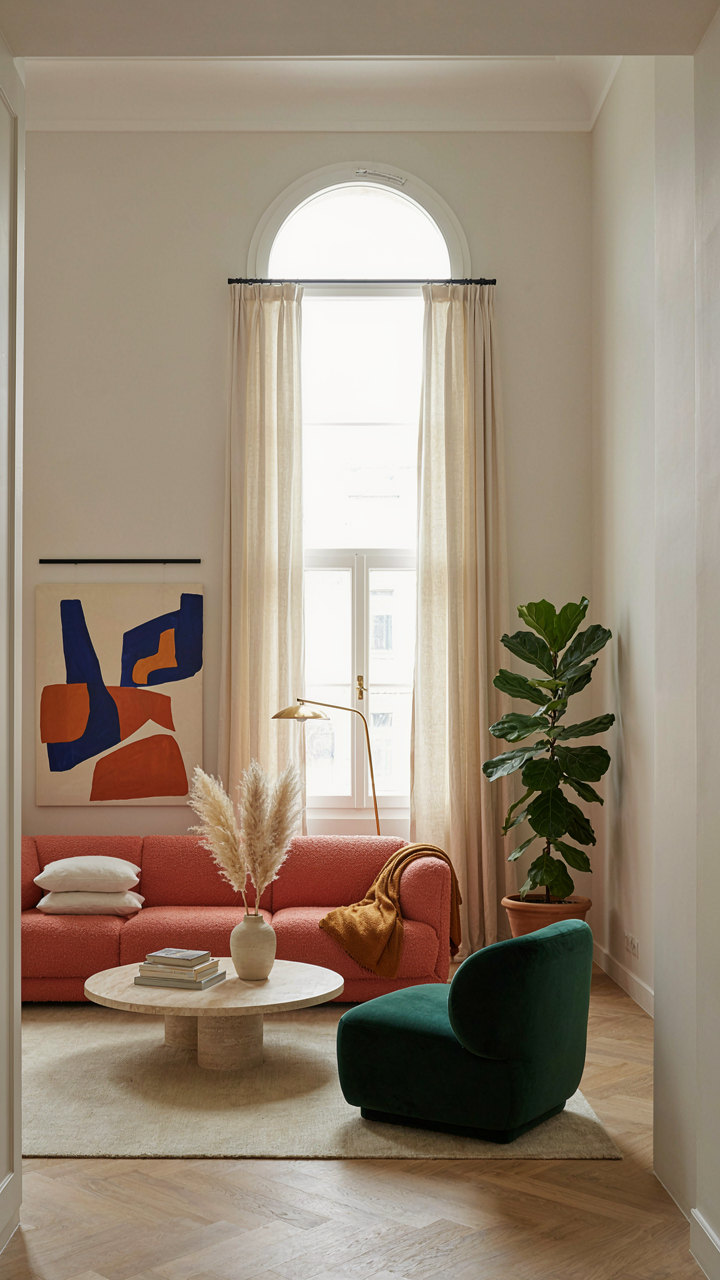
You want permission to buy less and call it intentional. Here’s the real mechanism: constraint forces priority ranking. Without boundary, you default to accumulation. With it, every piece of furniture must justify its existence against competing needs. In design, this is called the principle of elimination from architecture and industrial design. A 100-square-foot she shed eliminates the option to default. You pick one statement chair instead of six mediocre ones. You choose a single storage solution instead of scattered pieces. The limitation becomes your filter.

Small footprints demand that furniture earn dual or triple duty. A window seat with hidden storage beneath replaces both a bench and a cabinet. A fold-down desk becomes workspace and visual calm when not in use. This isn’t scrappy or temporary. This is intentional density. Boutique hotels operate on this exact principle: maximum functionality in minimal space. Your she shed scales that logic down. The constraint isn’t a compromise. It’s the mechanism that makes the space actually work.
Strategic Empty Space Beats Filled Corners
Most people fill empty corners because they fear wasted space. That instinct is backwards. Empty corners in a small she shed are buffer zones, not failures. They create visual rest and functional breathing room. When every surface holds something, the mind registers clutter before it registers comfort. A single empty corner changes how the entire 8×10 space feels. It signals that the owner chose restraint, not that they ran out of furniture.
Negative space in small interiors works like silence in conversation. It makes the chosen elements louder. One well-placed accent chair beside an empty wall becomes a focal point. That same chair crammed next to a shelving unit and side table becomes invisible noise. Strategic emptiness isn’t about minimalism as lifestyle. It’s about creating zones where your eyes and mind can land. Place one major furniture piece per wall, leave the fourth wall open, and measure the difference in how the space functions.
How To Turn A Shed Into A She Shed: The Utility Upgrade
Power, Climate, And Connectivity
You want this space to feel intentional, not like you’re roughing it in your backyard. That means electricity, climate control, and internet aren’t luxuries—they’re the difference between a retreat you’ll actually use and a storage unit with furniture. Think in terms of load capacity. Like an electrical circuit breaker distributes power safely across a home, your shed needs to distribute power across multiple zones without overload. A standard 15-amp circuit handles basic lighting and small appliances. Most sheds come with zero infrastructure, so you’re starting from concrete and framing.

Install a dedicated 20-amp circuit to your shed if you plan to run space heaters, mini-splits, or multiple outlets simultaneously. Run conduit along the exterior of the building rather than inside walls—it protects wire from pests and simplifies future maintenance. For climate, a through-wall air conditioner or ductless mini-split handles temperature year-round without consuming interior square footage. Ethernet or mesh Wi-Fi ensures your phone actually works back there. Don’t run low-voltage lines near high-voltage power lines—they create interference.
Weatherproofing, Hardware, And Time Horizons
Real talk: most sheds deteriorate faster than you think because people ignore the envelope. Your furniture sits inside a building, not a furniture display case, and that building fails from the outside in. Check foundation and sill plate annually because water damage compounds silently for months before you notice the rot.
- Roof sealing: Inspect flashing and shingles every two years. Replace missing shingles immediately—one gap becomes five once water penetration starts.
- Siding gaps: Caulk seams where wood panels meet. Gaps allow water and pests to reach insulation and framing, accelerating structural failure.
- Hardware corrosion: Use stainless steel hinges, brackets, and fasteners on doors and windows. Galvanized hardware rusts and seizes, forcing replacement every five to seven years.
- Drainage slope: Ensure ground slopes away from the shed foundation at least six inches over ten feet. Standing water against the foundation wicks upward into lumber.
- Ventilation gaps: Add soffit vents or ridge vents to prevent moisture buildup inside walls. Trapped humidity accelerates mold and wood decay regardless of exterior condition.
Your furniture only lasts as long as the structure protecting it. Establish a six-month inspection schedule and document findings. Catching and fixing small failures costs $300. Replacing rotted framing and furniture water damage costs ten times that.
The Real Obstacle Isn’t Your Shed’s Size, It’s Your Inability To Define Its Singular Purpose
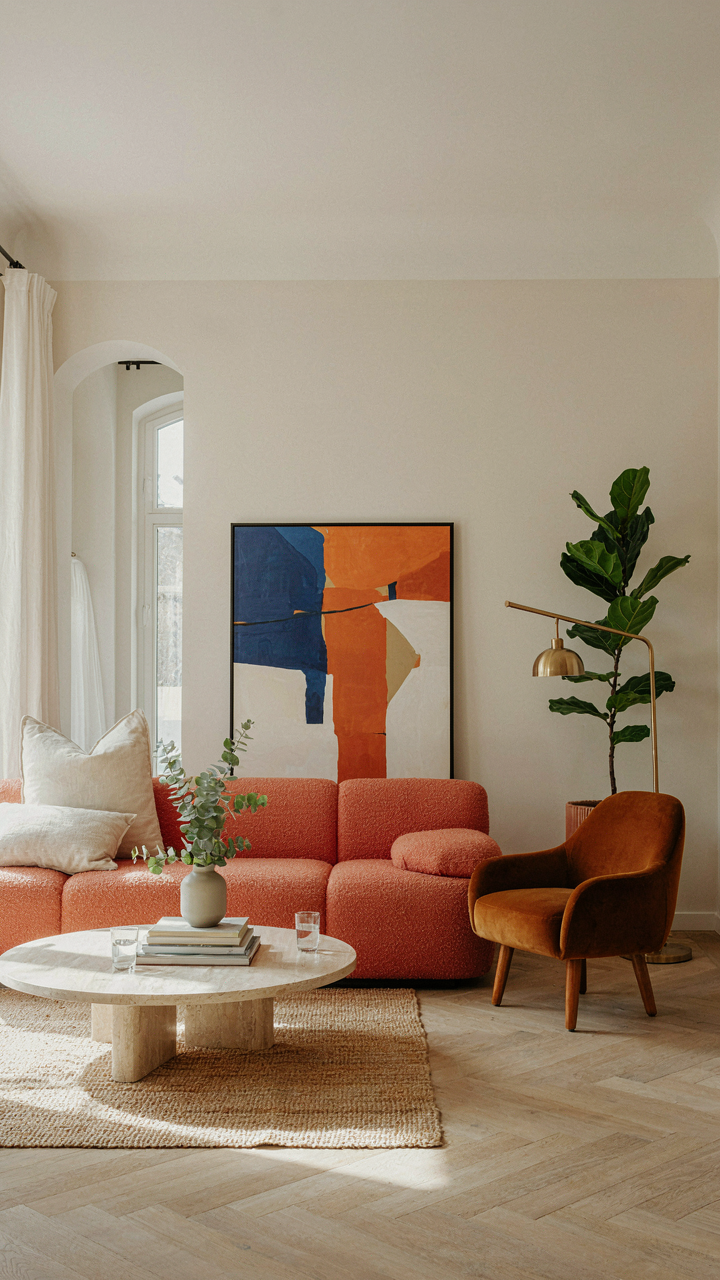
You’ll keep buying she shed furniture and hating how it looks because you’re trying to make one space do everything. Stop. Pick one thing: a reading room, a creative studio, a workout space, or a lounge. Everything else goes. Your shed doesn’t need versatility. It needs clarity. Define your purpose today, then buy furniture that serves that one mission ruthlessly. A shed with a clear identity beats a confused mansion every time.