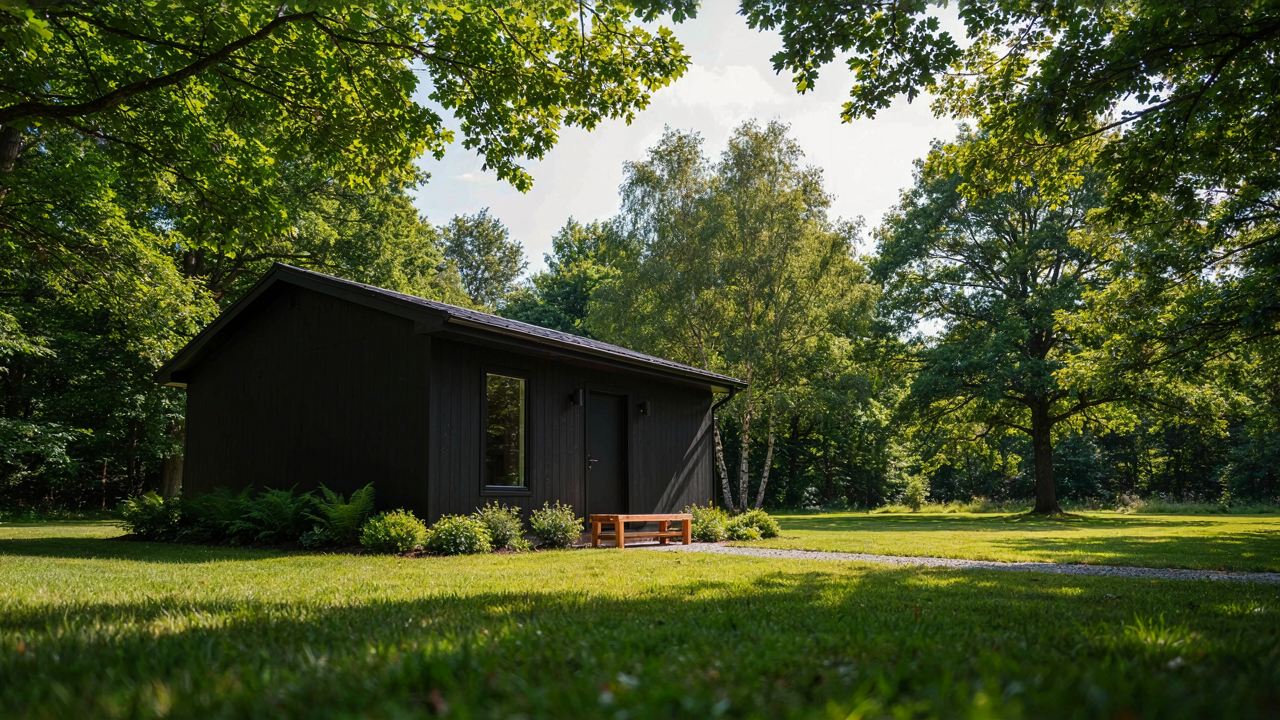
The Autonomy Blueprint: Why A Shed Cabin Isn’t Just A Shed

Storage Isn’t The Real Problem You’re Solving
You want a shed cabin because you’re suffocating under other people’s schedules and demands, not because you need another place to stack tools. The real mechanism at work here is psychological territoriality. Your brain registers constant interruption as a threat to identity itself. A shed cabin solves this by creating a boundary that doesn’t require explanation or negotiation. You own the entrance. You control who crosses it. That’s not luxury. That’s survival.
The distinction matters because most people build sheds thinking the structure solves a practical problem. It doesn’t. A standard storage shed sits empty half the year because it serves function without serving the person. A shed cabin, by contrast, becomes active infrastructure for your nervous system. It’s a place where you don’t have to justify existing. The walls grant you permission to stop producing, stop explaining, stop being available. That permission restructures how you spend your non-negotiable hours.
The Boundary You Didn’t Know You Were Missing
Personal space functions as what economists call a negative right: protection from interference rather than a guarantee of resources. Most advice about remote work spaces misses this entirely. It talks about ergonomics and lighting and forgets that the real work happens when you first close the door and nobody can reach you. A shed cabin establishes that door in your own property, eliminating the commute that justified solitude indoors. You’re not traveling. You’re transitioning. The shift matters psychologically.
When you physically remove yourself from the house, your household stops treating your presence as an available resource. Kids don’t knock. Partners don’t assume you’re managing household tasks. Work calls don’t bleed into personal time because the location change signals a different mode. This isn’t about being antisocial. It’s about creating deliberate conditions where you can think without context switching every eight minutes. The shed cabin works because it makes unavailability structural instead of aspirational.
Deconstructing “Simple Cabin Ideas”: Complexity Is The Enemy

Minimalist Design For Maximum Cognitive Clarity
You want a shed cabin because you’re exhausted by decision fatigue in your primary home, and you think a second space will fix that. It won’t, unless you build it differently. Minimalism in design operates on signal-to-noise ratio from information theory: every object either reduces cognitive load or increases it. In a shed cabin, eliminate anything that doesn’t solve a problem or anchor the space functionally. The fewer decisions your brain processes when you enter, the faster you access the actual purpose of being there.

Most shed cabins fail because owners load them with nostalgic objects, salvaged finds, and “character pieces” that feel intentional but function as visual clutter. Each item competes for attention. Your mind treats decision-making and attention as the same limited resource. Strip the interior to: sleeping surface, heat source, water access, storage for essentials, and one focal point that isn’t decorative. Everything else is tax on your nervous system.
Function Over Form: Avoid Aspirational Clutter
The common advice says “design for how you’ll use it,” then shows magazine spreads of cabins that look designed for Instagram, not living. This is incomplete. Most people design shed cabins around who they want to be rather than who they actually are. If you don’t chop firewood daily, don’t build a space that demands a wood-burning stove. If you won’t cook elaborate meals, a two-burner setup beats a kitchen that goes unused.
Aspirational design creates guilt and maintenance burden. Start with your actual movement patterns for two weeks: where do you sit, how long, what do you need within arm’s reach? Build storage based on what you actually bring, not theoretical capacity. The shed cabin that survives repeated use isn’t the one that looks best in photos. It’s the one where every object has earned its placement through repeated, proven utility.
The Unconventional Outdoor Shed Ideas: Going Off Grid Mentally
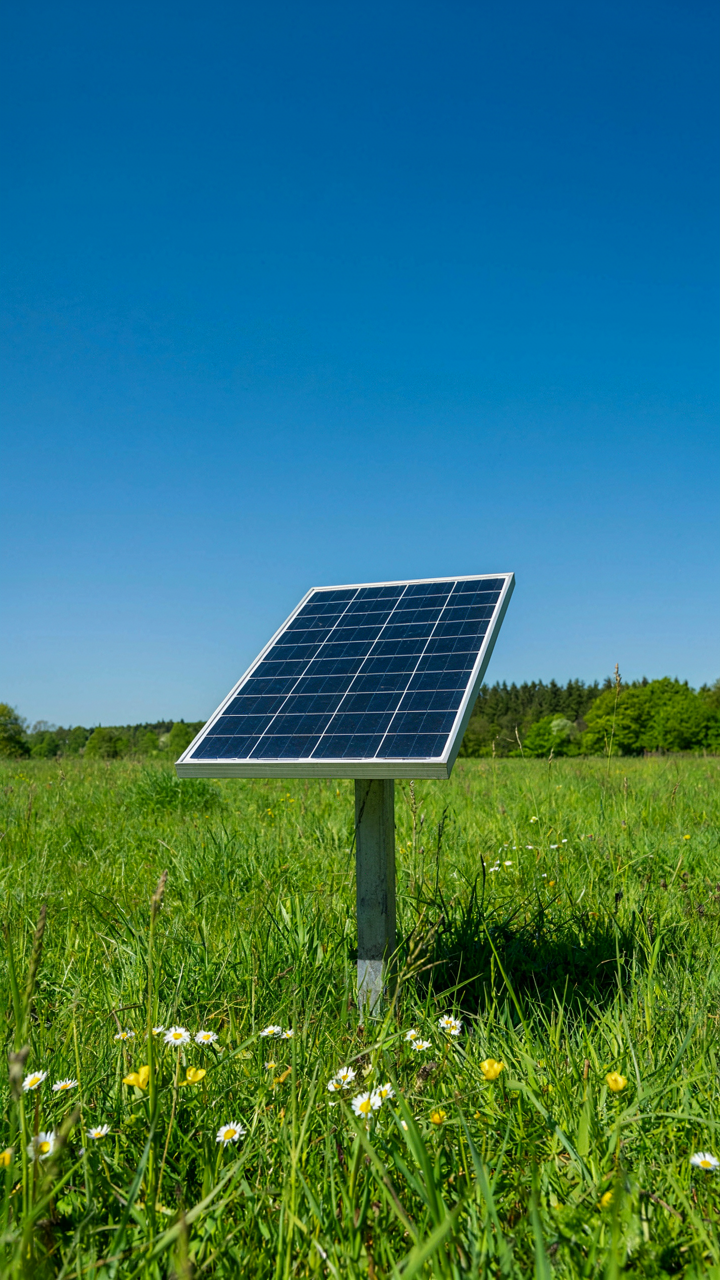
Power Independence As Actual Autonomy
You want this because you’re exhausted by dependency—on the grid, on notifications, on other people’s schedules. Here’s the mechanism: a shed cabin with its own power source forces you to think like a system. You stop treating energy as infinite. Solar panels or a small wind turbine aren’t romantic; they’re feedback loops. You generate what you use. That constraint rewires how you spend time there.

Most people talk about off-grid power as lifestyle theater. Wrong. It’s a decision-making tool. When you own your power generation, you become conscious of consumption. You don’t leave lights running. You batch tasks by sunlight availability. This isn’t deprivation—it’s clarity. The shed cabin becomes a place where resource scarcity teaches you what actually matters to you when friction increases.
Intentional Disconnection Strategies
Digital detox isn’t about willpower or moral superiority. It’s about removing the path of least resistance. A shed cabin positioned without cell coverage or wifi doesn’t ask you to refuse distraction—it makes refusal automatic. You’ve engineered the choice upstream. The moment you step inside, your nervous system registers the absence and recalibrates.
- Faraday Design Elements: Build walls using materials that naturally block signals—dense wood framing, metal roofing, or earth-sheltered positioning reduces ambient radiation and creates genuine dead zones without active jamming technology.
- Single Purpose Zones: Dedicate specific corners for reading, building, or thinking only—no devices allowed in those spaces, enforced by physical separation rather than rules you’ll break later.
- Analog Recording Systems: Keep paper logs, mechanical timers, or wind-up clocks as your time markers—they require active engagement and don’t emit notifications or create notification anxiety.
- Scheduled Check-In Windows: Set specific times—morning and evening only—when you access communication from inside a designated device station outside the main living area.
- Threshold Rituals: Create a physical protocol when entering: phone in a box, watch removed, a written intention stated aloud—the ritual primes your brain for a different mode before you cross the door.
The mechanism is this: disconnection works when you remove choice, not when you strengthen willpower. Design your shed cabin so staying present is easier than escaping into your phone. Make the default state the desired state.
The Spartan Shed Roof Home: Maximizing Utility, Minimizing Distraction
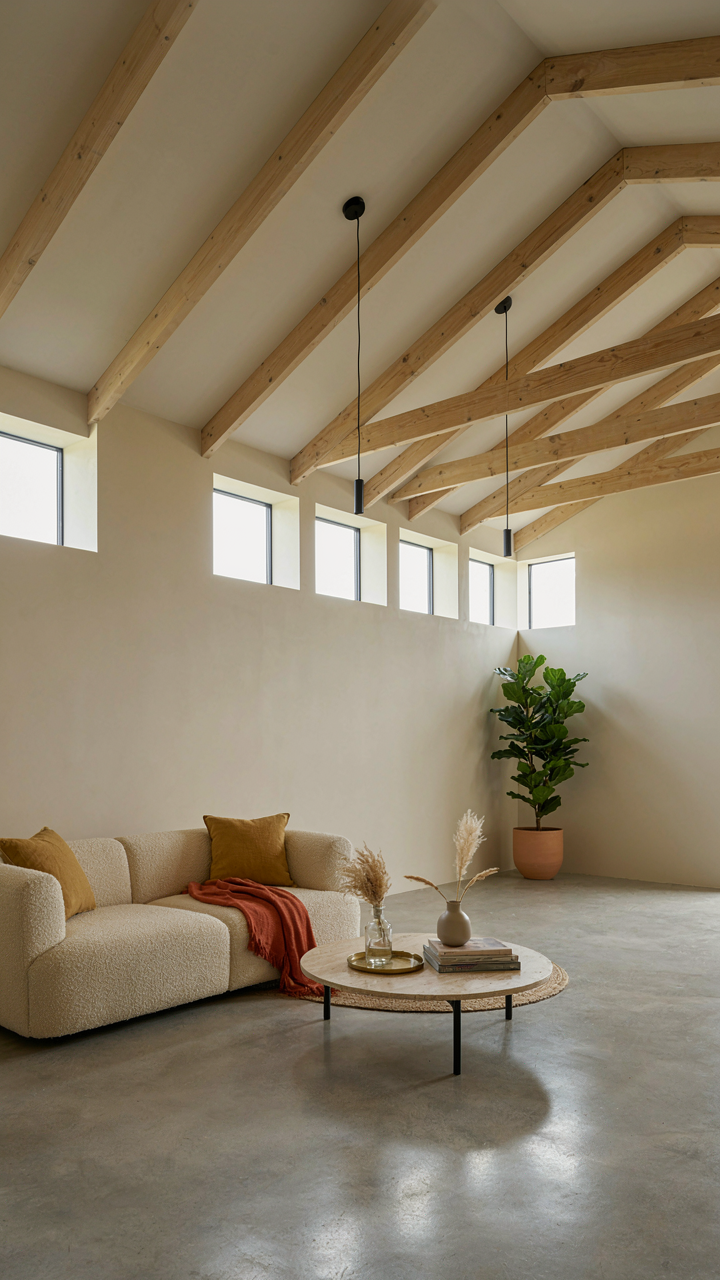
Light Angles Beat Square Footprints
You want this to feel special without looking like you’re compensating for something. The real mechanism is borrowed from physics: angle of incidence determines light penetration depth. A shed roof pitched at 35 to 45 degrees lets northern light enter at a shallow angle, spreading illumination deeper into the interior without creating harsh southern glare. Most people default to steep 12:12 pitches because they look “traditional.” That wastes roof area and overheats the space.

Position your ridge line running east-west, not north-south. This orientation lets the sloped side face north, capturing diffuse light all day while the lower side blocks the worst afternoon heat gain. A 4:12 to 6:12 pitch on the north-facing slope gives you 10 to 12 feet of usable ceiling height near the ridge while keeping the structure compact. Install a small window band along the highest point of the roof where light travels furthest. You’ve just engineered constant, free illumination without electric dependence.
Thermal Mass Holds Temperature Steady
Thermal mass is the engineering term for materials that absorb and release heat slowly, and concrete slab floors function as your shed cabin’s primary heat battery. Most people overfocus on insulation and forget that mass does half the work. A 4-inch poured slab absorbs warmth during the day and releases it at night, flattening temperature swings by 8 to 12 degrees without active heating.
Pair the concrete with a single interior wall of stacked stone or rammed earth facing south or west. This wall absorbs afternoon heat and radiates it back into the cabin for 4 to 6 hours after sunset. Keep exterior walls heavily insulated (R-20 minimum) and avoid windows on the east and west to prevent solar gain during peak heat hours. The combination of thermal mass inside and insulation outside creates a passive system that requires zero maintenance once built.
Black Shed Ideas: The Psychology Of Contrast And Focus
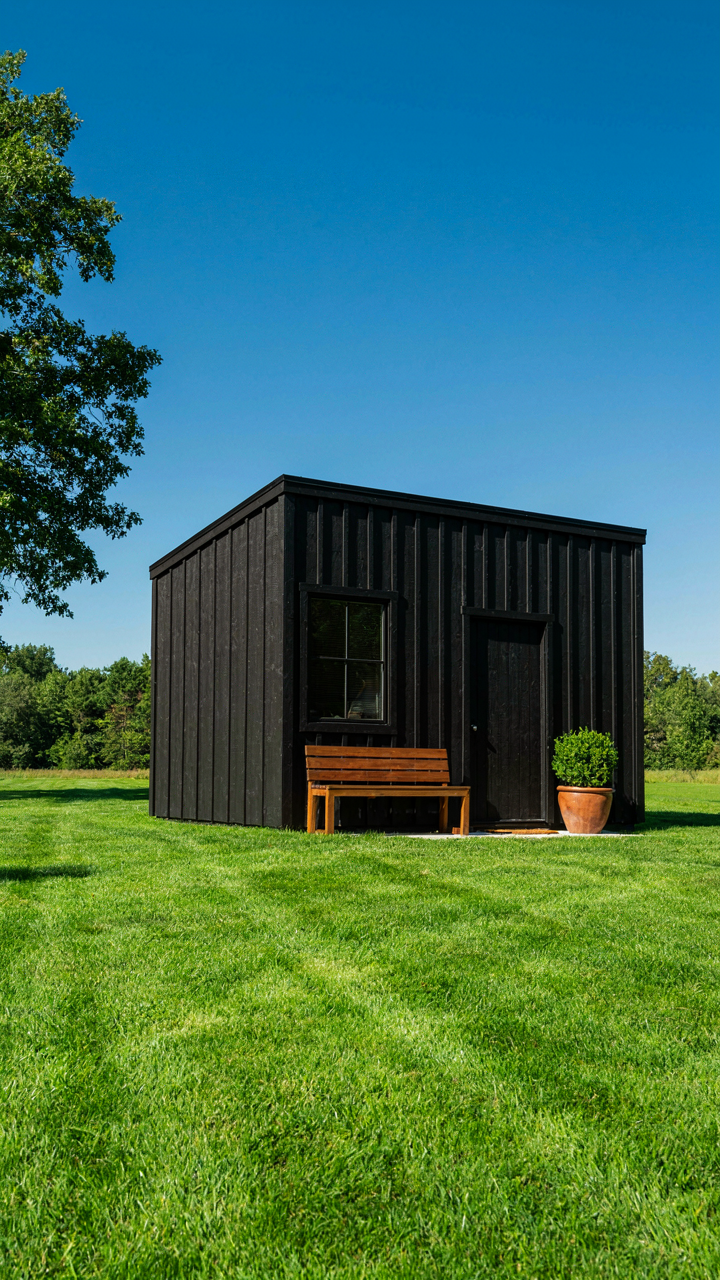
When Dark Walls Stop Being Decoration
You want a black shed because you’re tired of blending in. The real mechanism here is contrast. In visual hierarchy—borrowed from graphic design—contrast is what makes an element command attention by existing as the opposite of its environment. A black shed cabin functions as negative space against green grass and trees. It doesn’t disappear into the landscape. It declares separation. The psychological effect isn’t subtle. Your mind processes the structure as intentional, deliberate, removed from the ordinary. That matters when you’re trying to justify a retreat space.

The secondary effect is focus. A dark exterior absorbs visual noise instead of reflecting it. Inside, your eye lands on what you choose to fill the space with rather than competing with the structure itself. This is why brutalist architecture uses black and dark gray—it enforces attention discipline. Your shed cabin stops being a storage box and starts being a statement about boundaries. You’re not hiding. You’re declaring what deserves your time by making the container unmistakably different from everything around it.
Steel And Concrete Over Sentiment
The common advice is to choose black for aesthetics. Wrong. You choose black because it performs. In material science, dark colors increase thermal mass absorption, which stabilizes interior temperature fluctuations. Steel frames with black exterior cladding don’t rot. Concrete foundations covered in dark sealant shed water instead of trapping it. Corrugated metal panels painted black hide stains and weathering better than pale finishes.
Longevity is the real driver. A black shed cabin built with steel posts, concrete footings, and sealed exterior materials survives 20-plus years with minimal maintenance. Lighter materials show every dust particle and require constant cleaning. Black erases the maintenance burden. The material choices create the aesthetic as a side effect of durability, not the other way around. When you’re selecting your cladding and structure, specify steel gauge and concrete mix first. Let the black paint follow the decision to build for decades, not seasons.
Shed With Porch: The Transitional Zone Protocol
Where The Outside Ends And You Begin
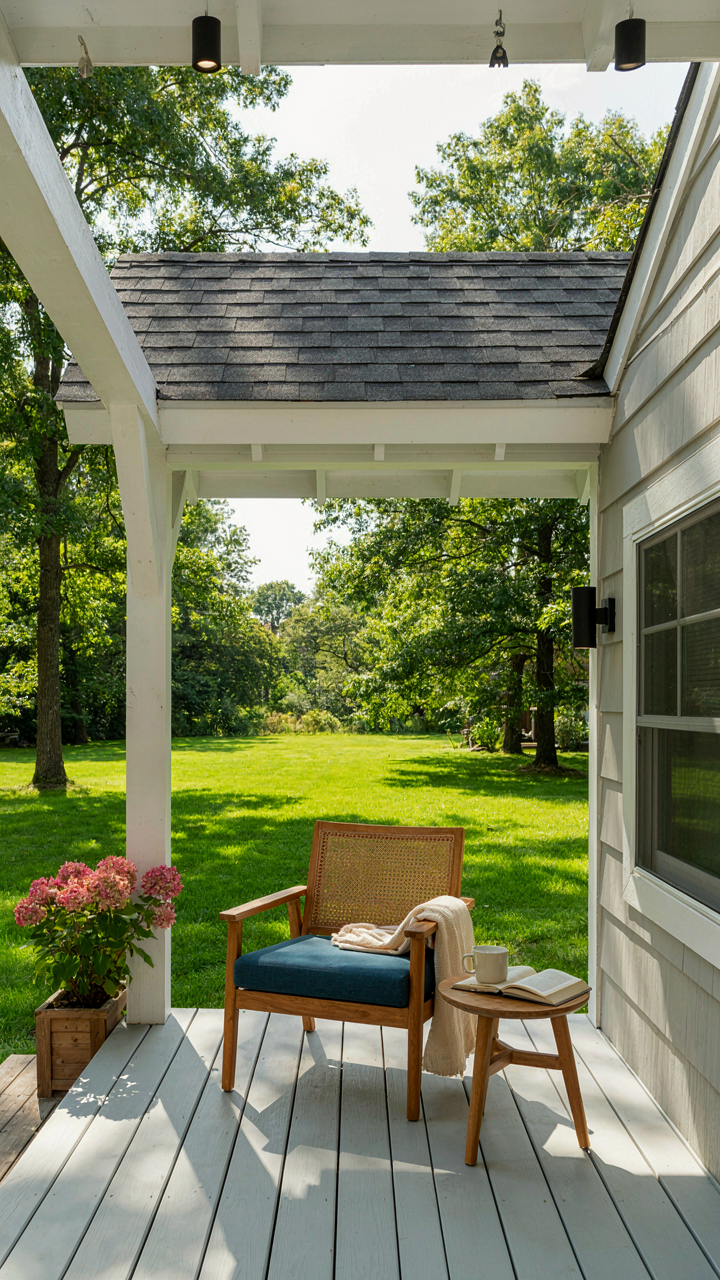
You want a porch because you’re afraid the shed feels too small, too cramped, too much like hiding. The real mechanism here is threshold psychology from architecture and neuroscience: you need a decompression zone that signals to your nervous system you’ve left the external world before entering the internal one. A porch isn’t decoration. It’s a buffer that prevents the shock of transition.

The porch forces a pause. You step from yard into covered space, your eyes adjust from open light to framed shadow, your pace slows. This isn’t subtle. Your brain reads environmental cues and shifts state. Without it, you open a door directly into full enclosure and it feels claustrophobic no matter the square footage. The porch solves this by doing the work gradually.
Sight Lines And Strategic Stillness
Position the porch to face the part of your yard or landscape you actually want to see, not the neighbor’s fence or the side of your house. This isn’t about views in the Instagram sense. It’s about environmental awareness and control. Facing the wrong direction means you’re constantly aware of what you don’t want to see, which defeats the entire purpose of building a getaway.
The porch becomes useless if you can’t observe the space you’re retreating from. Build it to see the main approach path, the tree line, or the open yard. This gives you psychological permission to relax inside because you’ve already scanned for threats and distractions. Position it on the side that gets the right light at the time you’ll actually use it. A north-facing porch on a northern property means you’re sitting in shade when you wanted sun. Watch the sun’s arc before you orient the structure.
Tiny House Cabane Vs. Cabañas Pequeñas: The Space Delusion
Square Footage Doesn’t Equal Livability
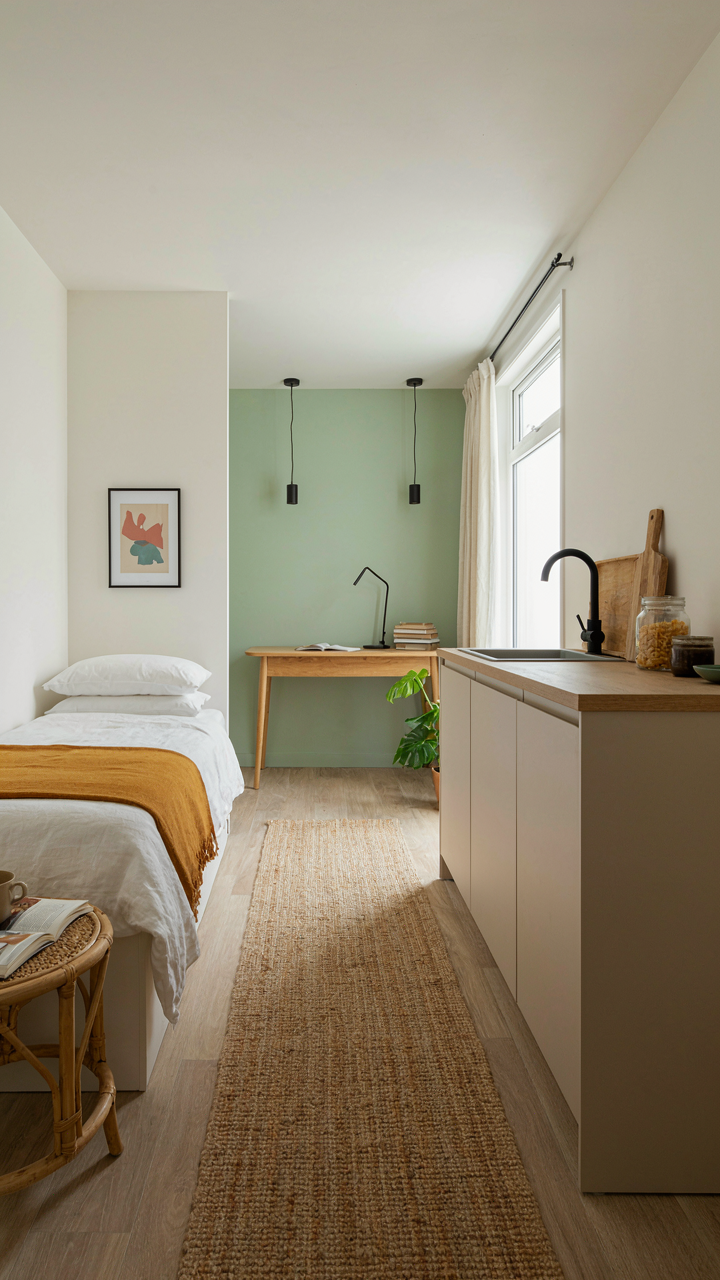
You want the number to justify the purchase because bigger feels safer. Here’s the mechanism: square footage is a marketing metric, not a design metric. A 200-square-foot shed cabin with poor layout suffocates you faster than a 150-square-foot one with intentional zones. The difference isn’t the total area. It’s how you partition it. Cabins from European traditions prioritize density and function over raw measurements. American marketing flipped this and sold “more square feet” as the solution to feeling cramped.

What matters is workflow and sightlines, not the sum of the room dimensions. A shed cabin works when you can move from sleeping to cooking to working without dead zones or bottlenecks. Measure usable surface area instead: counter space, bed platform depth, storage density. A 180-square-foot cabin with wall-to-wall optimization outperforms a 220-square-footer with wasted corners. Stop optimizing for the listing. Start optimizing for actual movement through the space.
The Ruthless Decluttering Protocol
Most advice on small space living tells you to “be intentional” and “own less.” That’s incomplete. The real work is establishing what doesn’t belong before you build. Use the inventory method: list every object category you’ll bring in, then eliminate 40% of each category before construction starts. This isn’t minimalism theater. It’s structural design. You’re preventing the shed cabin from becoming a storage unit that you sleep in.
Declutter by function, not sentiment. A shed cabin has five core functions: sleep, work, cook, store, transition. Every item must service one of these directly or enable another. If something serves “just in case” or “someday,” it goes. The protocol: photograph your current living setup, mark what you actually touch weekly, remove everything else from your mental model before ordering materials. Build the cabin around what remains. This reverses the typical flow where people fill space after construction completes.
Your Personal Cabin Shed: Building For Mental Fortification
The Third Space Between Everything
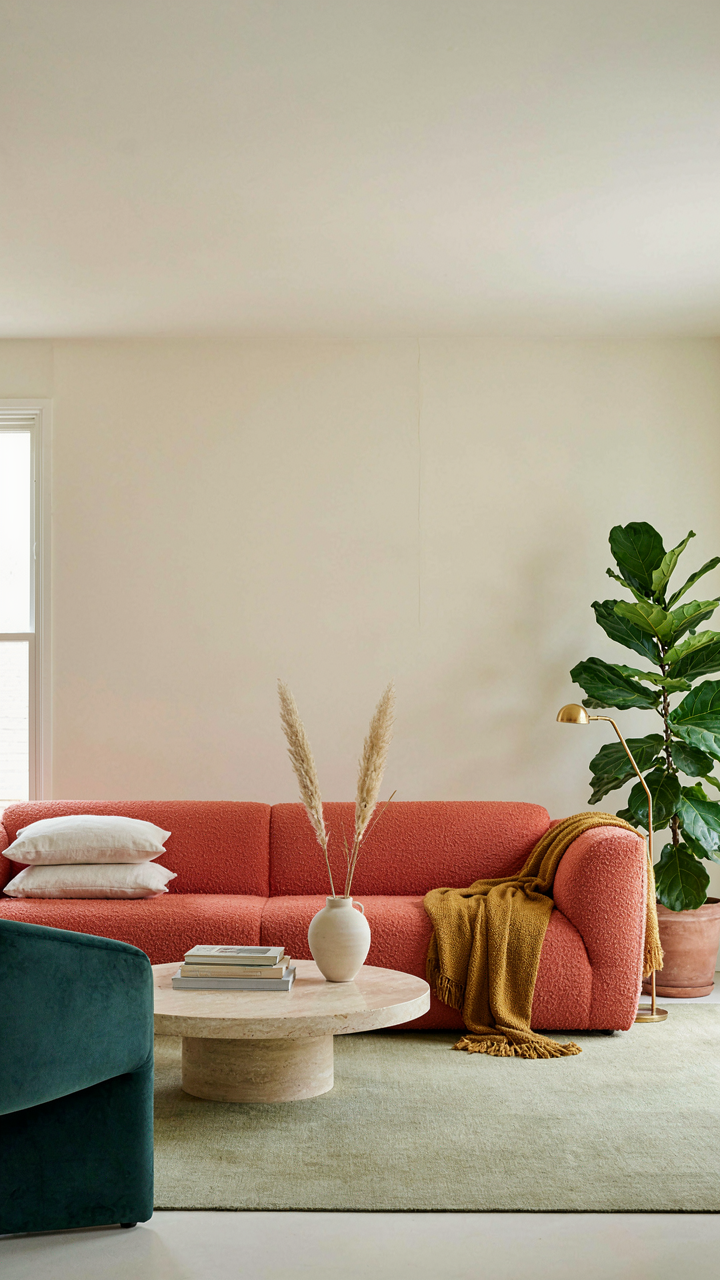
You want permission to stop pretending you’re productive in your main house. That’s the real reason you’re reading this. A shed cabin works because it’s physically separate from your domestic chaos and professionally distinct from your office. Economics calls this “segmentation”—the isolation of variables to control an outcome. Your shed cabin is the segmentation of your attention. You remove the visual noise of family life, the email notifications, the kitchen sink full of dishes. You also remove the social pressure to be “on” for work. The space itself becomes a container for depth.

Most people confuse a shed cabin with a vacation rental or a man cave. Both miss the point. This is infrastructure for sustained cognitive work. You spend 30 minutes getting there. You shut a door that locks from the inside. Your phone has no signal or you leave it behind. The friction is intentional. Deep work requires environmental walls, not just time blocking. Build your shed with this function first, aesthetics second. A 12×16 footprint with one window facing away from the house, a solid desk, minimal decoration, one chair, and climate control is the specification. Everything else is distraction.
Investment In Solitude: The Undervalued Asset
Solitude is not free time disguised as productivity. It’s an asset you allocate like capital. Most people never calculate its actual return because they measure it against hourly billing rates or output metrics. Wrong frame. The real return compounds over years as pattern recognition, creative problem solving, and decision clarity. You can’t think your way through a strategic problem while managing Slack messages. You can’t write complex ideas while context-switching. A shed cabin forces you to choose: either you’re in there working on the thing, or you’re not there. The binary removes the negotiation.
The cost equation is simple. A functional shed cabin runs 3,000 to 8,000 dollars depending on whether you build from a kit or custom framing. That’s roughly the cost of two weeks at a decent retreat center or three months of a shared office space. But it’s yours. It’s available every day. You amortize that investment over five years and you’re looking at 600 to 1,600 dollars annually for unlimited access to a space that produces your best work. Most people spend more on subscriptions they never use. The real cost isn’t the money. The real cost is the decision to stop treating your cognitive output as something that happens in whatever room is available and start treating it like a system that requires specific conditions.
Stop Optimizing Your Space. Optimize Your Escape. Your Most Valuable Asset Is Uninterrupted Thought
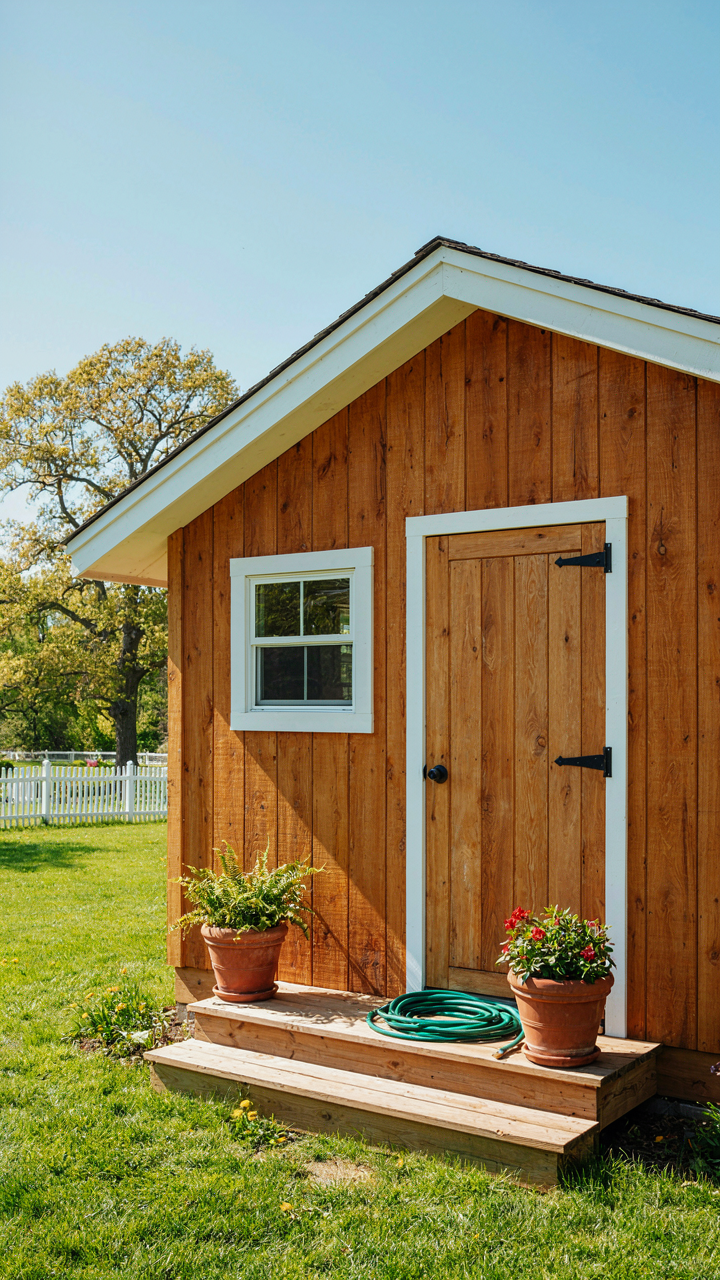
You don’t need a perfect shed cabin. You need separation. A shed cabin works because it breaks the leash between you and your life. Build it wrong, furnish it cheap, make it ugly. Completion matters more than curation. Your brain doesn’t care about Instagram aesthetics. It cares about distance. Pick a day this week. Measure your backyard. Call a contractor or grab materials yourself. The escape you build today is worth more than the perfect one you plan forever.