

The Folly Of “Distressed”: It’s Not Charm, It’s Lack Of Intent

Authentic Wear Versus Manufactured Imperfection
You want permission to buy cheap furniture and call it intentional. Here’s the mechanism: authentic wear follows physical logic, while manufactured distressing follows no logic at all. Real weathering happens predictably. Wood darkens where hands grip it. Paint chips at edges and joints first, where wood moves with humidity. Metal rusts in moisture-prone areas. Manufactured distressing scatters damage randomly, which your eye reads as fake before your brain can explain why.
Actual coastal cottage pieces show wear patterns tied to use and environment. A painted dresser used near salt air develops corrosion on metal hardware and surface checking on the finish where UV and salt combine. Factory distressing applies sandpaper and chemical stains uniformly, treating every surface as equally damaged. The difference: one has causation, one has theater. You can feel the difference when you run your hand across a piece.
Why Fake Aging Devalues Your Space
The interior design market treats authenticity like economics treats scarcity. When everyone can buy a “distressed” nightstand at retail, nobody pays attention to yours. Real weathered furniture holds value because the damage is unrepeatable. Every genuine piece has a specific wear signature. Fake distressing is mass-produced identical damage, which signals low cost and no history.
Your room reads as unfinished when distressed furniture fills it because the eye catches the mismatch between the intentional damage and the pristine structure underneath. You’re paying for the appearance of age without earning the credibility age provides. Instead, source actual vintage or reclaimed pieces, or accept new furniture in its honest form. The mechanical protocol: inspect hardware aging, examine wood grain exposure patterns, and verify finish discontinuity matches logical friction points before purchasing anything marked weathered.
The “Erosion” Principle: Furniture As Geologic Formations

Layers Of Time In Wood Grain
You want weathered furniture because it signals you didn’t buy it yesterday. That’s the real mechanism at work here, and weathered finishes exploit it perfectly. In geology, stratification reveals temporal depth—each layer marks a distinct period. Wood grain works the same way. Multiple finish layers, exposed grain, color variation, and surface wear all compress time into a visual narrative that new furniture simply cannot fake without looking contrived or cheap.

The wood itself holds this record naturally. Growth rings, knots, and grain direction accumulate across decades or centuries. When you apply a weathered finish to coastal cottage pieces, you’re not decorating. You’re exposing what already exists in the material. Sanding through top coats, allowing lacquer to crack, or leaving raw wood edges visible accelerates this perception of age. The viewer’s brain reads these signals as authenticity before they consciously notice anything.
Forces That Shape Natural Surfaces
Coastal environments don’t weather furniture gently. Salt spray oxidizes metal hardware. UV exposure bleaches wood fibers unevenly. Humidity cycles cause wood movement, which stresses joints and finish layers. Wind carries abrasive particles that scar surfaces. These aren’t aesthetic choices—they’re physical forces that remove material and alter color systematically. Furniture that shows these marks reads as genuinely coastal, not merely styled that way.
The most effective weathered finishes reproduce these specific damage patterns. Manufacturers use chemical wash techniques, selective sanding, and layered stains to mimic salt damage and sun exposure. Strategic distressing focuses on high-contact areas where real wear accumulates: armrests, table edges, feet. When this work follows the actual physics of coastal degradation, the result feels inevitable rather than decorated. Apply distressing unevenly, concentrate damage on stress points, and leave some surfaces comparatively preserved—this mirrors how real coastal elements actually erode.
Beyond Beige: The True Coastal Palette Is Not A Swatch Card
Where Your Color Actually Comes From
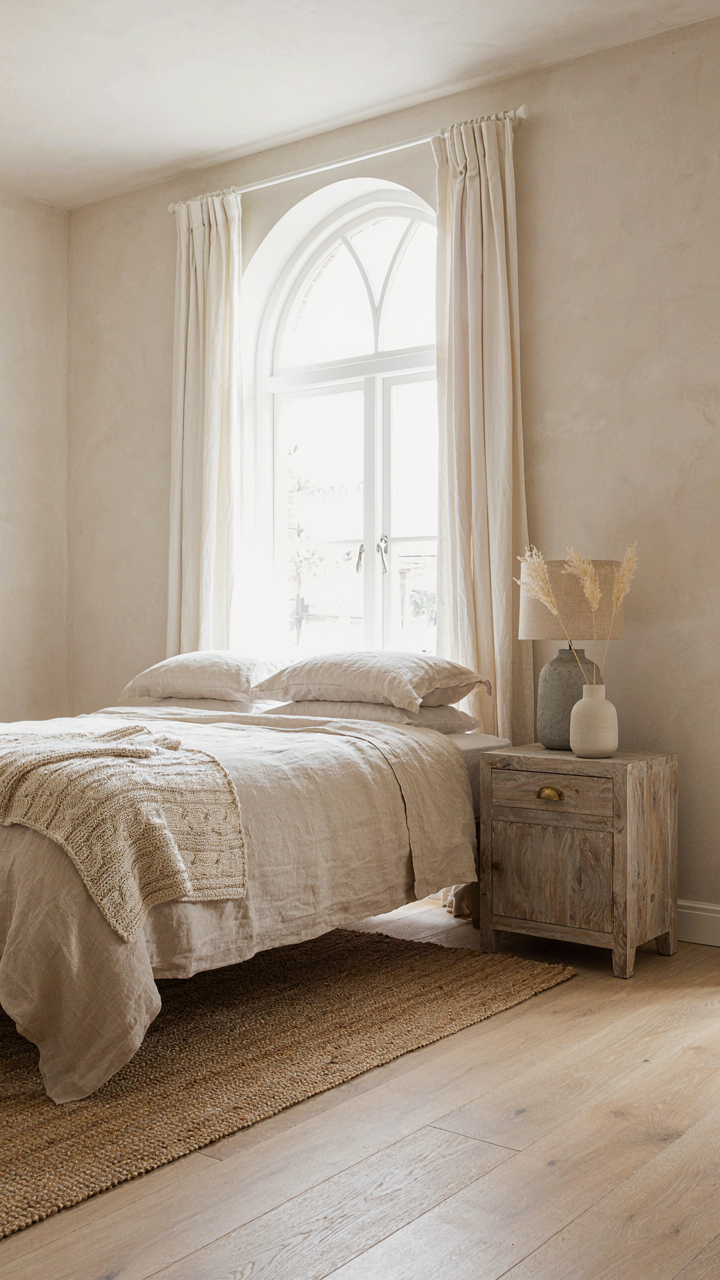
You want coastal cottage furniture to feel authentic because you’re tired of looking like everyone else’s vacation rental. Here’s the mechanism: the palette isn’t invented—it’s extracted. Pull your colors directly from the materials already in the room. Weathered wood has gray undertones and brown depth. Rope has cream and tan. Linen holds greige. Stone carries slate and warm grey. When you source color from what’s physically present rather than from a paint deck labeled “Coastal Mist,” the space stops performing and starts existing.

The reason most coastal rooms fail is they treat color as decoration instead of documentation. You’re not choosing colors. You’re naming what’s already there. A driftwood side table isn’t beige—it’s the actual color of salt-aged pine. The cushion isn’t cream—it’s undyed linen. Weathered teak doesn’t photograph as “whitewashed”; it photographs as sun-bleached. This distinction matters because it forces restraint. You can’t add a sixth color without breaking the system that’s generating all the others.
Stop Treating Pinterest As A Color Source
The “Beach House Living Room” aesthetic sold online is a trap because it’s designed for scroll velocity, not for inhabitation. These rooms use saturated blues, sharp whites, and coordinated accents that photograph like product mockups. Throw pillows in navy. A gallery wall with beach prints. Rope baskets in three different shades. The mechanism at work here is visual novelty—the algorithm rewards contrast, not coherence. Your cottage isn’t an Instagram post. It needs to function at eye level for months without exhausting you.
Real coastal color palettes have friction. They’re not immediately harmonious. A weathered grey cabinet next to a warm honey-toned beam looks slightly off until you realize they’re both responding to the same light source. That tension is what prevents the room from feeling staged. Your selection process shifts from “does this match the moodboard” to “does this material age the same way the others do.” Stick to materials that weather predictably: aged wood, untreated rope, linen, stone. Avoid anything lacquered, stained, or artificially whitewashed.
The Brine Protocol: Engineering Durability, Not Just Aesthetics
Materials Built For Salt And Sand
You want coastal cottage furniture to look good in photos without replacing it every three years. The real mechanism at work here is material selection based on salt spray resistance, not style preference. Think of it in metallurgical terms: corrosion is oxidation, and oxidation accelerates near salt water. Your furniture needs materials that resist this chemical attack, not materials that simply look rustic.
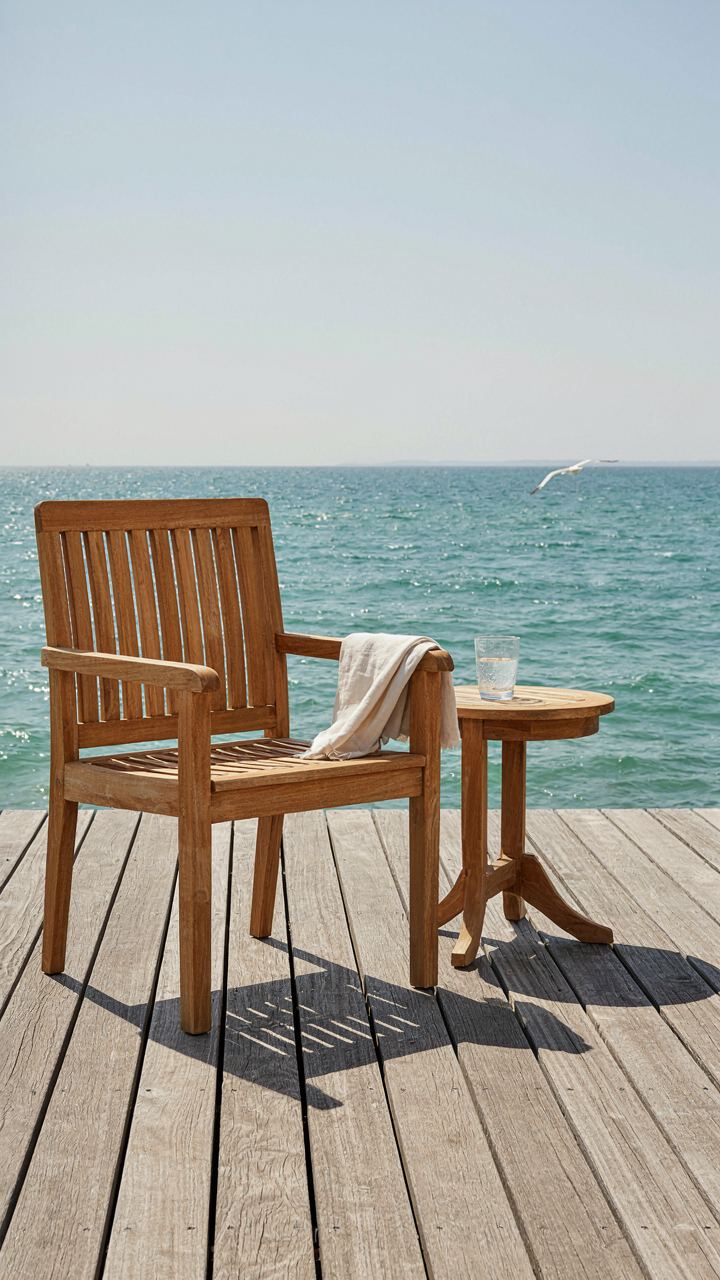
- Teak: Naturally high in silica and oils, resists salt spray without treatment. Used in marine applications for centuries. Darkens over time but remains structurally sound in coastal environments.
- Powder-coated aluminum: Takes a protective polymer coating that blocks salt contact with the metal beneath. Lightweight, won’t rust, and maintains finish longer than bare metal in spray zones.
- Marine-grade stainless steel: 316-grade alloy resists chloride penetration better than 304. More expensive but standard for coastal decking hardware and frame components exposed directly to salt air.
- Cedar and cypress: Naturally decay-resistant woods with low moisture absorption. Don’t rely on finish alone. Require proper ventilation to prevent rot at joints and connections.
- Sealed concrete and fiber cement: Engineered for moisture barriers. Resists salt crystallization that breaks down porous surfaces. Requires resealing every 2-3 years in high-spray areas.

The weathered finish you see on quality coastal cottage furniture isn’t random aging. It’s the result of material choice meeting controlled exposure. Teak grays predictably. Powder-coated aluminum chalks slightly but holds. Unsealed wood fails catastrophically. Pick your material based on how it degrades, not how it photographs.
Maintenance Rituals For Longevity
Most coastal furniture advice tells you to “rinse and dry regularly.” That’s incomplete. You need a protocol based on salt accumulation cycles, not guesswork. Salt doesn’t dry off evenly. It crystallizes in joints, under cushions, and in crevices where water pools. Those spots deteriorate first.
Establish a weekly fresh-water rinse for any furniture within 200 feet of saltwater. This disrupts the crystallization cycle before minerals build up. Use a hose or bucket of fresh water, never power washing on new finishes. After rinsing, air dry completely. Moisture trapped under cushions or in frame joints becomes the delivery system for salt damage. Wipe down crevices and joints with a dry cloth. For teak and cedar, sand any rough spots that emerge every 12-18 months. Apply marine spar varnish or teak oil to exposed wood annually. For powder-coated pieces, inspect for chips or scratches where salt can penetrate the coating. Patch damage immediately with matching marine-grade touch-up paint. Replace cushion covers if salt staining appears, since salt draws moisture into foam and accelerates breakdown.
The Deception Of “Nautical”: Ditch The Anchors

Function Over Cliché
You want to signal that you understand coastal design without looking like you’re trying too hard. The real problem: nautical decor became a costume. Rope knots, ship wheels, anchor throws, and striped everything communicate the opposite of coastal cottage authenticity. These pieces belong in theme restaurants, not homes that weather actual salt air.

Coastal cottages developed their aesthetic from constraint, not decoration. Fishermen and boat builders used what they had. Wood aged gray because it faced the ocean for decades. Furniture stayed simple because storms destroyed ornament. This is industrial design by accident, not by intent. Buy pieces that serve function first, then happen to carry maritime weight through material alone.
Subtle Nods To Maritime History
Real maritime influence shows up in joinery and wood selection, not in decorative symbols. Dovetail joints, mortise and tenon construction, and wood species like teak and Douglas fir carry the actual lineage of boat-building into your living room. These structural choices whisper history instead of screaming it. A side table built with traditional joinery methods reads as coastal without needing a single thematic accent.
The mechanism is constraint expressed through craft. Boat builders maximized durability and minimized weight through technique. That same rigor, applied to residential furniture, creates pieces that age visibly and beautifully. Look for joinery details you can see, wood with natural checking and grain variation, and finishes that reveal rather than conceal the material beneath. This transforms your room from decorated to built.
The Unspoken Rule Of Weight: Why Lightness Fails
Grounding Pieces In A Transient Environment
You want coastal cottage furniture to feel effortless and airy because you think that’s what “coastal” means. But here’s what actually happens: weightless pieces float visually and physically, making a room feel temporary and unsettled. This is a load-bearing problem in architectural terms. A frame carries load. In coastal cottage design, visual weight and material density carry the room’s psychological stability. Flimsy pieces announce impermanence. The space reads as borrowed, not inhabited.

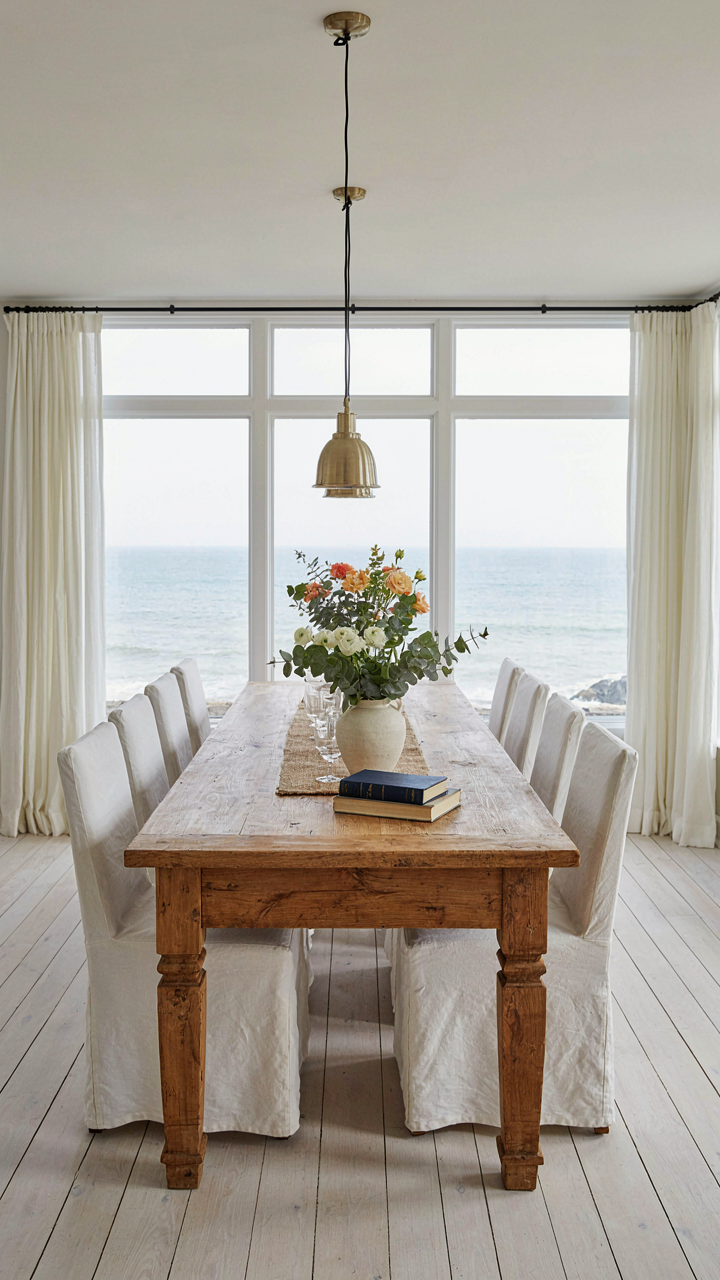
Weathered wood pieces work because density survives exposure. Oak, pine, and reclaimed timber hold their form under salt air and humidity shifts that destroy lighter materials. Mass creates anchor points. A solid coastal cottage table with visible grain and patina commands its corner. It doesn’t apologize for taking up space. The finish may look worn, but the underlying structure signals commitment to the room’s permanence.
Avoiding The Trap Of Decorative Thinness
Most advice treats “light” and “lightweight” as synonyms in coastal design. Wrong. Light refers to color and visual airiness. Lightweight refers to actual mass and structural presence. A piece can be pale driftwood gray and still have the heft to ground a room. Conversely, a delicate glass-topped accent table with thin metal legs reads as temporary no matter how many weathered details you add to it.
The mechanism is visual hierarchy through density. Heavy pieces first, then lighter accent furniture. A solid weathered dresser anchors the bedroom. A woven rattan chair or painted driftwood side table fills in around it. This layering creates a lived-in composition instead of a catalog spread. Choose pieces rated for moisture and movement. Solid wood coastal cottage furniture expands and contracts with humidity. Engineered pieces warp and separate at joints under coastal conditions.
Coastal Farmhouse Decor: Blending Grime With Grace
Where Function Meets Finish
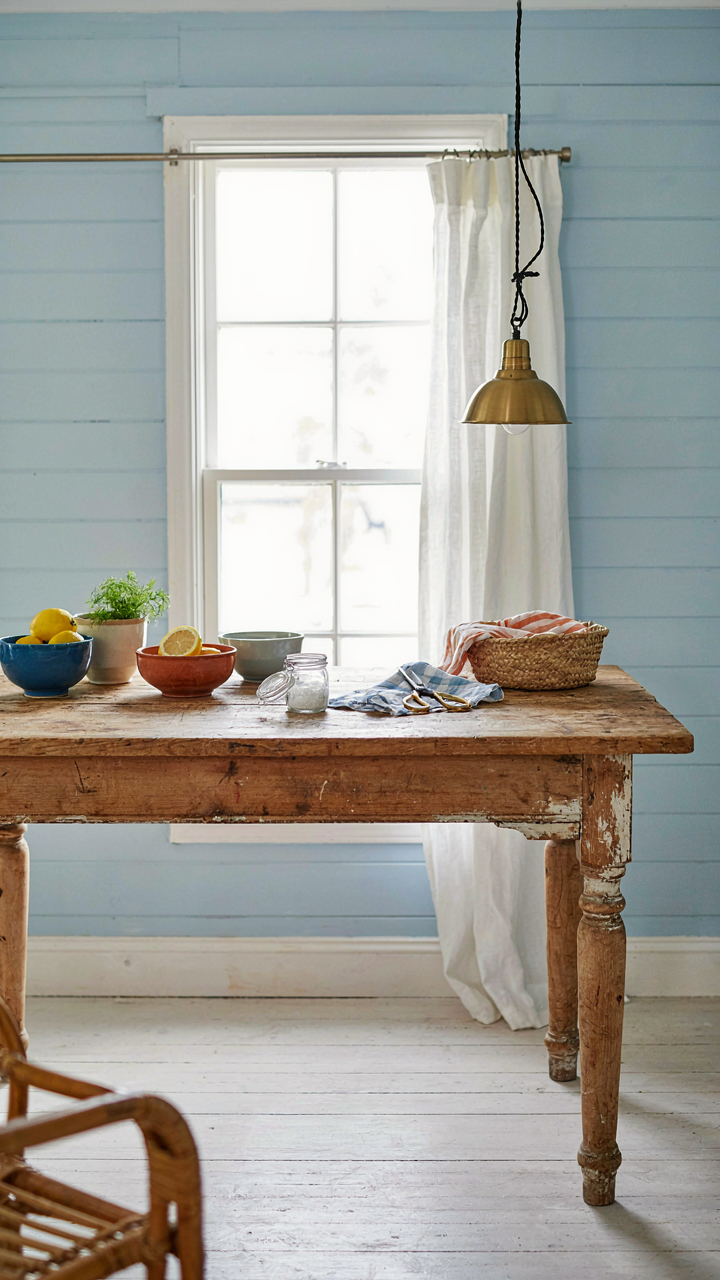
You want weathered pieces because they hide the fact that you actually use your furniture. The real mechanism isn’t aesthetic—it’s psychological permission. Coastal farmhouse design borrowed from agricultural vernacular, where patina signals authenticity rather than neglect. A worn table top isn’t damaged; it’s evidence of work. This distinction matters because it lets you stop pretending your home is a showroom and start treating it like a place where living happens.

The weathered finish solves a practical problem: maintenance becomes invisible. Scratches, salt spray damage, and daily wear don’t register as flaws in a deliberately distressed piece. You’re not hiding imperfection; you’re integrating it into the design language. This is why coastal cottage furniture works in actual coastal environments. The finish isn’t fighting the climate—it’s aligned with it.
Reclaimed Materials And Working Pieces
Real working furniture in coastal homes comes from function, not from a design catalog. Fishing villages used storage benches because they held nets and tackle. Boat builders created ship-lap paneling for moisture control, not Instagram aesthetics. When you source reclaimed barn wood or salvaged dock planking, you’re buying a piece with structural integrity already proven by years of use. That’s the opposite of decorative weathering—it’s evidence of survival.
Integrate these pieces by matching their original purpose to your current needs. A salvaged captain’s table works in a coastal cottage because it actually performed that role. An old fish-cleaning station becomes a kitchen island. The weathered finish isn’t applied as an effect; it’s the byproduct of genuine utility. This alignment between form and function creates coherence that styled pieces never achieve. Source reclaimed materials from architectural salvage yards or local antique dealers who document the piece’s origin.
The “Beach Themed Bed” Fallacy: Your Bedroom Is Not A Prop
Comfort Over Instagram Aesthetics
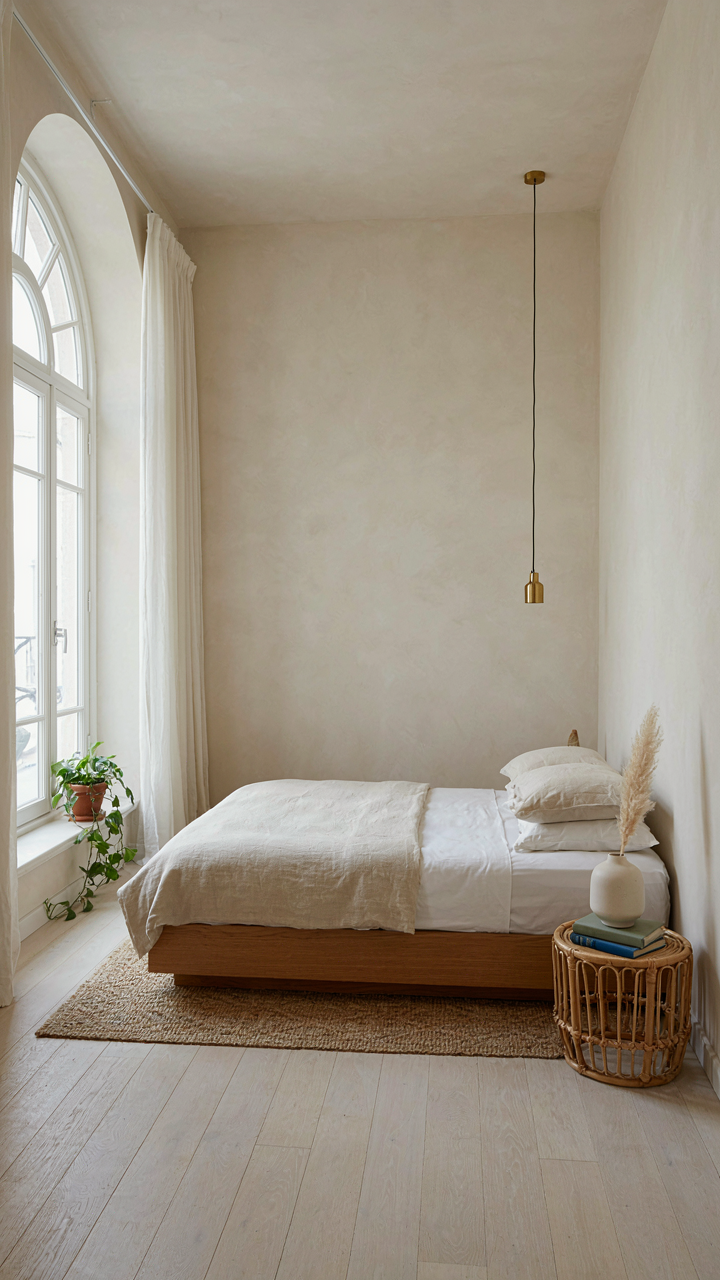
You want the bed to look like it belongs in a magazine because you’re afraid a simple, functional bedroom means you’re boring. Here’s the mechanism: coastal cottage style got weaponized by interior design content. People now confuse a bed’s visual narrative with its actual job, which is sleep. A weathered wood bed frame with rope detailing looks right but often sacrifices height, mattress support, or ergonomic foundation. The gap between what reads as coastal and what actually works is where most people waste money and wake up sore.

Prioritize the mattress first, then the frame. Your bed must have proper support slats or a platform rated for your mattress weight. Only after those non-negotiables are met should you consider weathered finishes. A poorly constructed frame with perfect coastal aesthetics will fail faster than a solid frame with zero style. The bed’s primary function doesn’t change because you painted it driftwood gray.
Sleep Quality Demands Boring Fundamentals
Restorative sleep requires darkness, temperature control, and minimal distraction. That’s neurology, not opinion. A bed styled for visual impact often includes ornamental elements that create light reflection, trap heat, or become visual noise your brain processes even when you’re trying to rest. Rope headboards, for instance, look right for coastal cottage but cast shadows and create texture that keeps the visual field active. Your nervous system doesn’t know the difference between a design element and actual stimulation.
Build your bed around sleep science first. Choose a headboard that’s simple and matte finished, even if weathered. Add side tables you can actually reach without leaning. Use a frame height that lets you move in and out without strain. The weathered finish matters only after the bed stops being a set piece and starts being a recovery tool. Your bedroom’s job is restoration, not documentation.
The Coastal Cottage Style: Beyond Surface Level Trends
Timeless Design Versus Trend Cycles
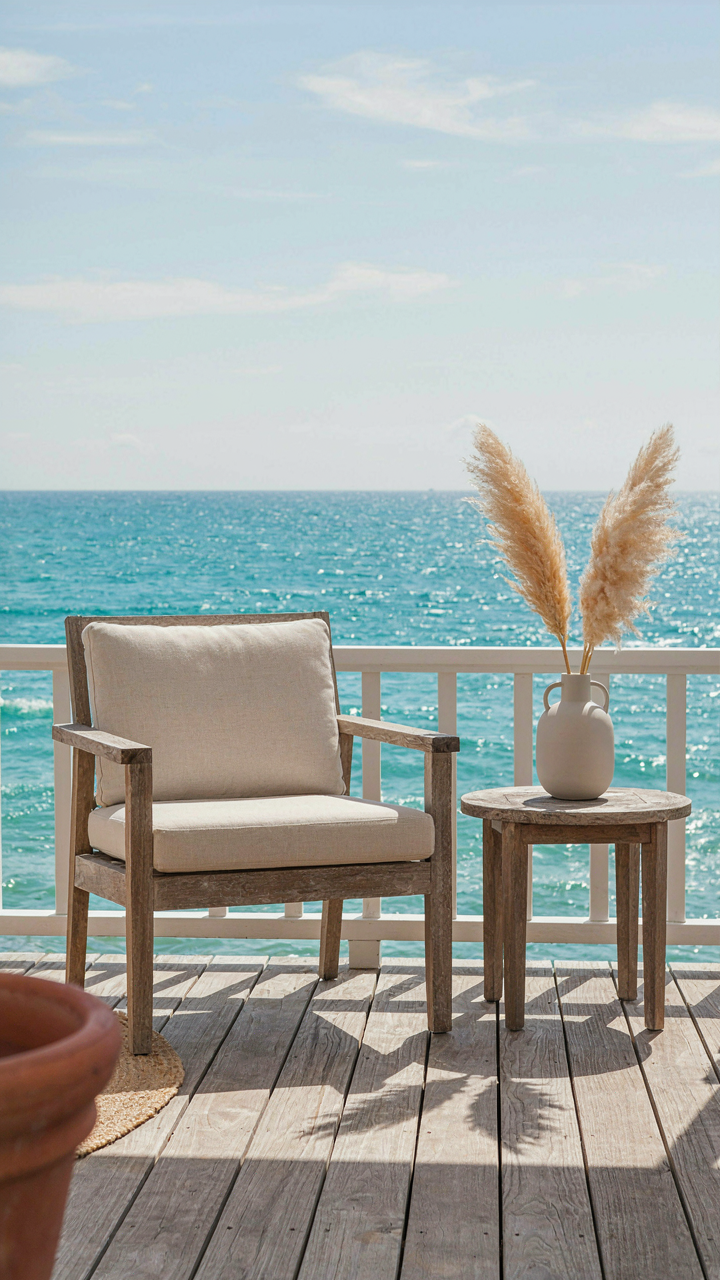
You want permission to buy expensive furniture without looking foolish in five years. The mechanism separating timeless coastal cottage pieces from disposable ones comes from material durability and functional constraint, not aesthetic preference. Weathered finishes that develop naturally through salt air and sun exposure solve a real problem: wood that resists rot and maintains character without demanding refinishing every season. Trends chase novelty. Timeless design solves problems that don’t change.

Coastal cottage style anchors itself to geography and climate, not Instagram cycles. Pieces designed for high-humidity environments with salt spray—like teak, reclaimed pine, and whitewashed oak—have remained functional choices for two centuries, not three-season fads. The aesthetic follows the material. When you choose furniture built to withstand coastal conditions, you’re not following a trend. You’re following a constraint that won’t disappear.
Building Your Authentic Style Narrative
Stop treating your home like a showroom catalog. The real mechanism at work here borrows from systems thinking: a coastal cottage interior is a coherent system where each piece reinforces the same problem-solving approach, not a collection of objects that happen to look similar. Your narrative emerges when you can articulate why you chose each piece—the weathered finish protects the wood, the simple joinery allows repair, the neutral tones hide salt spray damage—rather than because design blogs suggested it.
Authenticity means making visible choices. Weathered finishes tell the story of exposure and time. Mismatched dining chairs suggest inheritance and use, not curation. Worn cabinet hardware indicates decades of real handling. When you reverse-engineer why coastal cottage builders used what they used, you stop decorating and start designing with purpose. Your next furniture purchase should answer this question: does this solve a problem my coastal environment creates?
Your Fear Of Permanence, Not The Tide, Dictates Your Design. Embrace The Grit

Most people treat coastal cottage furniture like museum pieces. They buy it, protect it, pray the salt air doesn’t touch it. That’s backwards. Weathered finishes don’t happen by accident. They happen because you actually use the space. Stop treating imperfection like failure. Go buy one weathered piece today, put it somewhere visible in your home, and stop refinishing it. The patina you build is the only design choice that matters.