
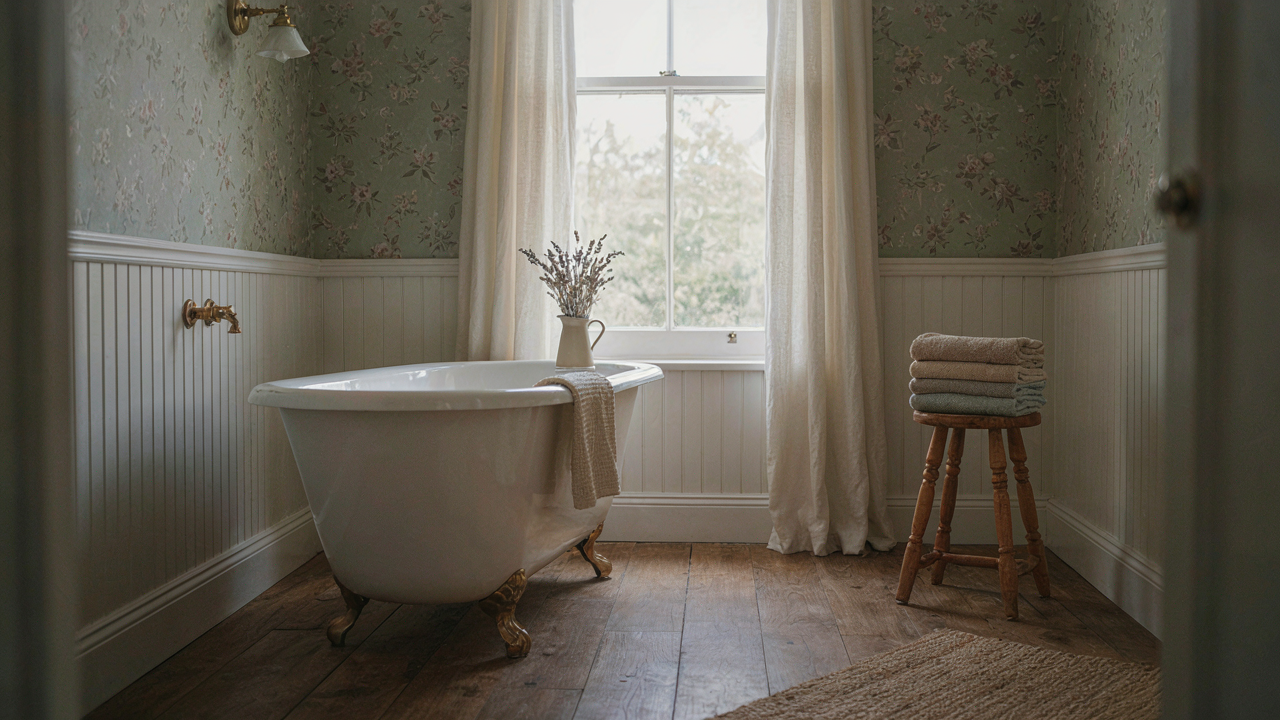
The Illusion Of New: Why Your Modern Bathroom Will Fail You
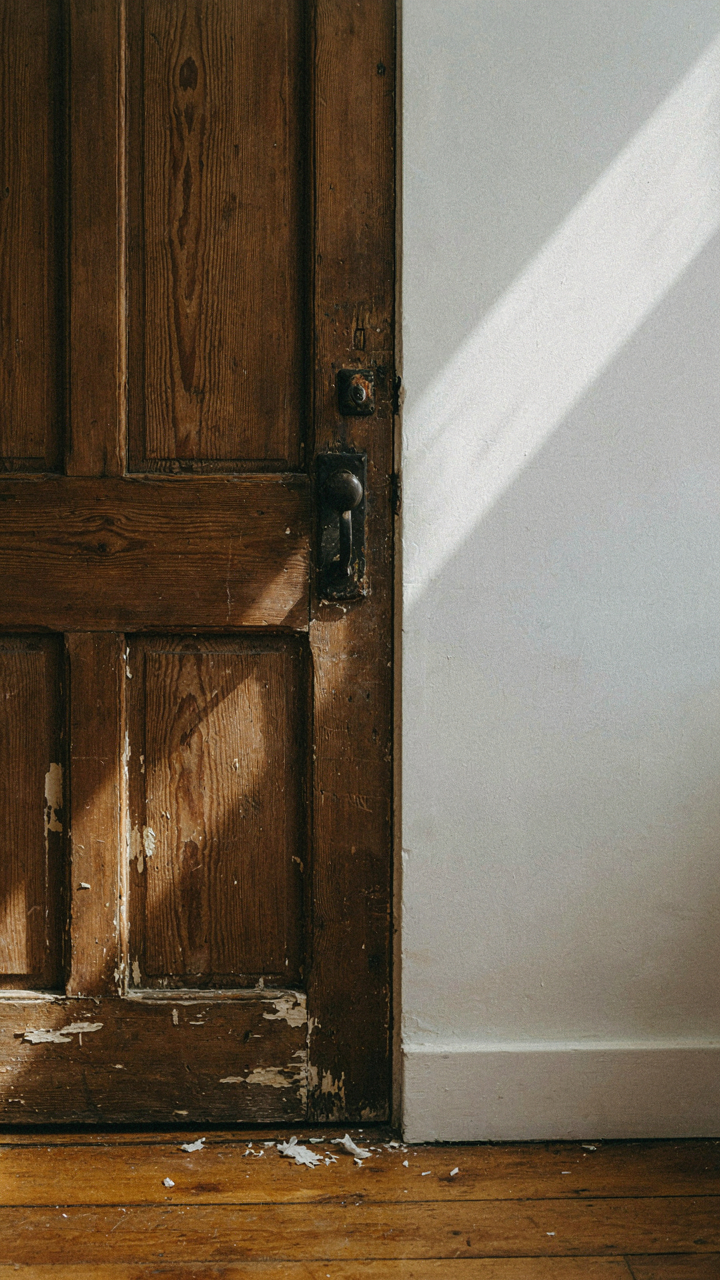
Modern Sterility Doesn’t Age Well
You want to believe your sleek bathroom will outlast trend cycles and feel timeless. It won’t. Modern sterility—the stripped-down aesthetic that dominates current design—relies on perfect execution and flawless surfaces to exist. The moment grout discolors, caulk cracks, or fixtures show wear, the whole premise collapses. Cottages work differently because imperfection is baked into the design language from day one.
Borrow from architecture’s concept of “graceful degradation”: a system that maintains function and appeal even as it deteriorates. Vintage cottage bathrooms employ this principle naturally. Exposed wood darkens and gains character. Porcelain chips and reveals earthen undertones. Vintage brass patinas. Nothing requires perfection to remain beautiful. Modern finishes demand constant maintenance just to avoid looking abandoned. That’s not luxury. That’s a treadmill.
The Real Cost Of Chasing What’s Current
The common advice says: design for yourself, not trends. That’s incomplete. What it doesn’t address is that trend cycles now move in three to five year intervals, not decades. You’ll spend money, energy, and mental cycles refreshing a bathroom that could have been stable for thirty years. That’s a compounding loss most people don’t calculate.
Vintage cottage design sidesteps this trap entirely by rejecting the premise that newness equals value. A clawfoot tub installed in 1920 looks as appropriate now as it did then because it was never chasing approval. Select materials with decades of precedent—reclaimed wood, cast iron, ceramic tile in muted tones—and your choices remain grounded regardless of what Pinterest cycles through next year.
The Authenticity Protocol: Sourcing Enduring Materials, Not Replicas
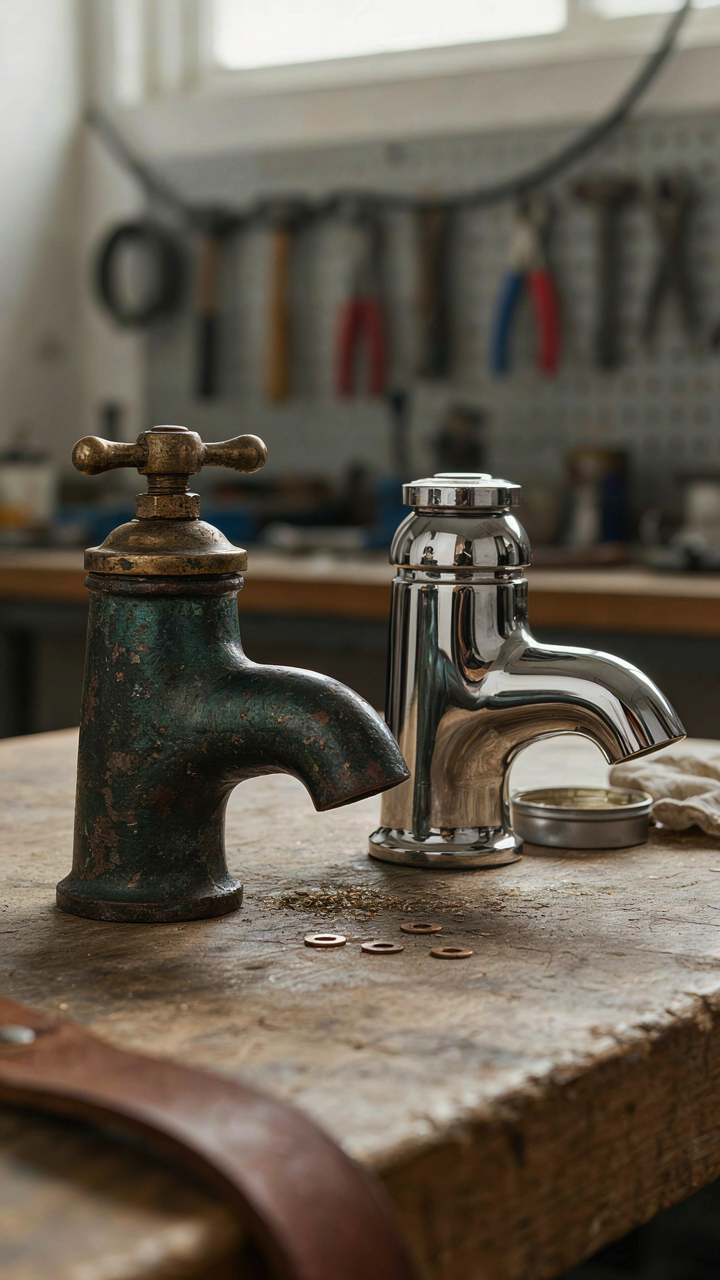
Spotting Real Vintage Against Factory Facsimiles
You want vintage to signal taste. That’s the real reason you care about authenticity. But here’s what matters: reproduction bathrooms fail because they copy aesthetics without understanding material behavior. Economics teaches us about substitution goods—items that replace originals at lower cost but perform differently. Most “vintage inspired” fixtures are substitutes. They look period but behave like contemporary parts. Genuine vintage materials have documented histories. Clawfoot tubs made before 1950 used cast iron thickness that modern reproductions thin down to cut costs. Pedestal sinks from the 1920s used vitreous china fired at higher temperatures than today’s versions.

The mechanism is straightforward: age compounds material integrity or exposes weakness immediately. A salvaged hex tile floor from 1940 survived eighty years. A new hexagon tile marketed as “vintage aesthetic” has no track record. Inspect potential materials for signs of actual age. Check for manufacturer marks, patina patterns that match the period, and structural marks from original installation methods. Salvage yards, architectural reclamation centers, and estate sales carry genuine stock. Factory reproduction showrooms carry things that look right in photos.
Longevity Economics Over Initial Budget
Common advice says reproduction fixtures cost less upfront, so budget accordingly. That’s incomplete. You’re not comparing prices—you’re comparing replacement cycles. A salvaged 1930s brass faucet costs 300 dollars but lasts fifty years. A reproduction version costs 80 dollars but requires replacement every eight to twelve years due to valve failure and corrosion. The math is brutal: replacement costs scale fast.
Material longevity tracks directly to sourcing strategy. Prioritize materials that have already survived decades in similar climates. Cast iron radiators, solid brass hardware, and reclaimed wood vanities show their durability publicly. New materials marketed as vintage have zero long-term data. When sourcing bathroom materials, demand provenance first—where it came from, how long it lasted, what conditions it survived. This single protocol eliminates ninety percent of aesthetic mistakes disguised as budget wins.
Small Cottage Bathroom: Maximizing Impact In Confined Spaces
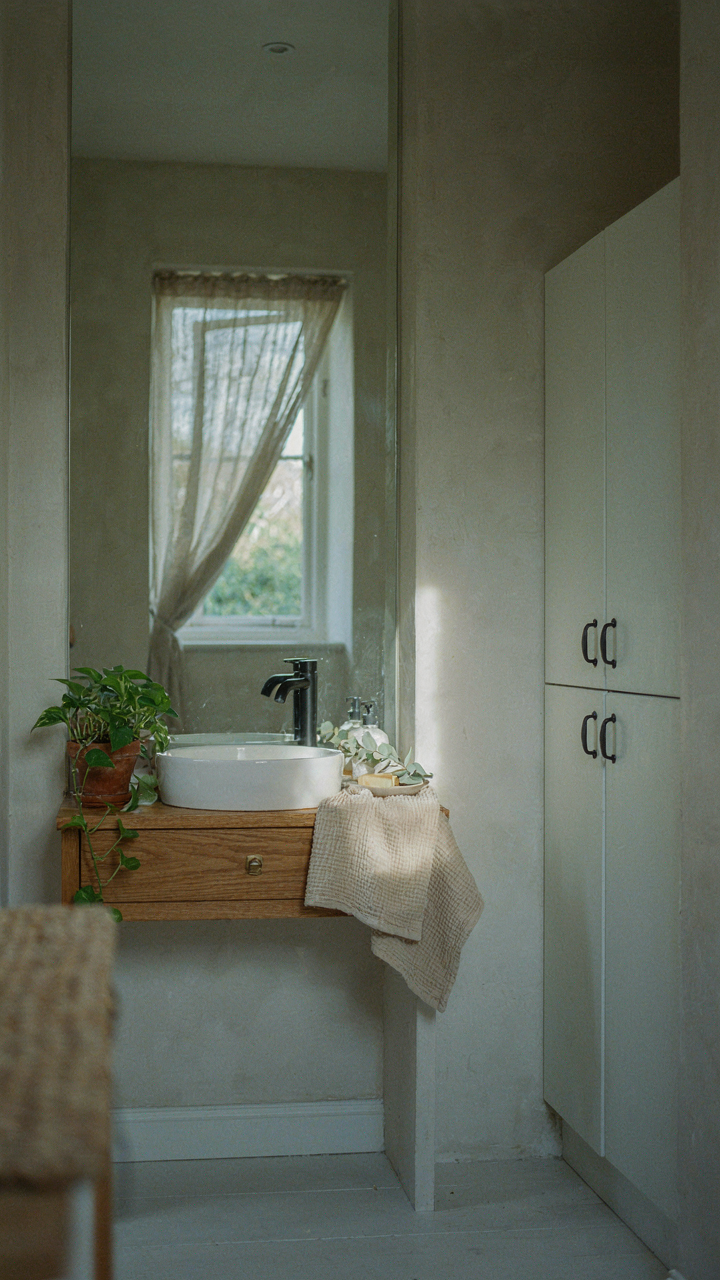
Mirror Placement And Light Reflection
You’re worried a small bathroom looks cheap. That’s the real problem here, not the square footage. Borrow from physics: reflection is how light multiplies without adding source. A large mirror opposite a window doesn’t just look bigger—it functionally doubles the perceived light in the room. Position mirrors perpendicular to natural light, not parallel to walls. This redirects light deeper into the space instead of bouncing it back out.

Cottage bathrooms historically used small, fragmented mirrors because glass was expensive and reflective surfaces were luxury items. Modern cottage design flips this: one large mirror becomes the anchor. Mount it above the vanity from counter to near-ceiling height. This creates vertical extension, which reads as space. Avoid mirrored walls entirely—they cheapen the effect and confuse the eye.
Vertical Storage That Hides Everything
The common advice is to declutter ruthlessly. Wrong. You don’t need less stuff, you need stuff you don’t see. Wall-mounted cabinets above the toilet, floating shelves in corners, recessed medicine cabinets behind mirrors—these are working storage, not decoration. Each holds what would otherwise sit on countertops destroying the sense of openness.
A pedestal sink in a cottage bathroom is a design trap that forces storage problems. Replace it with a vanity that has drawers underneath, or install a narrow console sink with a shelf cabinet below. The mechanism is simple: occupied vertical space feels larger than cluttered horizontal space. Measure your wall width before buying fixtures. Install one tall cabinet unit rather than multiple small ones—fewer objects in the field of vision registers as more room.
The Cottagecore Bathroom’s Deceptive Simplicity
Curated Imperfection Requires Real Precision
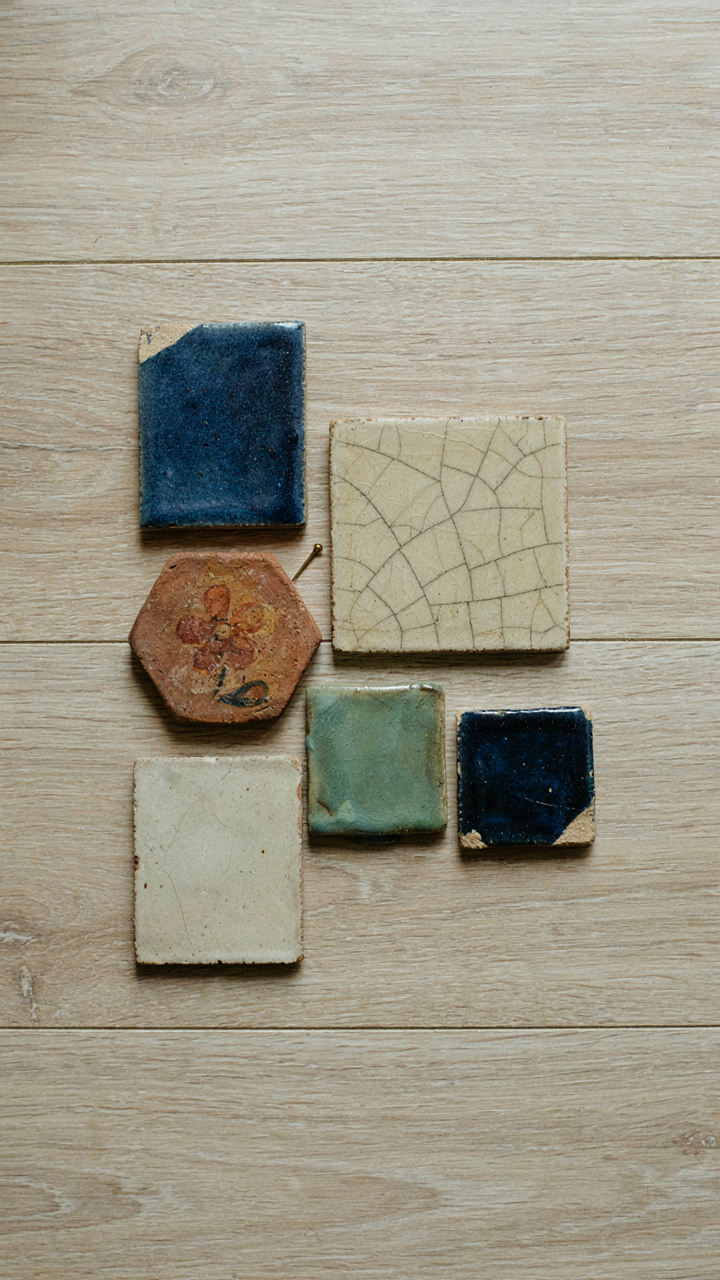
You want this room to feel effortless because effortless reads as authentic, which signals taste and restraint to whoever sees it. Here’s the mechanism: cottagecore simplicity is the opposite of simple to execute. It demands more decisions than a polished modern bathroom because you’re fighting against the human instinct to add, match, and coordinate. Every worn edge, mismatched tile, and layered texture must be intentional or the space collapses into garage sale clutter.

The common advice says “embrace imperfection.” That’s incomplete. Real cottagecore bathrooms control imperfection through material selection and spatial discipline. You choose vintage or reproduction pieces that show age in specific ways, not random decay. A cast iron pedestal sink works because its form evolved through decades of actual use. Mismatched hex floor tiles work because they reflect genuine period layering, not because you grabbed whatever was cheap. The constraint that makes this work: limit your material palette to three primary sources (salvage, period-appropriate new, or convincing reproduction) and stick to it.
Charm Without Becoming A Museum
The difference between cottagecore and kitsch is function. Kitsch prioritizes how something looks in isolation. Cottagecore prioritizes how something works in the room and serves the person using it. A vintage mirror is charming only if it actually reflects your face clearly. Open shelving holding rolled towels reads as intentional; the same shelves holding decorative bottles that serve no purpose read as staged.
Avoid the trap of treating your bathroom as a display case for found objects. Every item earns its place by doing work: storage, lighting, grooming, or legitimate aesthetic contribution that doesn’t rely on novelty. A weathered wooden shelf holds supplies and visually softens the room’s edges. An apothecary jar stores cotton rounds and fits the aesthetic naturally. The protocol: before adding anything, state its function out loud. If you hesitate or default to “it just looks nice,” remove it. Cottagecore bathrooms function better than they photograph, never the reverse.
Beyond Instagram: Cultivating True Vintage Charm
Patina Beats The Distress Gun
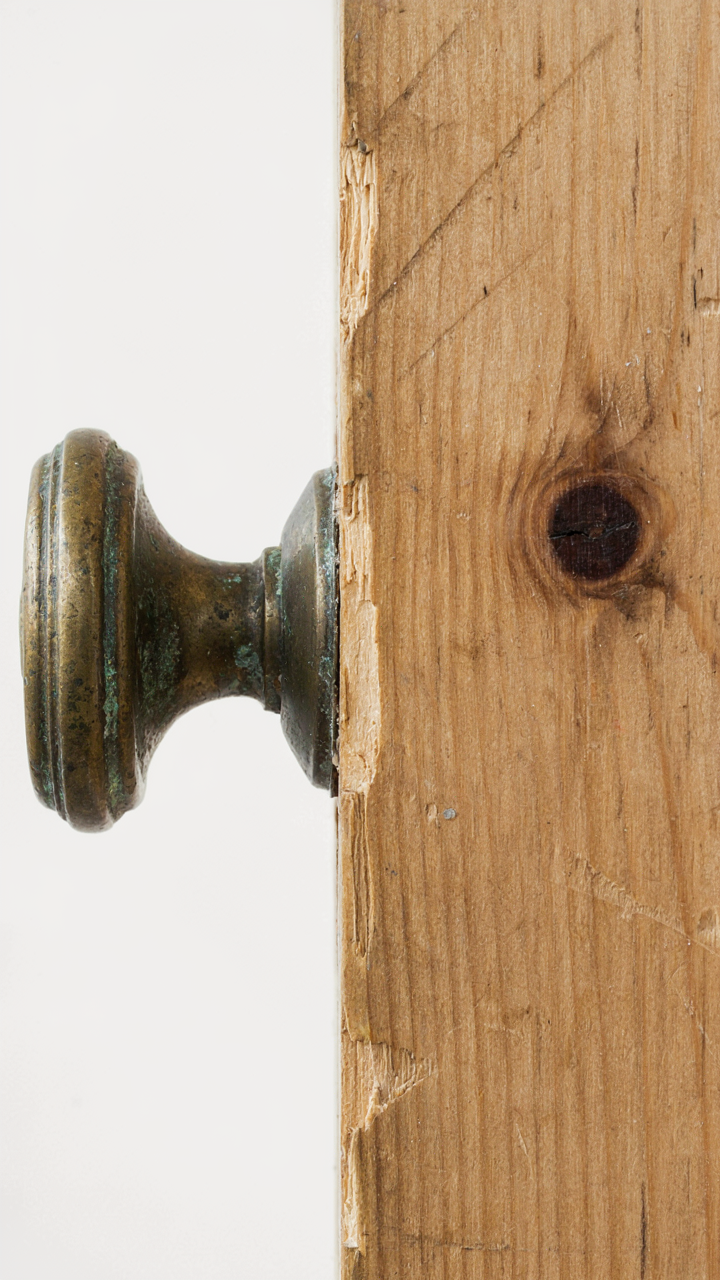
You want people to think your bathroom has history without admitting you bought it that way. Here’s what actually matters: patina is evidence of time and use. It’s not a surface treatment. Think of patina like archaeological layers in stratigraphy—each visible mark tells a story about what touched that object. Real patina only forms through specific material interactions: water on brass oxidizes green, iron develops rust, wood darkens from decades of humidity and light exposure.

The distress trend is the opposite. You’re faking the end result while skipping the mechanism. Artificially aged finishes fool nobody who knows what real deterioration looks like. Buy genuinely old mirrors with spotting in the backing. Source cast iron fixtures that actually corroded. Find ceramic that yellowed from real sink use. The cost is often identical to new distressed pieces, but the bathroom reads as collected rather than decorated.
Salvage With Intent, Not Sentiment
Most people treat salvaged pieces like rescued animals needing a home. That’s backwards. A salvaged medicine cabinet belongs in your cottage bathroom only if it solves a specific problem: you needed that size, that style, that storage capacity. Otherwise you’re just running a showroom for objects. The mechanism here is constraint-driven design. Limited inventory forces real decisions instead of scrolling endlessly.
Source salvaged pieces from architectural salvage yards and estate sales by working backward from your actual needs. Need a pedestal sink that fits a small footprint? Find one. Need a specific mirror size? Hunt it. This eliminates decision paralysis and creates coherence. The bathroom feels intentional because it is. Your final step is verifying the piece functions: does the faucet hold pressure, does the cabinet close flush, do hinges work without binding.
Country Cottage Bathrooms: The Biophilic Design Imperative

Natural Patterns Shape Bathroom Function
You want your cottage bathroom to feel timeless because you’re afraid of spending money on trends that evaporate in five years. The mechanism is biomimicry from biology: organisms evolve patterns that solve structural and perceptual problems simultaneously. Stone with visible grain, wood with growth rings, tile with repeating but irregular geometry—these aren’t decorative choices. They’re information systems your brain recognizes as stable.

Cottage bathrooms work because they copy what lasted for centuries. Shaker-style vanities use frame-and-panel construction that mimics tree branch structure, distributing stress across joints instead of concentrated points. Hexagonal or penny-round tiles echo honeycomb patterns your eye reads as organized rather than sterile. The texture variation in reclaimed wood or hand-thrown ceramic isn’t quaint nostalgia. It’s visual complexity that prevents cognitive fatigue during routine tasks. Your nervous system stays calm in that space because the patterns match what it evolved to find trustworthy.
Light And Air Drive Bathroom Longevity
Most cottage bathroom advice tells you to add a window for charm. That’s incomplete. Daylight through a window regulates circadian rhythm and suppresses mold growth simultaneously. Ventilation removes moisture that destroys everything in a bathroom within ten years. A vintage pedestal sink with exposed plumbing under a north-facing window costs less than drywall repair from hidden water damage.
The real play is positioning function around light sources. Place the mirror where natural light hits it during morning hours when people actually use bathrooms. Run ventilation during and thirty minutes after showers, not on a timer. If you can’t add windows, install skylights or light wells. Recessed lighting alone creates shadow traps that make small spaces feel smaller and hide mold until it spreads. Natural light and active air exchange don’t just make a cottage bathroom feel right. They make it survive.
Cottage Bathroom Mirrors: Reflecting More Than Just Light
Where You Place It Matters More Than What It Is
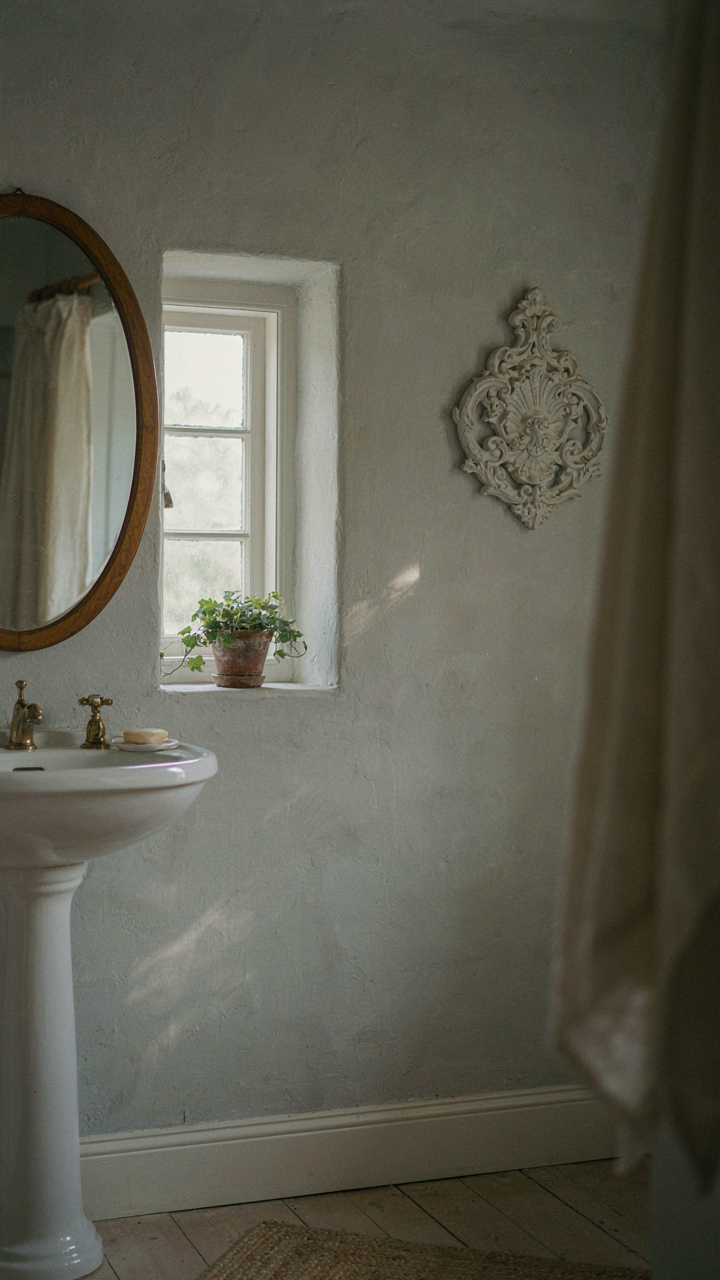
You want the mirror to make your bathroom feel bigger because a cramped bathroom signals you can’t afford space. Here’s the mechanism: mirrors work through geometry, not magic. Placement determines what they reflect. A mirror opposite a window bounces natural light around the room and creates the illusion of a second light source. A mirror on a side wall reflects depth rather than width. Place it where it multiplies what’s already working in the room, not where it just hangs on empty wall space.

The cottage bathroom typically has limited square footage. Strategic placement means positioning mirrors to bounce light toward dark corners or reflect architectural features that already exist. A mirror behind a sink facing the room doubles perceived depth. A mirror angled toward a window captures morning or afternoon light and redistributes it. This isn’t about adding more mirrors. It’s about positioning one mirror where it does the work of two. Measure sight lines before installation.
The Frame Anchors The Whole Language
Most advice says choose a frame that “matches your style.” Wrong. The frame echoes the architectural language already present in the space. Cottage bathrooms inherit their character from the structure itself, and the mirror frame either continues that conversation or breaks it. Wood frames work in cottages with exposed beams or wooden door frames. Metal frames work where fixtures, hardware, or architectural details are metal. Ornate frames match detailed millwork. Simple frames match minimal trim.
The frame does strategic work beyond aesthetics. It signals proportion and period. A farmhouse cottage needs a frame that doesn’t compete with wall texture. A Victorian cottage needs a frame that mirrors the density of its detail. A modern cottage needs restraint. The frame’s scale should relate to the room’s ceiling height and wall dimensions. If your mirror frame feels random compared to everything else in the room, it reads as an afterthought. Match the frame material and complexity to what the cottage already says about itself.
The Scarcity Principle In Design: Modern Cottagecore Bathroom
When Constraint Becomes Currency
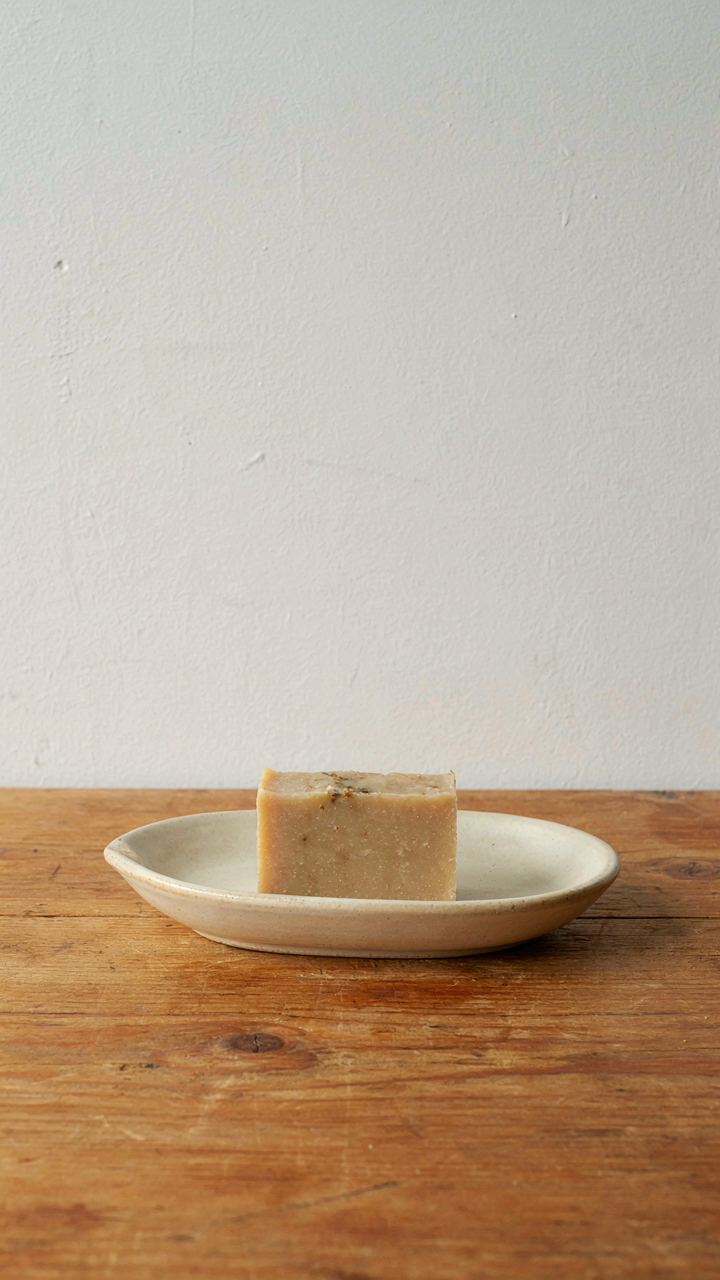
You want people to feel like your bathroom is intentional, not accidental. Economics calls this scarcity pricing: when supply shrinks, perceived value rises. A cottage bathroom works the same way. Remove the noise. Keep only what serves a function or carries real history. The brain registers this as deliberate. Abundance reads as clutter. Restraint reads as taste.

Most bathrooms fail because they stack objects without hierarchy. Three soap dishes, five jars, eight towel hooks. The eye finds no anchor. Scarcity flips this. You choose one soap vessel, one mirror, one textile. Each item becomes visible instead of invisible. The mechanism is simple: fewer objects force the brain to process each one individually. That processing is what creates the feeling of craft.
Editing, Not Emptying
The common advice says “go minimal” as if minimalism means blank walls and cold tile. Wrong. That’s not minimalism. That’s abandonment. Real minimalism in cottage bathrooms means you’ve made choices, not surrendered them. You keep the pedestal sink because it anchors the room. You add one wooden shelf because the wall needed breaking. You choose vintage brass fixtures because they age visibly and carry patina that reads as history.
The restraint shows up in what you refuse. No artificial plants. No decor objects that solve no problem. No color palette borrowed from Instagram. What remains are materials that earn their place: linen towels that fade and soften with use, a cast iron tub that holds heat, plaster walls that accept light differently than drywall. The protocol is simple: ask each object one question before it enters the room. Does this solve a real problem or does it solve a problem I invented?
Cottage Bathroom Ideas Farmhouse: The Myth Of Effortless Charm
What “Farmhouse” Actually Means
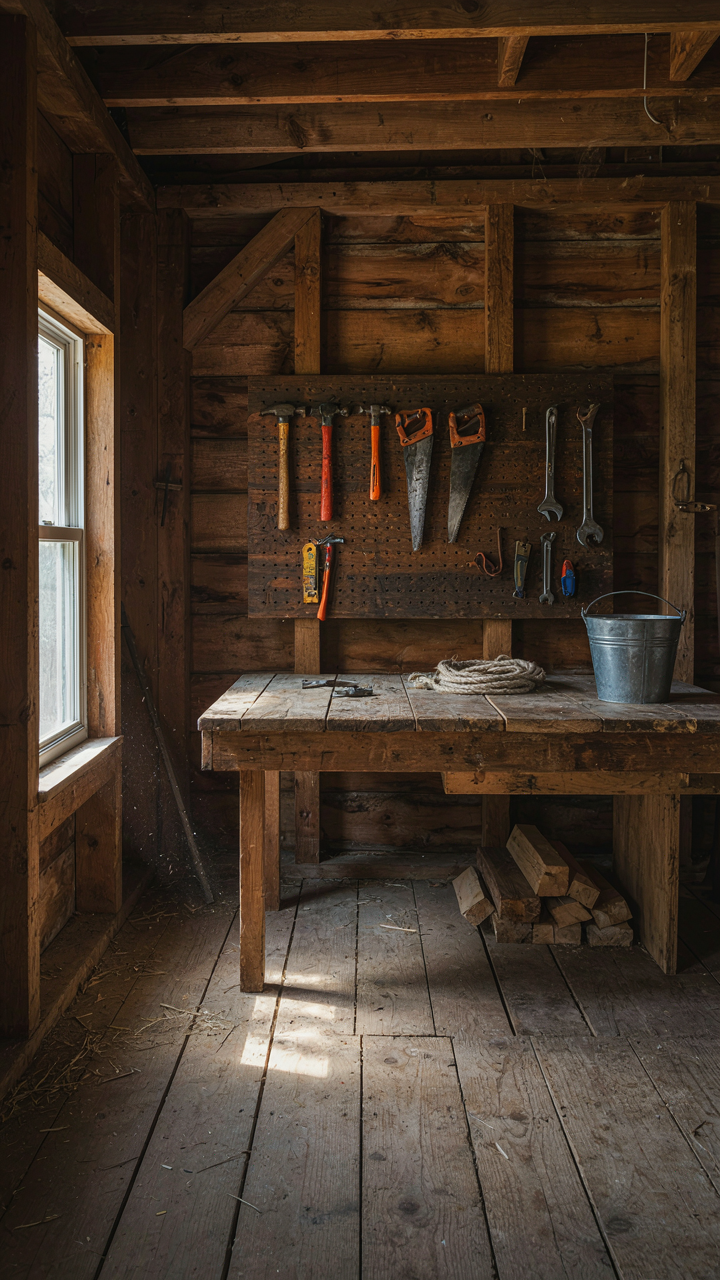
You want people to walk in and think you didn’t try. That’s the real draw here, not the aesthetic itself. The term “farmhouse” gets borrowed from economic history—specifically, the constraint-driven design of actual working farms where every object served multiple functions and nothing existed for decoration. Farmhouse bathrooms today mimic that constraint, but without the constraint. The difference matters because it reveals what to actually build.
Real farmhouse design emerged from necessity, not nostalgia. Farmers used salvaged materials, repurposed fixtures, and durable surfaces because replacement costs ran high. They didn’t install vintage hardware for mood. When cottage bathroom ideas invoke farmhouse style, you’re either replicating actual function or you’re just buying expensive new things designed to look old. The mechanism is simple: authenticity comes from solving a real problem with what’s available, not from aesthetic choices made in a vacuum.
Form Follows Actual Use, Not Pinterest
The common advice says to “mix old and new” or “layer textures for depth.” That’s incomplete. What actually works is identifying the three to four functions your bathroom must perform daily, then letting material and fixture choices emerge from those demands. A pedestal sink with exposed plumbing looks farmhouse because it solved a space problem in houses without built-ins, not because someone decided it looked charming. Repurposed wood works when it’s genuinely salvaged from buildings or barns, not when it’s reclaimed-looking lumber from a big box store.
Clichés accumulate when form disconnects from function. Mason jar storage, vintage mirrors, and shiplap walls work only when they solve actual friction points: poor organization, inadequate lighting, or moisture damage. Install shiplap because it hides uneven walls and handles humidity better than drywall in older structures. Use open shelving because your bathroom genuinely lacks storage and walls can handle exposed plumbing. The test is simple: remove the aesthetic judgment and ask if the solution still solves the problem.
The Enduring Sanctuary: Your Personal Retreat System
Flow State Bathroom: Intentional Design Choices
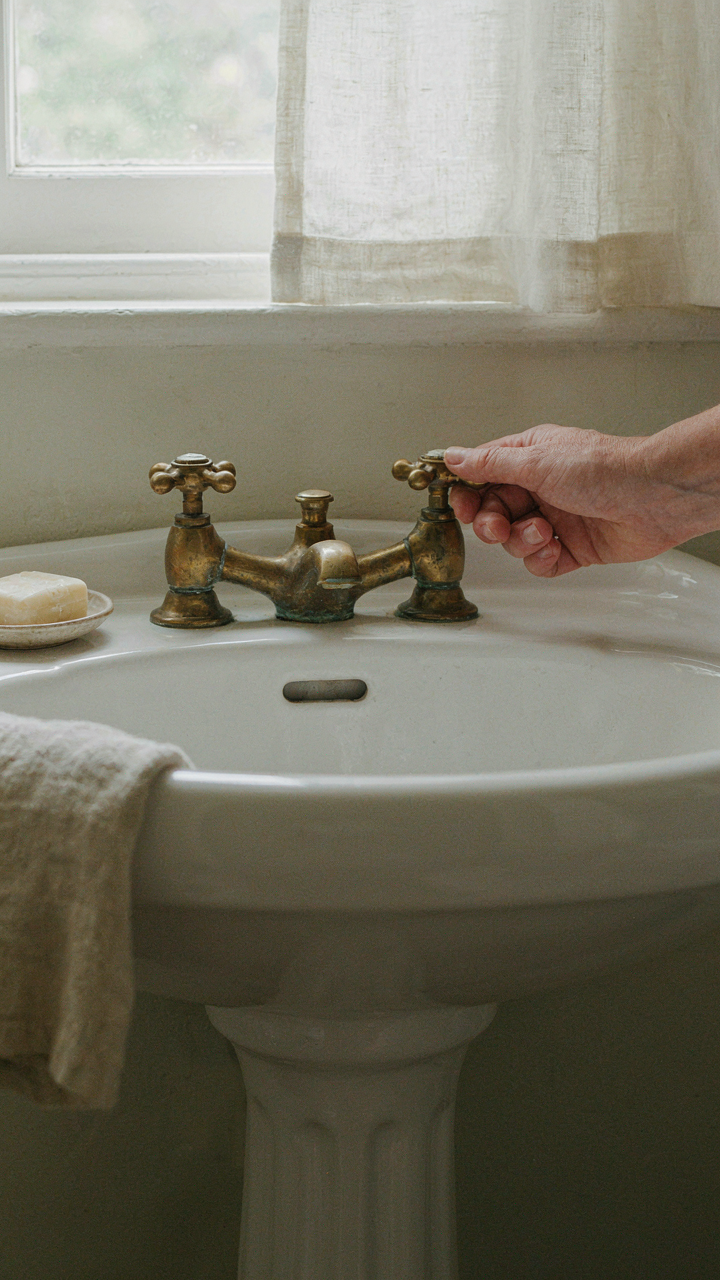
You want this bathroom to feel timeless partly because you’re afraid wasting money on trends will date it fast. The real mechanism is friction. A flow state bathroom removes decision fatigue and unnecessary obstacles from your morning and evening routines. Cottage bathrooms achieve this through predictable layouts, consistent materials, and visual clarity. Vintage fixtures and finishes don’t distract. They settle into the background where they belong.
The common advice is to pick a theme and decorate around it. That’s backward. Start with use patterns. How do you move through the space? Where do you pause? Vintage-styled bathrooms work because their design language evolved from function first. Clawfoot tubs position the filler where your hand naturally reaches. Pedestal sinks eliminate visual clutter below the counter. Recessed shelving in original cottage bathrooms solved storage without protruding into the room. Copy the constraint, not the decoration.
Maintenance As Ritual, Not Chore
Maintenance isn’t about keeping things clean. It’s about system design. Cottage bathrooms with genuine vintage materials like cast iron, porcelain, and solid wood require different maintenance than modern equivalents, but they reward consistency. When maintenance becomes predictable and tied to specific time blocks rather than random reactive scrubbing, it stops feeling like a chore and becomes part of your environment engagement.
Build one weekly protocol: inspect grout and caulk for moisture intrusion, wipe down fixtures, check ventilation surfaces for mold. Vintage materials forgive neglect less than modern ones, so prevention through routine beats crisis management. The real payoff isn’t shine. It’s knowing your bathroom won’t deteriorate because you stayed ahead of one simple system.
The Real Problem Isn’t Your Bathroom’s Style; It’s Your Addiction To External Validation

You don’t need vintage charm. You need to stop redesigning your bathroom every time Instagram changes the algorithm. Pick one cottage bathroom idea that makes you feel something when you walk in. Not something that looks good in photos. Then commit to it for two years without touching it. Today, screenshot one bathroom image and delete the rest from your phone. Your space transforms the moment you stop treating it like a performance for strangers.