The Folly Of Imitation: Why Your Cottage Farmhouse Feels Fake
The Trap Of Decorating By Checklist
You want people to see your home and know you have taste. That’s the real driver. But cottage farmhouse has become a checklist of props: shiplap, vintage signs, mason jars, distressed wood. These items have zero connection to how people actually lived on farms. They’re decoration applied on top, not the result of constraint and function. A real farmhouse looked the way it did because money was scarce and materials came from what worked. The aesthetic wasn’t aspirational. It was accidental.
When you buy a “farmhouse collection” from a mass retailer, you’re not buying farmhouse. You’re buying consensus. Consensus feels safe because it’s everywhere. That’s also why it reads as hollow. Your space becomes indistinguishable from ten thousand others because you followed the same algorithm they did. The mechanism at work here is borrowed from economics: you’re treating aesthetic choice like a commodity market where supply is infinite and differentiation is impossible. You need constraint to create actual character.
Rarity Demands Friction
Mass production killed texture. Real cottage farmhouse materials had friction: hand-hewn beams, lime mortar, wrought iron, fieldstone. These materials couldn’t be replicated cheaply. They aged visibly. They required maintenance. Modern “cozy” flips this. It’s designed to be frictionless, affordable, and instantly Instagram-ready. It has the shape of farmhouse but none of the substance that made farmhouse distinctive.
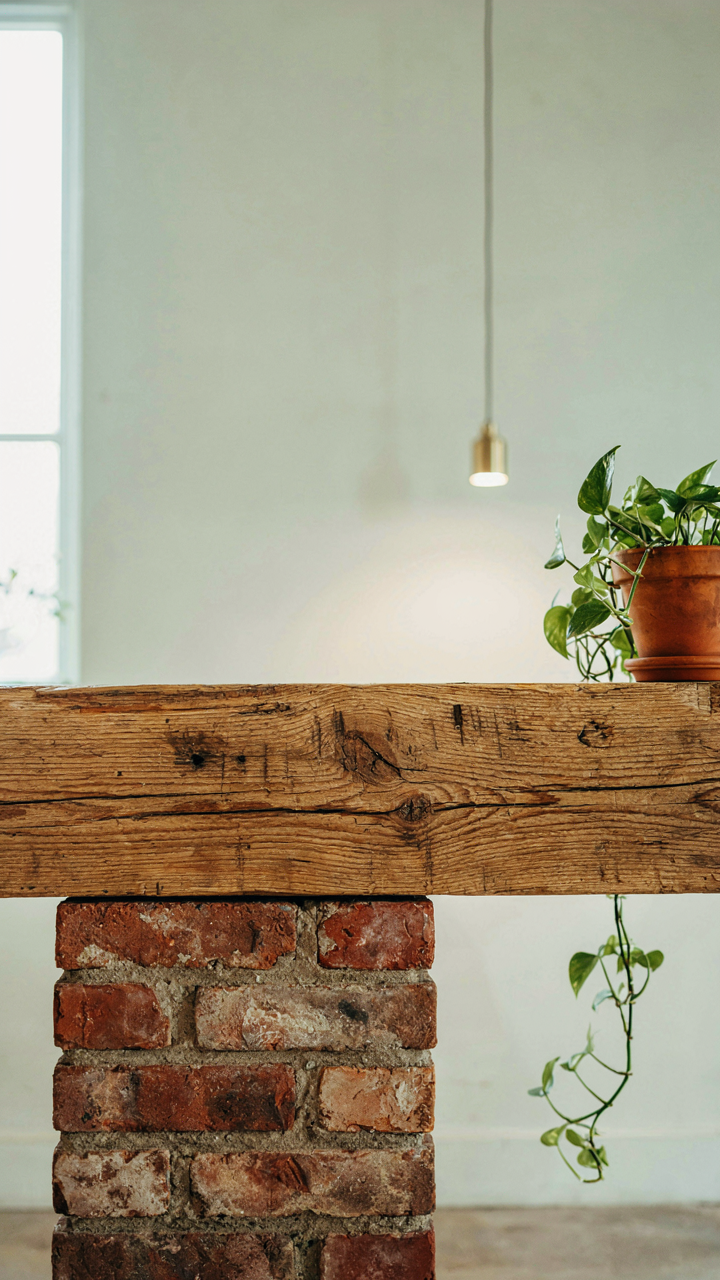
The gap between imitation and the real thing widens when you stop buying things and start sourcing them. Original elements come from salvage yards, estate sales, and demolition sites. A beam salvaged from a 1920s barn carries actual history and irregular dimensions that force design around it rather than design preceding it. This constraint is what reads as authentic. Find one genuine piece and build your space around its limitations rather than its aesthetics. That single decision changes everything about how the room functions and feels.
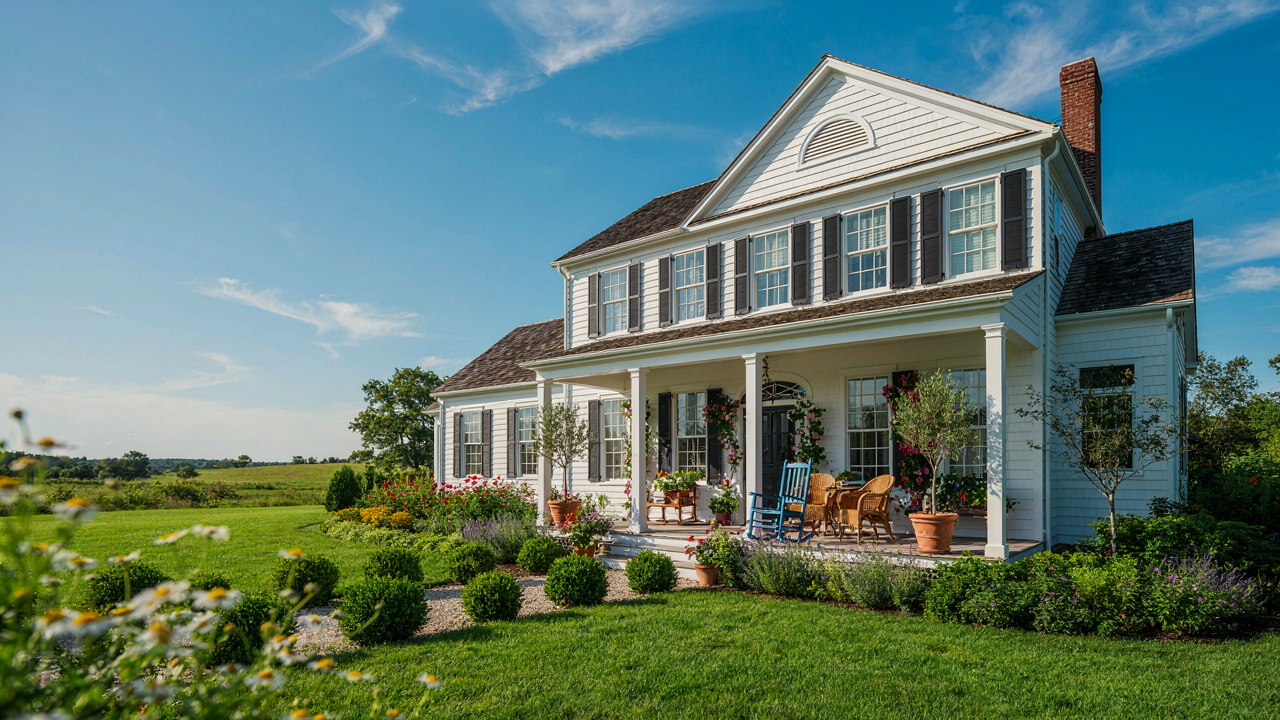
The Scarcity Principle: Designing With Deliberate Constraint (Cottage Exterior With Porch)

Worn Surfaces Tell The Truth
You want permission to skip the renovation. That’s the real reason this appeals to you. Here’s what’s actually happening: weathered wood and faded paint work because they signal restraint, not neglect. In design systems, this is called entropy value. A cottage farmhouse exterior gains credibility through visible age. Peeling paint on a porch isn’t a problem to hide. It’s evidence of time passing honestly.

The common advice tells you to restore everything to original condition. That’s wrong. Original condition is a fantasy. What works is accepting that wood weathers, metal rusts, and surfaces crack. A porch column that’s been through twenty winters carries information a new one never will. The texture and patina become part of the structure’s honesty. Stop fighting deterioration. Embrace the specific marks your climate puts on materials.
Extract Value From What Stands
Physics governs what endures and what fails. Apply one concept: leverage. A cottage farmhouse porch already has structural bones. Your job is to maximize hidden potential, not demolish and rebuild. Most porches fail because owners ignore the foundation and framing underneath. They focus on cosmetic fixes instead of the load-bearing reality beneath.
Walk the perimeter of an existing porch. Check the posts, beams, and joists before touching anything visible. A solid foundation means you can spend money on materials that matter: durable flooring, hardware that lasts, railings that work. A weak one means renovation costs explode. Identify which structural elements will actually hold value over fifteen years, then protect those. Everything else can be imperfect.
The Unseen Foundation: Beyond Paint And Pillows
Layout Before Aesthetics
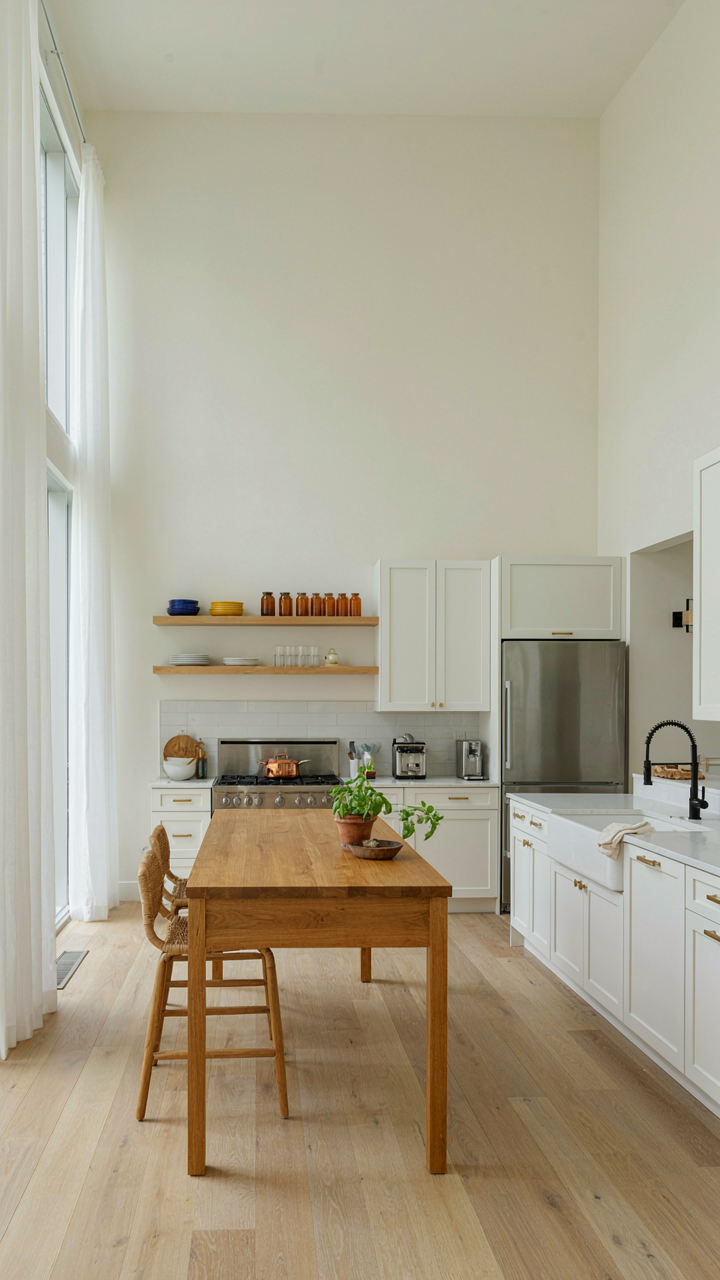
You want the cottage farmhouse look because it signals you’re the kind of person who has their life together. Here’s what actually matters: layout determines whether a space functions or becomes expensive decoration you resent using. Think of layout as load-bearing structure in architecture. A cottage farmhouse fails when traffic patterns conflict with work zones, when the kitchen doesn’t connect logically to dining, or when storage sits where it creates bottlenecks. These problems can’t be fixed with better lighting or wall color.

The common advice is to make rooms feel “open and airy.” That’s backward. A cottage farmhouse works because it acknowledges the reality that humans need defined spaces for different activities. Walls, threshold lines, and intentional zones aren’t limitations—they’re tools. Survey how your household actually moves through space for two weeks before deciding on any permanent changes. This data beats Pinterest boards every time.
Durable Materials Over Trend Cycles
Most people buy cheap wood finishes and soft fabrics because they cost less upfront and feel like a smart financial move. Five years later they’re replacing everything while something solid would’ve required only maintenance. This is consumer logic, not owner logic. A cottage farmhouse built on quality materials appreciates through use instead of deteriorating. Heavy timber, cast iron hardware, solid-core doors, and quarry tile aren’t trendy—they’re economical over a ten-year span because they outlast design cycles.
Quality materials do one specific thing: they allow you to keep a space longer without replacement fatigue. Cheap upholstery tears and stains permanently. A wool blend or canvas with proper nap coverage resists damage and accepts cleaning. Solid wood counters age visibly but remain functional. Laminate requires replacement the moment it chips. The mechanism is simple: durable materials reduce the frequency of decisions and spending that derail a coherent aesthetic.
The “Quiet Resilience” Method For Tiny Farm House Charm
Natural Textures And Raw Materials
You want people to feel something when they enter your space without knowing why, and that feeling costs money if you get it wrong. The mechanism is contrast. Cottage farmhouse works because raw materials visually interrupt the perfection modern homes demand, signaling authenticity the way economics signals scarcity. Unfinished wood, stone, linen, and clay don’t need to be refined to matter.

The mistake most people make is assuming natural textures must look weathered or deliberately aged. That’s incorrect. A freshly hewn beam reads as honest. Newly laid stone reads as grounded. The texture itself carries the load, not the patina. Source materials with visible grain, variation in color, and tactile surface irregularity. Avoid anything treated to look uniform or sealed into plastic smoothness.
Handmade And Unique Pieces
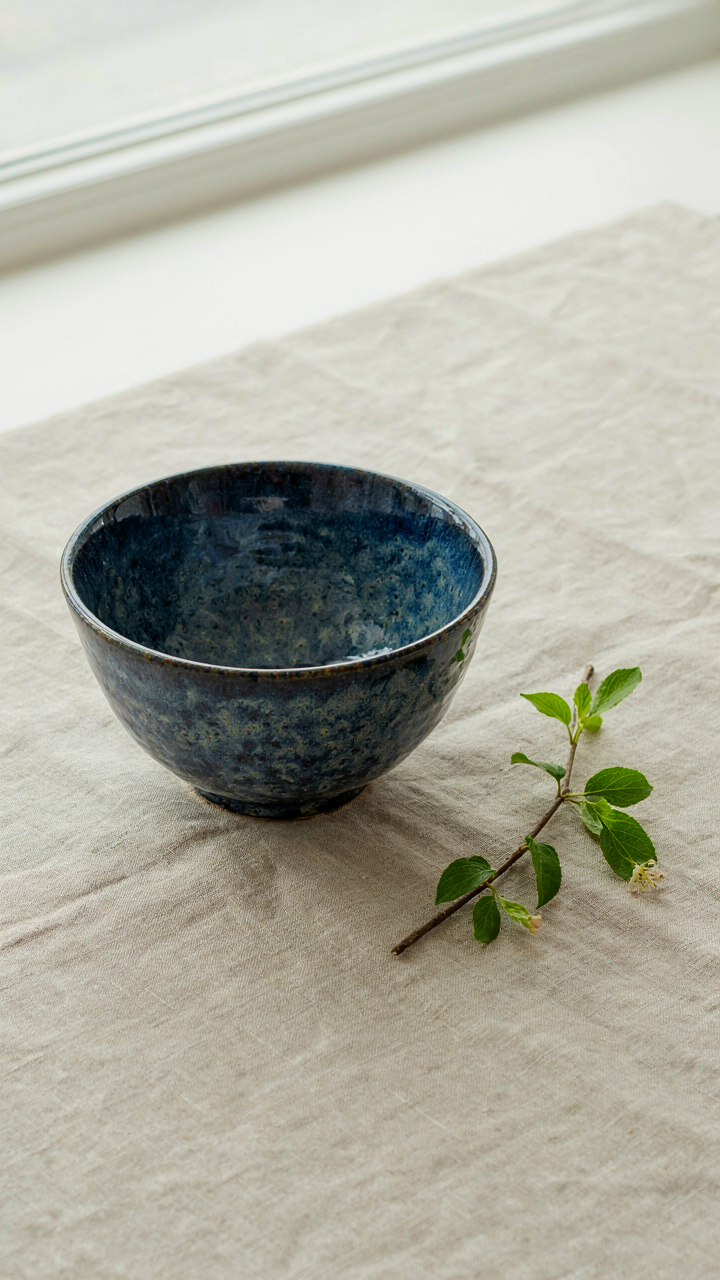
Handmade objects function as social proof that someone cared enough to make something imperfect instead of buying something perfect. This is the real reason people respond to them. One handthrown ceramic vessel or hand-forged iron fixture anchors a room because it proves intentionality was present during creation. Factory-made can’t compete with that signal.
The rule is simple: place one genuinely handmade piece per room as the focal point, then support it with two to three complementary raw materials. The handmade piece doesn’t need to be expensive or museum-quality. It needs to show the mark of human limitation. A local potter’s bowl, a blacksmith’s door hinge, a weaver’s throw. That mark is the mechanism that makes cottage farmhouse feel lived in rather than decorated.
Harvesting Character: Integrating The Outdoors (Country House Small Cottage Style)
Views That Frame Your Purpose
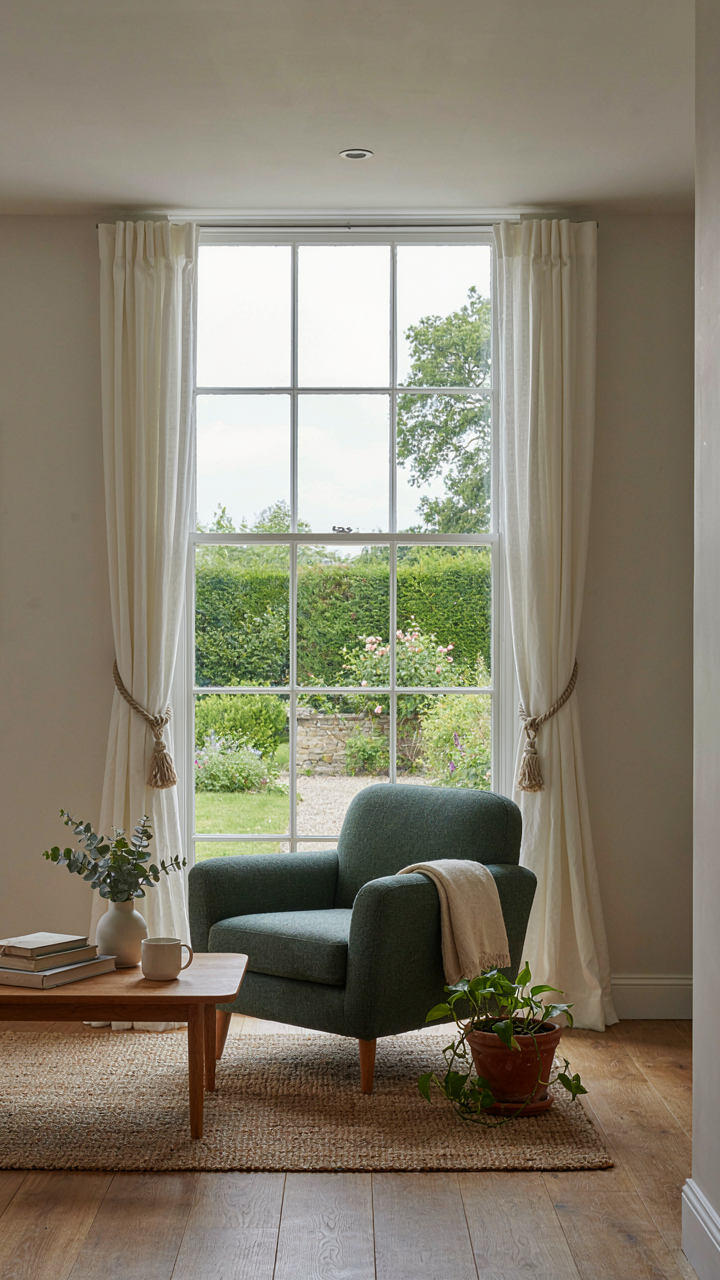
You want people to see that you belong in a place worth seeing. The mechanism is sightline hierarchy: what your eye lands on first from inside the cottage determines whether the exterior reads as an extension of your space or an afterthought. Real cottage farmhouse design doesn’t separate interior from what’s outside the window. It treats the view as a room without walls.

Position seating to face outward. Windows in older farmhouses weren’t accidents of placement. They framed working land, gardens, or approaches to the property. Your living areas should orient toward the most legible part of your landscape. If your view is undistinguished, improve the foreground through planting or structure rather than turning furniture inward. This is the difference between a cottage that breathes and one that just sits.
Where Light Becomes Architecture
The common mistake is treating natural light as decoration instead of what it actually is: structure. In architectural terms, light creates shadow, and shadow defines geometry. Cottage interiors rely on this interplay to feel both connected and intimate. Unobstructed southern or western exposure bounces light across walls and floor planes, making rooms feel larger without changing dimensions.
Place deep overhangs or pergolas to filter harsh sun while preserving the brightness you need. This controlled shadow pattern changes throughout the day, giving the space temporal dimension. Morning light hitting whitewashed walls reads differently than afternoon light at angle. The mechanism is simple: shadow depth controls perceived depth of space. Align window placement to capture this shift, and your cottage gains complexity that no paint color ever could.
The Imperfect Aesthetic: Why Patina Outlasts Perfection
Wear And Tear As The Real Finish
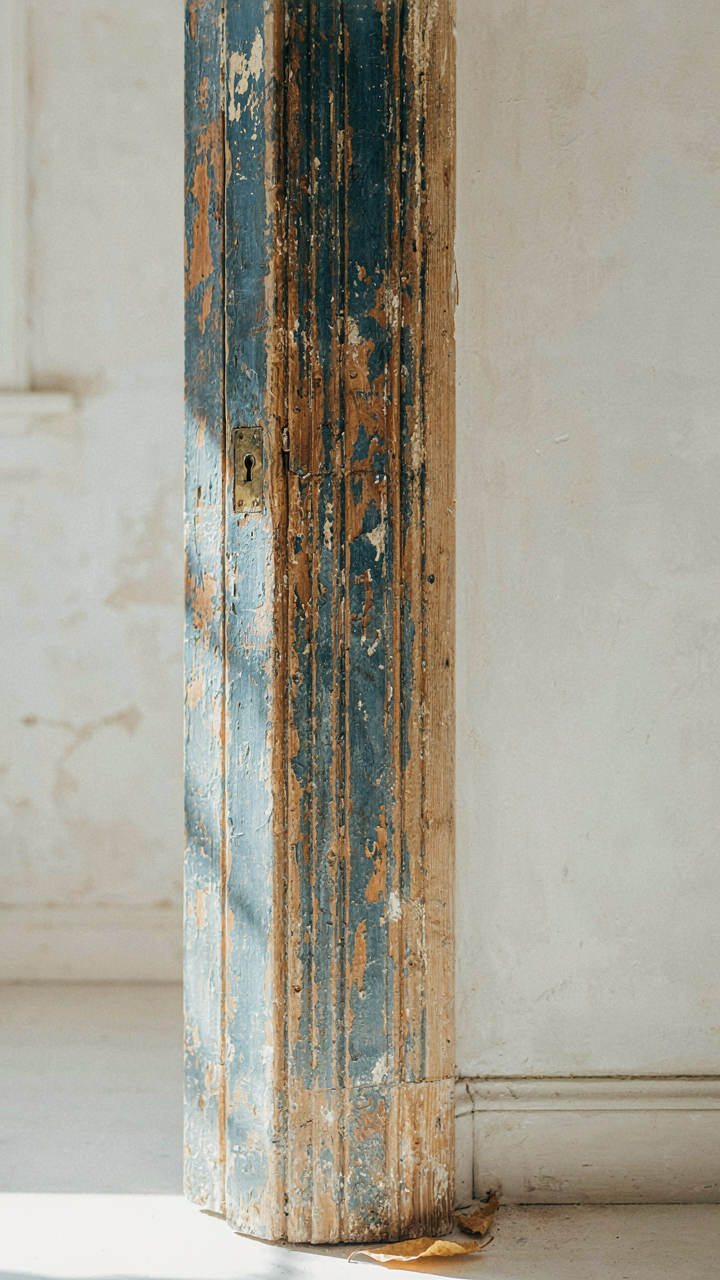
You want permission to stop renovating everything because perfection feels like failure once you own it. Here’s the mechanism: surfaces age through use, not neglect. The patina on a cottage farmhouse wall isn’t damage—it’s a record of weathering. Wood darkens where hands grip it. Paint chips where shutters swing. Plaster cracks follow the building’s settling pattern, not random failure. This is material honesty. It costs nothing and reads as intentional once you stop fighting it.

The amateur move is stripping and refinishing everything to “like new.” That erases the cottage logic entirely. Old farmhouses were never meant to look fresh. They accumulated marks as proof of function. A worn doorframe that’s been painted seven times holds more character than a reproduction frame that mimics age artificially. Embrace the specific wear patterns your house already has. They’re more authentic than anything you could fabricate, and they signal you’re not performing for an audience.
Old Paired With New Unmatched
The design world tells you to match eras or go all-in on one period. That’s wrong for cottage farmhouses. The real strategy borrows from archaeology—layering. You stack objects and materials from different decades because that’s how actual farmhouses evolved. The owner didn’t gut and renovate in 2024. They added a window here, replaced flooring there, kept what worked, discarded what didn’t.
Pair a 1970s harvest gold appliance with reclaimed barn wood shelving. Use a modern industrial light fixture above a 1950s farmhouse table. The mismatch tells the truth: this house is alive, not curated. The mechanism that makes this work is visual honesty. When pieces clash slightly, the eye perceives authentic layering instead of staged design. Stop treating your cottage farmhouse like a showroom where everything needs to coordinate. Mix old and new deliberately, not by accident, then leave it alone.
The “Hidden Order” Protocol For Cute Little Homes
Remove What Doesn’t Earn Its Place
You want the space to feel intentional because clutter reads as a failure of taste, and that matters to how you perceive yourself in the room. The mechanism is simple: visual noise triggers cognitive load. Your brain processes every object as data. In cottage farmhouse design, this becomes critical because the aesthetic relies on restraint, not abundance. Small spaces amplify this effect. One extra item doesn’t add warmth—it creates visual friction that erodes the calm you’re after.

Real decluttering isn’t about minimalism. It’s about permission structures. Keep objects that function or that anchor memory. Remove duplicates, broken items, and anything you’re storing “just in case.” In farmhouse spaces, this means ruthless pruning of kitchen gadgets, redundant textiles, and decorative pieces that compete for attention. The goal isn’t emptiness. It’s clarity. Every remaining object should justify its footprint through use or genuine visual contribution.
- Kitchen Tools: Keep core implements like cast iron, wooden spoons, and measuring vessels. Ditch the single-use gadgets gathering dust on open shelving.
- Textiles: Retain blankets and throws that serve temperature or seating. One extra quilt per room maximum. Folded, visible, purposeful.
- Decorative Objects: Select pieces tied to the home’s history or your own. Vintage finds beat reproductions. Fewer, better objects.
- Books: Display titles you’ll actually reference or reread. Stack them horizontally on lower shelves to avoid visual chaos.
- Seasonal Items: Store off-season décor outside the main living zones. Rotate with intention, not impulse.
This protocol creates what designers call negative space—but call it what it is: breathing room. When surfaces stay clear and objects cluster by function, your eye moves through the room without resistance. That ease is the foundation of cottage farmhouse calm.
Purpose Over Prettiness In Storage
Most people organize to look tidy. That fails because appearance and function split apart the moment you use the space. Real organization serves the activities that happen there. In a cottage farmhouse kitchen, this means grouping items by workflow, not by aesthetic category. Baking supplies stay together. Cooking stations cluster near the stove. This mirrors how industrial kitchens operate—form follows function, and the visual result happens to be clean.
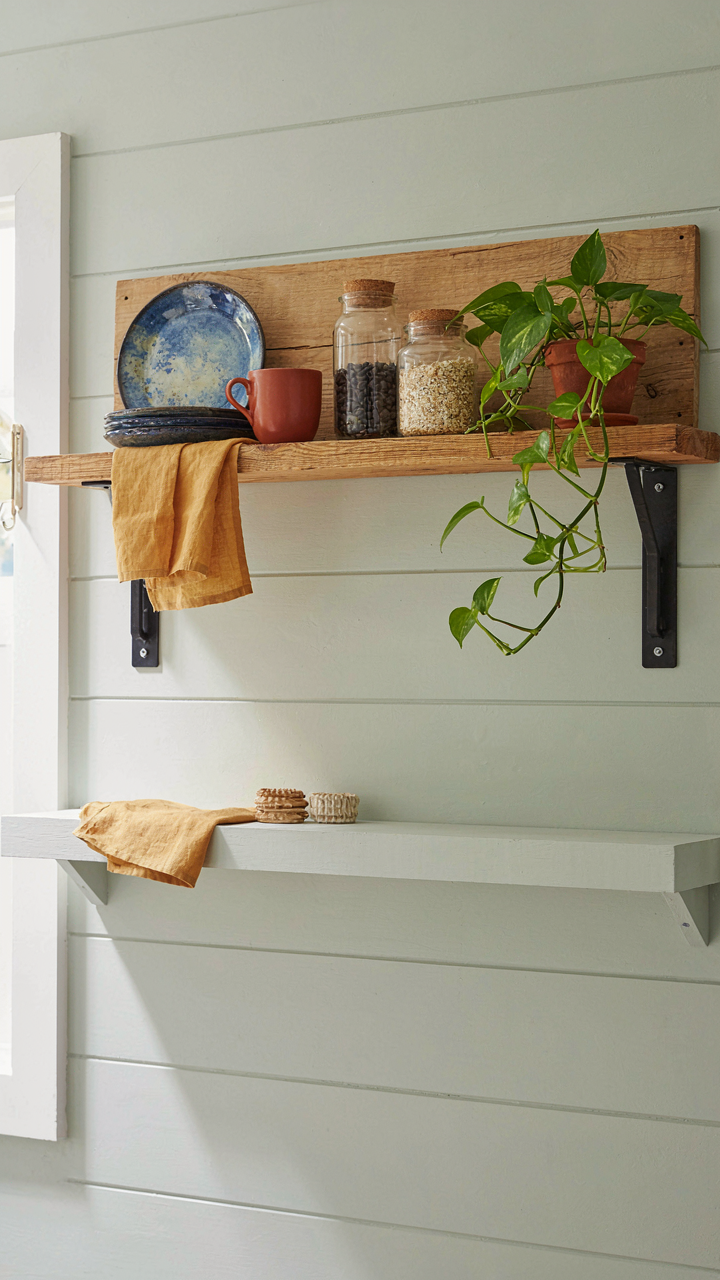
The second layer: visible storage should contain items you use regularly. Open shelving works in cottage farmhouse because it forces accountability. You can’t hide clutter. But the trade-off is real—you must stock only what belongs there. Closed storage holds seasonal items, backup supplies, and anything that doesn’t anchor the room’s visual story. This distinction between visible and hidden storage is what separates curated from cluttered. Implementation: audit your daily kitchen routine, then place those tools at arm’s reach on open surfaces. Everything else goes behind doors or into closed cabinetry.
Beyond Instagram: Cultivating Authentic Atmosphere

Texture And Scent Beat Visual Design
You want people to feel something when they walk into your space so they think you’ve achieved something real. Here’s the mechanism: sensory immersion creates memory faster than sight alone. Cottage farmhouse design fails when it’s only a visual statement. Stone, wood, and aged metal have surface properties that trigger tactile recognition. Your brain registers texture before it registers color. Layering scent through wood smoke, beeswax, or dried herbs anchors an impression deeper than any photograph can capture. The atmosphere compounds when multiple senses activate simultaneously.

Most cottage farmhouse advice stops at paint color and furniture arrangement. That’s incomplete. Introduce raw materials with actual wear patterns, not new wood stained to look old. Expose beam ends, keep stone walls unpolished, leave metal hardware to oxidize naturally. Add a woodburning stove if your layout allows it. Use linen and wool textiles that change texture with humidity and age. The goal is a space that feels inhabited and lived in, not curated. When texture and scent work together, visitors experience authenticity without knowing why.
Rooms Organized Around What You Actually Do
Design for the life you live, not the lifestyle you want people to see you living. Cottage farmhouse spaces that feel forced usually exist to photograph well. They have dead zones, uncomfortable seating arrangements, and no functional purpose. Instead, map your actual daily rituals and build the room around them. If you drink coffee on the porch at sunrise, make that spot functional and comfortable, not decorative. If you do handiwork or cooking regularly, that activity should have dedicated space and proper lighting. If you read in the evenings, position seating near natural light sources and keep books accessible.
The real design work happens when you remove everything that doesn’t support how you spend time. A cottage farmhouse kitchen with no functional work triangle is just nostalgia. A bedroom with authentic period details but poor sleep conditions is a museum exhibit. Start with a protocol: for each room, list three activities you do there weekly. Then check if your layout and furnishings actually support those activities. Remove anything that contradicts function. Build outward from there with materials and finishes that age well and require low maintenance.
The Real Obstacle: Chasing Validation Instead Of Cultivating Your Own Scarce Beauty
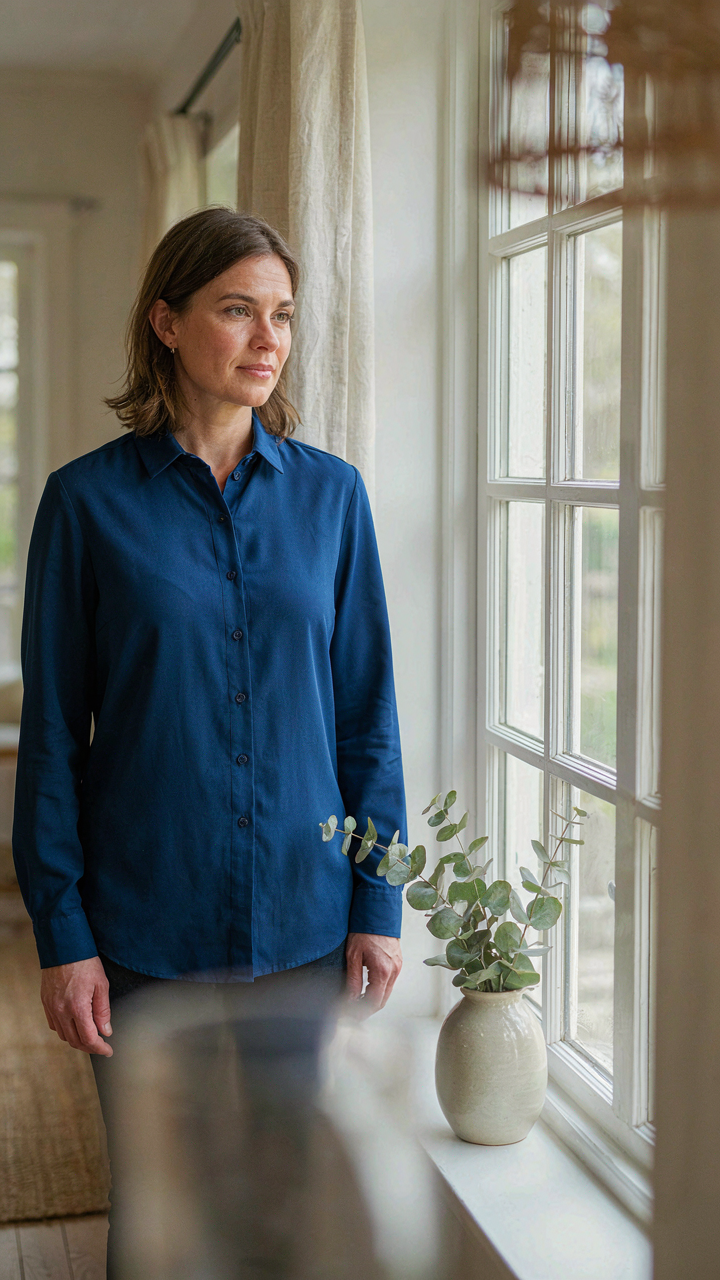
Most people design cottages to impress people who will never step foot inside them. You scroll Instagram, copy what works, and wonder why your home feels borrowed. Stop. Walk through your actual space today and write down three things that make you feel something. Not what looks good. What feels true. Your cottage farmhouse exists to serve you, not an audience. The rarest beauty comes from people who stopped performing and started living.