The “Relaxed” Illusion: Why Your Porch Fails

Comfort Is Not A Feeling You Buy
You want people to think you’ve mastered leisure, that your porch is where stress dissolves. That’s the real motive here. But comfort isn’t a purchase. It’s the absence of friction between your body and its environment. Most farmhouse porches nail aesthetics while creating small hells of poor airflow, inadequate shade, and seating that forces your spine into positions your body rejects after twenty minutes.
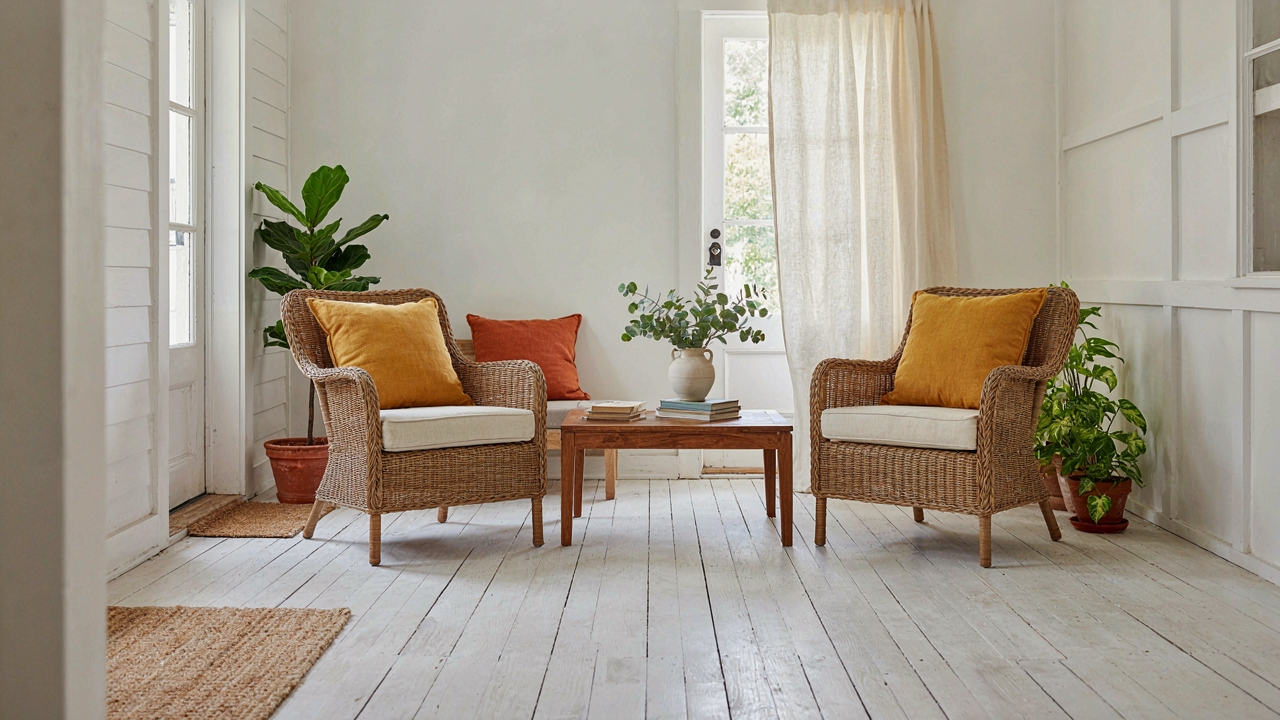
The disconnect happens because people conflate “looking relaxed” with “being relaxed.” A weathered Adirondack chair photographs well. It doesn’t distribute your weight evenly. Your lower back knows this. Genuine relaxation requires specific ergonomic conditions: proper lumbar support, thigh support that prevents blood pooling, armrests at elbow height when seated, and micro-adjustments as your body shifts. Most farmhouse seating ignores all of this in favor of silhouette.
The Gap Between Visual And Functional
Farmhouse design borrowed from agrarian utility, then stripped away the utility and kept the appearance. That’s where the failure lives. A working porch needed weather protection, durable surfaces, and practical furniture that served multiple purposes. Contemporary farmhouse porches imitate the look while replacing function with Instagram potential. You get reclaimed wood that doesn’t shed water properly and vintage-style rockers that catch your clothing.
Real relaxation requires solving problems before you sit down: direction of prevailing wind, sun angle throughout the day, proximity to insects, and whether your seating actually anchors you or tips under modest weight shifts. These aren’t aesthetic choices. They’re load-bearing decisions. Until you address them first, every seating arrangement you add is decoration masquerading as comfort.
Farmhouse Back Porch: The Authenticity Protocol

What Farmhouse Actually Means
You want to feel like you belong to something older and more real than your actual life. That’s the real reason this matters. The mechanism is simple: farmhouse isn’t a style, it’s a constraint system. It emerged from rural necessity between the 1800s and early 1900s when porches functioned as work zones, not Instagram stages. They held equipment, tools, produce, and served seasonal labor. The aesthetic you’re after is the residue of that function, not the function itself.

Most people get this backward. They buy “farmhouse” furniture and call it done. The actual farmhouse porch worked because every element had utility. Wood railings prevented falls during heavy work. Simple benches accommodated farm hands. Open siding allowed air circulation for drying crops and cooling. When you strip away the function and keep only the look, you’re left with theater. Real farmhouse design happened because the land demanded it.
Spotting The Counterfeit
The common advice tells you to mix vintage and new, add shiplap, throw in some string lights, and you’ve got farmhouse. That’s lazy. The problem is you’re decorating based on surface patterns instead of understanding what made those patterns necessary. Contrived farmhouse porches fail because they prioritize the visual language while ignoring the logic underneath.
Authentic farmhouse elements reveal themselves through weathering patterns, material choices driven by climate, and spatial organization that serves movement and workflow. A real porch shows use. The worn spot on a step, the way railings lean slightly from years of work, the placement of hooks and shelves for actual storage. Fake farmhouse avoids this because it can’t manufacture authenticity. Instead of copying the surface, reverse engineer the constraints your specific climate, house age, and actual use patterns create, then let your design emerge from solving those constraints.
The Unspoken Language Of Porch Seating

How Your Body Actually Relaxes
You want a farmhouse back porch because you think it signals you’ve arrived at some version of calm you don’t actually have. The mechanism is simpler: relaxation isn’t a feeling. It’s a physiological state your nervous system enters when specific conditions are met. Most porch seating fails because people design for aesthetics, not for the actual requirements of sustained comfort.

True relaxation demands proper lumbar support, seat depth that doesn’t compress the back of your thighs, and armrests positioned so your shoulders stay neutral. A farmhouse back porch succeeds when the seating enforces good posture without effort. This is why a ladder-back chair feels charming but exhausting, while a properly angled Adirondack chair, despite its simplicity, lets you sit for hours. The difference isn’t style. It’s engineering.
Where Seating Determines Who Stays
Porch seating arranges power dynamics before anyone sits down. Economics calls this the “endowment effect,” but applied to your back porch, it means proximity and sight lines dictate conversation flow, dominance, and duration of visit. A single bench facing outward encourages solitude. Two chairs at angles invite shallow conversation. A circle of four creates obligation. The arrangement you choose determines the social outcome you’ll get, whether you intended it or not.
Most farmhouse porches default to symmetrical layouts because they photograph well. This is wrong. Asymmetrical seating that mirrors natural conversation patterns—one person slightly elevated, another at an offset angle, a third with clear sightline to the yard—keeps people present longer. The mechanism works because asymmetry creates slight uncertainty, which triggers attention. People stay when they’re subtly engaged. Place one conversation-focused pair and one escape-route chair, and you control who contributes and when.
Beyond The Swing: Strategic Seating Systems

When A Swing Becomes A Trap
You want a porch swing because it signals you have time to sit. That’s the real draw. But one swing creates a bottleneck. One person sits, everyone else stands or leaves. The mechanism is simple: a single focal point kills flexibility. A farmhouse porch isn’t a gallery where people queue to occupy the feature piece. It’s a space where multiple activities happen at once. The swing works best as one node in a larger system, not the system itself.

Pair the swing with distributed seating that serves different needs. A rocking chair handles solo contemplation. A low bench absorbs groups without requiring conversation. Side tables create rest points for people moving through. The swing then becomes occasional, not mandatory. You’re designing for variable use, not aesthetic statement. This shift moves the porch from performative to functional.
Modular Geometry For Shifting Needs
Think of your porch layout like a military formation: rigid structures fail when conditions change, but modular units adapt instantly. Farmhouse porches work best with furniture that moves. Lightweight wooden chairs, benches without permanent legs, small tables you can reposition. One configuration works for morning coffee. Rotate the seating ninety degrees and you’ve created a different space for evening groups. Fixed furniture locks you into a single use case.
The real advantage isn’t comfort or aesthetics. It’s that you stop choosing between competing uses and start serving all of them. A modular approach removes the constraint of fixed placement. You’re not stuck with yesterday’s decision about where people sit. This flexibility extends the porch’s useful hours and makes it genuinely livable, not just photographed.
Modern Farm Style Decor: Function Over Fads

Less Stuff, More Presence
You want permission to buy less and feel like you’re still decorating. Here’s the mechanism: a farmhouse back porch works because it removes visual noise, not because it adds charm. Sparse design forces every object to justify its weight. A single wooden bench or metal side table becomes the focal point instead of dissolving into clutter. This is economy of attention. When you stop treating decor as a collection problem, the space actually functions.

The farmhouse aesthetic leans on restraint because rural life demanded it. Porches served practical purposes first. You didn’t accumulate wicker baskets for vibes in 1890. You used what you needed. Modern farm style recaptures that constraint even though you don’t have to live it. The tactic is straightforward: choose one material per zone, limit your color palette to three tones, and resist adding a fifth piece before removing something else first.
Pieces That Earn Their Place
Everyone says invest in quality, then they buy ten throw pillows anyway. The real principle is durability over decoration. A steel rocking chair or reclaimed wood table won’t need replacement in two years. These pieces age visibly, which is the whole point of farmhouse design. They show use without looking broken. Seasonal swaps and trendy accents are the tax you pay for avoiding commitment. One substantial piece does more work than five disposable ones.
The mechanism here is replacement cost versus psychological ownership. When you buy something that lasts, you stop scanning for the next thing to buy. Your porch stays the same longer, which paradoxically makes it feel more intentional. Build around one anchor piece each year rather than rotating trends. A vintage farm table, cast iron plant stand, or substantial porch swing becomes the reason people remember your porch.
The Neglected Elements Of Porch Architecture
How Rooflines And Railings Work
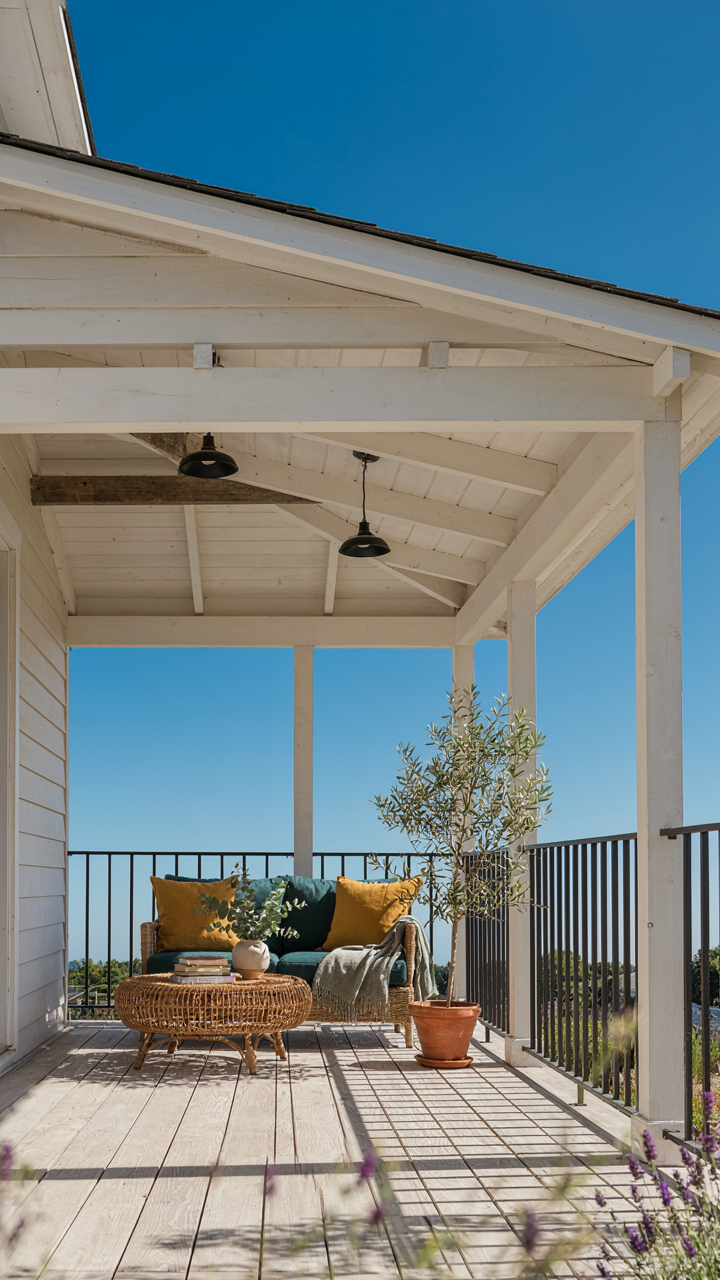
You want your porch to look intentional without admitting you’re overthinking a structure people barely notice. Here’s what actually matters: rooflines and railings aren’t decoration. They’re load management. A farmhouse back porch roof slope sheds water. A railing stops people from falling. Everything else flows from these two non-negotiable jobs. The pitch of your roof determines how fast water clears the deck. Shallow pitches pool water. Steep pitches move it fast. Railings need posts spaced close enough that a child’s head can’t fit between balusters. Code says four inches maximum. This constraint becomes your aesthetic grid.

The common advice says match your porch roof to your house roof pitch. Sometimes that’s wrong. A lower pitch on the porch extension works better because it won’t interfere with upstairs windows or create visual bulk. The railing doesn’t need to match your porch posts either. You can use modern metal balusters on a timber frame and it reads as deliberate contrast, not confusion. Function determines form. Once you lock the roof angle and railing spacing, everything else locks into place.
Visible Structure Becomes The Design
Load-bearing isn’t boring if you stop hiding it. In structural engineering, load path refers to how weight travels from top to bottom. On your porch, the load path is visible: roof to beam to post to foundation. Farmhouse design exploits this. Exposed beams aren’t nostalgic. They show the skeleton that holds the porch up. A six-by-six timber post under the front edge of your roof does real work. Leave it visible. Paint it or stain it. The grain and thickness communicate stability without needing a decorator’s touch.
This is why farmhouse porches read as honest while modern minimalist ones read as cold. One shows its mechanics. The other hides them. Your deck boards should run perpendicular to your support beams so the grain pattern actually traces the load paths. This isn’t aesthetic philosophy. It’s how wood moves and how water sheds. When you match the visual direction to the structural direction, the porch stops feeling like decoration and starts feeling permanent.
Weathering The Myth: Durability Vs. Delicacy

Materials Built To Last
You want to believe a farmhouse porch can look effortless and timeless without becoming your money pit. That’s the real fear here. The mechanism is simple: most people confuse “farmhouse aesthetic” with “neglected wood,” then spend years replacing rotted boards. The actual durability comes from material selection, not styling choices.
- Pressure-treated lumber: Resists rot and insects for 15-20 years. Standard choice for deck framing and structural support. Costs less upfront than alternatives and handles ground contact without failing.
- Cedar or redwood: Natural decay resistance without chemicals. Ages to gray over time. Premium pricing but requires fewer replacements. Softer than pressure-treated, so shows wear faster on high-traffic surfaces.
- Composite decking: Engineered wood-plastic blend. Lasts 25-30 years with minimal rot risk. Won’t splinter or warp. Higher initial cost but eliminates staining and sealing cycles entirely.
- Wrought iron or steel railings: Outlasts wood by decades when properly coated. Requires rust prevention maintenance. Classic farmhouse look that strengthens rather than weakens with age.
- Concrete or stone flooring: Zero decay risk. Lasts indefinitely. Pairs well with wood ceilings and railings for balanced farmhouse design without constant material replacement.

The porch fails when you choose materials based on how they look in photos, not how they perform in your climate. Cold-wet climates demand different materials than hot-dry ones. A cedar porch in the Pacific Northwest rots faster than pressure-treated lumber in Arizona. Match material to environment first, then style around it.
Seasonal Maintenance, Not Constant Replacement
Maintenance doesn’t mean the porch is breaking down. It means you’re preventing failure. This is basic equipment logic: a well-maintained machine doesn’t need replacement, a neglected one does. Most homeowners choose the neglect path because they don’t understand the actual maintenance protocol.
Spring cleaning isn’t optional for a back porch. You inspect railings for loose bolts, check flashing around roof connections for gaps, and clear debris from under the structure where moisture collects. Summer means staining or sealing exposed wood every two to three years depending on UV exposure and rainfall. Fall requires gutter cleaning and inspection of structural supports for cracks. Winter is observation time—you note where ice dams form or water pools, then address those drainage issues when weather allows.
The work compounds only if you skip steps. A sealed board stays sound for years. An unsealed one fails in seasons. You don’t need a contractor for basic maintenance. You need a calendar and the discipline to follow it. Check your porch the same way you check your car: predictable intervals, not emergencies.
Front Porch Inspiration Farmhouse: Stealing Back Porch Secrets
What Your Front Porch Teaches You
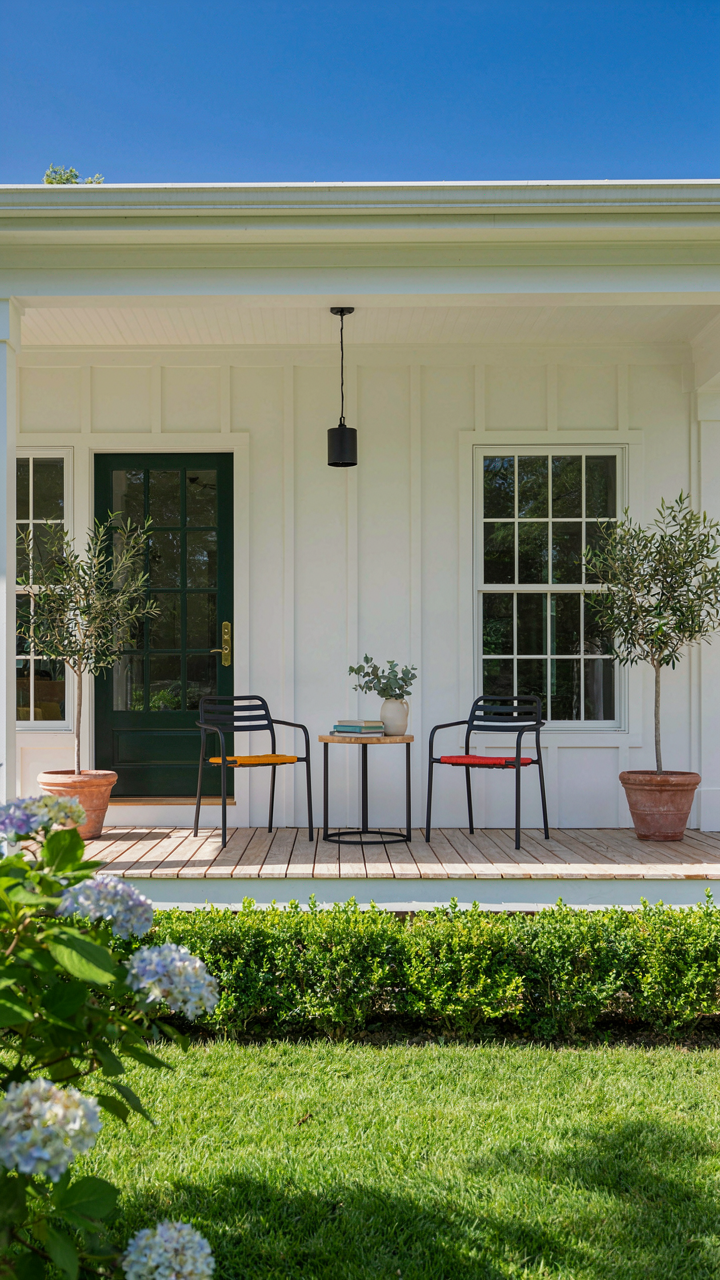
You want the back porch to feel intentional, not like leftovers. Here’s what matters: front porches are built for performance. They face the street. They handle foot traffic, weather exposure, and constant visibility. That constraint forces decisions. You can’t hide poor layout or weak seating arrangement on a front porch because everyone sees it. The back porch operates under the opposite pressure, which is why most people neglect it. With no audience, nobody thinks strategically about circulation, sightlines, or how people actually move through the space.

The real lesson from front porch design is about sequence and intention. A front porch works because it creates a clear entry experience: approach, pause, enter. Your back porch needs an equivalent flow, even if nobody’s judging it. The mechanism is simple: constraint creates clarity. Apply the front porch’s transparency to your back porch by deciding what one action should happen there first. Walking through? Sitting? Transitioning to the yard? That single answer shapes everything else.
The Hidden Grammar Of Movement
Flow isn’t about making things pretty, it’s about reducing friction in how your body moves through space. Architects call this spatial syntax, and it applies to patios the same way it applies to hallways. When you position seating, you’re either enabling or blocking natural paths. Most back porch setups fail because the chairs face the wrong direction or sit too close to the door, forcing people to navigate around furniture instead of through it.
Transitions matter more than the furniture itself. The moment someone steps outside from the kitchen, they need one clear signal about where they belong. This means the first seating group should sit at least eight feet from the door, giving people space to shift from indoor to outdoor thinking. A small side table or defined edge marking that zone accelerates the transition. The body understands boundaries before the mind does. Measure your porch depth, subtract the door swing radius, then place your first seat cluster at that distance. That’s the protocol.
The Biome Engineered Porch: Ecosystem Design Principles

How Space Becomes A Living System
You want this porch to feel intentional without looking designed, which means you’re really after permission to stop overthinking. Here’s the mechanism: ecology teaches us that every system needs energy input, nutrient cycling, and waste processing. Your porch becomes that system when you treat it as a bounded environment with its own micro-climate, not as furniture dropped in an outdoor room.

The farmhouse porch works because it inherently understands this. Historical farmhouse design wasn’t sentimental. Porches faced specific directions to manage sun exposure and rain protection. They collected rainwater via gutters, shaded the house foundation to reduce cooling load, and positioned seating to catch cross breezes. You’re not inventing this principle. You’re recovering it.
Where Light, Air, And Plants Converge
Most advice tells you to add plants for aesthetic softness. Wrong. Plants are your air processor and humidity regulator. Biology calls this transpiration: plants release water vapor while consuming carbon dioxide, which directly affects how your porch feels and whether you’ll actually sit there.
Map your porch’s sun exposure first. East and north faces get morning light without afternoon heat. West faces create thermal stress unless shaded. Plant deciduous vines or flowering shrubs on the west and south sides. In winter they drop leaves and let warmth reach the house. In summer they block 70 to 80 percent of direct solar radiation. Position your seating in the resulting filtered light zone, not in open sun or full shade. You adjust plant placement by monitoring actual use patterns over two seasons, then commit to what works.
Farm House Deck: Expanding Your Operable Space

The Porch As Living Room
You want people to see that your life extends beyond four walls. Here’s what actually matters: your back porch only functions as real estate when it mimics the interior’s utility, not its aesthetic. The farmhouse porch that works borrows from architecture’s principle of spatial continuity. You don’t leave a gap between inside and outside. You create a threshold that feels inevitable rather than transitional.
Most people treat their deck as a display piece. They furnish it like a stage set nobody uses. The mechanism is simple: a porch becomes lived-in when it solves a problem your interior doesn’t. Maybe that’s where you drink coffee without the kitchen’s noise. Maybe it’s where you sort vegetables or watch weather move across open land. The function determines the furniture, not the other way around.
Zones Replace Empty Platforms
Zoning comes from urban planning and spatial economics. Territory matters. A farmhouse deck without zones is a parking lot with chairs on it. You carve out distinct areas that each answer a specific activity. One corner for dining. One for sitting. One for work or child supervision. These aren’t decorative divisions. They’re the difference between a porch you use daily and one you sweep occasionally.
The deck’s layout should reflect how your family actually moves through it. Place the dining zone near the house for easy food transport. Set seating zones where views happen and prevailing wind carries away insects. Define work or play zones where sight lines reach the property. Each zone needs its own anchor—a table, a set of chairs, a work surface. Without anchors, the space reads as generic and gets abandoned. Anchor the zones first, then build the experience around them.
The Real Obstacle Isn’t Design; It’s Your Inability To Define What Relaxed Truly Means

Most people design a farmhouse back porch without ever asking themselves what relaxed actually looks like to them. You fill it with furniture and call it done. Then you sit out there and feel nothing. Start today by spending thirty minutes alone on your current porch. Notice what you’re actually doing. Are you scrolling? Reading? Sleeping? Building something? That’s your answer. Design for that one thing, not for Instagram’s version of relaxation. Your porch becomes powerful when it serves your specific version of peace, not everyone else’s.