
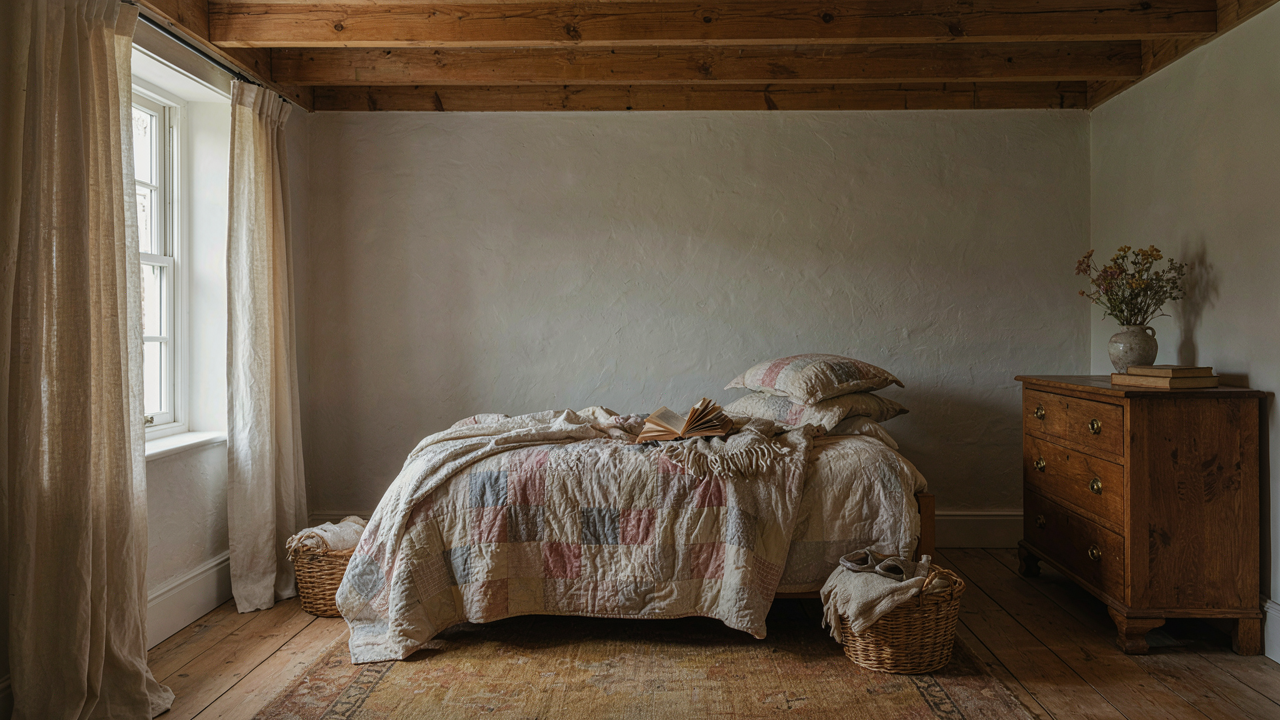
The “Cottagecore” Illusion: Why Authenticity Trumps Aesthetics
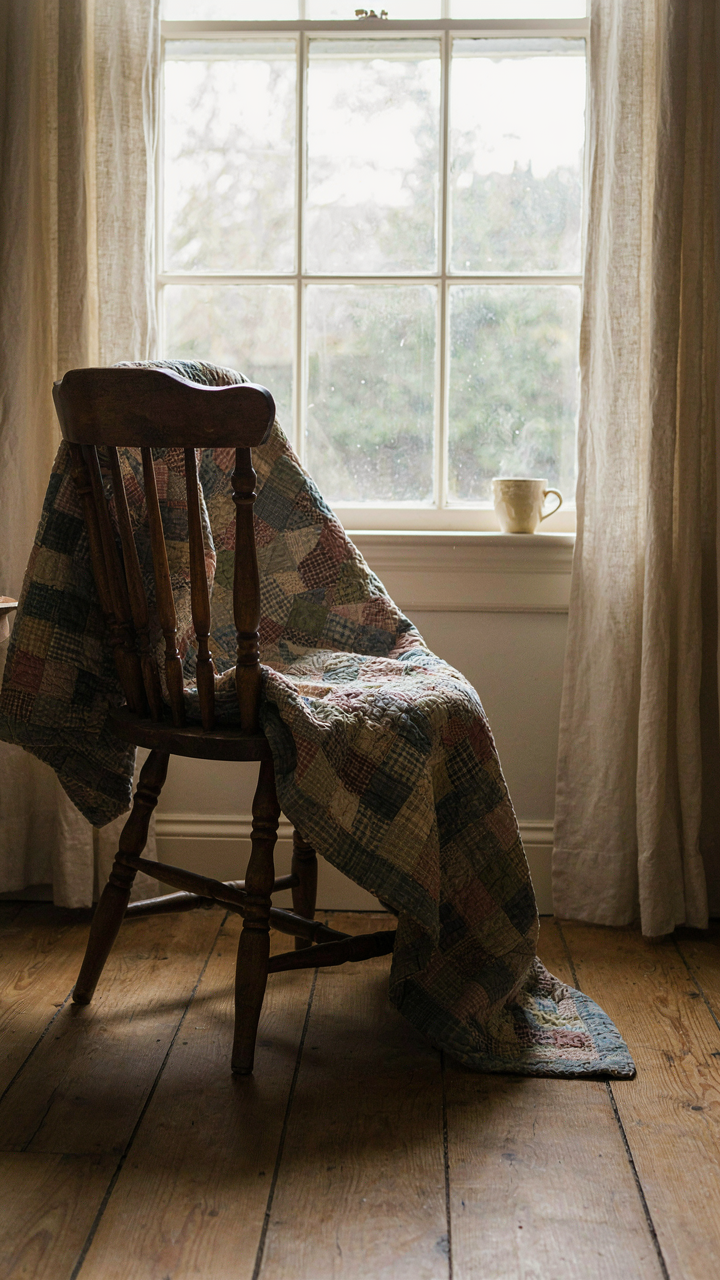
Rejecting Performative Rustic: Real Comfort
You want people to think your bedroom is effortlessly charming because you’re afraid it looks like you tried too hard, or worse, that you copied Pinterest. Here’s the mechanism: performative rustic fails because it prioritizes visual consistency over functional layering. A real country cottage bedroom solves problems first, then looks good as a side effect.
Authentic cottage design emerged from necessity, not trend forecasting. Patchwork quilts existed because fabric scraps had monetary value, not because they photograph well. Mismatched furniture came from inheritance and repair, not curation. When you build a bedroom on this logic, everything serves a purpose. Your layers stay, your comfort improves, and the aesthetic follows naturally instead of fighting you.
Lived In Trumps Curated
The common advice is wrong: you don’t achieve cottage charm by shopping at vintage markets and styling everything at once. That creates a museum room that nobody actually sleeps in. Real lived-in charm requires a bed that shows use, textiles that serve multiple seasons, and surfaces that collect without looking styled.
Start with one quality patchwork quilt that you’ll actually use for five years. Add soft layers incrementally as you discover what your body needs in that specific room at that specific time of year. The charm compounds as the textile layers gain wrinkles, slight fading, and the patina of use. This is the only mechanism that separates a country cottage bedroom from a themed hotel room that costs money to maintain.
Deconstructing The Panelled Bedroom Ideas Myth

Panels Do A Job, Not A Look
You want panelling because you think it signals taste. That’s the real reason. But panelling in a country cottage bedroom solves a structural problem first, and the aesthetic is a side effect. Think of it like load-bearing walls in architecture: they exist because they carry weight, not because they look good. The panel serves function. Wood panelling was originally wainscoting, installed on lower walls to protect plaster from moisture, damage, and wear. Modern cottage bedrooms inherit this logic, not just the visual.

The mistake most people make is treating panels as decoration and then being shocked when they look cheap or cramped the room. Panels work when they match the room’s actual needs. In older cottages, they manage humidity swings and protect walls from bedpost damage. In new builds mimicking cottage style, they solve dead acoustics or hide uneven surfaces. Choose your panel type based on what the wall actually requires, then let the aesthetic follow. That’s the mechanism: problem first, appearance second.
Strategic Placement Over Wall Coverage
Don’t panel the entire room because some design blog showed a full-wall bedroom. That’s visual noise dressed as authenticity. Country cottage tradition uses panels strategically where they prevent the most damage or serve the most purpose. A headboard wall gets panelling because that’s where contact happens constantly. Lower walls get protection where feet, furniture, and activity concentrate. This isn’t about creating a “feature”—it’s about placing protection where the wall earns it.
The placement decision changes everything about how the room feels and functions. Full panelling absorbs light and shrinks the space visually. Strategic panels anchor the room without trapping it. Run panelling three-quarters up the headwall and mid-height on flanking walls, leaving the far wall open. This creates visual proportion while protecting the zones that actually take impact. The pattern becomes invisible because it matches how the room is actually used, which is where all good design lives.
The Patchwork Layering Protocol For Bedroom Ideas Cottage Style
Build Warmth Without Adding Weight
You want people to notice your bedroom feels expensive and intentional without realizing you’re doing anything at all. The mechanism is textural hierarchy: each fabric layer sits at a different visual weight so your eye reads depth instead of clutter. Think of it like load-bearing in architecture. One heavy piece fails. Multiple lightweight pieces distribute the load across the entire surface.

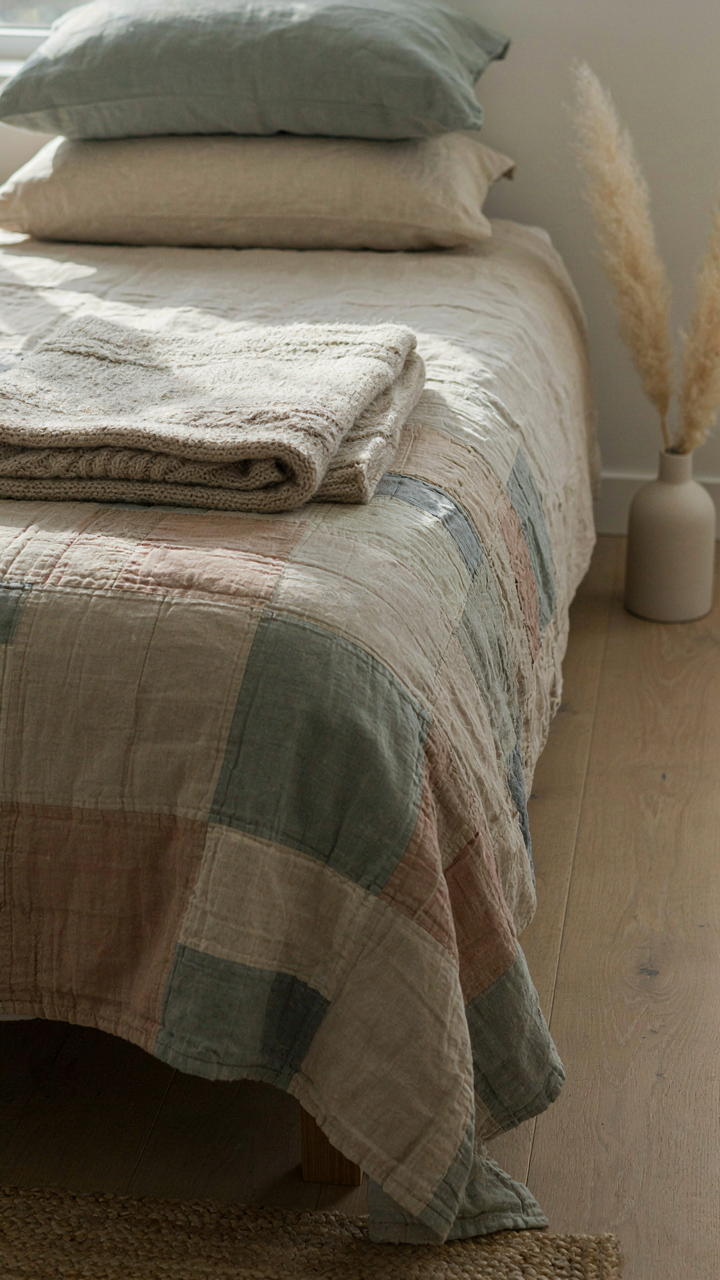
Start with a linen base layer on the bed. Add a lightweight wool throw across the footboard. Layer cotton patchwork on top. Introduce a linen or cotton quilt with visible seams. Each layer compresses slightly under the next one, creating shadow lines that read as intentional design rather than accumulated stuff.
- Linen base sheet: Breathes naturally and anchors the entire layering system without bulk or sheen that reads as fake.
- Wool throw: Adds warmth density without volume. Drapes naturally and telegraphs quality faster than synthetic blends.
- Cotton patchwork: Visible seams create visual rhythm. Works because seams become architectural features, not manufacturing accidents.
- Quilted topper: Introduces geometric structure. The quilting lines function as a grid that organizes all layers beneath it.
- Linen pillow shams: Repeat the base layer at head height. Creates symmetry that makes the whole composition read as planned.
The stack works because weight increases downward and inward. Your eye lands on the quilted top first, sees the patchwork geometry, then finds texture as it moves closer. You’re not piling fabric. You’re creating a visual pathway that makes the bedroom feel both lived-in and controlled.
Unexpected Color Without The Chaos
Most advice tells you to pick a color palette and stick to it like scripture. That’s wrong. Real cottage bedrooms didn’t happen because someone consulted a color wheel. They happened because someone used what they had and it worked. The actual mechanism is contrast inside harmony: colors that shouldn’t match actually do because they share the same saturation level or the same undertone.
Pair a faded indigo patchwork quilt with cream linen and a terracotta throw. These read as cohesive because indigo and terracotta both live in the earth-tone family despite looking opposed at first glance. Add sage green in a single pillow. It works because sage sits between blue and brown on the spectrum. The cream acts as a rest point between all three. Saturation matters more than the actual hue. Don’t use bright primary colors next to muted vintage tones and expect harmony.
The payoff isn’t visual shock. It’s a bedroom that feels like it evolved over years instead of being assembled in an afternoon. Place the terracotta throw on the footboard so it pulls attention downward. Position the sage pillow on the left side to balance visual weight. Layer the cream textiles in the center where they act as a diffuser between warmer and cooler elements. This creates movement that keeps the eye engaged without triggering exhaustion.

Unlocking Simple Cottage Bedroom Ideas: The “Less But Better” Principle
Curated Essentials Over Decoration
You want permission to stop buying things and call it design. Here’s the mechanism: attention operates like capital in economics. You have a fixed budget of it per room, and every object you add dilutes what remains. The cottage bedroom trend succeeds not because it celebrates restraint, but because it forces your eye to land on what matters instead of scattering across clutter.
Decluttering for cottage bedrooms means removing anything that doesn’t anchor the room’s function or visual hierarchy. Strip the surfaces. Keep the bed frame, nightstand, one lamp, one mirror. Remove decorative objects that serve only nostalgia. This isn’t about achieving minimalism, it’s about making every remaining piece work harder. What stays becomes visible. What’s gone stops competing.
Commanding Attention Through One Focal Point
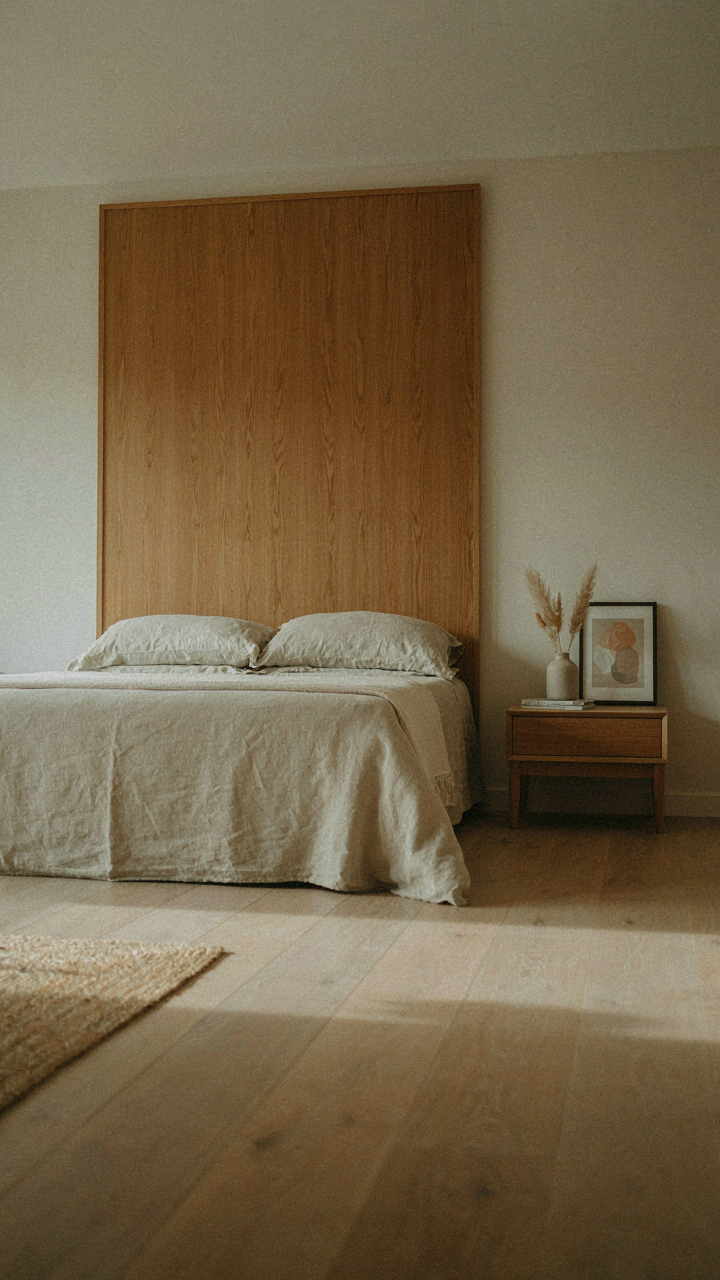
The patchwork quilt doesn’t work as a focal point because patchwork diffuses attention across multiple colors and patterns. Instead, choose one element: the bed frame, a headboard, or a statement wall behind it. This borrows from architecture and contrast theory. In visual hierarchy, the strongest element wins. Make your choice and subordinate everything else to it.
Soft patchwork layers succeed when they support your focal point rather than becoming multiple focal points themselves. If the bed is primary, the quilt layers provide texture without competing for dominance. If the headboard is primary, keep bedding neutral. You anchor the eye first, then layer around it. This order matters. Reverse it and the room fractures visually.

The Country Cottage Bed Frame: Structural Integrity As Art
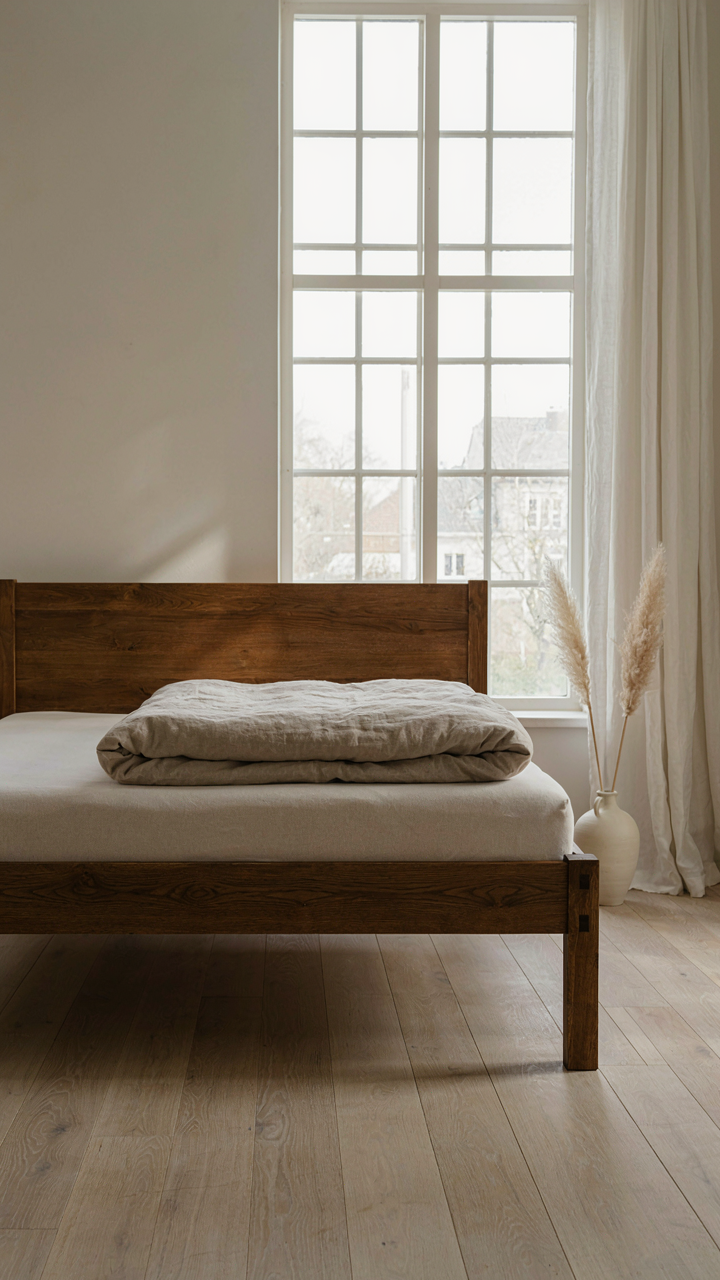
Wood Species And Load Bearing Capacity
You want the bed to look intentional, not like you grabbed whatever was on sale. Material choice determines how the frame performs under stress over time, which directly shapes what design actually survives in a cottage bedroom. Oak, elm, and pine were the historical standards because they offered the load-bearing capacity cottage builders needed without requiring reinforcement every few years.
Oak holds weight with minimal deflection and resists seasonal wood movement better than softer species. Elm was favored in older cottages for its resistance to splitting and its ability to handle moisture swings without warping. Pine is lighter and cheaper but requires thicker stock and more cross-bracing to prevent sagging at the mattress support points. The real mechanism: denser wood means fewer support rails needed, which means a visually cleaner frame that doesn’t look over-engineered.
The Bed As Spatial Anchor
In military strategy, terrain determines where you position your forces. In a country cottage bedroom, the bed frame determines every other measurement and sightline in the room. Most people treat the bed as furniture you drop in and arrange around. The frame actually controls traffic flow, window access, wall space allocation, and how light moves through the room from morning to evening.
Position the bed perpendicular to the longest wall or directly opposite a window, not parallel to it. This creates psychological depth and prevents the room from feeling like a hallway with a mattress. The frame’s visual weight anchors the space and lets you build storage, seating, and dressing areas around it with purpose instead of accident. When the bed sits wrong, every other decision in the room becomes reactive and cramped.

Beyond Beige: The Economics Of Cottagecore House Bedroom

Found Objects Beat Retail Pricing
You want permission to buy less and feel wealthier doing it. Here’s the mechanism: scarcity in economics means value increases when supply shrinks. A country cottage bedroom leverages this by treating found objects as currency instead of filler. Vintage quilts from estate sales, reclaimed wood frames, inherited textiles, and salvaged hardware cost less than new retail equivalents but signal restraint and intentionality. The asymmetry works because scarcity feels like curation.
The practical move is systematic sourcing. Hit estate sales, barn auctions, and antique markets with a visual reference of your bedroom’s existing palette. Don’t collect randomly. Photograph your current textiles and wood tones, then filter acquisitions through that constraint. When you restrict yourself to what matches, you build layers that feel cohesive rather than cluttered. Found objects stop looking like accidents and start looking like a design decision that happened over time.
Quality Eats Quantity On The Balance Sheet
The common advice says buy less, spend more. That’s incomplete. The real decision is about replacement cost over years, not price per item today. A country cottage bedroom demands textiles and wood that survive repeated washing, fading, and handling without degrading. Budget cotton patchwork splits at seams after three seasons. Good weight linen and wool blends hold for a decade. The economics flip when you calculate cost per year of use, not cost at purchase.
Start by identifying the three textiles that touch your skin most: sheets, the primary quilt, and your regular throw. Buy the best version of those three pieces you can afford right now. Rotate everything else through found objects and vintage pieces that cost less because they’re already broken in. This approach stretches budget while eliminating the friction of constantly replacing worn bedding. The protocol is simple: ruthlessly good on essentials, strategically patient on everything else.

Cottage Inspired Bedroom Lighting: Engineering Ambiance
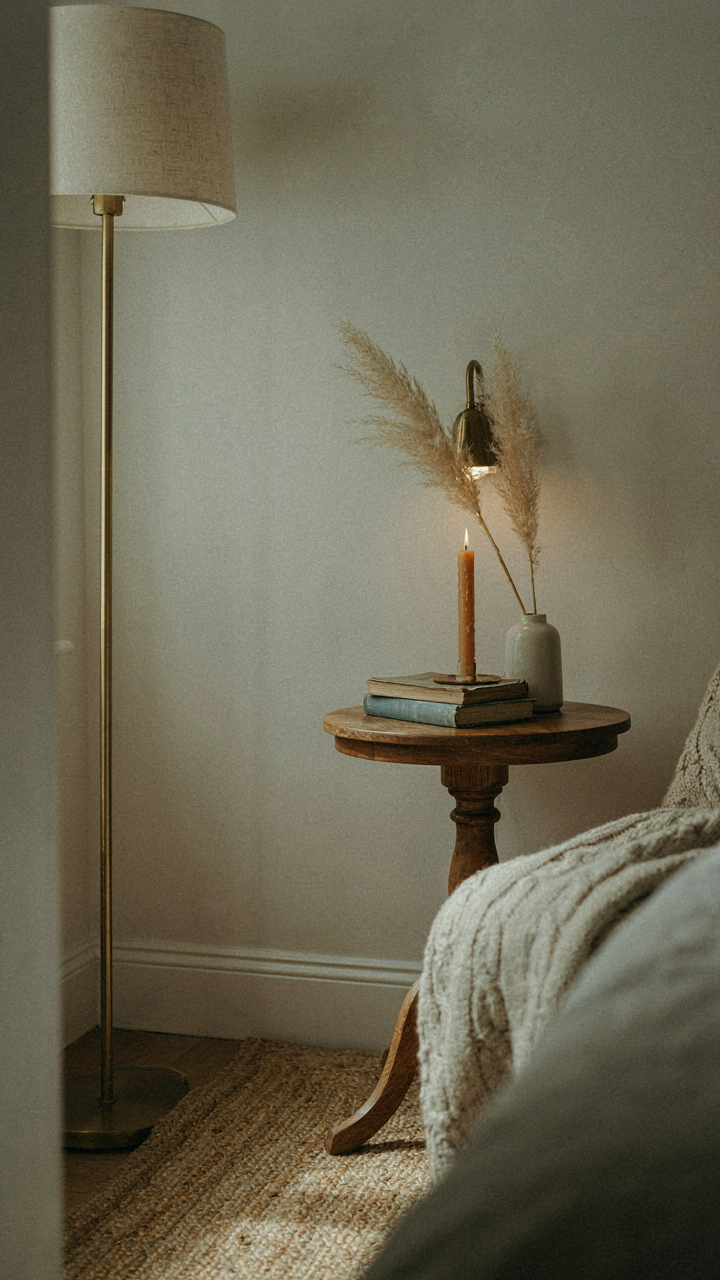
Layered Light Sources Combat Flat Illumination
You want this room to feel intentional, not like you’re reading a design magazine. That fear of getting it wrong keeps most people buying one overhead fixture and calling it done. Lighting design borrows from architecture’s load-bearing principle: no single source carries the weight. A country cottage bedroom needs minimum three independent light zones—ambient, task, and accent—each operating on separate switches.
Ambient light fills the room without creating shadows or strain. A ceiling fixture alone fails here because it flattens texture and kills the layered aesthetic patchwork demands. Add wall sconces on either side of the bed, a floor lamp in the reading corner, and a low-wattage ceiling piece. Each fixture should be dimmable. This gives you control over intensity without replacing bulbs, and it’s the only way to shift mood without restructuring the room.
Light Temperature Shapes Mood Actively
The common advice says warmer is cozier. That’s lazy and incomplete. Color temperature measured in Kelvin determines whether your brain perceives calm or alertness. Cottage bedrooms work at 2700K maximum for evening hours, dropping to 2200K after dark. During the day or for reading, 3000K prevents eye strain without the clinical punch of 4000K.
Install bulbs rated for the specific Kelvin value you want in each fixture. Don’t mix temperatures across the room. A sconce at 2700K next to a lamp at 4000K creates visual conflict, not ambiance. Dimmers alone won’t fix this. The mechanism is neurological: your circadian rhythm responds to color wavelength, not just brightness. Align your fixtures to a single temperature standard, then layer them by position. This controls where light lands and how your body reads the space.

Cottage Core Small Bedroom: Maximizing Space, Not Mimicking Farms
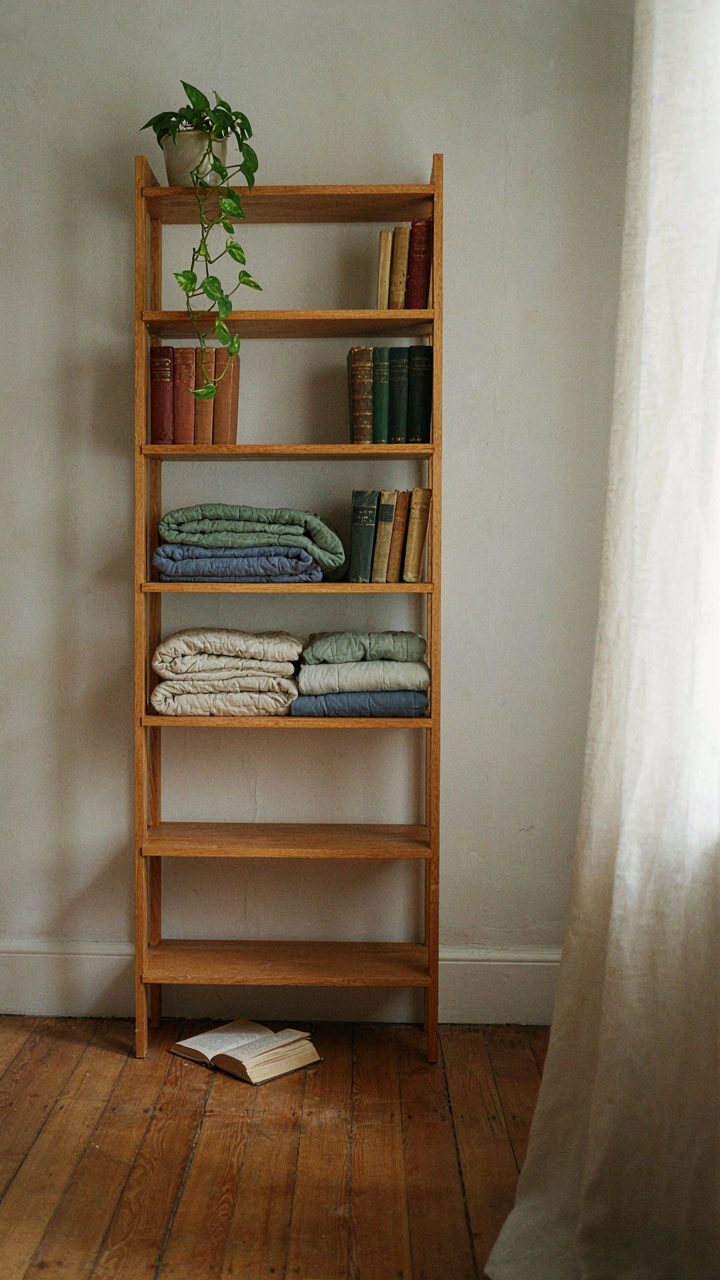
Vertical Space Utilization Solves Real Constraints
You want the aesthetic without admitting you’re fighting square footage. Here’s the mechanism: small bedrooms fail because people treat walls as decoration instead of real estate. Think in architectural terms—your bedroom has floor area as one dimension and wall height as another. Most cottage designs waste the vertical plane entirely, stacking visual weight at eye level instead of using it strategically upward.
Tall narrow shelving against one wall does two things simultaneously: it stores without consuming floor footprint, and it draws the eye up, making the room feel deeper than it measures. Wall-mounted hooks for quilts, textiles, or storage baskets accomplish the same function. The patchwork aesthetic actually reinforces this because layered fabrics on upper shelves create visual interest without cluttering the breathing room at ground level where you move.
Furniture That Performs Multiple Roles
The common advice says buy smaller furniture. That’s incomplete. Real optimization means buying furniture designed to do two jobs at once, not just buying the junior version of standard pieces. A storage bench at the foot of the bed holds blankets and extra pillows while serving as a seat or a staging area for morning routines. Under-bed drawers capture dead space that most people ignore entirely.
A narrow console table can function as both a nightstand and a desk. Wall-mounted shelving above it removes the need for a separate dresser. This isn’t about clever storage hacks—it’s about recognizing that in small spaces, single-purpose furniture is a luxury you can’t afford. Each item you bring in must justify its existence by serving at least two functions, or it doesn’t go in.

Your Fear Of Commitment, Not Your Color Palette, Is What Truly Stifles Your Cottage Dream
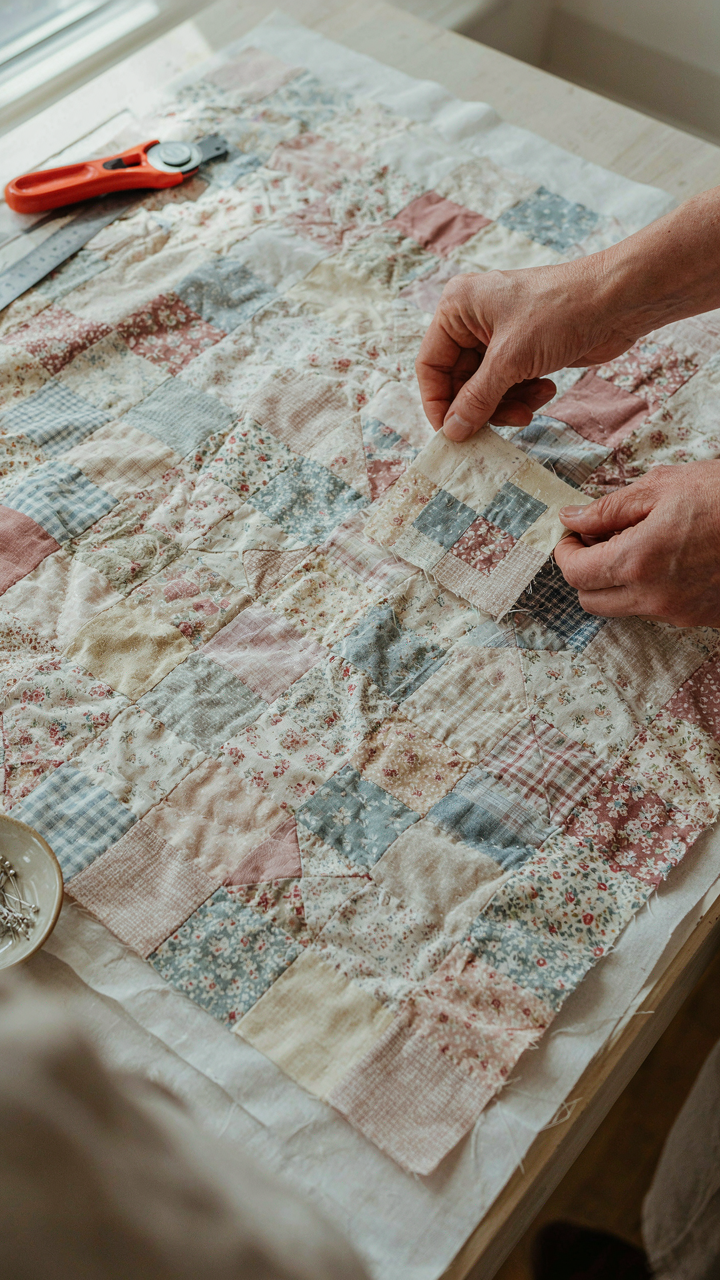
You’re scrolling endlessly through patchwork bedding samples because you’re afraid buying one means abandoning all the others. That paralysis isn’t about design taste. It’s about control. A country cottage bedroom doesn’t demand perfection. It demands you pick something today and live with it for thirty days. Your brain will adjust. Your eye will settle. The imperfect becomes home the moment you stop treating it as temporary. Stop researching and start committing, because the cottage bedroom you never build teaches you nothing about yourself.



