
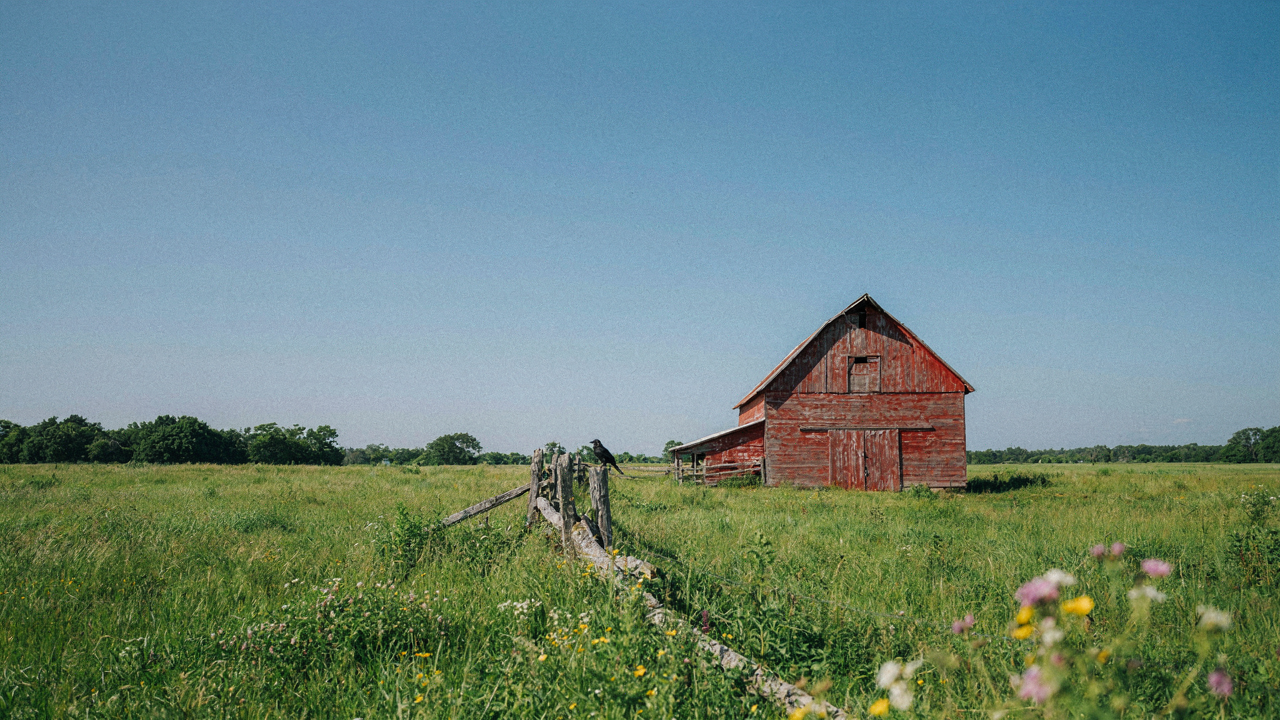
The Un Instagrammable Reality Of A Country Style Home
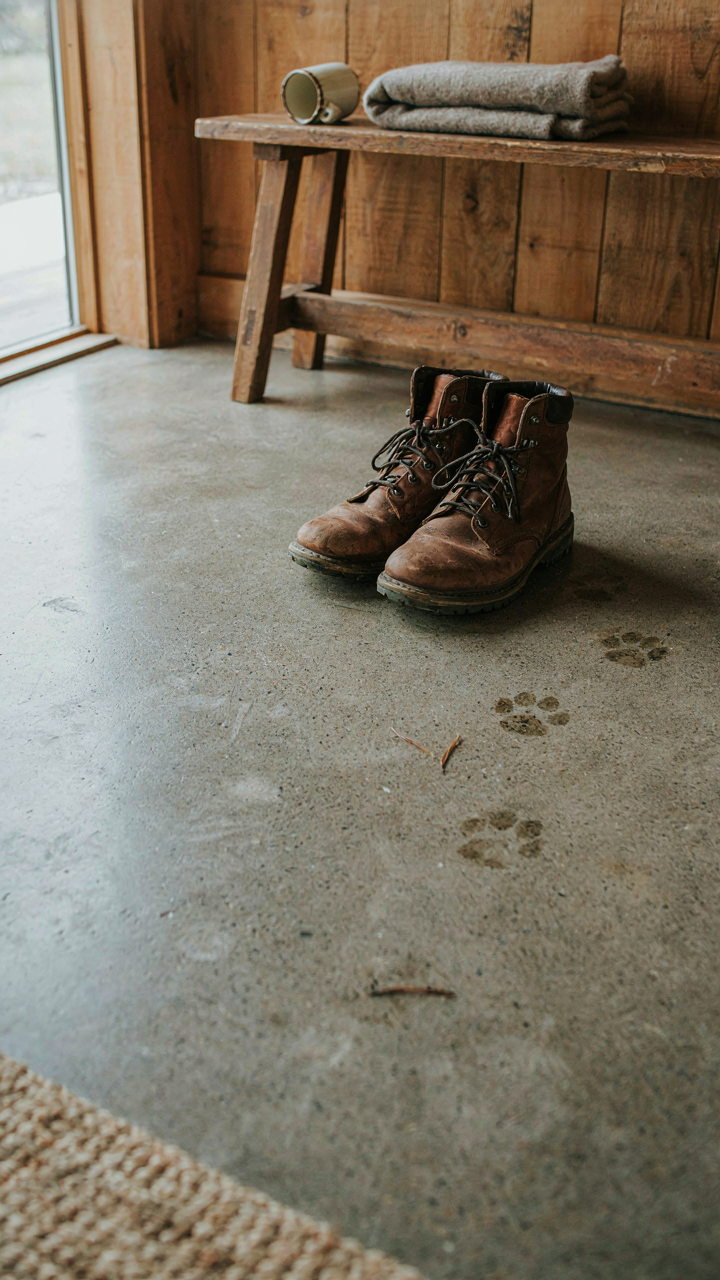
Dirt, Dust, And The Maintenance Tax Nobody Admits
You want the aesthetic without confronting what actually lives in a country home: entropy. Dirt doesn’t photograph well, so design media erases it. The mechanism is simple: rural properties operate at higher friction than urban ones. Dust travels farther on unpaved roads. Wood absorbs moisture and warps. Metal rusts faster in open air. You can’t ignore these forces—you either design around them or you’re repainting every three years. Most people choose the latter and call it “rustic charm.”
The real decision is material selection, not decoration. Concrete floors handle dirt better than reclaimed wood. Metal roofing outlasts shingles in harsh weather. Raw brick and stone age visibly but don’t degrade. If you’re building or renovating, pick materials that age forward instead of backward. Sealed finishes require constant maintenance. Unfinished surfaces accept their environment. The difference between a country home that feels authentic and one that feels like a failed Pinterest board is whether you’ve surrendered to maintenance or declared war on it.
Practicality Reshapes What Style Actually Means
The common advice says function and form coexist peacefully. That’s wrong. In country living, form bends entirely to function, and anyone who’s managed rural property knows this. A farmhouse layout evolved because barns needed to connect to houses through covered passages during winter. Wide porches existed because shade and rain protection matter more than interior square footage. High ceilings in barns functioned as ventilation and heat dissipation, not as design flourishes. These weren’t aesthetic choices—they were survival mechanisms that happened to look good.
This reversal changes how you approach design decisions. Install wide doorways because equipment gets moved through them, not because they “feel open.” Choose durable flooring in mudrooms because boots and animals track matter, not for visual contrast. Size your kitchen pantry for bulk storage from harvest or seasonal buying, not for Instagram staging. When you stop treating practicality as a constraint and start treating it as the actual design brief, the style emerges on its own. Your country home won’t match the magazines because magazines photograph spaces designed for appearance. Yours will be designed for use.
Inside Of House Ideas: Decluttering The Romantic Illusion
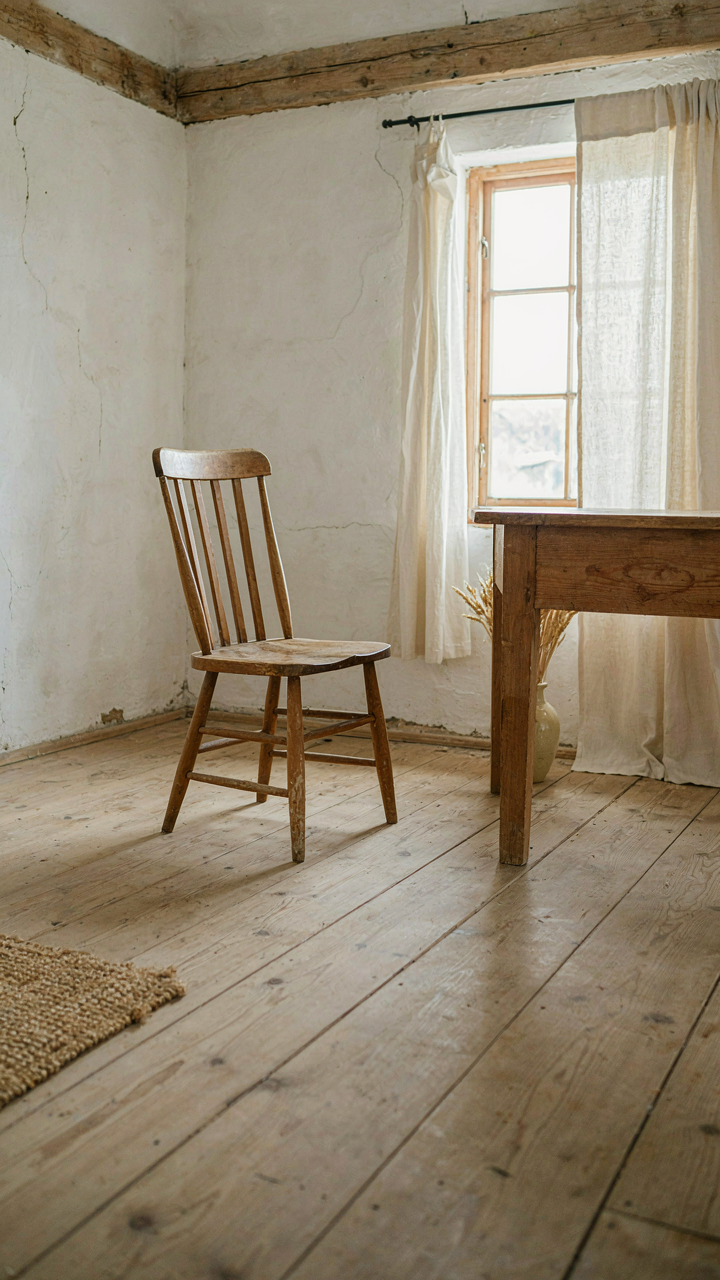
Minimalism Born Of Necessity, Not Trend
You want country style to feel authentic without admitting you’re buying a lifestyle brand. The real mechanism here is economics: rural homes historically operated under scarcity, not choice. Farmers and homesteaders owned fewer objects because they couldn’t afford excess and had no infrastructure to support it. This wasn’t noble minimalism. It was survival. Modern country style homes that work capture that constraint without the poverty, which means you’re not decorating sparsely to look cool—you’re eliminating redundancy because every object must justify its footprint and function.

The difference between tourist country and actual country is ruthless. People living on working land don’t keep furniture they don’t use. They don’t display objects that require maintenance but add nothing to daily life. Walk into a genuine farmhouse and you’ll find worn tools, practical textiles, and very little else. The aesthetic emerges from utility, not from curating a rustic image. If your country style home has decorative items that serve no purpose, you’ve already abandoned the framework. Strip back to what you actually need first. The visual appeal arrives after.
Every Object Earns Its Place Or Exits
The wrong advice here is that country style thrives on collected, eclectic clutter. That’s urban designers romanticizing rural life. A real country home operates like a working machine. Each object occupies space because it performs a task, holds memory tied to function, or supports the household’s actual rhythm. A cast iron skillet stays visible because you cook with it weekly. A quilt drapes a chair because you use it for warmth or sit underneath it. A wooden ladder leans against the wall because you access the loft. Nothing hangs around for sentimental decoration alone.
Implement a functional audit: walk through each room and ask what each visible object does. If it’s decorative only, move it or remove it. Country style homes that feel cluttered aren’t authentic—they’re unfocused. The ones that work have every item tied to either daily use, seasonal use, or structural purpose. This isn’t deprivation. It’s clarity. After the audit, what remains is your actual country home. Everything else was noise.
The “Modern Chic Farmhouse” Lie: Authenticity Vs. Aspiration
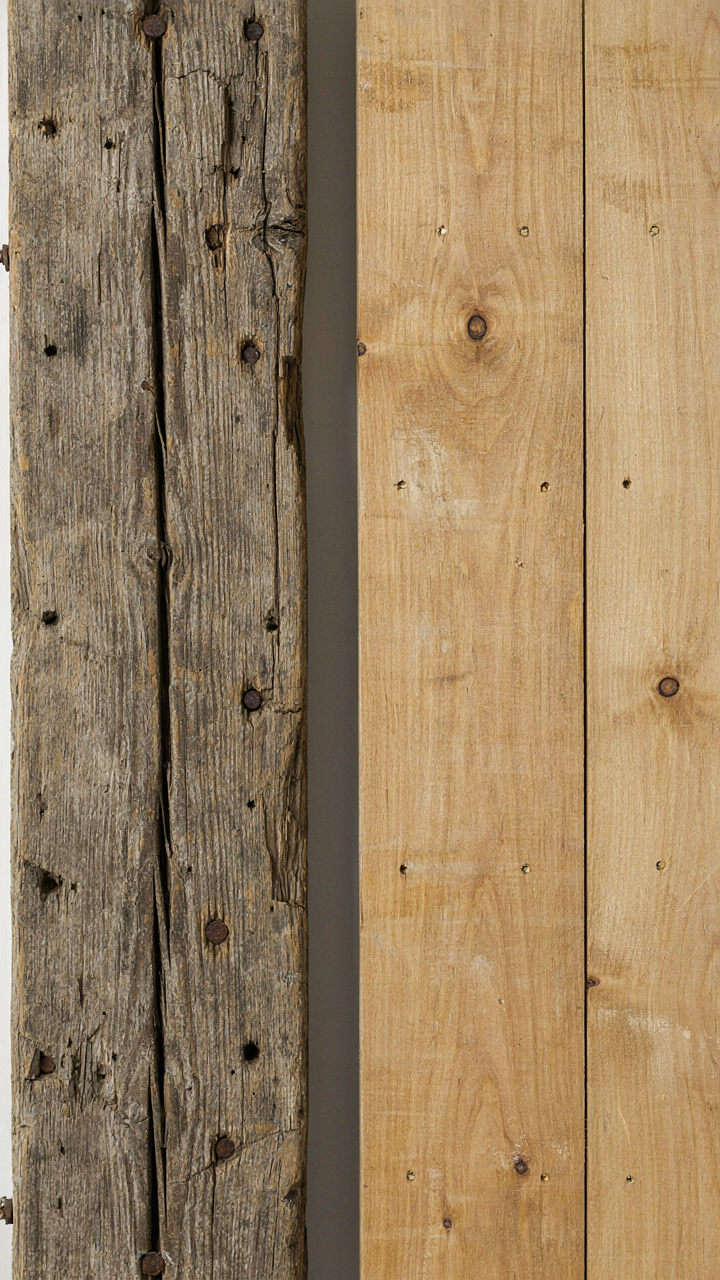
Reclaimed Means Used, Not Distressed New
You want the story that comes with old wood because you think it signals taste and depth. Here’s the mechanism: reclaimed material has actual history baked into its surface. A barn beam salvaged from a 1920s structure carries real patina from decades of weather, load-bearing stress, and use. A new board artificially distressed with wire brushes and stain is theater. The difference isn’t subtle—it’s structural. True reclaimed wood has density variations, nail holes in specific patterns, and grain compression that no manufacturing process can replicate.

The market has turned this into a con. Vendors now “reclaim” wood from demolition sites, run it through sanders to clean it up, then spray it with finishes that erase the actual evidence of age. What you’re buying is the aesthetic without the authenticity. Real reclaimed material shows its damage. It has checks, knots that have shifted, discoloration patterns that make no sense unless you know they came from water exposure or livestock proximity. If your farmhouse beam looks too perfect, it’s new wood dressed up as old.
True Farmhouse Grit, Not Glossy Showroom Sheen
Actual farmhouses are functional objects, not design statements. The surfaces show wear because they were used hard. A country style home built for living—not photographed—has rough edges where equipment scraped plaster, darker wood in high-traffic areas, and visible repairs that prioritize durability over uniformity. Magazine farmhouses sand this reality down into a curated aesthetic that farmhouse owners never had access to in the first place.
The grit comes from constraint, not intention. Real farmhouse finishes are matte because glossy paint costs more and shows every handprint. Walls are thick plaster because it regulates temperature in buildings with poor insulation. Wood floors are unfinished in utility areas because refinishing was expensive labor. When you’re choosing country style home materials, stop asking what looks rural and start asking what actually functions in rural conditions. A surface that repels dirt and handles temperature swings without warping isn’t poetic—it’s practical. That’s where the real aesthetic lives.
Designing House Ideas: The Ecological Niche Protocol
Match Your Materials To What Grows Nearby
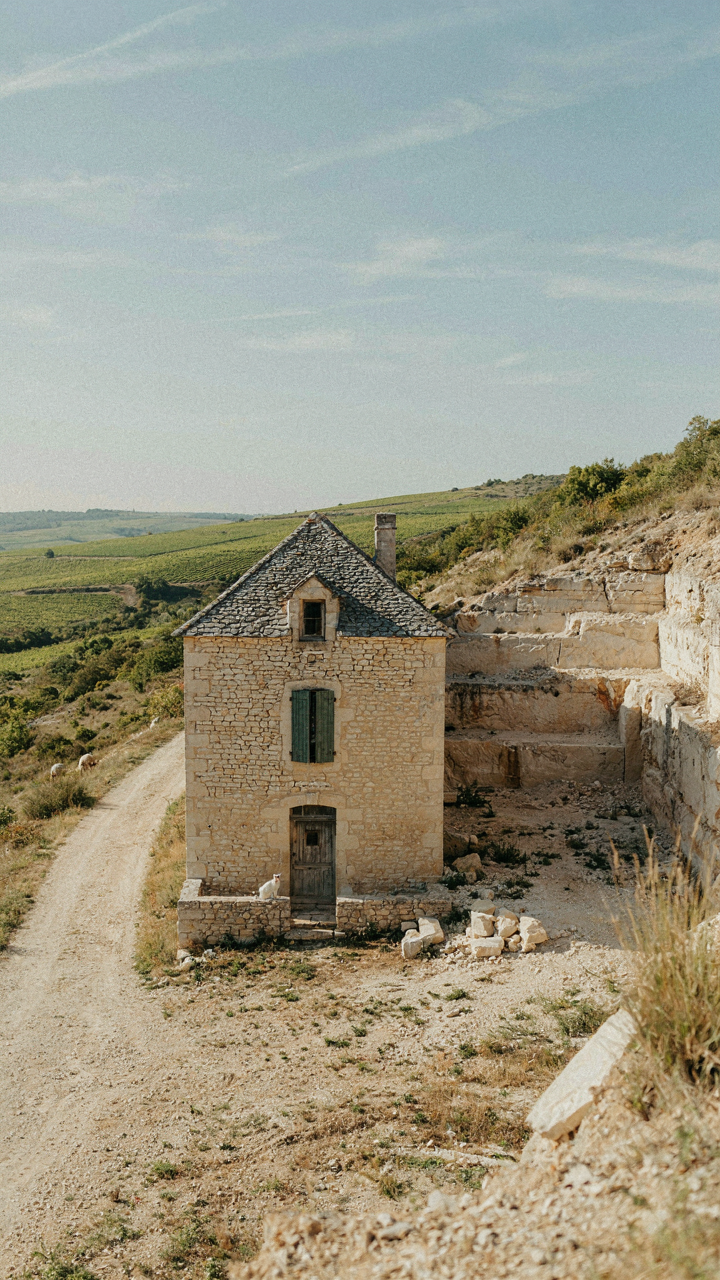
You want your country home to feel authentic without admitting you’re copying a regional aesthetic to signal you belong there. The mechanism is simple: ecology determines material availability, and material availability determined vernacular architecture long before design trends existed. In biology, a niche is the role an organism plays within its environment. Your house’s niche is the intersection of what the land produces and what the climate demands. Stone farmhouses dominate limestone regions because limestone sits in the ground. Wood frames dominate forested areas because trees grow there. Brick appears where clay deposits exist. This isn’t romantic—it’s economical.

Build with materials sourced within fifty miles of your property when possible. Local timber, stone, or clay reduces transportation cost and aligns your structure with regional building traditions that already solved your climate’s problems. If you’re in the Appalachian region, stone and heavy timber make sense. In the Great Plains, sod and timber frames made sense historically because stone was rare and trees scarce. In the Pacific Northwest, cedar and Douglas fir frame the vernacular because those species dominate. Don’t force materials that require constant maintenance because they look good in magazines. Regional materials age well in their own climates because they evolved there.
Function Through Relationships, Not Independence
The common advice treats country homes as isolated retreats, which is incomplete. Design for symbiotic function means your house works with the land, not against it. In ecology, symbiosis is a relationship where organisms benefit each other. Your country home’s symbiotic partners are the land, the water table, the wind patterns, and the sun’s seasonal arc. A house positioned to catch winter sun and block summer heat through its orientation performs better than one that ignores these forces.
Organize your site so structures support each other’s function. Position your main house to shelter outbuildings from winter wind. Place gardens and orchards on the south side where sun exposure is strongest. Route water from roof runoff into detention areas that feed both landscaping and livestock watering systems. Orient windows and porches toward activities that happen outside—not inward-facing for privacy theatre. The protocol is simple: map what your land does naturally, then build structures that amplify those functions instead of fighting them.
Kitchen View: The Command Center Of Rural Survival
Efficiency Is Beauty, Prep Flows Into Storage
You want your kitchen to look intentional because you’re afraid it looks like a redneck garage. The real mechanism is flow: in logistics terms, a country kitchen reduces friction between task stations. The prep zone feeds the cooking zone, which feeds the plating zone, which feeds the cleanup zone. No backtracking. No wasted steps. This isn’t sentiment—it’s operational design.

Rural kitchens work because they treat movement as currency. A 10-foot path to the sink wastes 40 steps per day. A counter arrangement that forces you to walk around an island wastes focus. The best country kitchens slot the pantry near prep, the stove near water access, and the sink where you can see the land outside. Waste disposal sits at the end of the sequence, not mixed in. This layout predates modern kitchen design by centuries because it works.
Tools Exposed: Function Wins The Argument
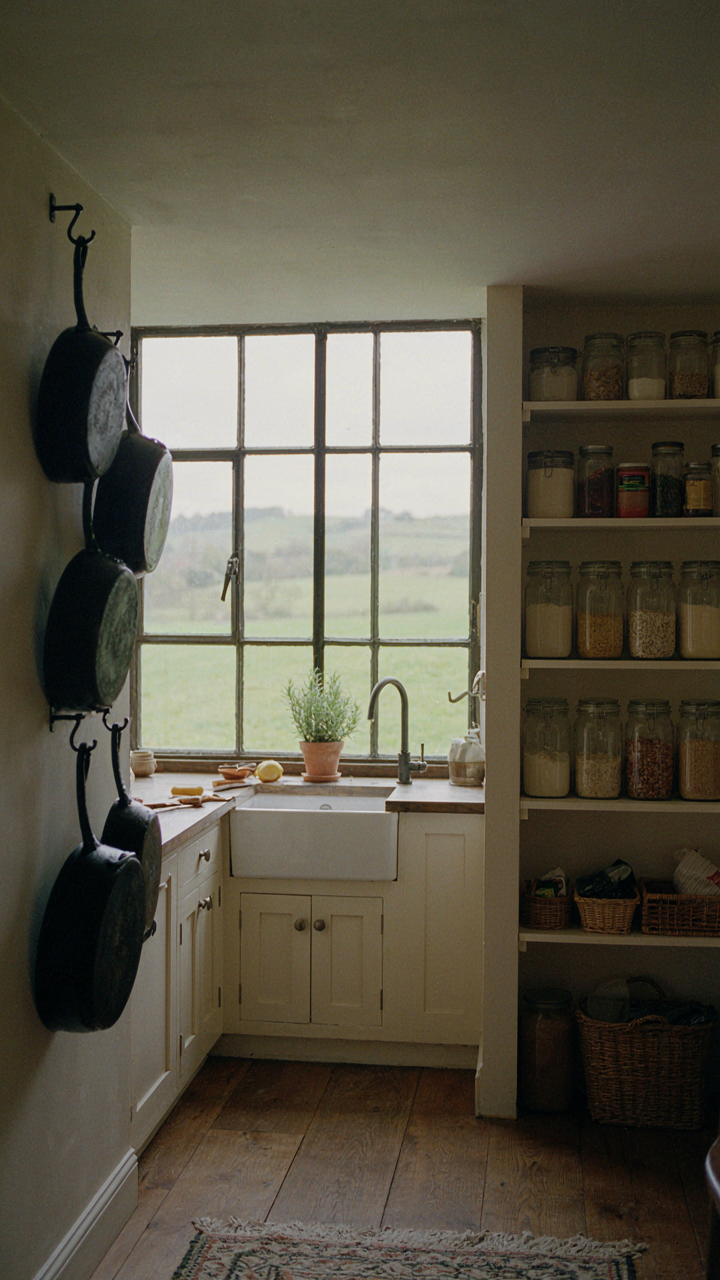
The advice to hide everything in cabinets is wrong. Designers pushing that line work in townhouses with four people and consistent routines. A working rural kitchen has seven people with conflicting schedules, seasonal tasks that shift the tool stack every month, and no time to hunt through drawers. Hung rails, open shelving, and wall-mounted hooks let you see what you own and grab it without friction.
This doesn’t mean chaos. It means ruthless curation—only tools that earn their wall space stay visible. Pots, cast iron, cutting boards, and frequently rotated seasonal equipment live on display. Everything else stays stored. The mechanism is visibility equals accountability: if a tool is always visible, you use it or remove it. Dead equipment disappears before it accumulates. A functioning country kitchen shows its skeleton because that skeleton is still working.
Vintage Country House Exterior: Weathered Wisdom, Not Faux Patina
Materials Built To Last Through Seasons
You want the exterior to look old without looking neglected, because neglect reads as failure. The mechanism is simple: materials that age gracefully don’t require fakery. Like biological systems that strengthen under stress, country exteriors gain character through actual exposure to weather cycles, not through distressing techniques applied in a factory.

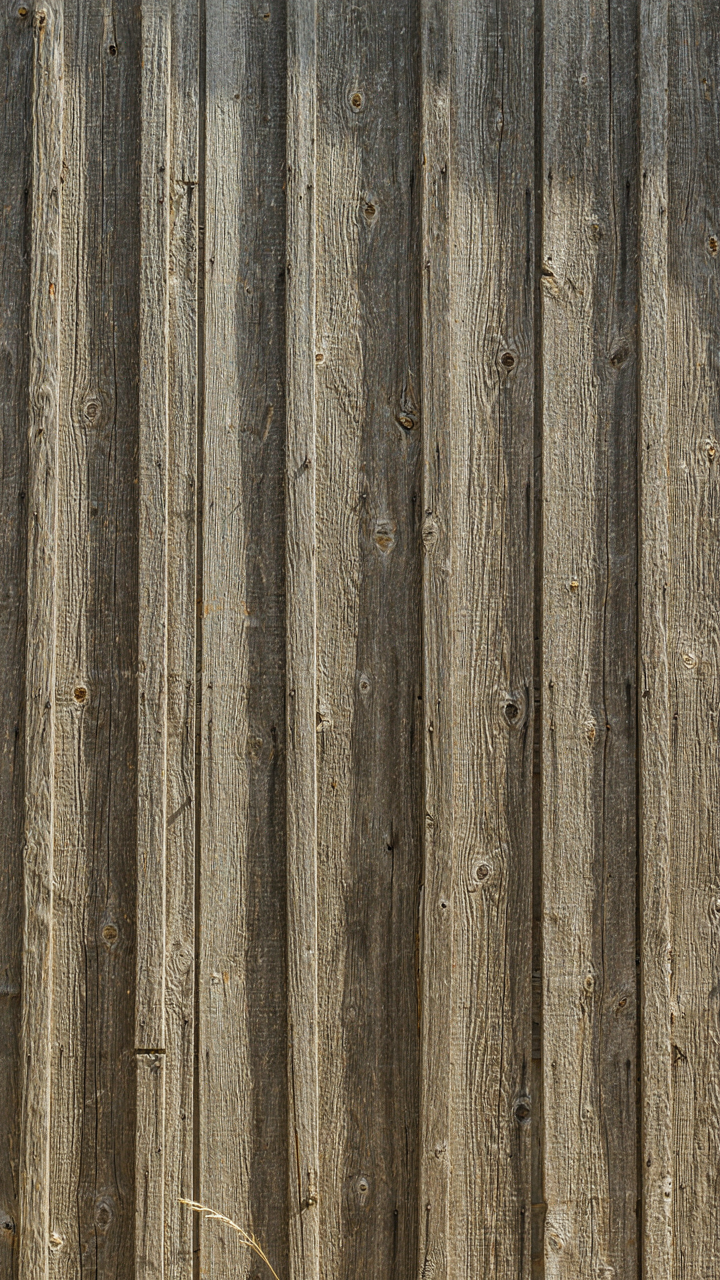
Wood siding, stone, and metal each follow predictable aging patterns. Reclaimed barn wood darkens and develops splits along the grain as moisture moves through it seasonally. Lime mortar between stones weathers at a different rate than the stone itself, creating natural shadow lines. Galvanized metal develops a zinc patina that protects the underlying steel. These aren’t aesthetic choices. They’re the physical consequence of material meeting climate over time.
The Work That Compounds Your Investment
Maintenance as ritual beats maintenance as emergency repair. You inspect quarterly, not annually. Check flashing where roofs meet walls, gutters for debris, and wood siding for soft spots that signal rot beginning. This prevents the cascade: water enters through one crack, spreads inside the framing, and suddenly you’re replacing structural beams instead of caulking a gap.
The protocol is immediate response to water intrusion. Caulk opens up after three to five years in exterior conditions. Repoint mortar joints when you notice mortar receding before stone begins to shift. Paint wood siding every seven to ten years, depending on exposure and wood species. This isn’t burden if you schedule it like any other asset maintenance. It’s the difference between a home that appreciates and one that depreciates into a money pit.
Farm Houseplans Outside: Strategic Layout For Self Sufficiency
The Yard As Production Zone
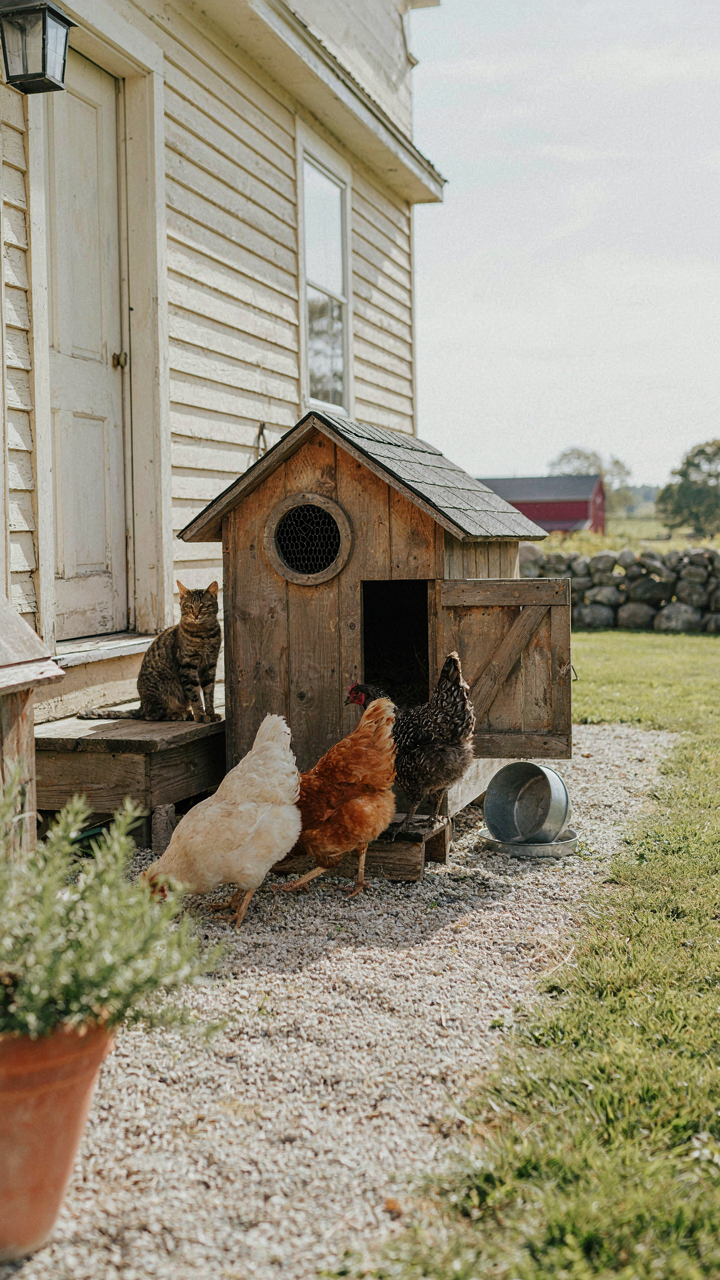
You want the land around your home to validate the lifestyle choice you’ve already made in your head. The real mechanism is treating your outdoor space like a functional system instead of decoration. Most country homes fail because owners design yards for appearance first, then get frustrated when nothing works. Borrow from industrial layout thinking: position high use zones near the house, medium use further out, and low frequency activities at the perimeter. This isn’t aesthetic. It’s about reducing wasted steps and time.

The distance between your kitchen and vegetable garden, between your barn and your water source, between your workshop and your raw materials—these gaps either save you or drain you daily. A 50-foot walk to collect eggs becomes 18,250 feet per year. Country living compounds small inefficiencies into exhaustion. Plan your yard layout on paper first by mapping actual workflow, not by what looks balanced from the road.
Plants That Produce, Not Just Sit There
The typical advice here is to plant native species for curb appeal. That’s incomplete. Hardy plantings in country settings earn their keep through food, livestock feed, windbreaks, erosion control, or fuel. Ecology calls this ecological function, and your landscape should operate the same way.
- Fruit and nut trees: Apple, walnut, and pecan varieties establish over years but reduce grocery dependency and provide animal feed once mature.
- Perennial vegetables: Asparagus, rhubarb, and artichokes return yearly without replanting labor and handle neglect better than annuals.
- Nitrogen-fixing shrubs: Black locust and autumn olive improve soil while providing firewood, fence posts, or livestock browse simultaneously.
- Hedgerow plants: Multi-species barriers create windbreaks, wildlife corridors, and harvesting opportunities (berries, nuts) across property lines.
- Pasture legumes: Clover and alfalfa planted in open areas feed livestock while reducing fertilizer need and preventing erosion.
The selection process is ruthless: plant nothing that doesn’t serve at least two functions on your property. A tree that only looks good is a maintenance cost disguised as landscaping. Establish a planting schedule that staggers maturity dates so your land produces incrementally rather than all at once, preventing gluts you can’t process and gaps where you need cover.
Beautiful Farm Homes: The “Cosy Farmhouse Exterior” Illusion
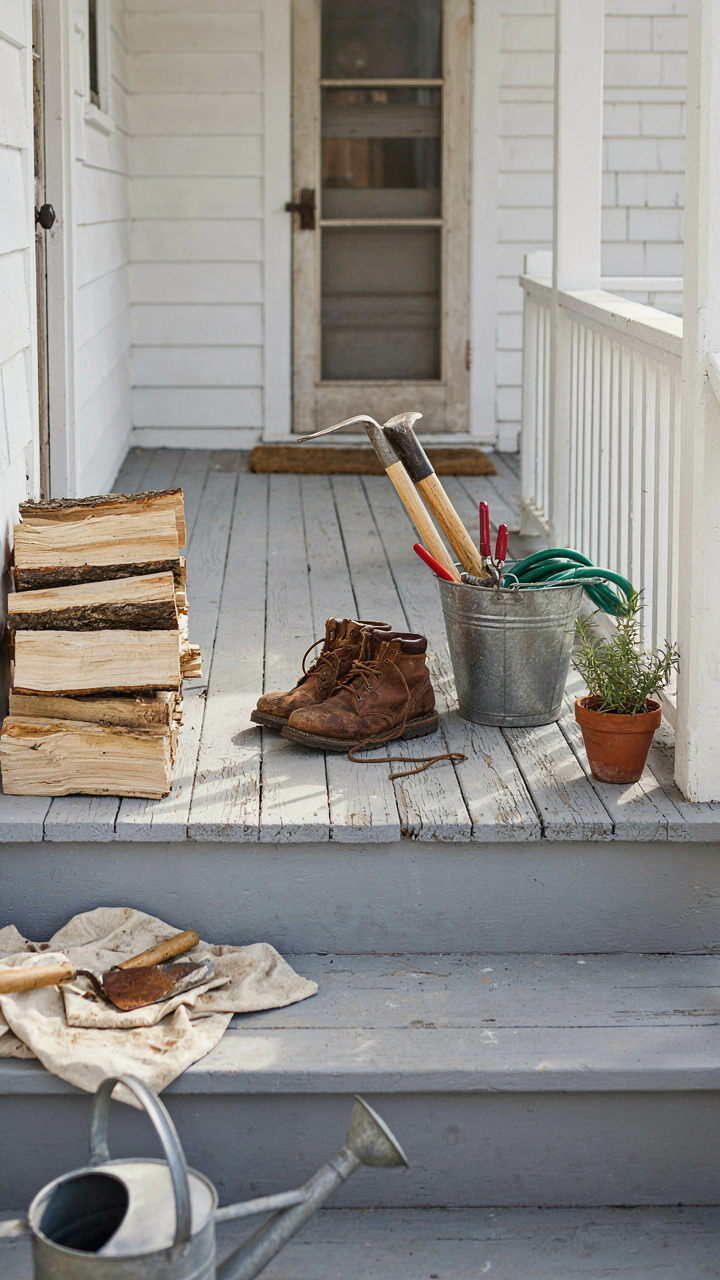
Comfort Born Of Utility, Not Soft Furnishings
You want the farmhouse look because it signals you’ve got your life together in a way that feels earned, not purchased. Here’s what actually matters: farmhouse exteriors work because every element solves a problem first and looks good second. A deep front porch isn’t decorative shelter—it’s a working zone for boots, tools, and seasonal storage that happens to shade the foundation. Wide eaves protect walls from water damage and give you covered space to move equipment. Wraparound porches existed because farms demanded multiple entry points to different work areas, not because they photograph well.

The mechanism is functional redundancy. Real country homes layer utility until aesthetics emerge as a byproduct. Metal roofing materials lasted decades and shed water efficiently—the aged patina came free. Stone foundations stayed cool and resisted moisture—the rustic character was incidental. Board and batten siding let you expand or repair sections without replacing entire walls—the texture wasn’t intentional design. When you chase the visual without the underlying function, the exterior reads as hollow. Build the function first and the authenticity follows automatically.
Authentic Character Over Curated Cuteness
The farmhouse aesthetic has been commodified into a brand, which is exactly where it dies. Magazines and design blogs market “country charm” as a collection of surface choices: whitewashed barn doors, vintage metal signs, distressed shutters. None of that creates character. Real country homes age because they’re used, repaired with whatever materials were on hand, and adapted to changing needs over decades. A weathered fence isn’t weathered because someone applied stain in layers. It’s weathered because it blocks animals and endures seasons. The gaps, repairs, and mixed materials tell the actual story of function and time.
Authenticity in country exteriors demands you stop performing the aesthetic and start living it. Use materials based on climate and maintenance reality, not Instagram mood boards. Repair damage with local stone or siding that matches what’s available, not what matches Pinterest. Paint barn structures in colors that worked for your region—deep reds and blacks lasted longest under sun exposure, which is why they dominated. The exterior that feels genuinely country emerges from solving real problems with real constraints, not from replicating a styled photograph.
Your “Country Dream” Is Just Urban Escapism With More Steps And Dust
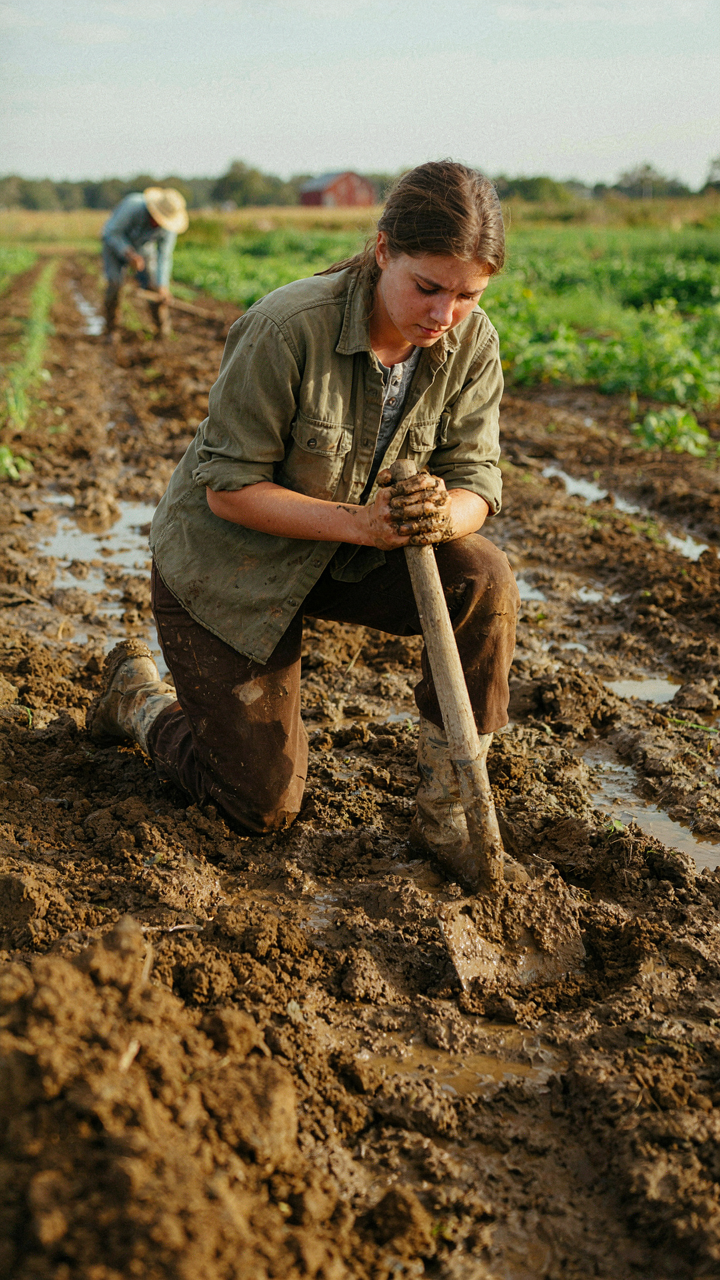
Most people romanticize country living because they hate their current life, not because they understand rural reality. You’re not actually drawn to farmland. You’re running from fluorescent lights and traffic. Before you buy that fixer-upper, spend a month doing actual farm work. Not a weekend. A month. Your hands will tell you the truth your Instagram feed won’t. The country style home you’re picturing doesn’t exist without the sacrifice most people quit.




