
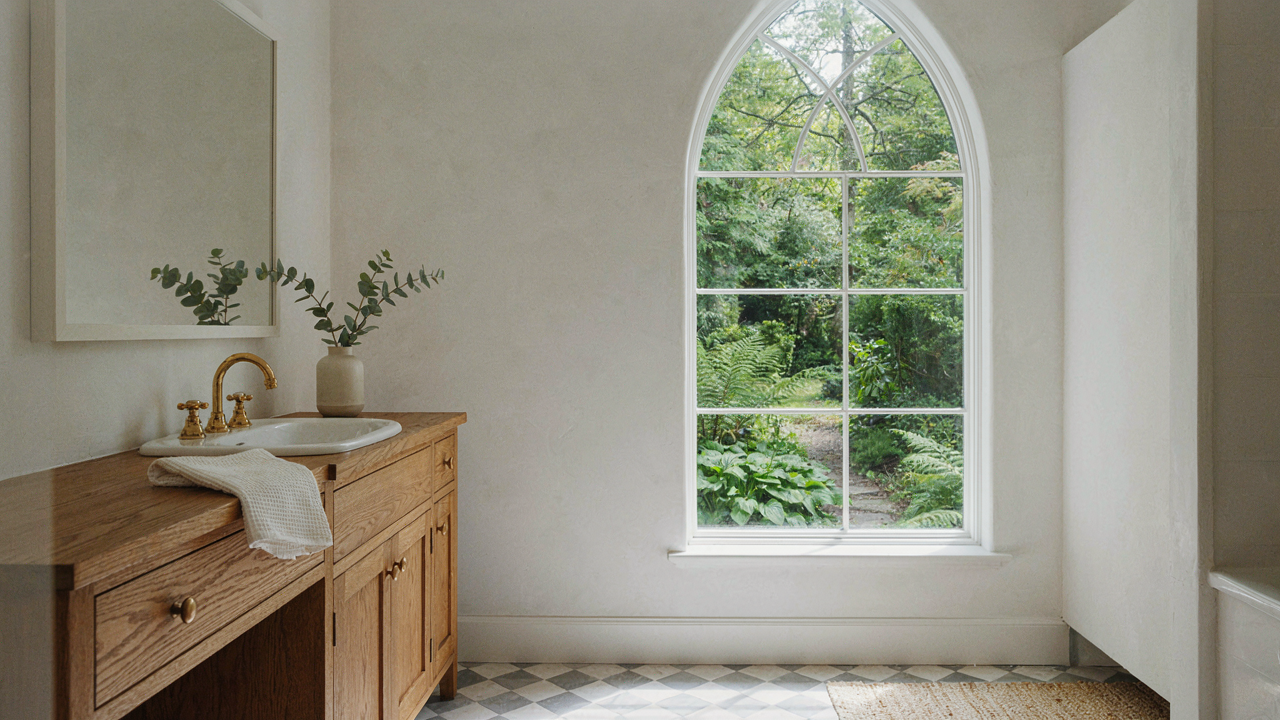
The Craftsman Bathroom Deception: Why Most Get It Wrong
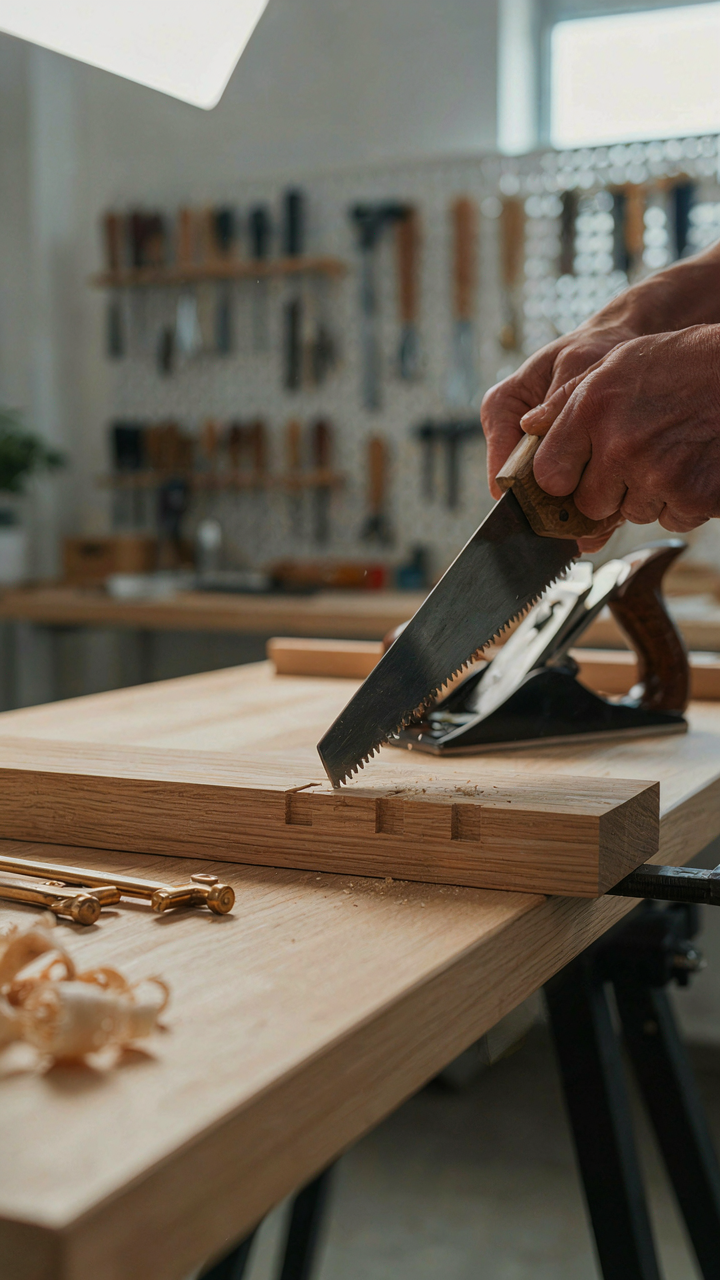
Aesthetics Without The Foundation
You want people to see you as someone with taste. The problem is that most craftsman bathrooms are stage sets, not functional spaces built to last. People confuse visual elements—subway tile, shiplap, brass fixtures—with actual craftsman design, which is a philosophy about how things are built, not how they look.
The distinction matters because it changes what you actually buy and install. True craftsman work prioritizes material quality and joinery over trend cycles. A handmade tile with visible glaze variations tells you someone made a choice about imperfection. Mass-produced subway tile tells you nothing except that you bought what everyone else bought. The difference isn’t subtle once you understand it: one ages with character, the other ages into obsolescence.
Imitation Design Costs More Than You Think
Advice to “just pick what you like” is lazy and expensive. Imitation craftsman bathrooms fail because they mix periods, materials, and construction methods without understanding why each element existed. You end up with a space that photographs well but doesn’t function like the original concept intended.
The real cost appears over time. A poorly installed tile joint fails faster than a well-executed one. Hardware chosen purely for looks oxidizes or breaks. Wood selected for appearance rather than workability warps or stains unevenly. Avoid the trap by learning what each material demands before you commit budget to it. Walk through older homes with actual period bathrooms, not showrooms. Ask contractors what breaks first in installations they’ve done wrong. That direct knowledge beats any mood board you’ll find online.
Period Tile: The Unspoken Language Of Authenticity
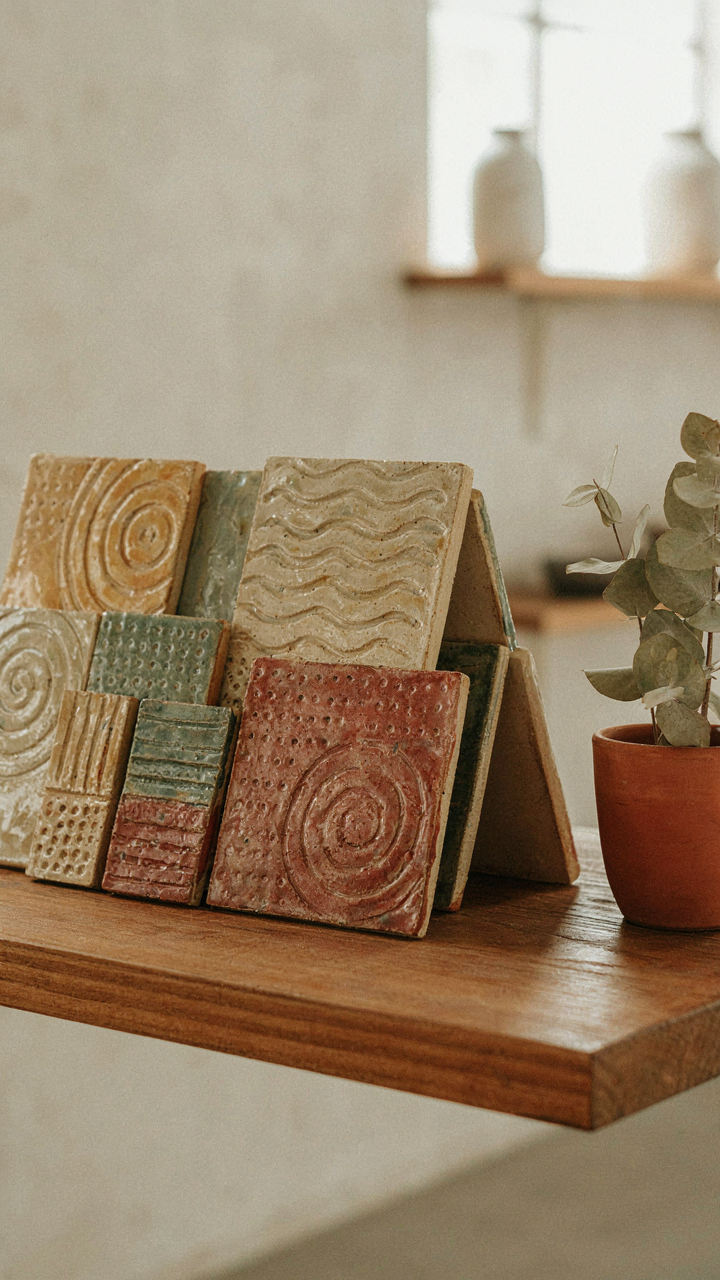
Durability Meets Historical Accuracy
You want period tile because it signals you did the research—that you didn’t just copy Instagram. But the real mechanism is this: authentic materials from the Craftsman era (roughly 1905–1930) were built to withstand daily use in working homes, so they perform better than modern reproductions designed to look old. Glazed ceramic tiles from that period have a harder, denser fired body. They resist moisture penetration better than softer contemporary tiles. This isn’t nostalgia. It’s material science favoring the original.

The common advice is to “match the style.” Wrong. Match the firing temperature and clay composition first, then worry about pattern. Hand-thrown tiles from period manufacturers like Grueby or American Encaustic fired at higher temperatures than today’s mass-produced alternatives. The result is a tile that doesn’t chip when you drop a toothbrush holder and doesn’t discolor after five years of shower spray. Specify vitreous tile rated for wet environments, with a Mohs hardness of 5 or higher, and you’ll have a bathroom that outlasts the trend.
Alternatives Beyond Subway Patterns
Subway tile dominates because it’s the easiest reference point. Most bathroom designers stop there and call it done. But Craftsman design never relied on repetitive uniformity. The movement preferred hand-finished tiles with slight variation, glazed finishes in matte or satin rather than glossy, and earth tones like sage, warm gray, and terracotta that reflected natural pigments available to makers of that era. Encaustic tiles—decorated before firing with colored clay—appear in authentic period bathrooms far more than plain subway tile does.
Consider field tile with running bond layouts, hand-decorated tiles as accents, or three-dimensional relief patterns that cast shadow. Arts and Crafts philosophy rejected industrial sameness. A bathroom with uniform subway tile captures the look but misses the principle entirely. Source tiles from manufacturers reproducing period methods like actual hand-painting or relief-press techniques, then lay them in asymmetrical patterns or mixed formats. This approach feels authentic because the randomness mirrors how original craftsmen worked—no two pieces identical, but all designed to harmonize.
Warm Wood: The Structural Integrity, Not Just The Stain
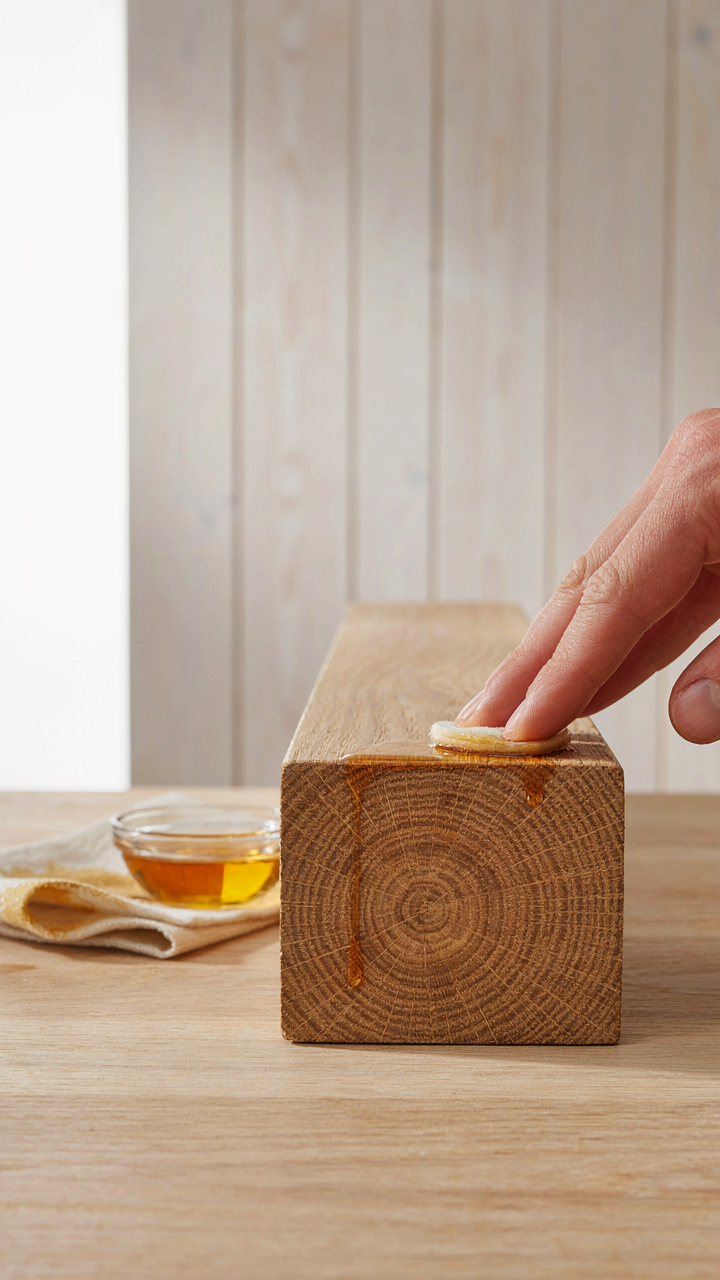
Which Wood Species Actually Survives Bathroom Moisture
You’re drawn to this section because you want permission to use the wood you like without it rotting in five years. Here’s the mechanism: wood fails in bathrooms not from surface moisture but from capillary action, where water wicks into the grain and stays there. Economics borrowed from material science tells us that density and extractive content determine durability, not species name alone. Teak, ipe, and white oak all resist decay because their cellular structure is tight and their natural oils repel water penetration. Softwoods like pine absorb moisture like a sponge and develop rot within the grain before you see surface damage.

The Craftsman movement used local hardwoods, but they succeeded because they built with species that had natural rot resistance or proper ventilation. Your bathroom needs the same logic. White oak is common in period-correct Craftsman work and holds up because it contains tannic acid that fights decay. Ipe is harder to mill and more expensive, but it outperforms white oak in wet conditions. Avoid softwoods and anything with low extractive content. If you want authentic Craftsman aesthetics with actual longevity, choose species rated for exterior applications, which means they’ve already proven they handle repeated moisture cycles.
How Joinery Prevents The Wood From Moving
The standard advice says “finish the wood well and it’ll be fine.” Wrong. Finish protects the surface; joinery determines whether water reaches the wood at all. The Craftsman aesthetic demands visible joinery, which means exposed mortise and tenon joints, and that’s a liability in bathrooms unless the joints are built to shed water, not catch it. Horizontal surfaces must be cut so the grain runs perpendicular to water flow, and end grain must be sealed separately because it absorbs moisture fifty times faster than side grain. Tenons should be sized to allow for wood movement, not to jam tight.
Finishing technique matters more than finish type. Craftsman bathrooms typically used oil-based polyurethane or penetrating oil finishes, both of which need multiple coats applied thin. The real protection comes from sealing end grain before you assemble anything. Apply finish to the mortise walls and tenon ends before glue-up, not after. This prevents water from entering through the joint itself. Sand lightly between coats to build adhesion, not glossiness. Three coats minimum on all surfaces, with special attention to any horizontal edge or grain end. Water finds every gap; construction prevents that gap from existing in the first place.
The Arts And Crafts Bathroom: Resisting Ephemeral Trends

Permanence Over Viral Moments
You want your bathroom to feel timeless because you’re terrified of the alternative: wasting money on something that looks dated in five years. Here’s the mechanism at work. Craftsman design operates like evolutionary biology. A trait survives not because it’s flashy, but because it solves a real problem repeatedly. Arts and Crafts bathrooms use materials and proportions that work the same way a century later. Handmade tile patterns, quarter-sawn oak trim, and authentic fixtures don’t require reinterpretation. They age visibly but never wrongly.

The common advice here is backwards. People think permanence means neutrality, beige walls and safe choices. Wrong. Permanence in Craftsman design means choosing materials and geometry with actual staying power. A subway tile with inconsistent glazing holds up better than sleek porcelain because its imperfections are intentional. Hand-hammered copper fixtures oxidize to a stable patina. These aren’t neutral. They’re honest. That distinction matters because honesty doesn’t trend. It just exists.
Principles Over Novelty
Fads live on novelty. Craftsman bathrooms live on principle. The difference is structural. A fad asks you to adopt something new because others are doing it. A principle asks you to solve a constraint consistently. Warm wood in a Craftsman bathroom isn’t trendy because interior designers declared it so. It’s there because wood absorbs moisture better than stone when finished properly, and because the grain gives scale to a small room. That principle worked in 1910. It works now. It will work in 2040.
The moment you chase what’s current, you lose. Quartz countertops are fashionable now. In ten years, the fashion shifts to concrete or reclaimed stone, and your bathroom looks stuck. Craftsman bathrooms avoid this trap by using materials for functional and aesthetic reasons that transcend taste cycles. Handmade fixtures, real wood that darkens with age, and tile patterns drawn from historical Arts and Crafts catalogs do one job: they create a space that improves as it ages instead of decaying.
The Craftsman’s Leverage Protocol: Maximizing Impact
Where Money Actually Goes In Your Budget
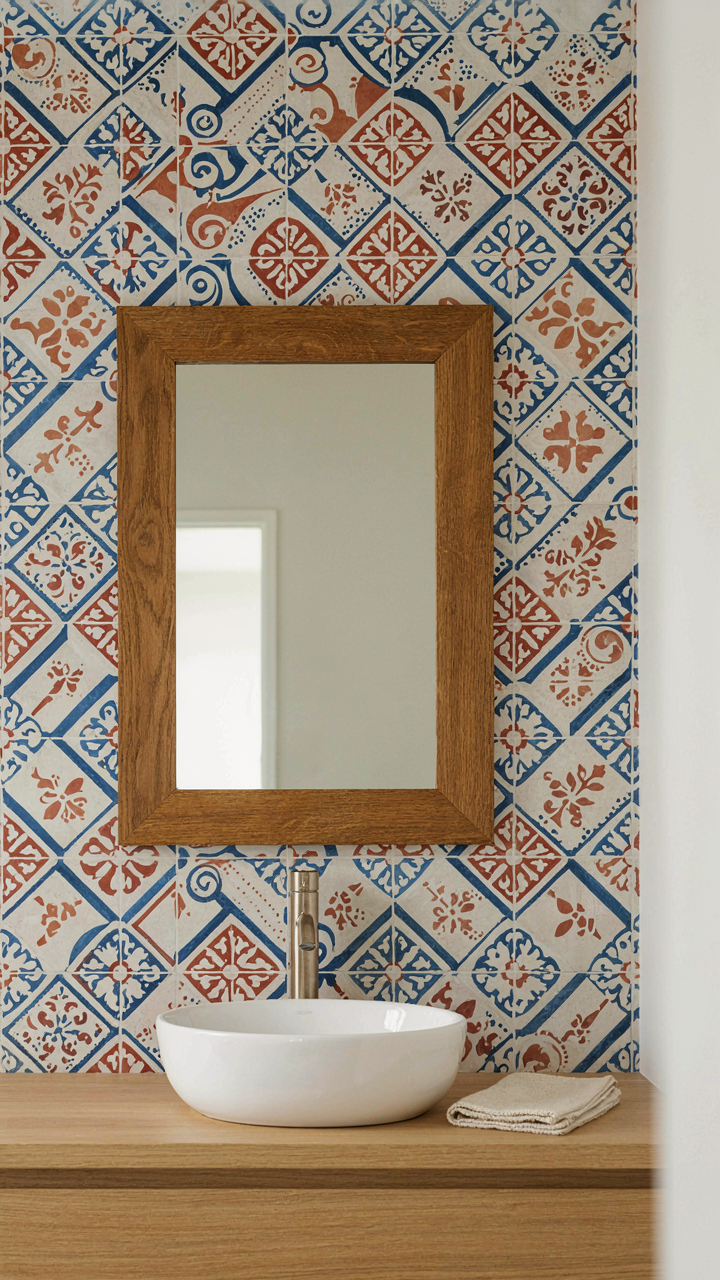
You want to feel smart about your choices, but most people waste their craftsman bathroom budget on elements nobody looks at twice. The real leverage comes from military strategy’s concept of concentration of force: deploy your resources where they create disproportionate impact relative to cost. In a craftsman bathroom, this means identifying which 20 percent of visible surfaces generate 80 percent of the period-authentic perception.

The mistake is spreading money evenly. You tile the entire floor, stain all the woodwork the same shade, and end up with a diluted result. Concentration means anchoring your budget to what enters your visual field first: the wall behind the vanity, the tile surround at the shower or tub, the wood trim at eye level. These anchor points establish whether the space reads as craftsman or just dated. Everything else supports these focal zones.
Tile And Wood As Compression Points
Most design advice says “choose quality materials throughout,” which is expensive and wrong. The real mechanism is strategic placement of your highest-impact materials in zones where they set the narrative. In a craftsman bathroom, handmade or historically-accurate tile at the tub surround or floor border establishes authenticity faster than any other single element.
Wood trim becomes your second compression point. A craftsman bathroom with period-appropriate wainscoting or substantial trim at eye level reads intentional regardless of what happens above or below it. The tile choice and wood placement together compress the craftsman aesthetic into observable reality. Specify your premium tile and solid wood in these zones first, then allocate remaining budget to supporting materials that extend the narrative without demanding equal visual weight.
Modern Craftsman Bathroom: Bridging Eras, Not Diluting Them
Function Without Compromise
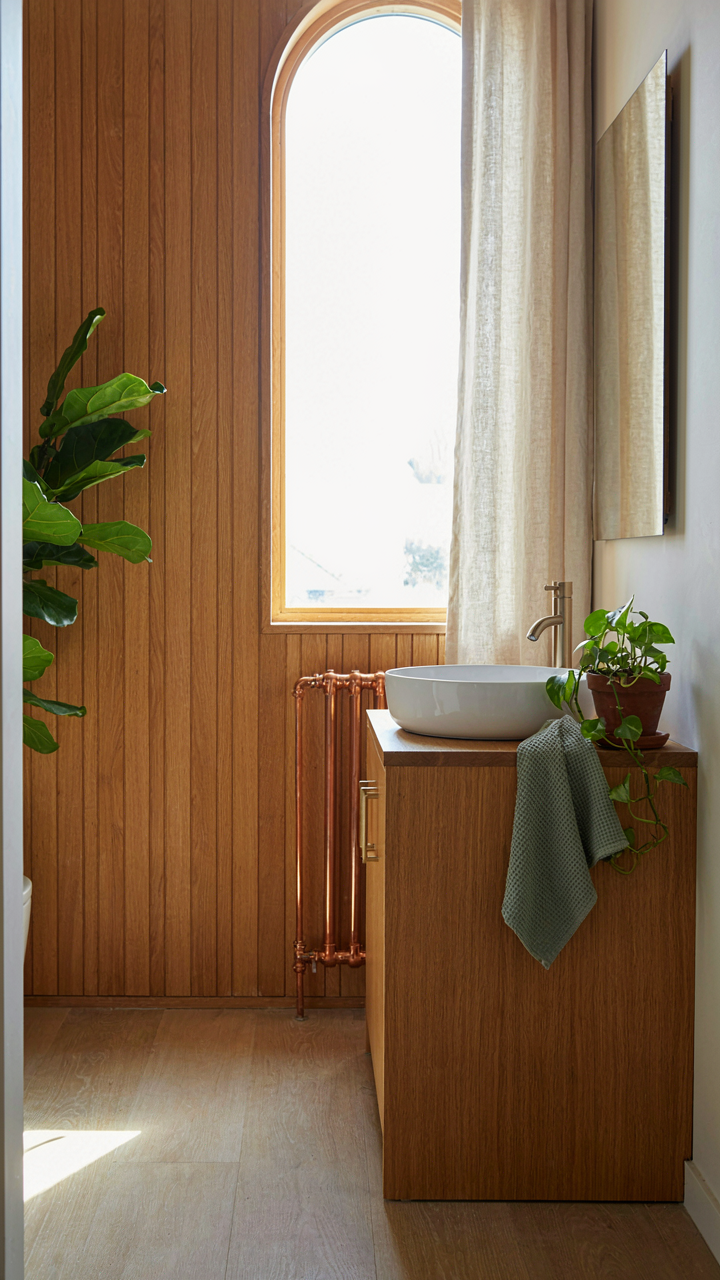
You want to prove your bathroom isn’t a museum piece, that it works as hard as it looks. The real mechanism here is constraint. Craftsman design didn’t emerge from abundance or indulgence—it came from the Arts and Crafts movement’s rebellion against mass production. It valued honest materials and visible joinery. Modern function demands plumbing that works, ventilation that moves air, lighting that performs. These aren’t enemies of Craftsman style; they’re the same philosophy applied to contemporary life.

The mistake most people make is treating modern systems as intrusions that need hiding. Recessed lighting kills the handcrafted feel. Concealed ventilation turns the bathroom into a generic box. Instead, integrate systems so they look intentional. Run visible copper supply lines to the sink—not hidden behind walls. Choose a medicine cabinet with authentic frame-and-panel construction rather than a frameless mirror. Exposed hardware becomes part of the design language instead of something to apologize for.
Where Contemporary Elements Actually Belong
Think of a Craftsman bathroom like structural engineering: load-bearing walls remain non-negotiable, but finishing methods adapt to the era. The tile pattern, the wood trim, the hardware—those carry style. The toilet, the shower valve, the exhaust fan—those carry function. Confusing the two wastes money and produces hybrid bathrooms that satisfy no one.
- Tile substrate and waterproofing: Use modern cement board or schluter systems beneath period-accurate tile layouts. The substrate is invisible but essential—choosing it for performance, not aesthetics.
- Shower mixing valves: Install a modern thermostatic valve behind walls, but expose the trim ring in solid brass or oil-rubbed bronze matching your hardware. Function hidden, style visible.
- Ventilation ducts: Run them in the framing cavity, but exit through an external wall with a craftsman-style wooden or copper flange rather than a plastic hood.
- Electrical outlets and switches: Place them thoughtfully, use period-correct cover plates in oil-rubbed bronze, ceramic, or solid brass. The plate matters more than the outlet behind it.
- Lighting fixtures: Combine LED bulbs inside vintage-accurate sconces and pendant lights. Modern efficiency, historical form—no compromise.
The distinction is clean: everything that touches the user’s hand or eye follows Craftsman vocabulary. Everything that serves mechanical function uses whatever material performs best. Don’t hide the modern—integrate it so obviously that it stops looking like an amendment.
Craftsman Style Bathroom Ideas: Beyond The Pinterest Board
The Real Price Of Fake Authenticity
You want a craftsman bathroom because you’re tired of looking at something that feels disposable, and you’re worried you can’t tell the difference between real and fake. The mechanism is this: mass production hides its methods. Authentic craftsman work shows labor costs through visible joinery, hand-finished edges, and material thickness you can feel. Fake craftsman uses thin veneers, pre-fab tile patterns, and hardware that looks aged but was stamped yesterday. One signals deliberate choices made by a maker. The other signals a marketing department’s guesses about what “rustic” means.

The gap matters because your brain registers the difference even if you can’t name it. A hand-thrown ceramic tile has micro-irregularities in glaze pooling and surface texture. Factory tiles use the same thickness everywhere, the same glaze saturation in identical spots. Spend time handling real examples before committing budget. Walk into independent tile showrooms and touch inventory. Notice how authentic period hardware feels heavier because it’s solid brass or iron, not plating over pot metal that will flake in five years.
Look For The Joints, Not The Finish
Craftsman design borrowed its integrity from woodworking technique, which teaches that lasting value lives in joinery, not decoration. The mortise and tenon joint transfers structural stress through mechanical fit, not fasteners alone. In a bathroom, this translates directly to vanities and cabinetry that don’t wobble after two years because the builder treated joints as the load-bearing system, not cosmetic detail.
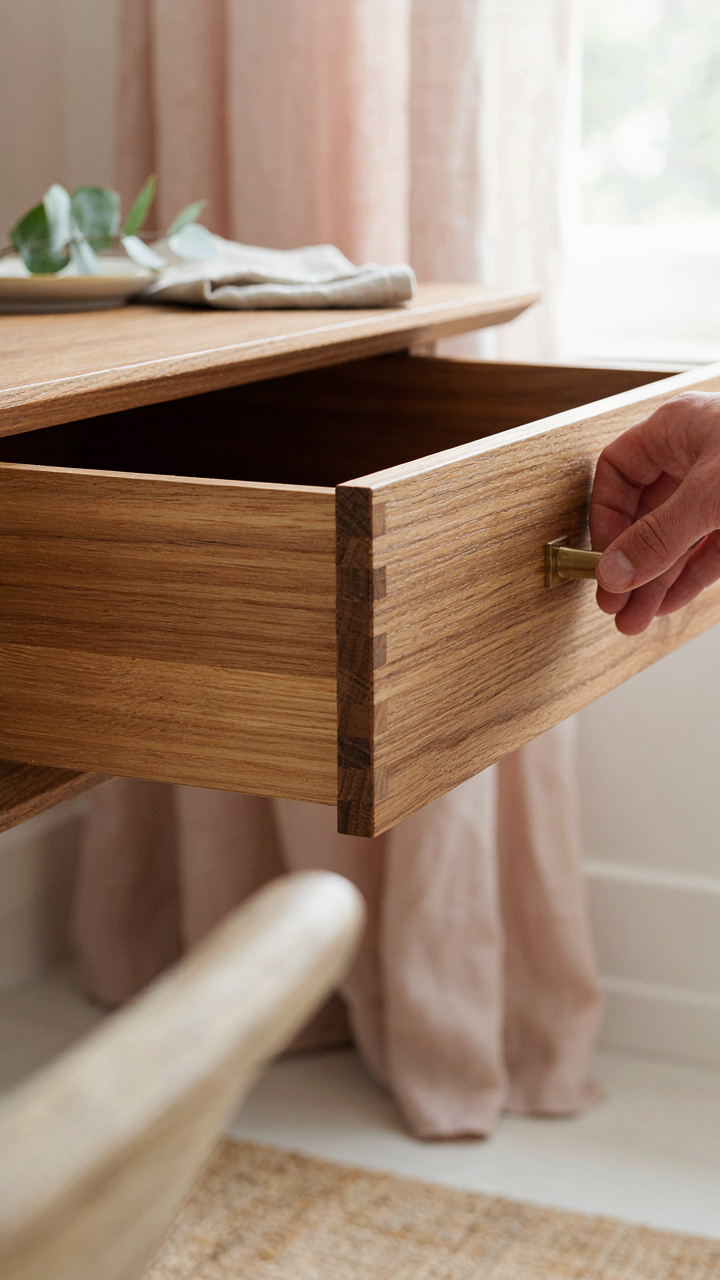
Real craftsman vanities use frame and panel construction where cabinet sides breathe and move with humidity changes instead of cupping or splitting. Drawers run on solid wood guides and dovetail joints, not European slides and particle board boxes. The visible wood grain changes direction at panel edges intentionally, showing the maker understood wood movement. Examine any vanity by pulling drawers open fully and checking if the back panel is solid or veneered scrap. That one choice reveals whether you’re looking at craft or cost-cutting disguised as style.
Arts And Crafts Bathroom: The Philosophy Of Utility And Beauty
Form Follows The Fixture First
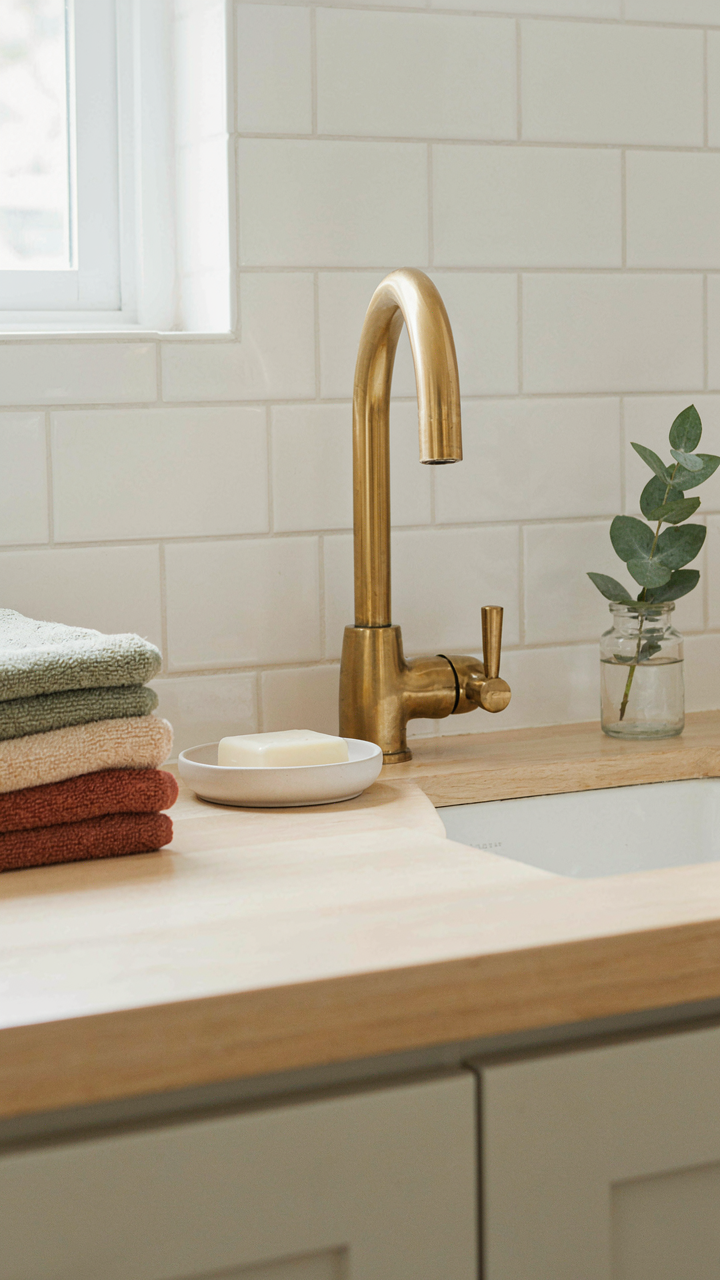
You want this section to validate that your bathroom can look expensive and intentional without hiring a designer. Here’s the mechanism: craftsman design inverts the typical renovation hierarchy. Most people choose tile color, then fit plumbing around it. Craftsman bathrooms start with how the space actually functions, then make that function beautiful. The sink placement, water access, storage depth, and movement patterns determine the visual structure. Everything else follows.

This is systems thinking applied to bathrooms. The Arts and Crafts movement rejected the Victorian tendency to glue decoration onto random surfaces. Instead, craftsmen designed from the inside out. A faucet placement isn’t hidden behind ornament; it’s expressed honestly because it solves a real problem. Towel bars sit where you naturally reach. Tile grout lines align with structural seams, not imposed arbitrarily. When you design this way, the bathroom looks finished because it actually works.
Stripping Away The Decorative Noise
Most bathroom advice tells you to add personality through accessories. That’s backwards. A craftsman bathroom earns its character through what it refuses to include, not what it piles on. No wasted trim. No faux finishes hiding cheap materials. No decorative elements that don’t contribute to daily function.
The real move is material honesty. Show the wood grain. Let tile joints remain visible and properly spaced. Use solid hardware that operates smoothly, not ornamental pieces that break. This approach sounds minimalist but it’s not. A craftsman bathroom is actually dense with detail because every detail does something. The wainscoting doesn’t hide damage; it protects the wall where water splashes. The wooden vanity isn’t styled for photos; it’s built to resist moisture and last decades. When nothing exists purely for show, restraint becomes the design statement.
Craftsman Bathroom Planning: The Discipline Of Deliberate Choice
Material Quality Over Perceived Savings
You’re hoping cheap materials won’t show their age. That’s the trap. Craftsman design operates on an economic principle called “total cost of ownership”—you’re not buying price, you’re buying cycles of replacement and repair. A $40 ceramic tile from a big box store fails in 8 years. A $120 quarry tile from a specialty supplier lasts 30. The math isn’t complicated, but most people do it backwards.

Craftsman bathrooms demand materials that improve or stabilize over time, not degrade. This means rejecting anything engineered to look aged while actually being fragile. Here’s what moves the needle:
- Solid wood cabinetry: Real wood develops patina and can be refinished. Veneer over particleboard cannot.
- Quarry and terracotta tile: Absorbs water slowly, ages visibly but doesn’t delaminate like glazed mass-production tile.
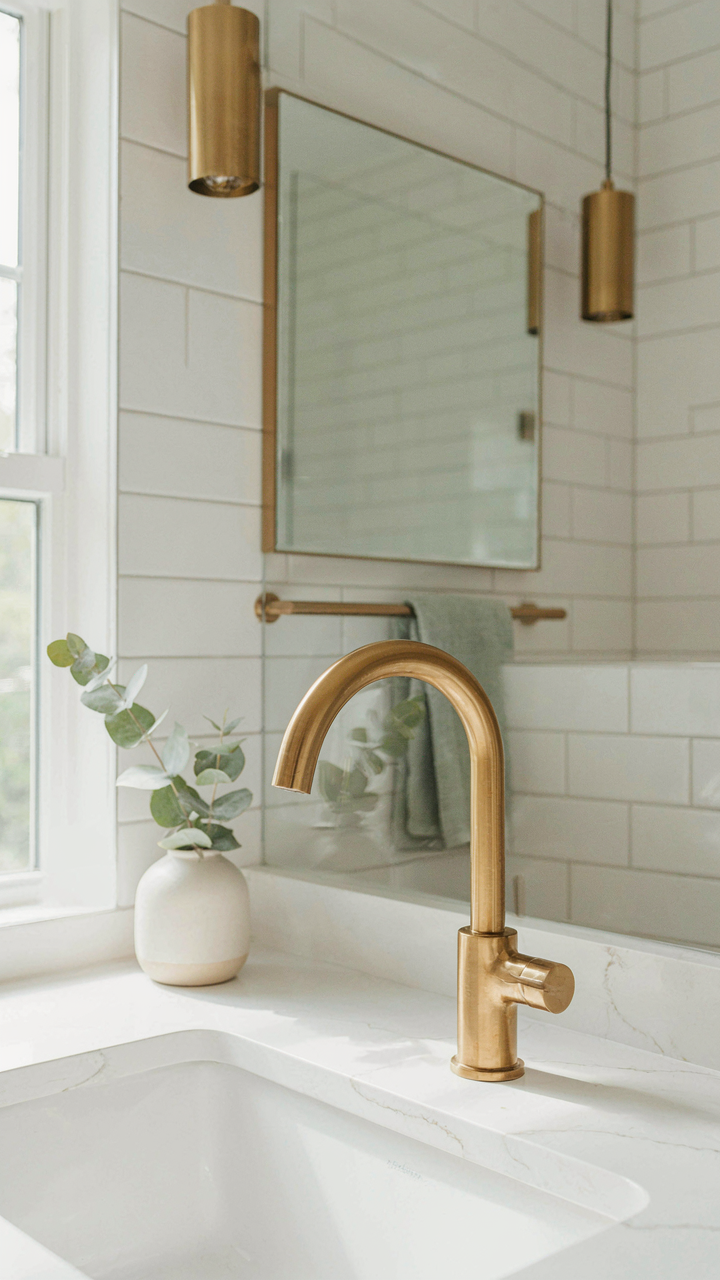
- Brass and bronze fixtures: Patinas naturally and resists corrosion. Chrome plating on base metal deteriorates in 5-7 years.
- Solid stone or tile backsplash: Granite, slate, and high-fired clay don’t chip unpredictably like polished marble or thin porcelain.
- Reclaimed or period-correct grout: Lime-based grout breathes and moves with wood. Modern cement grout cracks when connected to natural materials.
The decision point isn’t aesthetic. It’s whether you’re willing to commit 15 years to one bathroom or reset every half-decade. Craftsman design only works if the materials outlast your patience for renovation.
Long Term Value In Deliberate Choices
Every design decision in a craftsman bathroom is a bet on what your future self will tolerate. Most people underestimate how much they’ll notice a wrong choice daily. A vanity height, a tile grout line, a mirror frame—these don’t fade into the background. They compound into either satisfaction or regret.
The mechanism at work is friction. Low-friction decisions are invisible when they work and obvious when they don’t. Choosing a vessel sink that’s too shallow creates daily friction—splashing, awkward hand positioning, maintenance. Choosing one with the right depth and material creates no friction at all. That absence becomes your baseline. Plan from the friction point, not from trend. A single walk-through of your actual morning routine beats any mood board. You’re not decorating for guests. You’re engineering for consistency. Once you’ve locked in materials and proportions, the space either rewards or punishes you every time you use it.
Craftsman Style Bathroom: Cultivating True Design Authority

Stop Asking Permission For Your Choices
You want this section because you’re tired of wondering if your taste is wrong. The real mechanism is simple: craftsman design succeeded because it rejected the decorative excess of its era and committed to material honesty. That conviction is what made it work then. It’s what makes it work now. You don’t need trends to validate your choices. You need a framework that has already proven itself.
Craftsman bathrooms work because they operate on a specific principle: every element serves a function, and every function gets honest expression. No hidden pipes wrapped in drywall. No tile selected for Instagram. No materials chosen to signal wealth. The tiles you pick, the wood grain you expose, the hardware you mount—these decisions should reflect how you actually use the space, not how you think you should.
The Discipline Of Staying Still
Most bathroom advice tells you to “mix periods” or “add personality.” That’s incomplete. Craftsman design teaches restraint through economics. In 1900, excess was expensive. Simplicity was the constraint. Today, constraint is the choice. You’re selecting what stays and what goes, not accumulating what fits the algorithm.
The enduring part of craftsman bathrooms isn’t the aesthetic. It’s the decision-making process. Exposed wood trim, mission-style vanities, tile work with geometric precision—these stay relevant because they’re built on material selection and structural clarity, not trend cycles. When you commit to this framework, your bathroom doesn’t need updating in five years. The wood ages honestly. The tile doesn’t date. Your design authority compounds over time instead of deprecating.
Your Real Obstacle Isn’t Finding The Right Tile; It’s Your Impulse To Compromise Quality For Immediate Gratification
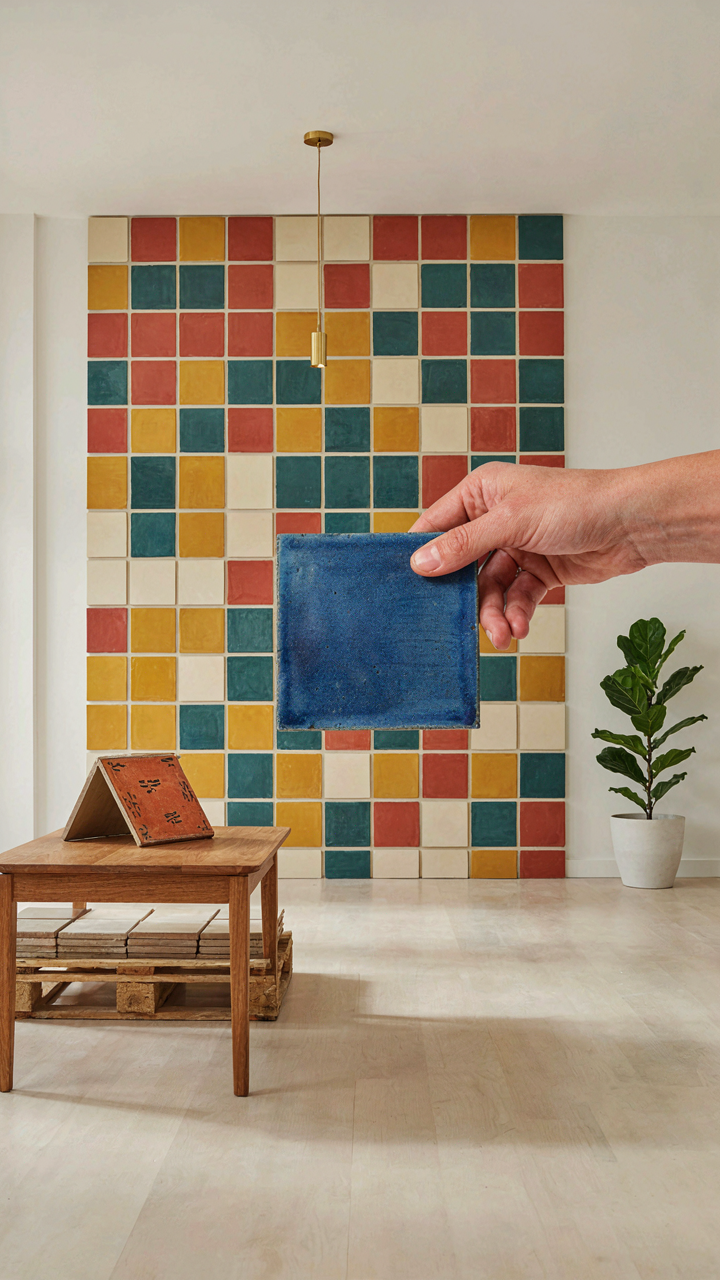
You’ll walk into a big box store, see a tile that looks close enough, and rationalize the purchase in under five minutes. Stop. That impulse kills every craftsman bathroom before construction even starts. Spend today pulling together three tile options you actually love, not ones you tolerate. Visit a real showroom if you have to. The difference between a bathroom you regret and one that lasts decades sits in this single decision. You don’t build a craftsman bathroom by settling.



