
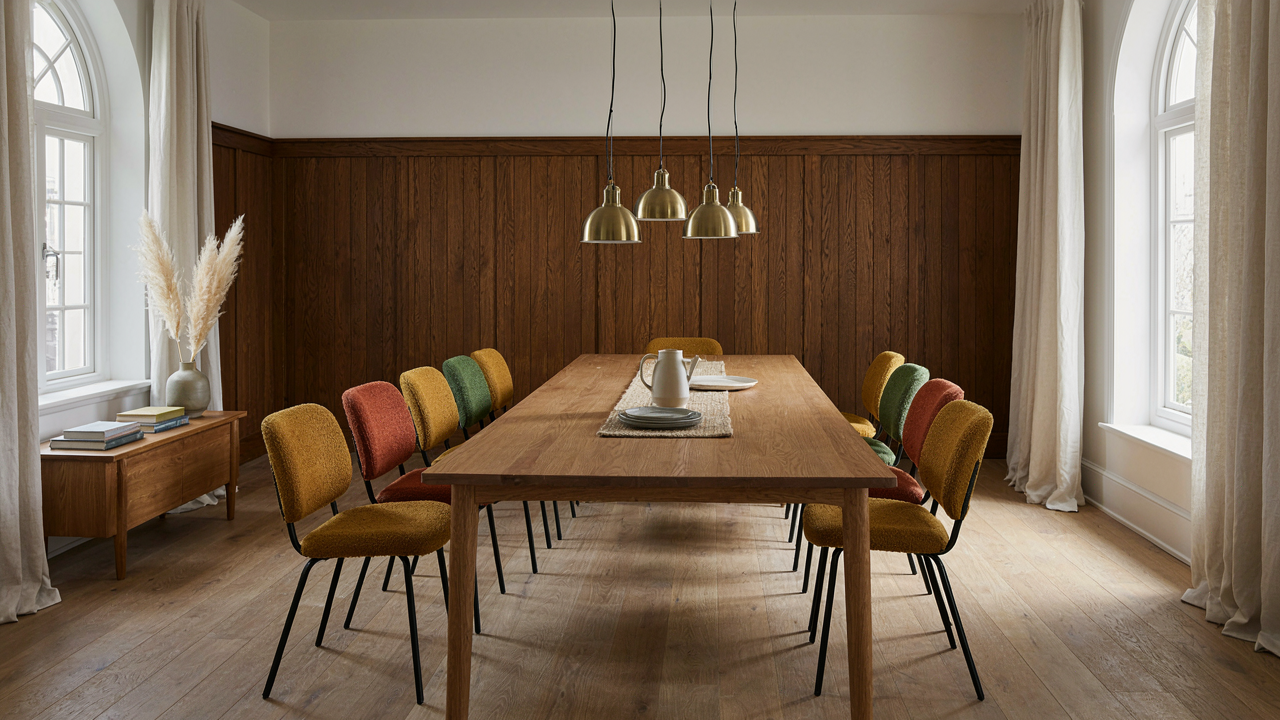
The Craftsman Dining Room Illusion: Why Most Designs Fail

Form Follows Your Daily Behavior
You want the room to look intentional because you’re afraid it won’t. Here’s what actually matters: a craftsman dining room fails when its layout contradicts how people actually move through it. The mechanism is biomechanics applied to interior space. Your body knows before your eye does whether a room works. Wainscot height, table placement, and wood tone mean nothing if traffic patterns force guests to navigate around furniture or squeeze past the buffet.
Most designs treat the craftsman dining room as a gallery rather than a functional zone. You see inspiration photos and copy the surface: dark wood, horizontal paneling, period lighting. What you miss is the original craftsman principle of honest utility. The Arts and Crafts movement rejected ornament for ornament’s sake. That same logic applies today. Every element must justify itself through use, not decoration alone. Your dining room should function better because of its design, not just look better.
Permanence Over Algorithm Approval
Common design advice tells you to soften craftsman rooms with neutrals and contemporary art. Wrong. That’s the interior design algorithm speaking, optimized for selling to the broadest audience, not for your actual space. Craftsman dining rooms fail when designers chase trend compatibility instead of building something durable. The honest move is opposite: commit fully to the language or don’t use it at all.
A craftsman dining room works because it prioritizes endurance over novelty. The materials age visibly and intentionally. Quartersawn oak darkens over decades. Wainscot absorbs the marks of actual use and looks better for it. This requires you to reject the pressure to refresh every three years. The design succeeds only when you stop treating it as a staging area for your Instagram feed and start treating it as infrastructure. Your dining room should still function and look right in twenty years without modification.
Craftsman Dining Room Ideas: Function Over Fads

The Table Comes First
You want this room to feel intentional and expensive without admitting you’re designing around a table. Here’s the mechanism: craftsman dining rooms work backward from the furniture’s actual dimensions and use patterns, not forward from a mood board. The Arts and Crafts movement rejected ornament divorced from purpose, which means every element—from the table size to the wainscot height—must answer a specific human need first.

Start by measuring your table and accounting for chair clearance, traffic lanes, and how many people realistically sit there weekly. Craftsman design emerged when dining was the room’s primary function, not Instagram staging. A six-foot table needs different proportions and paneling rhythm than an eight-foot one. Lock this dimension down before selecting wood species, hardware, or wall treatments. Everything else scales from here.
Geometry Shapes Movement
Most advice treats space planning as decoration positioning—wrong. Think of it architecturally, like load paths in structural engineering: traffic flows through certain lines, sight lines create perceived space, and bottlenecks kill functionality. Your dining room’s usability depends on how people physically move through it, not how it photographs.
Position the table to allow a walking path on all sides without chairs blocking doorways or windows. Craftsman rooms typically used substantial furniture as anchors, so the table placement determines whether the room feels cramped or generous. The wainscot’s proportions and the chair rail height should align with eye level and the table’s visual weight, not arbitrary historical precedent. Map the actual movement pattern: entry point, seating, service access, circulation around the room. That geometry dictates every other design choice.
The Material Truth: Warm Wood & Wainscot Deconstructed
Why The Wood Matters More Than The Style
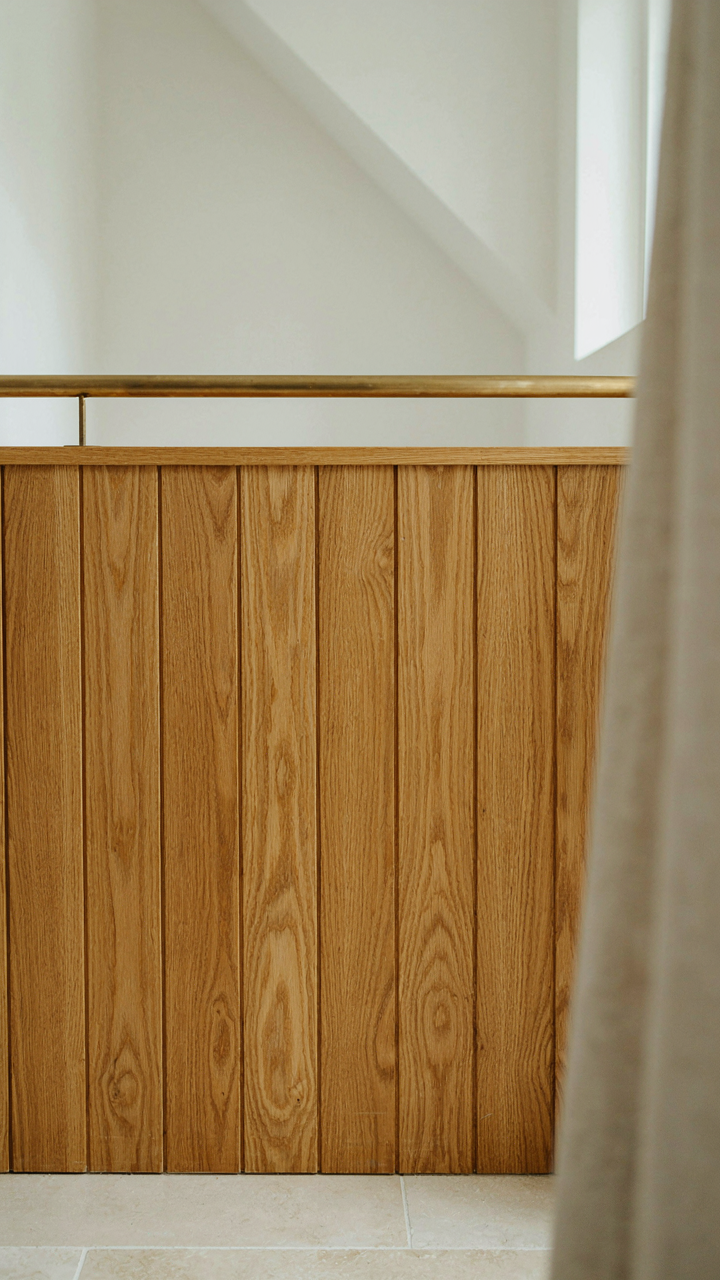
You want warm wood because you think it signals taste, but the real reason you care is that cheap wood reads as cheap immediately and there’s no hiding it. Wood is honest. It shows every decision you didn’t make. In craftsman dining rooms, wood selection determines whether the space feels intentional or assembled from a catalog. Quarter-sawn oak, cherry, and walnut were the standards in the Craftsman era because they took finish well and aged with character. Modern versions use similar species but often source inferior grades to cut cost. The mechanism is simple: tight grain structure holds stain and polish evenly. Loose grain shows lap marks and mud.

Select wood based on grain stability and finishing capacity, not color alone. A well-chosen secondary wood outperforms a poor-grade primary wood every time. Durability follows from density and the wood’s resistance to movement. Walnut moves less than red oak under humidity shifts. In a dining room where temperature and moisture fluctuate seasonally, movement creates visible gaps and finish failure. Honest expression means accepting the wood’s actual properties rather than fighting them with heavy stains and thick poly coatings that hide the material and age into plastic-looking surfaces.
Wainscot Does One Job, Not Multiple
The common advice treats wainscot as decoration, but wainscot was originally protection. It stops chair backs from gouging plaster and reduces moisture wicking into walls at the impact zone where traffic happens. That functional requirement drove the 36 to 48-inch height standard. Below that line, you run frame and panel construction. Above it, you finish the wall simply. In a craftsman dining room, wainscot creates a visual break that actually serves the eye and the room’s durability.
Correct application requires understanding load paths. The frame absorbs seasonal wood movement. The panels float inside grooves instead of being glued solid, which lets wood expand and contract without splitting. You install wainscot on exterior walls sparingly because the moisture dynamics are different there. Interior dining room walls are where this system performs as intended. Run your wainscot up to the underside of any chair rail or picture molding, never stopping mid-wall where it looks incomplete. The cap molding bridges wainscot to wall finish and hides the transition line where materials meet.
Dining Room Design Craftsman: Light As A Sculptor
Window Placement And Seasonal Exposure
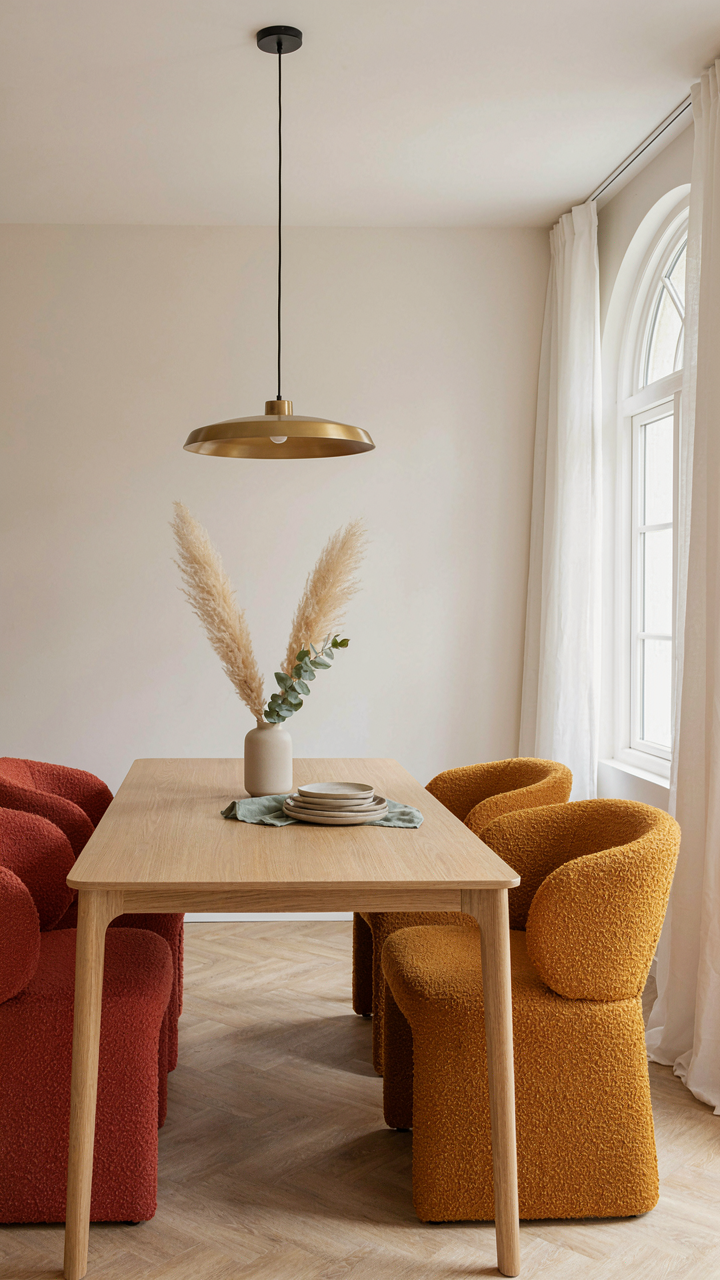
You want this room to feel expensive without trying, and light is the cheapest way to fake it. Think of light like contrast in design—the mechanism that makes everything else visible. A craftsman dining room lives or dies by where sun enters and when. East-facing windows flood morning light across wainscot grain, making wood texture read instead of disappear. West exposure brings heat in afternoon, which you’ll want buffered by interior shutters or heavy linen. North-facing rooms stay consistent but flat, requiring artificial light to carry the load all day.
The real move is positioning your dining table perpendicular to, not parallel with, your primary light source. This prevents glare on the table surface and lets light rake across faces at dinner—the most flattering angle. South-facing windows in a craftsman room become a liability without control. Install operable treatments that let you modulate the beam rather than block it entirely. This isn’t decoration. It’s functional geometry that changes how people perceive the space and each other.
Layering Light Without The Obvious Mistakes
Everyone says you need ambient, task, and accent lighting. That’s technically correct and completely useless as instruction. The real problem: most craftsman dining rooms fail because people underestimate how dark wainscot absorbs light. You need 30 to 40 percent more lumens than you’d use in a contemporary room with bare walls. A single overhead fixture won’t cut it, no matter the wattage.
Build your light system in visible, architectural layers. A low-hanging fixture over the table provides task light. Sconces flanking a hutch or sideboard add ambient depth without overhead wash. Picture rail lighting—a craftsman original—bounces light off upper wall planes and creates shadow definition on wainscot panels. The mechanism: each layer serves a specific plane (table surface, wall detail, upper room volume). When you control these independently on separate switches, you compress or expand the visual weight of the room. This control is what reads as intentional design, not luck.
Modern Craftsman Dining Room: The Contrast Principle
Why Sameness Kills A Room
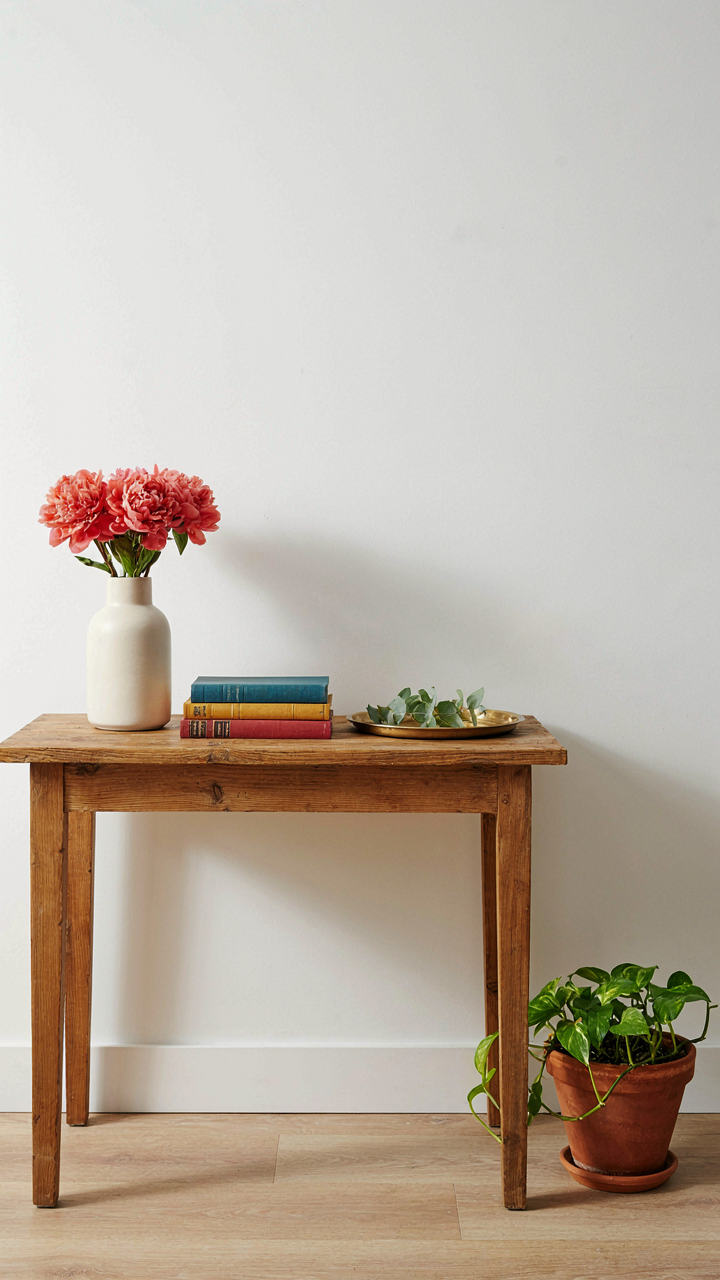
You want your dining room to feel intentional, not like you decorated it from a catalog. That requires tension. In physics, contrast amplifies signal—the difference between two states creates observable force. In a craftsman dining room, this means deliberately placing opposing elements so each one reads harder. Dark wainscoting against pale plaster. Heavy timber beams above a glass table. Old joinery next to clean lines. The mechanism is simple: your eye registers difference before it registers beauty.

Most advice tells you to match your woods and keep the palette tight. That’s incomplete. Matching everything produces visual flatness. You need at least one genuine friction point—a material, tone, or form that contradicts the dominant language of the space. This isn’t about clashing. It’s about making the craftsman elements you chose actually visible instead of dissolved into beige sameness.
When Vintage Meets Sharp Edges
Craftsman design emerged in the early 1900s as a reaction to industrial mass production—it favored handwork, visible joinery, and organic proportions. Modern craftsman dining spaces invert this by inserting contemporary forms into that framework. Mission-style chairs with steel legs instead of turned wood. Reclaimed barn wood shelving with metal minimalist brackets. A table with through-tenon joinery but a tabletop in pale ash instead of dark oak. This tension works because it doesn’t try to hide the contradiction.
The release happens when you let each era occupy its zone without apologizing. Heavy wainscot reads heavier against a modern white ceiling. Mid-century sideboards feel bolder against aged plaster. Don’t transition smoothly between old and new—let them meet cleanly. This is where the visual energy lives. The room becomes a conversation between periods instead of a museum display of one.
Craftsman House Dining Room: The Integration Method
How Your Dining Room Connects To Adjacent Spaces
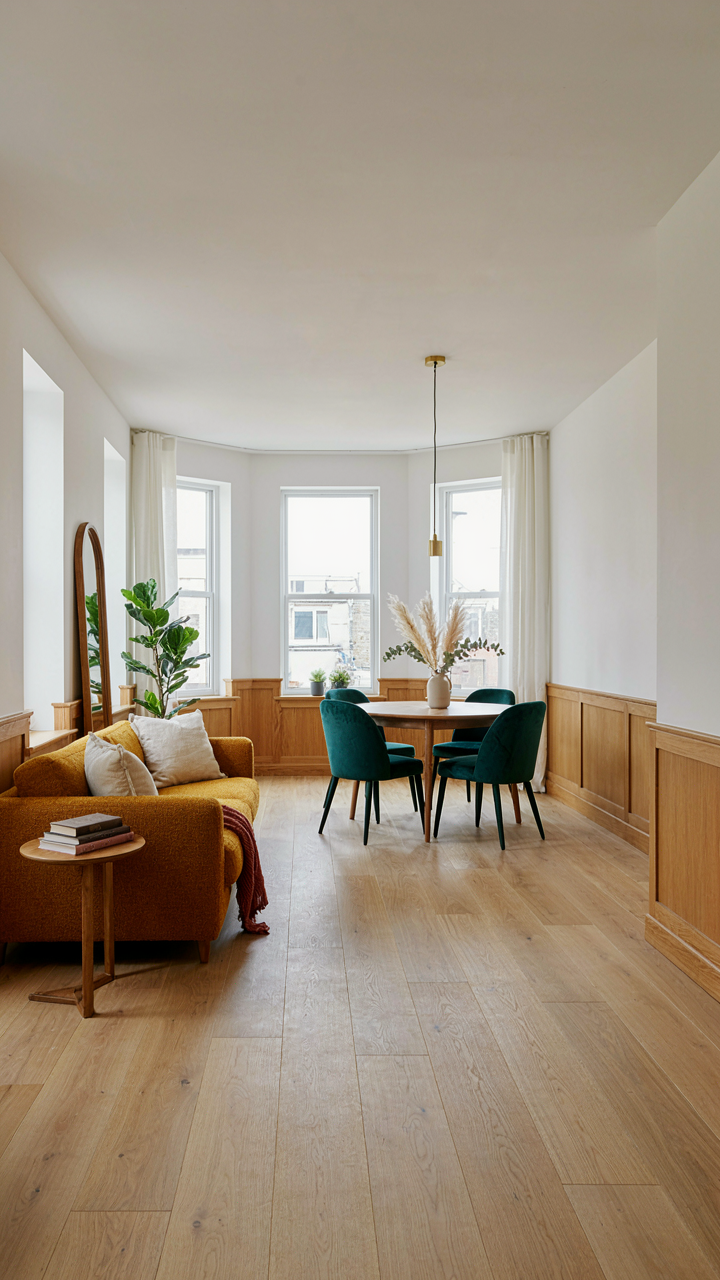
You want your dining room to feel intentional, not like an afterthought bolted onto your home. The real mechanism here is visual continuity, which your eye processes before your brain registers anything as “designed.” A craftsman dining room doesn’t announce itself. It flows.

The entry point matters most. If your dining room adjoins a living space or entry hall, the sightline into the dining room should echo the materials and trim work already established. This means matching wainscot height, baseboard profile, and wood species across the threshold. Most people miss this because they think rooms live independently. They don’t. Your eye travels across boundaries before you sit down.
Wood tone consistency is the practical lever. If your living room features quarter-sawn oak trim, your dining room wainscot should use the same species and finish. This isn’t about being rigid. It’s about the eye recognizing a pattern instead of experiencing visual friction. Craftsman design came from architecture that valued coherence through repetition. Break the material language, and you break the room’s authority.
Materials And Lines Create Visual Architecture
Think of material continuity through the lens of structural engineering: load-bearing walls create stability through distributed support. Your craftsman dining room distributes visual weight through consistent materials and repeated architectural lines. One break in that pattern reads as incompetence or indecision.
Wainscot height should align with built-ins, door frames, and window casings throughout the open or connected spaces. Most craftsman homes use 36 to 42 inches, measured from finished floor to the cap rail. This isn’t arbitrary. This height echoes the proportion of furniture and creates a visual horizon line the eye expects. If your adjacent hallway has dado rail at 42 inches and your dining room drops to 36, you’ve created cognitive dissonance nobody can articulate but everyone feels.
Chair rails, crown molding profiles, and corner blocks tell a unified story when repeated consistently. The dining room isn’t a separate zone demanding its own design language. It’s a continuation of architectural intent already established in the home. Match the profile details across doorways and transitions, and the craftsman aesthetic coheres naturally.

Craftsman Dining Room Decor: Beyond The Obvious
Objects That Tell Your Story
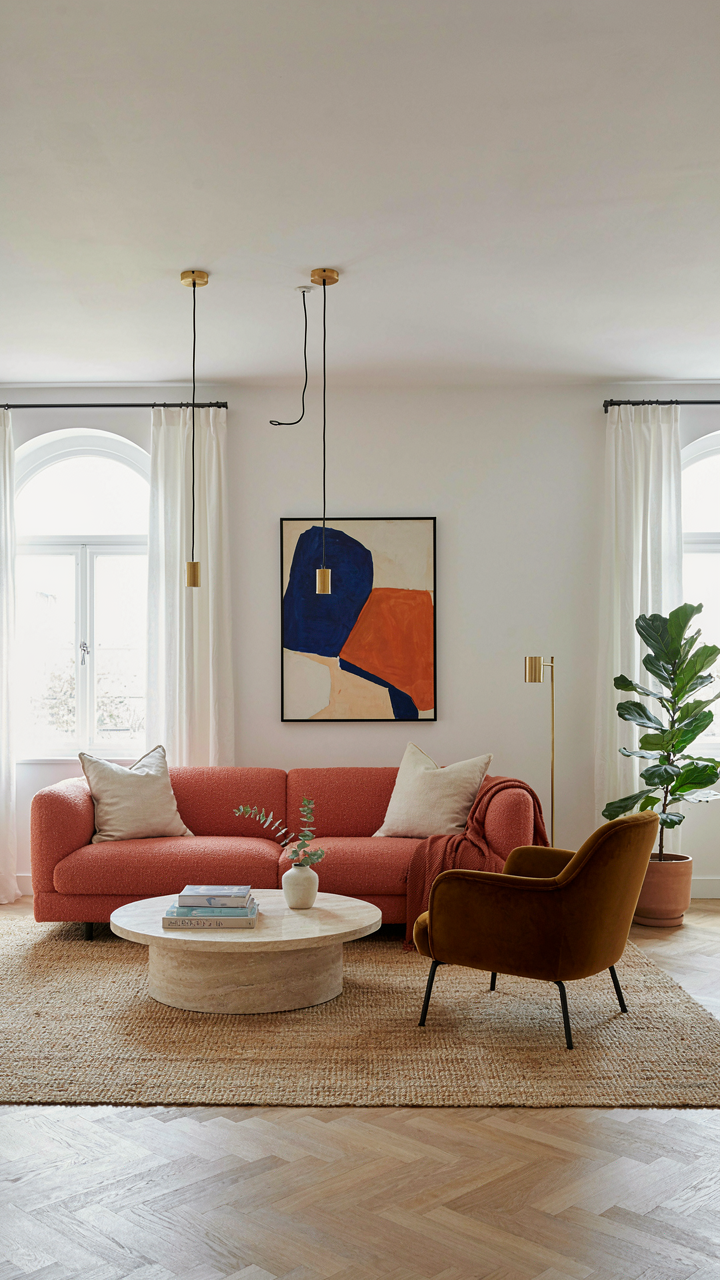
You want proof that you have taste without admitting you’re afraid of looking like you don’t. That’s the real game here, and it’s why most people buy matching decorator sets instead of things that matter. The mechanism is simple: objects become meaningful when they carry friction, cost, or history. A craftsman room demands objects with actual weight, not visual weight.
- Hand-thrown pottery from a maker you researched: A single bowl or vase beats ten mass-produced pieces. Craftsman dining rooms echo the handmade ethos, so the objects inside should too. Visit local studios or commission pieces that match your table’s finish.
- Vintage mission hardware or door pulls: Not as decor, but functional pieces you source from salvage yards. These anchor the room’s authenticity because they were made for the era, not for Instagram.
- Books on your actual shelf, not stacked flat: Pick three to five titles on craftsmanship, design, or regional history. Open one occasionally. This signals you’re literate about why you chose this aesthetic.
- One piece of regional or family art: A print from a local artist or a framed sketch from a relative who built something. Craftsman design prizes regional character over international trends.
- A functional vintage piece with visible repair: A refurbished Arts and Crafts side table or a re-caned chair. The visible repair tells the real story: this room values longevity over perfection.
The objects you curate become the narrative your guests read when they enter. Avoid buying things because they match the color palette. Buy things because removing them would feel wrong. That’s when decor stops being decoration.
Art That Declares Something
Most dining room art advice treats walls like gaps to fill. Wrong framing. In craftsman design, art functions like punctuation in a sentence, not padding. The Arts and Crafts movement rejected mass production and consumer excess, so your art selection should reflect conviction, not convenience.
One strong piece beats five safe ones. A landscape print by a regional artist, a framed craftsman design study, or a photograph documenting architecture or materials works better than generic botanical prints. The art must answer: Why this, not something else? If you can’t articulate that reason, keep the wall bare. A clean wall space reads better than apologetic decoration. Place art where it creates a focal point without competing with your table or the room’s wood tones. This means positioning above a sideboard or console, not scattered across walls like punctuation gone haywire.

The Craftsman Style Dining Room Durability Protocol
Furniture Built To Survive Actual Use
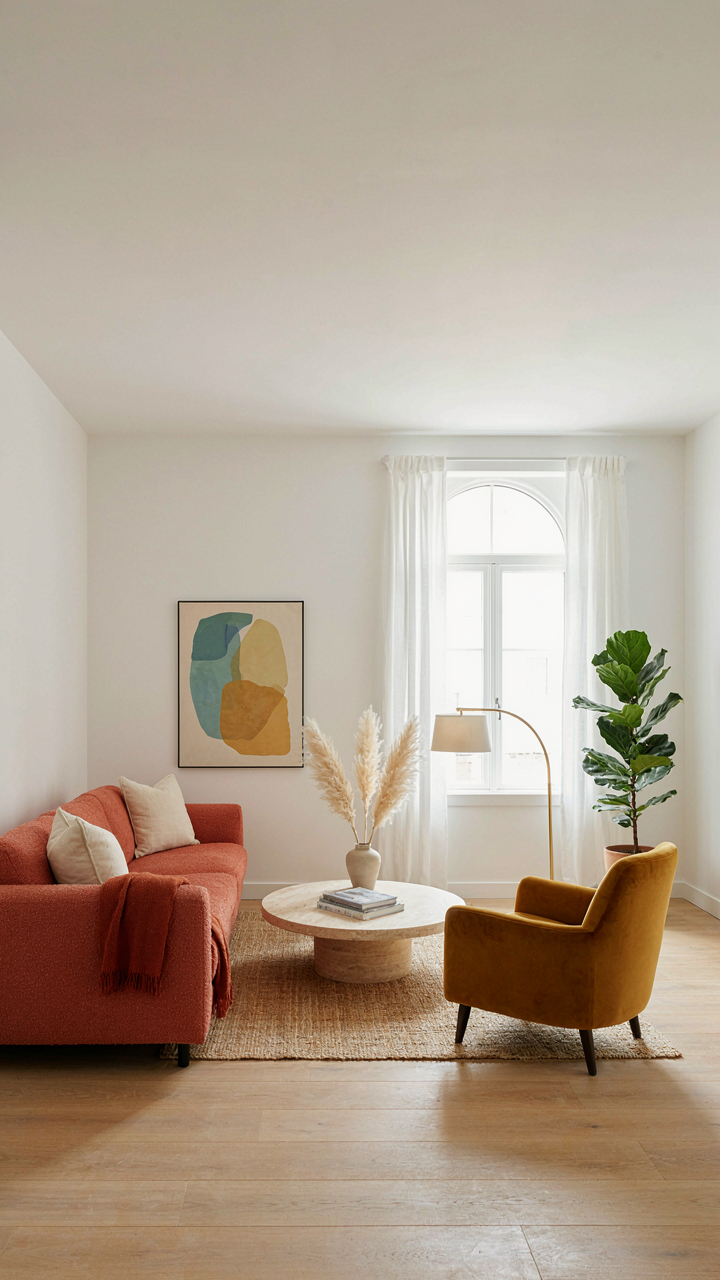
You want pieces that won’t embarrass you in five years because you’re banking on them signaling permanence and taste. The real mechanism is simple: craftsman furniture survives because it prioritizes joinery over fasteners. Mortise and tenon joints, frame and panel construction, and through-tenons distribute stress across wood grain instead of concentrating it at screws or nails. This is engineering, not decoration. When you select a dining table, inspect the base. If legs bolt to the top, you’ve bought temporary furniture.
Solid wood throughout the structure matters more than wood species. Craftsman pieces use secondary woods on unexposed surfaces and reserve premium wood for visible areas, not for show but for performance. Drawer boxes in quarter-sawn oak, sides in poplar, back in pine. This reduces movement and cost without sacrificing function. Repairability depends on this logic too. A craftsman table with a mortise and tenon base can have legs replaced or re-glued. Modern dowel construction cannot. Buy furniture where every structural joint could survive disassembly and reassembly.
Finishes That Age Without Degrading
The common advice to “maintain your finish regularly” misses the point entirely. Most finishes fail because they’re applied over poor surface preparation or incompatible base coats, not because of neglect. Craftsman dining rooms typically use oil finishes, lacquer, or shellac. Each has different maintenance demands. Tung oil requires periodic reapplication but allows wood to breathe and patinas naturally. Lacquer provides durability but chips and requires professional repair. Shellac buffs out easily but isn’t water resistant without topcoats.
- Oil Finishes: Penetrate wood fibers, enhance grain visibility, demand recoating every 1-3 years but remain repairable by hand sanding and local touch-up applications.
- Lacquer: Creates hard, glossy surface resistant to moderate moisture, chips at stress points, requires professional spray application for seamless repairs.
- Shellac: Fast-drying, easily buffed to restore sheen, vulnerable to water rings and alcohol marks, suits low-traffic display pieces over active dining surfaces.
- Oil-Poly Blend: Combines penetration with topcoat protection, moderate durability, allows spot repairs without complete refinishing when maintained annually.
- Wipe-On Poly: User-friendly application, builds protection through multiple thin coats, acceptable for craftsman reproduction pieces where precision spray equipment unavailable.
The durability protocol starts with matching finish type to actual use. Dining tables take heat, moisture, and impact. Shellac alone fails here. Oil or lacquer with proper preparation holds. Inspect the existing finish monthly for water spots, then wipe with the appropriate solvent for your finish type. This twenty-second action prevents permanent damage before it starts.

Dining Room Craftsman: Investment, Not Expense

Quality Compounds Over Decades
You’re worried you’ll waste money on something that looks dated in five years. Here’s the mechanism: Craftsman dining rooms operate under the economics principle of depreciation curves. Unlike trend-dependent design, authentic Craftsman construction depreciates slower because it’s based on material permanence and structural integrity, not style cycles. A quarter-sawn oak table with hand-joinery doesn’t become obsolete when Instagram aesthetics shift. It becomes more valuable.
The gap between cost and price reveals itself over time. A properly built Craftsman table costs more upfront but holds resale value because the construction method—mortise and tenon joinery, solid wood throughout, hand-finished details—remains functionally superior to alternatives. You’re not paying for decoration. You’re paying for a dining surface that will outlast three cheaper tables and still function identically in thirty years. That’s the actual return.
The Real Price Of Shortcuts
Everyone knows cheap furniture costs less. What they don’t say: it costs more per year of use. A veneer-over-particleboard “craftsman-style” dining set might run 40 percent less than solid wood, but the joints fail within eight years, the veneers chip, and you replace the entire piece. The authentic Craftsman set needs refinishing after fifteen years but remains structurally sound indefinitely.
The true cost calculation includes replacement cycles. If you buy the cheap version twice in thirty years versus the quality version once, you’ve paid more total and disposed of more waste. Craftsman dining room investments demand honest appraisal: calculate the per-year cost over twenty years, not the sticker price. That number justifies the initial spend and forces you to commit to actual quality instead of decorative approximations.
Your Fear Of Bad Taste Isn’t The Problem; It’s Relying On Blueprints Instead Of Principles
Most people freeze because they’re copying Pinterest boards instead of understanding why craftsman dining rooms work. Stop hunting for the perfect room to steal. Walk into your space and ask what story the wood wants to tell. Pick one principle: proportion, material honesty, or human scale. Build from there. Everything else follows. You don’t need permission to trust your eye.



