
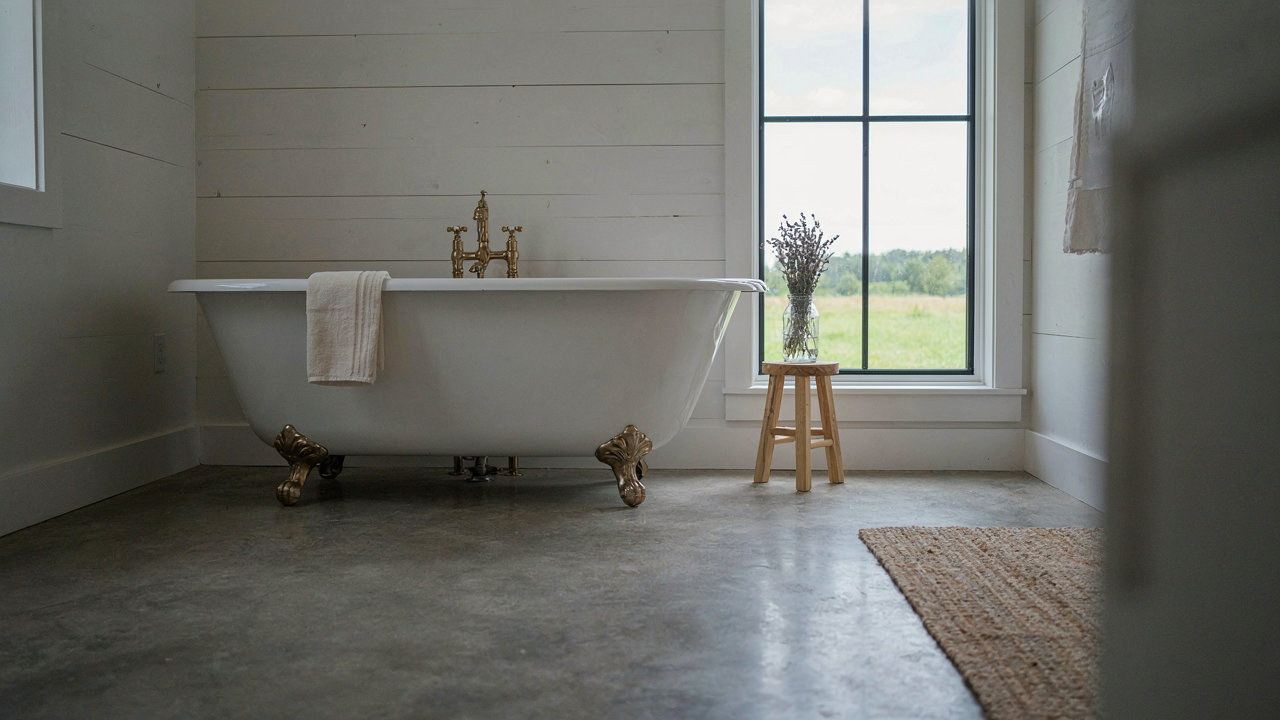
The Illusion Of Authentic Rustic Character
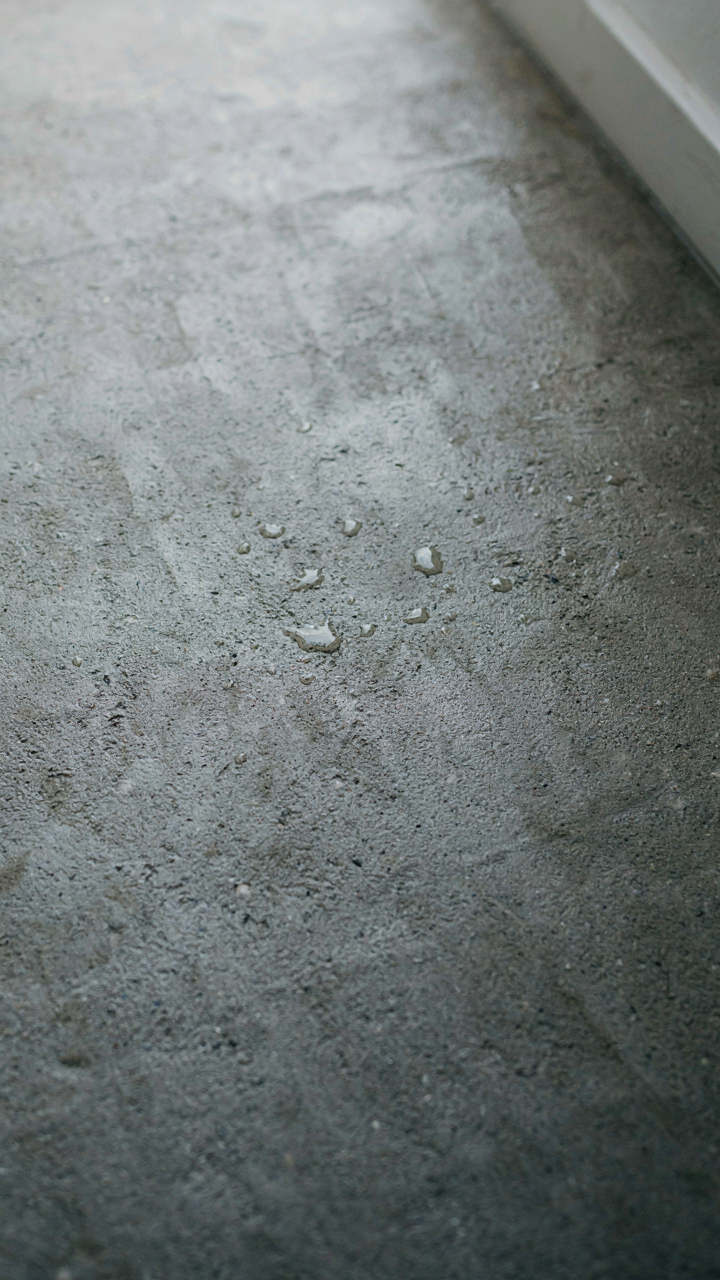
Why Most Farmhouse Looks Fail
You want people to think you have taste and restraint, but what you’re actually afraid of is looking cheap. The mechanism at work here is borrowed from economics: most people mistake abundance for authenticity. They layer on distressed finishes, reclaimed-looking fixtures, and vintage accessories until the space screams “I tried hard to look effortless.” Real farmhouse bathrooms don’t announce themselves. They emerge from constraint and function, not from a design budget spent at restoration supply stores.
Farmhouse bathrooms fail because they’re built backward. Designers start with an aesthetic and retrofit it onto modern plumbing and expectations. Actual farmhouses were designed around available materials and what worked. A cracked mirror wasn’t vintage. It was broken and cheaper to keep. When you build your farmhouse bathroom by chasing a visual, you end up with a costume that feels wrong the moment you use the heated towel rack hidden behind the shiplap.
Beyond Whitewash And Shiplap
The common advice here is wrong: shiplap doesn’t make a bathroom farmhouse. It makes it 2015. Shiplap became the symbol of farmhouse design precisely because it photographs well and reads as “rustic” to people scrolling social media. Real farmhouse bathrooms used plaster, lime wash, or simple paint because those materials were cheap and functional. Shiplap was expensive trim used sparingly, not covering entire walls. Your bathroom needs materials that solve a real problem in that specific room: moisture, durability, and cleaning.
Focus instead on the actual constraints farmhouses solved. Moisture from baths and sinks requires materials that either shed water or age gracefully when wet. Concrete, tile, untreated wood that darkens, and simple plaster all do this. Avoid anything that looks “distressed” but functions like new plastic. The mechanism is simple: use materials for their properties, not their appearance. A poured concrete floor isn’t farmhouse because it looks industrial. It’s right because it handles water, costs less than tile, and actually looks better after ten years of use than on day one.
The Farmhouse Bathroom Blueprint Protocol
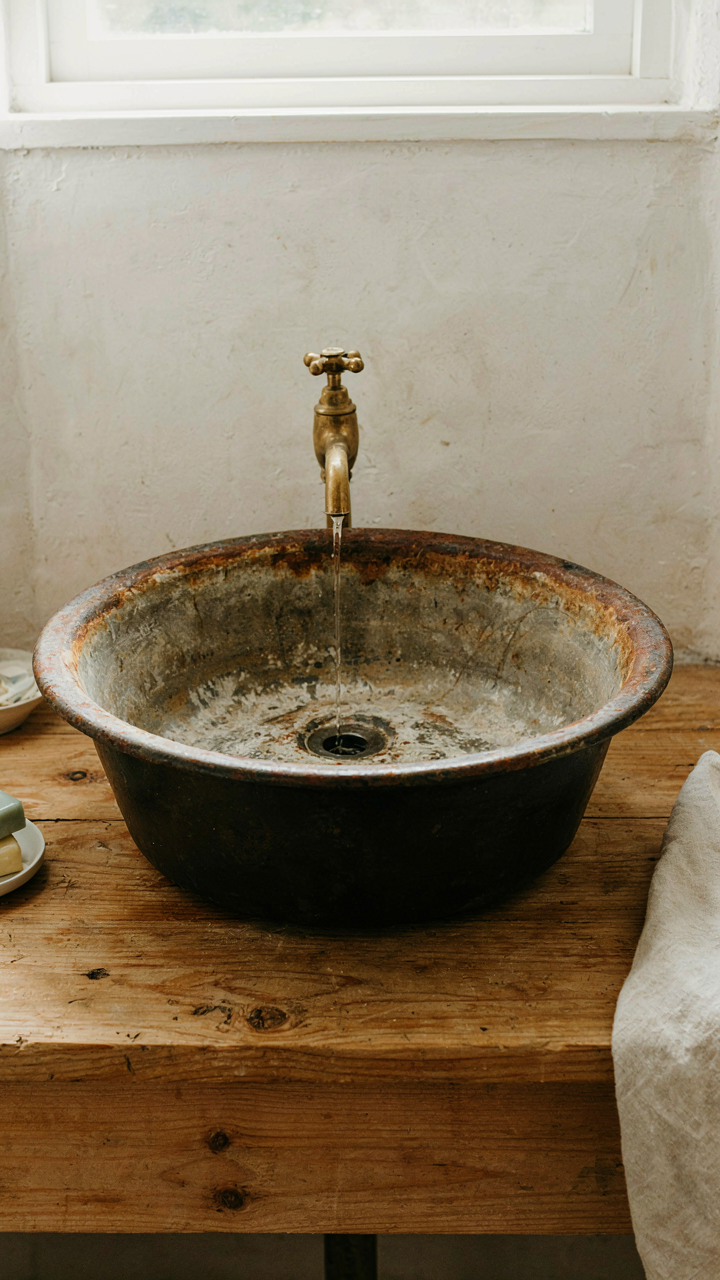
What Real Patina Actually Is
You want patina because you think it signals authenticity and taste. The mechanism is simpler: patina is oxidation and wear that follows predictable chemical patterns, not randomness. Real patina on wood comes from decades of moisture cycling, mineral deposits from hard water, and UV breakdown. You can’t fake this timeline. What you can do is recognize where authentic patina exists in salvaged materials and where it doesn’t, then build around actual aged surfaces rather than artificially distressing new ones.

The difference between a salvaged cast iron sink basin and a new one treated with acid wash is material honesty. A cast iron sink from the 1920s has genuine iron oxide layering. A new sink artificially aged in two hours has surface treatment only. Farmhouse bathrooms that read as authentic use real aged fixtures as anchor points—the sink, the tub surround, the medicine cabinet—then treat everything else as supporting infrastructure. This prevents the entire space from reading as a costume.
The Calcification Method
Weathering in design borrows from geology: stratification means layers form over time through exposure, not intention. Farmhouse bathrooms that work use material degradation as a design system, not an accident. Visible wear should cluster around friction points where humans actually interact with the space. Water stains on marble or limestone around the sink basin, worn spots on wood shelving at hand height, faded finish on cabinet knees where legs brush during cleaning. Strategic degradation means the wear pattern matches the actual function.
The protocol is direct: install real materials that will age visibly, then let them. Unsealed marble, unfinished wood, bare metal fixtures that oxidize. Most designers coat everything to prevent aging, which kills the aesthetic they’re chasing. Your water lines, soap residue marks, and mineral buildup become the visual story. Decide which surfaces get sealed and which don’t based on this principle: if the wear pattern would look false, seal it. If it would confirm actual use, leave it exposed.
Mastering The Modern Farmstyle Bathroom Paradox
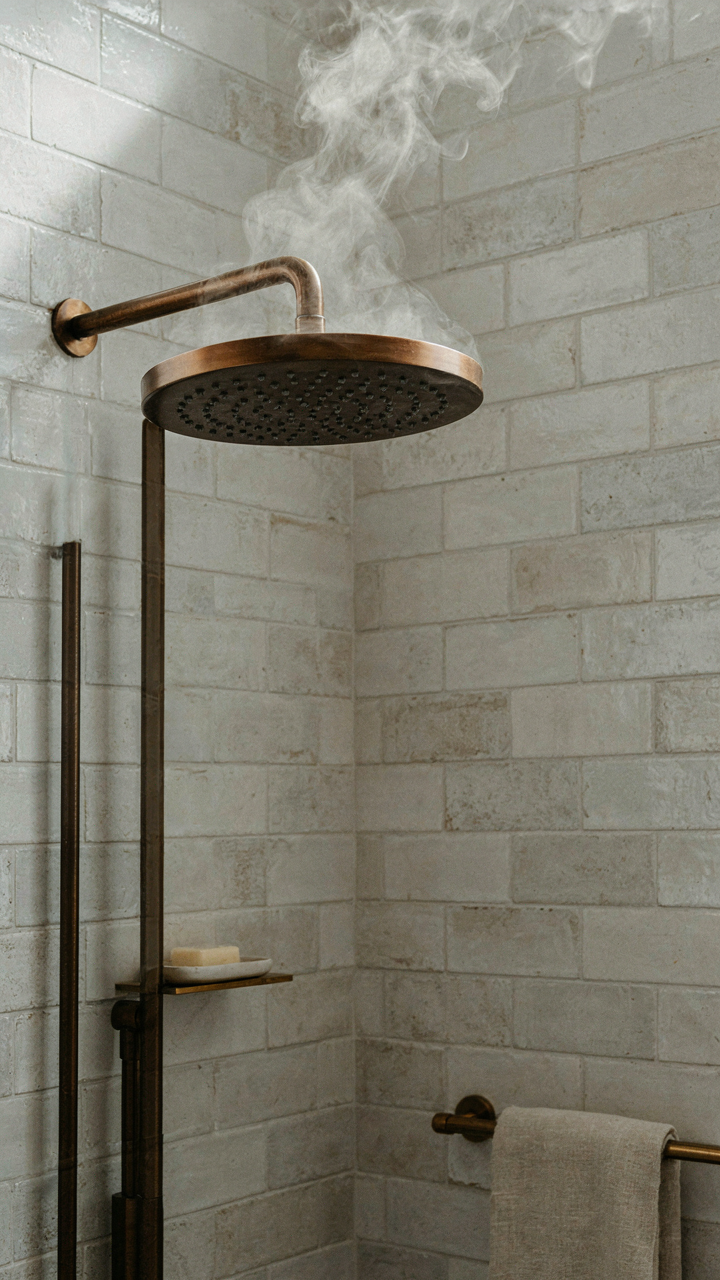
When Technology Actually Belongs
You want the aesthetic without the compromise. That’s the real tension here. The farmhouse bathroom trades on authenticity, but you won’t actually live without heated floors or water pressure that works. The mechanism is constraint satisfaction: you’re solving for two competing variables simultaneously, so stop pretending one doesn’t matter.

Integrate technology by hiding it or making it invisible. Radiant floor heating runs beneath vintage tile and disappears completely. Ventilation fans mount in soffit spaces behind reclaimed wood beams where nobody sees them. The wire management happens inside walls during framing, not after. Install smart fixtures like rainfall showerheads or touchless faucets in finishes that read as vintage brass or oil-rubbed bronze, not chrome. You’re not adding tech to farmhouse design, you’re running modern systems through period-appropriate vessels.
Texture Over Trend
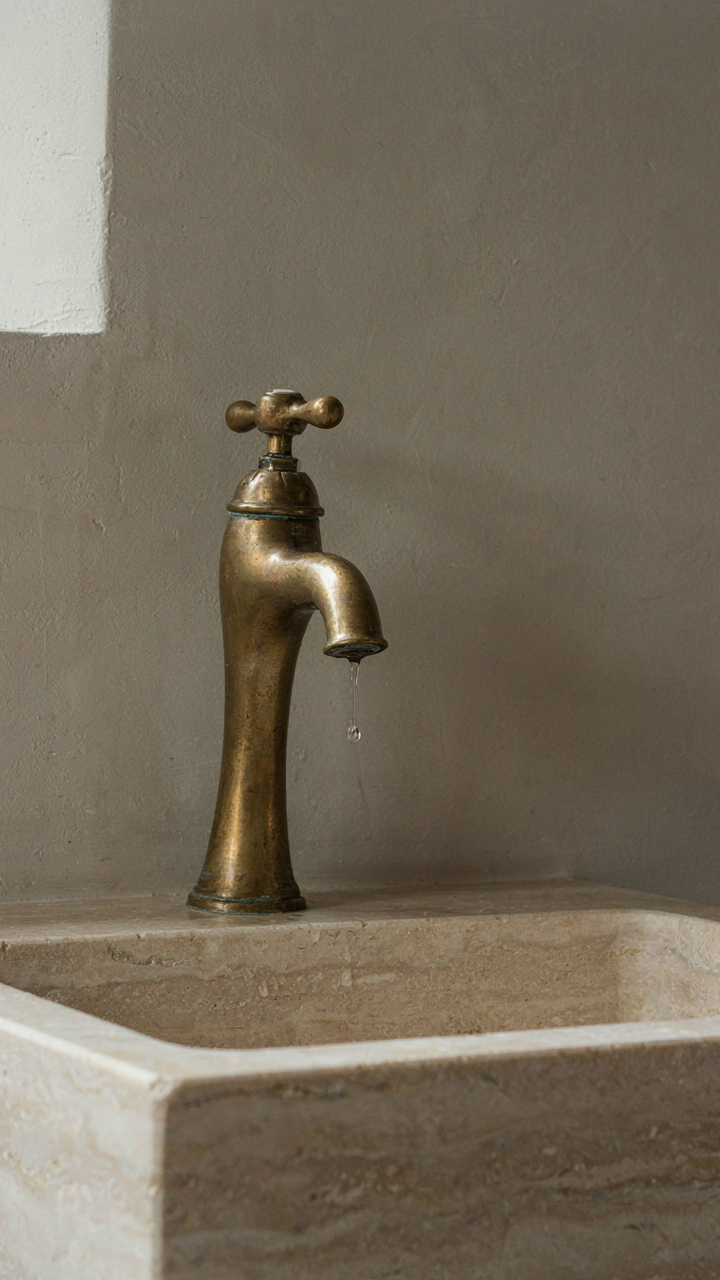
The common advice here is dead wrong: farmhouse isn’t about rustic surfaces that look worn out. It’s the opposite. Real farmhouses used durable, high-performance materials because function came first. You’re not buying reclaimed wood for the story, you’re buying it because it’s kiln-dried and stable. A stone sink with proper sealing performs better than cheap ceramic. Vintage cast iron hardware lasts decades. Authentic farmhouse means choosing materials that age gracefully under actual use, not materials that fake damage.
Luxury in this context means investing in durability and finish quality rather than visual flash. A handmade ceramic vessel sink costs more than a factory model but holds up. Marble or limestone in the right application develops patina instead of failing. Wood beams that are genuinely salvaged or reclaimed cost significantly more than new timber, but they won’t warp after five years. The paradox dissolves when you stop separating luxury from longevity and start treating them as the same decision.
The Economic Leverage Of Found Objects
Why Scarcity Moves Your Wallet
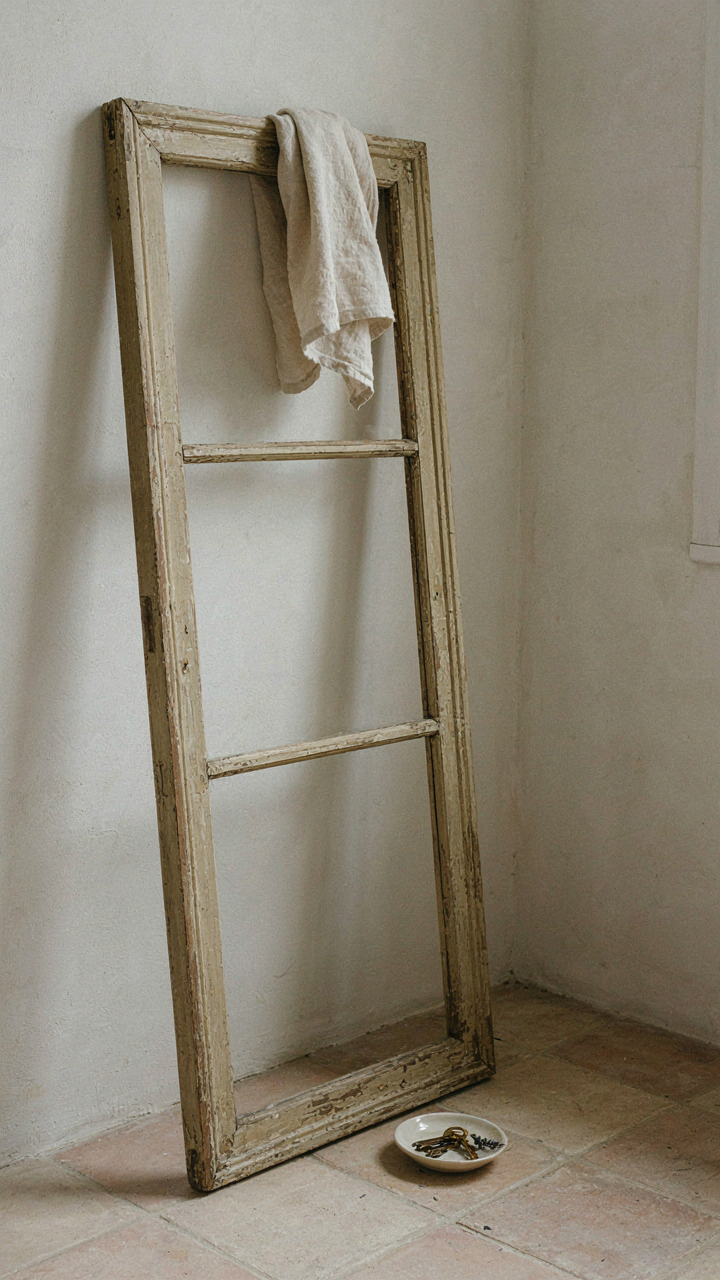
You want permission to spend less while appearing to have spent more. That’s the real pull here. But the mechanism is biological, not magical. Scarcity signals value in the human brain the same way it does in markets. When your bathroom contains a salvaged door frame from 1890 or reclaimed barn wood, your mind registers rarity before it registers cost. The piece commands attention because it couldn’t be mass-produced last Tuesday.

This is why new farmhouse bathrooms feel hollow. They deploy the aesthetic of age without the actual friction of age. A deliberately distressed vanity manufactured in Vietnam carries zero scarcity signal. Your brain knows the difference even if you can’t articulate it. Found objects work because they’re genuinely irreplaceable. You can’t order another one. That constraint is the entire leverage point.
Materials Worth Hunting
The common advice says “reclaim what you can and make it work.” Wrong. Most salvage is decorative waste. Hunt for pieces that solve structural or functional problems first, then age naturally. Your sourcing strategy determines whether salvage becomes a design story or a storage problem.
- Antique clawfoot tubs: Retain original plumbing fittings when possible. These command attention because they’re genuinely rare and functional, not ornamental.
- Reclaimed barn wood vanity bases: Source from actual dismantled barns, not import suppliers. The wood carries authentic weathering and grain variation that signals legitimacy.
- Vintage cast iron sinks: Heavy, durable, and scarce in working condition. Pair with period-correct fixtures to anchor the entire bathroom narrative.
- Salvaged door frames and hardware: Use as medicine cabinet frames or mirror borders. Original hinges and latches cost nothing but carry maximum visual weight.
- Reclaimed tile and brick: Source from demolished buildings in your region. Local provenance reduces cost and creates conversation through genuine geographic specificity.
The difference between scoring and shopping is intentionality. Visit architectural salvage yards with a problem to solve, not a vague desire to look rustic. A reclaimed mirror frame only works if it fits your wall dimensions and lighting needs first. Aesthetics follow function. Your salvage budget expands when you stop treating found objects as optional decoration and start treating them as primary infrastructure.
Beyond Trends: Building A Timeless Farmhouse Master Bath
What Actually Lasts In Design
You want this bathroom to matter five years from now, not become a Pinterest graveyard you’re embarrassed to show guests. The mechanism is simple: trends collapse because they prioritize novelty over constraint. Farmhouse design doesn’t work that way. It works backward from what survives use, not what photographs well.

Real farmhouse bathrooms came from necessity, not mood boards. People chose materials because they withstood water, humidity, and daily abuse for decades. Reclaimed wood, cast iron, zinc, and heavy tile weren’t aesthetic choices first. They were the only choices that didn’t rot or corrode. That constraint is what made the style actually coherent. You’re not decorating with a theme. You’re building with materials that have a twenty-year track record instead of a three-month viral window.
Substance Over Surface Noise
The advice to “mix vintage and modern” misses the real work: both layers must earn their place through performance. A vintage clawfoot tub sits in a farmhouse bathroom because it holds water and feels solid, not because it’s old. A modern matte-black faucet belongs there because it resists water spots and corrodes slower than brass, not because contrast creates interest. Function drives the decision. Aesthetics follow.
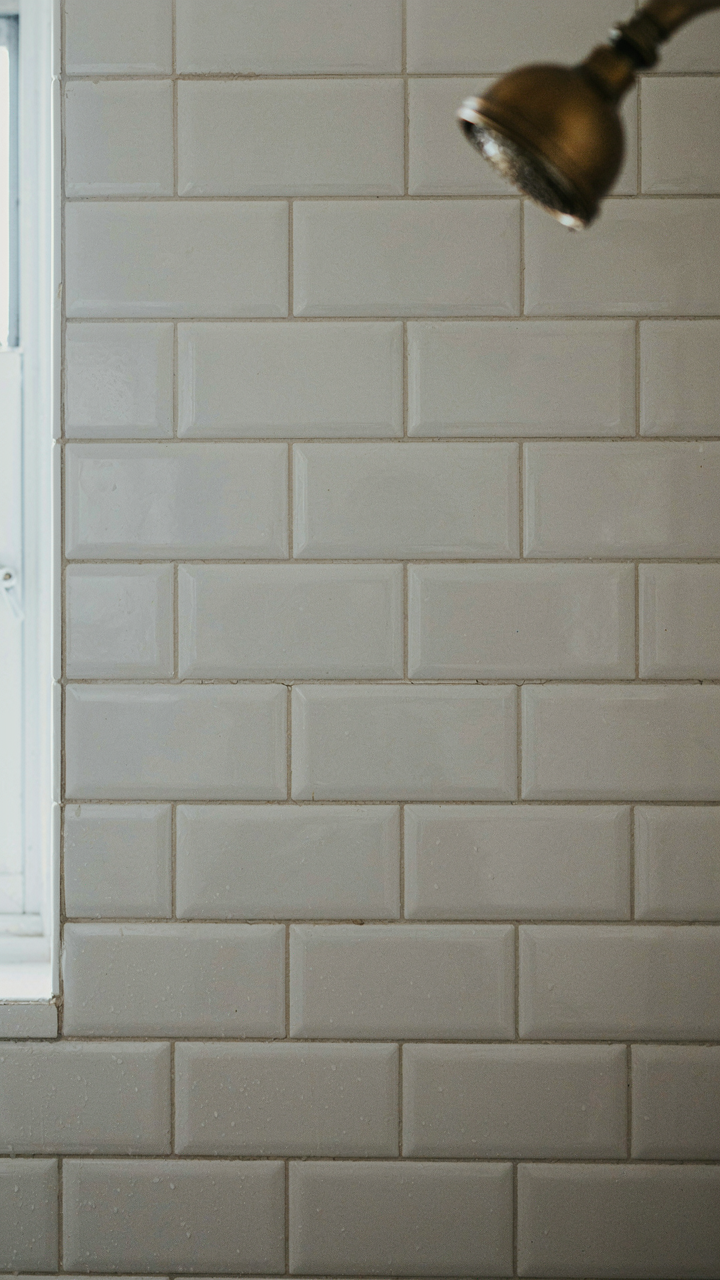
Durability determines what you actually live with daily. Tile selection matters more than wall color because you’ll touch it wet, daily, for years. Subway tile survives because grout lines are forgiving and replacement is simple. Reclaimed barn wood in a bathroom works only if sealed properly and placed where splash doesn’t concentrate. Choose materials with failure modes you understand, not materials that look good until they don’t. Build your selections on a maintenance protocol you’ll actually execute, not one you hope happens.
Country Modern Bathroom Ideas: The Art Of Restraint
Empty Space Wins The Room
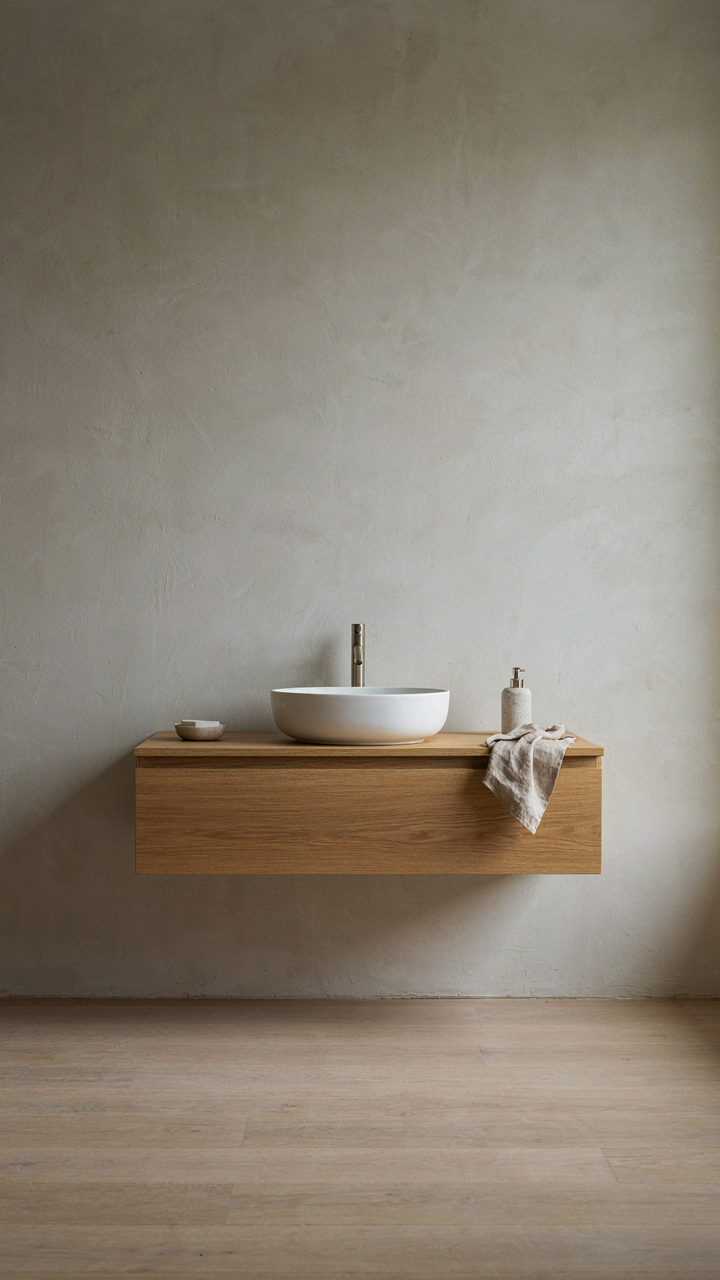
You want your bathroom to feel intentional instead of like you ran out of money. That’s the real fear. Here’s the mechanism: empty space reads as confidence. In design, negative space functions exactly like white space in typography—it directs attention to what matters and lets the eye rest. Farmhouse bathrooms fail when owners cram every corner with décor. The opposite move is harder: commit to leaving walls bare.

A single floating vanity, uncluttered countertop, and open floor between fixtures create movement through the room. This isn’t minimalism dressed up. It’s restraint as a tool. A recessed medicine cabinet instead of three shelves. One mirror instead of a gallery wall. The principle is surgical: remove until the room breaks, then add back one piece. That’s your limit.
When Less Becomes The Statement
Most advice tells you to add “farmhouse elements” until something clicks. That’s backwards. The real work is identifying which single piece carries the load, then stripping everything else. Think of visual hierarchy like a news homepage—one headline dominates, the rest supports it. In a farmhouse bathroom, that headline is usually the vanity or the tile pattern. Everything else becomes negative space.
Avoid the trap of thinking “rustic” means busy. Weathered wood, exposed beams, and vintage hardware only work when surrounded by emptiness. Pair a statement vanity with plain walls and open shelving instead of cabinets. Use one material accent—say, shiplap on a single wall—and stop. The mechanism is this: restraint makes what you kept impossible to ignore.
Cottage Style Shower: The Unconventional Approach
Why Open Showers Dominate
You want an open shower because you think it signals sophistication and spa-like taste, but the real reason open showers dominate farmhouse bathrooms is economics. Using supply chain logic, an open shower removes the barrier to entry: no enclosure means no expensive framing, no glass panels, no track systems. Farmhouse design emerged from rural practicality, and that constraint never left the aesthetic.

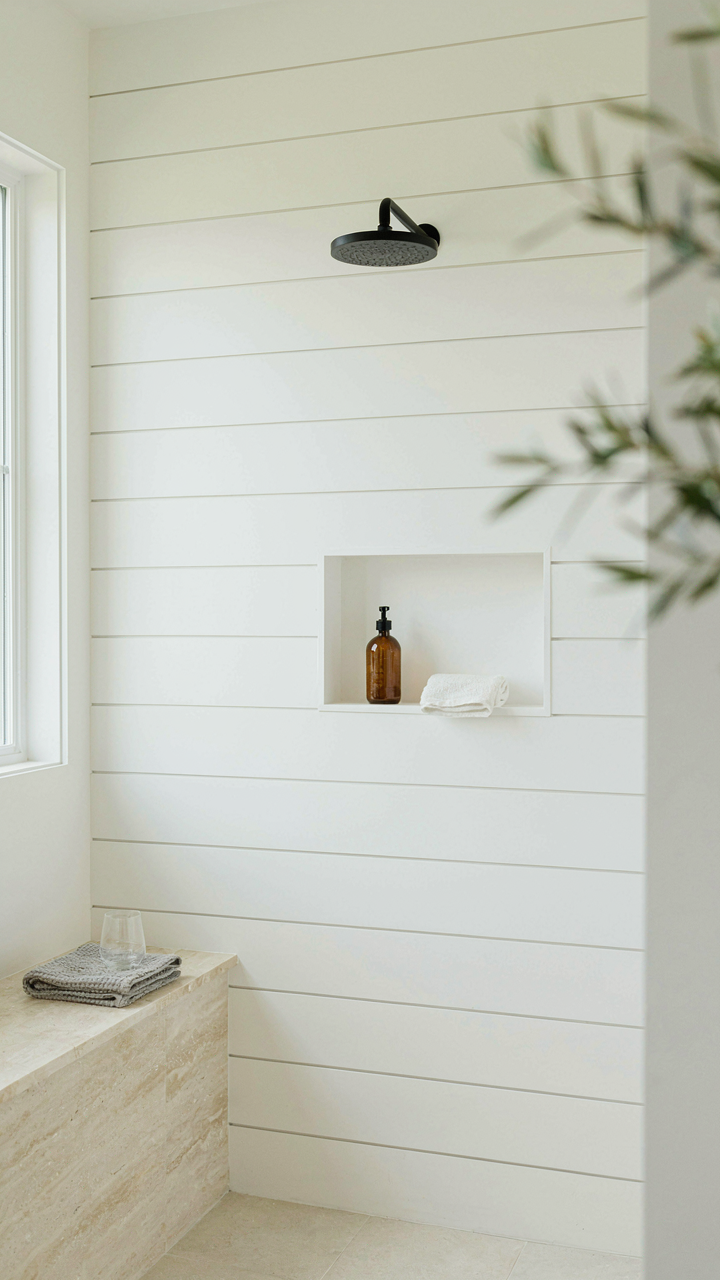
Open showers in farmhouse bathrooms work because they collapse complexity into visibility. A simple showerhead mounted to shiplap or stone wall, a recessed niche for soap, maybe a wooden bench. The design succeeds because there’s nothing to hide and nothing that can fail. Water hits floor, drains properly, dries fast. That’s the entire specification.
Water Conservation Myths Debunked
The common advice that open showers waste water is incomplete. Physics tells us that water efficiency depends on flow rate control, not enclosure design. A showerhead is a showerhead. An open cottage-style shower with a standard 2.0 GPM head uses the same water as an enclosed shower with identical plumbing. The difference is where the overspray lands.
What actually matters: install a low-flow showerhead regardless of your shower style, ensure proper drainage slope so water reaches the drain instead of pooling on floor, and use a water-catching pan if overspray concerns you. The enclosure is decoration. The plumbing is the mechanism.
The Psychology Of A True Farm Style Bathroom
What Actually Triggers The Memory
You want this bathroom to feel authentic because you’re tired of performing for people who care about trends. Here’s the mechanism: nostalgia doesn’t work through decoration alone. It works through sensory alignment with a specific period in your life or your family’s history.

Farm bathrooms tap into a real historical pattern. Rural homes from the 1920s through 1960s used materials based on availability and durability, not aesthetic choice. When you recreate those constraints intentionally, your brain recognizes the coherence. A reclaimed wood vanity paired with cast iron fixtures doesn’t feel staged because those elements actually belonged together in time.
The Difference Between Looking Farm And Feeling Farm
Most farmhouse advice tells you to add shiplap and vintage signs. That’s surface-level nonsense. Real farm bathrooms trigger recognition because they solve actual problems the original spaces faced, not because they copy their appearance.
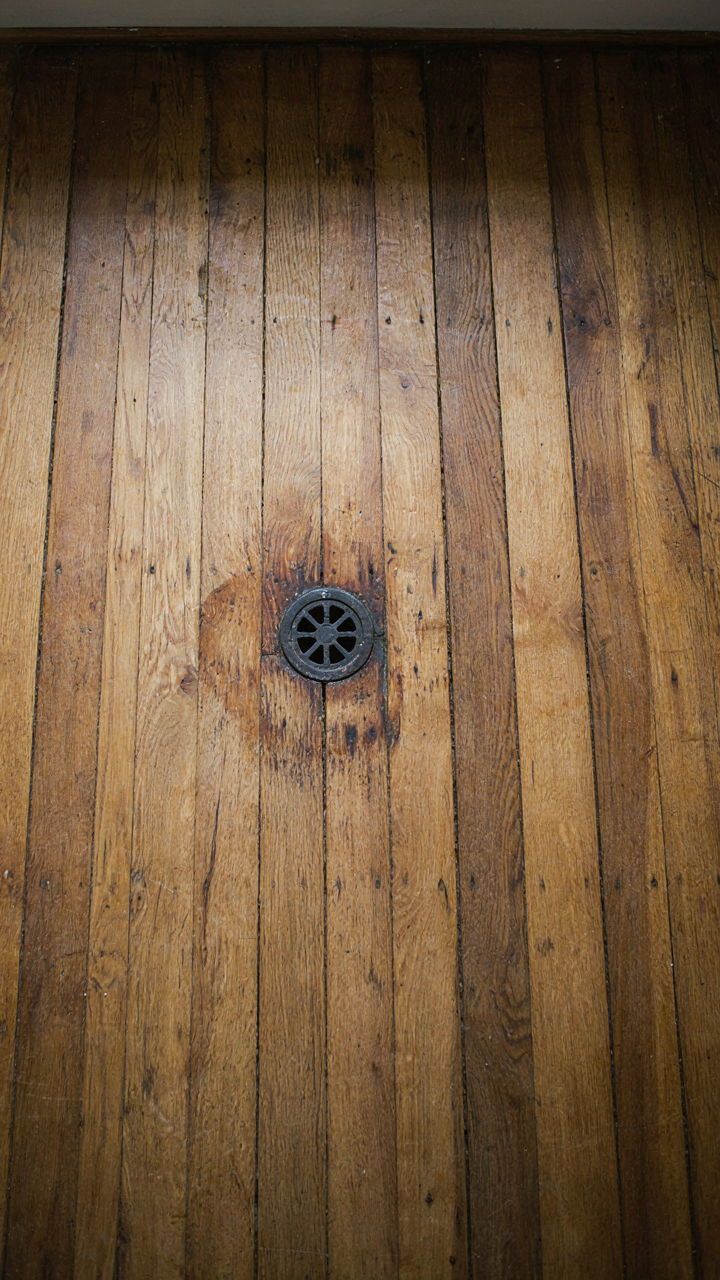
The distinction matters: original farm bathrooms had minimal hot water, poor ventilation, and simple plumbing. Modern versions can’t replicate those constraints, but they can mirror the solutions. Wide-plank flooring in durable wood, minimal cabinetry, and open shelving weren’t aesthetic choices, they were practical responses to maintenance needs. When your vanity functions the way a farm bathroom vanity functioned, the space communicates authenticity through behavior, not decoration alone. This is why visitors feel the difference even when they can’t name it.
The Only Real Obstacle To A Truly Timeless Space Is Your Superficiality
Character Cannot Be Purchased
You want people to walk into your bathroom and feel something. That’s the real reason you’re here. The problem is you think buying the right objects creates that feeling. It doesn’t. Character comes from restraint and intention, not from accumulating farmhouse tokens. You either understand why something belongs in the space, or you’re just decorating with props.

Farmhouse bathrooms that endure share one trait: they solve real problems with available materials. Historical farmhouses didn’t use reclaimed wood and vintage fixtures because they looked good. They used them because they were what existed. The mechanism is constraint, not curation. When you design from limitation, you develop taste. When you design from Pinterest, you develop debt and regret.
Taste Is The Filter That Stops You
Your limitations are your advantages in disguise. Economics teaches us about opportunity cost. In design, opportunity cost is the decision to exclude. Every element you add is a choice to remove something else. Most people fail at farmhouse bathrooms because they add instead of subtract.
Stop following farmhouse bathroom ideas as a collection. Start asking what your space actually needs. Does it need that vintage ladder if you have wall space? Does it need that reclaimed mirror if adequate light already exists? The spaces that read as intentional are the ones where every object has earned its place through function first, then form. This is how you stop looking like you’re trying and start looking like you know something others don’t.
The Only Real Obstacle To A Truly Timeless Space Is Your Superficiality
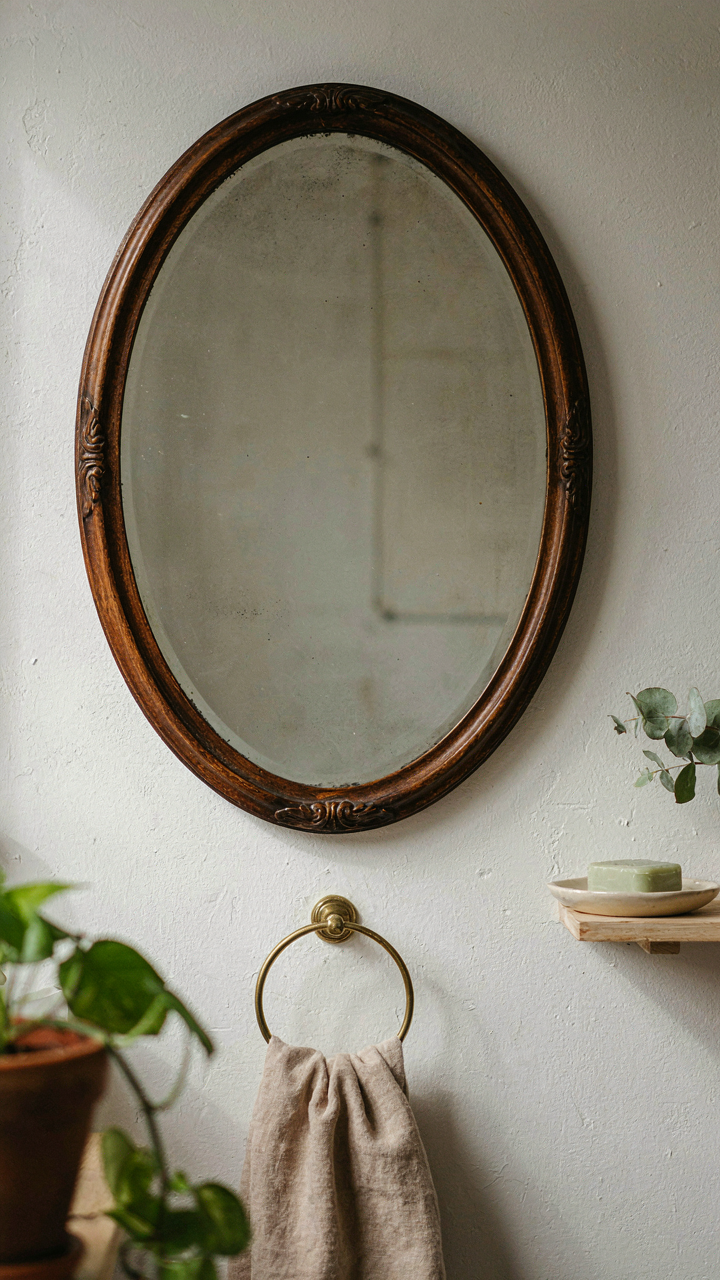
Most people treat farmhouse bathroom ideas like a checklist. Shiplap here, vintage mirror there, reclaimed wood everywhere. They miss the point. Real character comes from restraint and intention, not accumulation. Stop scrolling Pinterest for the next trend and start asking why each piece matters in your space. Go pick one element you actually love today and build around it instead of against it. Your bathroom reflects what you’re willing to defend, not what you’re willing to copy.



