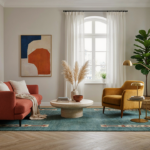
The “Natural Texture” Deception: Why More Isn’t Better

Constraint Creates Coherence
You want people to walk in and think your bedroom is effortlessly put-together because you’re afraid it actually looks chaotic. The mechanism here is constraint. In design systems, constraint works like load-bearing walls in architecture: it forces decisions into hierarchy instead of letting everything compete for attention equally. Too many textures kill texture. Your eye bounces instead of settles.
Farmhouse design borrowed from rural economies where families owned fewer things and arranged them deliberately. One linen texture. One wood tone. One metal finish. When you stop adding, you start seeing what you actually chose. The minimalist layering principle isn’t about emptiness. It’s about removing the noise so three textures land harder than seven.
Curation Beats Accumulation
The common advice is “layer thoughtfully.” That’s useless. What actually works is this: pick a primary texture, add one complementary texture, then stop. Most bedrooms fail because people treat textures like they’re accumulating life experience instead of solving a visual problem. You need the bed fabric. You need the wall surface. You need one accent. That’s the system.
Your second layer should contrast the first without fighting it. If your bed is smooth linen, add rough jute or weathered wood. If your walls are textured shiplap, use soft wool or cotton for throws. The friction between opposites creates depth, not the number of materials in the room. One more rule: if you can’t name why a texture belongs there, remove it now.
Beyond Visual: Engaging All Senses In Your Country Bedroom
Touch: The Material Foundation That Actually Matters
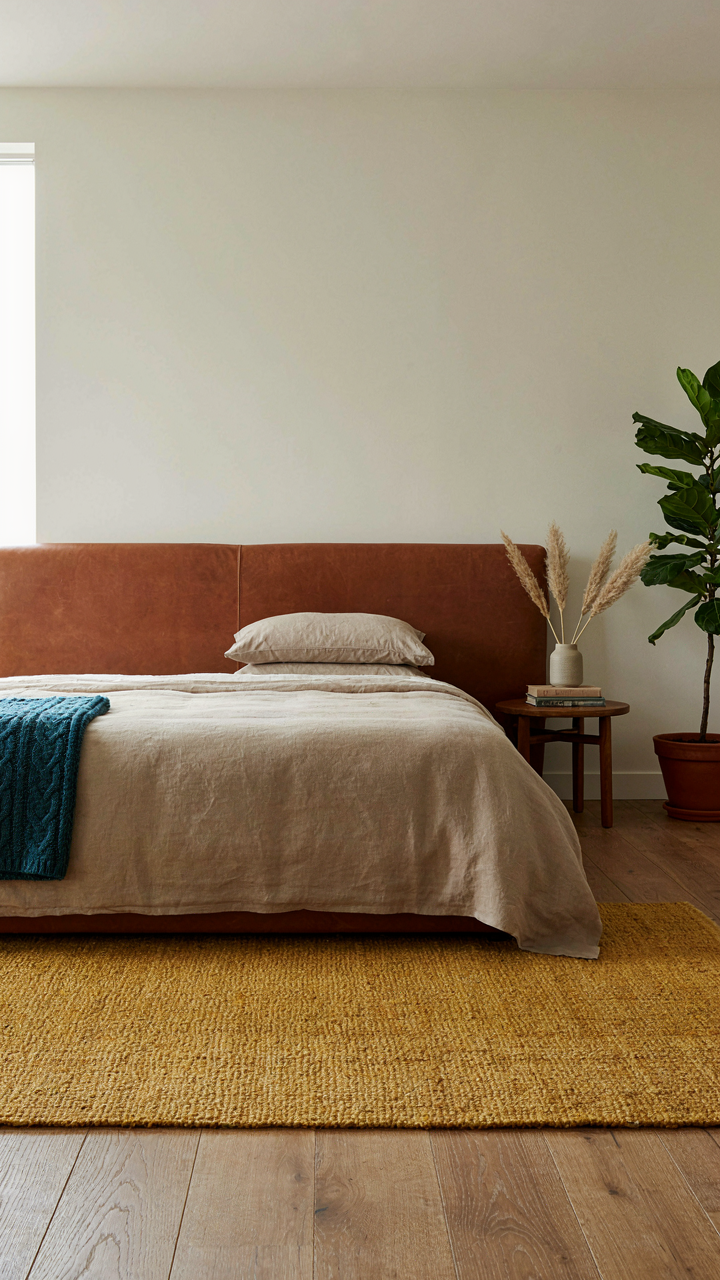
You want a farmhouse bedroom because it signals you’re grounded, authentic, unpretentious. The real mechanism is tactile. Your nervous system doesn’t care about the aesthetic; it responds to what your skin touches. Linen sheets, rough wood beams, unfinished stone—these materials trigger a parasympathetic response that drywall and synthetic fabric never will. The farmhouse aesthetic works because the textures are honest, not because of Instagram credibility.

Layer materials by their surface variation, not color coordination. Raw wood flooring transitions to a chunky wool rug. Linen bedding meets a leather headboard. Cotton throw blankets drape over reclaimed barn wood furniture. The variation in grain, weave, and finish creates constant micro-sensations that register as complexity and depth. Your brain interprets this as richness because the sensory input is actually rich. This is why generic farmhouse fails—it uses smooth, uniform materials that pretend to be rustic. Real tactile farmhouse requires materials with visible imperfection and varied surface texture throughout the room.
Soundscape: Controlling What Your Ears Register
Acoustic design isn’t about filling silence with noise. It’s about removing unwanted frequency reflection that pulls your nervous system alert. Farmhouse bedrooms typically fail here because they’re all hard surfaces—exposed beams, stone walls, wood floors. These reflect sound and create acoustic harshness that contradicts the restfulness the room claims to deliver. Sound behaves like light bouncing off a mirror; you need absorption to control it.
Install acoustic absorption deliberately. Heavy linen curtains absorb mid-range frequencies. Thick area rugs dampen low-end rumble. Upholstered furniture in the room acts as secondary absorption. The goal is reducing reverberation time so sound decays naturally instead of bouncing. Mechanical white noise from outside (distant farm equipment, wind) adds continuity to the soundscape without jarring peaks. Test this by clapping once in your empty bedroom, then after adding textiles—the decay time should shorten noticeably. That shift from ringing to dead is what allows your nervous system to relax.
The Modern Farmhouse Bedroom “Anchor Point” Method
Start With One Heavy Piece
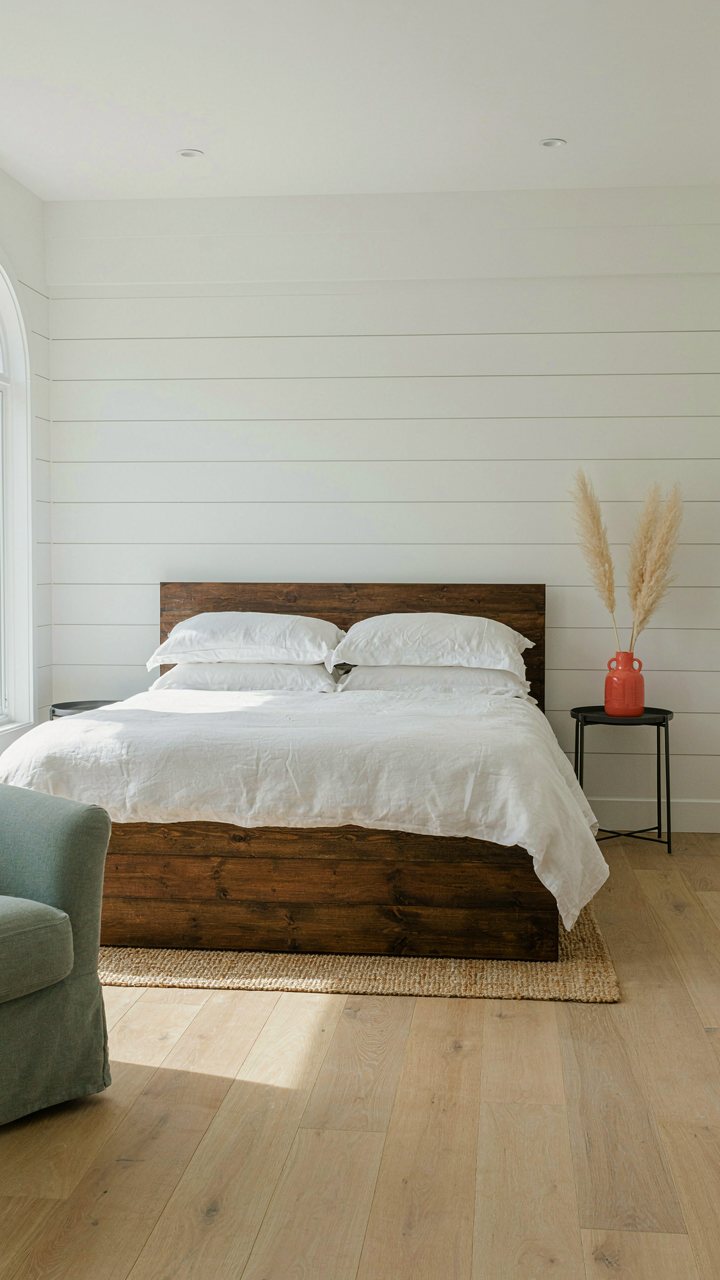
You want this room to feel intentional but effortless, which is really code for: you’re afraid it’ll look like you tried too hard or worse, like you didn’t try at all. The mechanism is simple. One dominant piece controls the visual weight of the entire space and forces every other decision into alignment. Without it, you end up shopping aimlessly, buying things that look good individually but create visual noise when stacked together.

A farmhouse bedroom needs a single anchor that commands the room’s geometry. This is usually the bed frame, but it could be a reclaimed wood wall treatment or a substantial fireplace. The anchor point must be the first element you select, never an afterthought. Everything else—nightstands, textiles, lighting—orbits around this decision. The anchor determines scale, material palette, and the rhythm of texture that follows.
Layer Materials Around That Fixed Point
Layering in design borrows its logic from engineering: a load-bearing structure distributes weight across multiple surfaces rather than concentrating it in one place. Your anchor point is the load-bearing element. Around it, you distribute visual texture so the room reads as coherent, not chaotic. Most people make the mistake of layering randomly. They throw in linen, wool, reclaimed wood, iron, and cotton without understanding why each material sits where it does.
Start by identifying the material of your anchor piece. If it’s a solid wood bed frame with a matte finish, your first surrounding layer should contrast that—perhaps a woven headboard or a textured linen bedding that picks up the wood’s grain direction. The second layer adds something harder or smoother: iron hardware, a stone nightstand top, or a polished metal lamp base. Each layer must have a tactile reason to exist relative to the one before it. This prevents the room from feeling like a collection of farmhouse objects and transforms it into a composed environment.
The Material Intelligence Protocol For A Nice Cozy Bedroom

How Fiber Type And Weave Actually Work
You want this room to feel expensive without looking try-hard. The real lever is fiber structure, not brand names. Weave patterns and fiber diameter control how light bounces off surfaces and how your skin reads temperature. Most people confuse “natural” with “automatically good”—raw linen can feel harsh, while a tight cotton weave feels refined. The mechanism is simple: smaller fibers and denser weaves scatter light softly and trap air warmth without bulk.
- Linen: Loose weave, crisp hand-feel, breathes quickly, reads as farmhouse-authentic but shows wrinkles deliberately. Best for layering over smoother base sheets.
- Cotton sateen: Medium-tight weave, smooth sheen without shine, warm to skin, signals quality. Ideal as primary sheet layer in farmhouse master bedrooms.
- Wool: Dense fiber, traps heat efficiently, naturally regulates moisture, durable for decades. Use as blanket or throw rather than direct skin contact for most sleepers.
- Linen-cotton blends: Combines linen’s texture with cotton’s softness, reduces wrinkle severity, balances authenticity with comfort. Practical middle ground for consistency.
- Jute and sisal: Coarse fibers for accent pieces only—rugs, wall hangings, throws. Not functional for bedding but establishes visual farmhouse language.

The weave density you choose determines how quickly heat moves away from your body. A farmhouse master bedroom needs visual texture without sacrificing sleep quality. Select your base layer by weave tightness first, then layer textures of different weights on top. This creates the perceived depth that makes rooms feel designed rather than decorated.
The Physics Of Warmth And Material Stacking
Textiles operate on thermal principles: heat moves through materials differently based on fiber density, air pockets, and surface area. A single layer of anything—even thick wool—performs worse than two thinner layers with air space between them. Farmhouse design accidentally nails this because layering is part of the aesthetic. The mechanism is air entrapment, not the material itself.
Linen and cotton conduct heat faster than wool, which means they move warmth away from your body efficiently in summer and feel cool to the touch. Wool’s loose fiber structure traps dead air, creating insulation that keeps body heat close. A farmhouse master bedroom in a temperate climate benefits from a cotton base sheet, a linen throw across the foot, and a wool blanket you can deploy or remove. This three-layer system lets you regulate without temperature swings. Test this in September: a room that feels good in July will suffocate you in February without material options.
Light As A Layer: Sculpting Your Master Bedrooms Farmhouse Modern
Windows Facing East And South
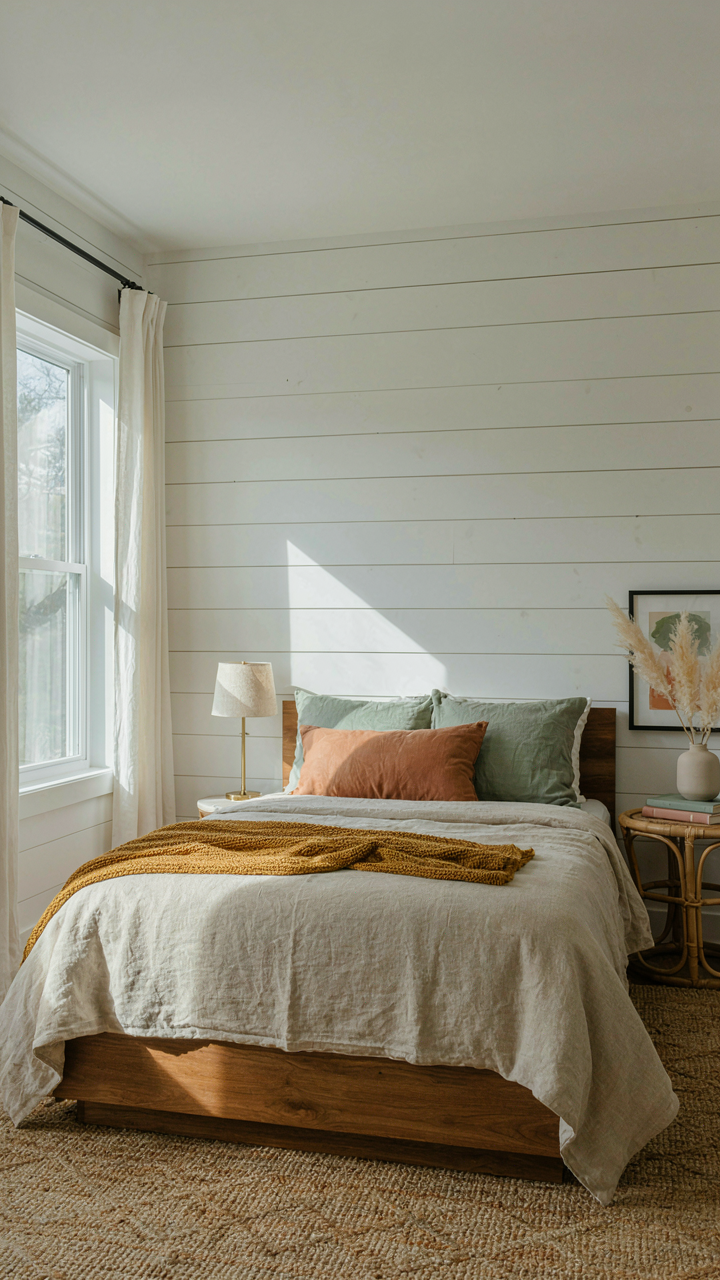
You want the bedroom to feel “warm and inviting” without admitting you’re buying peace of mind through light exposure. Here’s what actually matters: window orientation controls your circadian anchor and material visibility throughout the day. East-facing windows deliver morning light that resets your sleep cycle. South-facing windows provide consistent illumination that renders wood grain, linen texture, and stone detail without washing them out.

Farmhouse bedrooms traditionally sit on the home’s practical side, not its showpiece side. This meant east or south exposure by default. Modern farmhouse designs that ignore this pay the price with muddy textures and flat surfaces by afternoon. Position your bed perpendicular to the primary window. This lets light sculpt the room’s layers without glare on your pillow and reveals the depth in layered textures when you wake.
Layered Fixtures That Control Depth
Most farmhouse lighting advice says “mix warm and cool tones.” That’s incomplete. The real mechanism is contrast ratio, borrowed from film and photography. High contrast between dark and light surfaces creates visual depth. Low contrast flattens everything into beige soup.
Install overhead fixtures that dim to 30 percent output for evening use. Add bedside task lighting at 60 watts minimum to create readable zones. Place accent lighting on architectural features like exposed beams or textured walls at a lower height than your eye line when seated. This front-lights the surface and lets shadows define the texture behind it. The goal is three distinct brightness zones in one room, each serving a different hour and activity.
The Ecological Principle: Farmhouse Master Bedroom As Ecosystem
How Each Element Supports The Others
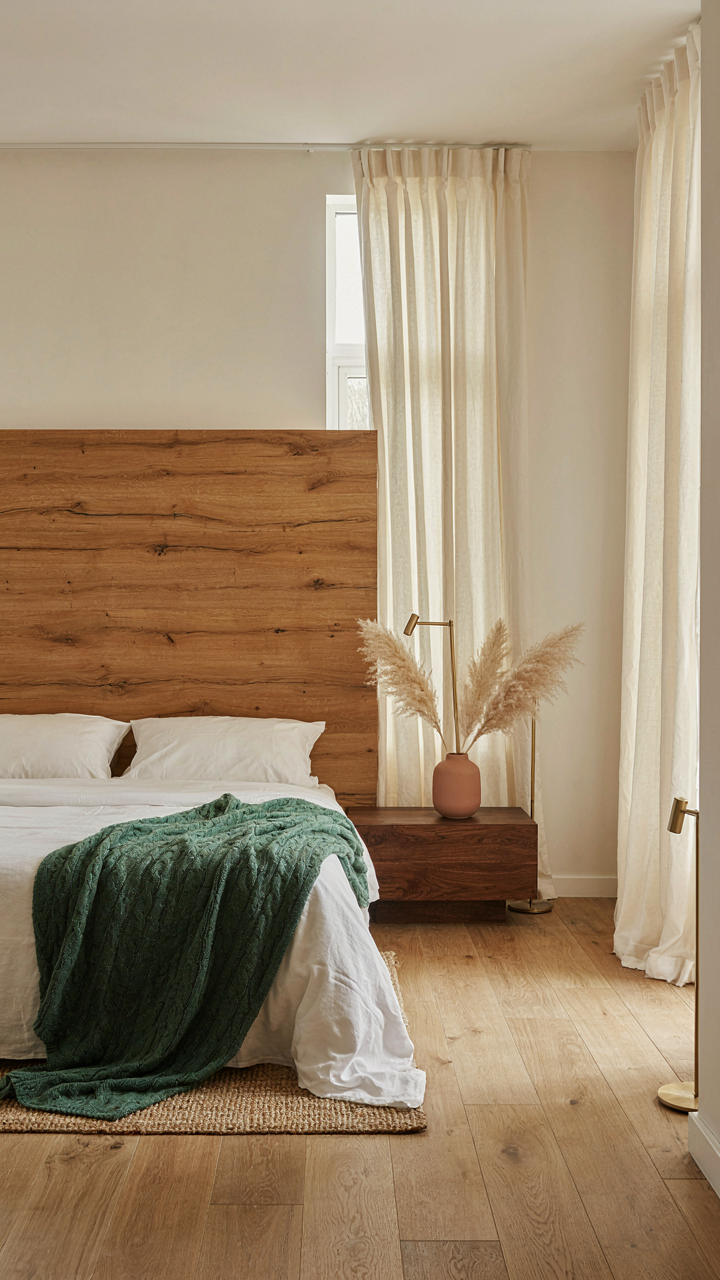
You want to believe your bedroom is just a collection of nice things arranged well. It’s not. In biology, an ecosystem survives because organisms depend on each other for specific functions—predators control populations, decomposers recycle nutrients, plants produce oxygen. Your farmhouse master bedroom operates the same way. Wood beams don’t just look rustic; they anchor the visual weight of the room and make textiles feel intentional rather than scattered. Linen curtains diffuse light in a way that makes reclaimed flooring read as intentional. Remove one element and the others lose their logic.

The mistake most people make is treating each piece as independent. They buy a wood headboard, then add metal accents, then throw in vintage quilts without asking whether these materials actually reinforce each other’s purpose. Real farmhouse design doesn’t work that way. When your nightstands are the same wood species as your flooring, when your metal hardware echoes the iron in your window frames, when your textiles pick up the color palette of your walls, each element amplifies what the others communicate. This isn’t decoration. This is structural coherence applied to a room.
Spending Energy Where It Matters Most
The common advice tells you to invest equally in every piece. That’s how people end up with expensive rooms that feel scattered. Economics teaches resource allocation through constraint—you optimize by identifying which inputs drive the most output. In a farmhouse master bedroom, your constraint is budget and visual real estate. Your flooring, wall color, and primary wood pieces consume seventy percent of what people actually perceive when they enter. Spend there first.
After you’ve locked in flooring, walls, and one anchor wood piece—typically the bed frame or a substantial dresser—your remaining budget goes to texture variation through textiles and lighting. This is where layering becomes tactical. A quality wool throw costs less than a second side table but changes how the room reads. Layered linen bedding with mixed weaves creates depth without requiring new furniture. The final step is accent hardware and small-scale pieces that echo your primary materials. You’re not running out of money and compromising on basics. You’re executing a sequence where each purchase compounds the visual investment of the previous one.
Curating, Not Collecting: Modern Farmhouse Bedroom Inspo
The Edit Over The Accumulation
You want permission to buy more stuff and call it design. Here’s what actually matters: curation is inventory control applied to your bedroom. You select what stays based on function and texture, not on whether it reads “farmhouse” to visitors. Most people stack objects until the room feels lived-in, which just means cluttered.

Start by removing everything that doesn’t touch your skin or serve a daily purpose. Farmhouse bedrooms work because they started with necessity, not aesthetics. A linen duvet exists because linen breathes. A wooden bed frame exists because wood was what people had. The texture came second, the function came first. That sequence matters.
Recognizing When Farmhouse Becomes Costume
Generic farmhouse advice tells you to add shiplap, vintage signs, and mason jar decor. That’s decoration dressed up as design. The actual mechanism is constraint: real farmhouse bedrooms came from regional materials and climate limitations, not Pinterest boards. A room that feels forced always reveals itself through visual noise and objects that don’t earn their place.
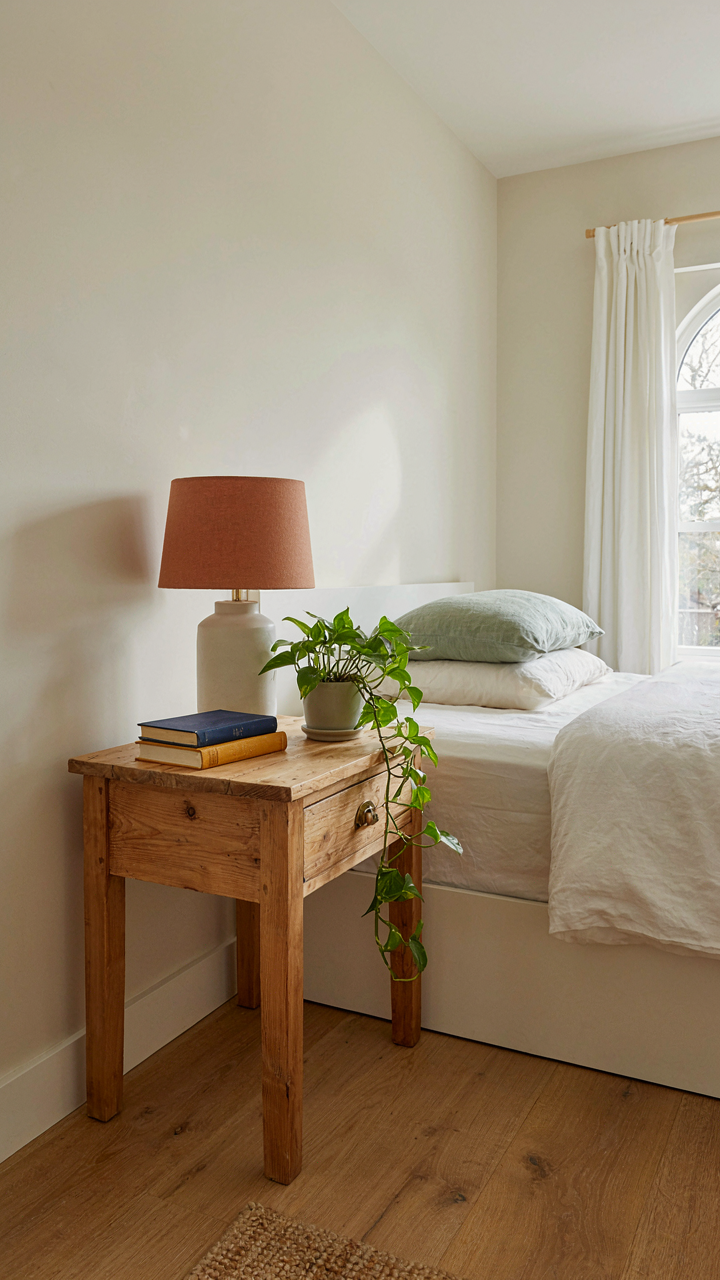
Test each element by asking whether it solves a problem or creates one. A reclaimed wood nightstand survives because it’s durable and unfinished. A decorative metal bucket survives only if you actually store something in it. The moment you’re keeping something purely for appearance, you’ve abandoned farmhouse principles and entered retail theatre. Remove it and watch how much clearer the room becomes.
The Unfinished Bedroom: Mastering Imperfection

Wear That Tells A Story
You want the farmhouse master bedroom to look intentional, not like you failed at maintenance. The real mechanism here comes from biology: entropy. In natural systems, decay follows predictable patterns. Patina isn’t random damage—it’s controlled oxidation, weathering, and use-marks that follow the physics of how materials actually degrade. This is why a farmhouse bedroom with authentic wear reads as credible while a new room dressed up to look old reads as theater.

Authentic patina forms where friction happens: door edges, drawer pulls, floorboards under foot traffic, wood beams where hands naturally rest. You don’t create this by distressing surfaces with tools. You source reclaimed materials that already carry these marks, or you place new pieces in positions where real wear will accumulate. A headboard crafted from salvaged barn wood arrives with weathering already embedded. A new linen duvet cover placed on an iron bed frame develops its own marks through use. The distinction is material honesty versus manufactured fakeness.
Let The Space Shift With You
Common advice says to “design the finished look and stick with it.” This misses how actual farmhouse spaces evolved. Historical farmhouses changed rooms constantly—farmers rotated furniture based on seasons, moved pieces for repairs, added elements as finances allowed. The farmhouse master bedroom operates best as a live system, not a static product.
This means choosing materials and a color foundation that accommodate addition without requiring total overhaul. A neutral linen palette accepts new textiles without clashing. Wooden furniture can be rearranged without the room looking chaotic. When you find a piece that fits—a vintage metal bed frame, a weathered trunk—you integrate it into the existing layout rather than planning around it in advance. The protocol is straightforward: establish baseline materials and spacing, then add only what improves function or corrects what doesn’t work, one change at a time.
Your Master Bedroom Isn’t A Mood Board; It’s An Operating System For Your Rest. Stop Decorating, Start Engineering
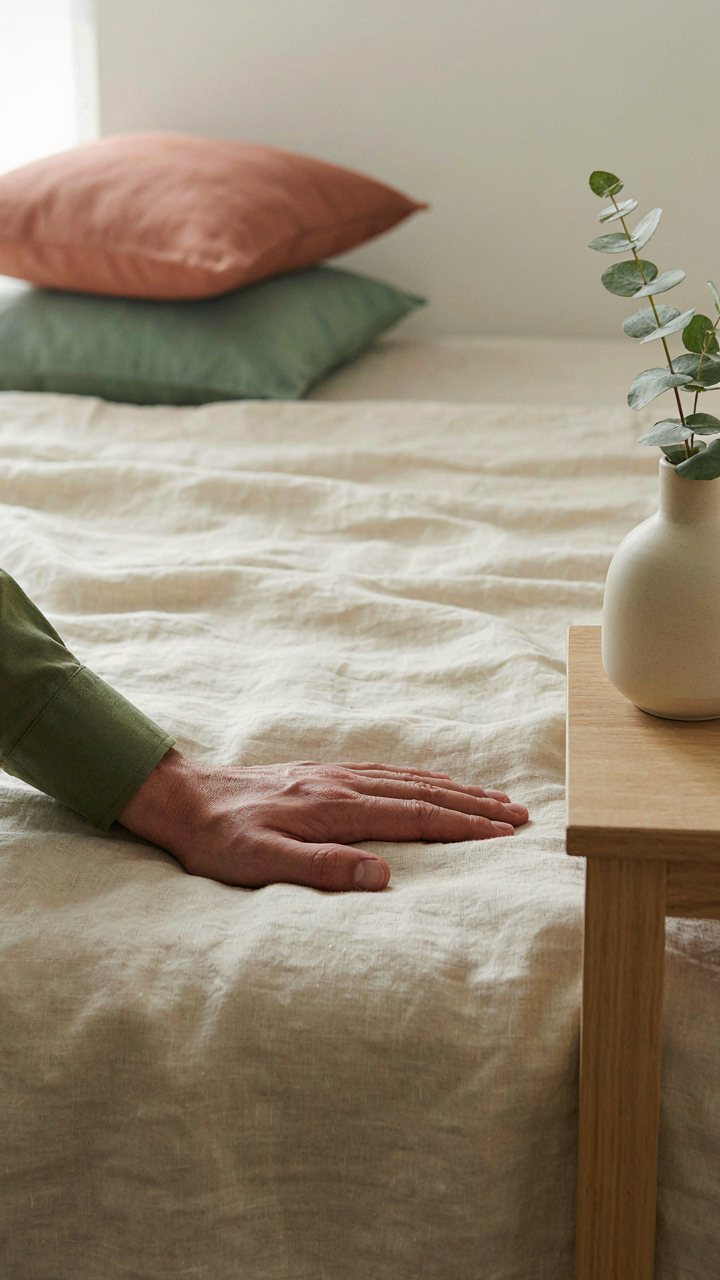
You picked textures because they looked nice. That’s decorating. Real farmhouse bedrooms work because layered natural materials regulate temperature, dampen noise, and anchor your nervous system before sleep. The shift is this: stop asking “does this look right?” and start asking “does this function right?” Open your closet today. Remove one synthetic item and replace it with raw linen or untreated wood. Your body will know the difference before your brain does. A bedroom engineered for rest doesn’t need your permission to work.