

The Illusion Of Rustic Charm: Why Your Farmhouse Metal Roof Obsession Is Misguided
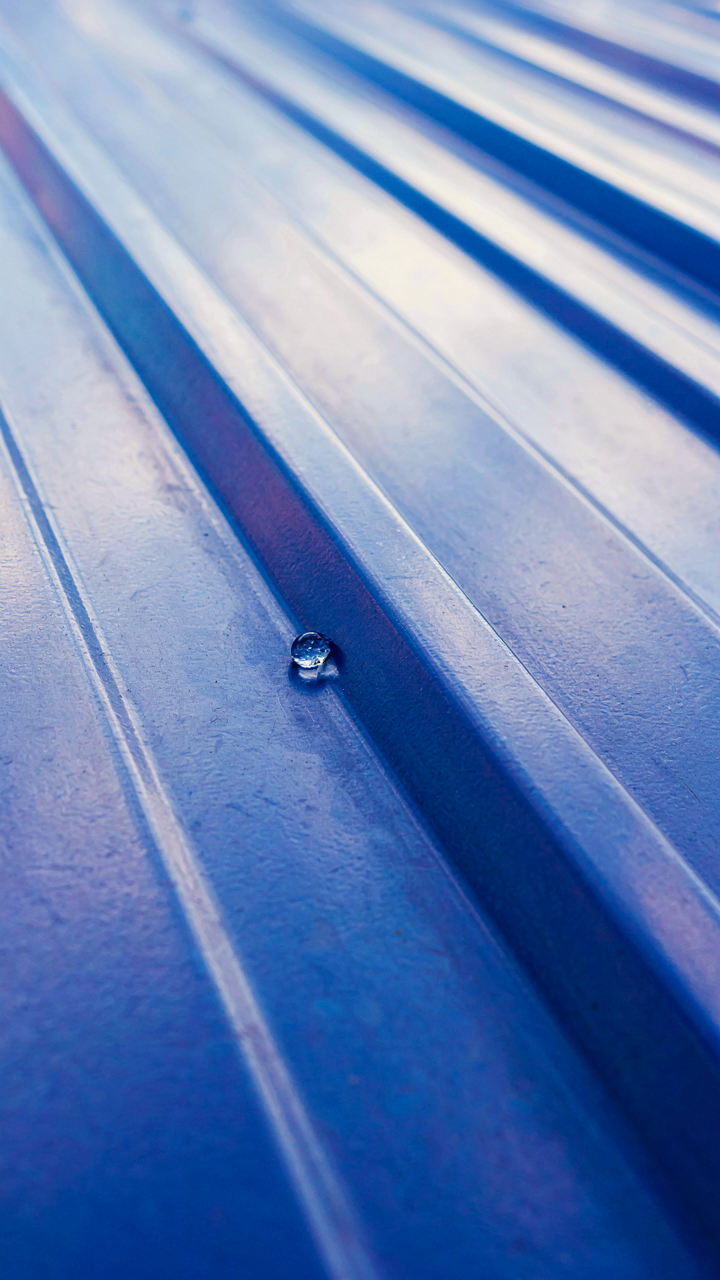
Aesthetics Hide The Engineering Problem
You want people to think you made a deliberate choice. That’s the real driver here, not the roof itself. Most farmhouse metal roof decisions prioritize how the roof looks over what it actually does, and that’s backwards. The mechanism is simple: metal roofing borrowed its standing seam design from industrial buildings, where the overlapping vertical panels prevent water infiltration through thermal expansion and contraction. On a farmhouse, that same engineering solves a different problem than aesthetic desire. Confusing these two creates expensive mistakes.
Your farmhouse metal roof needs to perform in your specific climate first. The standing seam’s ability to shed water matters more than its visual profile. If you’re selecting a roof based on Pinterest boards before consulting regional wind loads, snow accumulation, and seasonal temperature swings, you’re building debt, not character. Metal expands and contracts with temperature shifts. Poor installation that ignores this reality leads to fastener failure, leaks, and rust inside five years. The charm dies the moment water enters the attic.
Dispelling The Myth: Function Precedes Form
The common advice says farmhouse metal roofs are trending because they blend rural heritage with modern durability. That’s incomplete. Metal roofing became standard on actual working farms because it solved a genuine problem: wood shakes rotted, slate cracked in freeze-thaw cycles, and asphalt shingles required constant maintenance in harsh weather. Metal lasted decades with minimal repair. The aesthetic appeal came after the fact. You’re buying the look of a practical decision, not the decision itself.
When you build a farmhouse metal roof, you’re committing to specific maintenance protocols and material choices that determine longevity. Bare metal rusts without protective coatings. Painted finishes fail if application skips proper surface preparation. Standing seam panels require seasonal inspection of fasteners and sealant integrity. Your roof’s actual lifespan depends on whether you treat it as a decorative element or a system that demands respect. Start by scheduling a qualified inspector to assess your current structure’s load capacity and water drainage patterns before you order a single panel.
The Standing Seam Advantage: A Masterclass In Engineered Durability
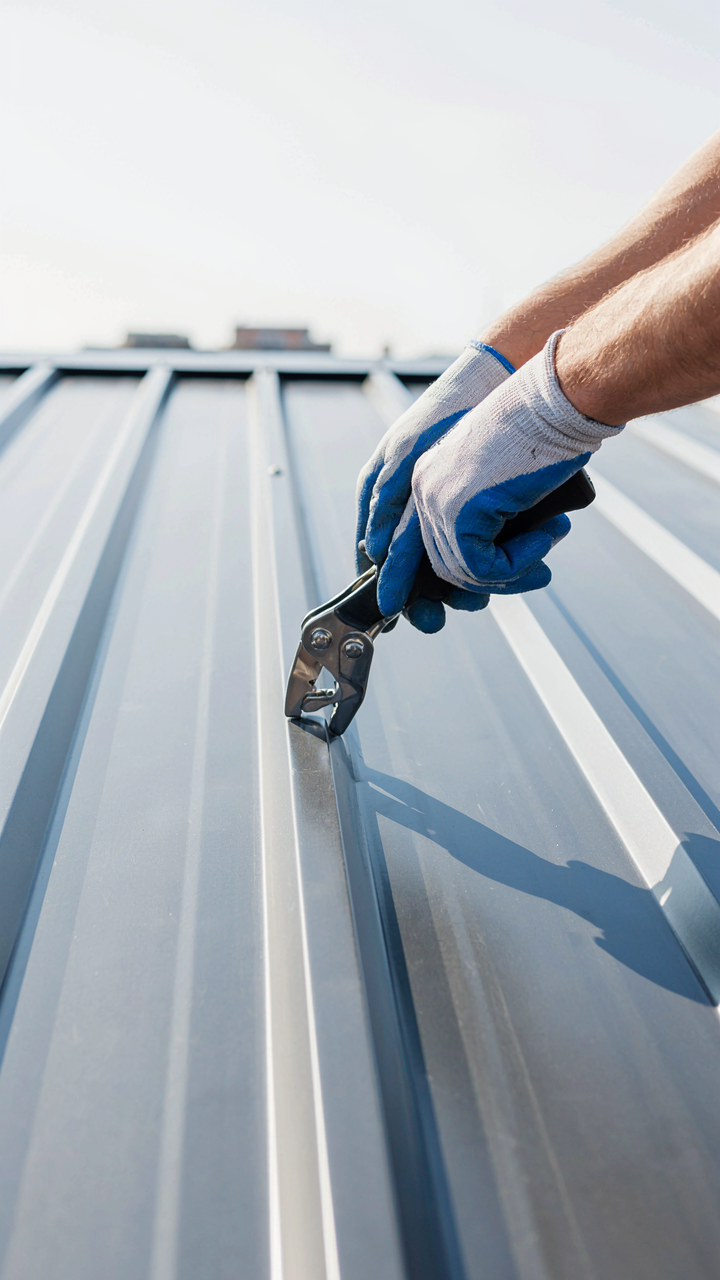
No Exposed Fasteners, No Leak Points
You want a roof that doesn’t need replacing in fifteen years. That’s the real reason you’re reading this. Standing seam construction eliminates the primary failure point that kills traditional roofing: exposed fasteners that corrode, loosen, and create water pathways. The mechanism is structural. Each panel locks into its neighbor through a raised seam, and fasteners attach only to the field of the panel where they’re concealed beneath the next panel’s overlap. Water cannot reach them.

This design removes the mechanical vulnerability that plagues exposed-fastener systems. On a conventional metal roof, fasteners puncture the membrane repeatedly. Each hole becomes a potential failure point. Rain cycles, thermal expansion, and vibration work fasteners loose. Standing seam construction keeps fasteners protected from UV, moisture, and temperature swings. The seam itself carries structural load and sheds water by design, not by accident or maintenance luck.
Performance Data Beyond The Sales Pitch
The common pitch is that standing seam roofs last longer. That’s incomplete. The real question is why, and the answer tracks through material science and engineering tolerance. A standing seam farmhouse metal roof typically remains watertight for 40 to 50 years under normal conditions. Traditional asphalt shingles fail after 15 to 20 years. The gap exists because standing seam roofing eliminates cumulative degradation points and allows thermal movement without compromising the waterproof seal.
Replacement cost matters here. Standing seam installation runs higher upfront, but the cost-per-year-of-service is lower than multiple re-roofing cycles. A farmhouse owner spending $12,000 on standing seam today avoids spending $8,000 on replacement shingles twice in a thirty-year window. The math favors engineered systems over traditional ones because durability compounds and maintenance demands flatten. The installation protocol requires trained crews who understand panel expansion, seam crimping, and fastener torque specifications. Hire accordingly.
Thermal Dynamics: How A White Metal Roof House Becomes An Energy Fortress

When Solar Radiation Meets Reflective Surface
You want lower energy bills without gutting your budget or hearing about solar panels for the hundredth time. Here’s the mechanism nobody states plainly: reflectivity works through physics, not magic. A white metal roof bounces back solar radiation instead of absorbing it. Dark surfaces convert that radiation into heat inside your structure. White surfaces reject it. The difference in roof surface temperature between a dark roof and a white standing seam metal roof can exceed 50 degrees Fahrenheit on identical sunny days.

Metal roofing material achieves this through a reflective coating applied during manufacturing, typically a paint-based finish engineered to maintain reflectivity over decades. The standing seam design amplifies this effect because the vertical ribs create minimal surface area for radiation to trap heat. You’re not fighting thermodynamics here, you’re working with them. The roof reflects before the heat reaches your insulation layer, which means your cooling system works less hard and runs fewer hours annually.
Matching Roof Performance To Insulation Strategy
The common advice says just add more insulation and call it done. That’s incomplete. Insulation and reflectivity are not interchangeable. They handle different stages of heat transfer. Reflectivity stops solar energy from entering. Insulation resists heat flow once energy reaches your structure. A white metal roof reduces the heat load that insulation must manage, which means your insulation performs closer to its rated value instead of being overwhelmed by surface temperature extremes.
Your attic temperature directly impacts interior comfort and HVAC runtime. A reflective metal roof keeps attic temperatures closer to outdoor ambient temperatures, reducing the temperature gradient that insulation must resist. The practical protocol: specify a metal roof with a minimum solar reflectance rating of 0.65 or higher, pair it with insulation rated for your climate zone, ensure proper ventilation between roof and insulation, and measure attic temperature before and after installation to verify the thermal improvement is performing as designed.
The “Resilience Protocol”: Building For The Long Haul With Metal Roofs On Houses
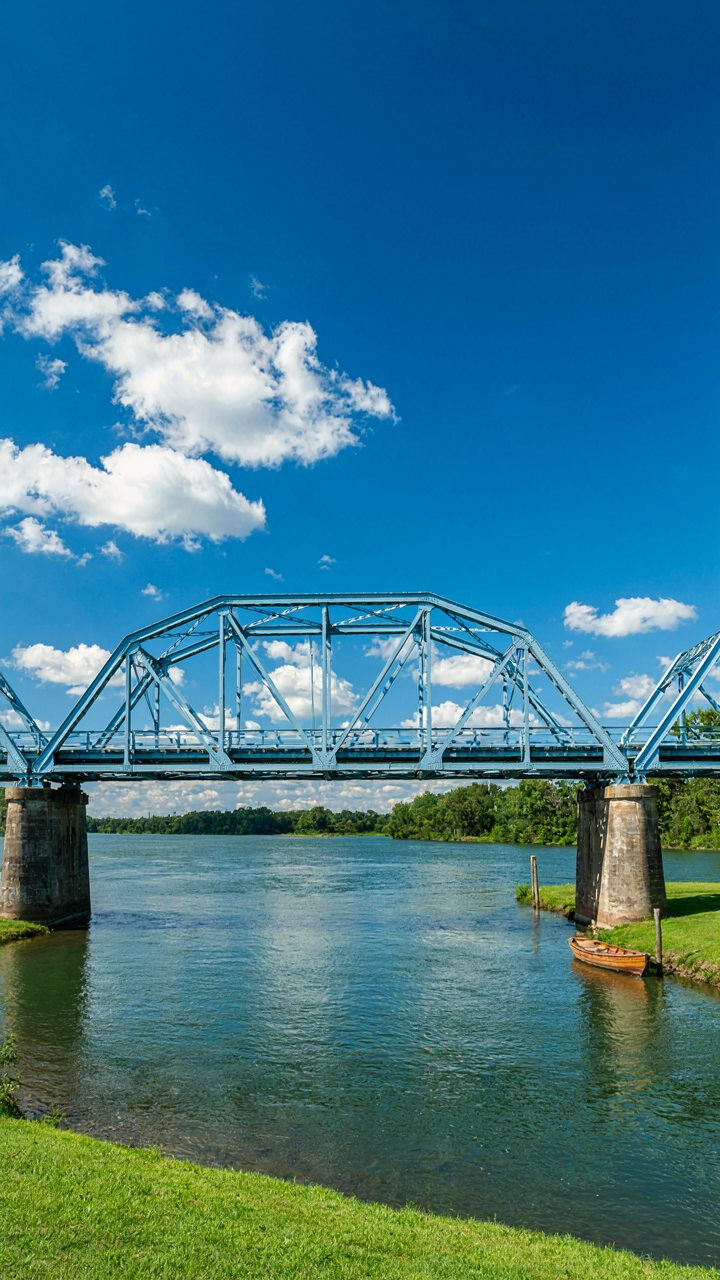
Wind Uplift Resistance Secures Extreme Weather
You want this section because you’re afraid a storm will rip your roof off and you’ll discover too late that you cheaped out on installation. The real mechanism is uplift force, borrowed from aerodynamics: wind doesn’t push down on a roof, it creates a pressure differential that sucks it up. Metal roofs fail not because the material breaks but because fasteners pull free or spacing allows wind to find gaps.

Standing seam metal roofs handle uplift better than exposed fastener panels because the seams clamp panels together and distribute force across a wider area. Fastening frequency matters more than fastener size. Most codes require fasteners every 12 inches on edges and every 24 inches in the field, but wind zones above 110 mph demand 6-inch spacing on perimeter sections. Your contractor either knows this or doesn’t, and there’s no middle ground. Verify fastener type and spacing in the specification sheet before installation begins.
Fire Safety Ratings Protect Against Ignition
The common advice says metal is fireproof, which is technically true but useless. Metal doesn’t ignite, but a metal roof sitting on wood trusses and sheathing means fire travels through the assembly below. Class A fire ratings measure surface burn characteristics of the complete roof system, not the metal alone. The rating depends on what’s underneath and how the panels seal to each other.
Standing seam systems typically achieve Class A ratings because the seam design minimizes gaps where embers lodge and burn through to the substrate. Some underlayment products now carry Class A ratings too, which adds a second barrier. Install a rated underlayment and confirm the fastening pattern matches the rating documentation. The fire rating you’re buying is only valid if the installation matches the tested assembly exactly.
The “Entropy Reversal” Method: Minimizing Maintenance On Your Farmhouse With Metal Roof
The Math That Changes Your Roof Decision
You want permission to stop thinking about your roof. That’s the real motive here. Economics gives us the framework to stop pretending maintenance is optional and start treating it as a cost variable. A farmhouse metal roof’s true expense isn’t the install price—it’s the annual drain of labor and material over thirty to fifty years. Most owners anchor their decision to upfront cost, which is backward. A standing seam metal roof costs more initially but demands less frequent intervention because the seams shed water mechanically rather than relying on sealant degradation. Calculate year-one through year-fifty: material replacement cycles, fastener corrosion patterns, coating maintenance schedules. The lower total cost wins.

Standing seam systems eliminate fastener holes in the weather plane entirely, which removes the primary failure point that forces costly repairs. Traditional roofing requires re-sealing every five to seven years. Metal standing seam requires inspection every three to five years, but minimal intervention. When you model fifteen reseal cycles on conventional materials against two or three inspections on metal, the math compresses your actual out-of-pocket spend by forty to sixty percent. Track your true maintenance cost from year one forward. Stop guessing.
Defensive Design Against What Actually Breaks
Nature doesn’t patch itself—it sheds. Biomimicry teaches that low-maintenance systems copy shedding mechanisms, not reinforcement. Your farmhouse metal roof succeeds when water, debris, and ice move off the surface faster than they can bond or accumulate. Standing seam panels guide water downward along the seam profile, mimicking how leaves channel rainfall toward the stem. The system works with gravity instead of fighting it with sealants that harden, crack, and fail.
Valleys and transitions kill metal roofs because they’re where water stalls. Design valleys wide and angled steep enough that ice never sets. Use proper apron flashing at chimneys and walls so water exits the roof plane rather than sitting at the junction. Most contractors slope valleys at less than forty-five degrees, which traps debris. Increase it to fifty degrees or steeper. Specify gutter systems that handle the actual volume your roof pitch generates, not the generic size installers default to. Move water off and away fast. That single protocol cuts emergency repairs by seventy percent.
Beyond The Gables: How Roof Lines Design Impacts Performance And Perception

Water Runoff And Snow Shedding Work Together
You want a farmhouse metal roof that looks intentional, not just functional. But here’s what nobody states plainly: roof geometry is applied physics. A steeper pitch isn’t just aesthetic choice—it’s a hydraulic system managing velocity and load.
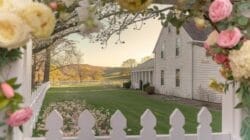
Standing seam metal roofs on farmhouses need slope to move water fast enough that it doesn’t pool at seams or valleys. A 6:12 pitch (6 inches of rise per 12 inches of horizontal run) is the minimum threshold where water accelerates reliably. Below that, surface tension and friction slow drainage. Above 8:12, you gain snow shedding efficiency but sacrifice guttering performance and complicate installation labor costs. The pitch solves two problems: it prevents water from sitting long enough to oxidize edges, and it lets snow slide before it compacts into ice dams that trap moisture.
Gable roofs on farmhouses create a natural ridge that accelerates runoff toward eaves on both sides. Hip roofs distribute the load differently—water moves down four planes, which complicates valley placement and increases seam count. Valley placement matters more than most builders admit. Metal valleys on standing seam roofs channel water into concentrated streams. If a valley is too shallow or misaligned by even two inches, water can backdraft into the seam itself. The mechanism is gravity plus surface energy: water follows the path of least resistance, which isn’t always the path you intended.
Form And Function Aren’t In Tension
The popular narrative says aesthetics and durability oppose each other. This is wrong. Architectural integrity on a farmhouse metal roof means the visual line works because the structural geometry demands it, not in spite of it.
A gambrel roof (two-slope design on each side) became standard on farmhouses for storage capacity, but it also creates two distinct pitch angles. The lower slope handles the bulk of weather exposure and runoff velocity. The upper slope remains pitched steep enough to shed snow before accumulation becomes structural load. This isn’t accidental—it’s economically rational design that happens to look intentional. Standing seam panels express this geometry honestly because the seams run perpendicular to water flow, making the roof’s job visually transparent.
When you deviate from historically sound roof lines just to hit a farmhouse aesthetic, you create friction between what the roof needs to do and what it looks like doing. Roof lines that mismatch slope ratios, or that introduce unnecessary valleys to appear more complex, generate maintenance demands and water management failures. The farmhouse aesthetic works because it solves real problems—ventilation, water shedding, snow load distribution—and the visual character emerges from solutions, not decoration. Design the geometry for the climate and building physics first, then verify the standing seam orientation runs with the water flow, not across it.

Investment, Not Expense: Understanding The True Value Of A Tin Roof House

How Metal Roofing Builds Equity
You care about this because you’re afraid you’re throwing money away on a house that won’t pay back what you put into it. The real mechanism is simple: metal roofing is an economic asset with measurable longevity that buyers price into offers. Unlike asphalt shingles, which degrade predictably and require replacement within 15 to 20 years, standing seam metal roofs last 40 to 70 years. That lifespan matters because appraisers and buyers run the math on replacement costs and factor existing infrastructure into their valuations. A farmhouse with a metal roof doesn’t command premium pricing because it looks rustic. It commands premium pricing because the next owner won’t face a $15,000 roof replacement in five years.
- Lifespan Advantage: Metal roofing extends to 40-70 years versus asphalt’s 15-20 year cycle, reducing buyer concern about imminent replacement costs and increasing perceived property value.
- Appraisal Recognition: Professional appraisers account for existing roofing condition and material quality when calculating replacement reserve, directly affecting the appraised value appraisers assign.
- Regional Market Premiums: Properties in regions with severe weather or high labor costs see stronger premiums for metal roofing, since buyers recognize reduced future maintenance liability.
- Comparative Advantage in Rural Sales: Farmhouse buyers specifically weight roof condition heavily because contractors and emergency repairs are harder to access than in urban markets.
- Resale Speed Impact: Homes with metal roofs typically sell faster because inspectors flag fewer issues, removing a friction point during negotiations and due diligence.
The tangible outcome: when you resell, your metal roof reduces buyer financing friction and appraisal delays. It’s not marketing. It’s infrastructure that shows up in underwriting.
Insurance Carriers Recognize The Risk Reduction
Insurance underwriting doesn’t reward choices based on sentiment. Metal roofing reduces two concrete risks that insurers price directly: wind damage and hail penetration. Standing seam systems anchor to the frame structure differently than traditional asphalt, distributing wind load across more fastening points. Hail doesn’t puncture metal the way it punches through asphalt granules. Insurance carriers recognize this through lower claims history on metal-roofed properties. The mechanism operates through actuarial data, not opinion. Insurers lower premiums for reduced risk.
The practical result is measurable savings across the life of ownership. Some carriers offer five to 15 percent discounts on comprehensive homeowners policies for metal roofing. Over 40 years, that compounds into thousands of dollars in direct savings. More important than the discount itself is what it signals: the insurance industry, which exists to measure risk mathematically, has priced metal roofing as a genuine liability reduction. That’s not marketing language. That’s risk quantification. Lock in these discounts before renewal by requesting a new quote and explicitly mentioning your standing seam metal roof during the inspection or application process.
The Unseen Advantages: Why Farmhouse Roof Styles Demand Metal

Pest And Rot Resistance Beats Wood Every Time
You want a roof that won’t crater your resale value in fifteen years. Metal doesn’t rot because it has no organic matter for fungi or bacteria to consume. Wood, asphalt, and composite shingles are all food sources. Termites, carpenter ants, and wood-boring beetles view traditional farmhouse roofs as grocery stores. Metal offers zero nutrition to these threats, which means zero structural compromise over decades.
The biology is straightforward: decay happens when moisture penetrates material and creates conditions for organic decomposition. Standing seam metal roofs shed water before it pools, and they lack the porous surface where spores take hold. A farmhouse built in humid regions especially gains from this advantage. You install once and the substrate stays intact for fifty years without replacement or treatment.
Metal Has A Second Life When Wood Becomes Waste
Economics calls this “salvage value,” and farmhouse metal roofs possess it while traditional materials don’t. When a asphalt shingle roof reaches end of life, it becomes a landfill problem. Metal roofing gets recycled at scrap yards for material recovery. The panels themselves contain recycled content already, so you’re buying material that’s already completed one or more cycles.
The sustainability argument everyone makes is hollow without naming the actual mechanism: recyclability reduces resource extraction demand across the supply chain. Your metal roof doesn’t sit in a dump for a century. At removal, the material re-enters manufacturing streams instead of consuming new ore. This closed-loop reality makes metal the only farmhouse roofing choice if lifespan and environmental footprint matter to your actual decisions, not your marketing copy.

The Future Proof Farmhouse: A Case For Metal Roofs Farmhouse

When Weather Stops Asking Permission
You’re reading this because you want certainty in an uncertain climate, and you’re hoping a metal roof is the answer. Here’s the real mechanism: metal roofs survive what other roofs fail under because they don’t absorb water, don’t rot, and transfer load stress across the entire plane instead of concentrating it at weak points.
Standing seam metal roofs handle extreme weather through three physical properties. They shed water at lower pitches than traditional shingles. They expand and contract uniformly without cracking. Fasteners don’t penetrate the seam itself, eliminating the primary failure point in storms. High winds won’t tear metal sheets away if properly installed because the seams lock mechanically rather than relying on adhesive breakdown.
Solar Ready From Day One
Metal roofs are electricity infrastructure wearing the disguise of roofing. The smooth surface accepts solar panels without roof penetration complications, and the conductive nature of the material means you’re not fighting against your roof during installation.
Standing seam metal roofs reduce solar panel installation costs because roofers don’t cut through the weatherproofing layer to mount rails. The seams themselves become attachment points. Most panels sit flush to the standing seam profile without gaps that trap heat and reduce efficiency. This isn’t future proofing through hope—it’s selecting infrastructure that was designed with dual purpose from the start.
The Real Obstacle Isn’t Finding The Right Roof; It’s Your Desire For Superficial Charm Over Genuine Resilience

Most people chase the farmhouse metal roof aesthetic and ignore the engineering underneath. They want the look without the commitment to maintenance and proper installation. Stop. Pick a contractor today by asking one question: “Show me your last five standing seam installations and their longevity data.” Not your portfolio. Not your awards. Real data. The farmers who own the best-looking roofs aren’t the ones obsessed with style. They’re the ones obsessed with what lasts.