

The Myth Of Effortless Charm: Why Your Fisherman Cottage Looks Generic
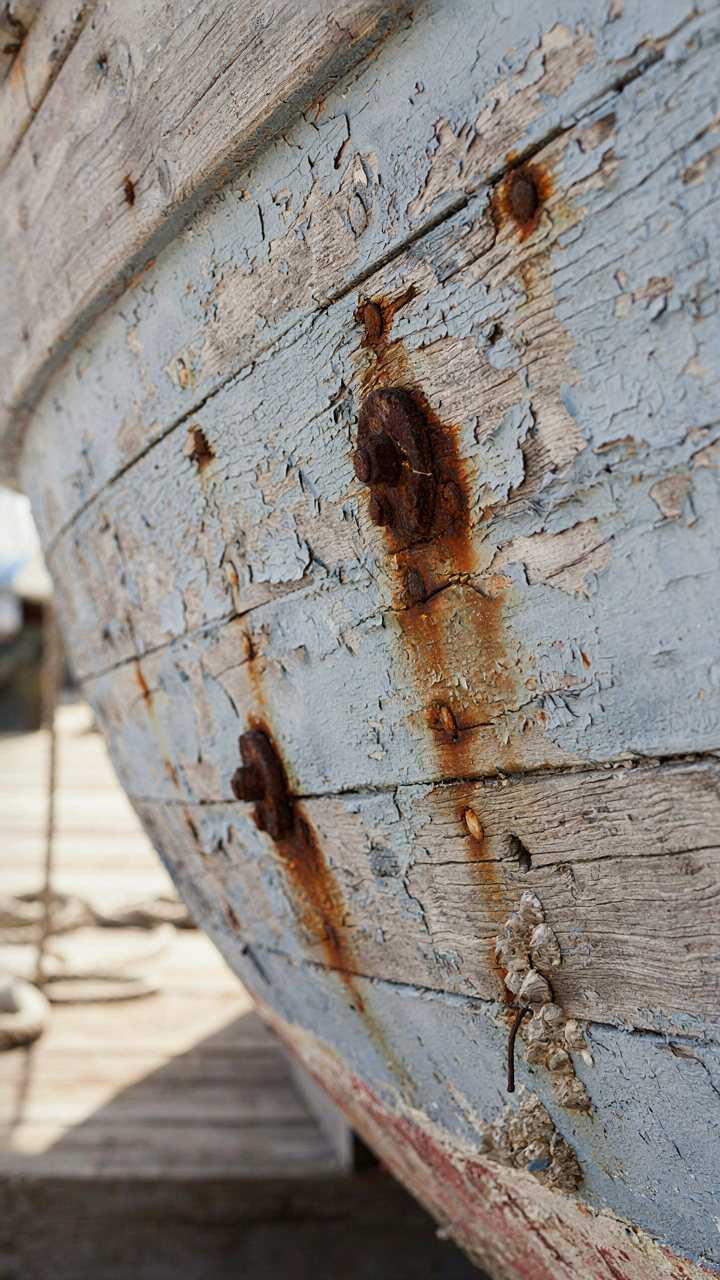
The Curated Facade: Artificial Aging Versus Authentic Wear
You want people to believe your space happened by accident, not by design choice. The mechanism is simple: real fisherman cottages weren’t built to look weathered. They were built to survive. That distinction kills every Instagram version of this aesthetic you’ve seen.
Authentic fisherman cottages earned their patina through salt spray, manual labor, and decades of coastal exposure. Mass-produced “distressed” finishes mimic the surface but skip the substrate. Artificial aging targets visual markers—paint chips, wood grain, rust spots—without understanding the physics of degradation. Real weathering follows material science. It happens where water pools, where wind hits hardest, where salt corrodes metal fastest. Fake aging distributes damage evenly across surfaces because it follows design rules, not environmental ones.
Ignoring The Elements: Why True Character Takes A Beating
Most people treat a fisherman cottage aesthetic as a static visual inventory to replicate. That’s backward. The style only functions when you accept ongoing deterioration as the design itself, not a problem to solve.
Real fisherman cottages develop character because owners work with material failure, not against it. When wood rots in one corner, they patch it visibly rather than replace the whole section. When metal rusts, they let it oxidize to a stable state instead of stripping it clean. The cottage ages because it’s maintained through use, not preserved in amber. If your fisherman cottage renovation stops the moment construction ends, you’ve built a museum exhibit. Actual character requires a maintenance protocol that documents and accepts material change over a five-to-ten-year cycle, capturing transformation as the core design feature rather than fighting it.
The Brutalist Aesthetic Of A Working Fishing Cottage
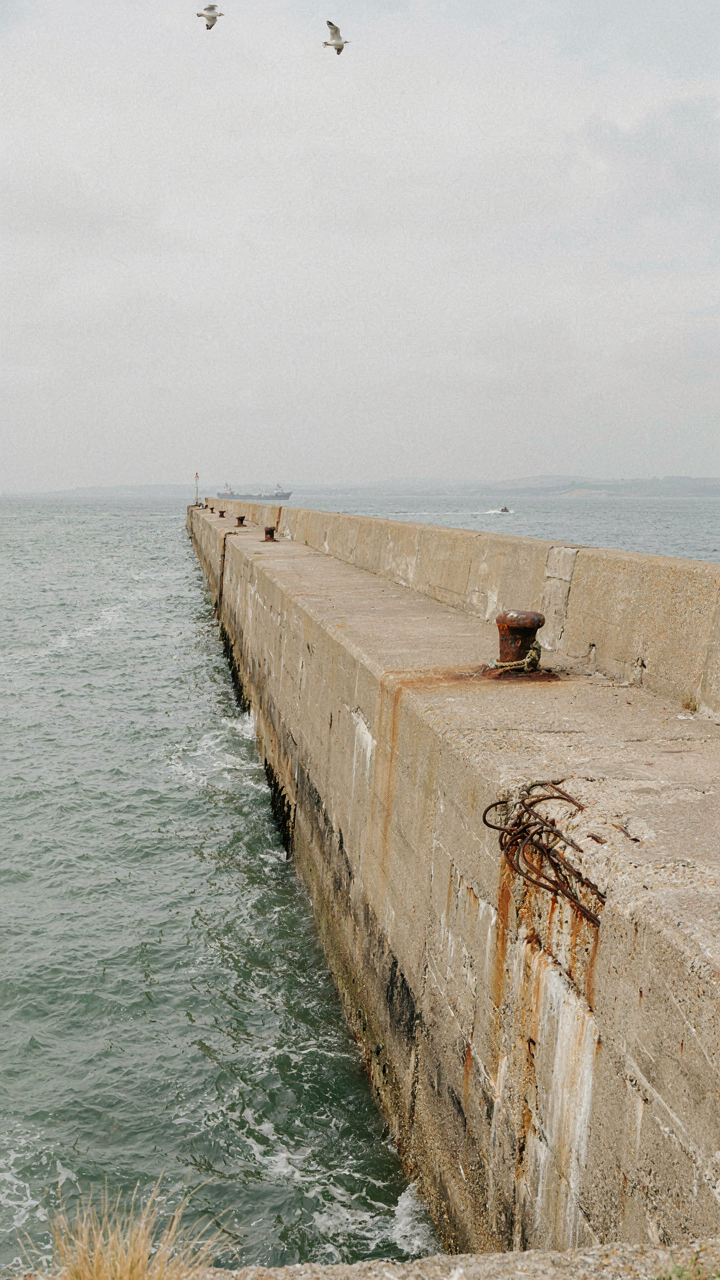
When Necessity Designs The Space
You want to feel authentic without the actual risk of losing money on a boat. The mechanism is simple: fishing cottages were never designed. They evolved. A fisherman built or rented a small structure near the water because proximity to work eliminated wasted time and travel cost. Everything inside served the catch, the repair of nets, the storage of equipment. Form followed function with zero negotiation. A window faced the harbor not for the view but for spotting weather and boat status. Walls were thick not for coziness but against salt spray and wind load.

This constraint-driven design teaches what modern interior design hides: decoration is what happens after survival is solved. A fisherman cottage stripped of nostalgia is a brutalist statement. It has no ornament because ornament does not dry fish or mend a hull. When you copy this aesthetic without understanding the work that generated it, you create a performance of authenticity. Real fisherman cottages still exist in working villages. They teach the inverse principle: eliminate everything that does not solve a problem on the water or in the home of someone who works there.
Materials That Survive Salt And Neglect
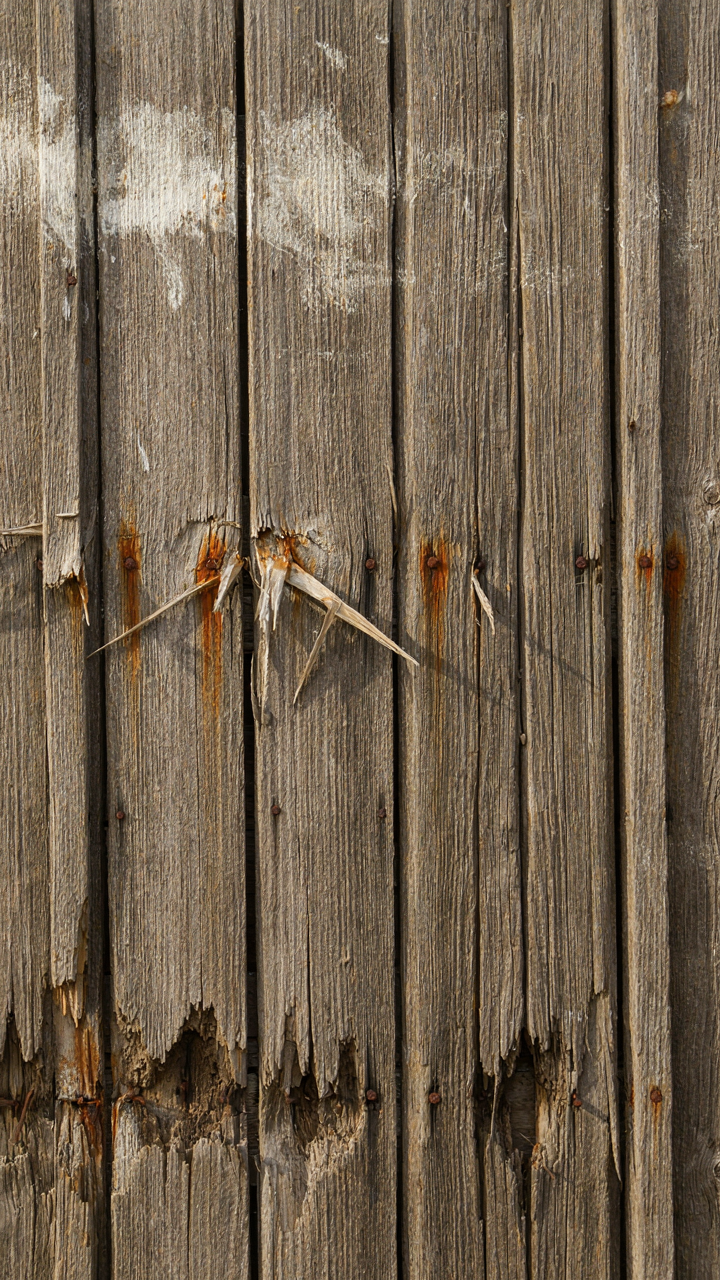
- Untreated Wood: Exterior siding left unfinished to gray naturally. Salt air accelerates weathering, creating silver-toned patina without paint or stain. Interior beams remain rough-hewn, showing tool marks and knots as structural evidence, not aesthetic choice.
- Concrete And Stone Foundations: Fishermen poured or laid solid bases to resist moisture infiltration and freeze cycles. These age without degradation. Cracks and stains document weather exposure and become visual proof of endurance, not flaws to repair.
- Rope And Metal Hardware: Galvanized bolts, wrought iron hinges, and hemp rope served multiple functions on boats and in homes. They rust in visible ways. Oxidation is a material signature, not decay requiring intervention.
- Reclaimed Boat Materials: Broken masts, old cleats, decommissioned rigging, and hull planks found second life as door frames, shelving supports, and wall elements. These materials carry the actual history of the harbor, not a simulated version of it.
- Unfinished Plaster And Brick: Interior walls often show raw masonry or lime-based plaster with no coating. These breathe with humidity shifts. Cracks and color variation map the building’s settlement and age without concealment.
The mistake most people make is treating weathered materials as a style choice rather than a material fact. You cannot buy brutalism. You can only understand why a fisherman cottage looks the way it does and honor that logic in material selection. Choose materials that improve with exposure instead of fighting it. This is not restraint. It is alignment with how things actually perform in salt environments.
The “Tide Erosion” Protocol For Authentic Weathered Harbor Charm
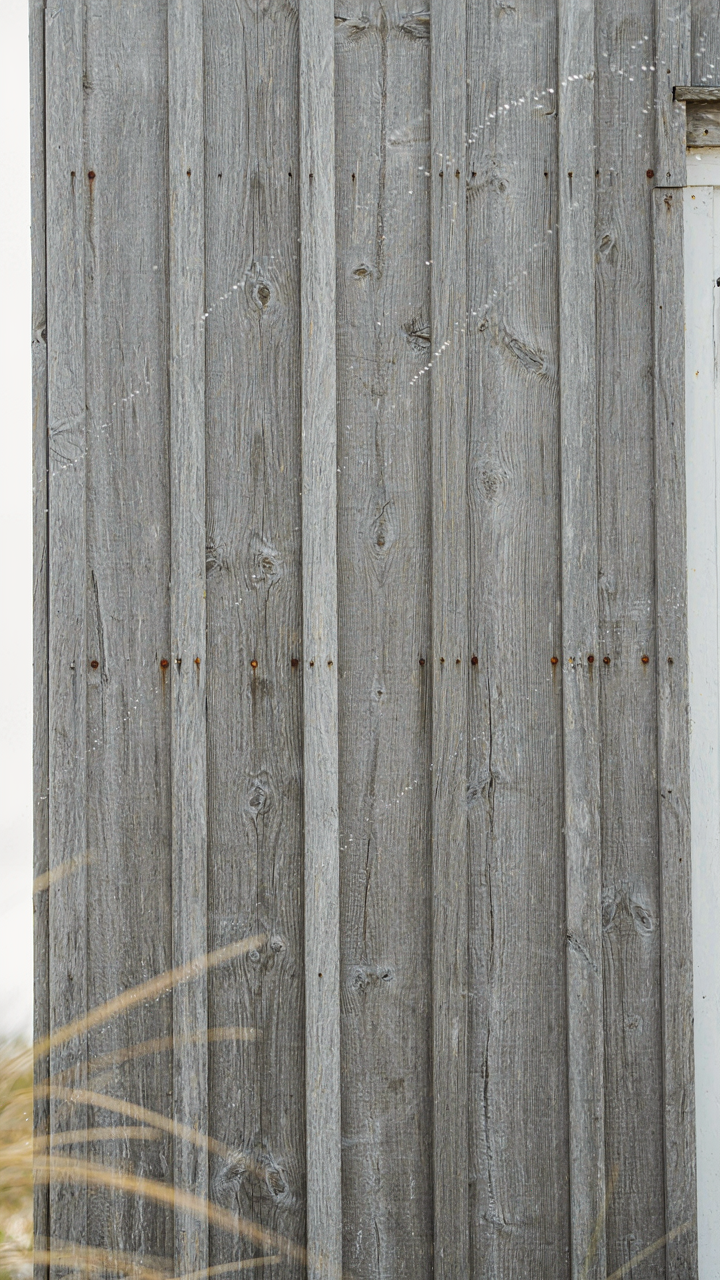
Let Nature Do The Work
You want the aesthetic without admitting you can’t afford constant maintenance. The mechanism is simple: weathered harbor charm isn’t a design choice you make once and lock in place. It’s a system you set up and then abandon strategically. Erosion, in geological terms, is the removal of material by natural forces over time. A fisherman cottage uses the same principle. You select durable materials that degrade beautifully, expose them to their intended environment, and resist the urge to restore them. Wood siding weathers gray. Metal oxidizes. Stone fractures in patterns. These aren’t failures. They’re the exterior aging on schedule.
The mistake most people make is treating weathering as something that happens to a cottage against your will. It doesn’t. You engineer it. Choose untreated cedar or pine for siding, not pressure-treated lumber that stays the same color for decades. Leave exterior wood unfinished. Place it where wind and salt spray reach it. In coastal regions, the combination of moisture, salt, and temperature fluctuation accelerates this process predictably. The cottage doesn’t look old because you’re nostalgic. It looks old because you built it to age visibly and then let physics do the work.
Reclaimed Pieces Tell A Structural Story
Most fisherman cottage design advice says to hunt for “authentic” salvage and arrange it decoratively. That’s backward. Real salvaged marine elements work because they solve problems the original structure faced. A weathered fishing net wasn’t hung on a wall for charm. It was functional. A porthole window wasn’t installed for visual interest. It existed because boat-building principles transferred to coastal homes. When you layer these elements into a cottage, you’re not collecting artifacts. You’re replicating a logic. The exterior should show evidence of real use, repair, and adaptation over time, not curated vintage staging.

Source salvaged materials from actual maritime sources whenever possible: decommissioned fishing boats, harbor equipment, old dock structures. A genuine ship’s timber incorporated into framing or flooring carries the history of saltwater exposure and structural stress. An actual rope railing from a working vessel functions as both safety and narrative. The protocol is direct: identify what a working fisherman needed, find the real version of that object, and integrate it where it solves or reinforces an actual design challenge. This transforms the cottage from a themed space into a place that reflects genuine maritime history through material and function.
Fisherman’s Cottage Interiors: Function Dictates Form
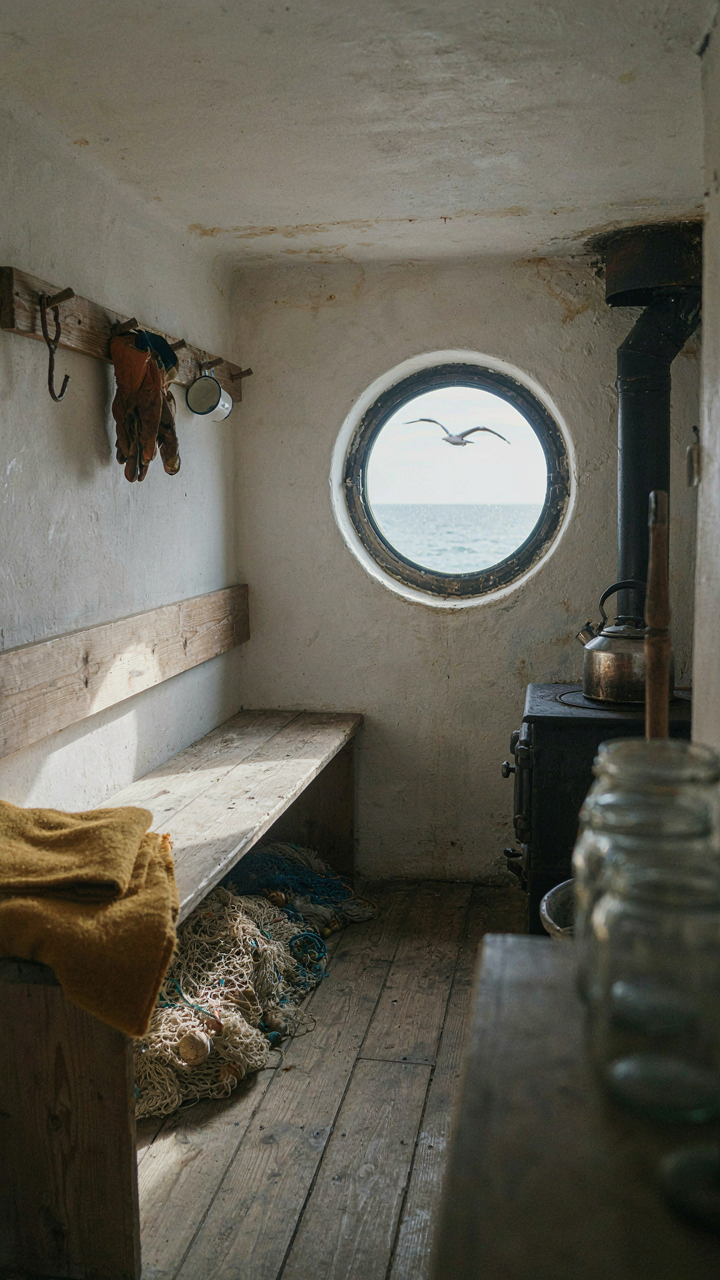
Spartan Efficiency Maximizes Small Spaces
You want this aesthetic because it signals you’re practical, not wasteful. But the real mechanism isn’t about minimalism as virtue—it’s about constraint forcing design. A fisherman’s cottage, typically 600–900 square feet, never had room for decoration. Every piece solved a problem. The built-in bench seats stored nets underneath. The open hearth served cooking and heat. Walls held pegs, not art. This wasn’t intentional simplicity. It was necessity creating a system.
Storage integration into structure itself is what separates functional cottage design from diluted modern minimalism. Shallow shelving runs along walls at elbow height to exploit dead space. Niches carved into stone hold daily tools without eating floor area. Furniture pieces double as storage vessels—chests become seating, tables have drawers, ladder backs hold rope or cloth. The cottage interior operates like a ship’s cabin: no surface exists for its own sake. Identify what needs to stay accessible, then build that storage directly into walls, not in front of them.
Nautical Ergonomics For Motion And Moisture
Ergonomics borrows from maritime design, which solves one core problem: function under constant movement and wet conditions. A fisherman cottage needed to operate in dampness. Salt spray corrodes. Water pools. Textiles rot. This shaped every interior choice. Flooring sloped slightly toward a drain point. Stone or slate won out over wood where water gathered. Furniture sat elevated on feet, not directly on floors, leaving air space underneath. Upholstery was minimal—a wool blanket over a wooden frame, not fabric-wrapped padding that holds moisture.

Materials in a working fisherman cottage earned their place through performance in salt environments. Oiled wood resists dampness better than sealed wood. Cast iron holds up where steel rusts. Wool, linen, and canvas dry faster than cotton blends. The interior rhythm matches the work: wet gear comes indoors, dries near heat, then gets stored in overhead racks away from standing moisture. Install ventilation that moves air constantly, not just when windows open. Position furniture legs on stone or metal feet, never directly on masonry. This single protocol—raising everything off the floor—cuts mold and extends material lifespan by years.
Beyond The “Cottage Aesthetic”: Embracing Marine Reality
What The Ocean Actually Does
You want the weathered look without the weathered consequences. That’s the real tension here. Biology has a term for this: ecological succession. It’s the predictable sequence of species colonization that follows disturbance. In a fisherman cottage, the ocean doesn’t colonize with plants—it colonizes with salt, moisture, and structural decay. You can’t Instagram your way out of this mechanism.
Salt spray doesn’t just darken wood. It penetrates the cellular structure, breaks down protective finishes, and creates pathways for water infiltration. Neglect a fisherman cottage for two seasons and you’re not getting texture—you’re getting rot. The halophytic environment (salt-loving) accelerates wood degradation exponentially. Wood fiber separates. Fasteners corrode. Paint fails not from age but from substrate failure beneath it. This is biological progression, not aesthetic aging.
Maintenance Is The Design Decision
The common advice says “embrace the weathering.” That’s incomplete thinking. Entropy always wins—but only if you let it. The real choice isn’t between pristine and rustic. It’s between controlled degradation and uncontrolled collapse. Maintenance protocols determine which path your cottage takes.

A fisherman cottage requires interventions at specific intervals or the structure surrenders to salt and moisture. This isn’t optional philosophy. You either establish a maintenance rhythm—typically annual caulking, bi-annual sealant reapplication, and immediate fastener replacement—or you inherit catastrophic foundation repair. The weathered aesthetic people actually want is managed decay, not abandoned decay.
The Economics Of Rust: Why “Distressed” Costs More
Manufactured Decay Versus Natural Degradation
You want the aesthetic without the wait, and that gap between desire and reality is where pricing gets weird. Economics calls this “information asymmetry” in markets, and fisherman cottages exploit it perfectly. A builder can artificially age wood, hardware, and finishes in weeks. Natural weathering takes decades. Buyers can’t easily tell the difference, so sellers charge premium prices for the shortcut, betting on visual similarity masking the material truth underneath.
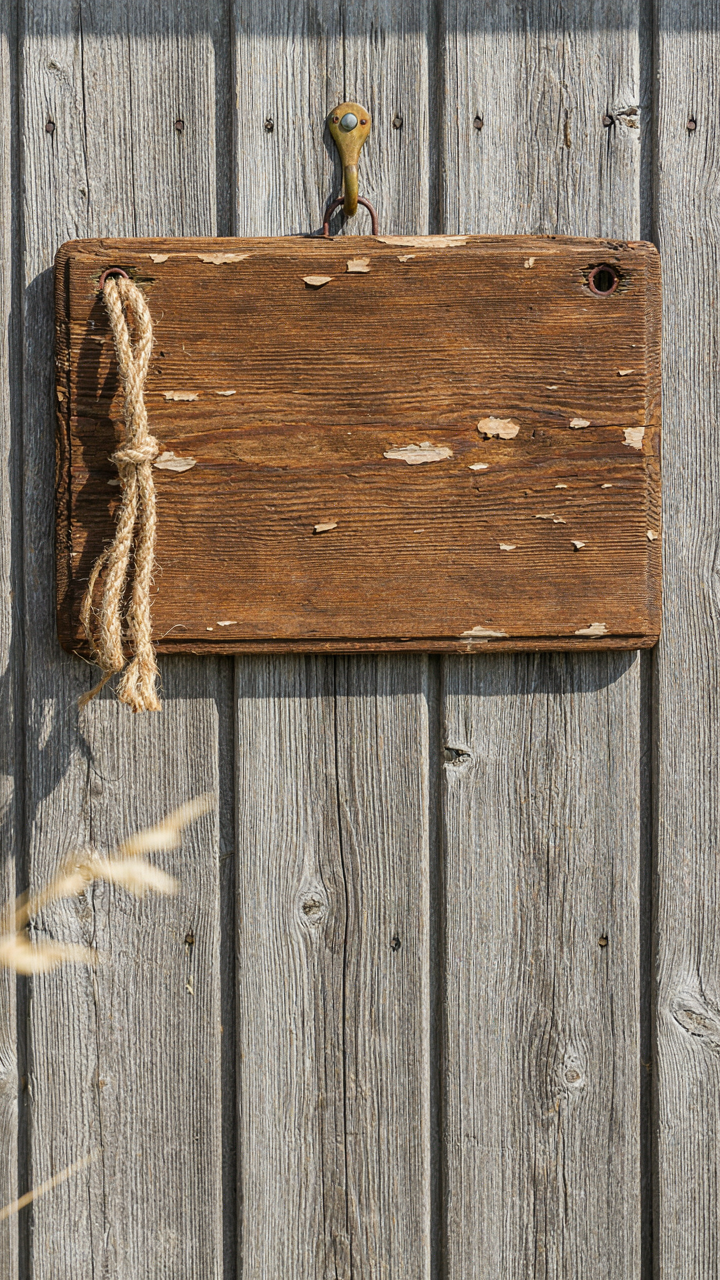
The real cost driver isn’t the labor to fake degradation. It’s the material quality required to make fake degradation look intentional rather than cheap. Genuine vintage hardware costs more because it’s scarce and proven durable. New hardware artificially patinated costs more because manufacturers engineer it to weather in specific, controlled ways. Both paths end at higher prices than mass-produced, shiny alternatives, but the fake-old route sells faster because it delivers instant heritage without the actual history.
Authentic Imperfection Commands A Price Premium
The common advice says “distressed finishes are trendy, so buy the trendy version.” Wrong. Authentic weathering is expensive because scarcity is expensive. A fisherman cottage with actual original cladding, windows, and fittings from the 1950s cannot be replicated at scale. Reproduction versions can, which means they should cost less. Instead, they cost more because buyers perceive original-aged materials as markers of status and authenticity they cannot manufacture themselves.

Distressed finishes cost premium prices because they signal investment in the narrative, not the material. A homeowner pays extra for the design concept that says “I understand heritage aesthetics well enough to commission professional-grade aging.” The mechanism is simple: charge more for anything that requires a designer’s taste rather than a contractor’s labor. When you’re paying for the story attached to the imperfection, not the imperfection itself, you’re paying a markup on perceived knowledge. Lock in original materials where they exist, and negotiate hard on reproductions where they don’t.
Crafting A Dream Cottage: Not A Decorator’s Fantasy
Build For Wear, Not Instagram
You want a fisherman cottage because you think it signals authenticity. That’s the fear talking. The real mechanism here is material selection based on salt exposure tolerance, not aesthetic preference. Coastal living corrodes soft materials fast. Teak, cedar, and galvanized steel survive. Drywall doesn’t. Paint peels. Cheap hardware oxidizes in months. Fisherman cottages work because the people who built them couldn’t afford replacements, so they chose materials that outlasted trends by decades.
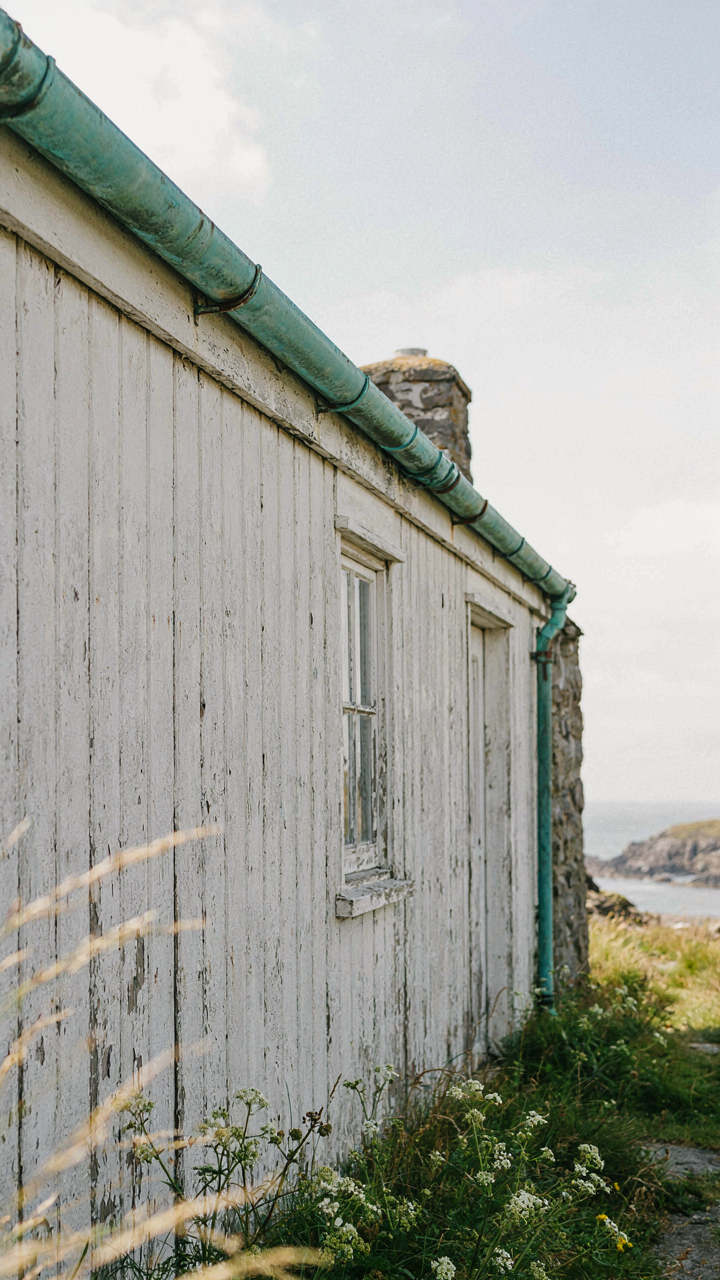
The common advice is to embrace distress and call it character. That’s backwards. Distress is damage. Character comes from materials that absorb punishment and look better for it. A copper gutter that patinas green doesn’t look aged—it looks like it’s working. Reclaimed wood with visible knots and checks doesn’t signal poverty; it signals that the structure survived actual weather. Specificity matters: Maine fisherman cottages used spruce and pine because they grew locally and handled moisture. Cornish cottages used slate because granite crumbles in salt spray. Choose materials the original builders would have chosen in your climate, not what a catalog shows.
Time Compounds What Shortcuts Destroy
This isn’t about patience as a virtue. It’s about compounding in the economic sense: small choices multiply into major costs or savings over years. A cottage built to last fifty years costs less per year than one needing replacement in ten. Fisherman cottages weren’t designed by architects or decorated by professionals. They evolved through repair cycles. Each fix used what worked. Materials that failed got replaced with better ones. The cottages that still stand today are the ones whose owners made incremental choices favoring durability over novelty.

The mechanism is feedback. You live in the space. You see what cracks, leaks, rusts, or warps. You fix it with something better. The next owner does the same. After three generations, the cottage contains nothing but survivors. You can’t skip this process by predicting what will work. You start with honest material choices, then stay present enough to notice what fails and why. Your first season reveals the real problems. Your third season reveals what actually matters. Install materials you can repair or replace in five years, not renovations you’re committed to for twenty.
Cabins And Cottages: The Delusion Of Instant History
The Synthetic Patina
You want people to assume your place has stories. That’s the motive here, and it’s running your entire design budget. The mechanism is simple: you’re borrowing equity from economics. In economics, arbitrage is buying low in one market and selling high in another. In fisherman cottage design, you’re trying to buy distressed authenticity from a paint can and resell it as earned heritage. It doesn’t work because the market knows the difference.
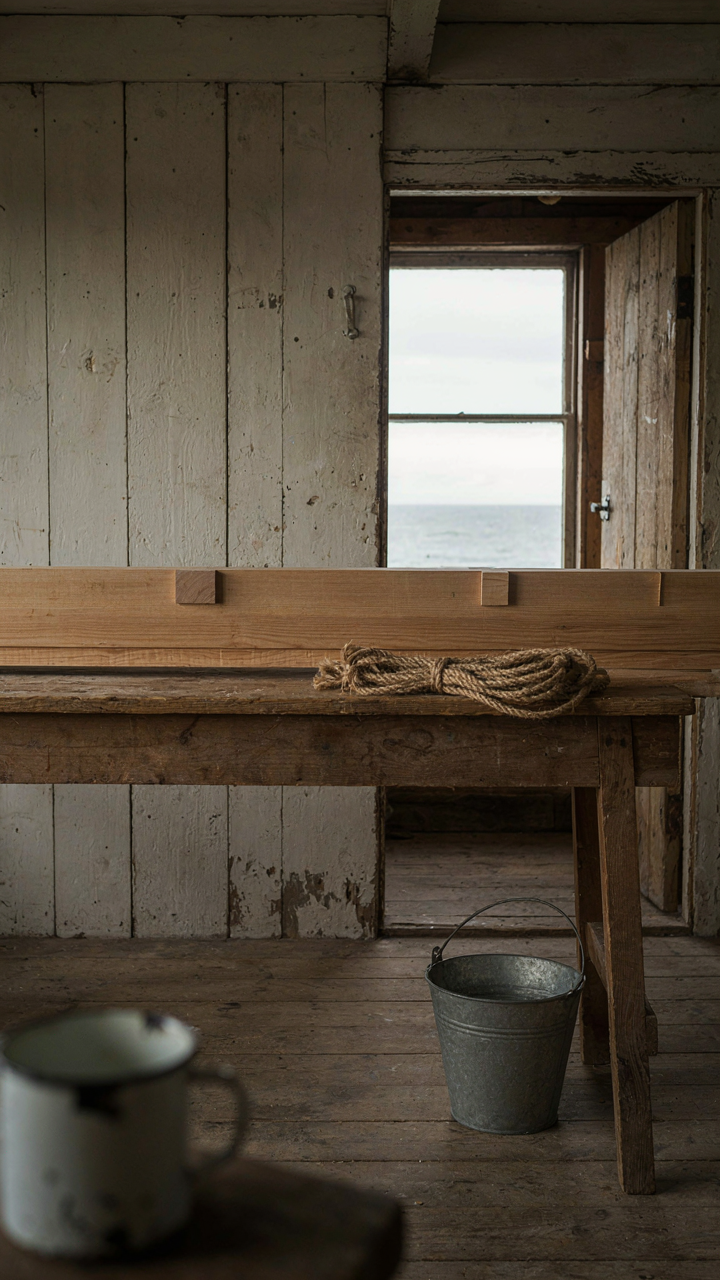
Distressing techniques—wire brushing, strategic staining, intentional gouging—create the visual markers of age without the substance underneath. Your walls look weathered. Your hardware looks salvaged. Your trim looks original. None of it is. Buyers and visitors don’t consciously analyze this, but they feel the lie. The space reads as theme park, not home. The shortcut costs you credibility faster than admitting you built something new.
Earned History Over Purchased Character
Real heritage in fisherman cottages comes from one source: use over time by people who actually needed the structure to function. The peeling paint on a working fishing cabin happened because salt spray and sun attack continuously, not because someone rented a sandblaster for Saturday. The worn floorboards exist because fishermen walked them daily for decades, not because a designer specified “hand-scraped oak.” Authenticity has zero aesthetics. It has only evidence.

Build with this protocol: use durable materials that age predictably, avoid finishes that pretend to have history, and accept that your cottage earns its character through actual occupation and exposure. A new structure with real wood, honest joints, and genuine salt-weathered exposure will develop authentic patina in five to ten years. Paint it correctly once. Don’t sand it to death. Let the place become what it claims to be.
The Uncomfortable Truth Of A Genuine Cottage By The Sea
Salt Air Wins Every Battle You Ignore
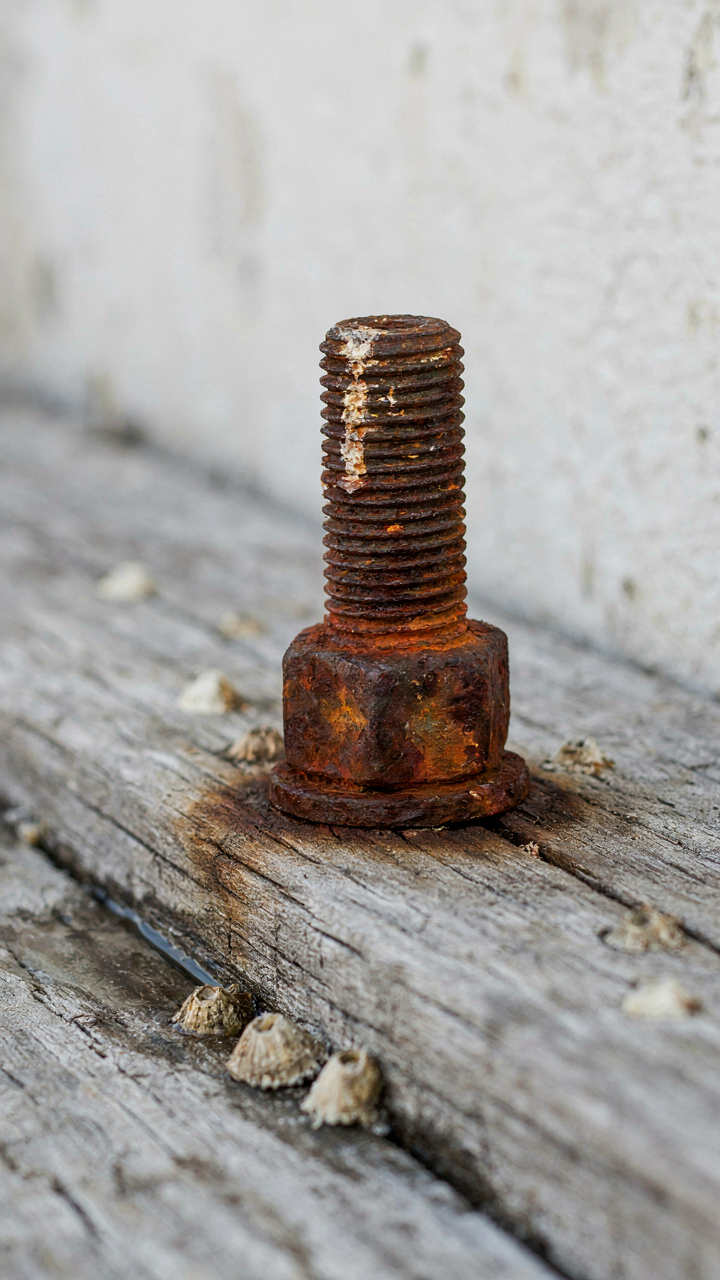
You want the aesthetic without the maintenance bill. That’s why you’re reading this section. Here’s the mechanism: salt air operates like compound interest in reverse. It doesn’t damage wood, metal, or stone linearly. It accelerates degradation exponentially. A nail rusts twice as fast in salt spray as it does inland. Paint fails three to five years earlier. Wood fiber swells and contracts with salt-laden humidity, splitting from the inside before you see surface cracks. This isn’t romantic—it’s material physics.
Most design advice skips this part. It shows you the white shutters and tells you to paint them. What it doesn’t say is that you’ll repaint them every two years instead of five or seven. Fisherman cottages sit in an active corrosion zone. The ocean air doesn’t take breaks. Steel bolts holding your roof trusses weaken invisibly. Copper gutters develop verdigris rapidly. Mortar joints between stones absorb salt spray and lose binding strength. You can fight this or build your cottage around it.
Accept The Decay, Plan Around It
Authenticity here means designing for failure, not against it. Real fisherman cottages weren’t built with the fantasy of permanence. They were built with the knowledge that things would fail—and built in ways that made failure cheap to fix. Wooden shingles came off and got replaced as standard maintenance. Foundation stones could shift without catastrophic failure. Interior walls weren’t load-bearing monuments.

The uncomfortable part: stop treating weathering as damage. Treat it as scheduled replacement. Copper will oxidize to green patina—plan for it. Wood will silver and check—choose species that maintain integrity while doing so. Masonry will require repointing every fifteen to twenty years—budget accordingly and accept it as normal. The cottage survives not because it resists decay but because its decay happens in predictable, manageable increments. Design everything you can to fail in ways you control and afford.
The Harbor Dream: Why Your Ideal Cottage Remains Elusive
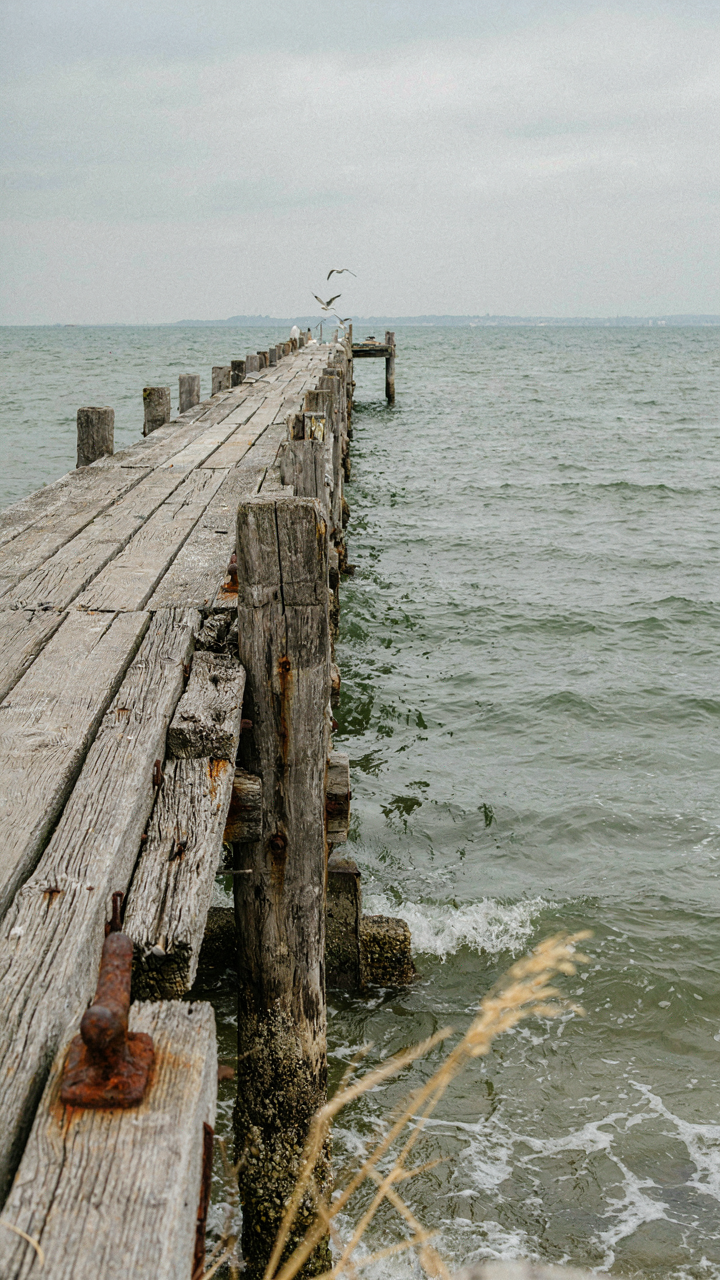
You don’t need another mood board. You need to stop romanticizing and start building. Most people chase the fisherman cottage aesthetic because they’re running from something, not toward it. The real move? Pick one element today—weathered shingles, a working dock, saltwater erosion—and commit to it fully in your space. Authenticity isn’t found in Pinterest collections. It’s built through decisions that cost something.