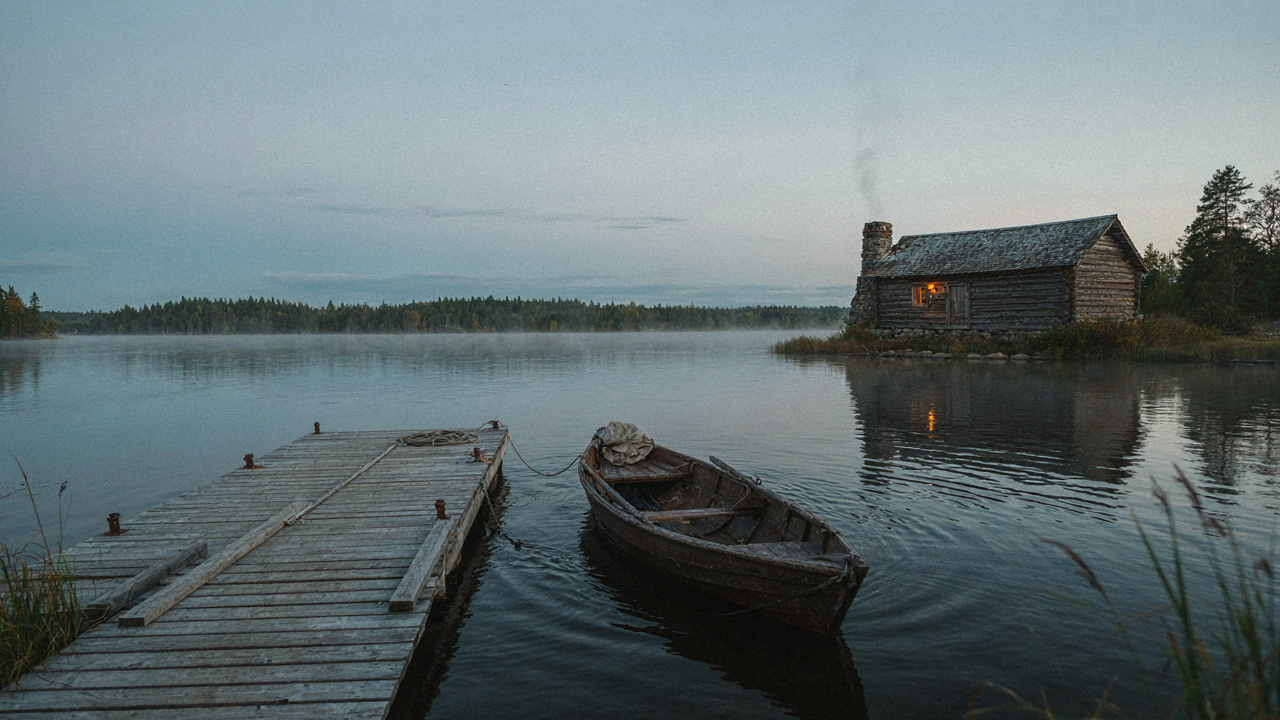
The Un Cabin: Why Less Actually Is More
Stripping Away The Noise
You want a cabin that signals you’re above the consumer rat race, but you’re terrified it’ll feel empty. Here’s the mechanism: constraint forces priority. In information theory, signal-to-noise ratio measures useful data against worthless interference. A fishing cabin operates the same way. Every object competes for attention. Add too many and nothing registers. The best cabins have ruthless selectivity, not scarcity masquerading as minimalism.
Most minimalist cabin advice is incomplete. It says remove clutter but never explains the rule for what stays. The answer is simple: keep only what performs a function during your weekend or directly enables fishing. A chair you sit in during coffee. A table you eat at. Shelves for tackle and rods. Lighting that works. A bed that sleeps. Everything else is noise that taxes your brain and wastes square footage you’re paying to heat.
When Tools Matter More Than Aesthetics
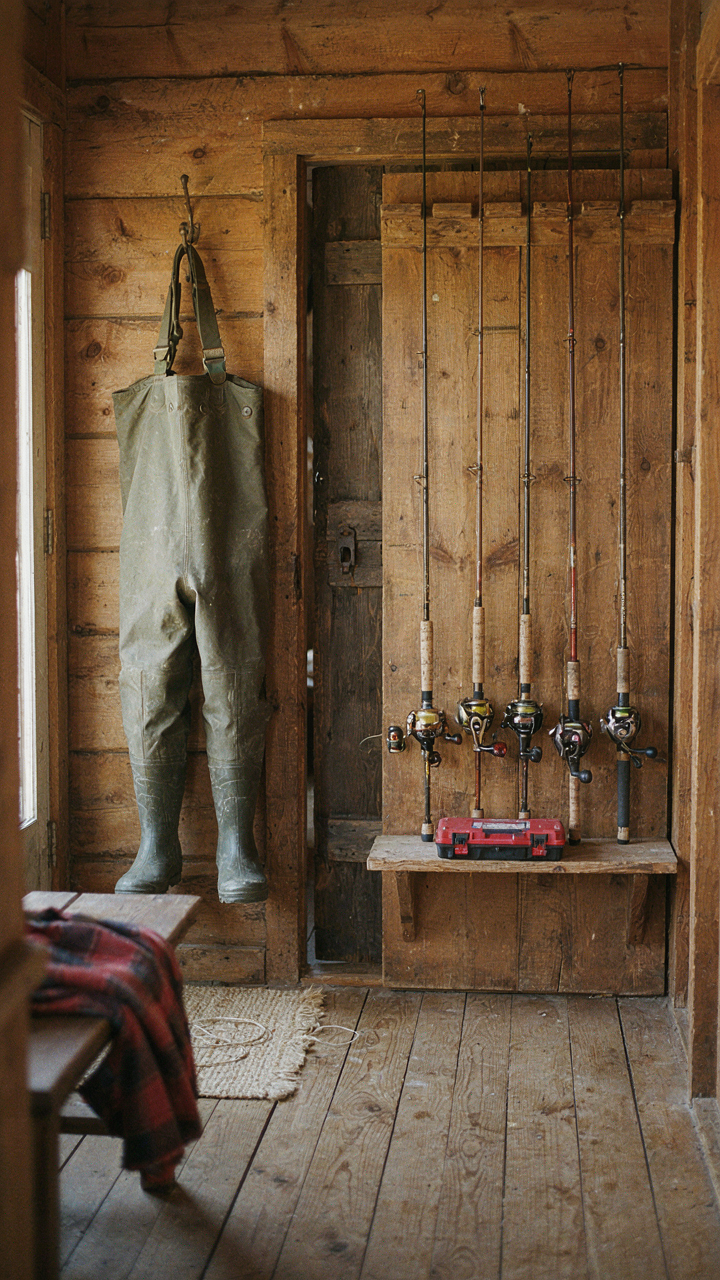
The fishing cabin exists to serve one purpose: enable time on the water with minimal friction. This means your interior design hierarchy inverts completely from what Instagram teaches. A mudroom with good drainage and boot hooks prevents lake mud migrating through the space. Heavy-duty shelving organized by fishing season keeps tackle accessible in seconds, not minutes. Proper ventilation in a tackle storage area prevents rod rot and mold. These systems feel utilitarian because they are. That’s the point.
The mistake most people make is buying cabin furniture first and figuring out function second. Reverse this. Start with the fishing workflow. What do you do when you arrive? Strip wet gear. Change clothes. Grab tackle. Head out. Design your interior around that sequence. A wall-mounted rod rack near the door beats a decorative corner display. Industrial shelving with clear labels beats rustic wooden cabinets that hide what you own. Function doesn’t just work better. It looks sharper because it’s honest.
The Angler’s Redoubt: Your Personal Fishing Cottage Strategy
Where The Fish Actually Live
You want the cabin to feel special because you’re betting your free time on it, and that bet matters. The real decision isn’t aesthetic—it’s biological. Fish congregate where water temperature, oxygen levels, and food sources align. A cabin on a lake with consistent spring-fed depths outperforms one on shallow, warm water. Check the lake’s thermal stratification patterns and whether it holds the species you target year-round. Shallow lakes heat up fast and create dead zones in summer. Deep lakes maintain cooler temperatures where trout and pike hold steady through season changes.

Water access matters more than view. Position your cabin within 50 feet of the shoreline if possible, or with direct path to launch points. Proximity cuts friction—you fish more when you don’t hike 200 yards with gear. Examine the lake bottom topography using bathymetric maps before buying or leasing. Weed beds, drop-offs, and rocky structures within casting distance of your property are what convert a cabin into a functional operation, not just a retreat.
Dock And Gear Storage First
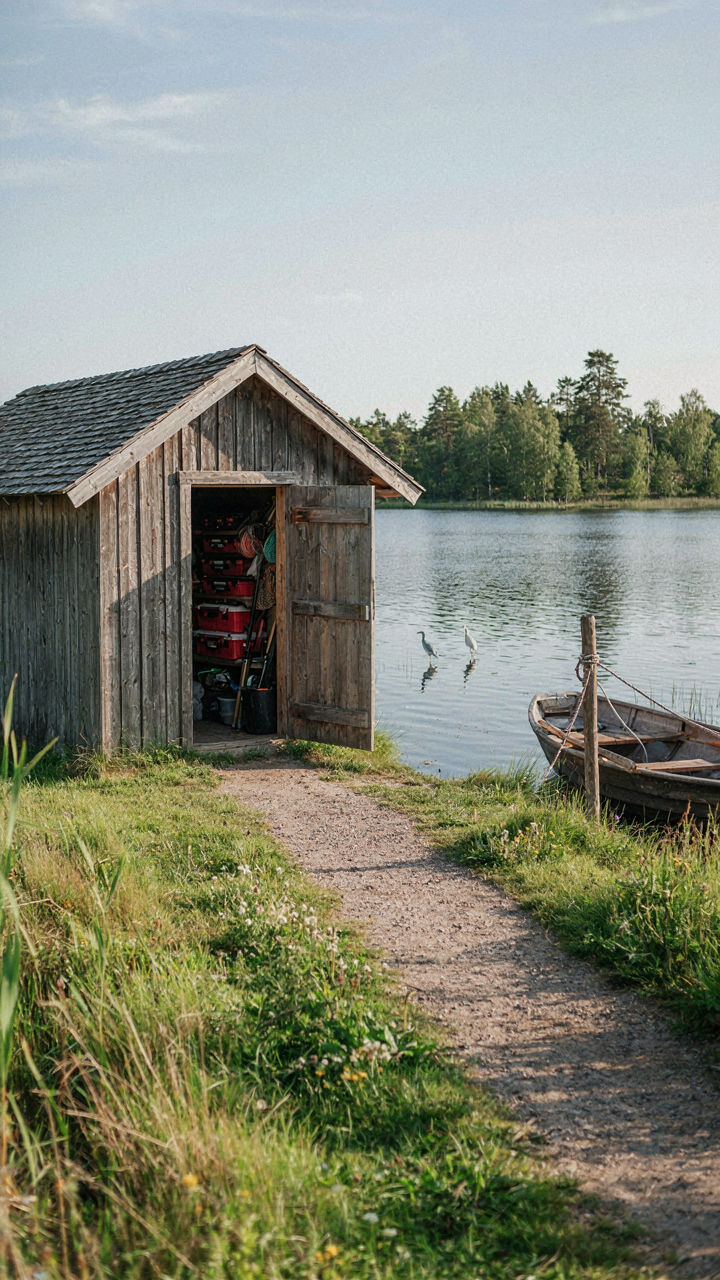
Forget interior design until you solve logistics. Conventional cabin wisdom prioritizes living spaces and aesthetics. That’s backwards. Build or upgrade your dock before you renovate the kitchen. A 20-by-8-foot dock with boat tie-offs handles 80 percent of your operational friction. Install rod racks, tackle storage, and a cleaning station outside rather than tracking water and scales through the cabin interior.
Gear degrades fast without dedicated dry storage. Moisture ruins reels, salt corrodes guides, and temperature swings warp wooden handles. A 10-by-12-foot weatherproof shed near the dock holds rods, tackle boxes, nets, and backup equipment separate from living quarters. Ventilation prevents mildew. Shelving keeps everything accessible for quick pre-dawn trips. This single structure determines whether you fish efficiently or spend mornings hunting for equipment. Build it as your first outlay after securing the water access itself.
Beyond Instagram: Real Fishing Cabin Interior Design
Materials That Don’t Require Apology
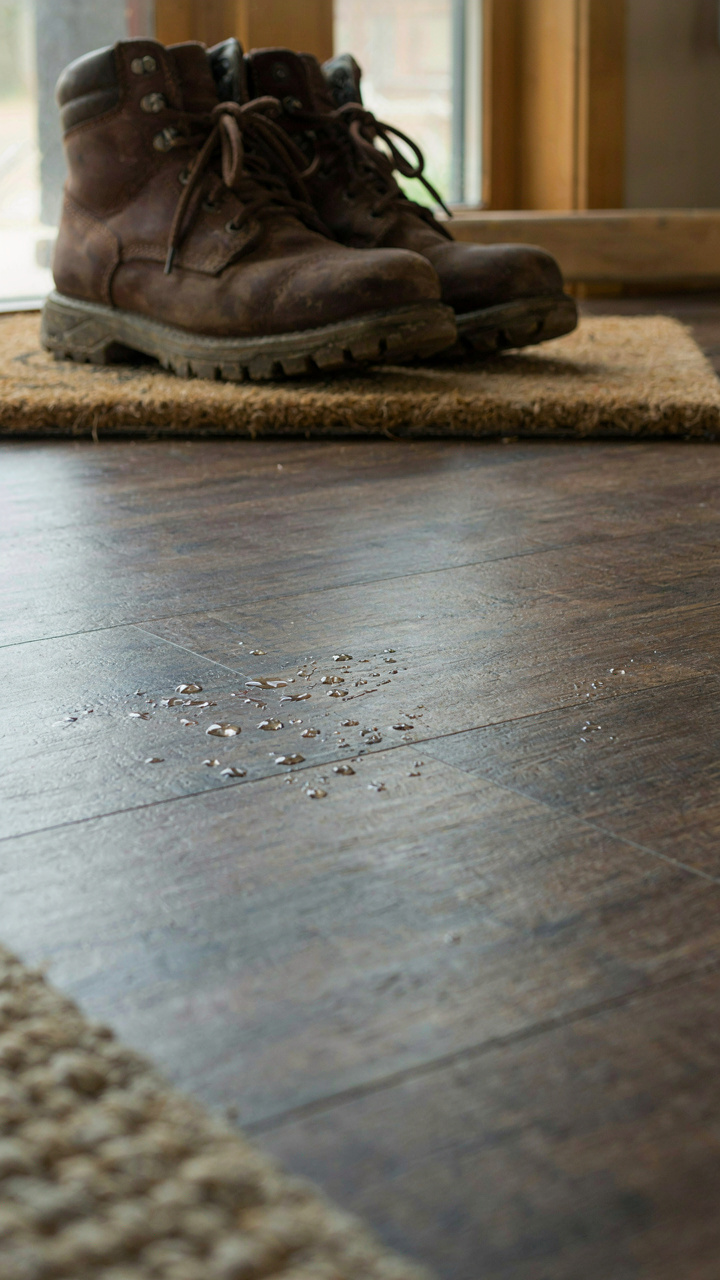
You want your cabin to look intentional, not abandoned—that’s the real fear underneath this choice. The mechanism is simple: fishing cabins live in hostile conditions. Water, humidity, temperature swings, and mud attack every surface. Materials either surrender or endure. Vinyl plank flooring beats real wood here because it tolerates moisture without warping or rotting. Epoxy-coated concrete works in bathrooms and kitchens. Stainless steel resists rust better than painted metal. None of this is glamorous, but it survives a decade without replacement.

The common advice is wrong: don’t choose materials for their look first. Choose them because they actually work in a wet environment. Laminate countertops outlast cheaper solid wood in a cabin. Marine-grade plywood handles humidity where standard plywood delaminates. Sealed drywall or cement board in wet zones beats standard drywall that bloats and molds. You select once. You maintain for years, not months.
Dense Layouts Beat Open Spaces
Small spaces reward compression, not air. Fishing cabins typically run 400 to 800 square feet, and the instinct to “open it up” wastes the one asset you have: defined zones. Built-in bunks replace freestanding beds and reclaim floor space. Wall-mounted tables fold or slide when not in use. A single compact kitchen occupies one wall fully rather than sprawling across the room. The actual constraint isn’t square footage—it’s the number of separate functions you try to perform simultaneously.
Storage strategy determines whether a small cabin feels functional or chaotic. Vertical shelving on dead wall space holds tackle, gear, and supplies without eating into the main room. Under-stair storage cabinets capture waste. A single closet with deep shelving beats multiple shallow ones. The protocol: draw your cabin layout, mark each wall, then fill walls with purpose. Every inch serves fishing or sleeping, not decoration.
The “Sea Shack” Syndrome: Avoiding Over Complication
What You Actually Don’t Need
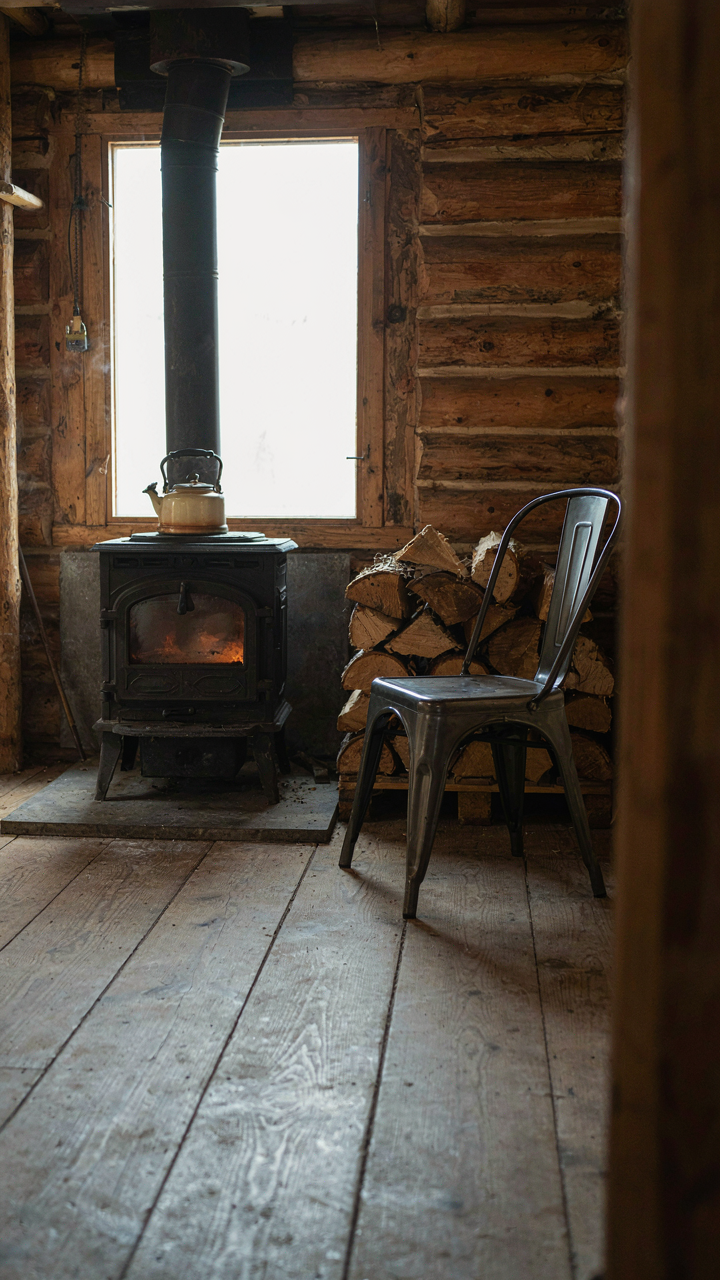
You want the cabin to prove you made the right choice. That’s the real reason you’re reading this. The mechanism is scope creep disguised as preparation. You start with “sleeping shelter near water” and end up designing a second home because you’ve confused the fishing cabin with a lifestyle identity project. The fishing cabin’s entire job is retrieval. You arrive, you fish, you leave. Everything that doesn’t serve that retrieves wasted money instead.
Most advice tells you to “keep it simple.” Useless. Simple is relative. What matters is identifying which additions actively block your actual use pattern. A gas generator sounds practical until you realize you’re maintaining it monthly for power you don’t need six months a year. A full kitchen with granite counters sounds like an upgrade until you’re scrubbing it after eating sandwiches and canned soup. The distinction isn’t about minimalism as virtue. It’s about removing friction between you and water.
Maintenance Debt Destroys Time More Than Money
Complexity operates like compound interest in reverse. Economics teaches this through the concept of total cost of ownership. Your fishing cabin’s true cost isn’t the purchase price or construction. It’s the sum of every hour spent maintaining what you installed. A simple wood stove requires chimney cleaning and inspection annually. A propane heating system requires tank refilling, leak checks, and regulator servicing. You’re not just paying for objects. You’re paying for obligations that accumulate faster than you use them.
The time tax is the silent killer. You schedule a weekend to fish. Instead you’re caulking a deck, replacing weathered trim, or troubleshooting why the septic system is backing up. Unused complexity multiplies this. Hot water heater nobody uses still corrodes. Dock pilings still rot. Electrical systems still degrade. You end up spending 60 percent of your visits managing deterioration instead of casting a line. Start with bare essentials and add only what you use in your first season. Everything else is a down payment on resentment.
The Fisherman’s Cottage Operating System

Feedback Loops Keep The Machine Running
You want a fishing cabin that runs itself so you stop thinking about maintenance instead of fishing. Cybernetics—the study of control systems and feedback—applies directly here. A feedback loop detects deviation from your target state, then triggers correction. In a cabin, this means building systems that alert you to problems before they become expensive.

Water damage compounds fast. Install a moisture sensor in the basement or crawlspace that texts you when humidity exceeds 60 percent. Check roof flashings before winter, not after leaks appear. The gap between inspection and action is where small problems metastasize into structural damage that costs thousands. Your cabin’s feedback loop runs on data you collect on a schedule, not on emergency calls.
Routines Replace Willpower And Memory
Most cabin owners treat their place like storage and wonder why it deteriorates. The actual mechanic is simple: a cabin without a maintenance calendar decays on someone else’s timeline, not yours. Create three seasonal routines—spring, fall, and pre-winter—and execute them the same week every year.
Spring: drain and restart water systems, inspect exterior caulking and sealant, test all doors and windows for air gaps. Fall: clean gutters, check chimney and furnace filters, inspect basement for moisture. Pre-winter: shut off exterior water, drain lines, close crawlspace vents if applicable. Write these on a physical calendar and photograph the work. You’re not building discipline—you’re building a protocol that removes the decision-making burden entirely.
Fishing Cabin Ideas: What Actually Works
Where Your Gear Actually Lives
You want the cabin to feel effortless because you’re afraid messy gear storage means you’ll actually use the place less. The mechanism is simple: friction kills habits. Every extra step between “I want to fish” and “I’m in the water” costs you a trip. Storage that works demands one principle: everything has a fixed location you can find in the dark.
- Rod holders mounted on walls: Vertical storage prevents warping and keeps rods visible. Pegboard with dowel holes works. Mount them where you enter, not hidden in a back room.
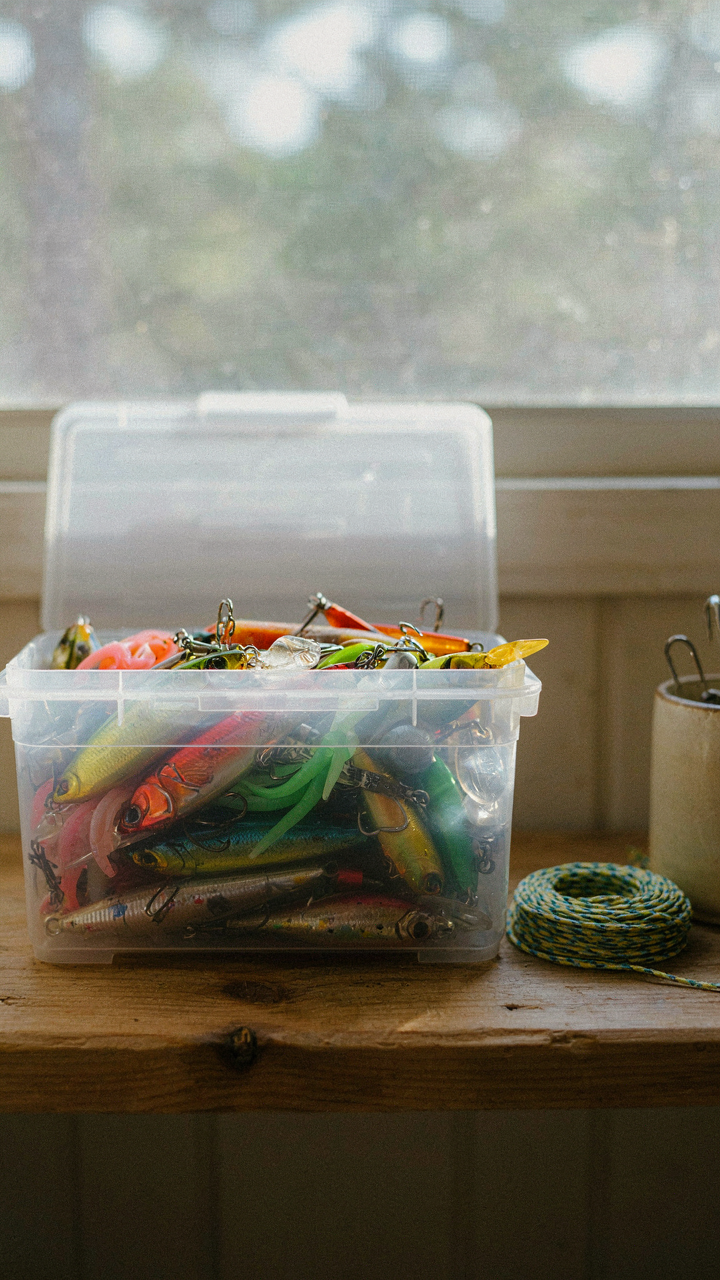
- Tackle organization with clear containers: Opaque boxes guarantee you’ll forget what’s inside. Use clear plastic bins stacked on shelves. Label each one. You spend two minutes finding a lure, you skip the morning bite.
- Wet gear station near the door: Designate a drainage area for waders, nets, and towels. Concrete floor with a slope toward a drain. Keeps moisture off the cabin interior and separates wet from dry.
- Cooler storage on raised platform: Store coolers off the ground to prevent rodent access and allow air circulation underneath. Heavy-duty shelving handles weight. Position near the exit for grab-and-go convenience.
- Battery charging station with labels: Dedicate one shelf with outlets for headlamps, fish finders, and GPS units. Label each charger. Dead batteries wreck mornings more than bad weather does.

The real test: can you pack and leave in under ten minutes? If setup takes longer than fishing prep, your storage failed. Walk through your cabin’s entry path and place every category of gear within two steps of where you need it next.
Power And Water Without The Dependency
Most people design cabin power backwards. They imagine they want grid reliability when they actually want independence from it. This is a logistics problem, not an aesthetics one. You need enough capacity to run essentials during a weekend, then reset. That means matching demand to what actually works off-grid.
A small solar array with battery storage handles lighting, charging devices, and running a small water pump. Size it conservatively: 400-600 watts of panels with lithium or lead-acid batteries rated for two days of use. Propane handles heating and cooking efficiently without electrical load. For water, a submersible pump fed from a well or spring beats municipal pressure every time because you control the system entirely. Run a simple pressure tank so the pump doesn’t cycle constantly. The cabin works when the power fails because power was never the constraint.
The Anti Aesthetic: Authentic Fishing Cabin Interior

Materials That Earn Their Scars
You want your cabin to look intentional, not neglected, and that’s the real trap nobody names. The mechanism here comes from materials science: objects that patina rather than decay. Raw wood darkens and hardens with age. Untreated metal oxidizes into stable rust. These materials improve functionally as they age visually, which is the opposite of what painted or sealed surfaces do.

Cedar and pine darken to deep gray over five to ten years. Galvanized steel develops a protective oxide layer that stops rust from progressing past the surface. Concrete floors gain character through wear patterns that map actual use. Pick materials where deterioration stops at a certain point instead of accelerating. Your cabin doesn’t look abandoned after a decade, it looks settled.
Timeless Over Trendy
Everyone says buy timeless pieces, then buys mid-century modern knockoffs that’ll look dated in eight years. Wrong framework. Timeless isn’t an aesthetic choice, it’s a category problem. A bentwood chair designed in 1859 still functions identically today because form solved a problem that never changed. A fishing cabin needs surfaces you can abuse, seats that support weight regardless of style, and storage that holds equipment.
A cast iron woodstove works the same at 80 years old as it did at one year old. A simple wooden table takes a scratch and continues functioning. Metal shelving holds fishing gear without caring about interior design trends. The constraint here is pure function: if it solves the problem without decoration, it stays relevant. Purchase items that work first and happen to look good, not the reverse.
Reclaiming Your Lakeside Weekend: The True ROI
Success Isn’t About Comfort
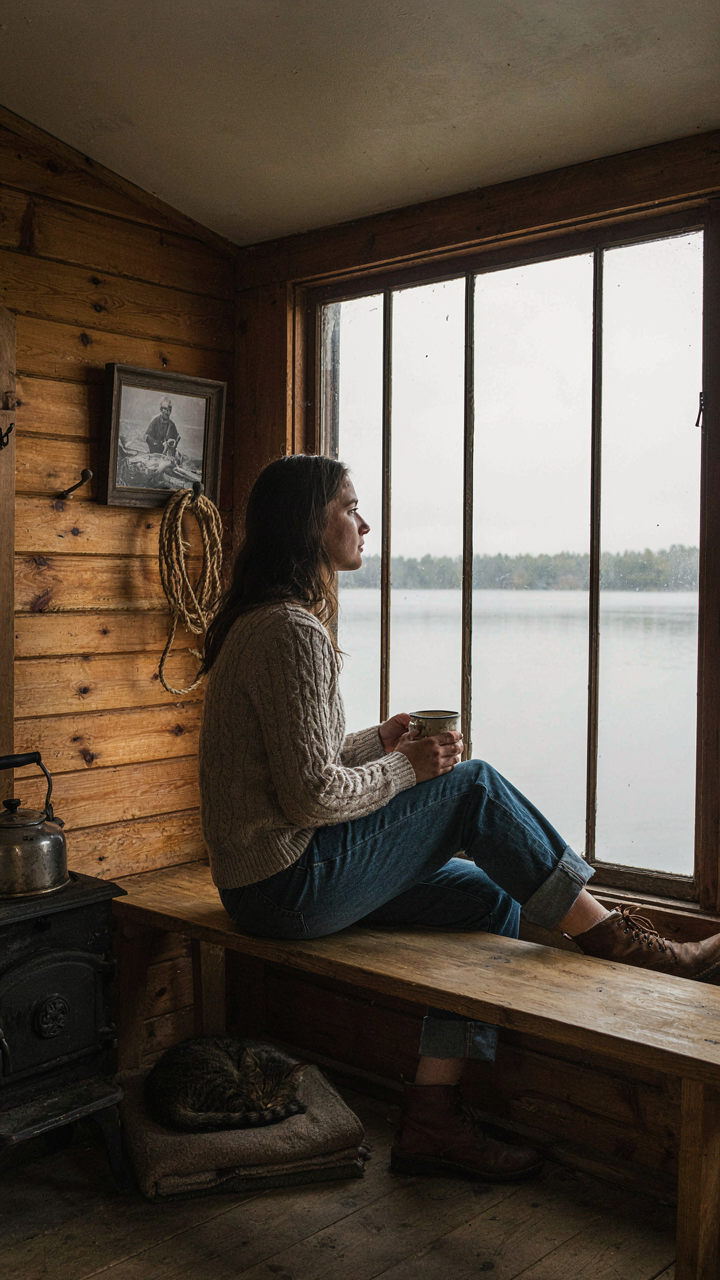
You’re worried you won’t feel like you got enough out of it. That a simple cabin won’t justify the time away. The real mechanism here is this: comfort and return on investment operate on opposite vectors in a retreat setting. The moment you remove friction, you remove the signal your brain needs to register the time as meaningful.

A fishing cabin that demands something from you—that you haul water, chop wood, sit in silence without entertainment—creates a cognitive reset that a resort cannot replicate. This constraint is the point. Your nervous system recalibrates against scarcity, not abundance. When you return to your actual life, the contrast feels like recovery.
Clarity Through Constraints
The noise-reduction framework from neuroscience applies directly here: a fishing shack operates as a sensory filter. You remove notifications, climate control, entertainment systems, and forced social interaction. What remains is decision-making on a single axis: fish or rest.
This stripped-down environment forces your brain into a state it rarely reaches in ordinary life. No competing stimuli means no decision fatigue. You process what’s actually bothering you, solve problems that seemed intractable, or genuinely do nothing without guilt. The mental clarity isn’t poetic—it’s mechanical. Fewer inputs create more available processing power. A fishing cabin’s real value is that it makes stillness the path of least resistance. Do nothing intentionally, and your mind actually recovers.
The Real Obstacle Isn’t The Cabin; It’s Your Addiction To Unnecessary Complexity. Your Fishing Cabin Should Cure It

You don’t need permission to build a fishing cabin. You need to stop waiting for the perfect plan. The cabin works because it strips away the noise your brain uses to avoid living. Go find a plot of land this week and sketch what matters: water access, shelter, fire. Ignore everything else. The fishing cabin doesn’t cure laziness. It cures the paralysis of wanting more than you actually need.