
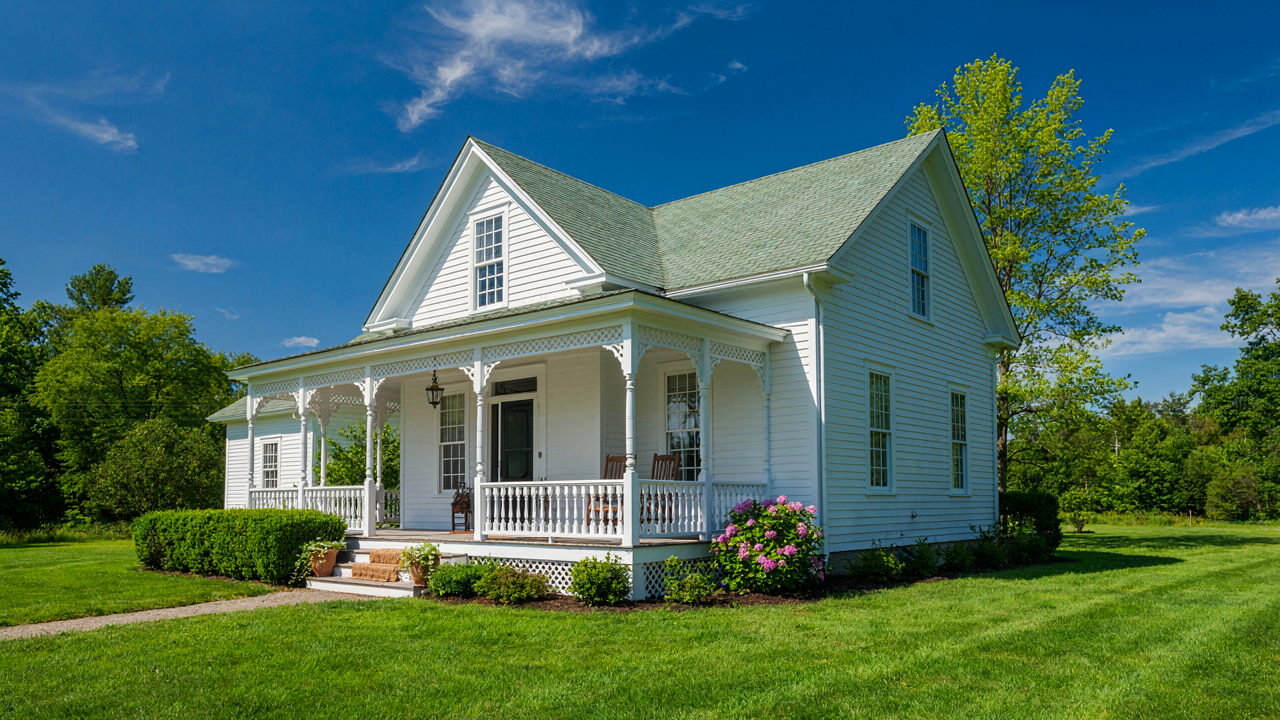
The Ornamentation Delusion: Unpacking Folk Victorian Style
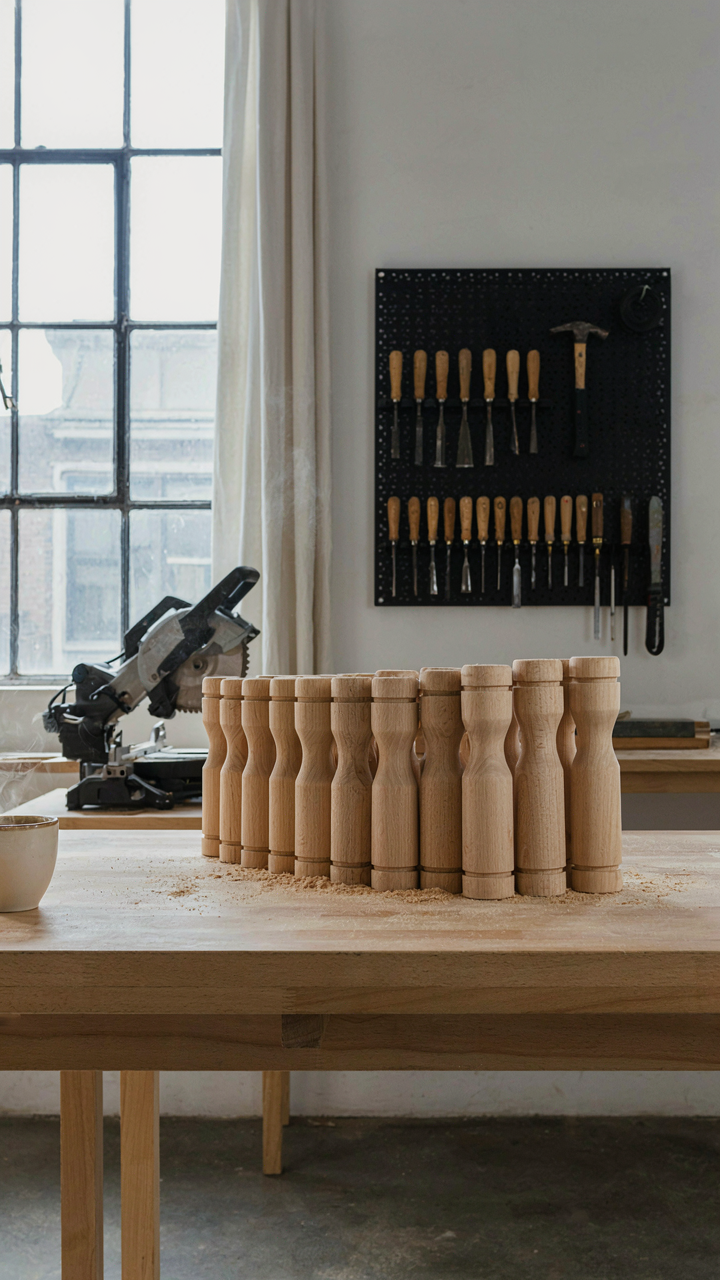
Where The Ornament Actually Came From
You want folk Victorian because it signals taste without the price tag of high Victorian. Here’s what nobody tells you: folk Victorian ornament wasn’t born from restraint. It came from constraint. Between 1880 and 1910, machine-cut spindles became cheap enough for working-class builders to add Victorian details to simple rectangular houses. The ornament followed economic availability, not aesthetic principle. Builders used what the mill could produce affordably.
Folk Victorian took the language of Victorian design but stripped the labor. Spindlework, applied brackets, and wraparound porches cost less to install than the custom carpentry of true Victorian homes. The style spread fastest in rural areas and small towns where architects weren’t gatekeeping design. What emerged wasn’t minimalism by choice. It was minimalism by budget, dressed up with the ornaments that machinery made accessible.
The Real Trap With Adding Details
Most advice tells you to add spindles gradually and trust your eye. This is backwards. Folk Victorian homes fail when owners layer new ornament on top of the original without understanding the existing material logic. The house already made its statement within constraints. Adding a gable here, ornamental shingles there, and you’ve broken the original grammar.
Study what’s actually on your house first. Count the spindles. Note their spacing. Observe which walls carry ornament and which don’t. Folk Victorian builders didn’t ornament randomly. They applied details where they could manufacture them cheaply and where they created visual breaks in the simple mass. Preserve that logic before you touch anything. The mechanism is alignment with the original builder’s material limits, not your current preferences.
Beyond The Blueprint: Understanding Folk Victorian House Exterior Logic
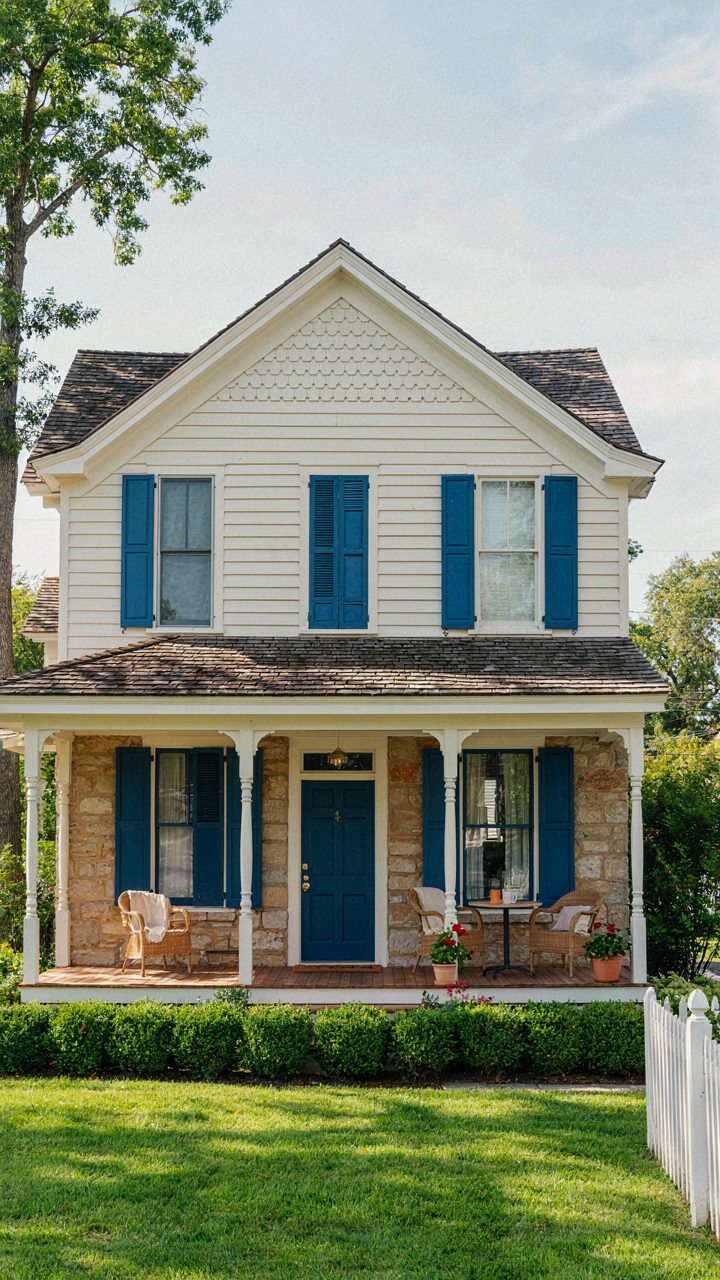
Form Follows Function, Not Instagram
You want your folk Victorian to look “authentic” without admitting you’re buying credibility from a century-old aesthetic. Here’s the mechanism: folk Victorian exterior design emerged from constraint, not taste. Builders used what worked within budget and climate, then ornamentation followed. The spindle work, wraparound porches, and mixed materials weren’t decisions made in a design studio. They solved real problems first. Decoration came after.

Folk Victorian houses prioritized shelter and livability over architectural purity. The exterior reflected what the homeowner could afford and what the region’s weather demanded. Steep roofs shed snow in northern climates. Wide porches provided shade in hot areas. Varied siding materials appeared because builders used what was available locally, not what looked best together. This is the real constraint that shaped the style: economics and geography, not vision.
The Honest Material Strategy
Common advice tells you to match original materials for authenticity. That’s incomplete. Folk Victorian builders didn’t match materials for consistency; they mixed them because mixed was cheaper and available.
The exterior often combined wood siding with stone or brick foundations, shingle roofing with wooden trim, and sometimes even corrugated metal where practical. Local sawmills determined what wood was accessible. Quarries or clay pits in the region dictated whether stone or brick appeared. Material choices reflected proximity to supply, not design preference. A folk Victorian in rural Pennsylvania looks different from one in rural Texas because the ground under each house offered different building stock.
The Spindle Paradox: Simple Spindle Details, Not Complex Carvings

Where Spindles Actually Come From
You want spindles to look authentic because you’re afraid cheap reproductions will expose you as someone who doesn’t understand the thing you’re restoring. Here’s the mechanism: folk Victorian spindles emerged from function, not decoration. Railings needed vertical supports that could be turned on a lathe without requiring skilled carving. Mass production demanded repeatability. A spindle is load-bearing geometry first, ornament second. The simplicity wasn’t a limitation—it was the whole point. Factories could churn out identical balusters, which meant every middle-class house could afford the look.

The turned spindle replaced hand-carved balusters because it cost less and built faster. Machine-turned spindles have uniform diameter, gentle tapers, and simple geometric profiles like beads or rings. They weren’t expensive because they were simple. They were simple because expense drove the design. Folk Victorian builders chose what worked at scale, and spindles that required minimal setup time and skill dominated porches and railings from the 1880s through 1910s. When you see elaborate hand-carved spindles, you’re not looking at folk Victorian—you’re looking at higher-end Victorian that folk Victorian imitated downward.
Turning Profile Over Carved Detail
The difference between authentic and fake spindles lives in the turning profile, not carving work. A real folk Victorian spindle shows evidence of lathe work: symmetrical tapers, repeated bead patterns, and clean cylindrical sections. You cannot replicate this with chisels and knives. Carving produces asymmetrical details and hand marks. Turning produces precision repetition. When sourcing replacement spindles, demand documentation of the lathe profile or original measurements. Match the diameter taper, bead spacing, and ring depth exactly. A spindle with the wrong profile diameter immediately reads wrong, even if the overall shape seems close.
Many modern reproductions fail because manufacturers guess at dimensions and add carved embellishments that never existed on the original pieces. Folk Victorian spindles rarely exceed three inches in diameter at the widest point. They taper gradually from base to top. The turned rings or beads are shallow and evenly spaced, typically one to two inches apart. If you’re replicating spindles for a porch railing, measure the existing originals first. Photograph the top, middle, and base sections with a ruler in frame. Count the bead repetitions and measure the taper rate. Use this as your specification when ordering replacements from a mill or woodworker.
The “Folk Victorian” Method: Crafting Authentic Casas Victorianas
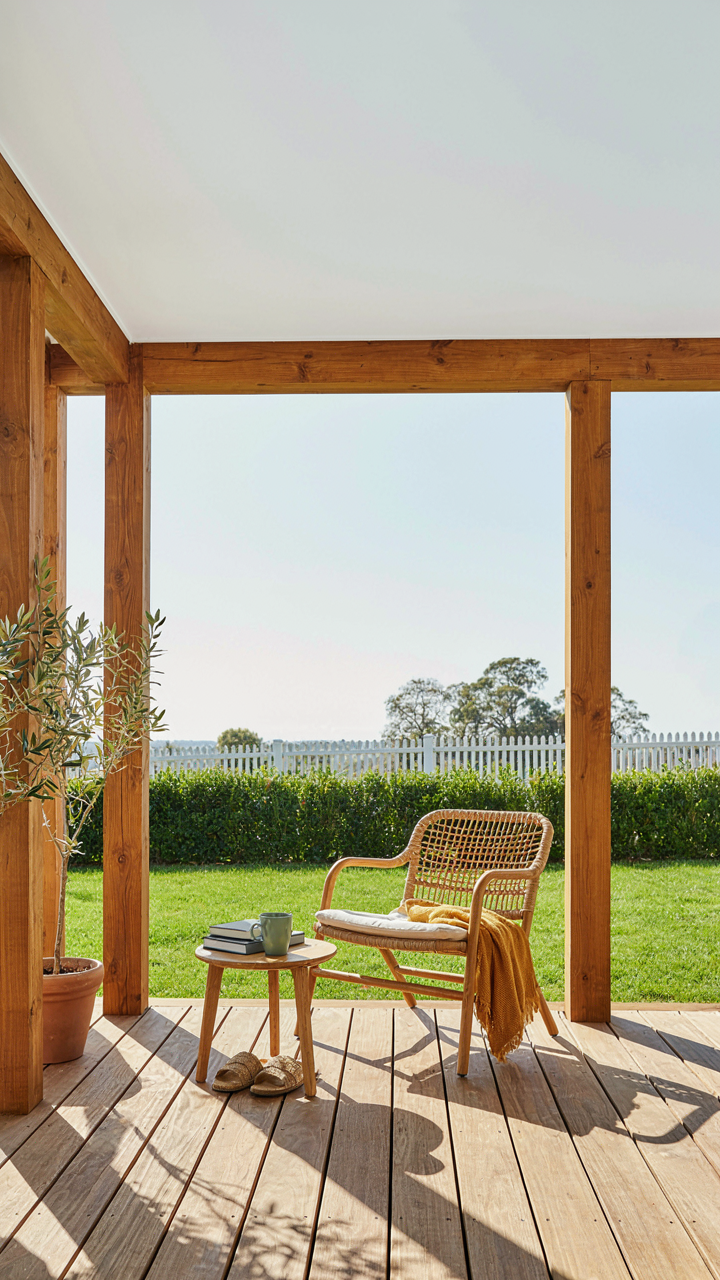
Less Ornament, More Restraint
You want people to see your house and know you understand period architecture without saying it out loud. That’s the real game here. Folk Victorian strips away the excess that defines high Victorian estates, keeping only the structural moves that actually matter. The style emerged in the 1880s-1920s when builders applied Victorian details to modest farmhouses and working-class homes. They couldn’t afford the labor for elaborate trim work, so they used simple spindle work, basic brackets, and straightforward gable treatments instead.

The mechanism is constraint acting as clarity. When you remove ornamental noise, the bones of the design become visible. A single row of spindlework in a porch railing reads stronger than five rows of competing patterns. The gable ends stay simple. The brackets stay functional, not decorative. This isn’t minimalism pretending to be Victorian. It’s Victorian principles forced through economic reality, which makes it historically honest and visually powerful.
Foundation First, Details Second
Common advice tells you to start with spindles and trim and let the house emerge around them. That’s backwards. Folk Victorian houses built their reputation on structural integrity because they had to. These were practical dwellings meant to outlast weather and use. The frame, the roof pitch, the foundation, and the wall alignment determine whether a folk Victorian reads as authentic or fractured. You can add spindles to a poorly built frame and it still feels wrong.
Treat this like load-bearing engineering. Each detail distributes visual weight based on the structure beneath it. A porch railing with decorative spindles only works if the posts sit on solid footings and the beam runs level. The gable trim only reads clean if the walls behind it are plumb. Start with square corners, proper drainage, and sound framing. The spindles arrive after you’ve confirmed the house can actually stand. This sequence prevents the common failure where folk Victorian homes look charming in photos but feel unstable when you enter them.
The Forgotten Foundation: Why Your Folk Victorian Cottage Falls Short

Material Selection As Economic Tradeoff
You want the aesthetic without admitting you’re choosing based on what looks expensive to others. Here’s the mechanism: economics calls it opportunity cost, and folk Victorian material selection works the same way. Every dollar spent on ornamental spindle work is a dollar not spent on structural integrity or weather protection. Folk Victorians solved this by using cheaper woods like pine and poplar for spindles, then painting them to mimic expensive hardwoods. The visual payoff was immediate and convincing on a modest budget.

Modern builders misread this as permission to use anything decorative. Wrong. Folk Victorians didn’t choose materials cheaply—they chose them strategically. Pine spindles lasted because they were properly sealed and maintained, not because they were disposable. The trade wasn’t cheap versus expensive; it was decorative expenditure versus foundational spending. Verify that spindle wood grain matches the painted finish you’re targeting, and confirm the wood species tolerates the climate where your cottage sits.
Where Your Budget Actually Matters
Most advice tells you to splurge on visible elements and cut corners on what nobody sees. That’s backwards for folk Victorian construction. The real resource allocation question is time versus materials. Folk Victorians had abundant labor but scarce cash, so they invested in hand-turned spindles and custom millwork to avoid expensive structural repairs later. You likely have the opposite constraint: money available but labor hard to find.
This means you prioritize materials that reduce labor dependency while maintaining the spindle-forward aesthetic. Pre-milled spindles cost more upfront but eliminate weeks of turning work. Quality exterior paint and proper flashing prevent rot that destroys the whole facade. The mechanism is simple: every spindle detail sits on top of a weathertight shell. If that shell fails, no amount of spindle charm survives. Allocate funds to seal the envelope first, then layer spindle details on top.
Beyond “Cute Victorian House”: The Power Of Proportionality

When A Single Spindle Breaks The Whole House
You want your folk Victorian to look “correct” because an unbalanced house feels like failure, even if you can’t name why. The mechanism is scale—the relationship between parts and the whole. In physics, we call this equilibrium. A folk Victorian achieves it through proportional relationships between spindle size, porch depth, window placement, and roof pitch. Get one proportion wrong and the entire exterior reads as cheap or amateurish, not charming. The spindles aren’t decorative accidents; they’re load-bearing visual anchors that discipline the eye toward the house’s actual proportions.
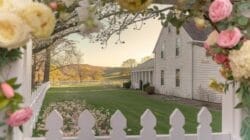
Folk Victorians (roughly 1880 to 1910) didn’t invent ornament for ornament’s sake. Builders constrained by material and budget placed spindles where they solved a structural or visual problem. A thin spindle under a broad porch beam prevents that beam from appearing to crush the entry. Grouped spindles in a gable calm a large, empty wall surface. The spindles work because they’re proportional to what they’re supporting or framing. When homeowners swap them out for oversize versions or remove them entirely to “modernize,” they expose how dependent the whole composition was on that relationship.
Visual Weight Requires Honest Assessment
Most advice says “balance your Victorian facade.” That’s useless. Visual weight isn’t symmetry—it’s the perceived heaviness of a design element based on its size, color, texture, and placement. A dark stone foundation pulls weight downward. Large windows pull weight outward. A tall cupola or widow’s walk pulls weight upward. Folk Victorians distributed these elements deliberately because they worked with what materials cost and what construction methods allowed.
Authentic Victorian exteriors used repetition to anchor weight. A porch with six identical spindles reads heavier than one with random ornament. A gable filled with consistent shingle or siding feels stable. Varied textures and sizes create visual confusion that reads as cheap, not eclectic. When restoring or designing spindle details, replicate the original pattern exactly across all similar surfaces. One porch with ornate spindles and another with plain ones creates visual chaos. The mechanism isn’t taste—it’s cognitive load. Your brain works harder to process inconsistency, and that effort registers as wrongness.
The Unspoken Truth About Folk Victorian: It’s Not About Grandeur
Design For Regular People, Not Peacocks
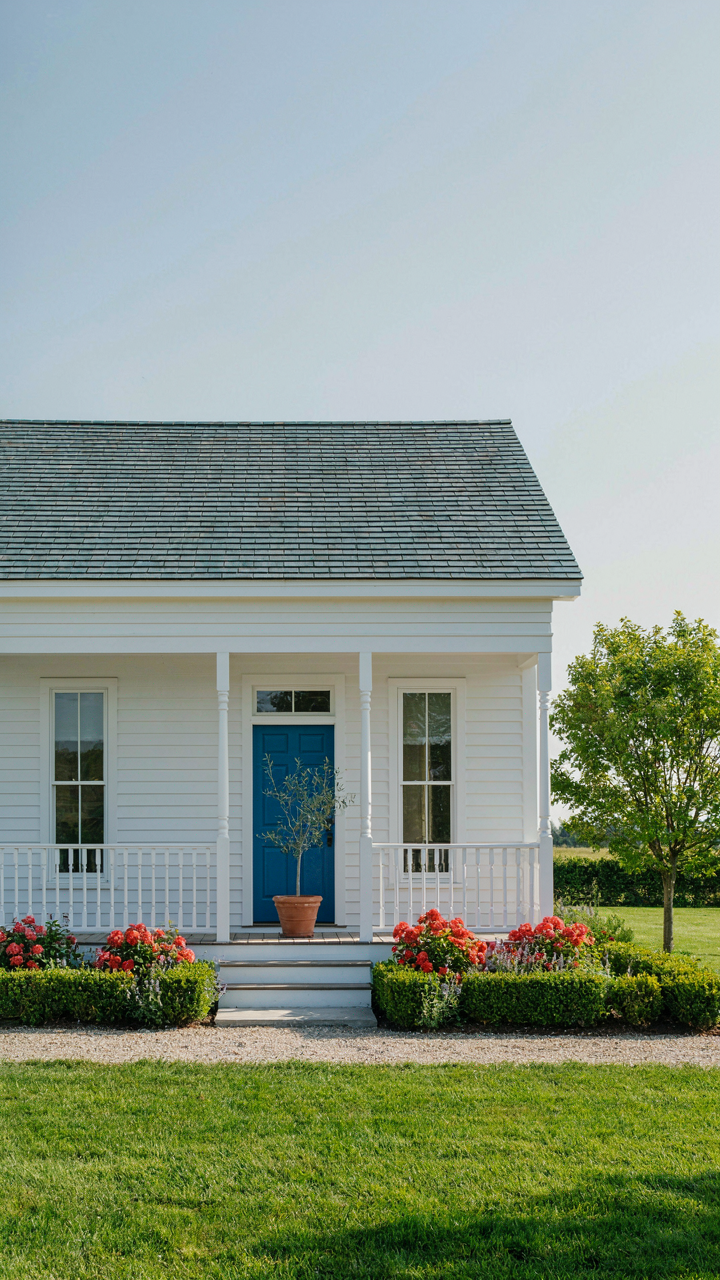
You want Folk Victorian because it feels achievable, not because you’re chasing the architectural equivalent of a yacht. The mechanism is simple: Folk Victorian strips the cost and complexity from Victorian design without killing the character. It emerged in the 1880s-1920s as builders applied Victorian details to modest, single-story homes for working and middle-class families. The spindles, brackets, and ornament stayed. The marble, towers, and servants’ quarters left.

Folk Victorian trades scale for density of detail. You work with tighter footprints and simpler massing, then compress visual interest into spindle work, porch railings, and trim. This constraint became a feature, not a limitation. The style proved that ornament doesn’t require wealth, just intention. Every design decision had to count because you couldn’t afford waste.
- Simple Rectangular Footprint: One to one-and-a-half stories, straight wall planes. No wraparound porches or complex rooflines that demanded skilled labor and material expense.
- Spindle Details As Primary Ornament: Repetitive geometric spindles on porch posts, railings, and frieze boards. Machine-cut spindles lowered production costs and made pattern-based beauty democratic.
- Standardized Trim Packages: Pre-milled brackets, corner boards, and frieze work. Builders ordered from catalogs and assembled quickly without custom carpentry.
- Shallow Porches: Not the deep, multi-level porches of High Victorian. A simple covered entry or shallow stoop worked with modest budgets and tight lots.
- Gable End Details Over Foundation Drama: Ornament concentrated in the gable, peaked roof lines, and front-facing trim rather than expensive foundation work or elaborate cornices.
This constraint-based thinking is what made Folk Victorian last. You can build, restore, or modify one without institutional funding. That accessibility was the entire point from day one.
Elegance That Doesn’t Announce Itself
Folk Victorian refuses the Victorian urge to perform. It doesn’t demand your attention with towers or wraparound complexity. Instead, it whispers through proportion, repetition, and the small discipline of a well-turned spindle. This restraint is harder to execute than obvious grandeur because every detail has to justify its space without theatrical backup.
The everyday elegance lives in spindle rhythm and honest materials. A single row of spindled railings catches light differently than solid balusters. Painted wood brackets under the eaves create shadow play without excess bulk. The style asks: what’s the minimum ornament that still reads as intentional? That question produces cleaner lines, better sight lines, and homes that age without looking dated. Folk Victorian doesn’t compete with nature or the street. It sits comfortably within it.
The Preservation Paradox: Maintaining Your Folk Victorian Identity
When To Rebuild What You Have
You want to keep your house feeling “authentic” without admitting the real cost of that choice: money and time you won’t get back. Here’s the mechanism everyone avoids naming: restoration and renovation are opposites with opposite consequences. Restoration means returning materials and details to their original state using period methods. Renovation means replacing or updating systems while keeping the exterior appearance. Folk Victorians built between 1880 and 1910 mixed factory-made spindles with local labor, creating homes that were already hybrid. Treating them as museum pieces paralyzes owners. Treating them as living structures clarifies your actual decision.

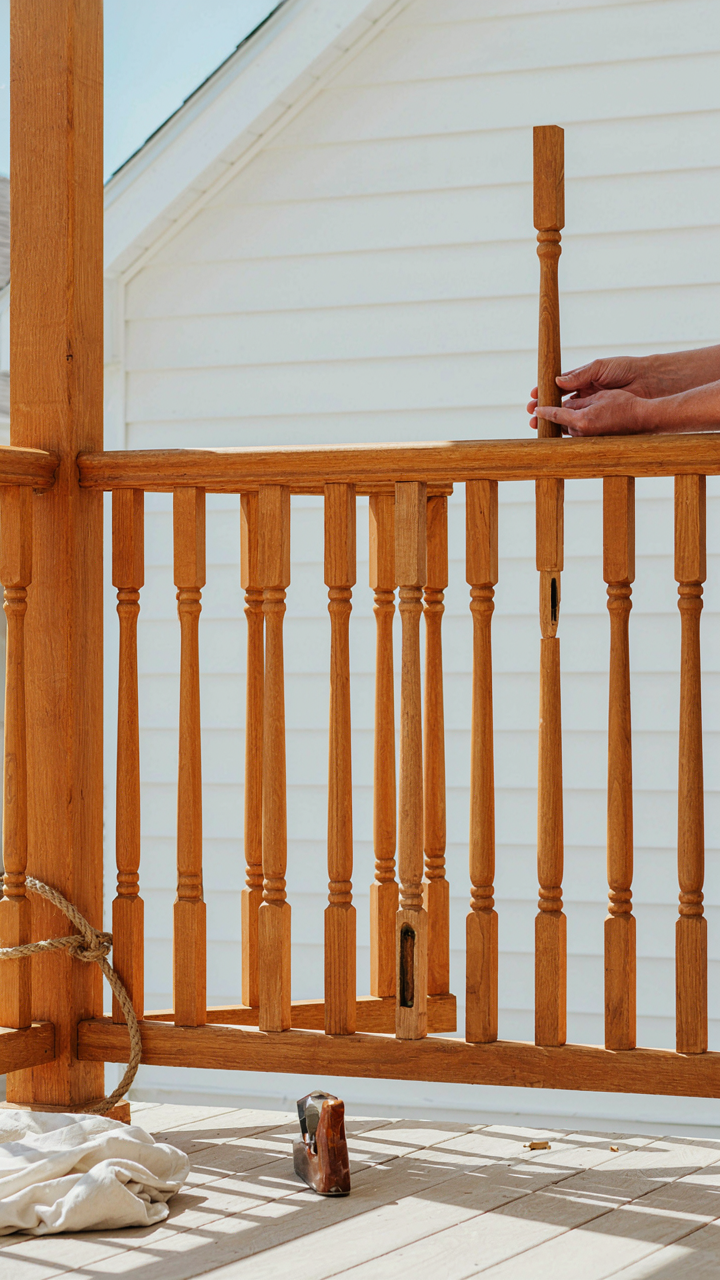
The distinction matters because folk Victorians deteriorate predictably. Wood spindles crack and rot from moisture exposure. Porches settle unevenly. Plaster fails where water breaches the wall. You can restore the spindle work to exact specifications, which costs three times more than replacing it with matched reproductions. Or you can renovate the porch structure, replace the spindles with historically appropriate alternatives, and maintain the visual identity without the restoration budget. Most guides blur this line. Don’t. Choose one path per element and commit to its cost model.
Materials That Actually Match
Common advice says “source original materials from salvage yards.” That’s incomplete. Salvage spindles rarely match your specific pattern, and mismatched spindles destroy folk Victorian coherence worse than honest reproduction. The real sourcing strategy uses three channels in order: first, document your exact spindle profile with photographs and measurements, then contact reproduction mills that digitize historical patterns, then compare against salvage inventory. Folk Victorian spindles were mass-produced by regional mills, meaning patterns repeat across hundreds of homes. Find your mill’s signature and you’ll find modern reproductions that integrate seamlessly.
Authentic techniques matter less than people claim. Your 1890s spindles were factory-turned on lathes using the same basic principles modern mills use. Paint the new spindles with period-appropriate exterior paint, weather them for a season if they look too fresh, and the visual difference vanishes. For structural repairs, use wood species that match the original and finish with compatible stain or paint. Preserve original ornamental details where they survive intact, but don’t trap yourself replacing every spindle to museum standards when renovation delivers the same visual result at a fraction of the cost.
The Folk Victorian Revival Blueprint: A DIY Guide To Timelessness
Installing Spindles Without The Guesswork
You want this done right because a botched spindle installation screams amateur and tanks resale value. Here’s what matters: folk Victorian spindles work like load-bearing walls in structural engineering—each one carries visual weight and must sit in the right position to support the entire composition. Most spindles on folk Victorians are decorative, not structural, which means installation is about precision placement and solid mechanical attachment, not calculating load paths.

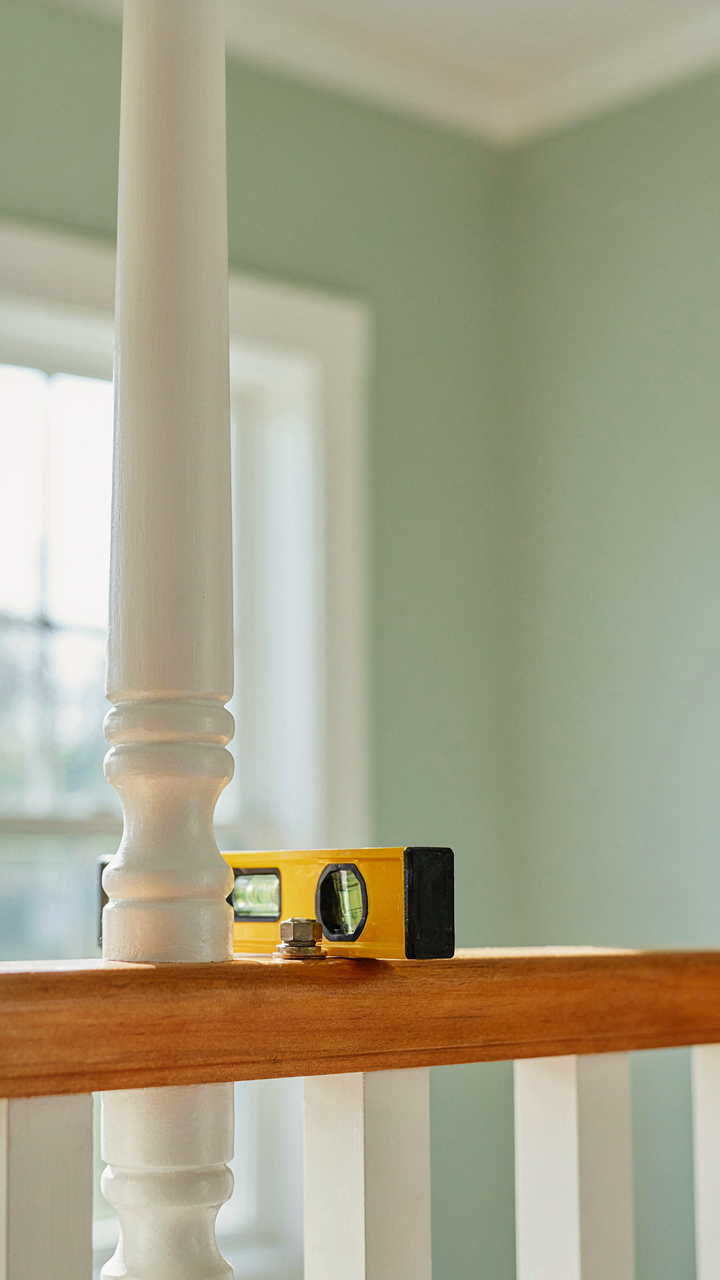
Start by understanding your existing spindle pattern. Measure the spacing between existing spindles on porches, railings, or between porch posts. Folk Victorian homes typically use spindles spaced four to six inches apart. Use a level to mark vertical lines on the mounting surface where each spindle sits. Pre-drill holes slightly smaller than your fastener diameter to prevent wood splitting. Secure spindles with corrosion-resistant fasteners that won’t stain the wood—stainless steel screws or galvanized nails work, depending on whether you’re mounting into end grain or side grain.
Keeping It Standing Without Bankruptcy
The consensus advice on folk Victorian preservation wastes money because it treats every element as equally valuable. That’s wrong. Prioritize based on exposure: exterior spindles and railings deteriorate fastest, so fix those first. Interior decorative spindles can wait. Wood filler and paint run 100 to 300 dollars per section; full spindle replacement runs 800 to 2000 dollars depending on material and detail complexity.
Inspect spindles annually for rot at base points where moisture collects. Replace only the damaged sections, not entire runs. Use pressure-treated lumber for outdoor repairs to extend the lifespan between interventions. Paint or seal every three to five years on exterior surfaces. If a spindle is solid structurally but cosmetically compromised, strip and refinish it before replacing it. This single decision cuts preservation costs by sixty percent over a decade.
The Real Obstacle To Your Folk Victorian Dream Isn’t Design, It’s Your Fear Of Understated Power
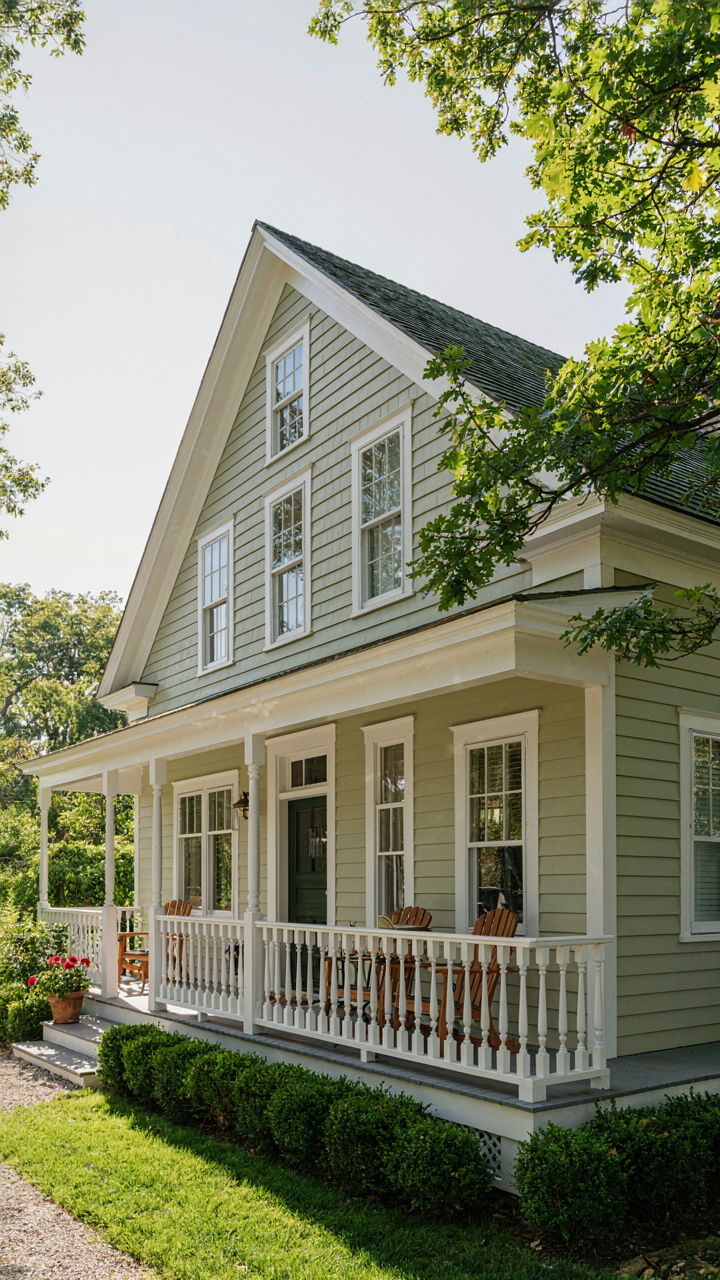
You’re stuck because you think folk victorian houses demand loudness. They don’t. They demand restraint. The spindles, the gables, the porch details—they work because they know when to stop talking. Most people add more when they should subtract. Pick one element today. One porch detail. One spindle pattern. Commit to it completely instead of chasing ten half-finished ideas. The houses that last aren’t the ones screaming for attention. They’re the ones confident enough to whisper.