
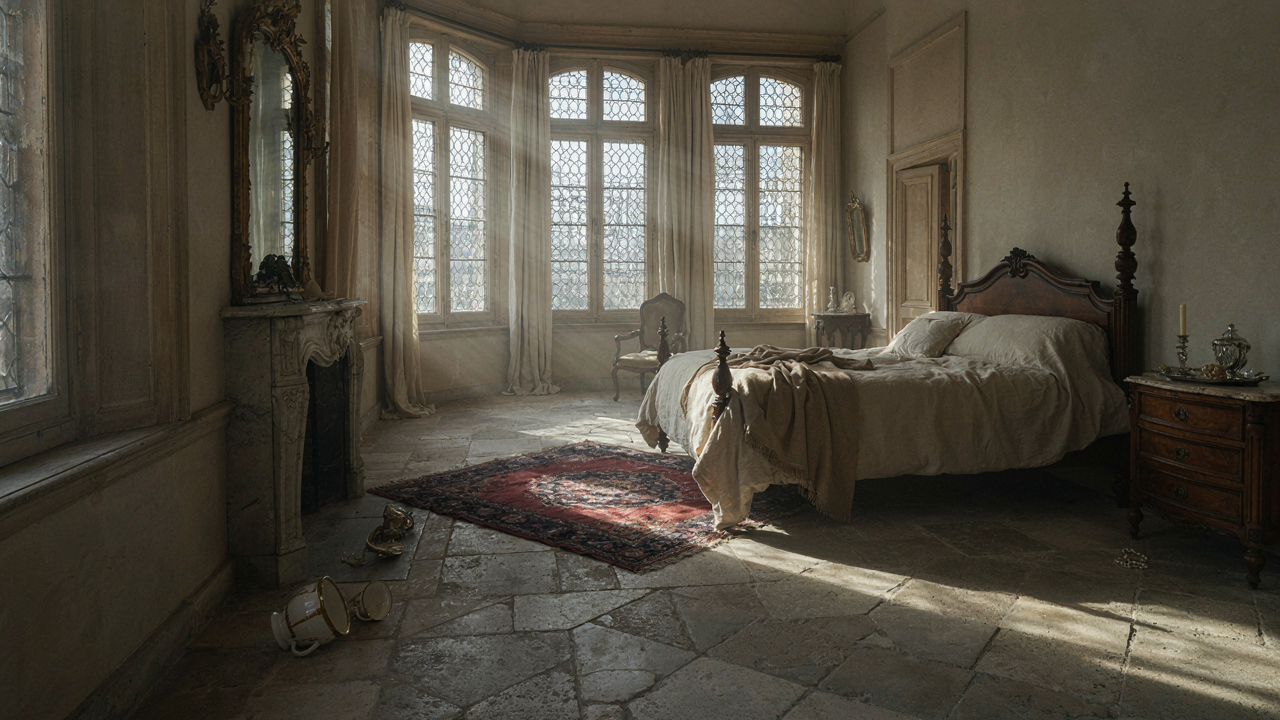
The Folly Of Imitation: Why Most “Chateau” Bedrooms Fail
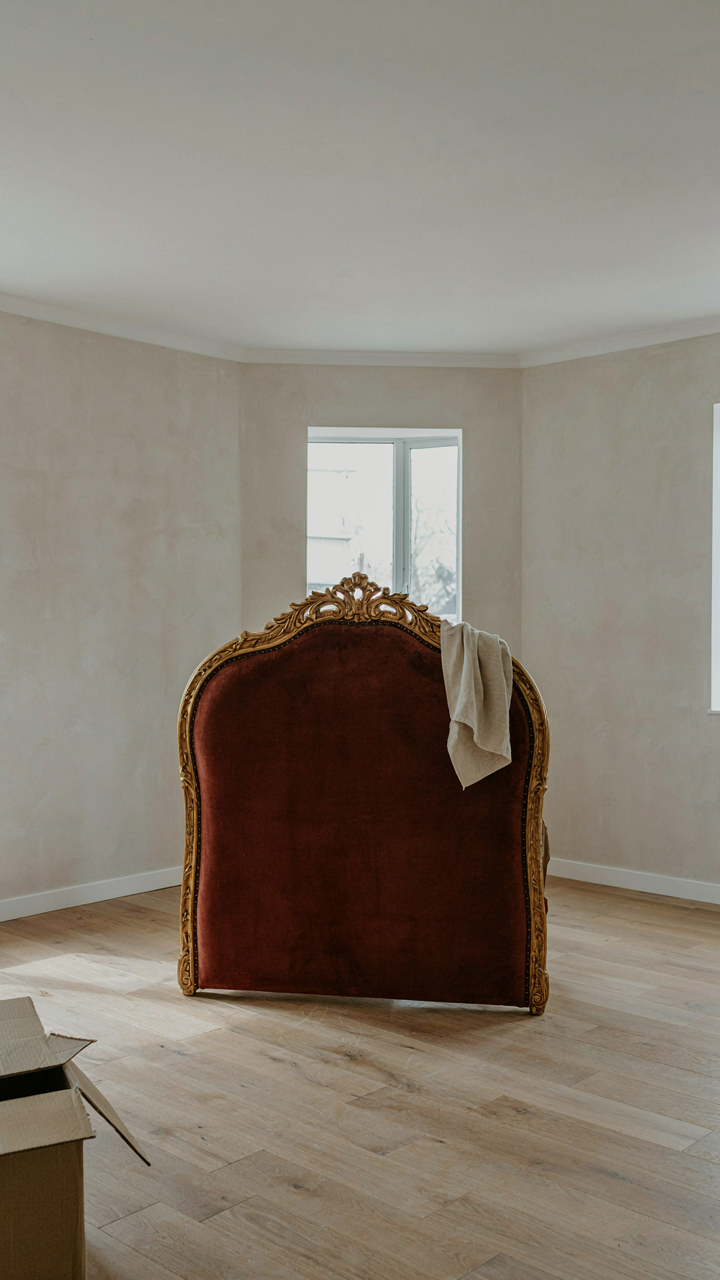
Copying Aesthetics Without Understanding Inheritance
You want the status signal without doing the work to earn it. Most people treat a chateau bedroom like a costume—grab the velvet headboard, throw in some gold leaf, call it done. That’s not style. That’s cargo cult design. The real mechanism is inheritance, not aesthetics. A genuine chateau bedroom emerges from centuries of accumulated constraint and wealth. French aristocracy didn’t choose ornate plasterwork because it looked good. They chose it because they could afford the labor, and the labor signaled permanence. Copy the ornament without the logic underneath, and you get theater.
The difference matters because materials, proportions, and finishing details all cascade from function. A chateau bedroom’s high ceilings existed to manage heat and humidity in stone structures. The window placement balanced natural light with privacy. The furniture arrangement followed the room’s thermal zones. When you rip out the visual layer and paste it into a modern bedroom without understanding why those choices existed, the space communicates confusion, not confidence. You end up with a room that looks French the way a costume looks French on someone who doesn’t speak the language.
Historical Logic, Not Just Visual Nostalgia
This isn’t about memorizing dates. It’s about recognizing that every design choice served a material reality. A 17th century chateau bedroom in the Loire Valley faced specific problems: stone walls held cold, candle lighting was expensive, furniture had to last generations because replacement was nearly impossible. The solutions—heavy drapery, dark woods, gilded surfaces to reflect candlelight, built-in elements—weren’t chosen for beauty alone. They were infrastructure.
Modern replicas skip this step entirely. They install a crystal chandelier for decoration when the original existed to solve a lighting problem. They add damask wallpaper because it looks period-appropriate, not because it serves any function your room actually needs. The real move is reverse-engineering the constraints. Identify what problem the original design solved, then decide if your bedroom faces that same problem. If not, the visual choice becomes an orphaned detail, expensive and false. That’s where most chateau bedrooms fail: they’re solving for appearance instead of for use.
The “Scarcity Principle” Of Estate Bedrooms
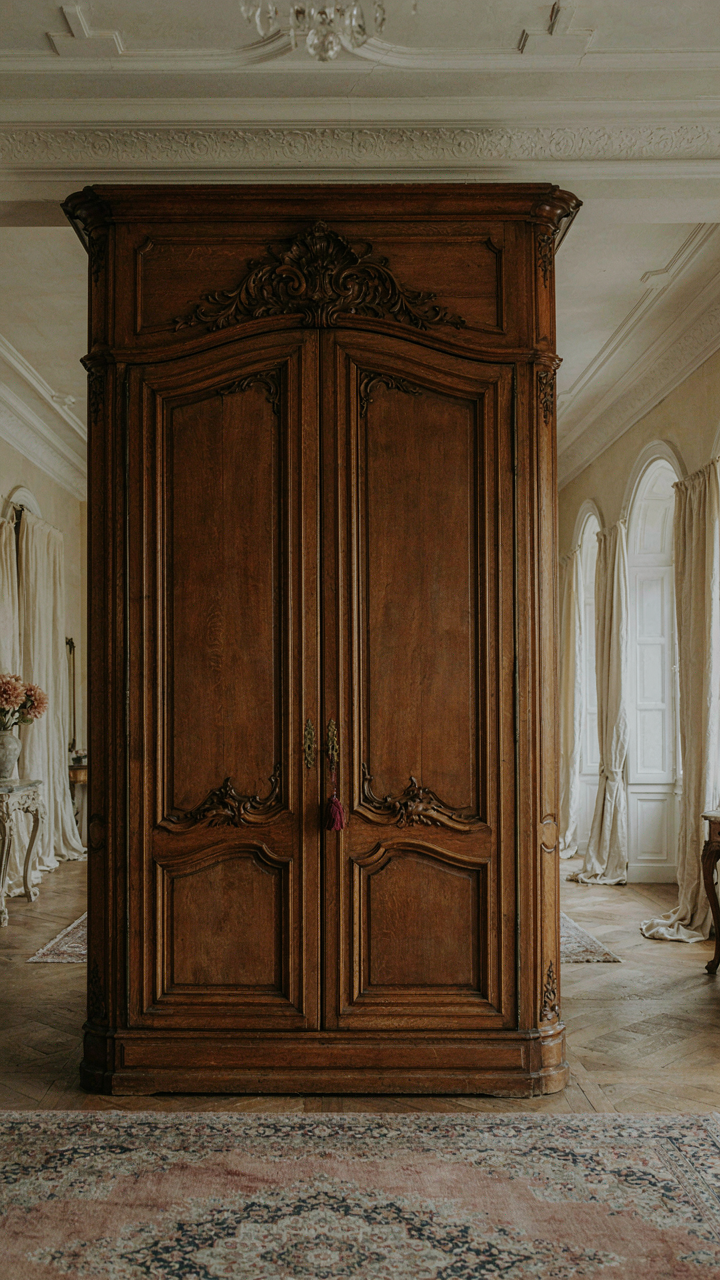
When Less Furniture Reads Like More Wealth
You want people to feel the room’s value without saying a word. That’s the real reason you care about this section. Economics teaches scarcity as the driver of perceived value, and a French chateau bedroom operates on the same principle: restraint signals abundance. A room crowded with pieces reads as uncertainty. A room with breathing space reads as confidence. The wealthy don’t fill voids because they don’t need to prove anything.

Most design advice tells you to curate and edit. That’s incomplete. The actual mechanism is visual hierarchy through subtraction. Each furniture piece you remove forces the eye to land harder on what remains. A single console table becomes significant. An armoire becomes a focal point. A bed frame transforms from background to statement. This isn’t about minimalism as a style choice. It’s about architectural psychology: fewer objects in a large space create dominance through isolation, not accumulation.
Space As A Design Material
Empty space in a grand bedroom isn’t wasted real estate. It’s load-bearing architecture for the eye. Traditional French chateaux didn’t fill rooms because they couldn’t afford to. They filled rooms because scale demanded restraint. A forty-foot ceiling demands silence below it. Cluttered surfaces fracture attention and make rooms feel smaller than they are. Sparse arrangements make rooms feel larger and more authoritative.
The protocol is simple: identify your single strongest piece, position it to command the room, then resist adding anything that doesn’t anchor to that focal point. If you have a statement bed frame, don’t flank it with redundant nightstands. If you have a carved armoire, don’t crowd it with smaller chests. One powerful object in space always outpaces three mediocre ones fighting for attention.
The Patina Protocol: Cultivating Authenticity
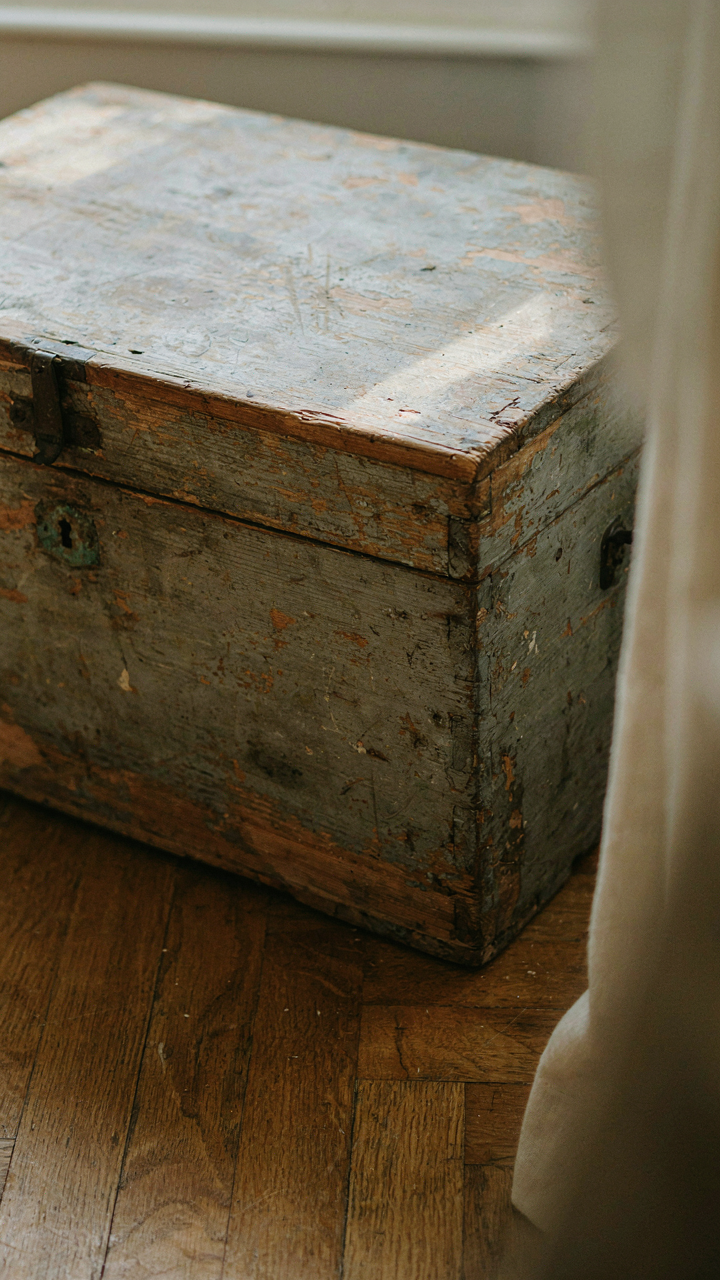
Wear As Strategy, Not Accident
You want patina because it signals you didn’t buy everything yesterday. That’s the real mechanism at work here. Patina operates like archaeological evidence in interior design: it proves time passed in the space, which reads as wealth and stability to anyone who enters. French chateaus accumulate layers across centuries. The bedroom absorbs this naturally through use, light exposure, and the simple fact of existing.
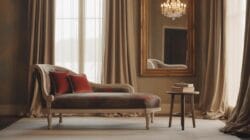
Most people treat patina as something that happens to you. Wrong. You curate it. Genuine aged surfaces have irregular wear patterns that follow logic: high-touch areas show more damage, sunlight fades fabric and wood unevenly, humidity creates specific discoloration. You notice which corners of an antique mirror lost silver backing first. These patterns are readable. Reproduction “distressing” is uniform and obvious because it ignores how actual time works.
Sourcing Without The Markup
Auction houses and high-end dealers mark up authenticity. You pay for their curation, their risk assessment, their location. The real supply lives elsewhere. Regional French antique markets, estate liquidators outside tourist zones, and dealers specializing in architectural salvage move inventory that never touches Paris showrooms. You need a specific geographic strategy: smaller towns near the Loire Valley or Burgundy have working chateaus that still shed genuine pieces.
Authenticate through material specificity, not aesthetics. Examine wood species, joinery techniques, and hardware manufacturing methods. Eighteenth-century French bedroom furniture used mortise and tenon joints with hand-forged nails, not dowels or screws. Veneer application differed based on era. Upholstery batting, spring construction, and webbing techniques changed measurably across decades. When you know these technical markers, you recognize real pieces before the dealer does, and you negotiate price downward accordingly.
The Golden Ratio Framework For French Chateau Interiors Bedrooms
Spatial Proportion And Room Layout
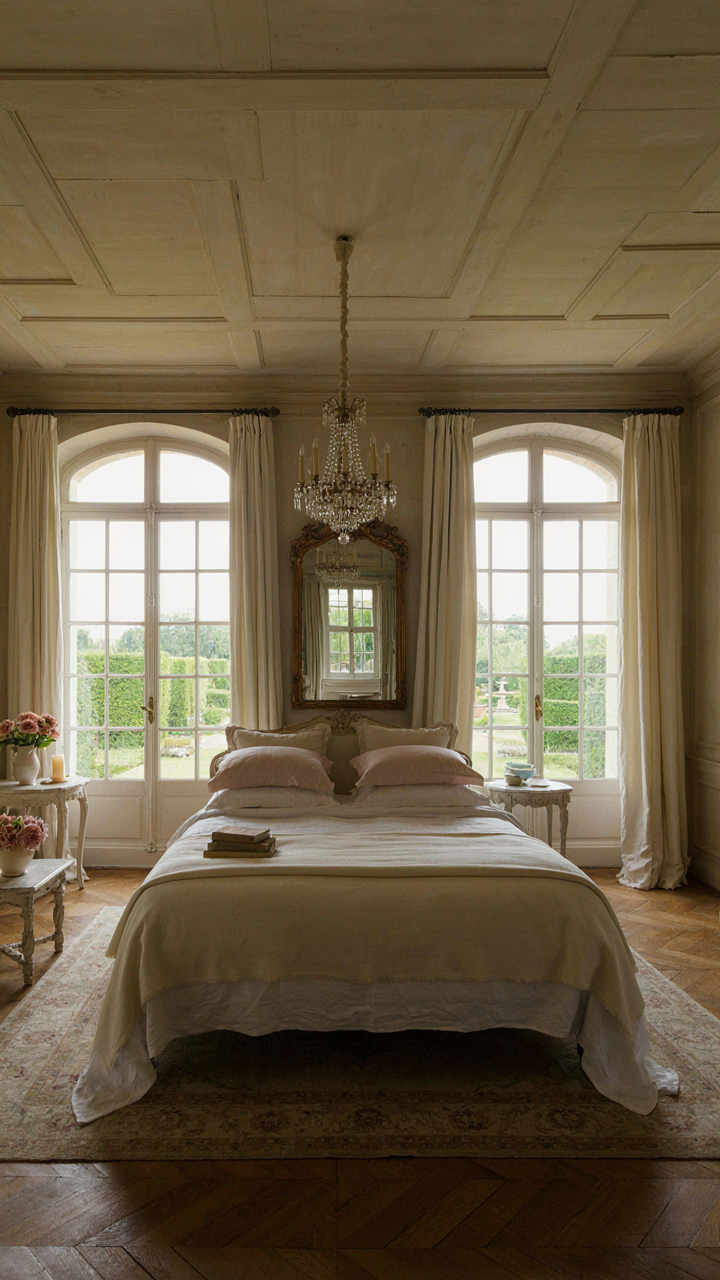
You want this section to validate that there’s a “secret formula” to making a room feel right, so you don’t have to trust your gut. Here’s the mechanism: the golden ratio—approximately 1.618 to 1—comes from architecture and mathematics, and it describes how the human eye processes proportion. In French chateau bedrooms, this ratio governs the relationship between wall length, ceiling height, and furniture placement. A room where the long wall measures roughly 1.6 times the short wall creates visual coherence without conscious effort. Architects of historic chateaux didn’t calculate this deliberately; they built by precedent and inherited knowledge. You apply it by measuring your bedroom’s dimensions and positioning the bed so its length-to-width relationship echoes the room’s overall proportions.
The practical step is direct: measure your bedroom’s length and width, then divide the longer dimension by the shorter one. If the result lands between 1.5 and 1.7, your room already has inherent balance. If it’s outside that range, the bed placement becomes your corrective tool. Position the bed so its visual weight anchors the room’s longest sightline. A bed 6 feet wide in a 10-foot-wide room creates a different perception than one in a 15-foot-wide room. Adjust nightstands, dressers, and wardrobes to maintain proportional spacing from walls and the bed’s perimeter.
Visual Equilibrium Through Opposing Forces
Art history teaches that visual weight—the optical “heaviness” of an object—follows principles separate from physical mass. A dark, ornate wardrobe reads heavier than a light, simple one, even if both weigh the same. In French chateau bedrooms, designers balanced heavy stone fireplaces, gilt mirrors, and dark wood furniture with lighter textiles, pale walls, and open floor space. This wasn’t decoration—it was structural viewing comfort. The mistake most people make is clustering all heavy pieces on one wall, then wondering why the room feels lopsided. The real pattern is distributing visual weight so the eye finds no resting place that dominates.
Implement this by placing your heaviest visual element—typically an ornate headboard or large wardrobe—on one wall, then position a mirror, light-colored tapestry, or tall window treatment on the opposing wall. If you have a dark stone fireplace, balance it with an equally prominent light element diagonal to it, not opposite. This diagonal equilibrium is what chateau designers used repeatedly. The mechanism is simple: the eye tracks balance across the entire room, not just left-to-right symmetry. Test your layout by standing in the doorway, closing one eye, and noting where your vision settles. If it settles on one corner, you need to redistribute weight.
Lighting As Legacy: Mastering The Chateau Glow
Windows As The Structural Anchor
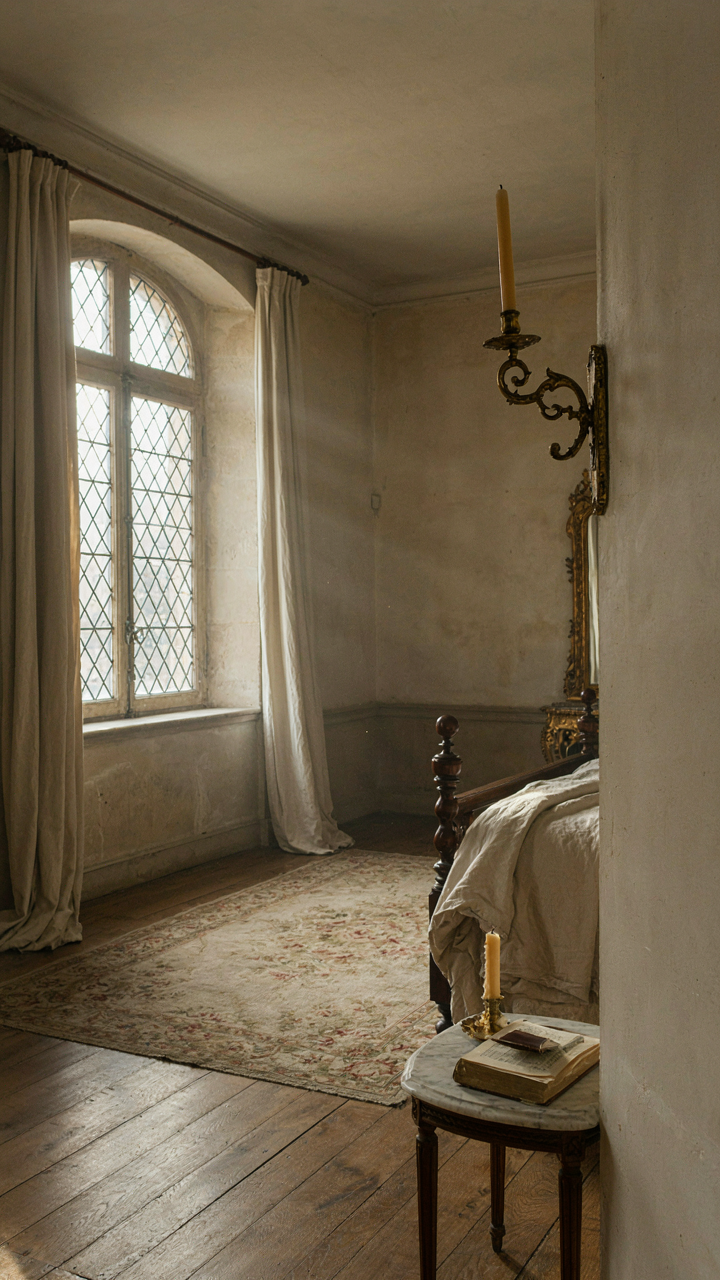
You want this room to feel effortless, which is why you’re actually terrified of getting the light wrong and exposing how forced everything else is. Here’s the mechanism: chateau bedrooms sit on an optical principle borrowed from architecture called “daylighting hierarchy”—the deliberate ranking of natural light sources by their proximity and quality to the occupant. In a chateau bedroom, the primary window placement determines everything else. French chateaux positioned bedroom windows on south or east facades to capture consistent morning and afternoon light without harsh western exposure that degrades fabrics and finishes. Your window treatment, furniture layout, and mirror placement must serve this single fact: you’re not decorating around light, you’re building the room around where light enters and how long it stays.

Maximize natural light by refusing the common mistake of heavy drapes on permanent duty. Most people think period authenticity means closed curtains, which kills the entire advantage of chateau proportions and ceiling height. Use linen or linen-blend panels that filter rather than block, mounted high on the wall to preserve the visual mass of windows. Position the bed perpendicular to windows, never directly facing them, so you capture ambient light without glare across your sleep zone. Place a mirror on the wall opposite the primary window to bounce and extend daylight deeper into the room. This isn’t decoration, it’s optical extension of your room’s functional light hours.
Layered Depths After Dark
Artificial lighting fails in chateau bedrooms because people treat it as a single on-off solution rather than as distinct functional layers that operate independently. Create three separate systems: task lighting for practical needs like reading or dressing, ambient lighting for spatial definition, and accent lighting to sculpt the room’s perceived volume. The key is control. A proper chateau bedroom runs task lights on wall sconces flanking the bed, ambient light through a central fixture dimmed to 30-40 percent for evening presence, and accent uplighting along crown molding or behind architectural details to reinforce ceiling height and period geometry.
Install dimmers on every circuit without exception. Chateau grandeur collapses under harsh full-brightness lighting because the proportions demand gradation. Use warm color temperature bulbs between 2700 to 3000 Kelvin to match the light quality of traditional candle and oil lamp eras that shaped how these rooms were designed to feel. Wall sconces positioned at eye level when seated provide functional light without creating shadows across your face. A single central fixture overhead should be supplementary only, activated during dressing or cleaning. This layered approach means you control the room’s perceived formality and intimacy by adjusting which systems run and at what intensity.
Modern French Chateau Bedroom: Blending Eras, Not Confusing Them
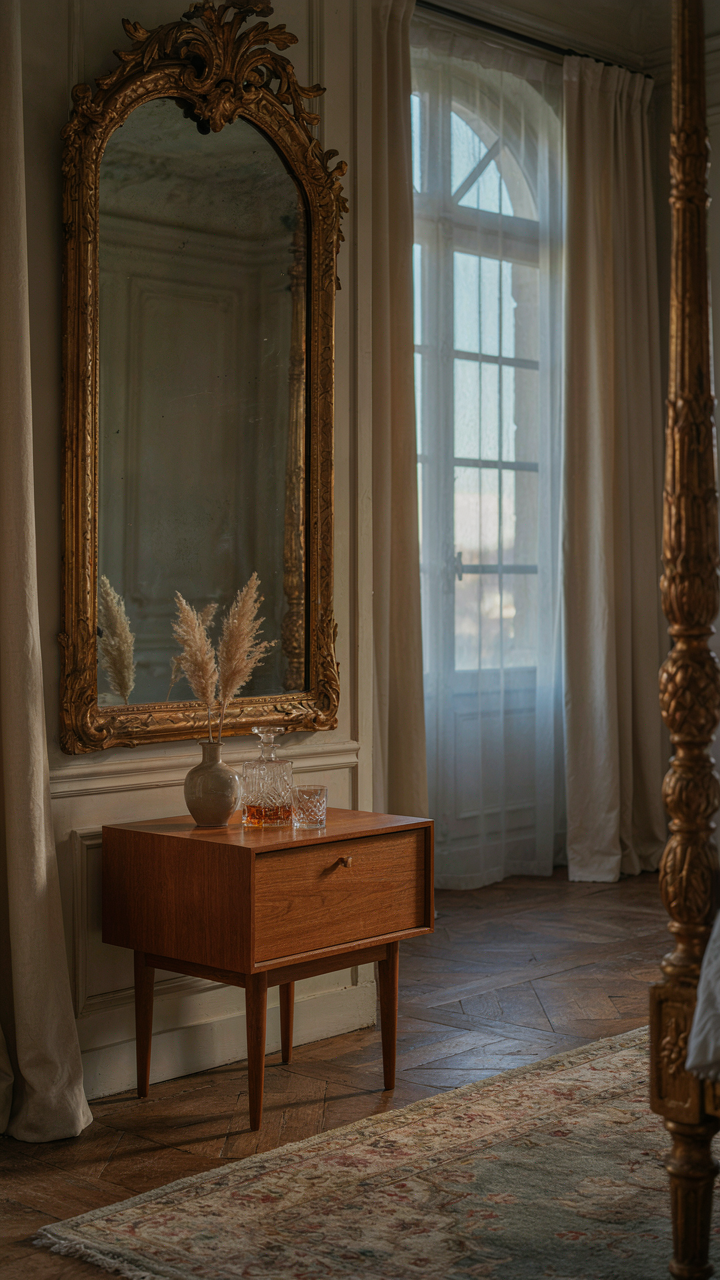
The Tension That Actually Works
You want this to feel expensive without feeling like a museum. That’s the real motive here. The mechanism is constraint-based design: you’re not mixing styles randomly. You’re using contrast theory from visual design. In a chateau bedroom, contrast means intentional distance between elements, not collision. A sleek mid-century nightstand next to an 18th-century gilt mirror doesn’t clash because they occupy different visual weight classes. The old anchors the room. The new prevents it from feeling like a recreation.
The common advice says “layer thoughtfully” or “balance old and new.” That’s too vague to execute. What actually works is this: choose one era as your base framework (the bones, proportions, architectural details), then introduce one to two modern elements as deliberate interruptions. A contemporary pendant light over a period bed frame. A minimalist wooden desk in a room with ornate wallpaper. The old pieces do the heavy lifting of authenticity. The new pieces do the work of preventing the room from feeling like a performance.
Where Anachronism Breaks The Room
Most designers make the mistake of matching energy levels across periods. A Victorian fainting couch next to a brutalist concrete accent wall doesn’t work because they fight for attention with equal intensity. Anachronism succeeds when you’re clear about hierarchy. The chateau bedroom from the 17th or 18th century was organized around function and proportion, not speed or minimalism. When you introduce modern pieces, they must respect the room’s existing spatial logic, not impose their own.
The protocol is simple: audit every non-period piece for whether it respects the room’s original sight lines and movement patterns. A glass and steel bookcase breaks the room if it sits where a built-in cabinet would have lived. Placement matters more than aesthetic compatibility. Modern lighting works because it hangs above or beside period furniture. Modern seating fails when it sits in the center of a room designed for perimeter placement. Test each addition by asking: does this follow the room’s original logic, or does it demand the room reorganize around it?
The “Quiet Luxury” Of Fabric And Texture
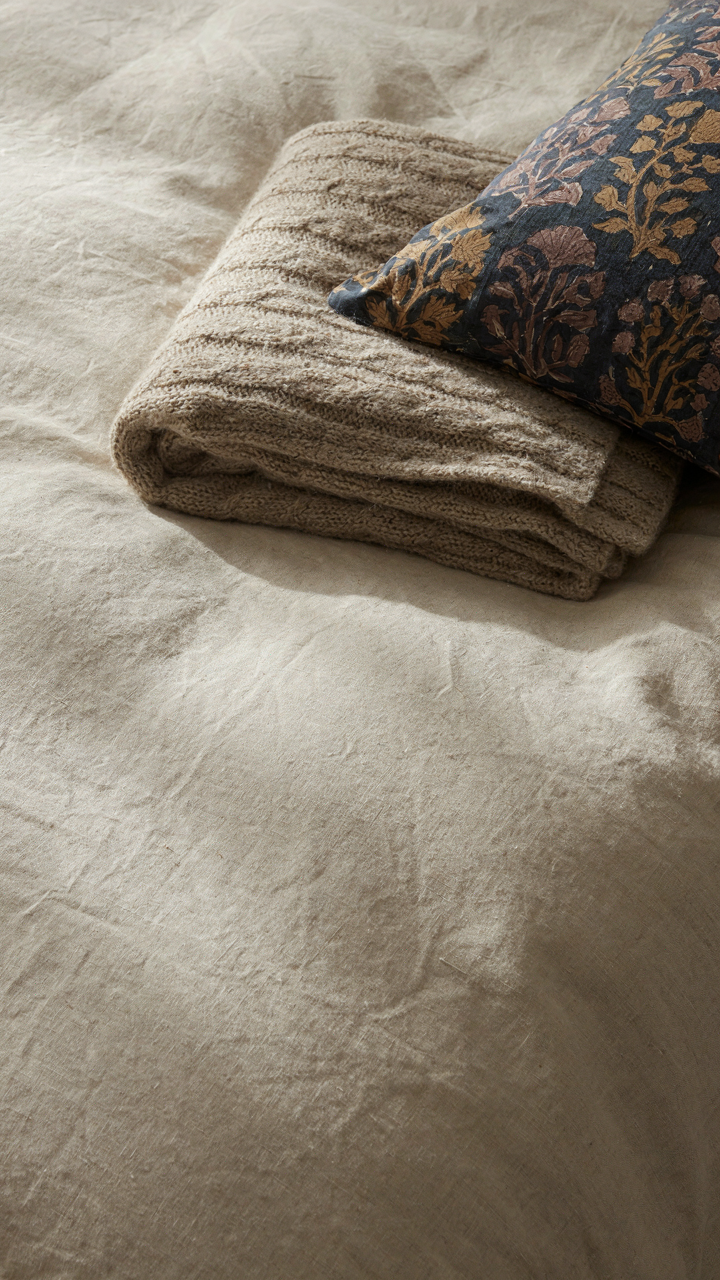
Materials That Actually Last
You want this room to feel expensive without screaming for attention. That’s the real motive here, and it only works if the materials survive actual use. Fabric selection in French chateaus operated on a simple rule: natural fibers that age well. Linen, wool, silk, and cotton dominated period bedrooms because they handle humidity, don’t trap odor, and develop character over time instead of degrading. Synthetic blends do the opposite—they break down faster and feel cheaper the moment you touch them.
The mechanism is durability disguised as aesthetics. A heavy linen duvet cover in cream or taupe won’t pill, won’t fade uniformly, and won’t feel thin after five years of washing. Wool blankets maintain structure and insulation indefinitely. Silk accents on pillows catch light naturally without looking plastic. When you buy these materials, you’re not paying for luxury branding—you’re paying for fibers that perform. That performance is what reads as expensive.
Pattern Restraint Over Visual Noise
Everyone gets this wrong. They assume a French chateau bedroom needs toile wallpaper, damask everything, and florals competing for space. It doesn’t. The real French approach used pattern as accent, not foundation. A single fabric pattern—often a subtle geometric or classical toile—appeared on one statement element: the headboard upholstery, window treatments, or bed skirt. Everything else stayed solid.
The sophistication comes from knowing when to stop. A cream linen wall, a patterned headboard in soft greens, solid wool blankets, and one patterned throw pillow create hierarchy. Your eye lands on the pattern, understands the room instantly, then settles. Rooms that layer six patterns look busy, not grand. Restraint signals confidence and control—the actual mechanism of luxury. Pick one pattern maximum for fabric; let texture and material quality handle the rest.
Royalty Aesthetic Bedroom: The Art Of Deliberate Imperfection
Patina Over Pristine Condition
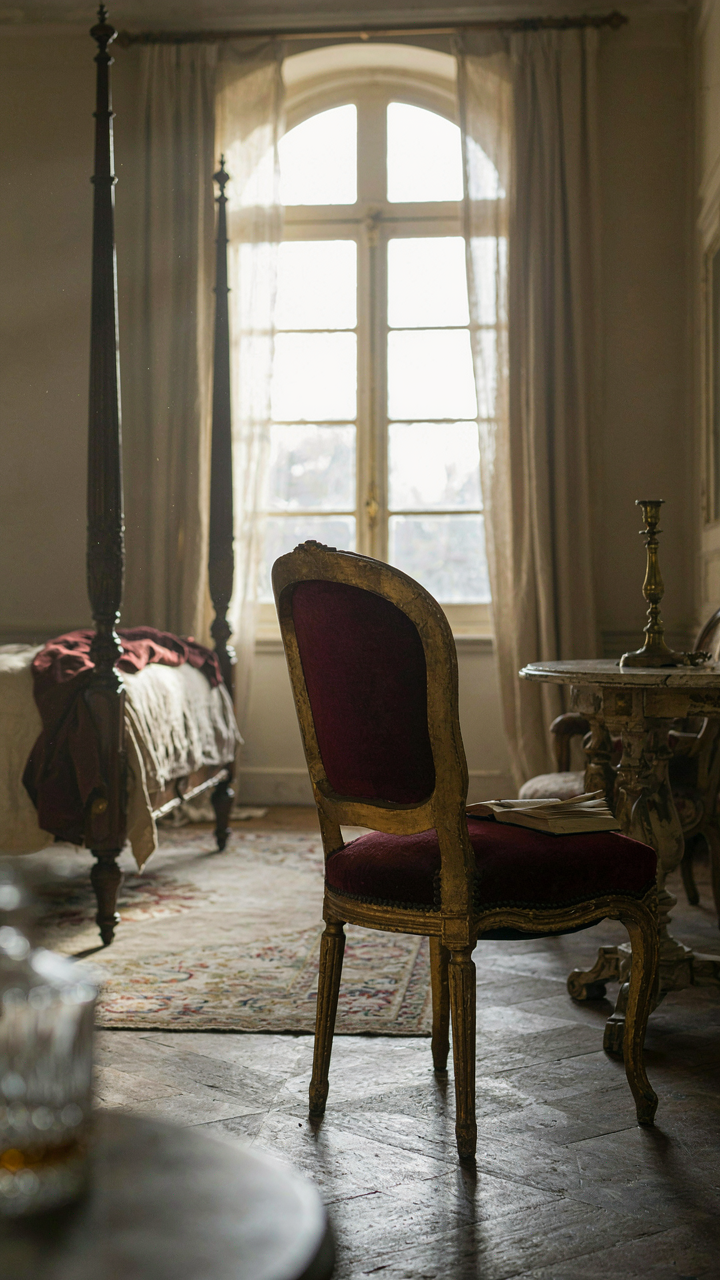
You want your room to signal wealth and taste without looking like you bought everything last month. The mechanism is simple: entropy signals authenticity. Antique furniture with visible wear, scratches in wood finishes, and faded upholstery read as genuine because they carry a real history. New pieces dressed up to look old are theater. Real aged items are evidence.

Chateau bedrooms historically contained furniture that survived centuries. Worn velvet on a Louis XVI chair, faded gilt on a mirror frame, the slight warping of 200-year-old oak—these aren’t defects you tolerate. They’re the actual product. Museums understand this. Your bedroom should too. Source legitimate antiques with visible use marks and integrate them as anchors, not curiosities.
Lived In Over Showroom Ready
Most interior design advice says to curate obsessively, which creates sterile spaces that feel temporary. Wrong approach. A chateau bedroom evolved over generations through actual habitation, not design iteration. Dust settles in corners. Textiles fade unevenly. Furniture arranges for function first, aesthetics second.
Your strategy: accept that layered use creates visual texture. A worn Persian rug, mismatched candlesticks on the nightstand, books stacked on shelves without color coordination—these aren’t oversights. They’re proof someone lived here. The bedroom earns its grandeur by looking inhabited, not staged. Before final setup, verify each piece has its placement purpose, not just decorative role.
The “Invisible Hand” Of French Bedroom Ideas
Details That Whisper Status Without Saying It
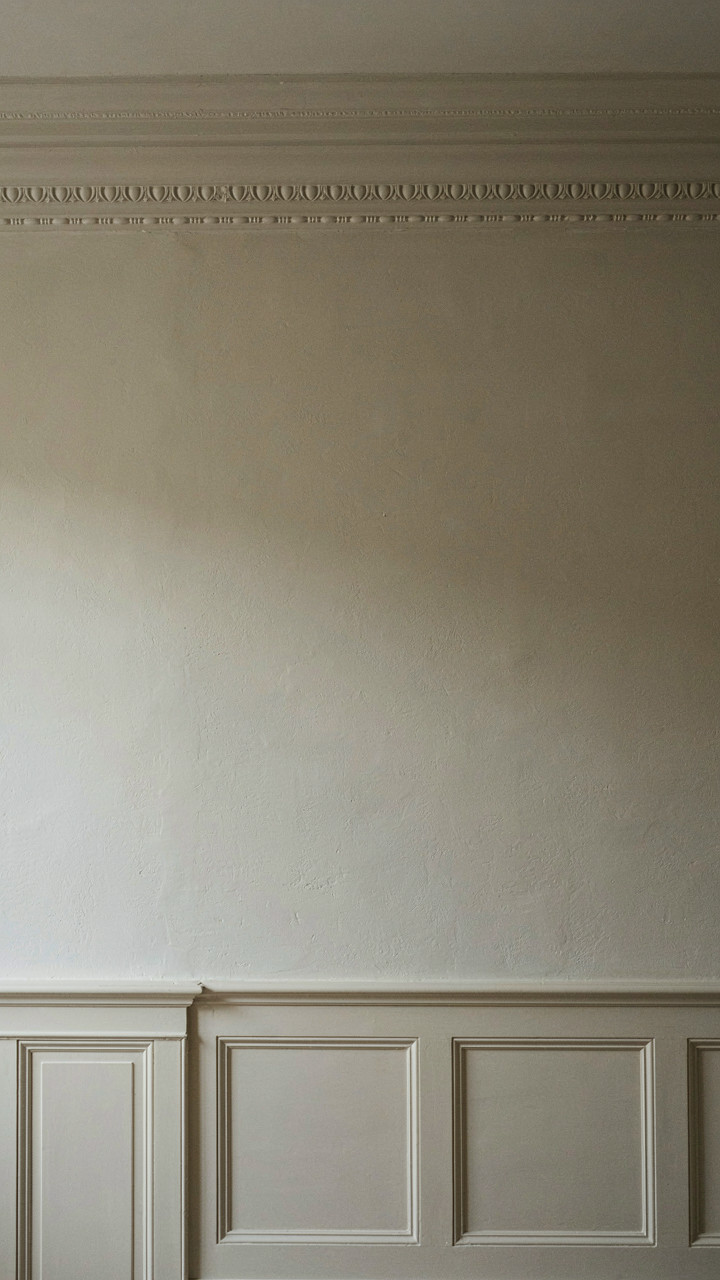
You want the room to feel expensive without looking like you’re trying. That’s the real mechanism here. French chateaus didn’t announce their wealth through obvious decoration—they communicated it through restraint and precision in architectural elements. Moldings, ceiling details, and wall paneling work like compound interest on perception: small, consistent choices accumulate into an unmistakable impression of quality and heritage.
- Crown molding at varying heights: French chateaus used crown molding not as accent but as architectural language. Layered molding near the ceiling creates shadow lines that suggest depth and craftsmanship without ornament overload.
- Wainscoting with proper proportions: The wainscot divides walls at the correct ratio (typically one-third up from floor). This isn’t decoration—it’s structural logic that feels right because it follows classical proportion rules.
- Ceiling coves and coffered details: Subtle recessed or coffered ceiling sections catch light differently than flat surfaces. The play of shadow creates dimensional interest without requiring busy pattern or color.
- Picture rails and dado rails: These horizontal divisions organize the wall visually and serve practical historical purposes. They create visual breaking points that make large rooms feel intentional rather than empty.
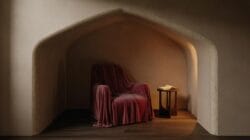
- Arched doorways and niches: Even shallow arches over doors or built-in wall recesses signal architectural confidence. The curve itself communicates planning and construction skill that flat openings cannot.

These details work because they’re invisible in the sense that viewers don’t consciously read them as separate choices—they absorb them as “quality.” The chateau bedroom doesn’t announce its details; it lets them establish baseline credibility so other design moves land harder.
The Engine Behind Authentic Grandeur
Grandeur without forced ornamentation is an economics problem: maximize perceived value while minimizing visual clutter. French chateaus solved this through spatial proportion and material hierarchy rather than decoration density. A tall ceiling, proper wall divisions, and restrained color palette create perceived grandeur because they align with how humans read space as “important” or “precious.”
The mechanism is straightforward: limit the color palette to neutrals and one accent tone, ensure ceilings are genuinely high or appear high through visual tricks like vertical emphasis, and use quality materials sparingly. A single marble-topped console or one fine painting reads as more valuable in a calm room than ten decorative objects in a busy one. Grandeur emerges from what you don’t add, not what you do. The bedroom should feel like money made a decision to stop decorating rather than start.
Beyond The Instagram Filter: Real Castle Bedroom Ideas
Materials That Actually Last
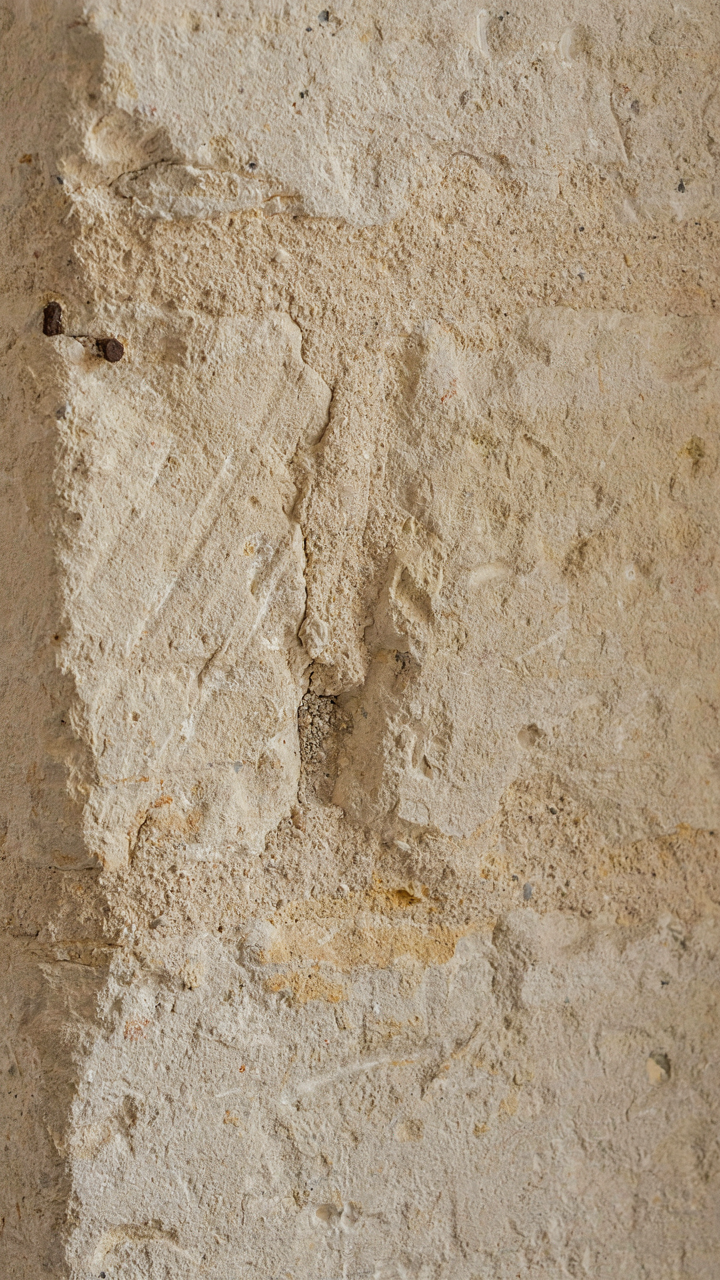
You want this room to feel permanent because permanence signals wealth and taste. Here’s the mechanism: in economics, we call it “cost of ownership.” A French chateau bedroom isn’t just about the purchase price—it’s about what you’ll spend replacing things in five years. Stone, solid wood, and natural plaster don’t degrade the way veneered furniture and synthetic fabrics do. They age visibly but functionally. That’s the entire difference between a castle bedroom and a rental that looks like one.
Limestone and limestone-based plaster absorb and release moisture naturally, which keeps rooms from developing the musty decay that cheap wall treatments invite. Reclaimed French oak or walnut for bed frames and storage won’t warp or splinter the way particle board does under seasonal humidity shifts. Linen and wool textiles fade predictably and wear into character rather than developing stains and pilling. The rule: materials used in actual 18th and 19th century chateaux were chosen because they survived three centuries of use, not because they looked good in a catalog.
Acquisitions That Build Equity
The common advice says buy antique. That’s incomplete. What you actually need to understand is which pieces appreciate, which stabilize, and which lose value the moment you own them. Furniture from the Louis XVI and Empire periods commands higher prices now than ten years ago because the supply of authentic pieces shrinks annually while demand from collectors increases. A reproduction settee loses thirty percent of its value immediately. An authenticated period frame with original gilt and carved details gains five to eight percent annually because its scarcity becomes more pronounced each year.
Source pieces directly from auction houses with clear provenance rather than dealers who can’t document origin. Authentication costs money upfront but protects the resale value of expensive acquisitions. A bedroom mirror from the Directoire period with verifiable history will sell to another collector or museum within your lifetime. A “French-style” mirror from a furniture chain will end up in a thrift store. Purchase authenticated pieces as though you’re banking them rather than decorating.
Your Pursuit Of Grandeur Is Just Fear Of Banality Disguised. Embrace Intentionality, Not Imitation
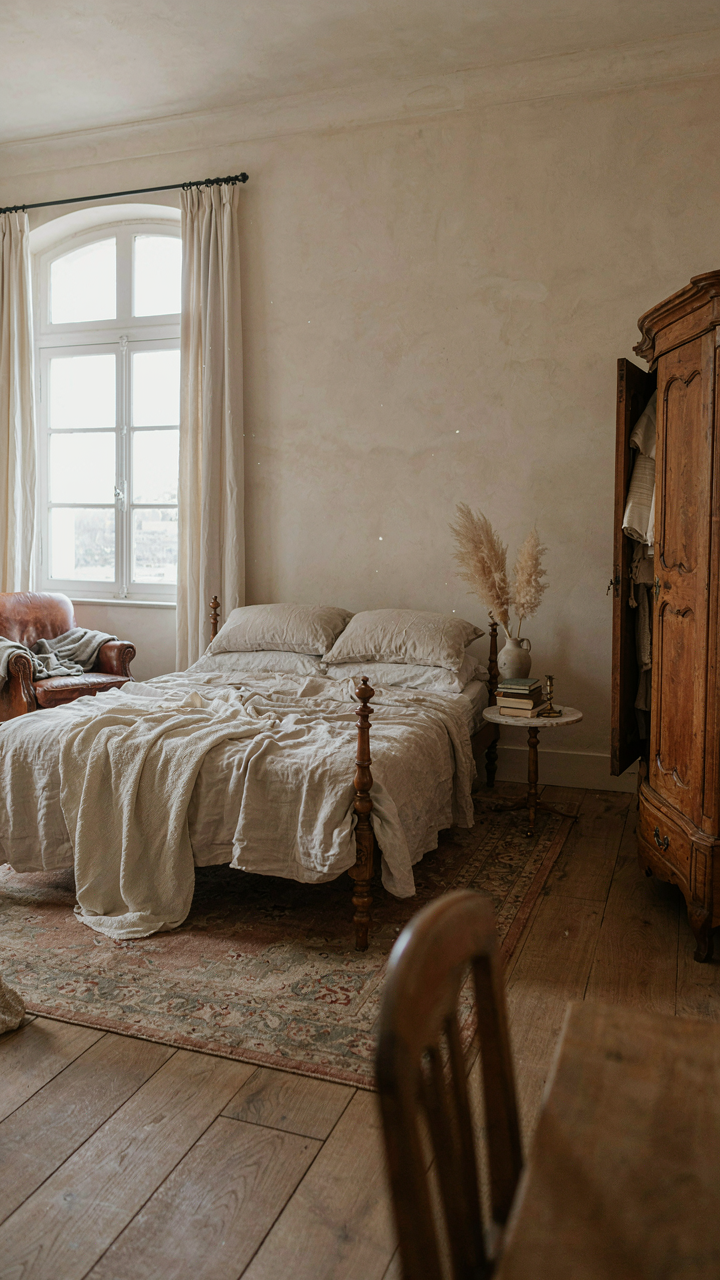
Most people copy French chateau bedrooms because they’re terrified of their own taste. They want permission to exist in beauty. Here’s the truth: a French chateau bedroom works because every object serves a purpose and reflects something real about the person living there. Stop collecting elegance like it’s a costume. Pick one element today that actually moves you, not one that looks right. Authenticity beats perfection every time, and the room that matters is the one you’d never leave.



