
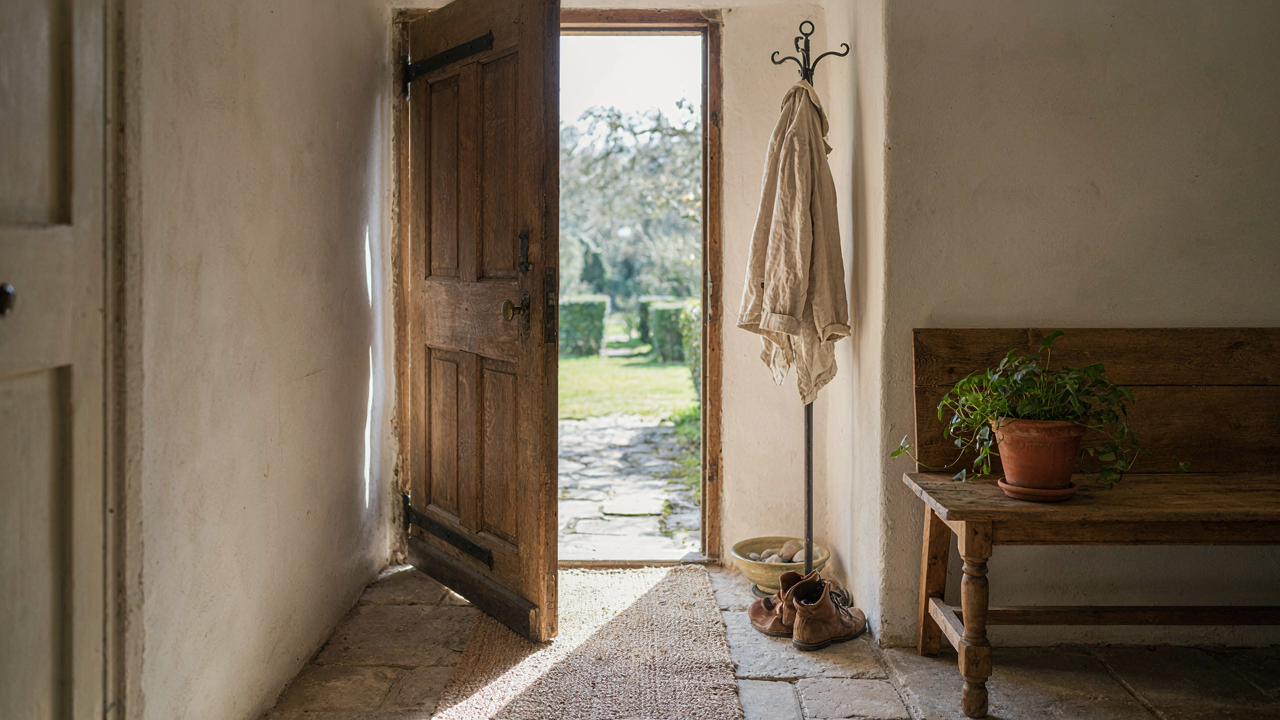
The French Country Entryway Illusion
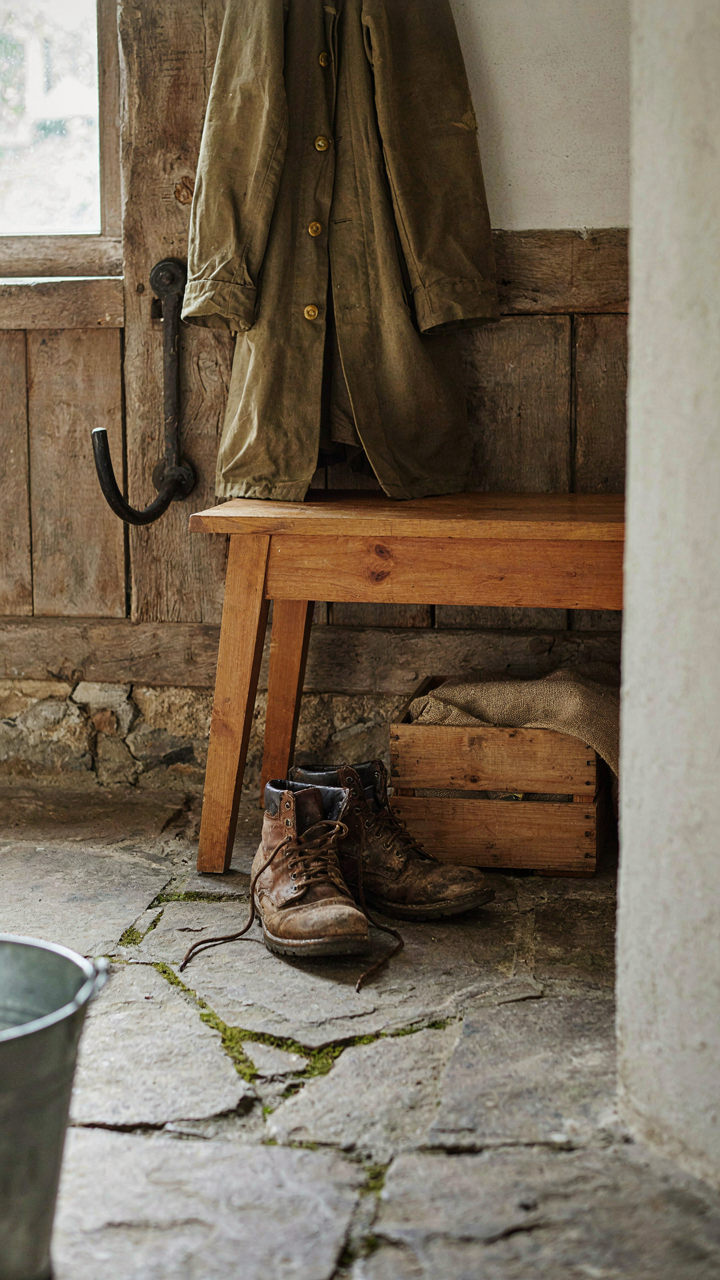
What Pinterest Got Wrong About Your Entry
You want permission to believe a curated space signals taste and hospitality. Here’s the mechanism: Instagram-filtered French country entryways are theater, not function. Real French country homes were built by people who needed their entries to work—mud scraped off boots, coats hung where they’d dry, tools staged for the next task. The aesthetic emerged from constraint, not intent. Trying to reverse-engineer the look without the problem it solved produces a museum piece nobody actually enters.
The gap between styled photos and lived-in entries reveals something useful. French country entryways succeed because they solve friction points first, then absorb beauty as a side effect. Stone floors handle moisture and abuse. Wide benches hold both weight and activity. Dark colors hide dirt. The charm comes from honest material choices and density of use, not from shopping for “authentic” pieces. Treat your entry as a work site, not a stage.
Function Comes First, Always
Entryway design is logistics, not decoration. Think of it in terms of operations management: your entry is a bottleneck where multiple demands converge simultaneously—boots, bags, coats, mail, kids, dogs. The real welcome happens when people don’t have to think about where to put their stuff. French country entryways worked because they anticipated this friction. Stone or tile flooring handled wet. Hooks and benches sat at decision points. Mirrors helped people check themselves before moving deeper into the home.
The common advice focuses on aesthetic harmony and period authenticity. That’s a trap. Prioritize what actually moves through your entry. Establish zones: wet zone for outerwear and wet items, transition zone for bags and mail, dry zone leading into the main floor. Stone, tile, or sealed concrete handles moisture better than wood. Install hooks at 60 and 72 inches high to catch different users and coat types. Only after these systems work do you choose finishes and colors.
Beyond The Beige: Unearthing Character
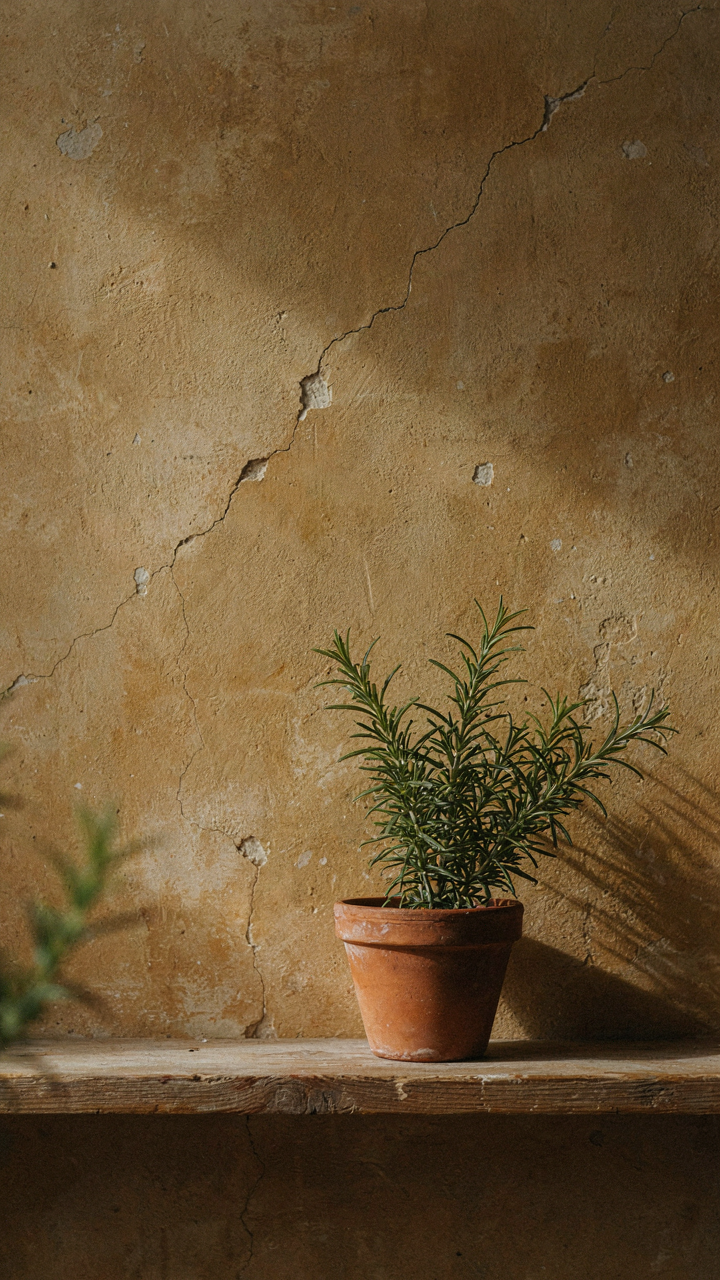
Color Palettes That Ground A Room
You want this space to feel expensive without trying. That’s the real problem. Most people think French country means pastels and safety, so they paint everything cream and wonder why it feels like a hotel lobby. The mechanism is simple: constraint creates character. French country color palettes work because they’re built on regional earth pigments that actually existed in 18th and 19th century rural France. Ochre, terracotta, deep greens from local plants, and stone grays weren’t aesthetic choices—they were material availability made visual.

The mistake everyone makes is treating these colors as interchangeable. You pick one dominant color based on what your entryway receives: light or shadow. In a bright entry, warm ochres and pale stone tones recede and welcome. In a dim corridor, deep charcoal or forest green ground the space and prevent it from feeling washed out. The palette tells a story about place and time because it references actual constraints, not design trends that will shift in three years.
Weathered Surfaces That Prove Use
Every pristine surface in your entryway signals emptiness. Weathered textures operate like biology operates—the visible damage represents accumulated history and makes the space feel inhabited rather than staged. French country entryways actually got their texture from centuries of foot traffic, humidity fluctuation, and intentional repair with whatever materials were available. The patina isn’t an accident you’re recreating; it’s the evidence of a space doing its job.
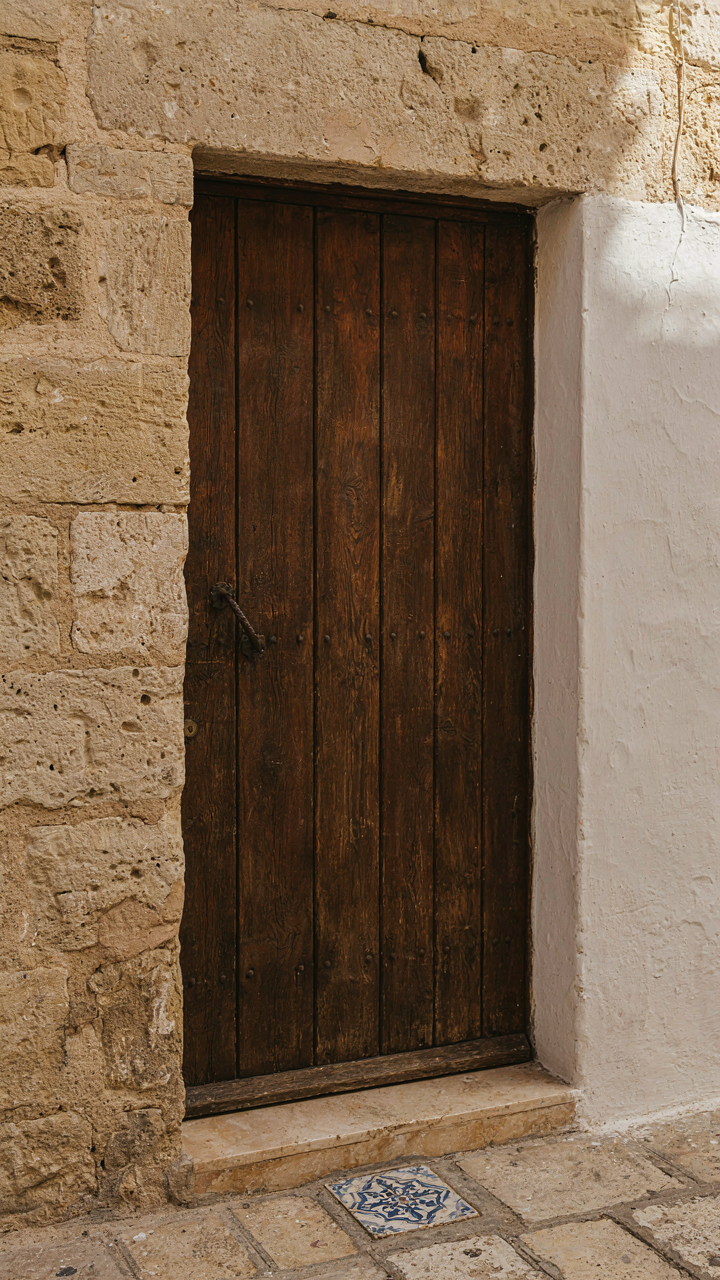
The execution requires one non-negotiable rule: texture must be real or constructed to withstand real use. Painted and distressed wood fools nobody and peels within two years. Genuine aged plaster, stone tiles with actual wear marks, or wood flooring that’s actually been refinished multiple times reads as authentic because it is. Start with one weathered element—a reclaimed door, vintage tiles, or authentic stone—and build the entry around that real anchor instead of painting fake distressing on everything.
The Curated Chaos Principle (CCP)
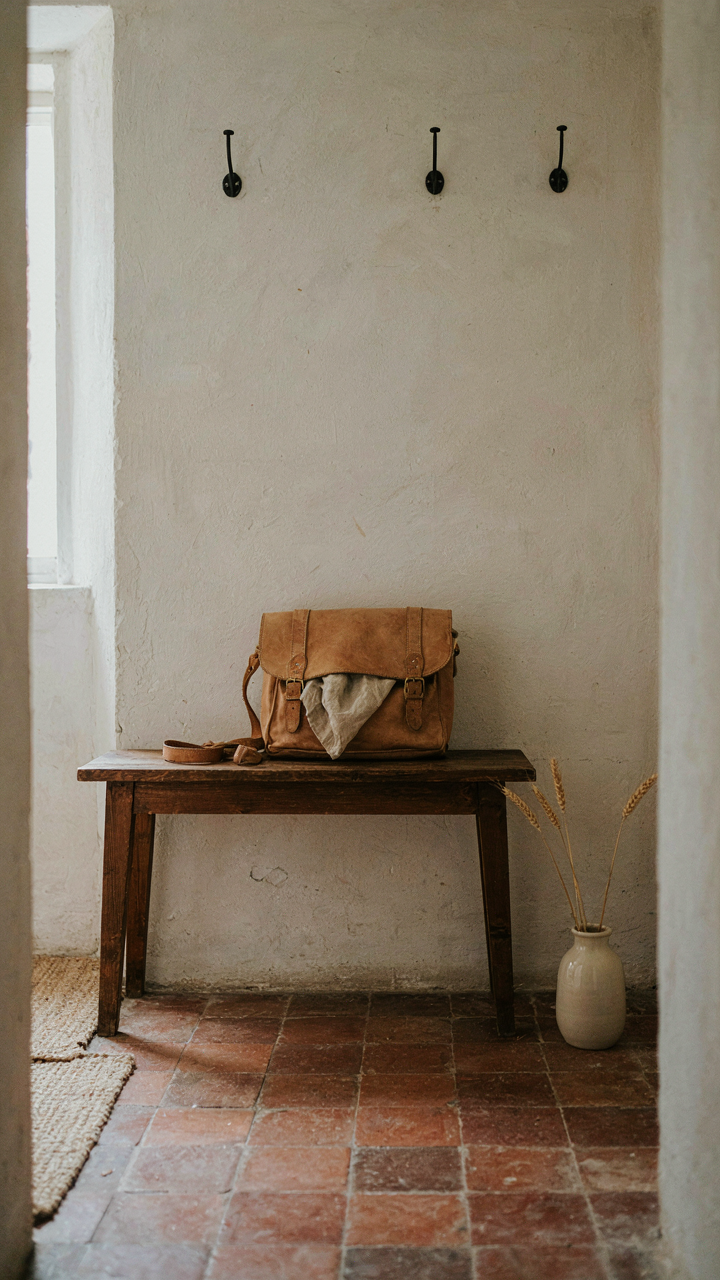
Natural Selection For Decor
You want your entryway to feel authentic without looking like you tried too hard. That’s the real fear here: effort showing. French country design borrows from ecology, where natural selection eliminates the unfit. In your entryway, this means objects survive based on functional fit and visual relationship to the space, not sentiment or trend. The mechanism is ruthless culling disguised as restraint.

A French country entryway doesn’t accumulate objects. It hosts them temporarily until they prove their place. Peasant farmhouses never displayed items because they were pretty. They displayed what worked: hooks that held coats, tables that held lamps, benches that seated people waiting. Remove anything that doesn’t solve a problem or relate meaningfully to adjacent objects. This isn’t minimalism. It’s survival of the useful.
Objects In Relation To Each Other
An entryway functions as an ecosystem where every piece influences the others. Spacing, scale, material compatibility, and visual weight determine whether items coexist or compete. You can’t just place a delicate console table next to a heavy wooden chest without considering how their proportions and finishes talk to each other. This relationship decides if the space feels composed or chaotic.
Materials anchor relationships. If your entryway contains limestone floors and iron hardware, a glass or chrome piece breaks the ecosystem. Wood tones must align: a light oak console doesn’t cohabitate well with dark walnut beams above it. The weight of texture matters equally. Rough plaster walls need tactile relief from linen or aged leather, not glossy surfaces that create visual discord. Each object earns its place by strengthening the whole system, not by filling empty space.
French Country Entryway: The Echo Chamber Effect
Stop Copying What Everyone Else Did
You want validation that your taste is correct. That’s why you’re looking at the same five Pinterest boards as everyone else. The mechanism is simple: French country design became a template, and templates kill originality because they remove decision-making. You copy because copying feels safe. The real cost is that your entryway becomes indistinguishable from ten others on your street.

French country emerged from specific regional constraints, not from a design rulebook. Provence used local stone and iron because those materials were available and affordable. Normandy relied on timber frames because forests surrounded the region. When you import the aesthetic without understanding the problem it solved, you end up with decoration that has no anchor. You’re building theater, not function.
Create Tension, Not Harmony
Most advice says to pick a style and commit to it. That’s wrong. Constraint creates the actual French country effect, not consistency. The real mechanism comes from economics: rural French homes mixed what they had because they couldn’t afford to match everything. A stone wall next to whitewash. Iron hardware on wood doors. Mismatched tiles.
Start by identifying one element that breaks the expected pattern in your entryway. Use a material that shouldn’t work there, or place a piece from a different era in the primary focal point. The disruption forces the eye to engage rather than glide past. This is how you avoid the decorating graveyard where everything looks correct and nothing feels present.
The Un Decorated Entrée Maison
What Actually Belongs Here
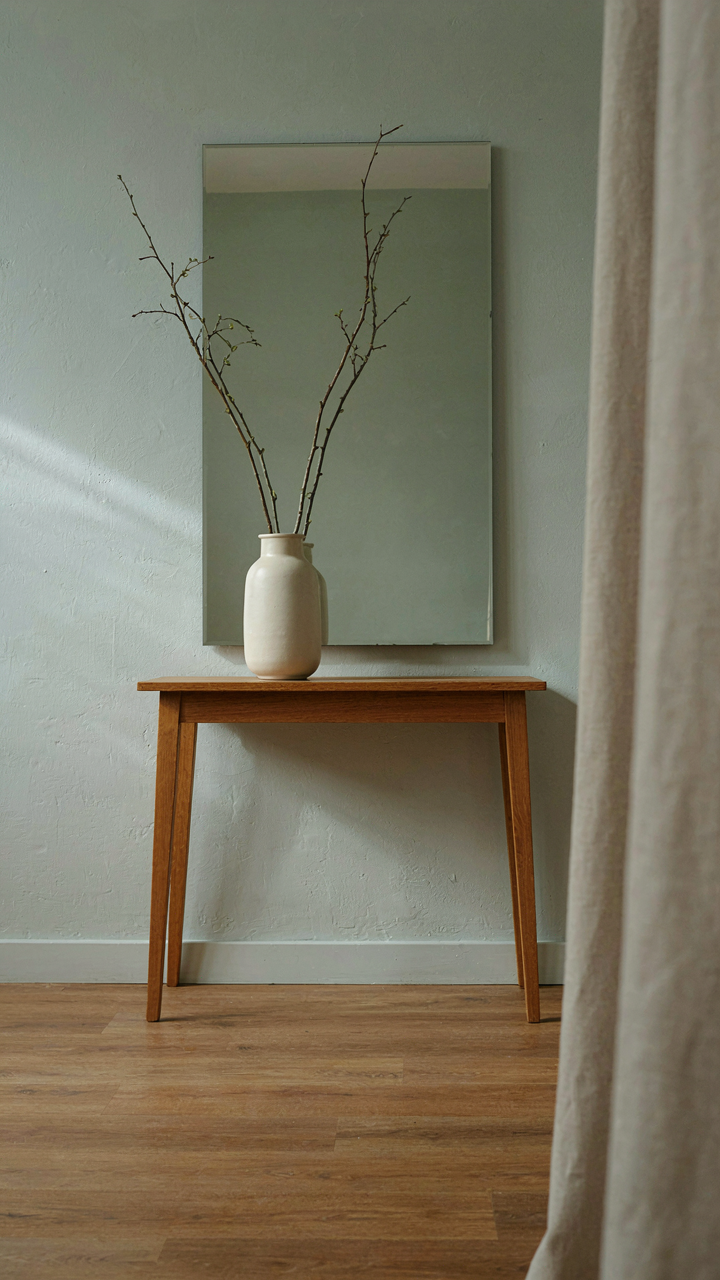
You want permission to own less. That’s the real draw of minimalism dressed up as French country style. Here’s the mechanism: traditional French rural homes had small entryways because they were expensive to heat and build. Necessity became aesthetic. A console table, a mirror, a single coat hook. Nothing more. The restraint wasn’t a choice—it was math.

Rural French households worked with scarcity, not abundance. They kept what moved through their hands daily. A bench seat for removing boots. Pegs for outerwear. A tray for keys and mail. Every object earned its place through function, not decoration. This is the opposite of the cluttered foyer modern design magazines show you. Stripped down means intentional, and intentional means the space actually works.
Emptiness Becomes The Statement
Thermodynamics teaches us about pressure and flow. A French country entryway operates on the same principle: reduce visual noise and attention concentrates on what remains. Most people fill empty wall space instinctively because bare walls feel unfinished. They aren’t. A painted wall, a single piece of functional furniture, and clear floor space create the opposite effect of a crowded room.
White or neutral plaster walls require no additional décor. A terracotta tile floor or stone works alone. One mirror with a simple wooden frame does the job of five smaller pieces fighting for attention. The mechanism is subtraction as multiplication: remove clutter and the remaining elements gain weight and presence. You don’t add style to a French country entryway. You remove everything that isn’t working.
Harvesting History: Authentic French Interior Design
Artifacts Over Inventory
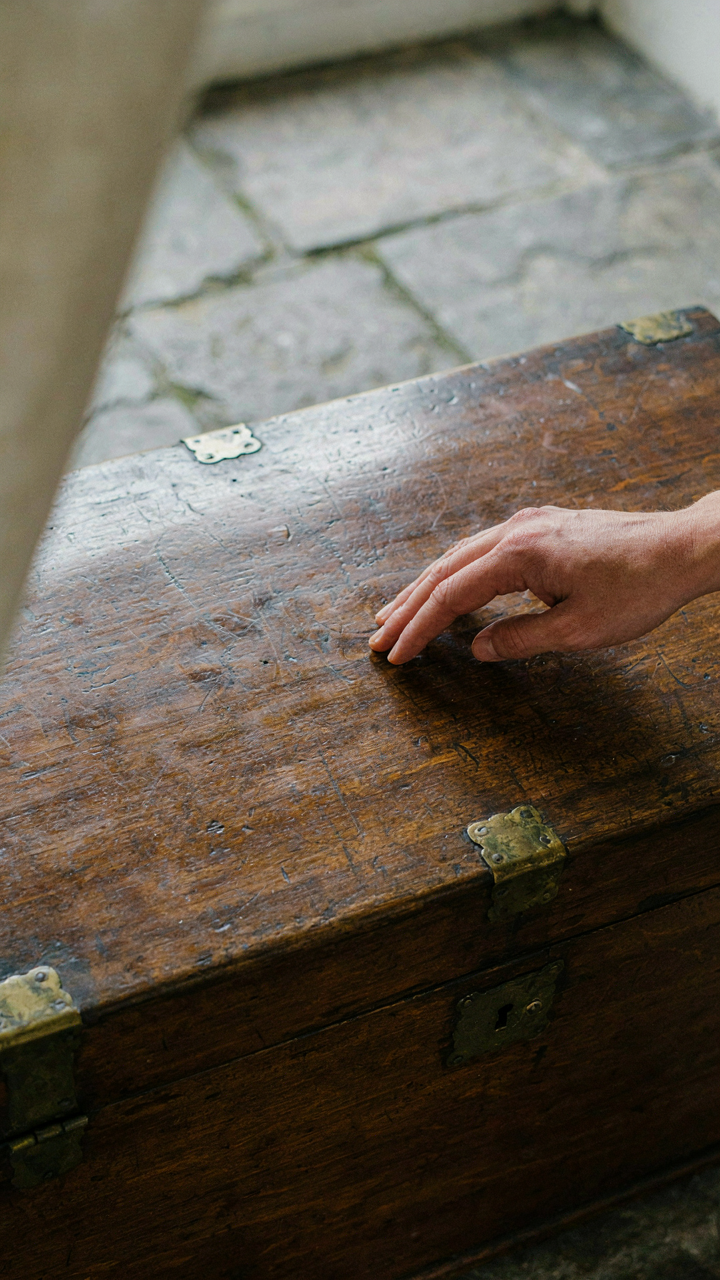
You want to feel like you didn’t just buy a aesthetic from a catalog. That fear of inauthenticity is the real driver here, and it’s legitimate. The mechanism is supply chain transparency: mass-produced “French country” pieces come from overseas factories optimized for volume, not provenance. They lack the material degradation and construction marks that signal time spent in actual use. A genuine antique mirror doesn’t just look different—it carries weight from being moved, hung, and lived around for generations. That specificity cannot be replicated by a new object designed to mimic it.

Source pieces through regional European dealers, estate sales, and architectural salvage yards rather than retail chains. Look for documentation of origin, previous ownership, or at minimum construction methods that match the claimed era. A solid walnut console table built with mortise and tenon joinery tells a different story than veneered reproduction. The entry needs three to five genuine pieces maximum—mirror, side table, light fixture—to anchor the space in actual history rather than theme park approximation.
Mixing Periods Like An Archaeologist
The common advice says “stay consistent within one period” and it’s wrong. French country houses didn’t get redecorated at ten-year intervals; they accumulated. Like stratigraphic layers in geology, each generation added without completely removing what came before. An 18th-century rural farmhouse might hold a 1920s credenza next to a 16th-century beam because families kept functional objects. This layering created visual depth that single-era interiors cannot achieve.
Build your entryway by placing pieces from different periods within the same material family: oak, walnut, wrought iron. A Louis XVI side table works alongside an early 19th-century mirror frame if both share similar wood tones and joinery logic. Start with your oldest piece as the anchor, then add progressively newer items that respond to rather than match it. This prevents the sterile feeling of a decorated room and creates the credible impression that the space simply evolved over time.
The Anti Farmhouse Entryway Manifesto
Reject Faux Distressed, Cultivate Actual Wear
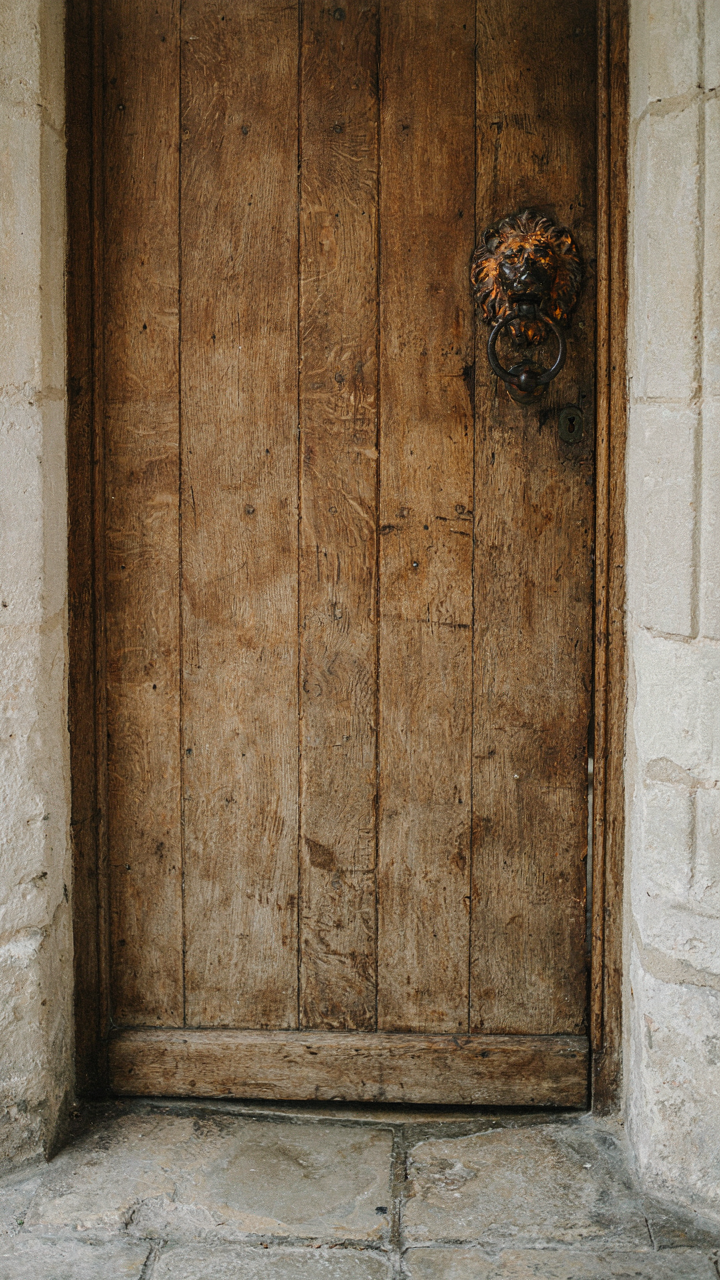
You want the look without the time—that’s the real reason this matters. You’re hoping to buy authenticity instead of earning it. The mechanism is simple: distressing is cosmetic destruction, but actual wear is structural history. A hand planed wooden door with real gouges and weathering tells you something happened there. Factory distressing just tells you someone watched a YouTube video.

Real French country entryways don’t photograph well on day one. They photograph well after thirty years. The patina comes from humidity cycles that shift wood fibers, from hands that grip railings at the same spot, from boot heels that wear a path into stone. This process is irreplaceable. You cannot manufacture it faster by sanding edges or applying dark stains to hide flaws.
Built To Last, Not Built For Trends
The common advice says “invest in quality”—which is lazy and incomplete. What actually matters is choosing materials and joinery that survive longer than your attention span. A French country entryway built with mortise and tenon joints will outlast one held together with pocket holes and wood filler by decades. The mechanism is leverage. Good joinery distributes stress across multiple connection points. Poor joinery concentrates stress at single failure points.
Stone, solid wood, and cast iron were the actual materials of French country entries because they endured constant use and weather exposure. Plywood veneers and laminate didn’t exist then. When you source these materials now, you’re not being nostalgic—you’re selecting what physically works. Installation protocol: find craftspeople who use traditional joinery methods, not speed assembly techniques. Ask specifically how they’re joining frames and building stairs before hire.
Beyond Inspiration: Cultivating Your Own Welcome
The Story Your Entryway Tells
You want this section because you’re afraid a French country entryway will look borrowed, not yours. Here’s the mechanism: authenticity isn’t about originality. It’s about friction. The entryway that works is the one where your actual life collides with the design language you’ve chosen. French country style emerged from rural necessity, not aesthetic theory. Provence farmhouses used stone, terra cotta, and wrought iron because those materials survived heat, use, and time. Your entryway needs the same collision between what the style demands and what your daily life requires.

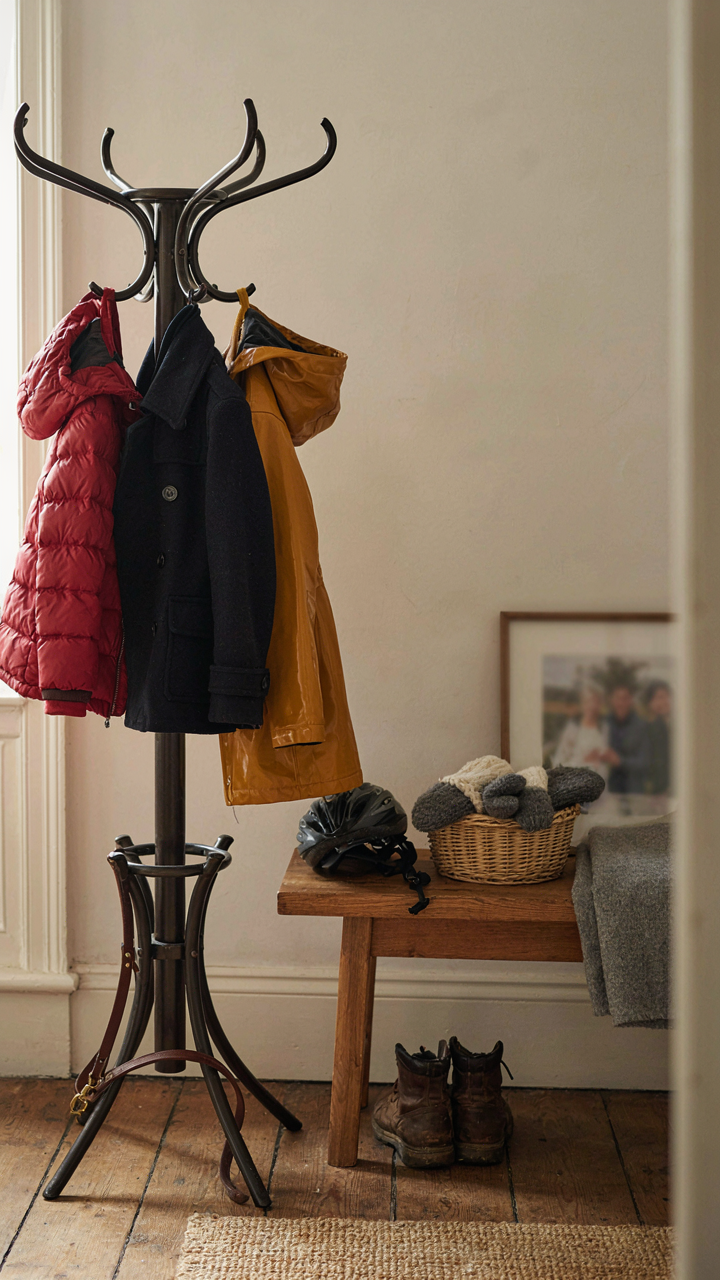
The gap between inspiration and execution reveals something useful. When you copy a mood board directly, you’re importing someone else’s friction patterns. Their coat rack works because they own two coats and love brass. Your coat rack needs to hold eight jackets, a dog leash, and a helmet. That constraint isn’t a problem to solve around. It’s the actual design requirement. The moment you stop treating your entryway as a styled set and start treating it as a functional space you inhabit, the French country language stops feeling generic and starts feeling earned.
The Entrance Becomes A Mirror
Your entryway communicates what you’ve chosen to reveal about yourself. French country design doesn’t hide function. Stone walls show wear. Wood beams age visibly. Wrought iron displays its weight and joints. The style says: this is real, not performed. That directness creates a trap. If you’re using French country aesthetic to hide your actual life, the entryway becomes a costume. People feel it immediately. The pristine white linen curtains that never open. The decorative baskets storing nothing. The unused console table. These signal pretense, not welcome.
The real mechanism is curation through removal, not addition. French country entryways work because they exclude what doesn’t belong. A weathered wooden bench. A single antique mirror. A wrought iron coat rack. Each piece earns its place through use or visual authority, not volume. Start by removing everything unnecessary, then place only what serves function or carries personal meaning. That might be family photos in simple frames. It might be a plant you’ve kept alive for years. It might be the worn leather of a coat rack your grandfather owned. Your entryway becomes distinctive when it reflects what you’ve deliberately kept, not what you’ve accumulated from a design catalog.
Your Entryway Reveals Your Deepest Insecurity: The Need For External Validation
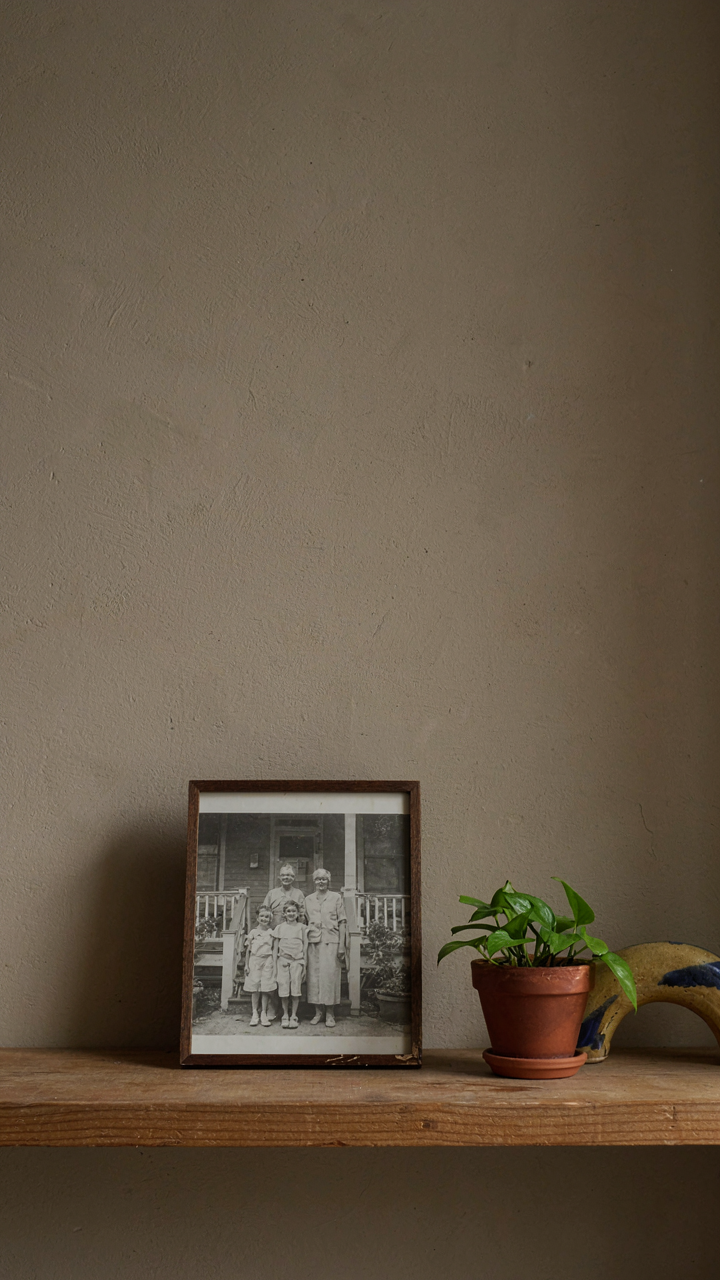
Most people design a french country entryway to impress guests they rarely have. They chase Pinterest aesthetics instead of building spaces that work for their actual life. The shift happens when you stop decorating for an imaginary audience and start designing for yourself. Pull one piece from your past, one from nature, one from your travels. Mix them without apology. Your entryway becomes honest when you stop performing. The gracious welcome starts with admitting you were never designing for them anyway.




