
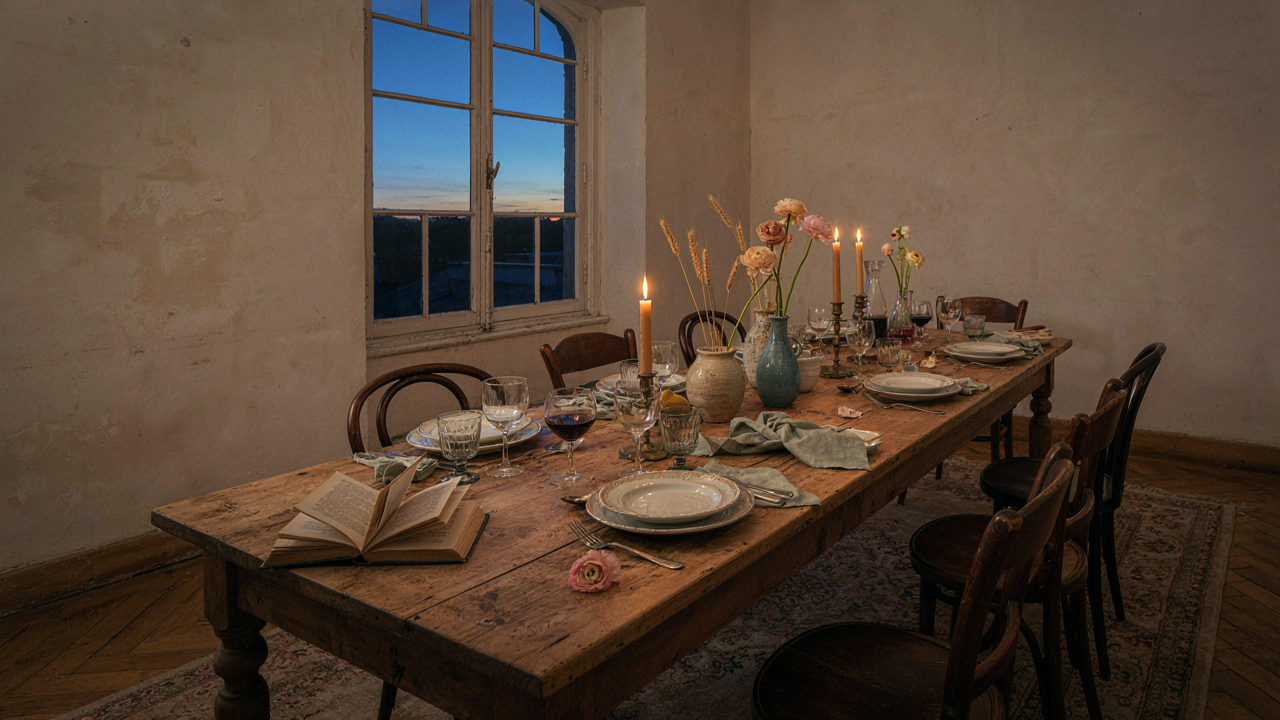
The Heirloom Fallacy: Why Buying New Is Missing The Point Of French Style Dining Room
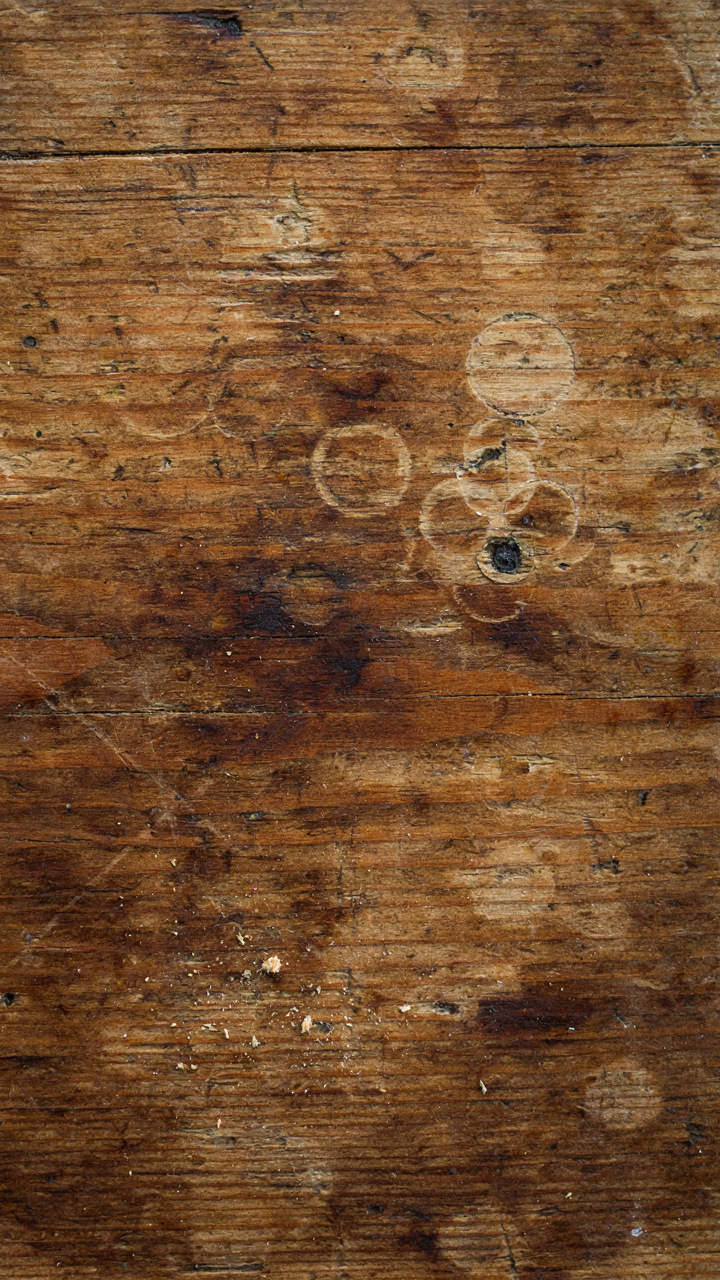
Authenticity Over Imitation
You want the aesthetic without the waiting. That’s the real tension here. New furniture with a “distressed” finish fails because it reverses the actual mechanism of French country style. The style exists because rural French craftsmen used what they had, replacing broken pieces over decades until the room told a story. Mass-produced distressed pieces fake the outcome while skipping the input. The patina is surface theater.
Real French country dining rooms don’t announce their age. They wear it. A genuine 19th-century farmhouse table has wear patterns that correspond to actual use, not a sander’s template. The finish varies because different hands oiled it differently over time. A new table roughed up in a factory carries none of this information. It’s a costume, not a room.
The Subtle Power Of Provenance
Provenance is the economic term for ownership history, and it determines value in antiques the way location determines value in real estate. A French country dining room without provenance is just old furniture arranged in a room. A piece with provenance carries documentation, repair marks, regional wood types, and construction methods that date it honestly. You’re not buying a chair. You’re buying evidence of how people actually lived.
Source your pieces from regional antique dealers, estate sales, and French import specialists rather than furniture chains selling “farmhouse” reproductions. A table from Provence has different wood and joinery than one from Normandy. These differences matter because they create visual depth and authenticity that new pieces cannot manufacture. The mechanism is simple: real age beats fake age because real age is verifiable and unique.
Beyond Candles: Crafting The Real Candlelit Atmosphere
The Lighting Stack That Actually Works
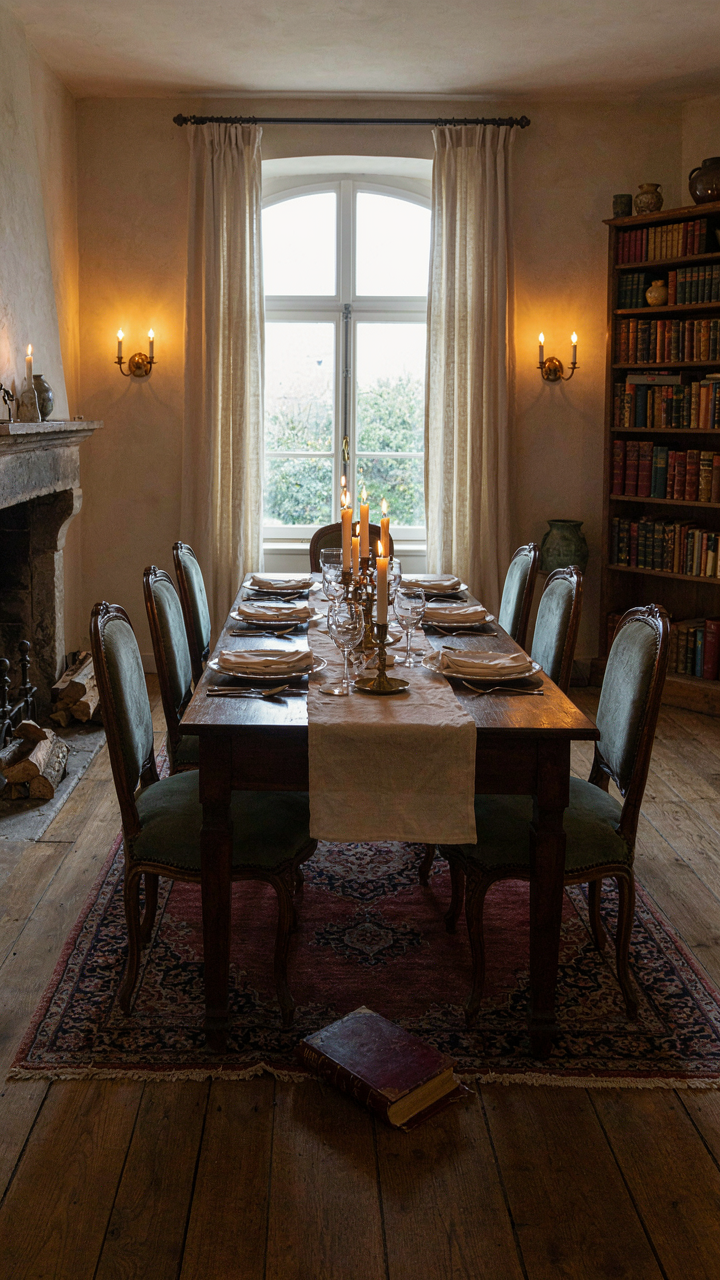
You want candlelight to feel intentional, not like you forgot to pay the electric bill. The mechanism is simple: candlelight alone creates pools of brightness surrounded by dead zones. Your brain reads this as either romantic or incomplete depending on what fills those shadows. French country dining rooms solve this through layered lighting, which borrows from architectural photography the principle of “fill light”—the secondary light source that prevents contrast from becoming visual noise.

The real setup uses three light sources, not one. Candles on the table provide the focal point. Wall sconces or a dimmed overhead fixture provide ambient fill that keeps the room legible without flattening the candle’s drama. A third source, often architectural (fireplace glow, a lit alcove, or candlelight reflected off a polished surface), creates depth. This stack lets you control mood without sacrificing function. The diner can actually see their food and their company.
How Texture Becomes Visibility
Rough surfaces—stone, exposed wood beams, linen, plaster—aren’t decoration in a French country room. They’re reflectance modifiers. When candlelight hits a smooth wall, it bounces uniformly and reads as flat. When it hits texture, the light fractures. Shadow pools in the grain, creating visual interest and the illusion of warmth spreading across the room.
This is why rough plaster walls outperform fresh drywall, and why upholstered chairs read better than lacquered ones in candlelight. The mechanism: irregular surfaces multiply reflection points, so less light travels straight back to your eye—more scatters. Your brain interprets scattered light as softer, more encompassing warmth. Pair textured walls with a wooden table that has visible grain, linen napkins, and that rough-hewn beam overhead. The candlelight activates all of it at once. That’s when the room stops looking staged and starts feeling lived in.
The “Plein Air” Principle: Bringing The Outside In (French Dining Room Ideas)
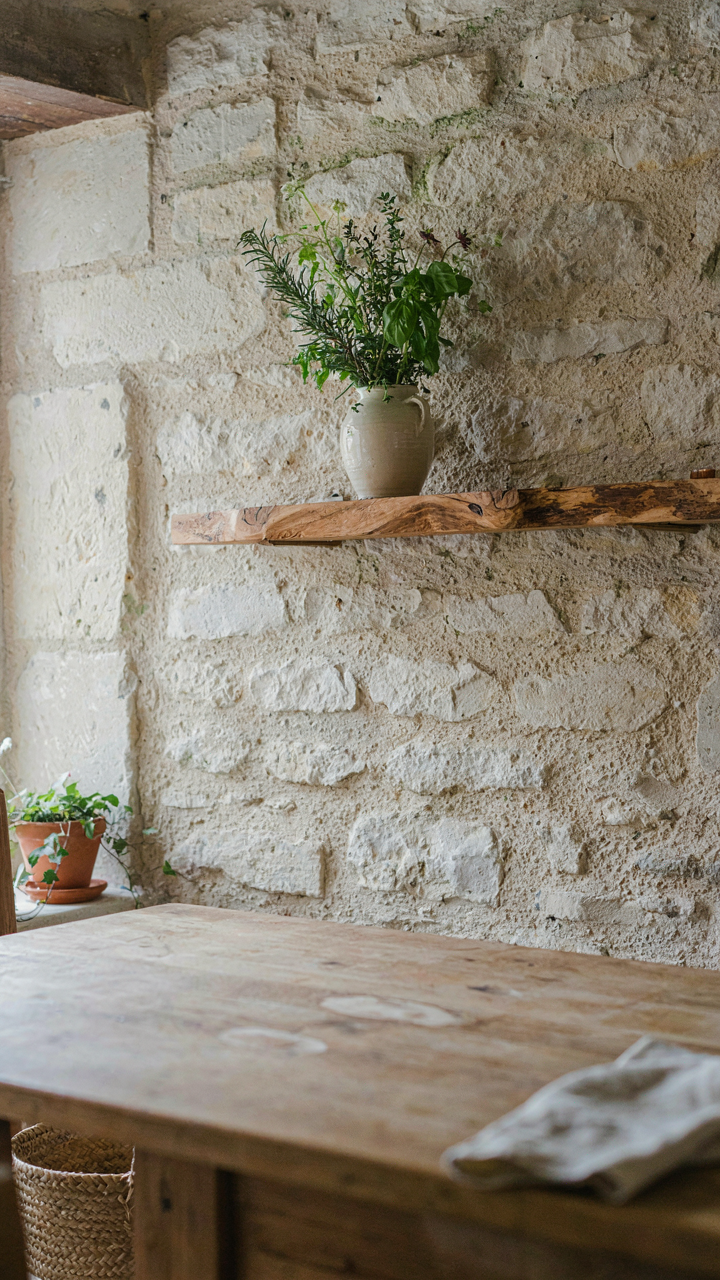
Wood, Stone, And Live Edge As Foundation
You want your dining room to feel effortlessly sophisticated, which is really just fear that your space looks try-hard. The mechanism is this: French country dining rooms work because they use materials that age visibly. Think of material selection like thermodynamics—energy only flows one direction. Once you introduce raw wood, stone, and weathered surfaces, the room gains temporal depth that no paint color can fake.

Wood dominates French country dining rooms not for nostalgia but for practical durability. Rough-hewn beams, dark walnut tables, and reclaimed oak paneling show time passing. Stone—limestone, slate, or granite—works in flooring and fireplace surrounds because it never looks new. Live edge wood on tables or shelving creates visual movement without design effort. These materials don’t require maintenance theater. They just sit there and become more authentic as they wear.
Rotating Elements By Season, Not Sentiment
Most people get seasonal decor wrong: they swap out tchotchkes like they’re updating their phone. That’s decoration, not design. French country dining rooms shift through the year by changing what’s actually functional and visible on the table. A linen runner in cream linen works summer through early fall. Deeper wools and heavier fabrics arrive with October. Candlestick placement, table centerpiece height, and even dishware weight change the room’s thermal and visual register without touching the walls.
The protocol is direct: select one anchoring element per season and let it determine three supporting changes. Winter calls for heavy glass candlesticks, dense wooden chargers, and deep-toned linens. Spring lightens the linens, reduces candle mass, and introduces fresh herbs in simple vessels. You’re not redecorating. You’re adjusting proportion and material density to match what the season actually demands from the room. This creates the feeling that the dining room lives with its inhabitants, not against them.
The Un Curated Table: Real Life In Your French Country Dining Rooms
What Actually Gets Used
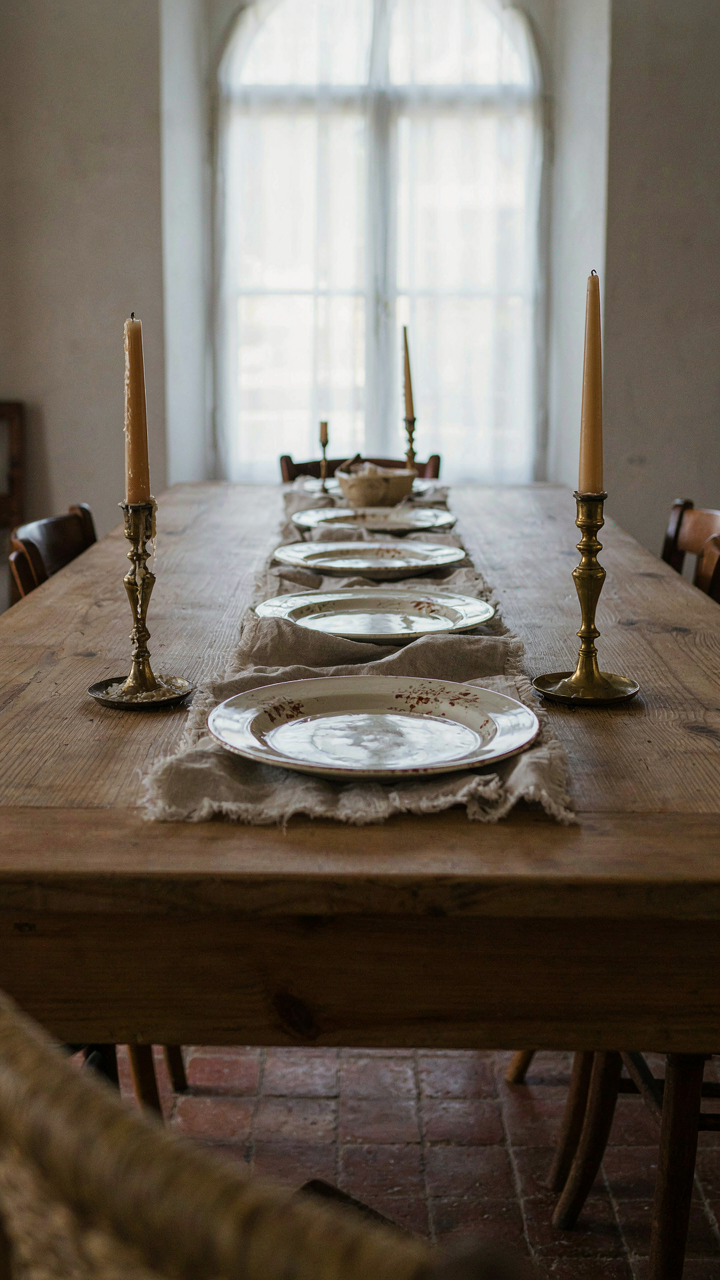
You want the dining room to look intentional without screaming that you tried too hard. That’s the real tension. The mechanism is simple: practicality forces the aesthetic. You can’t fake wear. You can’t stage dailiness. A French country dining room works because it reflects how people actually eat, not how magazines photograph spaces after the stylist leaves.

French country design emerged from rural necessity, not aesthetic philosophy. Farmhouse tables stayed rough because refinement was a luxury reserved for cities. Candlelight wasn’t atmospheric choice, it was the only light available. When you flip this backwards and start with “I want old looking things,” you’ve already lost. The imperfection has to be earned through use, not purchased at a boutique.
Patina Over Polish
Most advice says to distress new furniture to fake age. That’s backwards. Real worn edges come from contact. A table edge darkens where hands grip it repeatedly. Chair legs show scuffs where feet rest. Linens fade unevenly because light hits them differently each season. You cannot manufacture this timeline.
Start with solid wood pieces built to last decades, not ones designed to look decorative. Use your table for actual meals. Set it with everyday ceramics that chip slightly over years. Place candlesticks where they’ll accumulate wax drips. A French country dining room earns its character through the specific damage of your family’s routine, not through a finish applied in a factory.
The Effortless Elegance Protocol: A Modern French Dining Room Approach
Constraint Forces Your Best Decisions
You want permission to buy less and feel like you’ve done more. Here’s the mechanism: in economics, constraint is called the binding constraint, and in a French country dining room, your binding constraint is the rule that nothing competes for attention. You don’t need more stuff. You need fewer, better choices that eliminate the noise.

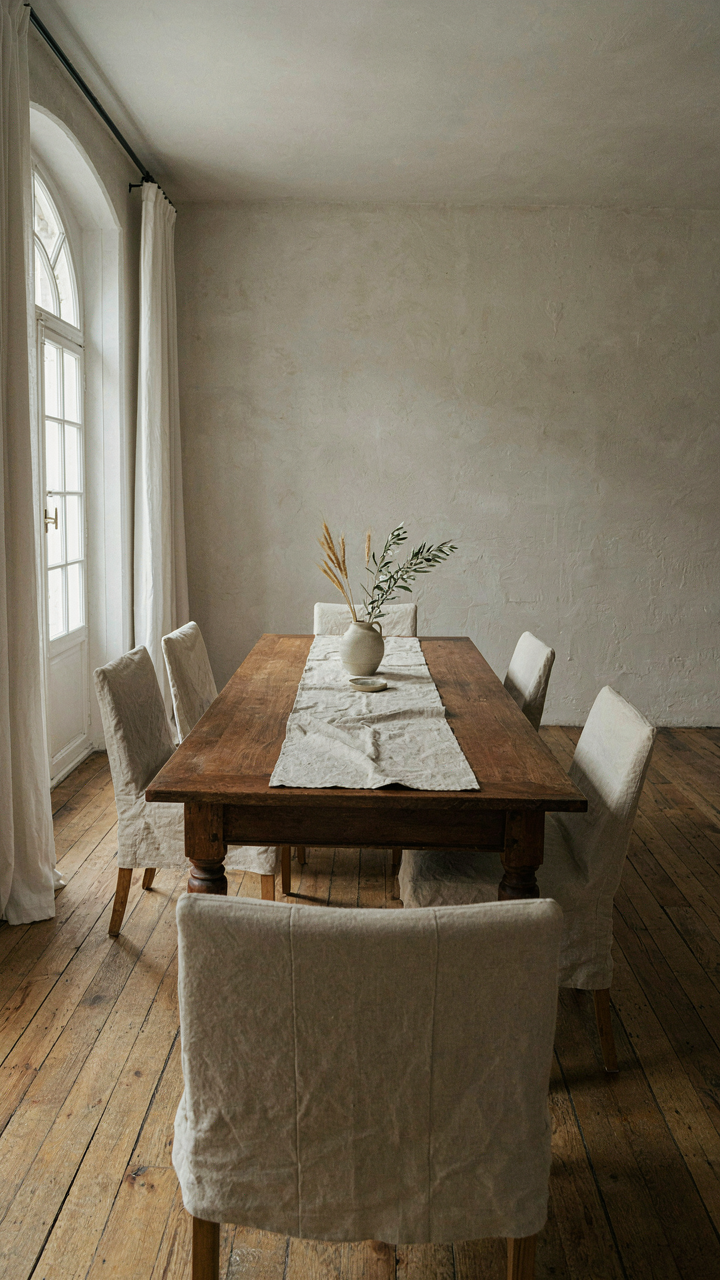
A French country dining room lives on restraint, not abundance. Pick one statement piece: a substantial wooden table, a wrought iron chandelier, or a large mirror. Build the rest around that single anchor. This isn’t deprivation. It’s focus. Everything else supports that choice without shouting.
The Power Of Intentional Absence
Most advice says fill your room with French elements until it feels “authentic.” That’s backwards. A working French country dining room removes anything that doesn’t serve the candlelit meal or conversation. No competing light sources. No visual clutter on surfaces. No trendy decor that dates in three years.
The real work is deciding what stays off the table and walls. Stone or plaster walls need nothing added. A simple linen runner on wood absorbs light better than patterned fabric. Bare shelves with five meaningful items beat crowded ones. Ask what each element removes, not what it adds.
The Rustic French Dining Room Reimagined: More Than Just Farmhouse
Texture Without The Costume
You want the room to signal sophistication without looking like you’re performing rusticity. The mechanism is contrast. A French country dining room works when rough and refined elements occupy the same space without apologizing for the tension between them.

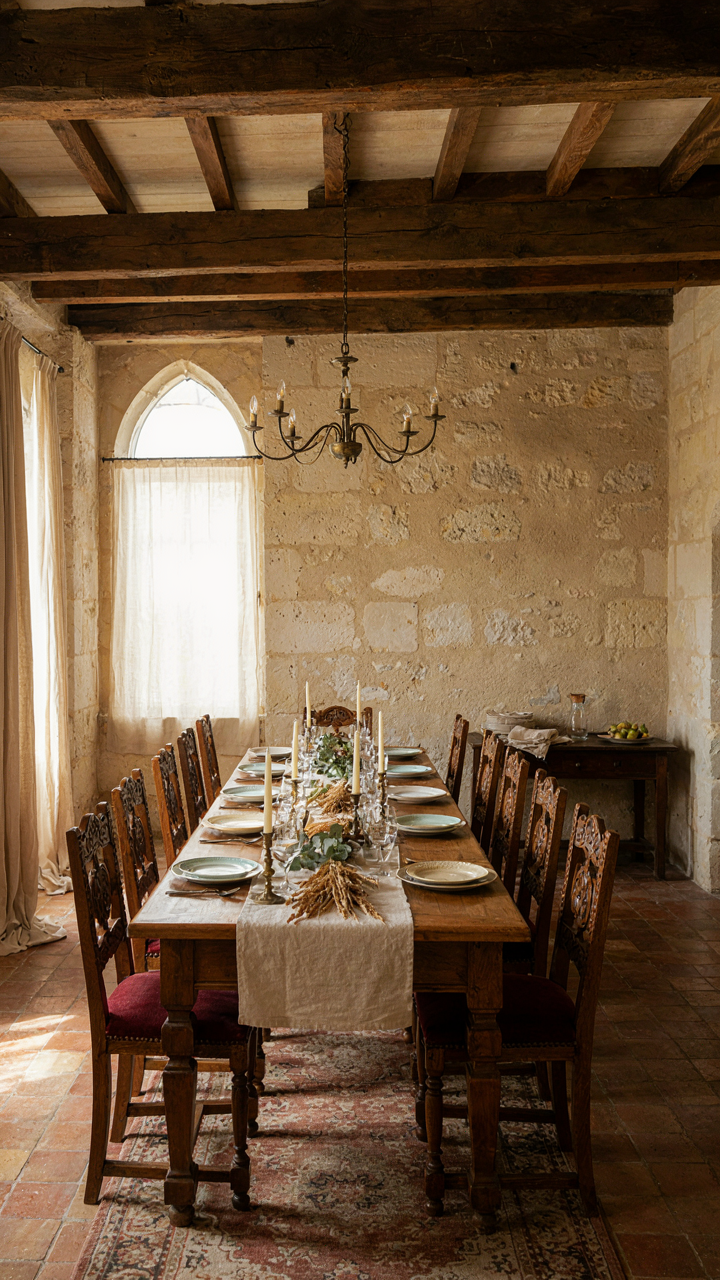
Raw wood beams work because they sit above a polished table. Stone walls read expensive because a chandelier hangs in front of them. Unfinished plaster juxtaposed with crisp linens creates visual hierarchy. The mistake everyone makes is going all-in on distressing. That produces theater, not design. You need the rough textures to frame the refined ones, not compete with them.
Materials With Purpose
This is where sourcing strategy matters more than budget. You can’t fake sourcing decisions because the room reveals them. Stone reclaimed from regional sources has geological specificity that new material lacks. Timber from local forestry carries the story of the landscape.
- Limestone from Burgundy or Provence regions: Carries specific mineral composition and weathering patterns tied to French geology, not generic limestone.
- Salvaged roof tiles: Sourced from regional deconstructed homes, they have dimensional variation and patina that new tiles cannot replicate.
- Local hardwoods for tables and cabinetry: French walnut, oak, or cherry from specific regions develop distinct grain and color characteristics.
- Terracotta from authentic manufacturers: Not mass-produced versions, but workshops that maintain traditional firing and clay sourcing methods.
- Iron hardware from blacksmiths or heritage foundries: Wrought details with intentional imperfections signal craft, not industrial production.
The constraint is intentionality. Before a material enters the room, you trace where it comes from and why that source matters. This prevents the space from becoming a generic collection of “French-looking” objects. Regional materials create coherence. When stone, wood, and metals come from the same geography, the dining room develops visual language instead of aesthetic noise.
The Kinetic Energy Of A French Dining Room Table: Beyond A Slab Of Wood
Where The Room Actually Gathers
You want to believe a table is just a surface for food. It’s not. You’re really looking for permission to make your dining room feel like the center of something that matters, not a staged museum nobody uses. In physics, kinetic energy measures motion and the power to create change. A French country dining room table operates the same way: its real function isn’t holding plates. It’s the gravitational anchor that pulls people into orbit around it, night after night.

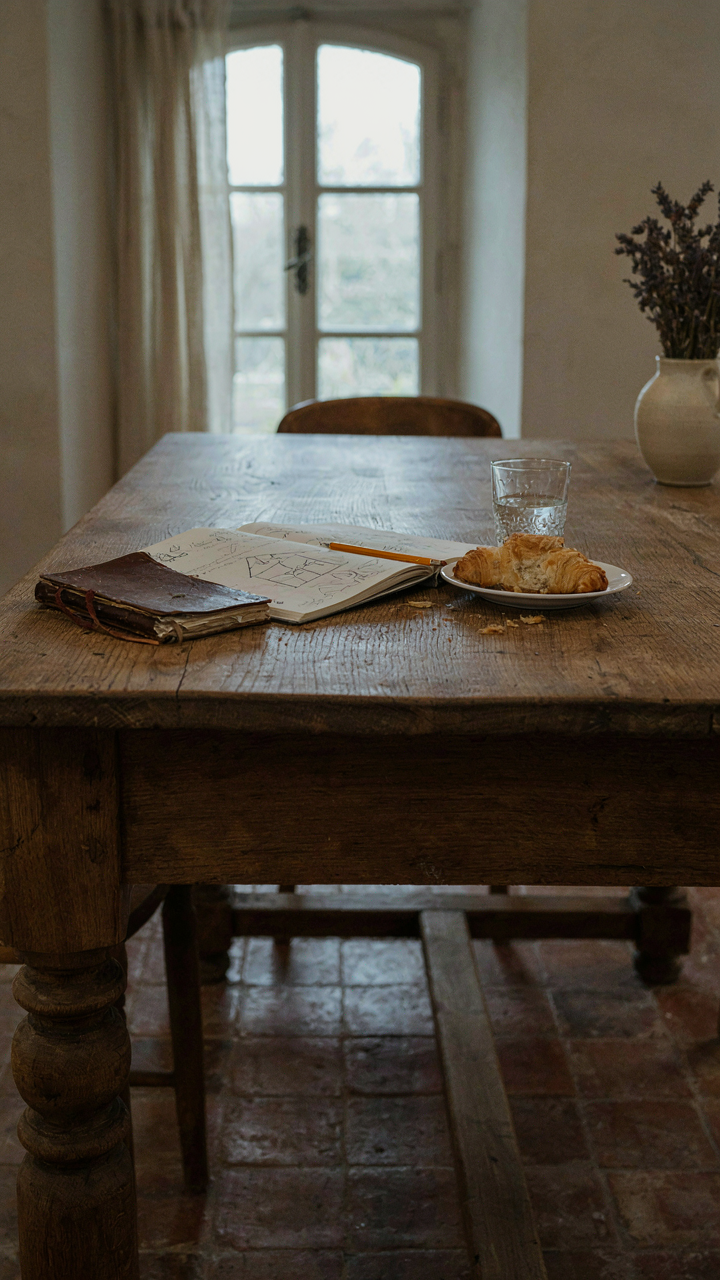
The table is where decisions happen. Conversations that reshape relationships occur there. Children do homework at it. Arguments get settled. Wine gets poured at 8 PM and people are still talking at 11 PM. A French country table in oak or walnut, with a thick top and turned legs, isn’t designed to disappear after dinner. It’s built to absorb use, to show marks and patina, to prove it earned its place. The surfaces that demand constant polish fail this test. The ones that age visibly succeed. The table becomes a social anchor not through decoration, but through its refusal to be precious.
The Table Wears Its Purpose
Skip the advice about keeping it pristine or covering it with runners and trivets. That thinking treats the table like an artifact instead of infrastructure. A real French country dining table collects evidence: water rings from glasses, knife marks, the ghost of candle wax. These marks aren’t damage. They’re documentation that the table functioned exactly as intended.
Daily utility shapes its design faster than any decorator’s concept ever could. Breadcrumbs fall and stay for a moment before sweeping. Salt and pepper live there permanently. A notebook appears mid-meal because someone remembered something important. The table becomes a canvas where the texture of actual living replaces the sterile perfection of magazine photography. When you accept this, you stop fighting the material. You let the wood respond to its environment. You choose a finish that can withstand use, not one that demands constant maintenance.
The “Terroir” Method: How Location Dictates French Country Design
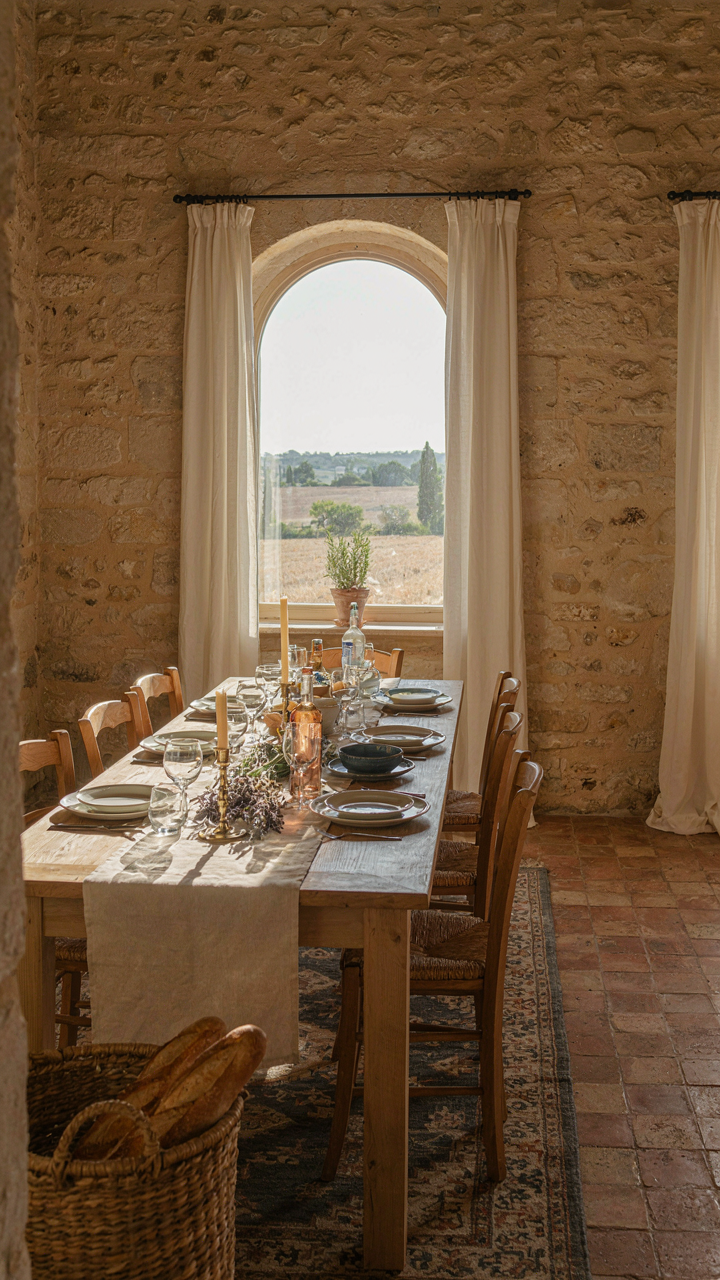
Where Your Room Lives Matters More Than Style Trends
You want your dining room to feel authentic because authenticity signals taste and money. Here’s what actually happens: the room’s microclimate—temperature swings, humidity, light angle, seasonal shifts—determines which materials survive and which fail. A dining room in Provence gets relentless sun; one in Normandy gets damp. French country design doesn’t emerge from a mood board. It emerges from what works in that specific geography.

The Provençal interior uses lighter woods and stone because heat demands breathability. Normandy rooms rely on darker, sealed surfaces to repel moisture. These aren’t aesthetic choices dressed up as functional ones. They’re functional choices that became the aesthetic. Your room’s microclimate dictates material selection first. Everything else follows.
Systems, Not Accessories
Biology uses the concept of an ecosystem where every organism depends on others. Apply this to your dining room: the table doesn’t exist independently from the chair wood, the wall treatment, the window placement, or the candle type. The common advice treats each element separately. Pick a rug. Pick a chandelier. Pick wall colors. This creates rooms that look assembled, not coherent.
A French country dining room works because its elements reinforce each other’s performance in that specific climate. The plaster walls manage humidity. The stone floor grounds temperature. The wooden beams distribute heat. The window depth controls light intensity. Remove one, and the others fail to function at their intended level. Start by mapping your room’s microclimate conditions. Then select materials that solve for those conditions simultaneously, not sequentially.
Color Palette As Language: Speaking French Country, Not Shouting
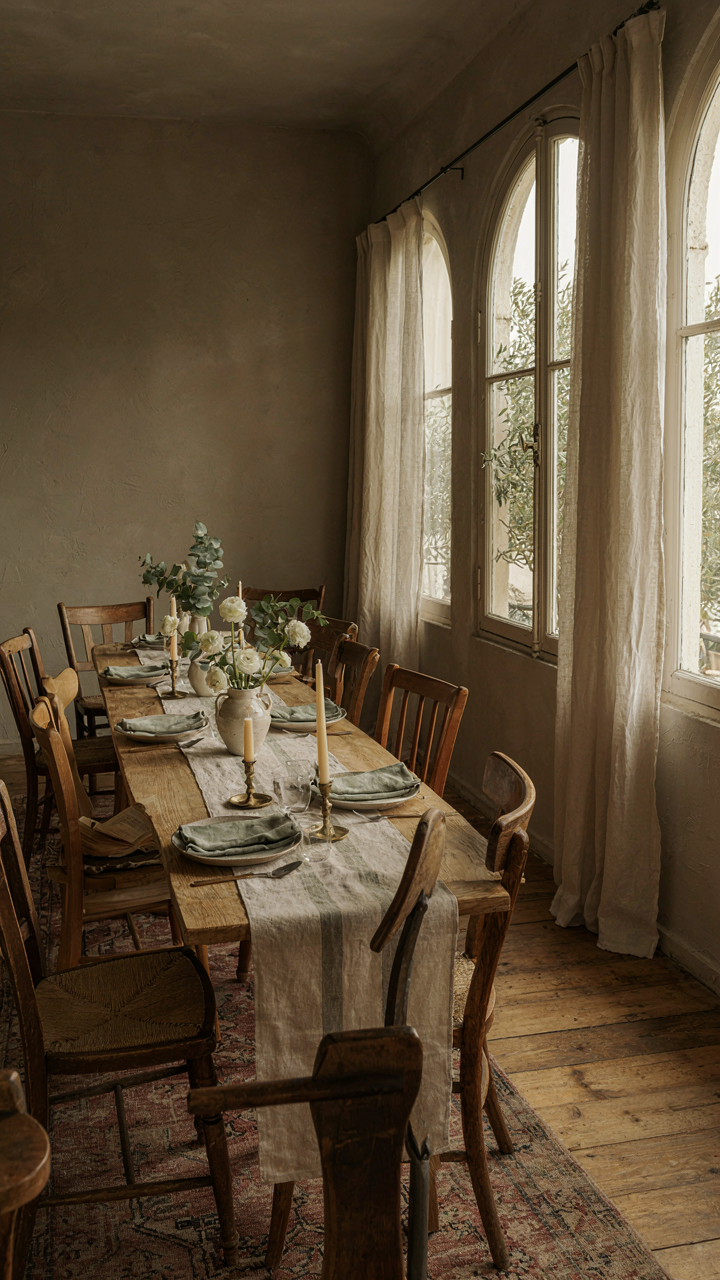
Muted Tones Build Authority, Not Decoration
You want this room to feel expensive without looking like you tried. That’s the real motive here. The mechanism is restraint: French country dining rooms use muted tones because saturation reads as anxiety. Think of color theory from painting, where value contrast matters more than hue intensity. A room with cream, soft gray, and pale gold doesn’t scream for attention. It assumes it already has it.

The walls in authentic French country spaces run cream, off-white, or soft taupe. Not pure white, which feels cold and commercial. These base tones absorb candlelight differently than bright walls do, creating depth rather than glare. The goal is visual calm that makes food and conversation the focal point, not the room itself. Muted doesn’t mean boring. It means controlled. Wood tones stay warm and natural, never stained dark. Textiles like linen and canvas appear in their neutral state rather than dyed to statement colors.
The Strategic Color Accent
Common advice says add pops of color everywhere. Wrong. One deliberate accent works harder than scattered attempts at personality. Pick a single wall, a set of chairs, or a tablecloth in a muted jewel tone: sage green, dusty terracotta, or faded indigo. This contrast against the neutral base creates visual interest without noise.
Candlelight transforms colored textiles. A sage linen runner glows differently under warm flame than under overhead lighting. The accent color should connect to materials already in the room, not fight against them. If your base is cream and natural wood, a terracotta accent ties to earth tones you already have. If it’s pale gray, dusty blue extends that palette logically. The mechanism: one accent color creates a focal point. Multiple colors create distraction. Place that accent where eyes naturally land during the meal, then stop.
The Long Game: Why A True French Country Dining Room Takes Time
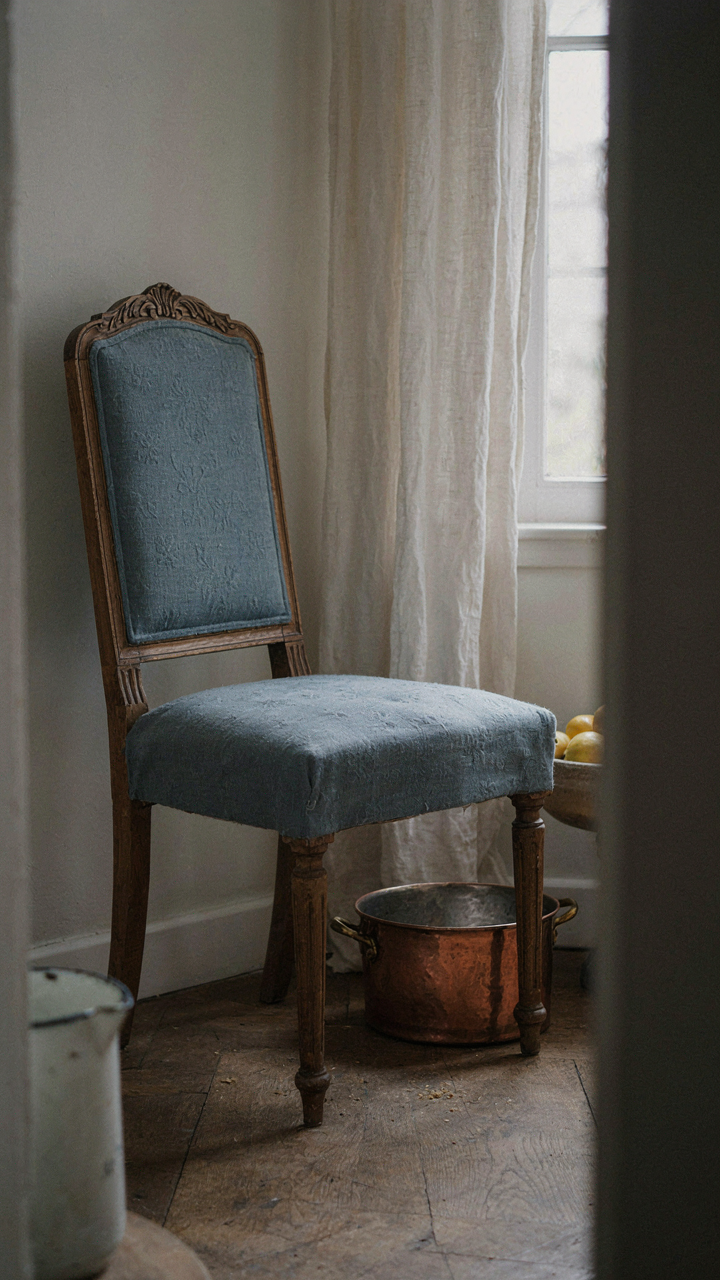
Buying Taste Takes Longer Than Money
You want the room finished by next month because waiting signals failure, but that’s not how a genuine French country dining room works. This space operates on acquisition, not installation—the mechanism that separates collected spaces from decorated ones is time. A French country dining room isn’t assembled; it’s accumulated through deliberate gaps between purchases, each piece earning its place through use and observation, not impulse.
The peasant and aristocratic traditions that shaped French country design relied on inheritance, repair, and gradual replacement over decades. Tables were kept because they functioned, not discarded when trends shifted. Chairs were reupholstered when fabric wore through. This reality matters: rushing the aesthetic defeats its core logic. The credibility of the space comes from restraint and evidence of living, not from executing a mood board in ninety days.
Seasons Build The Story
Adaptation is metallurgy for interiors—you heat, cool, and reshape the environment through use, not blueprint. Your French country dining room evolves because candlelit dinners in December demand different light layers than spring gatherings. The linens rotate with actual seasons. Glassware changes. The room doesn’t stay locked in amber. Real French country homes in Provence or Burgundy shift their dining experience based on temperature, guest count, and harvest cycles. This isn’t decoration reinvention; it’s functional response.
The mechanism is integration: new acquisitions don’t replace the old framework, they slot into existing relationships between pieces. A vintage copper pot you find at a market doesn’t demand you remove three other objects. It finds a wall, a shelf, a corner. The room absorbs stories without losing coherence. This is why budget and time matter equally—you need both runway to discover what actually belongs and enough accumulated objects to make the integration visible. Slow acquisition teaches restraint faster than any design principle.
Your Dining Room Isn’t A Stage; It’s An Ecosystem. Cultivate It, Or Let It Become Another Forgotten Trend
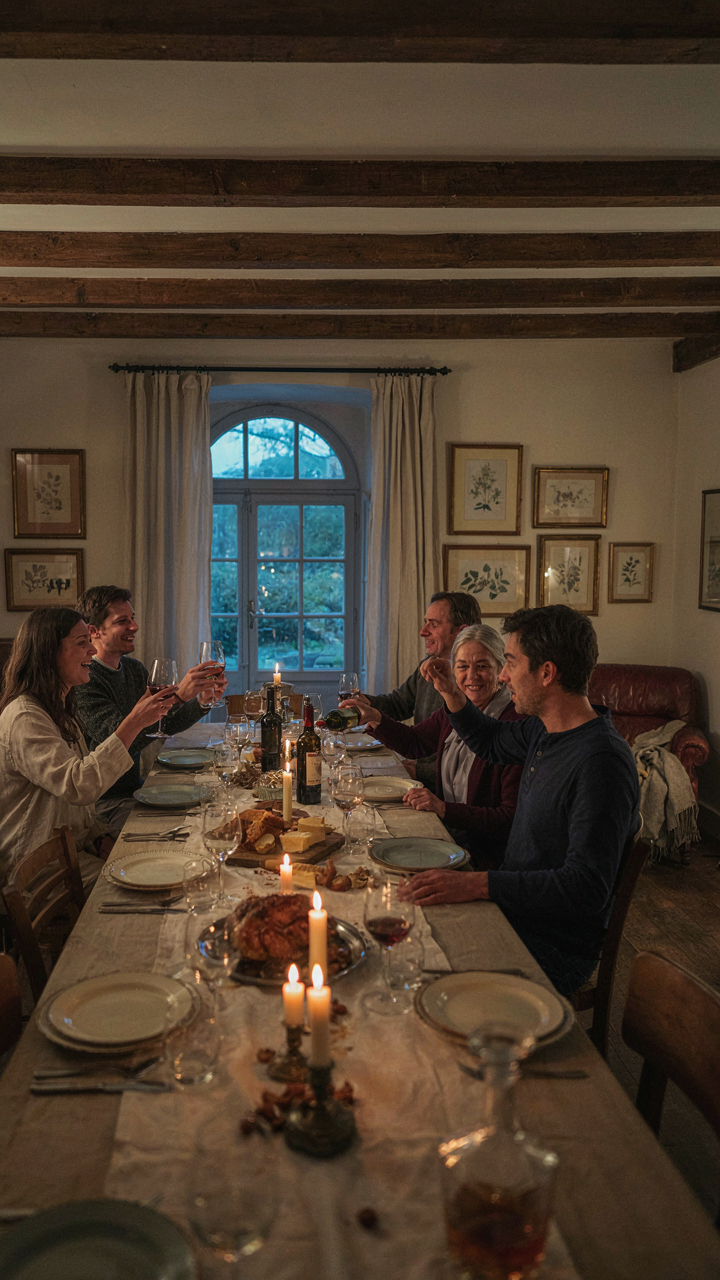
Stop treating your french country dining room like a museum exhibit. The candlelight, the aged wood, the worn linens—they work because they’re lived in, not preserved. You need to decide right now: will you actually use this space or just photograph it? Pick one meal this week and cook for people. Invite them over. Let the room breathe with conversation and clinking glasses. That’s when a french country dining room stops being decor and becomes proof you understand how to live.



