
Beyond The Instagram Aesthetic: Decoding Quiet Elegance
What Pinterest Costs You
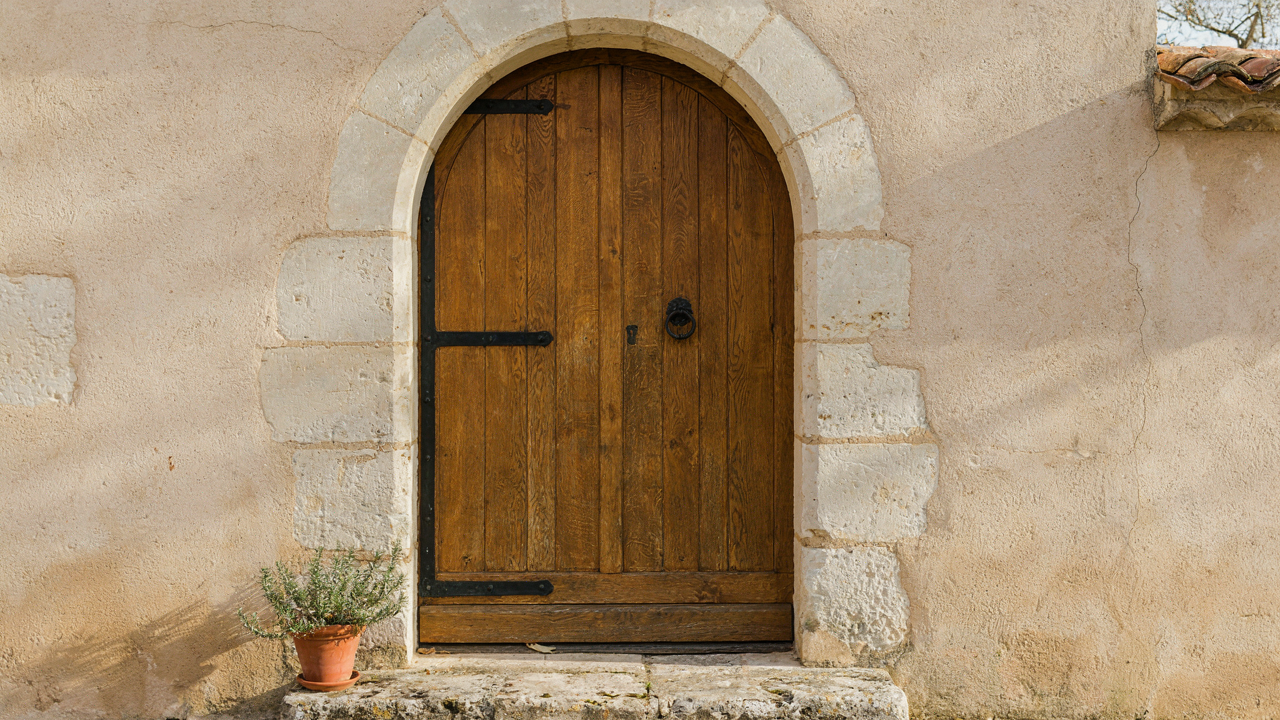
You want proof that your taste is refined without having to defend it. That’s the real motive here, and Instagram has weaponized it. The mechanism is simple: curated images bypass critical thought. You see a recessed arched doorway with aged oak and assume elegance lives in the visual layer. It doesn’t. You’re buying a feeling you haven’t earned through understanding, which means you’ll replicate the wrong details and miss the actual mechanism that makes a French country door work.
The superficial trend cycle punishes precision. Designers chase “rustic-meets-modern” because it photographs well, not because it solves a functional problem. This approach burns money on aesthetic decisions that conflict with climate, durability, and actual use. A door that looks aged but swells in humidity or fails structurally after two seasons isn’t elegant. It’s expensive incompetence dressed in style.
The Invisible Architecture Of Restraint
Elegance emerges from constraint, borrowing from systems design where efficiency creates elegance as a byproduct, not an input. A French country door’s quiet elegance isn’t the hardware or the wood species. It’s the decision to not add what doesn’t serve function. The arched top exists because it strengthens the frame and distributes load efficiently, not for romantic visual effect. The thick timber panels resist warping because mass solves physics problems, not because thickness looks authentic.
Strip away the aesthetic language and you’re left with: material selection driven by local climate, joinery that handles seasonal wood movement, hardware scaled to the opening’s mechanical demands. A hand-forged hinge isn’t charming. It’s engineered for an oversized, heavy door in a stone building that settles unevenly. When you understand why each element exists, you stop replacing function with aesthetics, and that shift is what separates a thoughtful installation from expensive decoration.
The “Cottage Door” Fallacy: Why Simplicity Isn’t Simple
Cottage As Constraint, Not Style
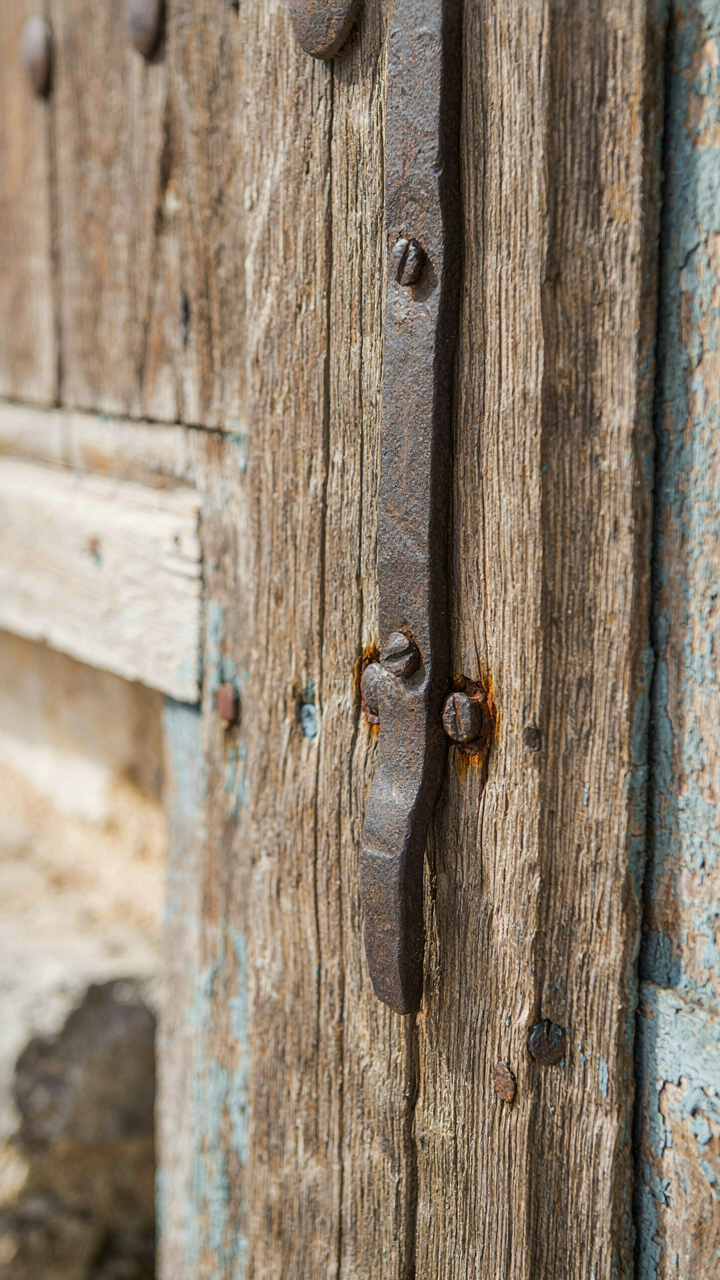
You want people to see your door and think you have taste without trying. That’s the real appeal. Here’s the mechanism: “cottage” isn’t a style—it’s a constraint language masking deliberate complexity. French country design borrows from rural Provençal and Norman farmhouses, but those doors weren’t simple by accident. They were expensive, custom-built responses to climate, local materials, and social standing. When you call something “cottage,” you’re signaling restraint. You’re actually signaling control. A true cottage door has no wasted surface. Every weathered plank, every iron hinge placement, every color choice solves a problem first and looks good second.

The confusion starts because people confuse aged appearance with lack of intention. A properly executed French country door looks effortless because the design decisions happened behind the scenes. The material selection, the hardware scale, the proportions—these were resolved before construction began. Copy the appearance alone and you get a costume. Understand the constraint logic and you can build something that lasts and reads as authentic. The door solves weathering, thermal performance, and entry ritual simultaneously. It just doesn’t announce that it’s working.
The Precise Ratio Of Rustic To Refined
Like signal-to-noise ratios in engineering, every French country door carries a specific balance of rough and polished elements—exceed the ratio and the door becomes theme-park kitsch. The mechanism is contrast density: how many unfinished surfaces you include before the eye stops reading “intentional rusticity” and starts reading “poor maintenance.” Authentic French country doors typically feature three refined anchors—usually hardware, a clean paint color, and solid proportions—paired against weathered wood or aged stone. That three-to-one refined-to-rustic ratio isn’t accidental. It’s the threshold where a material looks lived-in instead of neglected.
Most people reverse this. They focus on distressing the wood, aging the paint, and roughing every surface, then wonder why it reads as dated instead of timeless. The door needs somewhere the eye can rest on unambiguous quality. This is where hardware becomes essential—not decorative, but deliberate. A hand-forged iron latch or strap hinge declares that the rough surfaces around it are chosen, not circumstantial. The frame matters too. Precise joinery at the edges of a weathered panel door signals that age and craft are different things. Start your door with a single refined material anchor—solid hardware or clean proportions—then build the rustic elements around it. This reversal alone changes whether people see age or neglect.
The French Front Doors Entrance Optimization Protocol
Security, Light, And Thermal Mass
You want this section because you’re afraid a beautiful door will compromise safety or waste energy. That’s not how it works. The mechanism is this: a French country front door operates on three competing demands that must balance, not conflict. Security derives from mass and locking hardware. Light enters through glass panels. Thermal mass comes from the door material itself, which either bleeds heat or holds it. Most people treat these as separate problems. They’re one system.

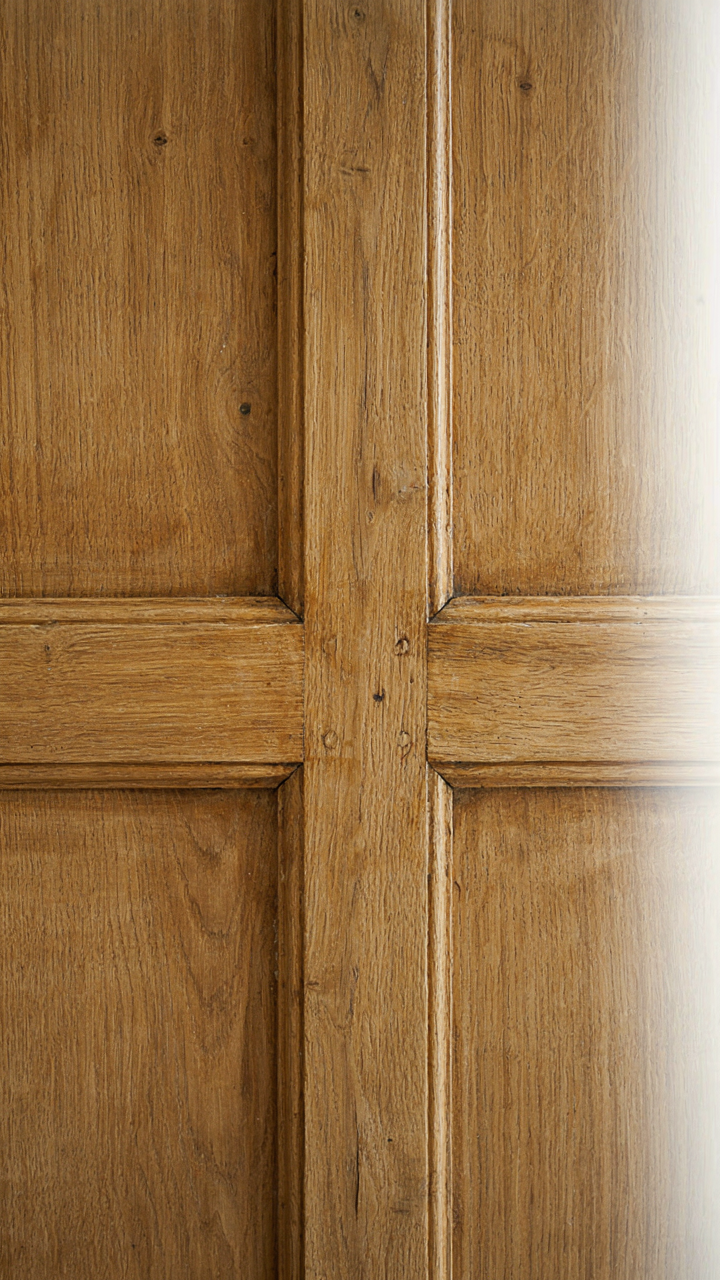
A solid oak or walnut door with proper frame depth provides physical resistance. The mass slows heat transfer naturally. Glass panels set into muntins don’t weaken the structure if the frame is thick enough. Thermal performance improves when you place the glass inward and seal air gaps between frame and wall. The door stops becoming a liability when you stop treating its three functions as competing priorities and instead design them as stackable.
Design For A Hundred Years
Permaculture teaches that systems survive when they work with natural patterns instead of against them. Apply this to your door frame: the stile and rail structure of French country doors mimics how wood actually moves with moisture and temperature. The frame expands and contracts as a unit. The panels float inside it. This design prevents warping and splitting that plague cheaper construction.
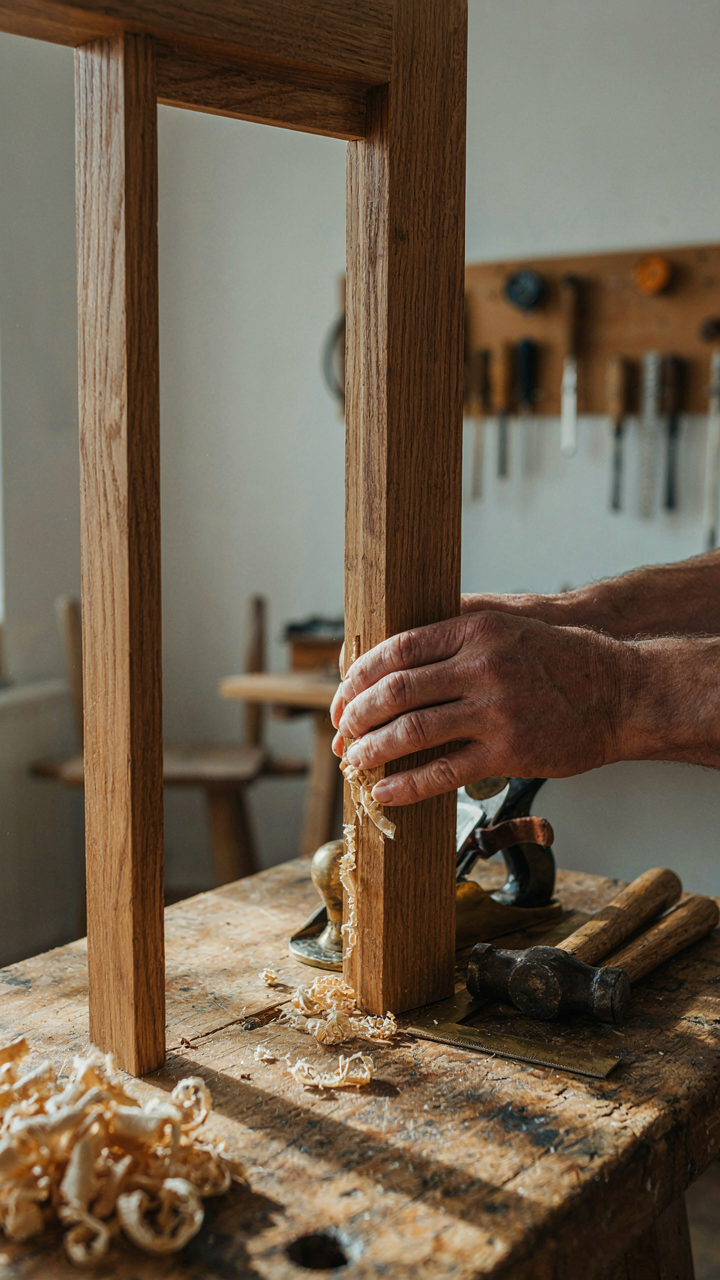
Traditional French doors use mortise and tenon joinery because it accommodates wood movement while staying rigid. Modern fasteners fail because they resist that movement. If you want a door that performs at fifty years and at a hundred, you choose construction that cooperates with wood’s nature rather than constraining it. Specify mortise and tenon joinery at all frame joints, period.
Wood Front Door Steps: The Silent Language Of Arrival
How Your Guests Read The Space Before Entering
You want people to think your home has taste. That’s the real reason you’re reading this. The mechanism is called threshold psychology: how humans process a transition zone before crossing a boundary. Your front door steps aren’t decoration. They’re a compression point where someone’s entire read of your home gets decided in three seconds.

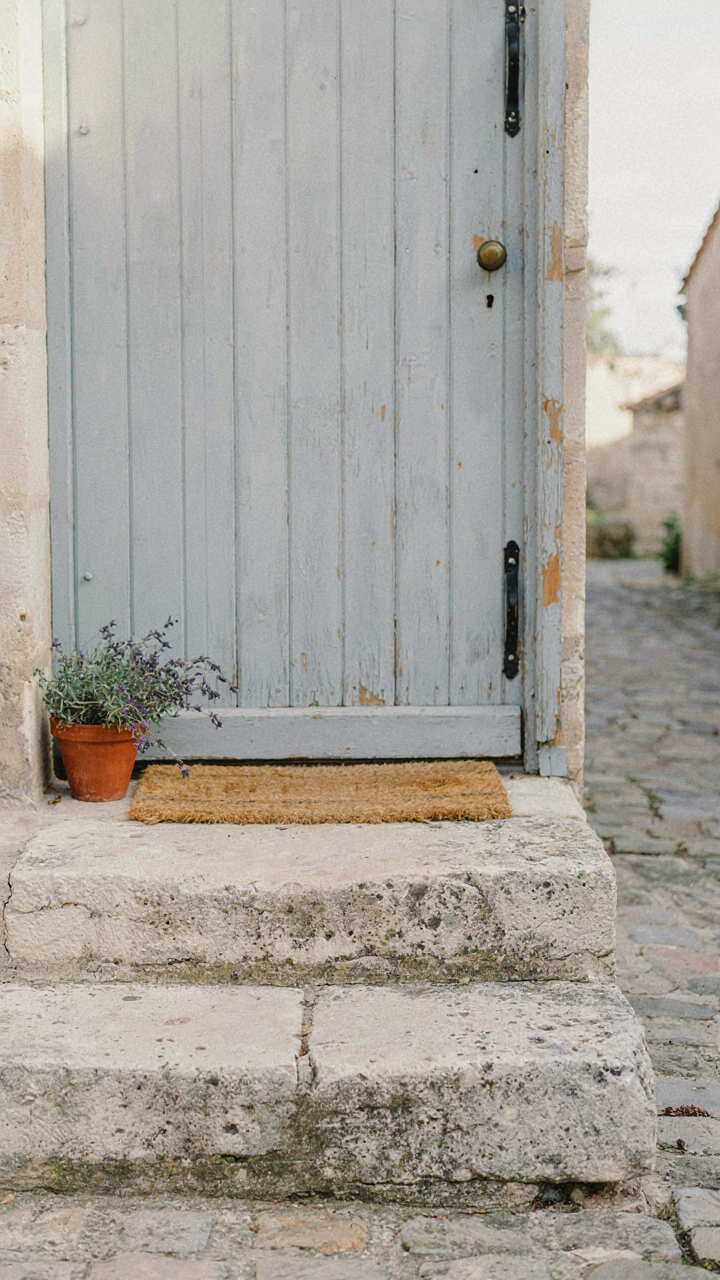
French country design uses steps as a narrative device because the Provence farmhouse tradition placed doors slightly elevated from grade level for drainage and defense. The step count, material, and wear pattern tell a story about inhabitant intentionality. One shallow step signals casual elegance. Multiple steps signal deliberate formality. Uneven or worn stone signals authenticity and history. This isn’t about looking old. It’s about communicating that you understand something most people don’t bother learning.
The Material That Holds Your Story
Common advice says to match your steps to your door frame. That’s incomplete. Steps work as a narrative device because they age publicly while doors stay protected. This is physics applied to domestic space: weathering reveals truthfulness. French country steps traditionally use either rough-hewn limestone or reclaimed stone because these materials gain character through exposure rather than lose it.
Limestone shows water patterns and oxidation over time. Granite weathers uniformly. Reclaimed flagstone carries visible history from its first life. The French country principle isn’t about using the most expensive stone. It’s about choosing a material whose aging pattern communicates intentionality rather than neglect. Your steps should look better in five years, not worse. Select stone based on how its weathering pattern will read to visitors, then seal or leave unsealed based on whether you want that patina visible from day one.
Exterior French Door: The Unseen Imperatives Of Weather
Moisture Is The Real Enemy Of Charm
You want the door to look timeless and unbothered. That’s the fantasy. But moisture will destroy authenticity faster than anything else on your property. Here’s the physics: wood is hygroscopic, meaning it absorbs and releases water vapor based on humidity levels around it. Your French country door sits at ground level where humidity is highest. This differential swelling and shrinking causes the frame to split, the panels to warp, and the finish to fail.

The common advice is to “seal it well.” That misses the point. Sealing only delays the problem. What actually works is controlling the environment the door sits in before moisture reaches the wood. This means the door’s immediate surroundings must shed water aggressively. The goal isn’t a pretty door that rots quietly. The goal is a door that never experiences the moisture pressure that causes rot in the first place.
Overhangs And Drainage Do The Work
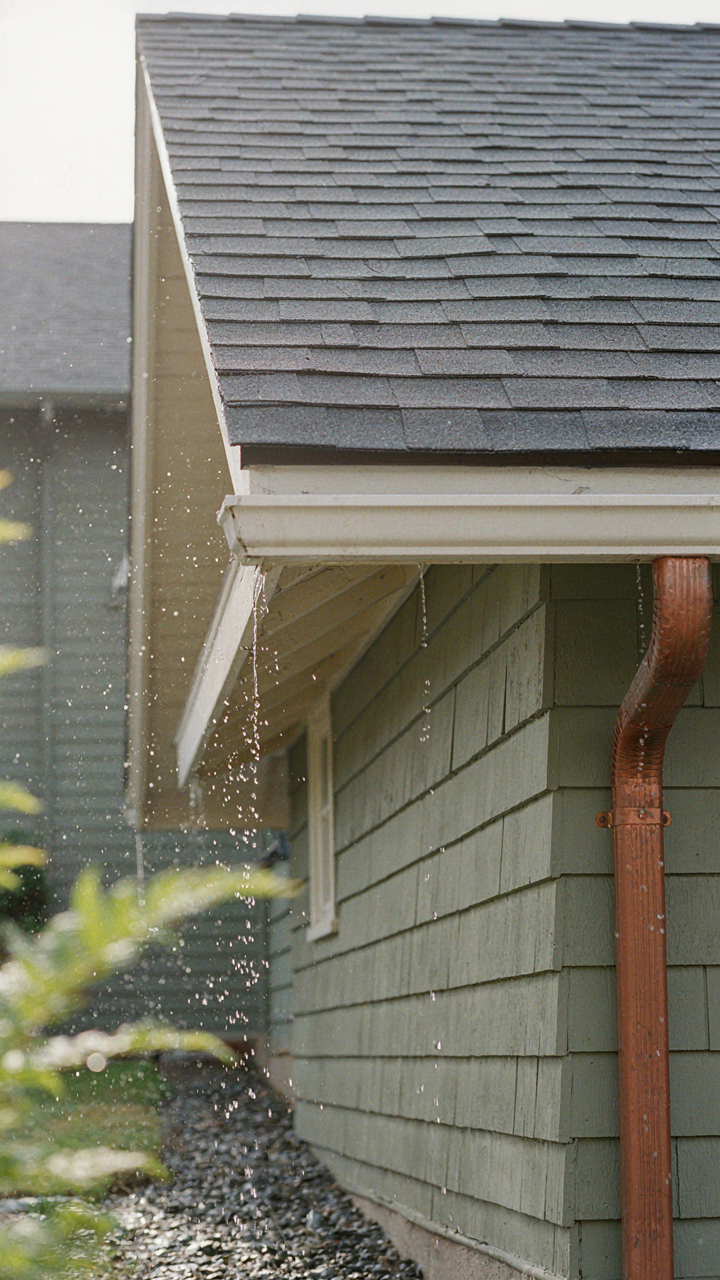
A proper overhang isn’t decoration. It’s infrastructure. Most French country doors get 12 to 18 inches of overhang from the roof above. That distance matters because rain doesn’t fall straight down at the door. Wind drives it horizontally. An 18-inch overhang stops horizontal rain from reaching the door frame during normal storms. Without it, water hits the base repeatedly and wicks into the wood.
Drainage systems work in layers. First, the ground around the door must slope away from the frame at minimum 1/4 inch per foot for at least 6 feet out. Second, the threshold itself needs to be sloped so water runs off the door side, not toward it. Third, a proper door frame includes a drip edge on the top trim that directs water away from the joint where frame meets wall. Skip any of these and moisture finds the wood anyway.
French Blue Doors: Color As A Commitment, Not A Whim
The Psychology Behind Your Color Choice
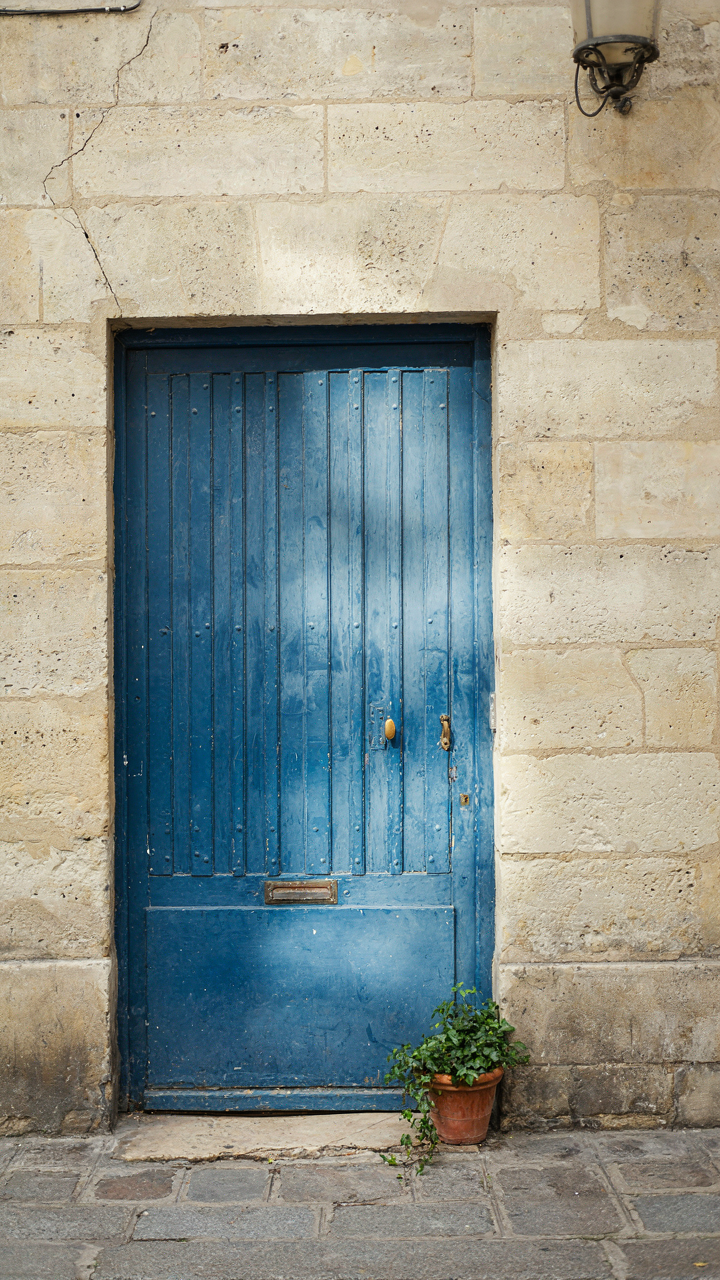
You want the door to signal taste without saying it out loud. That’s the real reason you’re reading this. French blue works because it triggers a specific psychological response: it reads as intentional rather than safe, confident rather than timid. Color psychology borrowed from marketing and neuroscience shows that blue reduces cortisol and increases trust. On a front door, this mechanism works in reverse—visitors trust the homeowner’s judgment before they step inside.

The French understood this centuries ago. They didn’t paint doors blue because it looked nice. Blue pigment was expensive, which meant only deliberate choices got that color. The door became a statement of resources and taste combined. Modern buyers assume the same calculus still applies, even when blue paint costs twelve dollars a can. The perception gap between cheap and expensive is the real asset you’re buying.
Pigment Durability Under Actual Weather
Most advice tells you to choose “quality paint” without naming what fails. Here’s what actually happens: synthetic ultramarine blue (the standard pigment in most exterior paints) holds color better than organic blues, but it still fades under UV exposure. The real variable is the binder, not the pigment. Acrylic latex binders resist chalking better than oil, which means your blue stays saturated longer on a north-facing door than a south-facing one.
Test fade resistance by checking the paint manufacturer’s specs for “xenon arc fade hours.” Anything below 1000 hours means noticeable fading within five years in direct sun. French country doors typically face south or west in American homes, accelerating fade. Buy paint rated for 2000+ hours if your door gets four or more hours of direct daily sun. Then repaint every seven to ten years. That’s not maintenance failure—that’s the actual cost of the color choice you’re making.
Front Doors With Screens: The Ventilation Paradox
Airflow Versus Insect Control
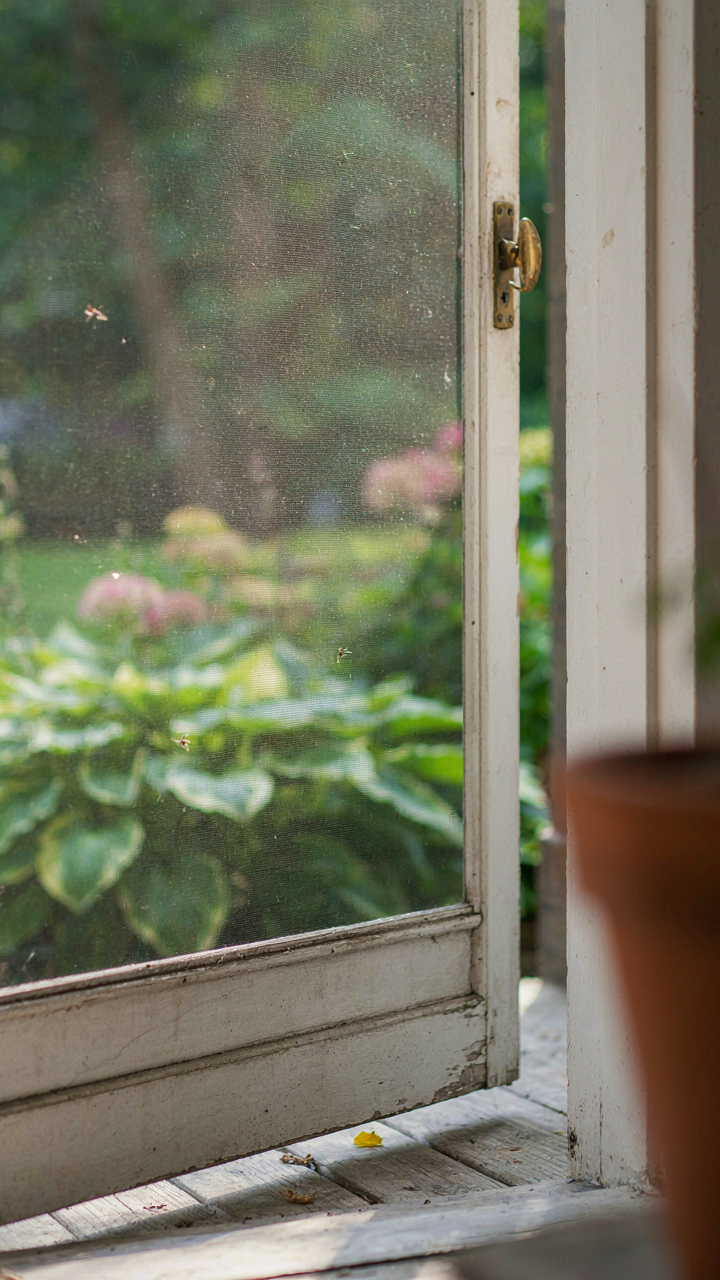
You want a screen door because you think it solves the problem of staying cool without letting bugs in. It doesn’t. The mechanism is simple: any barrier that stops insects also restricts air movement. A screen reduces airflow by 20-40 percent depending on mesh size and frame design. Finer mesh blocks more insects but chokes ventilation harder. Coarser mesh breathes better but lets through gnats and smaller flies. French country homes historically relied on door placement and window opposition to create cross-ventilation, not on screens. That strategy worked because nothing blocked the opening.

The real trade-off isn’t between airflow and insects. It’s between accepting minor insect intrusion during peak entry times, or permanently reducing the cooling power of your front door. Most people refuse to accept the first option, so they install screens, suffer reduced ventilation all season, and never connect the two. Pick one. If insects matter more than cooling efficiency, use the screen. If ventilation matters, remove it during shoulder seasons when bug pressure drops and rehanging it only during summer peaks when needed.
What Screen Doors Actually Demand
Screen door maintenance kills the fantasy fast. You’re not maintaining a door. You’re maintaining a moving assembly that warps, corrodes, and clogs. The typical assumption is that screens need occasional cleaning. That’s incomplete. Frame members expand and contract with humidity swings, pulling fasteners loose and throwing alignment off. Mesh degrades from UV exposure and oxidizes if metal screening contacts moisture trapped in the frame. Hinges and closers fail from repeated use cycles. Paint peels where wood meets metal. Most owners don’t discover these demands until the door starts sticking or the screen tears and they’re shocked at the labor required to fix it properly.
- Frame Warping: Wood absorbs and releases moisture seasonally, causing the frame to swell or shrink, misaligning the door and forcing adjustments twice yearly in humid climates.
- Mesh Oxidation: Galvanized or aluminum screening corrodes faster when moisture sits trapped between mesh and frame, requiring replacement every 5-7 years instead of 10-15.
- Hinge Fatigue: The repeated opening and closing of a screen door stresses hinges and ball-bearing closers far more than a solid door, shortening component life.
- Seal Degradation: Weather stripping around screens hardens and cracks faster than on solid doors because screens don’t insulate, allowing temperature swings to accelerate material breakdown.
- Paint Edge Failure: The junction where wood frame meets metal screening becomes a moisture trap, causing paint to peel and exposing wood to rot within 3-4 years if ignored.
The maintenance burden is what separates screen doors that look fine from ones that function reliably. Most French country front doors with screens show decay at frame edges and loose fasteners within two seasons because owners don’t inspect and tighten hardware quarterly. Treat a screen door like a machine, not a decoration. Inspect fasteners, check frame alignment, and seal wood edges before moisture penetration starts.
Queenie Lander French Doors: Regionalism Vs. Romanticism

Climate Trumps Aesthetics Every Time
You want the door to look like it came from Provence. What you really want is permission to ignore where you actually live. Here’s the mechanism: French country doors work because they solve specific problems in specific climates, not because they’re beautiful. A six-panel wooden door with glass panes dissipates heat in Mediterranean sun. That same door in Minnesota becomes an energy liability. Adapt the principle, not the artifact.

The door’s job is thermal and functional first. In hot, dry regions, deep overhangs and thick timber slow heat penetration. In humid or cold climates, that same thick wood absorbs moisture or contracts, causing warping and seal failure. The aesthetic you’re chasing is a byproduct of solving a real problem. Copy the problem-solving logic for your region, then apply French country proportions to the result. The door still reads as French country because you preserved the visual hierarchy, not because you ignored your climate zone.
Authenticity Is A Liability Dressed As Virtue
The common advice says: stay true to the original design. That’s incomplete. Authentic French country doors were built before weatherstripping, triple-pane glass, and modern hinges existed. They leaked air, required constant maintenance, and provided minimal insulation. Shipping those exact specifications to a modern home wastes money and creates problems.
The real move is structural authenticity, not material authenticity. A French country door maintains its proportions, panel configuration, and visual weight. It uses modern weathersealing, tempered glass, and hardware that actually functions. You’re preserving the design language while removing the liabilities. When selecting materials, choose solid wood or engineered wood that resists your climate’s primary threat (rot in humid areas, cracking in dry areas). The door works harder and looks identical to the homeowner’s eye.
The Only Thing Holding Back Your Entrance Is Your Fear Of Genuine Imperfection
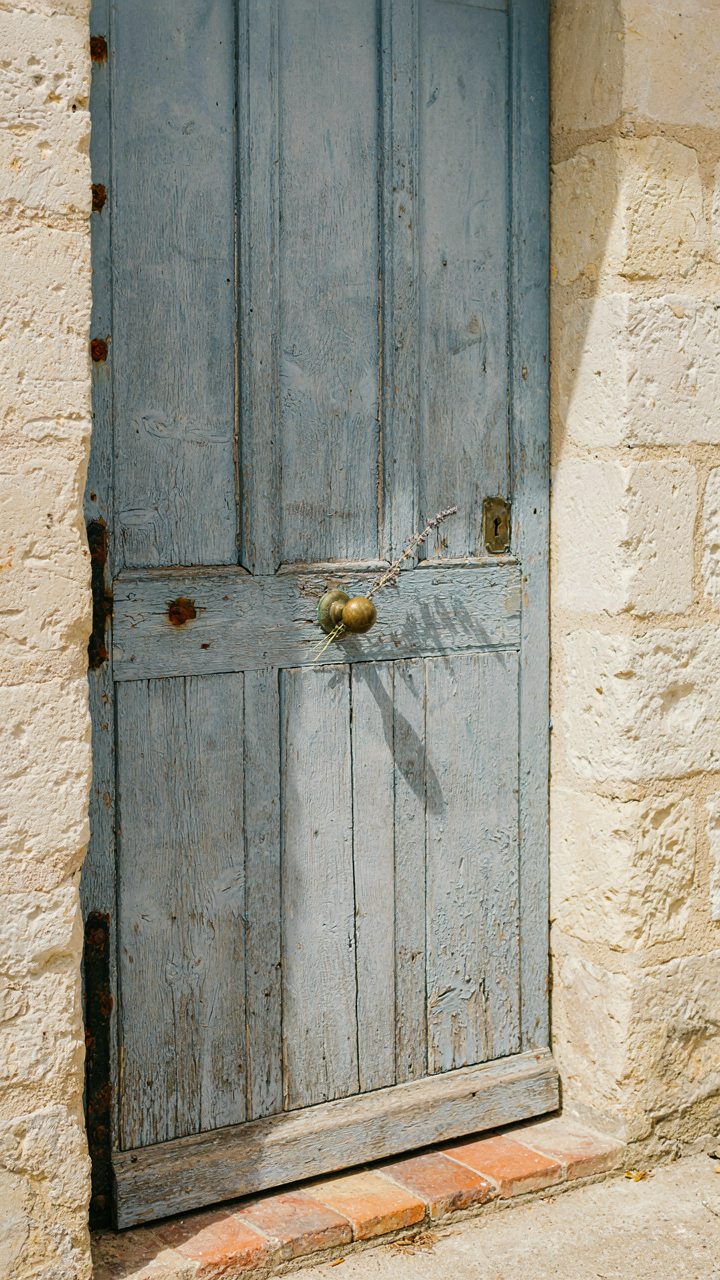
You want a french country front door because you crave authenticity. Yet you’ll scroll endlessly looking for the “perfect” one instead of picking up the phone and calling a local craftsman today. Perfection kills more entrances than bad taste ever could. The weathered patina, the slightly uneven panels, the doors that show their age—that’s where the magic lives. Stop designing in your head and start building with your hands.




