The Illusion Of Effortless Charm: Deconstructing French Country Mudroom Durability

Stone Floors Handle What Tile Cannot
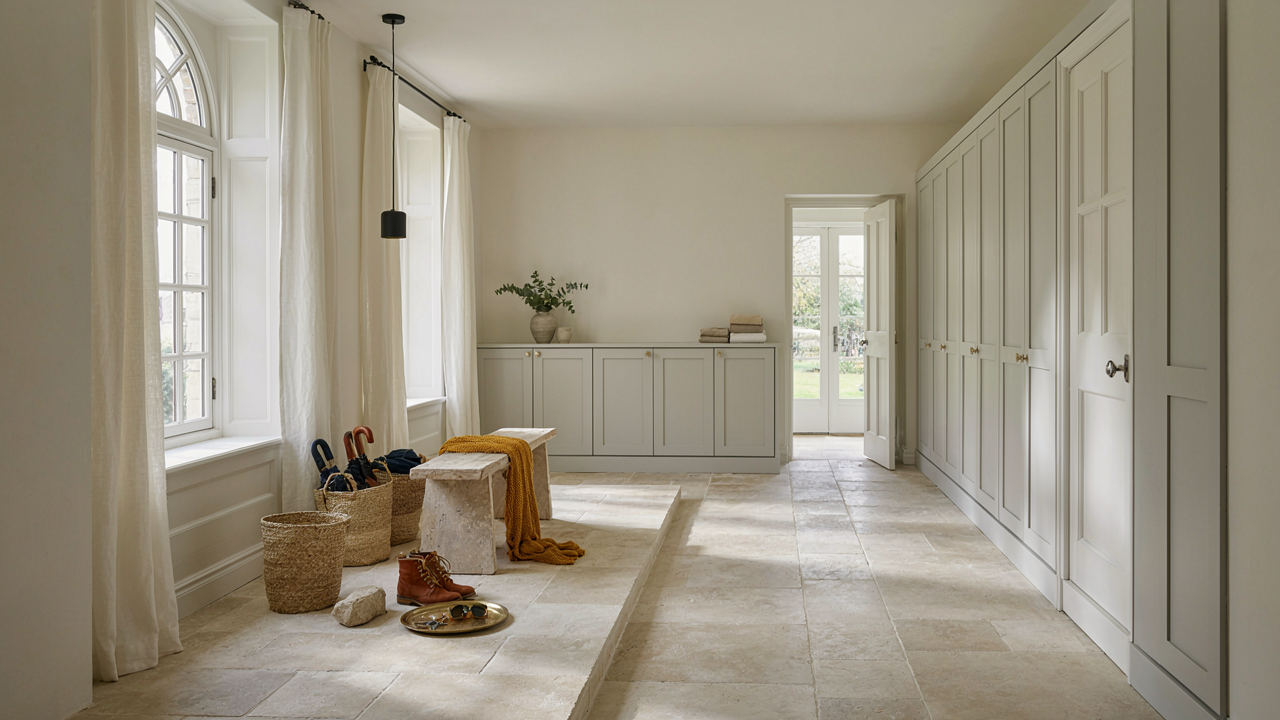
You want to believe a French country mudroom works because it looks timeless. The real reason it works is load distribution. In structural engineering, load distribution determines how materials survive repeated stress. Stone floors in French country mudrooms aren’t decorative—they’re the foundation that absorbs impact, moisture, and foot traffic without degradation. Limestone, slate, and reclaimed stone handle the wet-boot cycle that destroys most flooring.
Stone’s porosity is the mechanism people miss. Unlike sealed tile, natural stone breathes. Water doesn’t pool on the surface and migrate under baseboards where it rots wood. The stone absorbs moisture, then releases it as humidity instead of creating a wet film. This is why French country mudrooms use stone—not for aesthetics, but because moisture management is the only metric that matters in a mudroom.
Painted Cabinets Extend Hardware Life
Everyone treats painted cabinets as design choice. They’re a preservation layer. The paint creates a barrier against the salt, mud, and humidity that corrode metal hinges and hardware in high-traffic mudrooms. French country mudrooms use oil-based or lacquer finishes specifically because they bond to wood and protect the substrate underneath from seasonal humidity swings that cause wood to expand and contract.
The cabinet system itself is secondary. The paint job determines longevity. A single compromised paint seal leads to wood swelling, hardware misalignment, and hinge failure within two seasons. French country mudrooms repaint cabinets every 5-7 years, not for cosmetic reasons, but because this is the maintenance interval required to keep the protective layer intact. Paint refresh is protocol, not preference.
Mudroom Remodel As A Micro Ecosystem: Lessons From Biomimicry

Natural Systems Beat Design Trends
You want to feel smart about your choices without admitting you’re afraid of wasting money on something that falls apart. Biomimicry is the mechanism that separates mudrooms that function for a decade from ones that fail in three years. Nature doesn’t optimize for appearance. It optimizes for survival under repeated stress. A French country mudroom operates like a forest floor: multiple layers, each absorbing impact differently, nothing precious in the front line.

The forest doesn’t arrange its resources by aesthetics. It arranges them by function and durability. Stone floors in a mudroom aren’t decorative. They’re the load bearing layer, like bedrock. Painted cabinets above them work as the permeable buffer, absorbing moisture and minor damage before it reaches the structure. The architecture itself becomes the design.
Materials Adapt When Forced To Fail
The common advice says to pick durable materials and move on. That’s incomplete. Materials in high traffic zones don’t just need to be hard. They need to degrade predictably and remain functional through that degradation. Stone floors show wear visibly. They don’t hide damage under a finish that peels. Painted wood cabinets in French country kitchens and mudrooms work the same way: they weather, patina, and actually become more authentic over time rather than appearing broken.
The real mechanism is selective failure. You design the mudroom so the cheap parts fail first, not the expensive parts. Painted cabinet doors take the humidity and temperature swings. Stone absorbs foot traffic and moisture. The fasteners, hinges, and underlying structure stay protected behind these buffer materials. When a painted door needs repainting after five years, you’ve succeeded, not failed. The system worked exactly as designed.
The Unseen Engineering Of Stone Floors: Beyond Aesthetics
How Stone Actually Regulates Your Space
You want stone floors because they look expensive and permanent. But that’s not why they work in a French country mudroom. Stone functions as a thermal battery: it absorbs heat during the day and releases it slowly at night, stabilizing indoor temperature swings. This matters in a mudroom because temperature fluctuations cause moisture to condense on surfaces where dirt and salt accumulate. Stone prevents that cycle by flattening the swings.
Moisture regulation operates on the same principle as thermal mass. Porous stones like limestone and slate absorb water vapor when humidity spikes, then release it when the air dries. This reduces the environment where mold and mildew establish themselves on walls and painted cabinets. The stone doesn’t eliminate moisture, it buffers the rate of change. That buffer is the real payoff. A mudroom with stone floors stays drier and more stable than one with tile or concrete over the same climate.
What Stone Maintenance Actually Demands
Most advice about stone floors is incomplete. Sealing stone is presented as optional. It’s not. Sealing is mandatory if you want the stone to regulate moisture effectively without degrading. The sealer fills micro-pores, controlling the rate at which water moves through the stone. Without sealing, stone absorbs and releases water too fast, negating the thermal and moisture benefits.
Maintenance follows a specific sequence. Vacuum loose dirt before wet cleaning to avoid grinding grit into the stone surface. Use pH-neutral cleaner diluted properly, not vinegar or acidic solutions that etch limestone. Reapply sealer every two to three years depending on foot traffic and local humidity. Dry spills immediately to prevent staining. This protocol preserves stone integrity and keeps the mudroom functioning as designed, not just as decoration.
Painted Cabinet Systems: The Strategic Coating Method
Paint Types For Maximum Durability
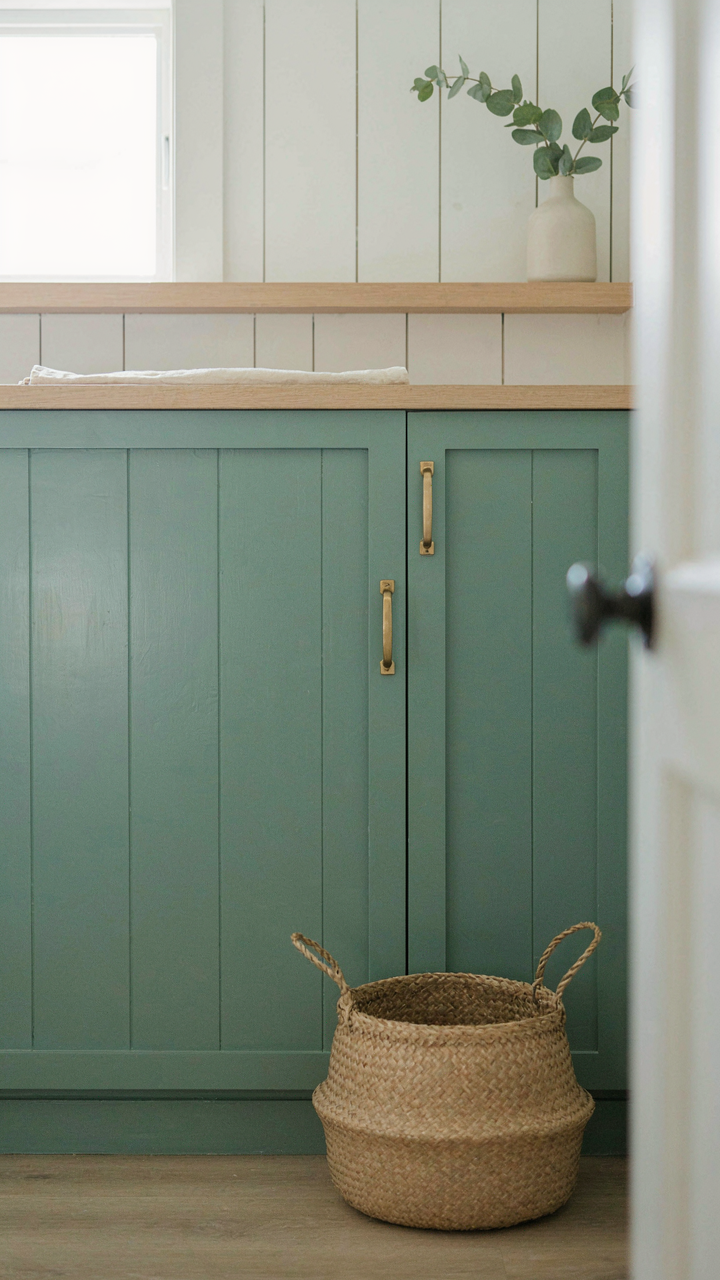
You want your cabinets to look intentional and expensive without replacing them in five years. Here’s the mechanism: paint fails when moisture penetrates the film and lifts it from the substrate. French country mudrooms sit where wet coats land, where humidity swings violently, where salt air corrodes if you’re near coast. You need paint chemistry that resists this, not aesthetics.
- Acrylic latex: Water-based, low VOC, dries fast, but absorbs moisture over time. Works for drier climates, not ideal for mudroom abuse.
- Alkyd enamel: Oil-based, harder film than latex, resists moisture penetration better. Takes longer to dry and requires solvent cleanup, but builds superior adhesion on cabinet wood.
- Hybrid acrylic-polyurethane: Combines water cleanup with polyurethane hardness. Costs more but outperforms pure latex in high-moisture zones without alkyd’s fume issues.
- Pre-catalyzed lacquer: Professional-grade, forms dense cross-linked film, resists water and impact. Requires spray application and ventilation; rare in residential projects but standard in European cabinetry.
- Conversion varnish: Two-part system offering maximum durability and moisture resistance. Expensive and requires mixing, but creates finish comparable to factory lacquer on traditional pieces.
Alkyd and hybrid systems dominate French country restorations because they respect the wood’s movement while staying intact under seasonal humidity. Application method matters as much as chemistry—a weak primer voids everything below it.
Application Sequence For Hard Wearing Results
Skip the myth that “one quality coat” suffices. That’s how cabinets fail in two seasons. French country kitchens and mudrooms demand a three-layer system: primer seals the wood and stops tannin bleed, base coat builds film thickness, topcoat handles contact and cleaning chemicals.
Prep strips the old finish if present—sanding by hand to 150 grit on cabinets, not 80. Vacuum twice. Tack cloth before each coat. Primer goes thin but complete, dries fully between coats. Base coat applies in direction of wood grain, two thin layers beat one thick one. Final topcoat uses the same discipline: temperature above 50 degrees, humidity below 85 percent, natural ventilation until cure completes. Apply the topcoat only after base coat hardens, typically 24 hours with alkyds. Hard-use zones get a fourth protective coat of matte or satin—whatever matches your aesthetic. This four-layer system stops cabinet failure before it starts.
Entrée Maison Efficiency: Designing For Optimal Flow
The Entry Path That Stops Bottlenecks
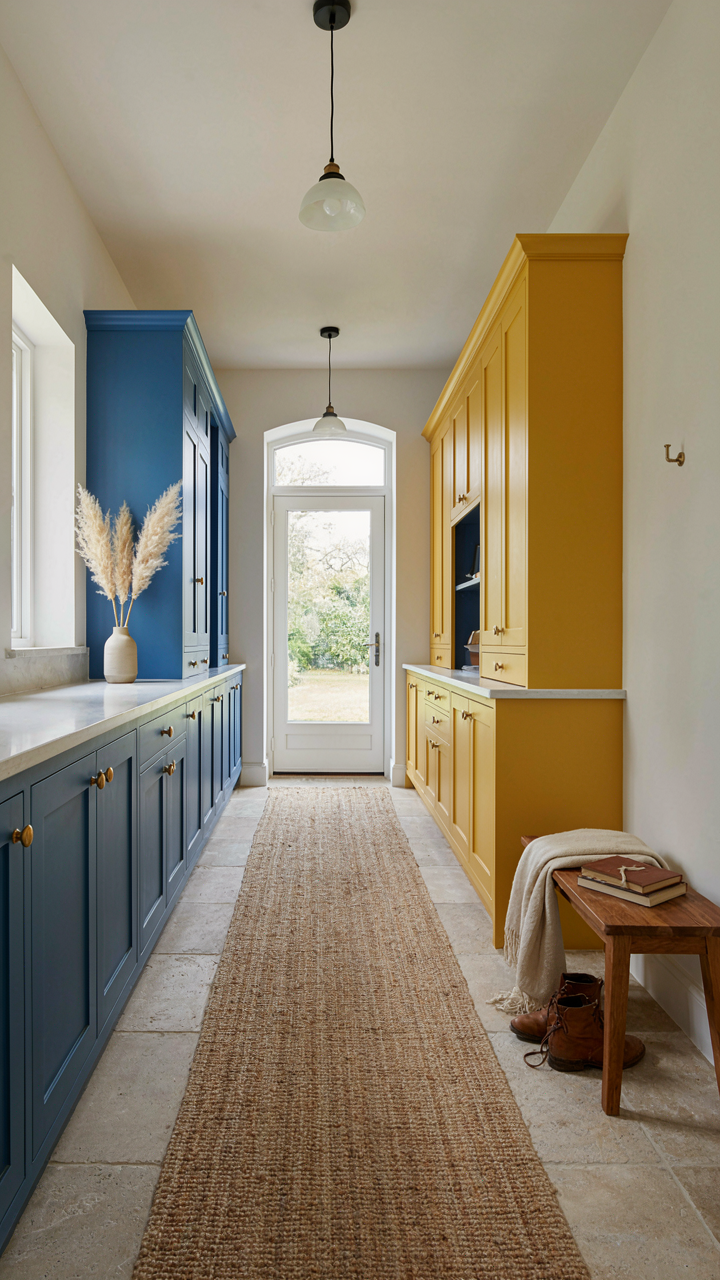
You want people to move through your mudroom without thinking about it because chaos at the entry point signals a life you can’t control. The mechanism is simple: apply traffic flow engineering to your layout. Movement patterns follow the path of least resistance, so you eliminate friction by positioning the exit route as a straight line from the door. Stone floors naturally support this because they don’t require careful footstep placement like wood does. Place your painted cabinets and coat hooks along the perimeter walls, never blocking the diagonal sightline from entry to exit. The zone closest to the door stays completely clear except for a low bench if you need one.

French country mudrooms traditionally used deep niches and recessed storage specifically to keep the floor open. This wasn’t aesthetic preference—it was necessity in homes where people moved through quickly with wet boots and muddy livestock gear. The width of your entry path should allow two people to pass comfortably without negotiating. Measure your actual door swing first, then work backward from that point to determine where storage can begin without creating a collision zone. Your stone floor should funnel traffic, not scatter it.
Where Hidden Storage Actually Lives
Everyone talks about using vertical space, but they miss what vertical space really does: it hides the friction points that slow people down. In a French country mudroom, painted cabinet doors perform double duty as visual barriers that stop the eye from tracking clutter, while also creating storage zones that don’t demand daily decisions. The real play is storing items you use seasonally—winter coats, gardening boots, pool towels—not the stuff you grab daily. Daily-use items need to stay in your immediate sightline on open hooks or a low rail, not buried in cabinet depth where retrieval becomes friction.
Stone floors won’t work well under cabinet bases without proper drainage considerations, so French country designs typically elevated cabinetry with wooden feet or iron brackets. This gap prevents water pooling and maintains the floor’s integrity over years. Stack painted cabinets higher on walls to create storage that doesn’t interrupt the floor plane visually or functionally. When you’re choosing painted cabinet colors, use tones that match your stone floor’s undertones so the storage zone reads as a single architectural element, not an afterthought that was bolted on.
Boot Room Blueprint: Beyond The Bench
Where Boots Actually Live
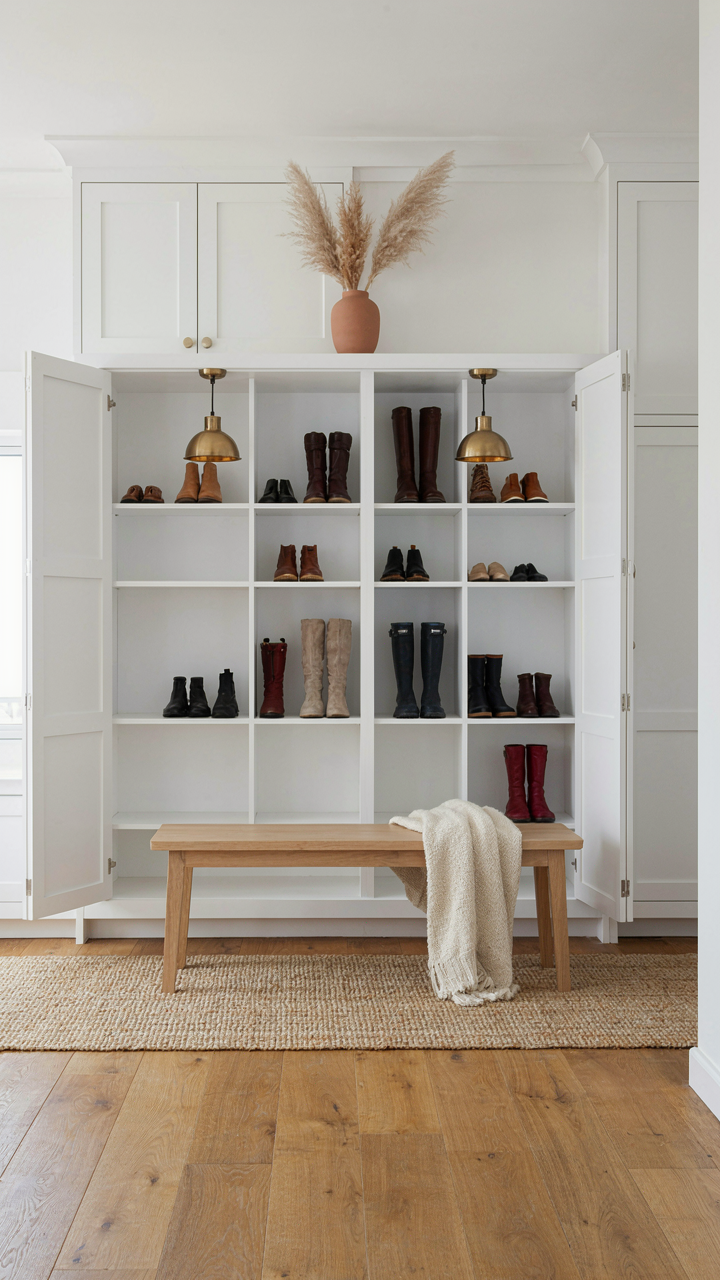
You want this section because muddy boots sitting visible in your entry kills the whole aesthetic you’re paying for. The real mechanism is storage density: a French country mudroom needs to hide what doesn’t belong while keeping what matters accessible. This isn’t decoration—it’s triage. Every boot, shoe, and slipper requires its own slot, not a pile. Open shelving looks intentional; a heap looks abandoned.

Painted wooden cabinets with individual shoe cubbies solve this by creating visual rhythm while enforcing containment. Build or source cabinets with divided compartments sized for adult boots, not sneakers. Each section gets a depth of 12 to 14 inches and a width that stops one boot from tilting into the next. Stone floors below absorb the visual mess and anchor the whole room. The cabinet doors—painted in muted greens, creams, or grays—close on chaos and open on order. Mount them 4 to 6 inches above the stone to prevent moisture damage and allow sweeping underneath.
Getting Water Out Of The Room
Ventilation in a mudroom operates like industrial extraction: you move wet air out before it settles into wood and stone. The amateur move is hanging coats on a rack and hoping. That doesn’t work. You need active airflow: a wall-mounted exhaust fan vented to the exterior, positioned near where wet outerwear congregates. Size it for the room’s square footage, not just for show.
Pair the fan with strategic coat hooks mounted 6 to 8 feet high on stone walls—high enough that dripping coats don’t puddle on the floor. Space them 12 inches apart so jackets and boots don’t share moisture. Run the exhaust fan on a simple timer for 15 to 20 minutes after heavy foot traffic or wet weather. This creates air exchange that stone floors alone cannot achieve. The painted cabinets below stay dry because rising moisture exits before it settles.
Luxury Mudrooms: When Practicality Meets Investment
Premium Materials Return On Investment
You want permission to spend more money without feeling wasteful. Here’s the mechanism: French country mudrooms demand materials that withstand repeated moisture cycles, foot traffic, and dirt exposure—so cheap materials fail faster, forcing you to renovate twice instead of once. Economics calls this the “replacement cost horizon.” A stone floor lasts forty years. Vinyl lasts eight. The math compounds when you factor labor.

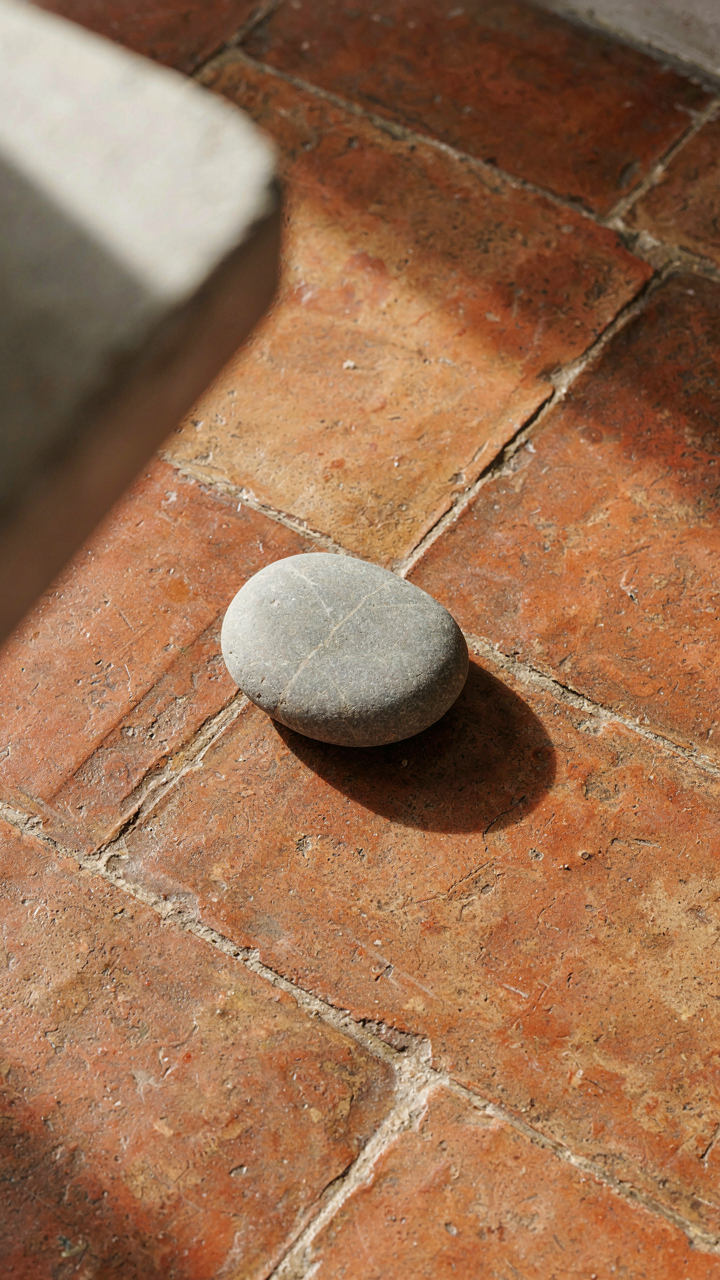
Limestone and reclaimed terracotta tile cost three to five times more upfront than ceramic, but they age visibly without degrading. Painted cabinetry in a mudroom endures scuffs and humidity better when you use exterior-grade enamel and proper sealing rather than interior latex. The premium material doesn’t just look better—it performs longer under conditions that destroy cheaper alternatives. Your actual cost per year drops when you measure across the full lifespan.
Design Decisions That Hold Value
Mudroom layout doesn’t trendy. A properly proportioned French country mudroom with built-in painted cabinetry, adequate stone flooring, and ventilation positioned near the entry point stays functional for decades because it solves a permanent problem. When you renovate, avoid design choices that anchor themselves to temporary aesthetics—oversized hardware, trendy paint colors, or spatial configurations that don’t match your home’s traffic patterns.
Invest in structural decisions, not decorative ones. Ensure your stone floor slopes slightly for drainage. Build cabinet depths that accommodate actual outerwear and footwear. Install ventilation that reaches the source of moisture. These mechanical choices survive style shifts. Five years later, you won’t want to rip everything out because the core function remains sound and the bones support whatever aesthetic direction your taste drifts toward.
Rénovation Maison: The Integrated Mudroom Strategy
Matching Existing Architectural Language
You want this mudroom to feel intentional, not like an afterthought bolted onto your home. The real mechanism here is architectural consistency: your mudroom must speak the same visual dialect as the rest of your house, or it breaks the spatial narrative and kills resale value instantly.

French country architecture uses repeating material and proportion cues. Stone floors anchor the aesthetic. If your existing home uses limestone or aged tile throughout, your mudroom floor must match or complement it visually and functionally. Painted cabinetry in French country homes typically echoes the trim color palette already established in adjoining rooms. Pulling a cabinet color from your kitchen or dining room—not inventing a new one—creates visual flow without feeling forced. This is load-bearing design work, not decoration.
The entry sequence matters more than any single element. Your mudroom connects the exterior threshold to interior living space, so it must transition materials and finishes deliberately. If your hallway has chalk-painted wainscoting, your mudroom cabinetry should reference that same finish approach. Stone flooring in the mudroom should align with existing stone transitions in kitchens or bathrooms. Mismatched materials create visual friction that buyers and residents register as sloppy, even if they can’t name why. The mudroom is where architecture proves it’s intentional.
Converting Functionality Into Equity
Functional design in a mudroom directly compounds property value because it solves a problem buyers experience immediately upon entry. The common mistake is treating it as storage theater—pretty baskets and hooks that don’t actually contain the friction of daily life. Real value comes from designing for the specific wear patterns your household creates.
French country mudrooms typically pair painted cabinetry with open shelving and stone counters. This mix works because it separates seasonal items (upper painted cabinets with doors) from daily-use pieces (open hooks and lower stone surfaces for boots, bags, keys). Stone floors survive wet boots and tracked mud better than wood, and they age visibly without looking damaged. This durability signals permanence and justification for the upfront investment. A buyer sees stone floors and thinks “this won’t deteriorate in three years.” Painted cabinetry with proper finish protects against door dings and moisture better than raw wood, lowering maintenance perception.
Quantify the functional layout before designing aesthetics. Measure the coats and gear your household actually stores. Count daily entry points. Map seasonal burden—boots in winter, gardening supplies in spring. Then size cabinets and shelving to fit those actual loads, not theoretical ideals. This specificity is what separates a mudroom that increases home value from one that merely looks correct. The painted cabinets and stone floor matter only because they support a system that works.

The Real Obstacle Isn’t Design Choice, But Your Aversion To Seeing A Mudroom As A High-performance System, Not Just A Pretty Picture
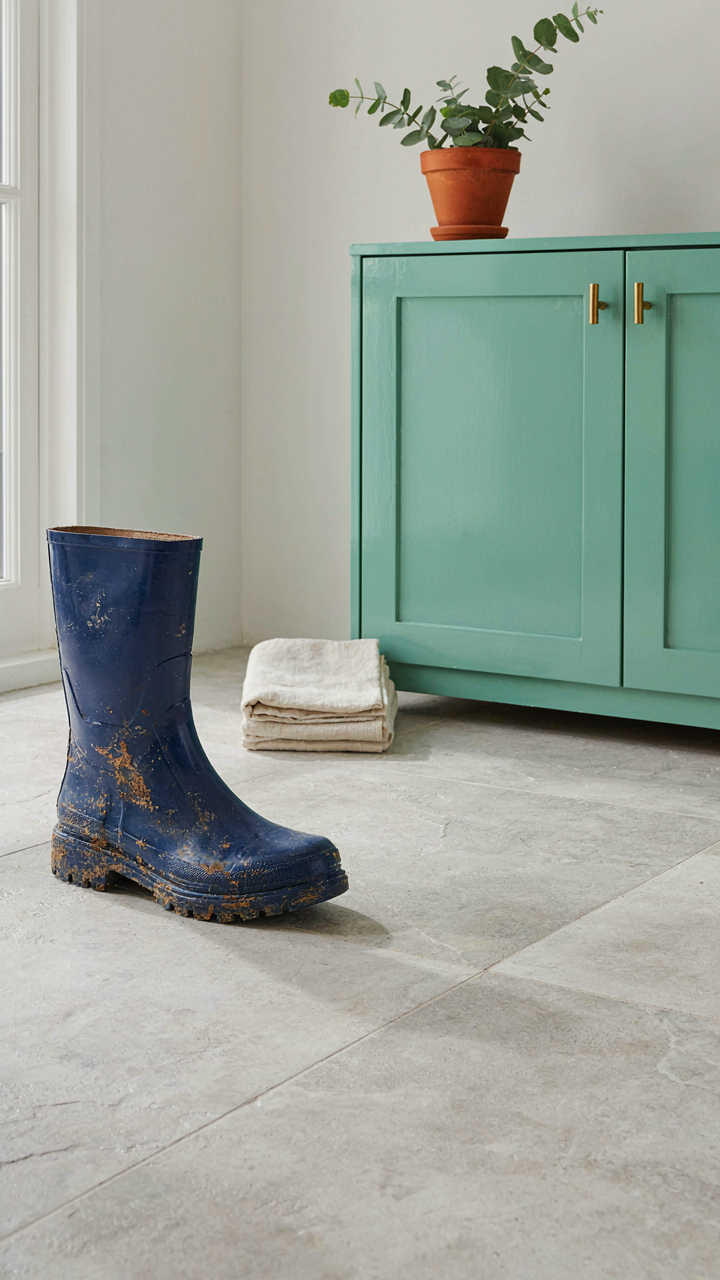
You’re treating your french country mudroom like a magazine spread instead of a machine. Painted cabinets and stone floors mean nothing if dirt still ends up on your kitchen tiles. Map out your actual traffic patterns this week. Where do boots land? Where does wet fabric pool? Build your storage around these friction points, not Pinterest. A beautiful mudroom you don’t use is just an expensive hallway.