The Antique Authenticity Fallacy: Why Old Isn’t Always Better For French Country Lighting
Spotting Real Age From Manufactured Decay
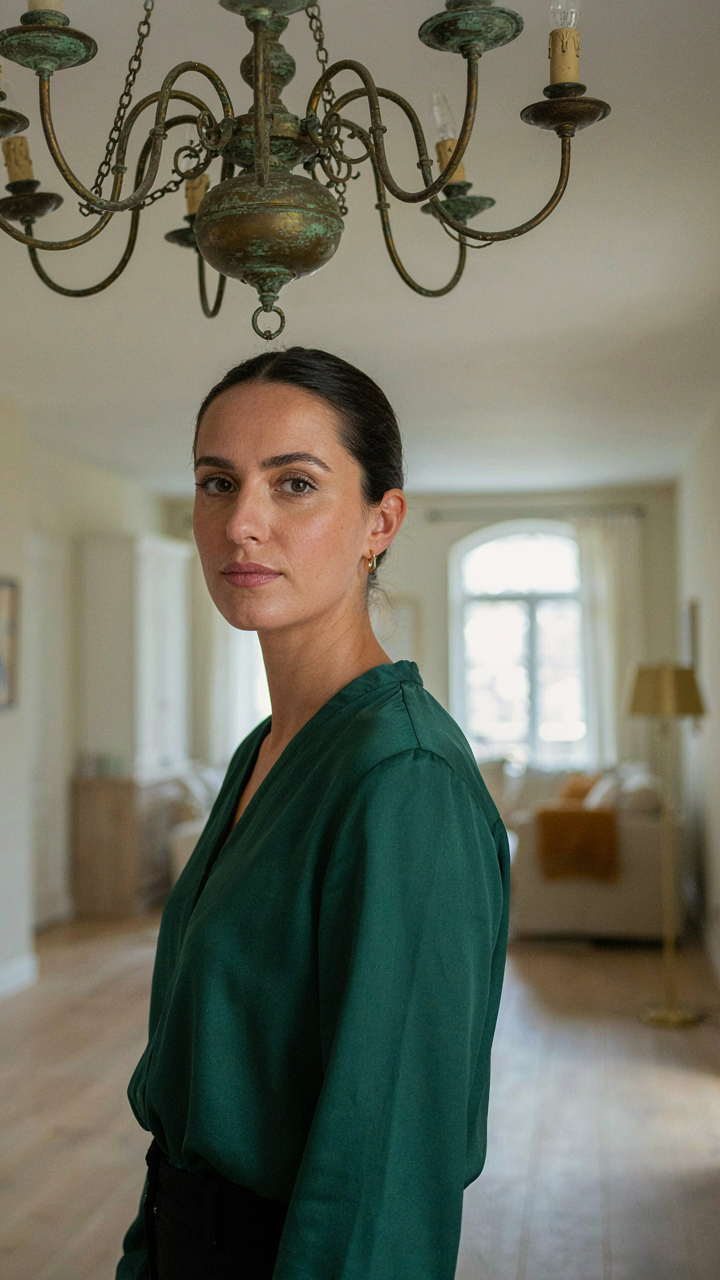
You want an old chandelier because old feels like proof you did it right. Here’s the mechanism: your brain confuses visual wear with craftsmanship, when decay and quality are unrelated variables. Patina bait floods the market—fixtures artificially aged through acid washing, intentional scratching, or cheap brass plating that flakes to expose base metal underneath. Genuine antique fixtures show wear in specific zones: socket areas, chain attachment points, and mounting plates where hands actually gripped them. Forced patina spreads randomly and sits on the surface like a costume.
Authentic French country fixtures from the 18th and early 19th centuries used solid brass or bronze, not thin-plated reproductions. The metal develops a consistent greenish or chocolate patina from oxidation over decades, not surface scratches that expose raw material. Sockets on real pieces show solder joints consistent with period hand-assembly techniques. If a chandelier claims to be 80 years old but uses modern wiring standards inside the canopy, it’s a fabrication. Check the fixture’s interior construction before the exterior appearance.
Performance Matters More Than Lineage
Standard advice says “buy the oldest piece you can afford for authenticity.” That’s lazy. A reproduction chandelier with modern wiring, working sockets, and a stable mounting system outperforms a genuine 200-year-old piece that requires constant rewiring and drops candle wax on your dining room. French country lighting succeeds through function first, then aesthetic alignment. A 1970s brass chandelier with a working dimmer serves the room better than an actual 1820s piece that only runs at full brightness and requires a licensed electrician every time a socket corrodes.
The real mechanism is constraint matching. An authentic candelabra-style fixture works only in specific room sizes and ceiling heights—it dictates your design rather than serving it. A well-made reproduction offers the same visual language with the flexibility to actually work in your space. Prioritize pieces with replaceable components, modern socket standards, and wiring that won’t require replacement in five years. The fixture should adapt to your home, not force your home to adapt to it.
The French Country Chandelier Code: Decoding Scale And Placement

When Room Size Meets Fixture Weight
You’re worried a chandelier will look ridiculous in your space. That fear drives most bad decisions here. The actual mechanism is simple: French country chandeliers work on proportional dominance, not absolute size. A fixture should occupy roughly 1/3 of the vertical space from ceiling to eye level without crowding the room’s visual field. In a 9-foot ceiling, that means a chandelier roughly 24 to 30 inches in diameter functions as a focal point without overwhelming the space. Measure your room’s longest wall dimension first. The chandelier’s width should never exceed one-third that distance.

The mistake people make is scaling chandeliers like they’re decorating a hotel lobby. French country interiors rely on restraint, not spectacle. An 8×10 bedroom needs a fixture around 20 inches wide, not 36. The chain or rod length matters equally: if your ceiling is low, shorten the drop. A 9-foot ceiling typically calls for 12 to 18 inches of chain, leaving the fixture’s lowest crystals at least 7 feet from the floor. Install it during framing if possible. Retrofitting requires locating ceiling joists and reinforcing the electrical box. Use the manufacturer’s weight specifications and multiply by 1.5 to find your required anchor strength.
The Ballroom Problem And How To Stop It
Everyone thinks bigger is more elegant. It’s not. The real issue is that large fixtures in small rooms create spatial discord because your eye has nowhere to rest. French country design works through proportion and rhythm, not dominance. When you overshoot on chandelier scale, you’ve inverted the hierarchy: the fixture becomes the room’s only visual anchor, and every wall feels compressed around it. This kills the intimate quality that makes French country work at all. The antidote is brutal honesty about your ceiling height and room perimeter before you buy.
Here’s the protocol: measure your room’s width and height. Calculate one-third of the longest wall dimension. That’s your absolute maximum fixture width. Then go one size down from that number and live with it. In a 12-foot-wide bedroom with an 8-foot ceiling, the maximum chandelier width is 4 feet, so your real target is 32 inches. This feels smaller when you’re standing in the room than when you’re shopping online. Buy at that smaller scale. The fixture will feel intentional instead of compensatory, and your space will breathe.
Beyond The Obvious: Unconventional French Country Lighting Fixtures
Materials That Contradict The Aesthetic
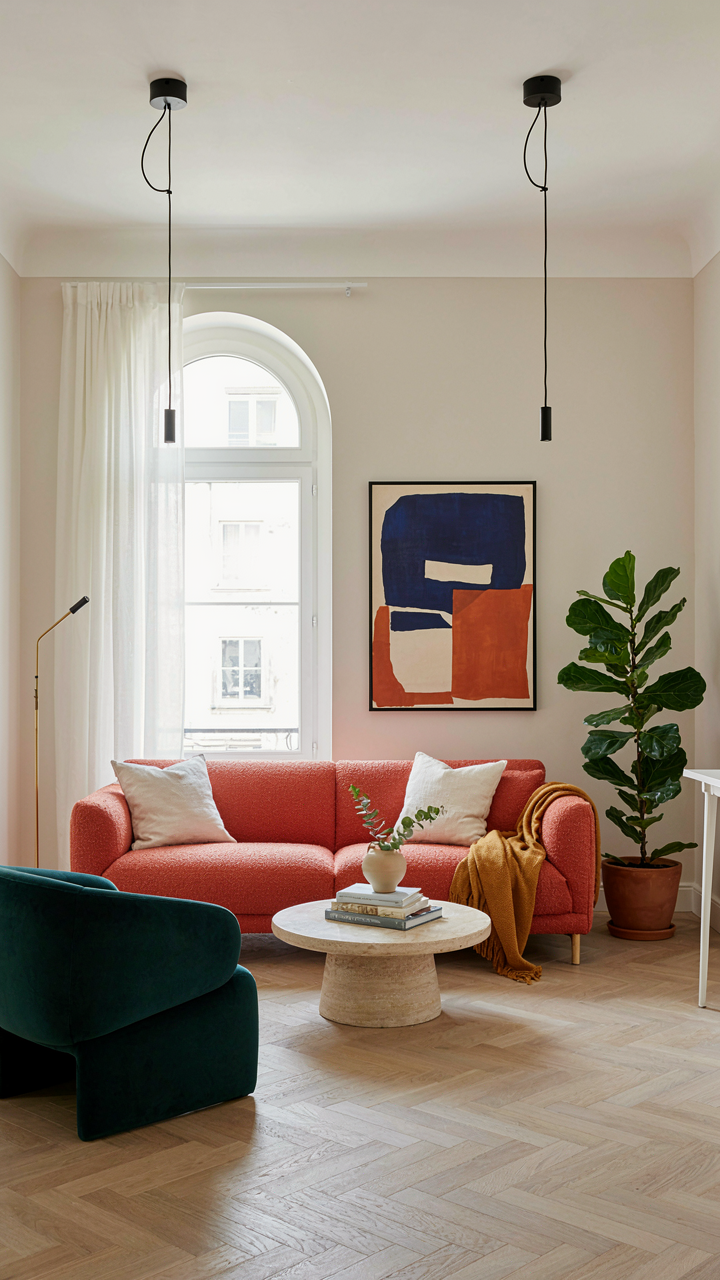
You want permission to do something different without looking like you don’t understand the style. That’s the real question here. French country lighting doesn’t require reproduction brass or fake distressing. The mechanism is contrast: materials that break expectation while respecting the spatial logic of the style work because they create visual weight and hierarchy in a room.

Concrete materials like raw plaster, blackened steel, and even modern glass paired with traditional French forms shift how light moves through a space. A sconce with a wrought iron arm and frosted glass diffuser reads as French country because the arm carries the historical weight, while the glass updates the fixture’s behavior. The material choice controls where eye attention lands, not sentimentality.
When Restraint Becomes Aggression
Breaking the “traditional” rule works only when you understand what the tradition actually does mechanically. Most advice says add more fixtures, stay cohesive, keep it period. That’s incomplete. French country lighting uses shadow and asymmetry to define room zones. A single unconventional fixture placed off-center deliberately creates that asymmetry stronger than three matched pieces ever could.
Removing symmetry from a room where people expect it forces the eye to work harder, making the space feel intentional rather than decorated. Install one sculptural wall sconce in blackened metal with minimal ornamentation where a matched pair would sit. Pair it with a traditional chandelier elsewhere. The contrast makes both pieces read as deliberate moves, not mistakes or budget constraints.
The “Less Is More” Doctrine For French Country Pendant Lights
Strategic Placement For Layered Light
You want permission to buy fewer pieces and feel like you’ve made the right choice. Here’s the mechanism: French country design inherited constraint from rural practicality, not aesthetic philosophy. Electricity came late to the French countryside. People lit rooms with firelight and candles first, then strategically placed oil lamps. That history embedded itself into the style. Pendant lights in French country interiors work like military strategy uses supply lines: position them where they solve an actual problem, not where they look nice on a wall.

A single well-placed pendant over a kitchen island does the work of three mediocre fixtures scattered around the perimeter. Position pendants 30 to 36 inches above countertops or tables where people actually perform tasks. Layer ambient light from wall sconces or a smaller chandelier in an adjacent room instead of cramming the main space with competing fixtures. This creates depth without clutter. The eye moves through the home following light pools, not fighting a visual static of competing sources.
Fewer Pieces That Actually Function
The common advice says “mix metals” and “combine styles” to look collected. That’s backwards. French country lighting works because each piece earned its place by solving a specific need. A bronze pendant with a cream shade over the sink. Brass sconces flanking the mirror in the bathroom. Cast iron fixtures in the entry corridor. Each one handles its zone. You’re not decorating with light, you’re distributing it.
When you select fewer fixtures with intention, you stop replacing them every two years because they’re wrong. Iron, brass, and bronze actually last. Linen and parchment shades weather into character instead of looking dated. Start by mapping where people actually need to see. Then find one strong piece for each zone. The restraint is what reads as “designed,” not the abundance.
The French Country Kitchen Lighting Blueprint: Task Vs. Ambiance
Overhead Light Meets Visual Hierarchy
You want your kitchen to look intentional, not like a farmhouse that accidentally happened. The real problem: most people treat overhead lighting and focal points as separate problems when they’re actually layers of the same hierarchy. In French country kitchens, a central chandelier or pendant cluster doesn’t just brighten the space—it anchors where the eye lands first, which means everything else reads as intentional rather than scattered.

Task lighting needs to hit work surfaces where prep and cooking happen. French country kitchens solve this by positioning overhead fixtures directly over islands or tables, then letting wall sconces and secondary pendants fill the periphery. The overhead fixture becomes the dominant visual anchor; everything else supports its gravity. This isn’t aesthetic preference—it’s how human attention actually works in a room. Place your primary fixture where you want focus, then build lighting around that choice.
Under Cabinet Light And Accent Layering
The common advice is to hide under-cabinet lighting because it’s “utilitarian.” That’s wrong. French country design actually reveals functional elements as long as they serve a purpose. Under-cabinet strips don’t just light your countertop for knife work—they break the visual weight of upper cabinetry and create depth that a flat overhead alone cannot achieve.
Accent lighting in French country kitchens typically uses sconces flanking open shelving, above pass-throughs, or highlighting architectural details like stone or beamed ceilings. These fixtures work on a lower voltage circuit than task lighting, which means you’re not fighting glare or harsh shadows during daily use. The mechanism is simple: task lighting handles the work, accent lighting handles the room’s sense of space and depth. Install under-cabinet LED strips first, then position sconces at eye level on adjacent walls to create balanced visual weight across the entire kitchen perimeter.
Country Chandelier: The Physics Of Light Distribution
Why Lux Matters More Than “Brightness”
You want your room to feel expensive without looking like a showroom. That’s the real calculation happening. Everyone talks about brightness as if it’s one thing, but it splits into two mechanisms the moment you measure it. Lux is the actual light energy hitting a surface. Perceived brightness is what your brain constructs from that energy plus contrast, color, and shadow.

A French country chandelier at 18th-century design specs delivers 150 to 300 lux at seating height. That’s not bright by modern office standards, roughly one-third the illumination of a desk lamp. The mechanism here is that your eye adapts to lower ambient light, then reads the warm shadows and pool of light as intentional, controlled, expensive. The mistake people make is overlighting a French country space to hit some arbitrary lux target, which kills the aesthetic entirely and makes the room feel commercial.
Color Temperature Shapes Room Psychology
The warm light your grandmother’s French country home felt like wasn’t accident or nostalgia. It was kelvin temperature, measured in absolute numbers. A typical brass or aged iron chandelier paired with incandescent or warm-toned LED bulbs operates at 2700K, sometimes lower. This is measurable physics, not taste.
At 2700K, your pupils dilate slightly and your brain interprets warm light as safe, settled, intimate. Bump that same chandelier to 4000K or higher and the room becomes active, clinical, alerting. French country design locks in at 2700K or below because the original design was built around candlelight and early incandescent tech, both inherently warm. If you install a “bright white” LED in a period chandelier, you’ve destroyed the design framework the entire aesthetic depends on. Verify your bulbs read 2700K or lower before installation.
The Unspoken Rules Of French Country Fixtures Materiality
Iron Vs. Wood Vs. Glass: Inherent Character
You’re reading this section because you want your room to feel “authentic” without admitting you’re chasing status through historical accuracy. Here’s what actually matters: material choice determines whether light gets absorbed, diffused, or reflected before it even reaches the room. Iron oxidizes and darkens over time, trapping light. Wood grain scatters it. Glass either transmits it cleanly or fragments it depending on its surface texture and age.

French country design used wrought iron for structural load and cost efficiency, not aesthetic whimsy. The material’s weight and opacity made sense for candle-era fixtures that needed heat management. Wood appeared in rural applications where iron was expensive or unavailable. Glass came later, primarily in wealthier regions after manufacturing scaled. Choose your material based on the light behavior you need, not the period you’re romanticizing.
Mixing Textures For Depth, Not Distraction
The real mistake most people make is treating texture as decoration instead of optical engineering. Smooth surfaces reflect directionally. Rough surfaces scatter light diffusely. Combining them in a single fixture creates visual layering that reads as intentional depth rather than clutter. A wrought iron frame with hammered sections next to polished brass hardware and frosted glass creates three different light behaviors simultaneously.
In French country rooms, restraint wins. Pair one dominant material with one complementary texture, then stop. A bronze chandelier with glass shades works. Adding carved wood, patina copper, and matte brass to the same fixture collapses the effect into visual noise. The fixture’s job is to distribute light and establish scale, not to audition for a design museum. Limit yourself to two material types per fixture, three absolute maximum across the entire room’s lighting scheme.
French Country Lighting Ideas: The Illusion Of Effortless Curation
Intentional Selection Over Accumulation
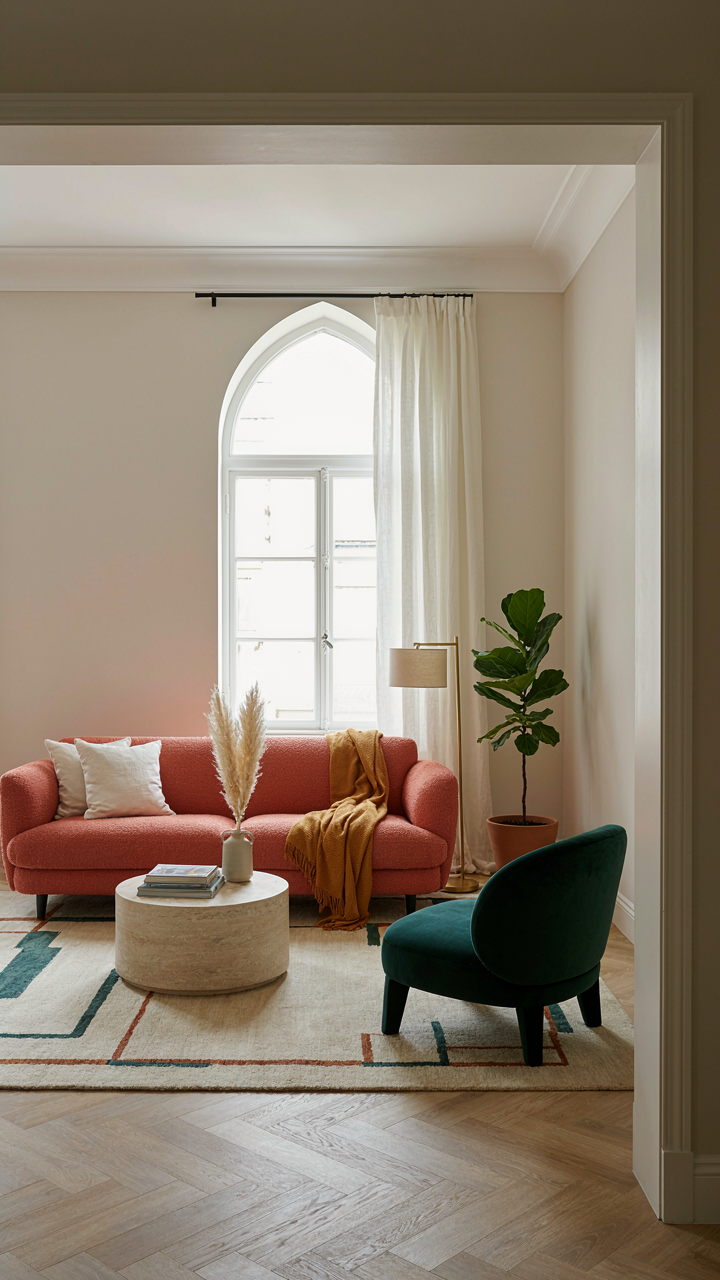
You want people to think you discovered these pieces, not bought them. That’s the real driver here. French country lighting works because it appears collected over decades, not ordered from a catalog in one afternoon. The mechanism is curation through constraint, not through volume. You choose fewer pieces but each one has a reason for existing in that specific room.

Accumulation kills the aesthetic. Most people fill a space with options, hoping something lands. French country demands the opposite: you eliminate everything that doesn’t belong, then place what remains with deliberate spacing. A single brass wall sconce matters more than three mediocre ones. A statement chandelier in the right room beats five smaller fixtures scattered across the house. The edit is the work.
Found Objects Against Factory Replicas
Museum curators use provenance as their primary filter. French country lighting borrowed this logic before most people noticed. The difference between an actual vintage brass fixture and a new piece made to look old lives in material degradation, manufacturing marks, and the weight in your hand. Real aged brass shows uneven patina. New reproductions show uniform patina applied by process.
This matters because your eye registers authenticity faster than your brain can explain it. Rooms filled with convincing replicas feel expensive but hollow. Rooms with actual vintage pieces, even modest ones, register as lived-in and credible. Start by sourcing one genuine vintage chandelier or sconce. Every other fixture in that room should defer to it, either through material compatibility or deliberate contrast that reads as intentional, not accidental.
The French Country Chandelier Kitchen: Beyond The Island Statement
Layering Light Creates Functional Hierarchy
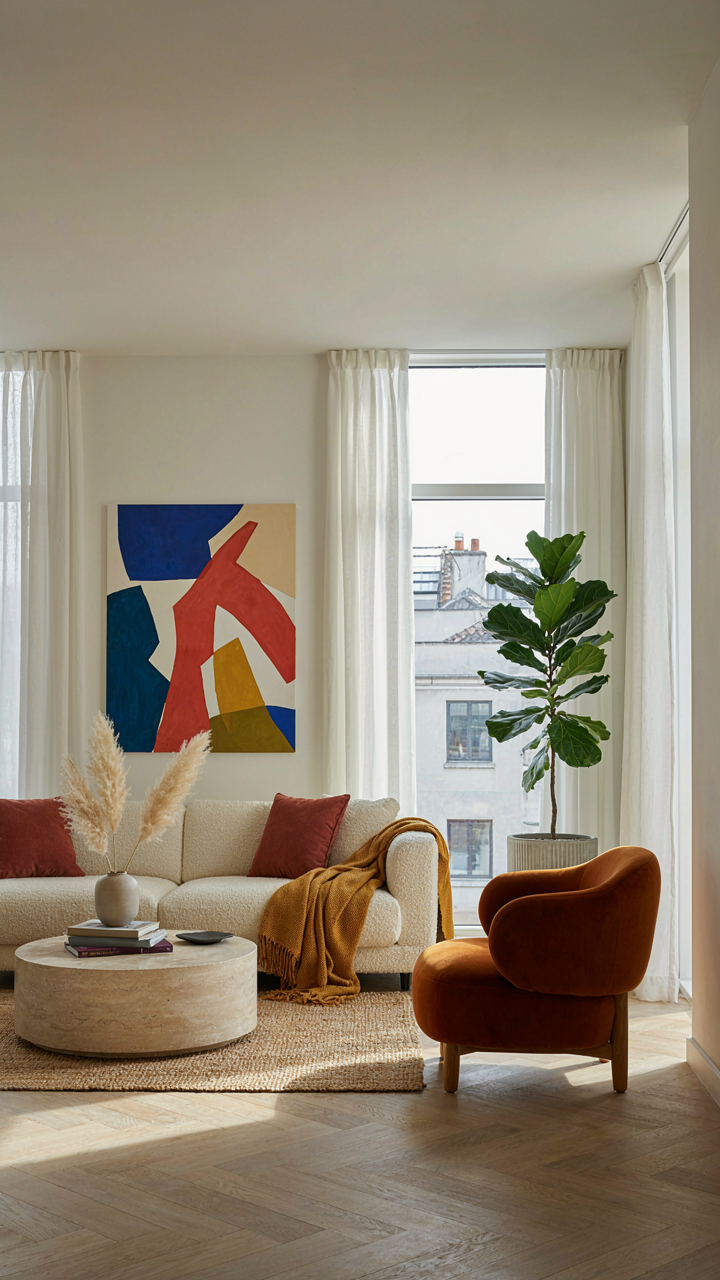
You want the chandelier to do the heavy lifting so you don’t have to think about lighting design. That’s the trap. The mechanism is simple: a single central fixture leaves dead zones and forces you to choose between ambient light that’s too dim or task light that’s too harsh. French country kitchens solve this by treating light like a three-tier system. The chandelier handles ambient coverage. Sconces flank the sink or prep zones for task work. Flush mounts or recessed fixtures fill gaps the chandelier misses. Each layer operates independently.

The practical sequence matters. Install your chandelier first at the standard 30 to 36 inches above the island or table. Then map shadows on the counters and walls. Sconces go where shadows pool, typically flanking mirrors or over work surfaces. Flush mounts address remaining dark corners. This stacking approach means you control brightness by layer, not by guessing one fixture’s wattage. You’re building redundancy, not decoration.
Elegance Requires Honest Task Lighting
The common advice says French country means purely decorative fixtures. Wrong. The actual aesthetic comes from fixtures that look intentional, not hidden. A wrought iron or brass sconce over a marble-topped console isn’t elegant because it’s ornamental. It’s elegant because it lights that specific surface without pretending to do anything else. The design moves out of the way once it solves the problem.
Utility anchors elegance here. Task light in French country kitchens gets mounted 48 to 60 inches above countertops, keeping illumination off your face and onto the work. Brass or blackened iron arms hold linen shades or glass—materials that age visibly and acknowledge their function. The fixture becomes part of the kitchen’s infrastructure, not a guest. You accept the technical requirement and express it honestly through material and placement, and that honesty is what reads as refined.
The Art Of Subtraction: What Not To Do With French Country Lighting
Recognize The Traps That Kill The Style
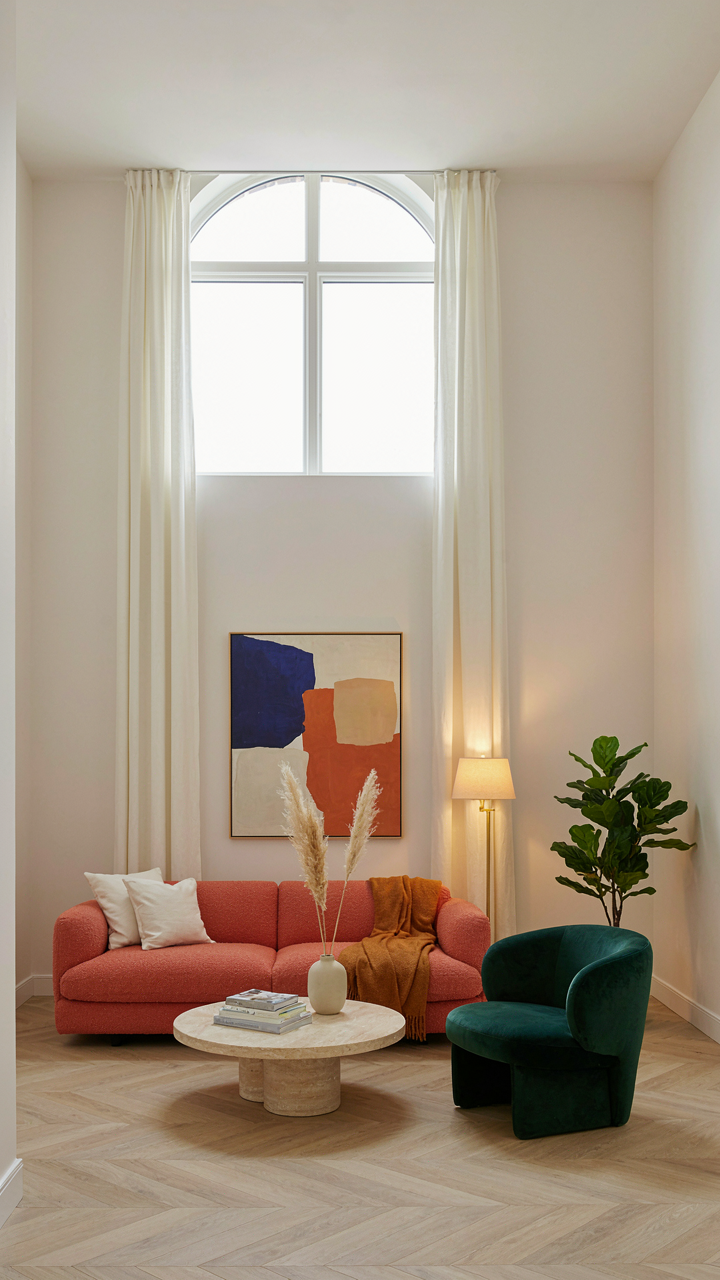
You’re worried you’ll mess this up and end up with something that looks like a theme restaurant. That fear is legitimate, but it points to a real mechanism: French country lighting dies the moment you treat it as a collection of objects instead of a spatial philosophy. The style doesn’t come from cramming in more fixtures. It comes from restraint paired with intentionality.
The common mistake is assuming more ornament equals more authenticity. Designers pile on crystal, brass, and aged finishes without understanding why those elements mattered in actual French country homes. Rural French farmhouses used chandeliers and sconces because they solved a problem: distributing candlelight efficiently across rooms with high ceilings and stone walls. The aesthetic was functional first, beautiful second. Copy the function and the beauty follows. Ignore the function and you get costume.
Create Tension Through Strategic Emptiness
Negative space operates the same way in design as silence operates in music: it makes everything else audible. French country interiors use bare walls, unadorned plaster, and stretches of empty surface to make lighting fixtures command attention. When you fill every corner with decoration, no single piece registers.
Strip back to the essentials first. One statement chandelier in a central room. Sconces flanking a mirror or doorway. Leave the remaining wall surface plain. This approach respects the original constraint that shaped the style: materials were expensive, labor was limited, and excess was wasteful. Modern execution honors this by choosing placement over quantity. The fixture becomes an event in the room rather than part of background noise.
The Only True Obstacle: Escaping The Tyranny Of The Trend Cycle
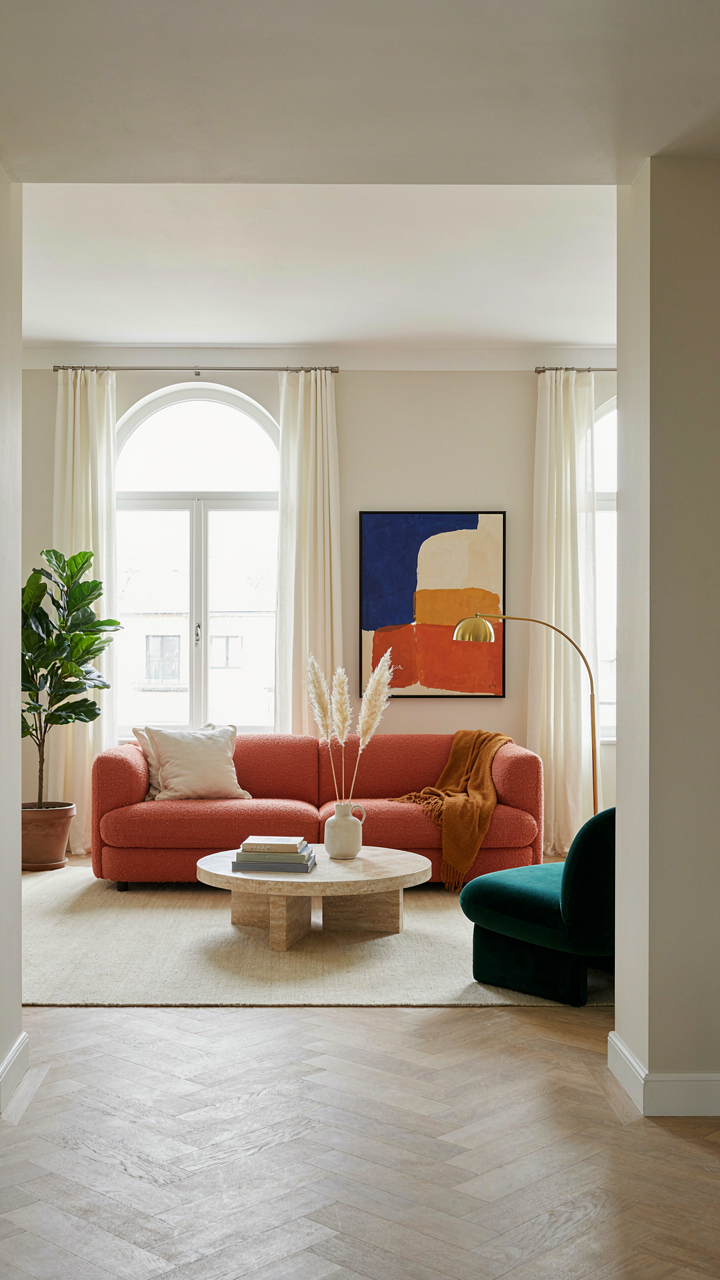
Most people wait for permission to like what they actually like. French country lighting isn’t trendy because it works. It works because it solves a real problem: humans crave warmth in spaces designed to make them feel nothing. Stop scrolling Instagram for validation. Walk into your space right now and ask yourself what makes you feel alive. Then buy the chandelier that answers that question. The only mistake you can make is designing someone else’s home instead of your own.