
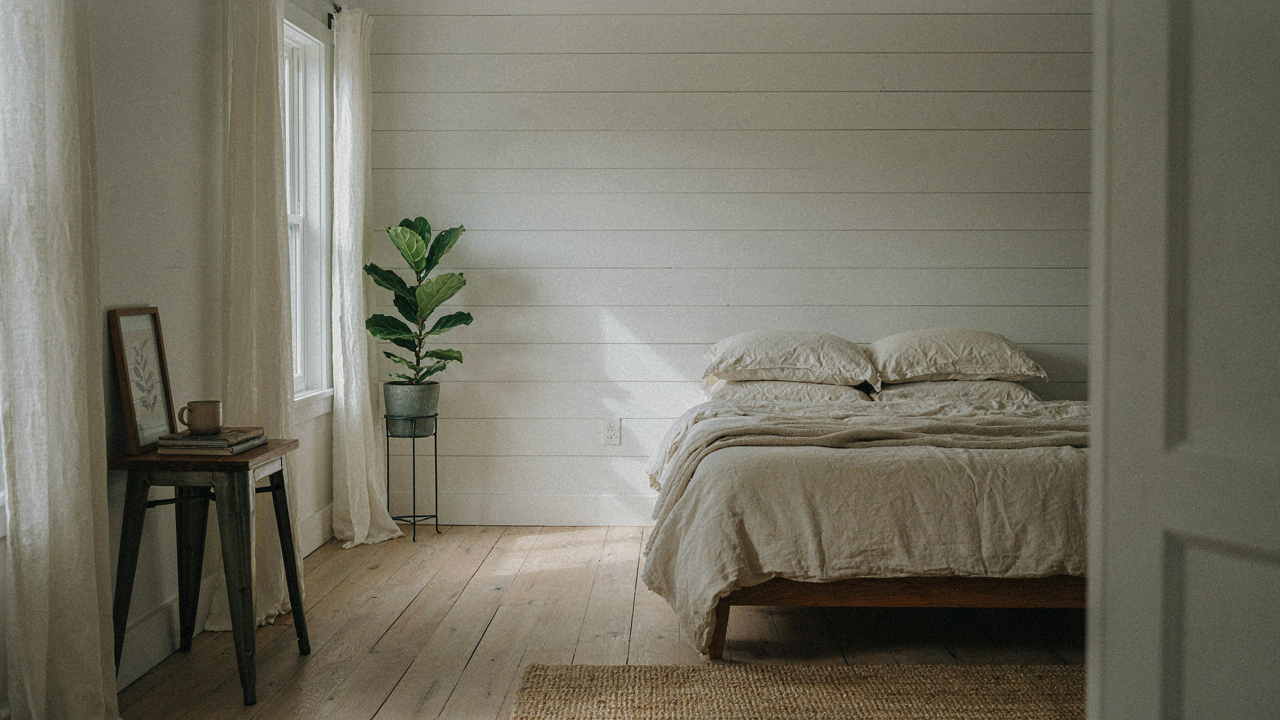
The Gaines Paradox: Why Your Joanna Gaines Bedroom Isn’t Delivering Calm
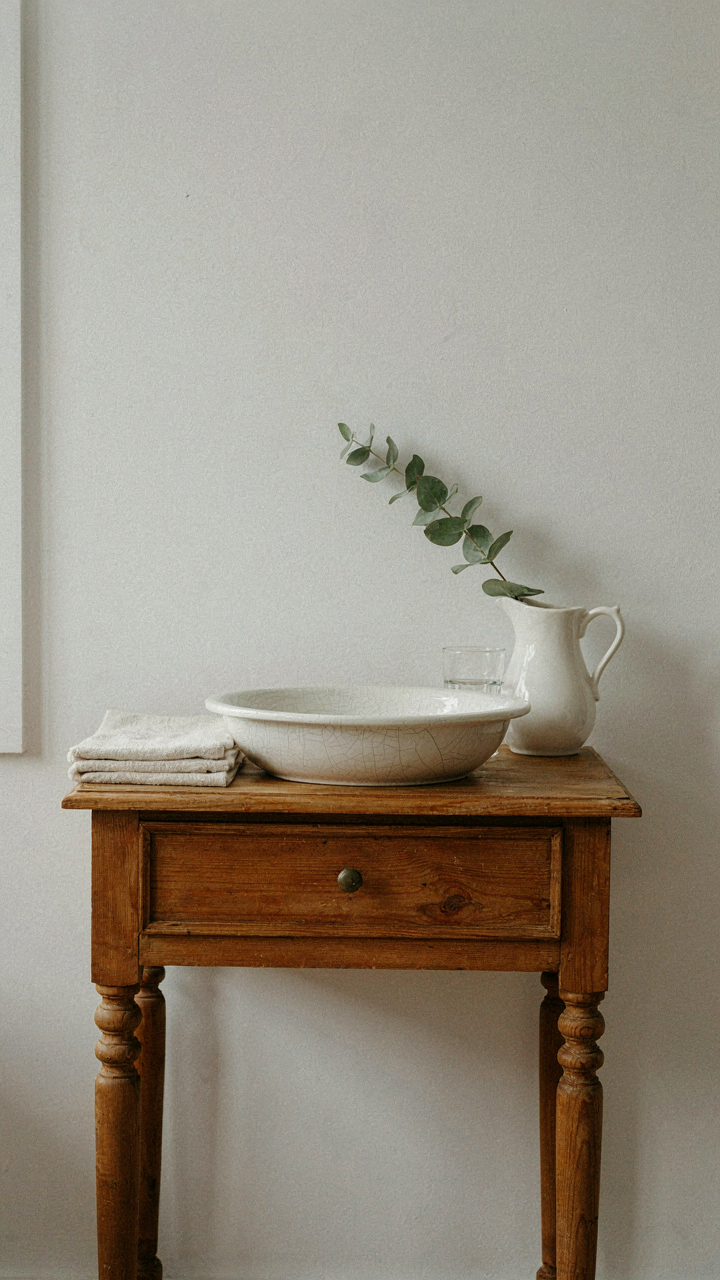
What Farmhouse Style Actually Is
You want the aesthetic without doing the work of understanding what made it function. Here’s the mechanism: farmhouse style emerged from necessity, not Pinterest boards. Early American farmhouses used white-painted wood, simple furnishings, and minimal decoration because resources were scarce and labor was constant. The calm you’re chasing came from constraint, not abundance. When Joanna Gaines photographs bedrooms, she’s capturing restraint. Most people copy the visual surface—shiplap, barn doors, vintage metals—while ignoring the operating principle underneath.
The mistake is treating farmhouse as a decoration language when it’s actually a spatial economy. Every object in a working farmhouse bedroom served dual purposes. The bed was where you slept and where you stored quilts. The dresser held clothes and served as a washstand. This constraint created visual quiet because fewer objects occupied the room. You can’t replicate this by adding more farmhouse-branded products. The second you prioritize aesthetic completion over functional necessity, you break the system that made the style work.
The Gap Between Copying And Building
Most advice tells you to mix old and new, layer textures, find statement pieces. That’s incomplete. The real principle is intentional friction—deliberate mismatch between surfaces that forces your eye to settle rather than scan. In a Joanna Gaines bedroom, you see raw wood next to crisp linen, matte finishes beside polished metal. This contrast works because it’s limited. You’re not layering for interest. You’re using friction to arrest visual movement.
The protocol is simple: choose three material categories maximum per room, then commit to them. If you pick wood, linen, and iron, every object in the bedroom comes from those categories. No glass, no plastic, no chrome. This isn’t restrictive—it’s clarifying. When your brain stops processing variety, it stops working. Calm arrives when there’s nothing left to interpret. The bedroom becomes a place of visual rest, not visual consumption.
The Visual Diet Protocol For Joanna Gaines Style Bedrooms
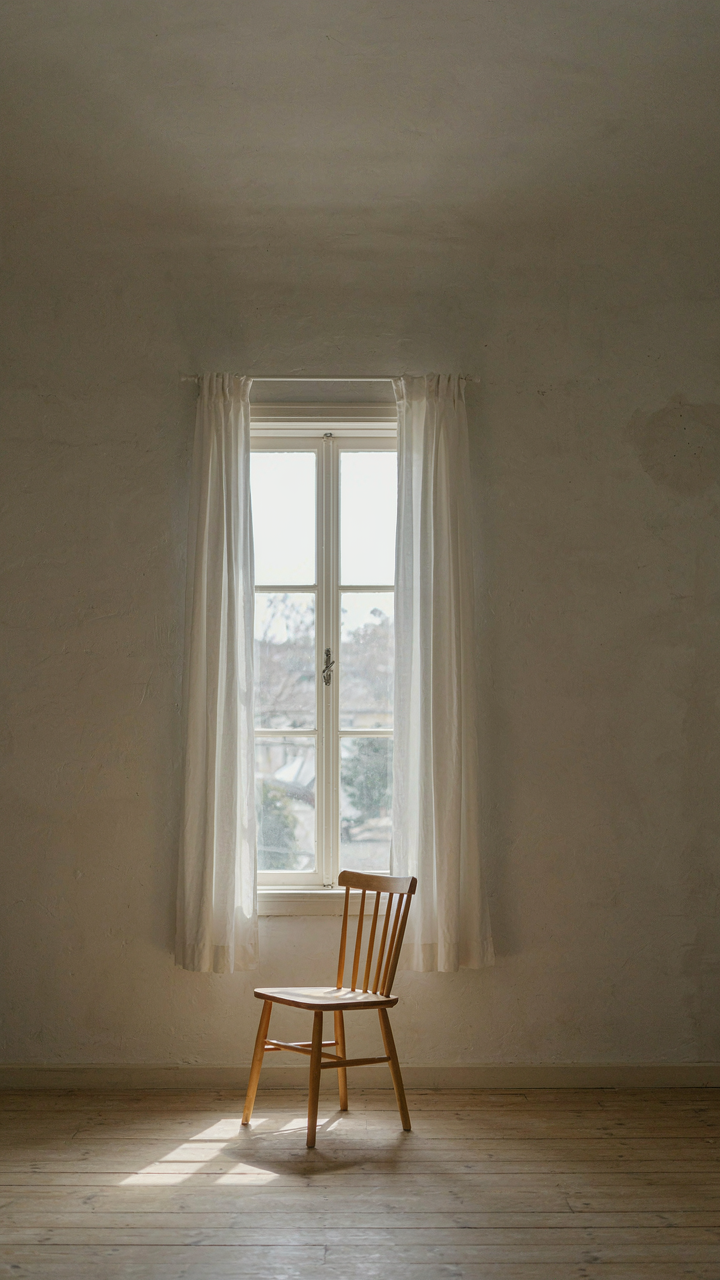
Strip The Room To Its Bones
You want permission to buy less. That’s the real draw here. The mechanism is simple: your brain treats visual clutter as unfinished tasks. Neuroscience calls this the Zeigarnik effect. In Joanna Gaines bedrooms, this translates to walls that don’t compete, surfaces that stay clear, and patterns that don’t multiply. She doesn’t remove things randomly. She removes everything that doesn’t anchor the room’s purpose: rest.

Start by identifying what’s actually working. Most people keep bedroom items out of guilt or habit, not function. Pull out everything decorative. Every candle, book stack, throw blanket, picture frame. Then bring back only what you’d miss in the dark. The rest stays in storage or leaves the house entirely. This isn’t minimalism as aesthetic. It’s minimalism as a operating system for calm.
The Core Elements That Actually Stay
Joanna Gaines bedrooms work because they run on constraint, not abundance. Every piece earns its place through function or visual weight. Her beds use simple frames in natural wood or metal, usually in soft whites, creams, or warm grays. Nightstands stay low profile. Lighting comes from one source per side. The principle holds: fewer objects mean each one registers stronger.
- Bed frame and headboard: Natural wood or upholstered in linen. No ornament. No carved details. The shape matters more than decoration.
- Two nightstands: Matching wood or painted surfaces. A lamp and nothing else on top. Drawers store everything else below sight.
- One area rug: Neutral tone, natural fiber like jute or wool. Defines the bed zone without cutting the room visually.
- Window treatments: Linen or cotton in cream, white, or soft taupe. Simple rod. No pattern. Light filters through evenly.
- Bedding: Layers of natural fabrics in one color family. Linen sheets, a quilt or comforter, one accent pillow maximum. Cotton or linen only.
The real work happens in the saying no phase. You pick five things that serve the room’s single job: supporting sleep. Everything else becomes friction. Your eye doesn’t wander. Your mind doesn’t catalog. You enter the room and immediately feel the load drop.
Beyond The Bed Frame: Engineering Sleep In Joanna Gaines Beds
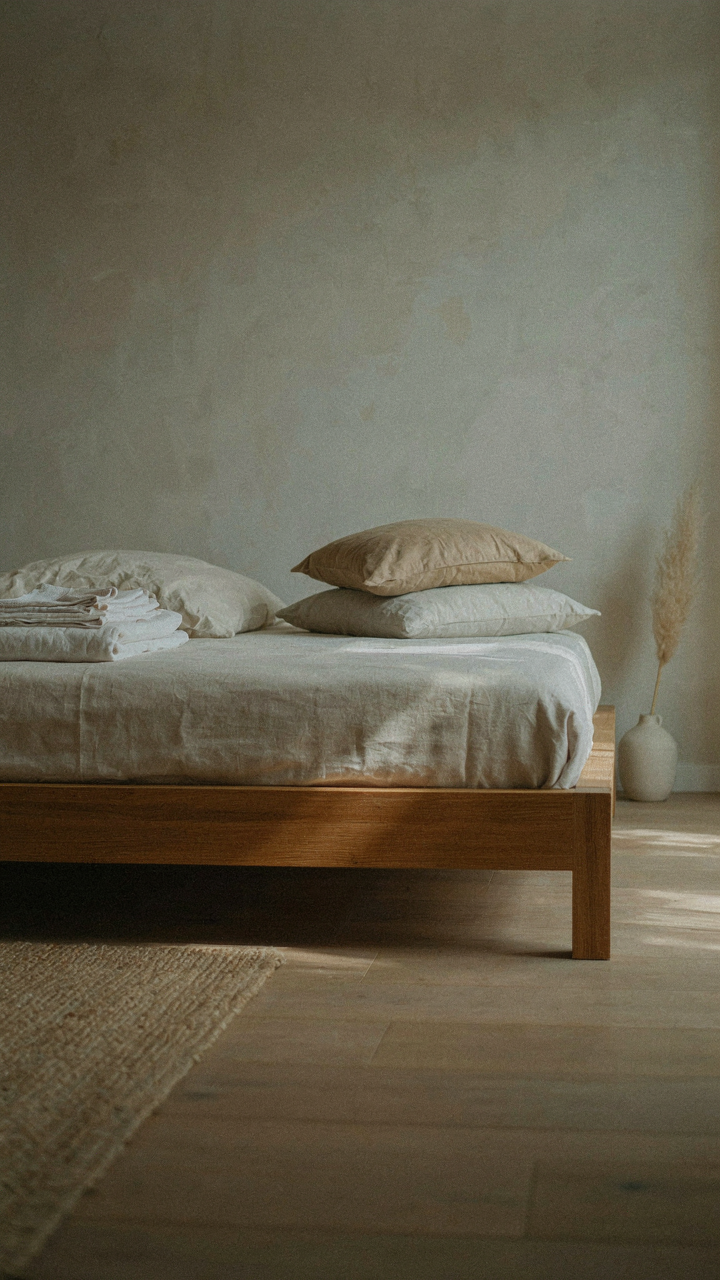
The Foundation Layer Matters More Than The Mattress
You want the bed to look effortless, like rest just happens. It doesn’t. A Joanna Gaines bedroom relies on foundation engineering the same way structural engineering relies on load distribution: the base determines everything above it. Most people buy a mattress and ignore the platform beneath it. This is the mistake. The foundation controls airflow, support consistency, and longevity.

Joanna’s design philosophy uses bed frames with solid wooden slats or box springs that prevent mattress sagging and moisture accumulation. The farmhouse aesthetic demands natural wood, which also functions as a vapor barrier when properly spaced. A quality foundation adds five to ten years to mattress life and eliminates the sinking sensation that ruins sleep. Without it, even an expensive mattress degrades fast and unevenly.
Strategic Layering For Core Temperature Control
Temperature regulation isn’t about comfort. It’s about your nervous system staying stable enough to sleep. Joanna Gaines bedrooms use layered textiles that work like a thermostat: cotton sheets as the base layer, linen mid-layer for breathability, and a weighted blanket or duvet as the variable control. Most people stack blankets randomly and either overheat or undershoot the target zone.
The mechanism is simple: cotton absorbs moisture, linen releases heat through its loose weave, and the top layer lets you add or subtract mass. Start with high-thread-count cotton sheets, add a linen blanket for spring and fall, then swap to a natural-fiber duvet in winter. Test the stack for two weeks before changing it. The goal is waking up without throwing off layers at 3 AM.
Mastering The Unseen: The Psychology Of Joanna Gaines Master Bedrooms Decor
How Spatial Cues Trigger Rest
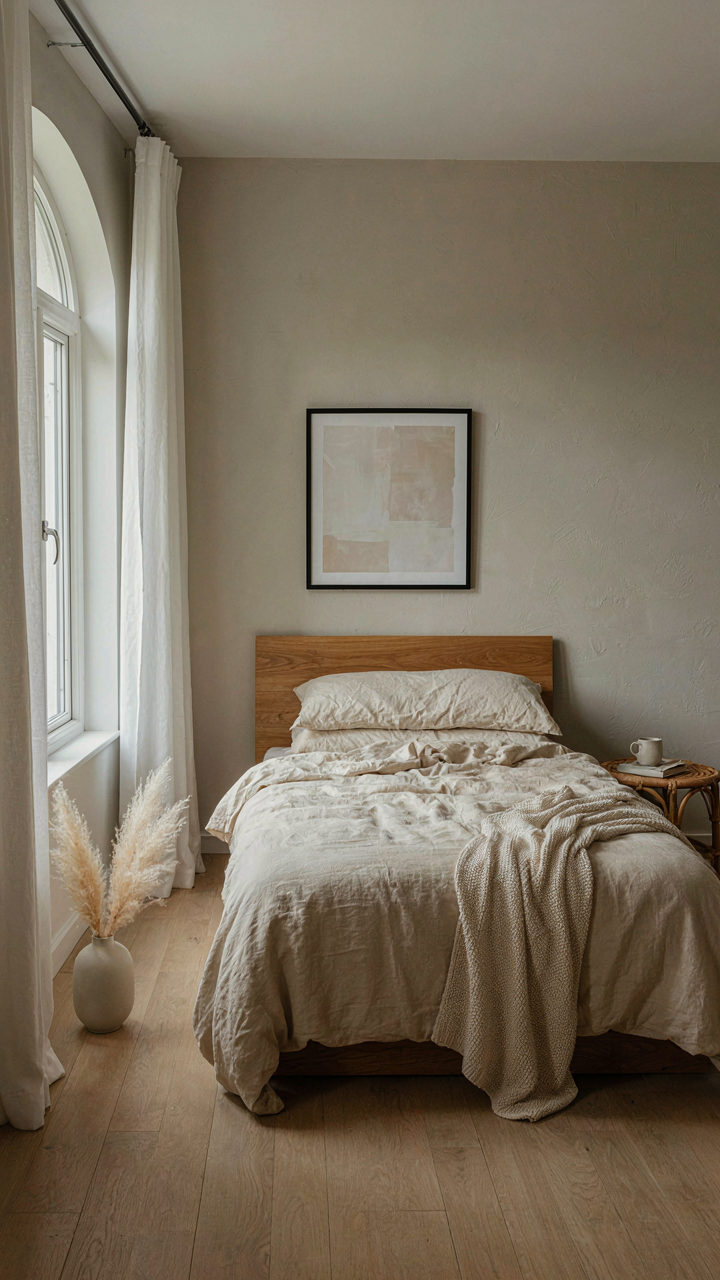
You want permission to stop optimizing your bedroom. That’s the real pull here. But the mechanism isn’t motivation. It’s friction. Joanna Gaines bedrooms work because they remove decision-making from the sleep environment. Every object, texture, and sight line has been pre-filtered. Your nervous system doesn’t waste energy on visual noise. The eye lands on natural wood tones, linen, and negative space. No competing stimuli. No choices to make at 11 PM. This is constraint as a feature, not a limitation.

Gaines consistently deploys what architects call the “focal point hierarchy.” One element draws attention first: a statement headboard, a window with natural light, or a simply framed piece of wall art. Everything else recedes. The brain defaults to rest mode when it knows where to look. Most bedrooms fail here because they crowd the space with equal visual weight. Every object screams for attention. Gaines removes that war. The result feels calm because your attention has nowhere exhausting to go.
The Actual Science Behind Color Selection
Neuroscience has mapped which wavelengths trigger parasympathetic activation, not interior design magazines. Joanna Gaines bedrooms rely on earth tones and muted neutrals because they sit in the warm, low-saturation range of the color spectrum. Warm whites, soft grays, and cream activate different neural pathways than cool blues or bright jewel tones. The common advice says “any neutral works.” It doesn’t. Saturation and temperature matter more than hue itself. A bright white walls reads as institutional and activating. A warm white feels permissive.
Gaines favors palettes between 20 and 40 percent lightness on the value scale. This range registers as secure without feeling austere. She layers textures within tight color bands: oatmeal linen against cream drywall against weathered wood frames. The eye perceives variety without processing color choice as a stressor. Most people add color by introducing new hues. Gaines adds depth by varying saturation and texture within the same warmth family. A palette works when you can dress for sleep without your visual cortex staying alert.
Furniture As Function: The Intentionality Of Joanna Gaines Bedroom Furniture
Every Piece Earns Its Place
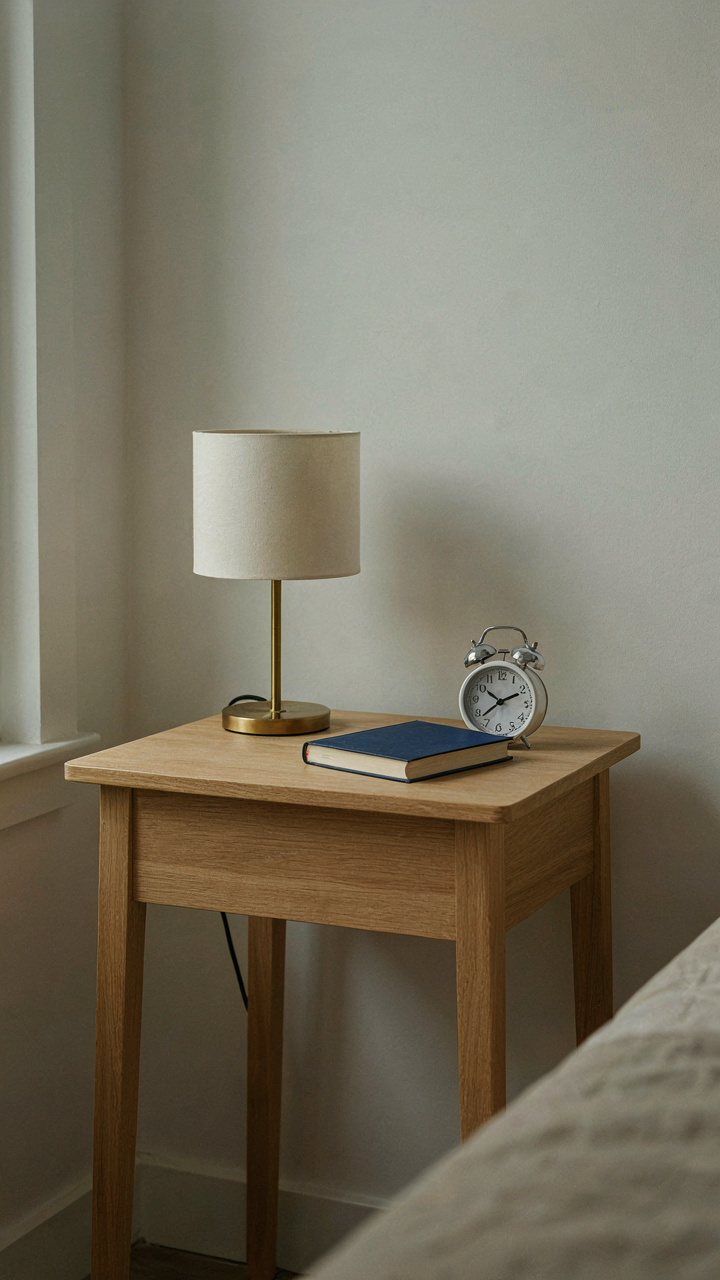
You want permission to buy more stuff and call it design. Here’s the actual mechanism: Joanna Gaines operates on constraint, not abundance. In systems design, this is called “negative space”—what you remove matters more than what you add. Her bedroom furniture follows the same logic. A nightstand isn’t decorative. It holds a lamp, a book, your phone. A bed frame isn’t just a platform. It anchors the room’s visual weight and creates storage underneath. Each piece solves a problem first, looks good second.

The common mistake is treating furniture as decoration that happens to function. Flip that. Start with what your body needs when you wake up, get dressed, lie down. Joanna Gaines bedrooms strip away nightstands that only hold candles, dressers that don’t actually store clothes, benches at the foot of the bed that collect laundry. The wood, the finish, the scale—those details come after you’ve answered the functional question. If it doesn’t do something, it doesn’t stay.
Nothing Exists To Be Looked At
The real advice online says add texture and layering. That’s incomplete. Joanna Gaines bedrooms reject purely decorative objects. A throw pillow must be comfortable or it leaves the room. Wall art must frame something meaningful or it’s visual noise. Even the color of the walls serves function—it either calms your nervous system or it doesn’t. You can verify this by looking at her actual bedroom designs across her show and collections. Decoration for its own sake never appears.
The protocol is brutal and simple: before anything enters the bedroom, answer this question in writing: “What problem does this solve?” If the answer is “it looks nice,” remove it. If the answer is “it makes the room feel complete,” that’s decoration masquerading as design. Joanna Gaines bedrooms feel complete because they’re intentional, not because they’re full. Start by removing three items from your bedroom right now. Notice what you actually miss.
The De Clutter Commandment: Real Rest In Joanna Gaines Bedroom Ideas Master Suite
What Actually Leaves Your Brain
You want clutter gone because you think it looks better. That’s the surface story. The real reason: your nervous system treats visual chaos as an unresolved task. Your brain won’t shut down in a room full of competing objects demanding attention. The mechanism is cognitive load. Remove items with no function in rest. Joanna Gaines applies restraint here—not minimalism, but elimination of anything that doesn’t serve sleep, dressing, or the specific visual anchor of the room’s design language.

Here’s what goes:
- Stacked books or papers on nightstands: Visual weight that signals incomplete work. A single book, a lamp, a glass. That’s the boundary.
- Multiple throw pillows beyond the bed’s visual balance: Gaines often uses two to four textured pillows, never eight. Each one demands micro-decisions about placement at day’s end.
- Unused furniture pieces or “decorative” chairs: If you don’t sit there nightly, it occupies mental real estate. Empty square footage is more restful than filled square footage.
- Electronics not anchored to a purpose: A TV that dominates the wall trains your brain toward stimulation, not sleep. If present, it stays off-stage visually through placement or cabinetry.
- Duplicate or redundant storage containers: Mismatched bins signal disorder. Gaines uses matching wood or woven baskets, but only the number needed for actual rotation of items.
- Decor that echoes other rooms: Each piece in a Gaines-style master should feel earned, not leftover. Repetition of the same frame style or color creates visual noise across your home’s narrative.
The protocol: walk through your bedroom. For each object, ask if it serves sleep, dressing, or the room’s intentional aesthetic. If the answer is no, it leaves that day. Not this week. Today.
Built In Invisibility
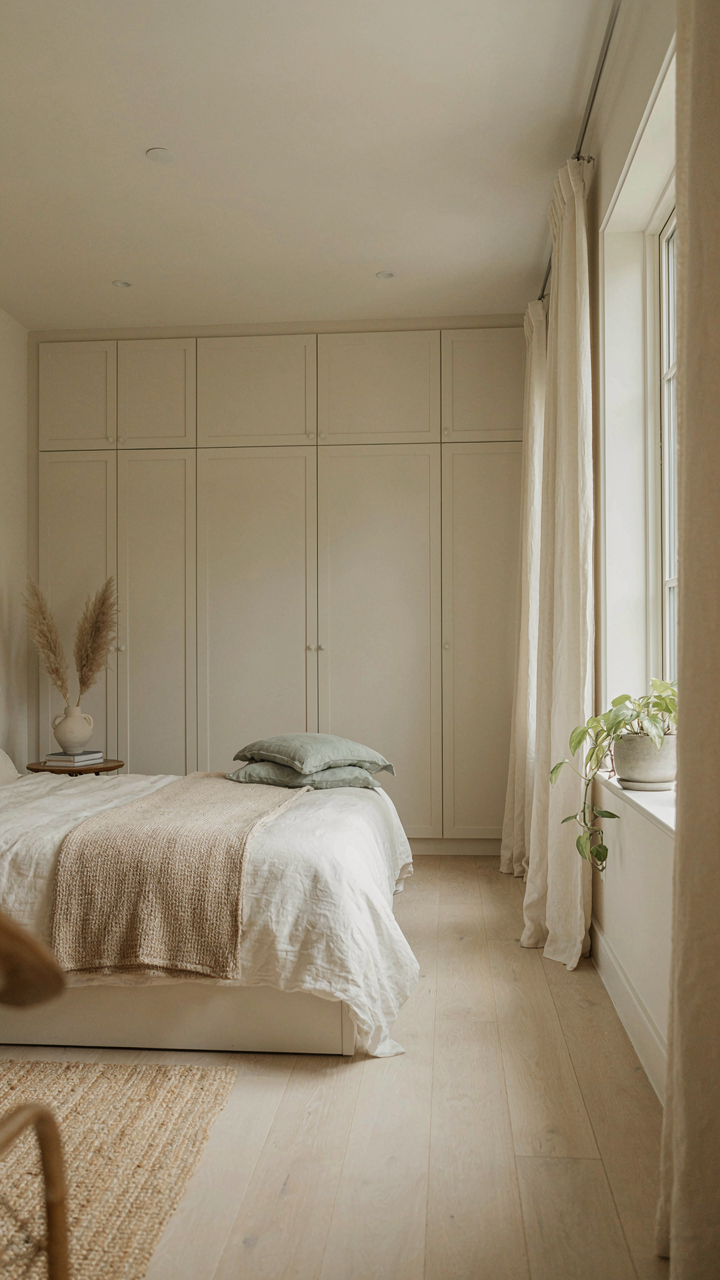
Storage solves the real problem nobody admits: you need places for things that don’t belong visible, but the “solution” most people choose—open shelving, decorative baskets everywhere—creates the opposite effect. Gaines uses cabinetry and closed storage not because it’s trendy, but because it separates function from visual space. When your eye moves across the room, it sees surfaces and lines, not the chaos of seasonal bedding or backup pillows.
The farmhouse aesthetic Gaines popularized gets storage right through scale and material. Built-in wardrobes with simple shaker-style doors, low footboards with concealed drawers, nightstands with enclosed storage below open surface. The wood grain and frame become the visual element. You’re not hiding clutter behind doors—you’re giving purposeful structure to the room’s geometry. The bed itself becomes architecture instead of a repository for overflow. This is where the rest actually happens: when your eyes land nowhere that suggests unfinished business.
Light, Air, And Space: The Invisible Elements Of Joanna Gaines Bedroom Ideas
Windows As Sleep Architecture
You want this section because you’re hoping light control is simpler than it actually is. The real mechanism: light doesn’t just affect mood—it regulates circadian rhythm through your eyes directly to your brain’s suprachiasmatic nucleus. Joanna Gaines bedrooms use east or south-facing windows specifically because morning light sets your sleep schedule for the entire day. Afternoon light entering west-facing windows disrupts sleep onset later. The window placement isn’t aesthetic; it’s biological engineering.

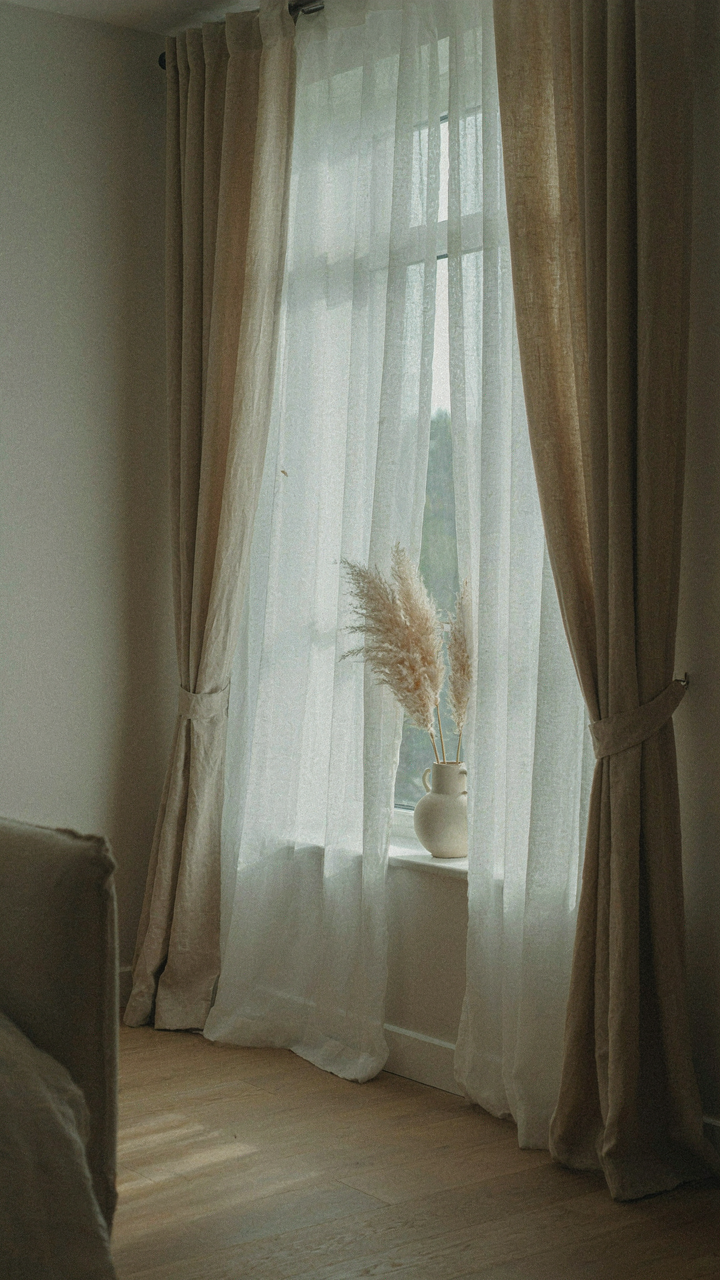
Her designs layer window treatments in deliberate order: sheer curtains first to diffuse harsh direct light, then heavier linen panels for blackout capability at night. This dual-layer system lets you shift from sleep-promoting darkness to gentle morning illumination without crossing the room. Most people buy one curtain type and wonder why their sleep stays inconsistent. The mechanism is simple: your bedroom’s light spectrum must change predictably across the day to match your body’s actual needs.
Ventilation And Room Pressure
Airflow isn’t about freshness—it’s about removing metabolic waste and regulating humidity, which directly impacts sleep quality. Physics terms this as “air exchange rate,” and Joanna Gaines bedrooms target 4 to 6 air changes per hour minimum during occupied sleep. She positions windows on opposing walls when possible to create cross-ventilation without active AC noise. Many farmhouse bedrooms sacrifice this for aesthetic window placement and pay for it with stale air buildup and poor sleep depth.
The spatial dynamic matters more than the window count. A bedroom with high ceilings and open sightlines moves air naturally; compartmentalized spaces with low ceilings trap stagnant pockets near the bed. Gaines designs prioritize clear floor-to-ceiling pathways and minimal furniture blocking walls. The action step: ensure your bedroom has a direct cross-ventilation path between two separate wall areas, or install a quiet exhaust system set to run 2 to 3 hours before sleep to clear CO2 accumulation.
The Feedback Loop Of Serenity: Building A Responsive Joanna Gaines Bedroom
Your Room Doesn’t Know You’re Tired
You want proof that your design choices matter because dropping money on a bedroom should feel like an investment, not a gamble. Here’s what actually happens: cybernetics is the study of systems that self-regulate through feedback. Your Joanna Gaines bedroom is a self-regulating system. The color temperature, fabric texture, light source, and air quality all send signals to your nervous system. Your sleep quality sends a signal back. Most people ignore this loop entirely and wonder why an expensive room feels wrong.

The mechanism works like this. You introduce a design element—say, warm shiplap walls or linen bedding. Your body responds with measurable outcomes: heart rate, cortisol levels, sleep duration, next-morning alertness. You either notice these changes or you don’t. If you notice and adjust, the system improves. If you don’t track anything, you’re flying blind. Joanna Gaines designs rooms that favor neutral tones and natural materials precisely because they create predictable, stable feedback. Your job is to close the loop by actually paying attention.
Sleep Quality Metrics Drive Real Adjustments
The common advice here is garbage: “trust your gut” and “design for how you feel.” That’s not feedback, that’s guessing. Real adjustment requires measurement. Track your actual sleep for two weeks before changing anything. Note wake times, how rested you feel at noon, whether you need afternoon coffee. This is your baseline. Then introduce one Joanna Gaines design element—soft linen sheets, warm white bulbs instead of cool white, or a low-contrast color scheme. Wait ten days. Measure again.
You’ll notice patterns you couldn’t see before. Maybe cooler walls make you sleep thirty minutes longer. Maybe removing the bright accent chair stops your eyes from catching movement at night. Maybe the texture of raw wood shutters instead of metal ones reduces your stress response. These aren’t feelings—they’re mechanical outcomes. Adjust based on data. If a design choice doesn’t move your sleep metrics, remove it. Keep what works. This turns a beautiful room into a functional tool that actually serves its purpose.
The Anti Trends: What Joanna Gaines Bedrooms Actually Avoid
Why Joanna Gaines Rejects Fast Design Cycles
You want to know what to avoid so you can feel smart about your choices. The real mechanism here is trend velocity. Fast design moves in and out of relevance because it chases attention, not function. Joanna Gaines bedrooms ignore this cycle entirely. She builds around materials and proportions that don’t expire when Instagram algorithms shift. This isn’t restraint. It’s a rejection of the economic model that forces you to redecorate every eighteen months to stay current.

The bedrooms featured in her work avoid the obvious tells of trend chasing: oversaturated color palettes tied to specific years, novelty hardware finishes, accent wall treatments that date themselves instantly. She doesn’t use design as a fashion statement. Instead, she establishes a baseline of neutral tones and classic proportions, then layers in texture through real materials. When trends fade, the room doesn’t collapse into looking dated. It simply exists, functional and stable.
Material Durability Over Visual Novelty
Joanna Gaines bedrooms treat material selection like durability engineering treats failure points. You pick what withstands use, not what photographs well once. Her spaces consistently feature solid wood frames instead of veneered particleboard, linen and cotton instead of synthetic blends, and plaster or drywall finishes instead of trendy wallpapers that peel or go out of style. Most design advice tells you to prioritize aesthetics first, then hope the materials hold up. That’s backwards. Material integrity determines how long a room stays calm and functional, which is the entire point of a bedroom.
The specific avoidance pattern: she rejects materials with short functional lifespans disguised as design choices. Thin upholstery on bed frames fails in three to five years. Cheap paint finishes show wear and require constant touch up. Composite materials don’t age well visually. Joanna Gaines bedrooms use materials that improve with age or maintain consistency through use. Real wood darkens gradually and evenly. Quality fabric softens but doesn’t pill. The mechanism is simple: buy once, reset your nervous system once, stop thinking about the room’s condition.
The Real Obstacle To Your Calm Isn’t Finding The Right Piece; It’s Your Addiction To Addition
You don’t have a bedroom problem. You have a stopping problem. Joanna Gaines didn’t build calm spaces by adding more texture, more decor, more stuff. She built them by removing what doesn’t serve rest. Today, walk through your bedroom and identify three items that don’t belong. Remove them. That’s it. Not tomorrow. Not next week. The difference between a bedroom that calms you and one that exhausts you is your willingness to subtract instead of acquire.



