
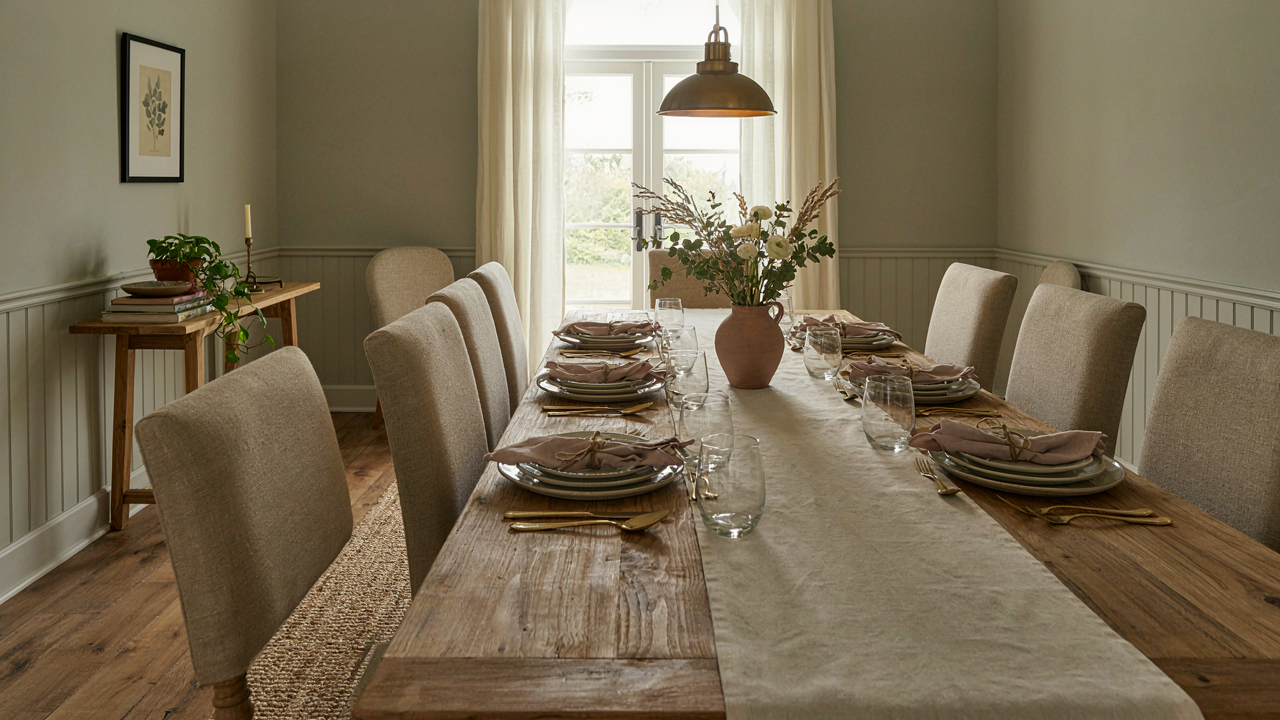
The Gaines Gimmick: Why Aesthetics Alone Fail Your Joanna Gaines Dining Room
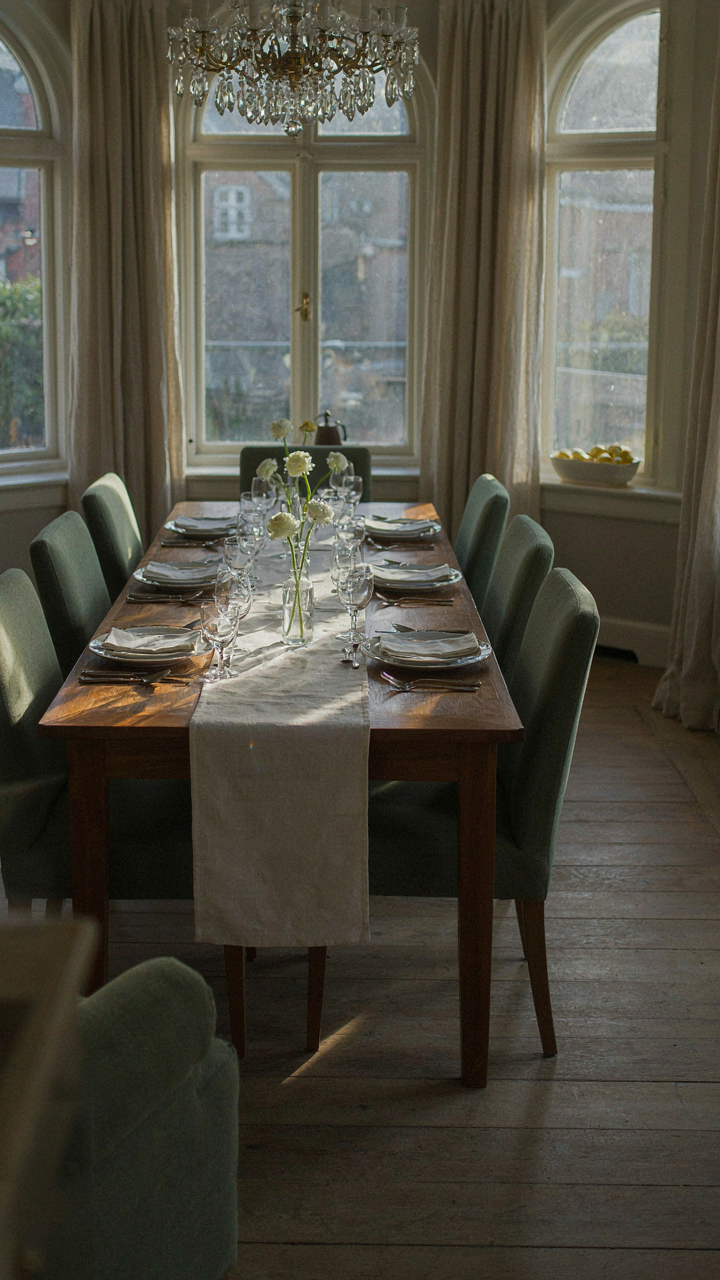
Instagram Doesn’t Gather People
You want the dining room to signal that you have your life together. That’s the real reason you’re reading this. But here’s what kills the fantasy: a beautiful table where nobody actually sits is just expensive furniture in a room. Joanna Gaines’ design philosophy—neutral palettes, shiplap, layered wood tones, statement lighting—works because it creates permission for people to show up, not because the aesthetic itself does the work. The mechanism is psychological, not visual. A room that looks untouchable repels. A room that looks lived-in and functional invites.
The gap between styled and functional splits most dining rooms in half. Gaines understands this because her design obsesses over material durability and sight lines, not just color coordination. A table that seats eight but forces guests to squeeze past a decorative console is a room designed for photographs, not gatherings. The aesthetic becomes theater. What actually drives people to use a dining room is ease of movement, proximity to the kitchen, chairs that don’t hurt your back after thirty minutes, and enough space to clear plates without playing Tetris.
The Price Of Decoration Over Design
Most advice tells you to invest in a statement chandelier and call it a dining room. That’s incomplete. Borrowing from architecture, a dining room has load-bearing elements and decorative elements. You can’t skip the load-bearing part and expect the structure to hold. In a Joanna Gaines dining room, the load-bearing elements are the table height, seating count, storage proximity, and natural light positioning. The decorative elements are the shiplap, paint color, and hardware finishes. Ninety percent of design failures happen when people reverse this priority.
The cost of superficial design compounds over time. You buy a table that photographs well but doesn’t expand. You paint walls in a trendy neutral that shows every fingerprint. You add lighting that looks good at dusk but leaves the room too dark during breakfast. A year in, you stop using the space because its flaws are constant friction. Gaines’ actual designs work because they solve for daily use first, then layer in the aesthetic. Start by defining who sits there, how often, and what they eat. Then choose materials and colors that support those facts, not against them.
The “Interaction First” Protocol: Designing For Dialogue, Not Displays

What Actually Stops Conversation
You want your dining room to feel effortless and warm because you’re afraid it will feel cold and forced instead. The mechanism is this: your brain screens for friction. Remove obstacles to eye contact and lean-in distance, and people talk. Load the room with visual noise, and they retreat into their phones. Joanna Gaines dining rooms work because they apply signal-to-noise ratio like an engineer, not a decorator.

The standard advice says “minimize distractions.” Wrong. You don’t minimize them, you redirect them. A focal point on the wall matters less than the absence of competing eye lines between seated people. Tables positioned near windows work against gathering because eyes drift outward. Gaines typically centers tables in the room, away from external views, forcing attention inward toward the faces across from you. That’s the lever.
Seating That Demands Proximity
Chairs matter more than most people admit. The distance between seat and table edge determines how close you can lean when talking. Too far back and you broadcast distance. Gaines favors upholstered dining chairs and benches positioned tight to the table, eliminating the gap that makes people feel staged. Bench seating on one or both sides creates physical shoulder-to-shoulder contact that naturally reduces inhibition and increases vulnerability in conversation.
The table shape itself drives behavior. Round tables create equal sightlines and rotate speaker focus. Rectangular tables with moderate length, not extended to seat twelve, force diagonal and across-table engagement rather than parallel isolation. Most dining rooms fail because people sit too far apart by default. Adjust your seating distance to under two feet from table edge to chair back. Measure it. That single protocol change rewires how groups interact at the table.
Deconstructing The Modern Farmhouse Dining Room Myth: What Really Works
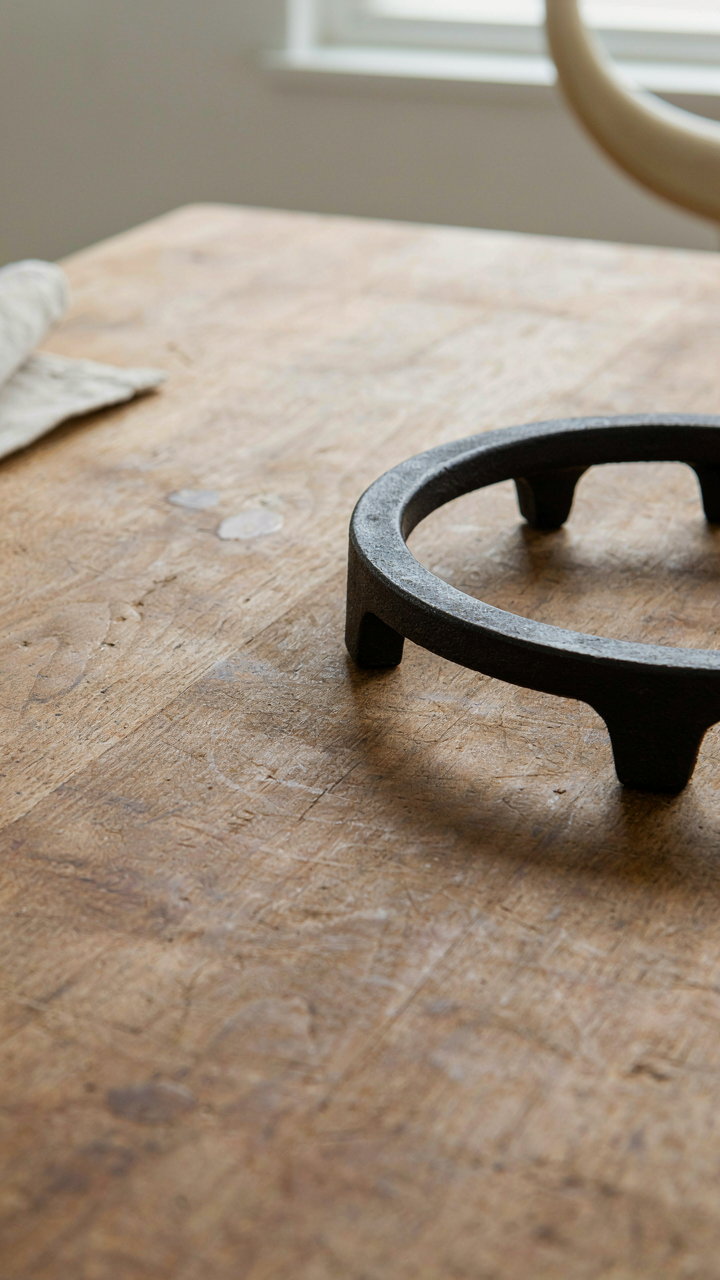
Beyond Shiplap Walls
You want shiplap because you think it signals taste and permanence. It doesn’t. The mechanism at work is borrowed from architecture’s concept of “honest materials”—where the building itself reveals how it’s constructed. Shiplap became the visual shorthand for that idea, but Joanna Gaines used it as scaffolding, not the foundation. Her dining rooms work because the shiplap serves a specific function: it breaks up wall mass, creates shadow lines that shift with time of day, and makes the space feel less formal without requiring you to admit that openly.

The rooms that age well drop the assumption that shiplap equals authenticity. Gaines paired it with solid wood tables, concrete or stone elements, and metal fixtures that actually deteriorate over time. That mix signals something harder to fake than a trendy wall treatment: a space built for actual use, not performance. The shiplap is there because it performs a job, not because the homeowner read a design blog. When you’re planning your own space, ask what each material does functionally first, then decide if its appearance supports that function.
Durability Over Decoration
People default to trend because trend feels safer than principle. But economics teaches us about diminishing returns, and dining room design proves it: each new trend cycle makes your room feel dated faster. Joanna Gaines’ rooms that survive visual obsolescence follow a single protocol: she builds the foundational layer with materials that improve with age or stay neutral, then adds no more than one trend element at controlled intensity.
The lasting principle is load-bearing simplicity. A solid wood table with a good finish outlasts any statement lighting fixture. Neutral upholstery on dining chairs means you can rotate in new accent pillows without replacing the furniture. A well-proportioned room with deliberate lighting beats a maximalist gallery of decorative objects. To build your dining room durably, start with the table and chairs as immovable anchors, add one strong material element (wood, stone, or metal), commit to consistent hardware finishes, and leave 40 percent of wall space visually quiet.
The “All Season Dining Room” Fallacy: Engineering For Year Round Utility

Decor Swaps Miss The Real Problem
You want your dining room to feel intentional year-round because you’re afraid it’ll look neglected or unfinished if you don’t constantly refresh it. That’s the wrong mechanism to design around. The real issue is that most dining rooms are built for one function: formal meals. They sit empty eleven months a year, then get dressed up for the holidays. Joanna Gaines dining rooms work because they solve for multiple uses simultaneously, not because the throw pillows change color.

Seasonal decor swaps are theater. They signal effort without addressing the root constraint: a room designed for one narrow purpose doesn’t adapt. The dining table becomes a staging ground for seasonal centerpieces instead of a platform for actual living. Strip this down. A well-engineered dining room uses neutral materials and flexible furniture placement so the space functions differently depending on what you need that week. That’s the real design work.
Design That Flexes With Demand
Borrow from systems engineering: redundancy is resilience. A Joanna Gaines dining room doesn’t rely on a single configuration to work. The table might host formal dinners on Saturday and homework stations on Tuesday. The sideboard stores both place settings and board games. The lighting switches between task-focused and ambient depending on the hour. This isn’t about aesthetics. It’s about building a system that absorbs different uses without requiring you to renovate every three months.
The mechanism is simple: choose materials and layouts that don’t scream one purpose. Durable wood tables, neutral wall colors, and movable chairs let the room shift function without looking wrong. Gaines often uses farmhouse elements specifically because they’re utilitarian by nature. A galvanized metal accent or reclaimed wood doesn’t break if you put a laptop on it. Build for use, not for the Instagram feed. Then the room stays relevant because it actually works for your life, not because you rotated the decor.
Inside Joanna Gaines Home: The Unseen Principles At Play
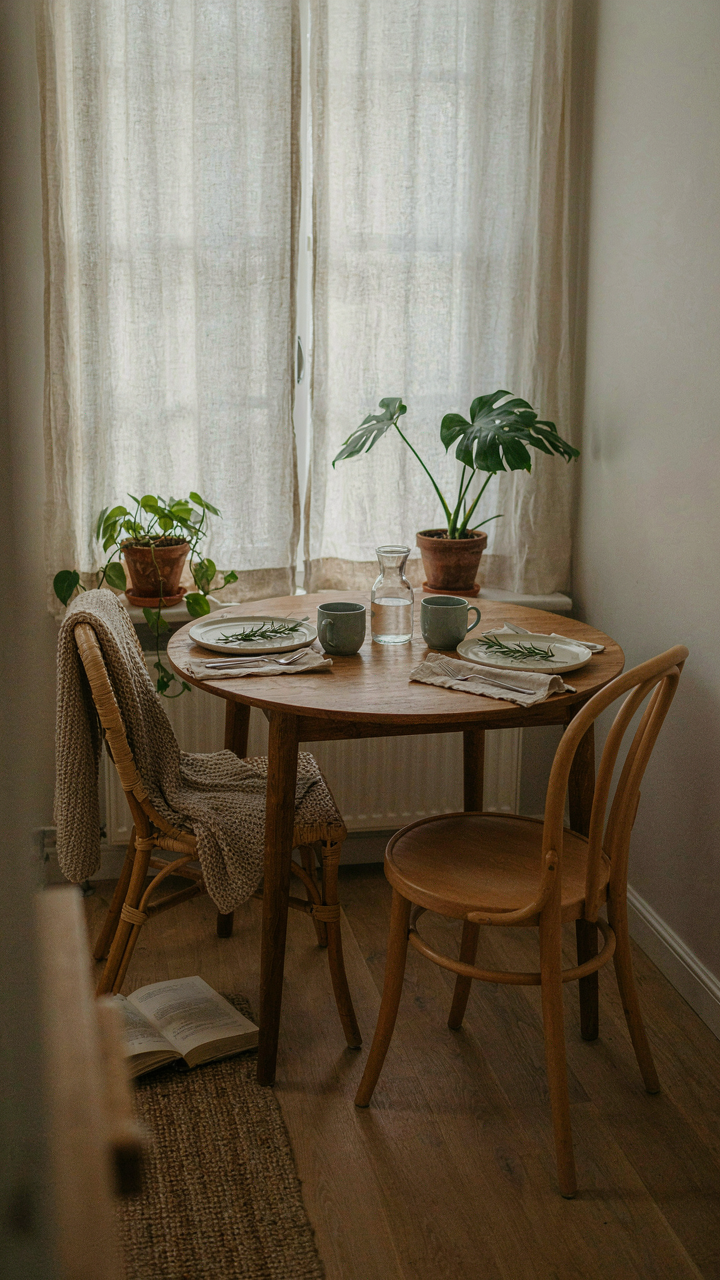
How Close Seating Forces Connection
You want to know how to make your dining room feel intimate without looking small—that’s the real ask here. Physics teaches us about proximity: objects closer together create stronger fields of interaction. Joanna Gaines applies this by anchoring dining tables close enough that conversation doesn’t require effort. The table becomes the fulcrum. Guests can’t hide behind distance or retreat into phones. You either engage or sit in awkward silence.

Her homes use standard table dimensions but position them deliberately. Eight feet between diners means you hear every word. Twelve feet means conversation fragments. She doesn’t build cavernous rooms then fill them with oversized tables. Instead, she matches room scale to human interaction distance. The room breathes but doesn’t isolate. This removes the design trap most people fall into: thinking bigger always means better. It doesn’t.
Constraint Breeds Better Design Choices
Everyone talks about “having options” in design. That’s backwards. Economic scarcity forces specificity. Joanna Gaines doesn’t fill a dining room with fifteen chair styles and three table options. She chooses one material palette, repeats it intentionally, and lets that repetition carry weight. Fewer choices mean each piece earns its place. Budget limitations aren’t obstacles—they’re filters that separate signal from noise.
Watch how she handles wood tones: typically two, sometimes three. Not because she lacks options but because restraint creates coherence. A room with six wood finishes reads as confused. A room with two reads as considered. She applies this across upholstery, metals, and textiles. The constraint isn’t poverty. It’s method. When you force yourself to decide what actually matters, everything else disappears. The dining room becomes a tool for gathering, not a catalog of possibilities.
Magnolia Homes Dining Room: Beyond Replication, Towards Refinement
The Function Stack That Nobody Names
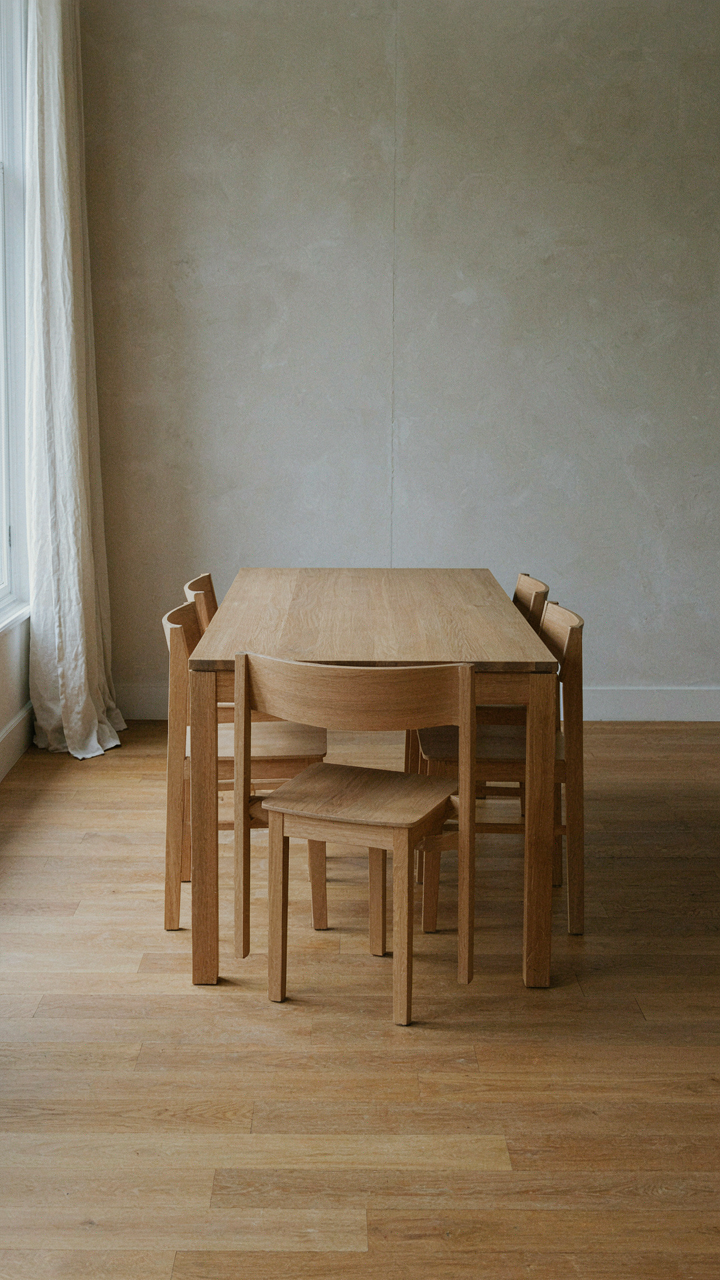
You want a Joanna Gaines dining room because you think it signals taste. That’s not the real problem. The real problem is that most people copy the aesthetic without understanding the load-bearing structure underneath. Think of dining room design like load distribution in architecture: every element must carry weight toward a specific outcome, or it collapses into decoration.

Joanna’s dining rooms work because they solve a mechanical problem first. The table becomes the anchor point. The seating arrangement enables conversation without forcing it. Lighting hits the surface, not your eyes. Storage disappears into walls or built-ins so the room breathes. The floor material handles traffic patterns without showing wear. These aren’t stylistic choices. They’re functional decisions that happen to look intentional.
Anchoring Your Own Restraint
The common advice says personalize with color and accessories. That’s backwards and it’s why most attempts fail. Magnolia dining rooms succeed because Joanna removes options before adding personality. She establishes constraints first: neutral base, one statement piece, materials that age well, proportions that match the room’s actual dimensions.
Your move is to identify what you actually use the space for, then design backward from that single purpose. If you gather eight people monthly, the table size matters more than the chandelier. If you work from that table, the chair comfort beats decorative flair. Once the functional requirement is locked, your personal choices land harder because they’re not fighting the underlying structure. Document what you need the room to do. Write it down. Then every design decision either serves that need or gets cut.
The Joanna Gaines Farmhouse Dining Room: Strip Down To The Essentials
When Empty Space Becomes The Invitation
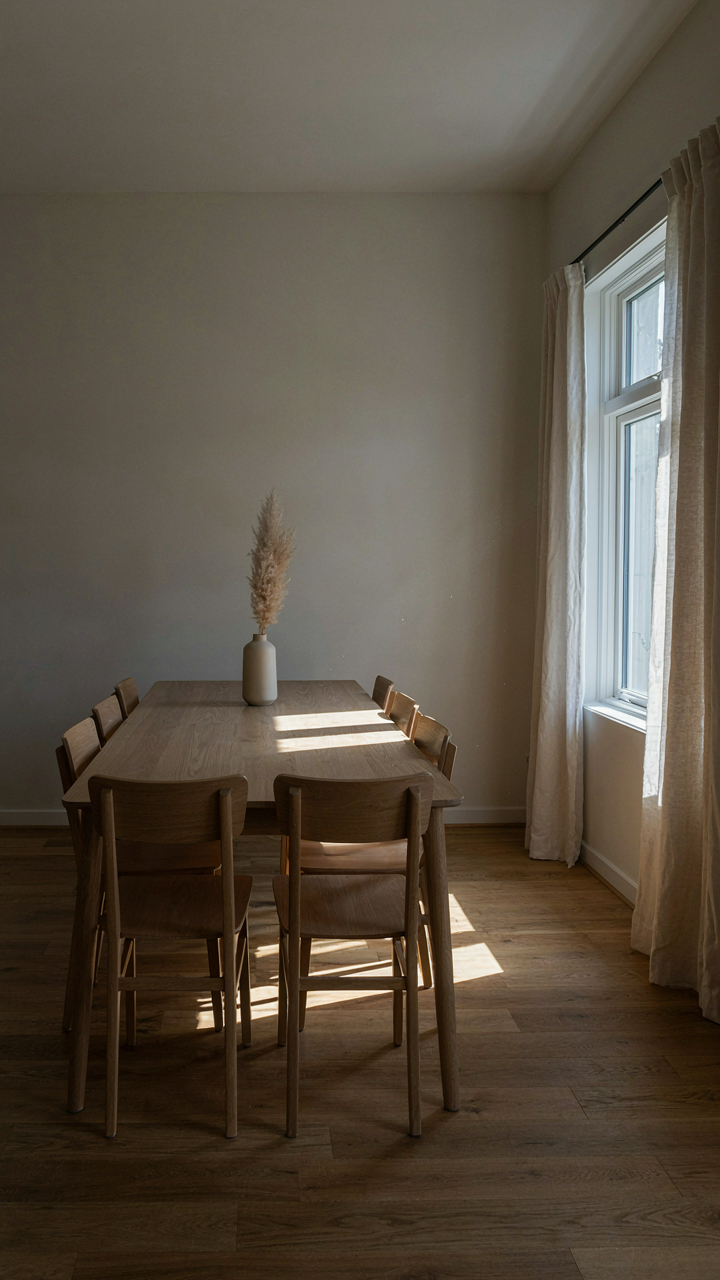
You want permission to own less and feel like you’re not failing at hospitality. Here’s the mechanism: constraint forces intention. In information theory, signal-to-noise ratio determines how clearly a message transmits. A sparse farmhouse dining room operates the same way. When surfaces hold only what matters, conversation becomes the dominant signal. Joanna Gaines’ dining rooms strip visual noise deliberately. The table itself carries weight because nothing competes for attention.

Most design advice tells you minimalism creates calm. That’s incomplete. Minimalism in a gathering space creates responsibility. Fewer objects mean each person bears more presence. A bare wooden table, simple chairs, and empty walls demand that humans show up fully. You cannot hide behind decor. This is why her dining rooms work for connection, not just aesthetics.
What Actually Leaves Your Dining Room
The real decluttering question isn’t what looks nice. It’s what interrupts the conversation. You keep what serves eating and talking. Everything else is friction.
- Decorative centerpieces that block sightlines: Tall arrangements, seasonal displays, and rotating objects fragment attention across the table and pull focus from faces.
- Visible kitchen clutter beyond the table edge: Open shelving stacked with mismatched items, visible counters, and appliance sprawl extend visual noise into the dining zone.
- Extra chairs that aren’t in use: Stacked seating, folding chairs, or extra furniture pieces parked nearby telegraph that the space wasn’t designed for the people actually gathering.
- Overhead lighting on dimmer with multiple sources: Multiple pendants, chandeliers, or recessed lights create visual complexity and make the room feel designed for performance rather than presence.
- Tableware and serving pieces left out between meals: Trivets, salt and pepper mills, cloth napkins stacked decoratively, and serving dishes occupy space that could remain empty and available.
Apply this test before keeping anything visible: does it require the eye or does it support the mouth and ears? Joanna Gaines clears surfaces ruthlessly. The dining table exists as a stage for people, not for objects. When you remove competing elements, you remove the option to check out.
Dining Room Inspiration Ideas: The Antidote To Generic Advice
Where Guests Actually Feel Trapped
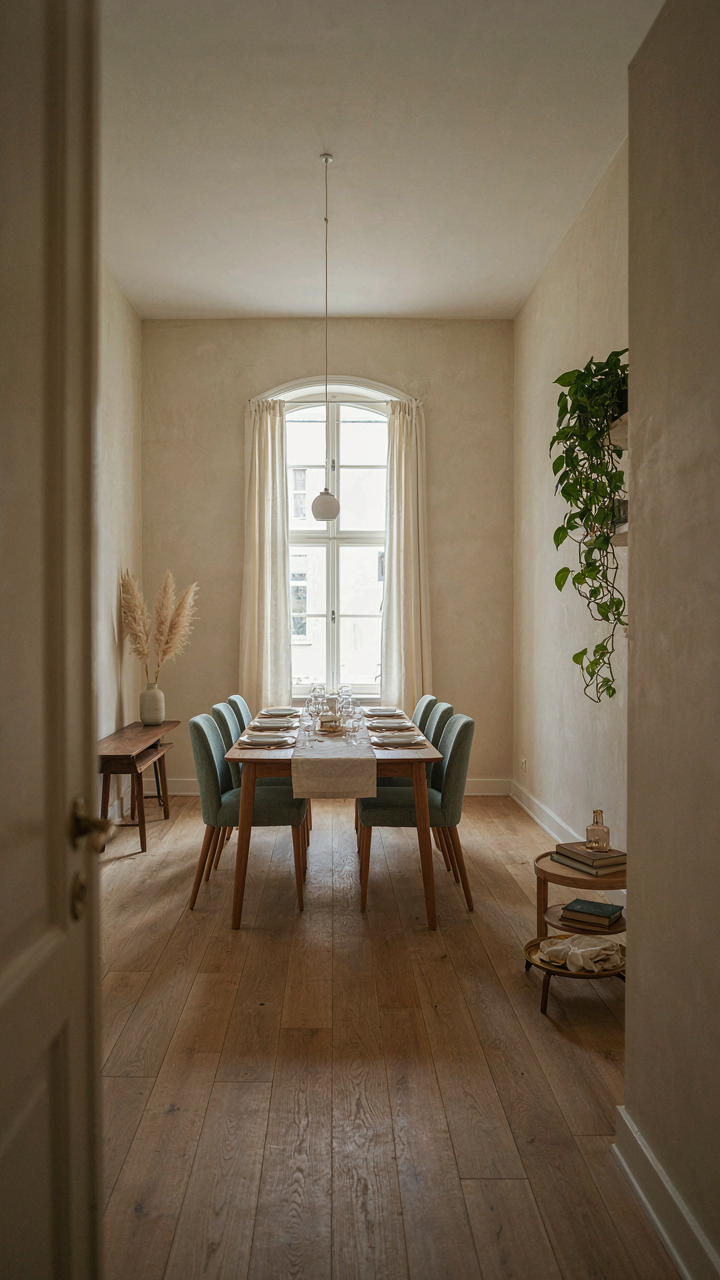
You want a dining room that looks like Joanna Gaines designed it because you believe it signals taste and control. The real problem is simpler: most dining rooms make people uncomfortable without anyone naming why. Discomfort in dining rooms operates on the same principle as friction in physics. Every barrier between a guest and ease creates resistance. You reduce gathering when you don’t eliminate the small mechanical failures that interrupt conversation.

The specific failures are predictable. Chairs too close to walls trap legs. Tables too large force people to shout across. Lighting that points down makes faces look corpse-like. No clear path from entry to table creates bottleneck anxiety. Joanna Gaines dining rooms work because they solve these problems first, then apply aesthetic. She doesn’t start with color or style. She starts by removing the friction.
Stop Collecting Images, Start Solving For Movement
Pinterest scrolling is a substitute for thinking, not a substitute for design. You collect inspiration because you lack a diagnostic framework. The actual mechanism is constraint-based problem solving, borrowed from engineering. You identify the single broken input before adding anything.
Start with one real limitation in your space: sightlines, acoustics, traffic flow, or light quality. Not vibes. Not mood. Joanna Gaines dining rooms feel gathered because they solve for one of these mechanical issues first. A narrow room gets a centered table with no side chairs creating a clear path. A dark room gets layered lighting from multiple sources, not a single overhead fixture. Low ceilings get horizontal lines to compress the visual weight. Once the mechanism works, the styling follows. You’re not looking for more ideas. You’re looking for the one constraint that breaks everything, then you fix it.
The Real Joanna Gaines Dining Room: Cultivating An Atmosphere, Not A Look
Sensory Cues That Signal Safety
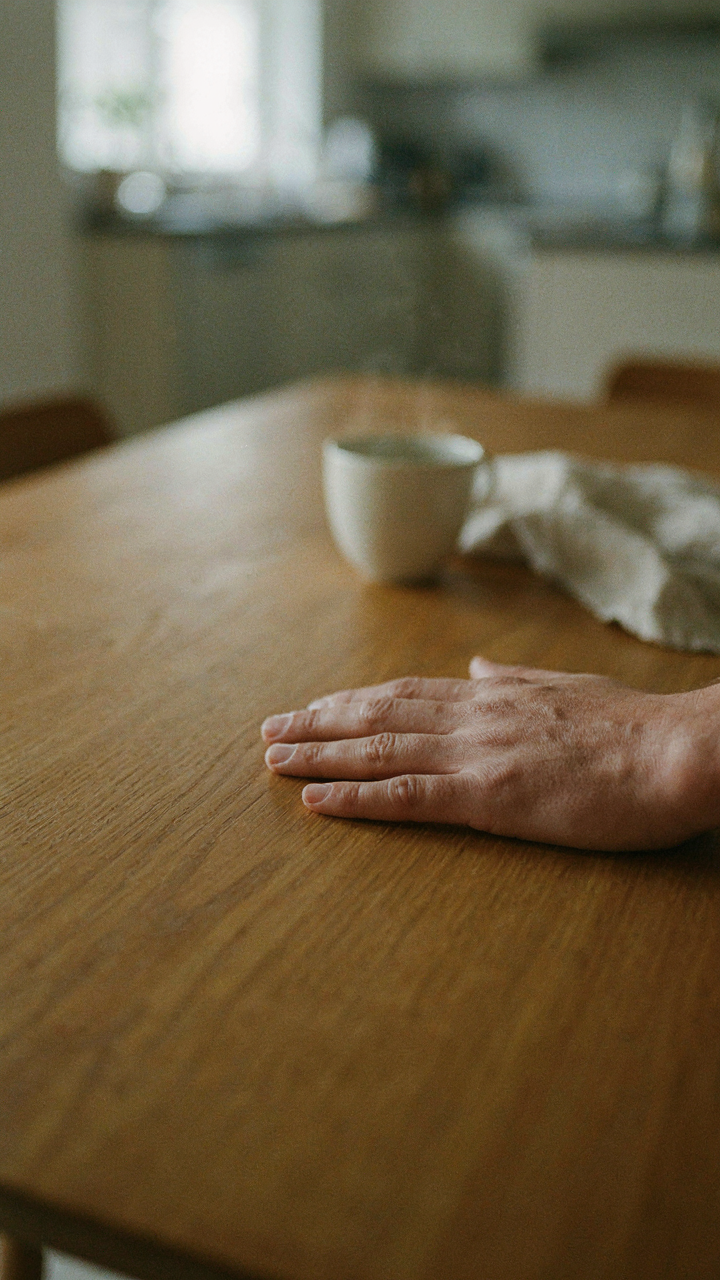
You want the dining room to feel like the place people choose to return to, not the place they tolerate. The mechanism is sensory anchoring: your nervous system reads the room before your brain forms an opinion. Joanna Gaines dining rooms succeed because they layer signals of comfort through touch, sound, and light rather than through decoration alone.

Temperature and material choice matter more than most designers admit. A wood table that holds warmth, linen that feels substantial in your hands, and lighting that doesn’t flicker or strain your eyes all communicate stability. These aren’t aesthetic choices. They’re biological ones. Your body relaxes or stays guarded based on what it physically encounters, and a Joanna Gaines dining room accounts for this on every surface.
The Architecture Of Why People Stay
Shared spaces work according to the same principle as incentive structures in economics: people gather where the environment removes friction, not where it adds it. A Joanna Gaines dining room typically features a table positioned to allow sightlines to everyone present, acoustics that allow conversation without shouting, and seating arranged so no one sits with their back to the room. This isn’t cozy design. This is social engineering.
The real work happens before anyone sits down. Clear pathways to the table, storage that hides clutter, and surfaces arranged to accommodate place settings and conversation without crowding all signal that gathering here is the intended purpose. When people walk into a Joanna Gaines dining room, they understand instinctively that this space was built for them to stay awhile. This clarity of purpose is what separates functional dining rooms from ones that actually pull people in.
The Post Aesthetic Dining Room: Beyond Temporary Trends
Build For Longevity, Not Fleeting Style
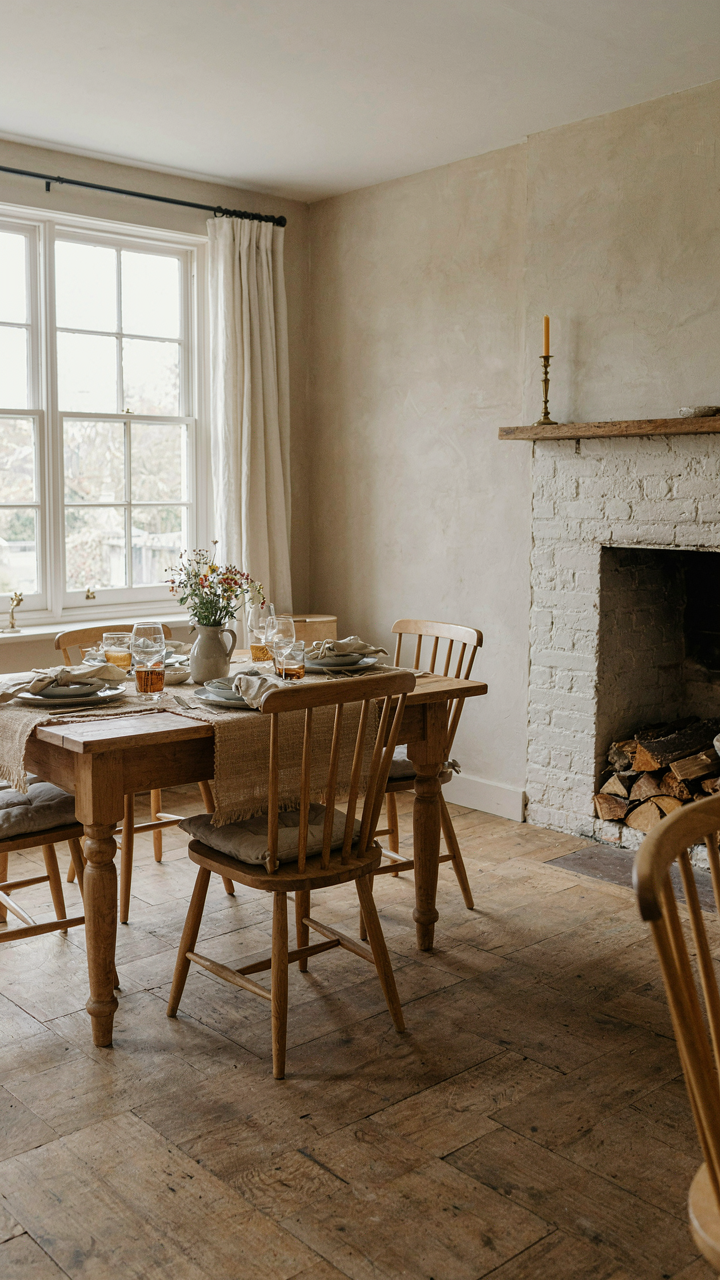
You’re worried you’ll pick wrong and look dated in five years. That fear is the mechanism that sells you disposable dining rooms. Joanna Gaines uses economic durability as her operating principle: invest in materials and proportions that outlast trend cycles. The difference between her dining rooms and the rest isn’t taste, it’s material selection. Solid wood, proven finishes, neutral backdrops, and scaled furniture don’t require replacement when Instagram aesthetics shift.
Trend-chasing dining rooms demand constant updates. Your budget gets fractured across seasonal changes instead of accumulated into one strong foundation. Gaines sidesteps this by treating the dining room as infrastructure, not decoration. Plaster walls, sturdy tables, timeless lighting, and restrained color palettes create a base that absorbs aesthetic shifts without collapsing. The mechanism is simple: durable materials cost more upfront but eliminate the hidden cost of constant replacement and redesign cycles that trap most homeowners in perpetual inadequacy.
Your Dining Room As Legacy, Not Liability
A dining room that requires explanation or apology is a liability masquerading as a design choice. Most people build rooms they’ll defend instead of rooms that defend themselves. Joanna Gaines designs spaces that function across decades and generations without becoming visual burdens. She prioritizes structural integrity, timeless proportion, and materials that age visibly without degrading. These rooms don’t demand constant justification or maintenance theater.
The protocol is direct: select a dominant material that improves with age, establish a neutral foundation that accepts future additions without conflict, and choose furniture scaled to the actual room rather than to Instagram aspirations. Your dining room becomes a liability when its lifespan expires before your financial commitment to it does. Gaines avoids this by building spaces that accumulate character rather than obsolescence. Start by choosing one primary material you’d keep for twenty years, then let everything else serve that decision.
The Obstacle To Genuine Gathering Isn’t Your Decor; It’s Your Design Philosophy. Stop Curating, Start Cultivating

You don’t need Joanna Gaines’ dining room. You need her obsession with function. Most people buy a table, add chairs, call it done. They’re decorating for Instagram. Real gatherings demand intentional friction points that force connection. Move your phone charger off the table today. That one act kills scrolling faster than any design trend. A beautiful room that isolates people is just expensive loneliness with better lighting.



