

The Myth Of The Joanna Gaines Aesthetic: Why You’re Copying The Wrong Thing

Farmhouse Design Isn’t What You Think It Is
You want the Joanna Gaines look because you think it signals taste and restraint, but you’re actually copying a watered-down version of a real movement that came from necessity, not Instagram. Farmhouse design emerged from rural American architecture where function dictated form: white exteriors reflected heat, simple lines reduced construction cost, and materials came from what was local and available. The original farmhouse aesthetic had zero marketing behind it. It was honest building.
Today’s commercialized farmhouse borrows the visual vocabulary but ditches the reasoning. You get the shiplap siding and board-and-batten without understanding why those materials mattered in their original context. Joanna Gaines didn’t invent this style, she repackaged it for a specific market moment when people craved authenticity but wanted it pre-digested. The mechanism is simple: take historical restraint, add modern polish, sell it as timeless. It sells because people confuse familiar with good.
What The Commercialized Version Actually Is
Applying marketing terminology here reveals the real game: Joanna Gaines exteriors operate as a brand extension, not an architectural philosophy. The “look” functions as shorthand for middle-class aspiration, and it works because it’s reproducible at scale. White board-and-batten, black shutters, metal roofing, clean sightlines, minimal ornamentation, modern windows in traditional frames, manicured landscaping, porch details as status markers. These elements repeat across dozens of properties because they photograph well and trigger familiarity in the viewer’s brain.
The commercialized version strips away regional variation and historical honesty. Every Joanna Gaines inspired exterior starts to look identical because it’s optimized for a single aesthetic formula, not adapted to place or climate or actual need. When you copy this look, you’re not inheriting farmhouse design. You’re joining a consumer category. The honest move is to recognize this first, then decide if the aesthetic still serves your actual exterior or if you’re paying for the label.
Fixer Upper Faux Pas: Avoiding Generic Modern Farmhouse Traps
The Shiplap Trap That Kills Character
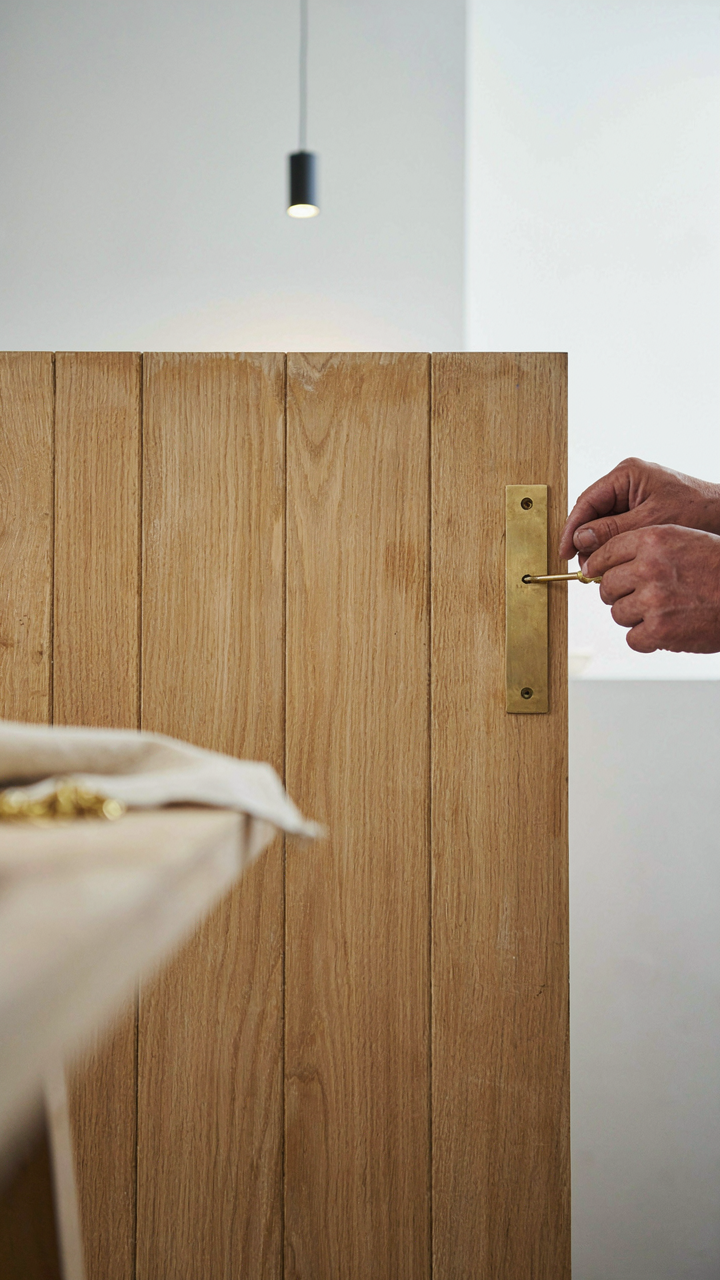
You want people to know you have taste without admitting you’re copying a television show. That’s the real driver here. The mechanism is simple: shiplap became the visual shorthand for farmhouse design the moment Joanna Gaines made it a signature element on Fixer Upper. Now it appears everywhere, stripped of context, applied to houses that have no historical connection to farmhouse architecture. When a material loses specificity, it loses meaning. Shiplap works in a Joanna Gaines exterior because she deploys it strategically within a coherent visual system. Most people just add it and expect transformation.

The problem isn’t shiplap itself. The problem is treating materials as decoration instead of function. On authentic farmhouses, shiplap protected against weather and was the cheapest construction method available. On a contemporary exterior mimicking Joanna Gaines style, it should follow the same logic: appear where it solves a real problem, not where it just looks farmhouse-y. If you’re adding shiplap to a side wall that doesn’t need protection and serves no structural role, you’re building a costume, not an exterior. Check whether each material choice solves an actual problem before committing to installation.
Mass Production Kills The Authenticity Signal
Economics offers a useful lens here: commoditization destroys the signal value. When Home Depot stocks premade farmhouse shutters, metal lanterns, and barn doors in the same aisle, they all register as cheap choices now, even if individually well-made. Joanna Gaines exteriors photograph well partly because her materials read as intentional, sourced, specific to that property. Mass-produced farmhouse elements broadcast the opposite message: you picked from a catalog. The buyer immediately knows the difference between a reclaimed beam and a new beam made to look reclaimed, between original hardware and reproduction hardware aged in a factory.
This isn’t snobbery. It’s signal economics. Your exterior either says “I researched and sourced deliberately” or “I ordered a style package.” The distinction matters because buyers and visitors perceive authenticity through detail specificity. A genuine Joanna Gaines inspired exterior uses off-the-shelf elements strategically, never relying on them to carry the entire design weight. Pair mass-produced barn doors with custom metalwork or sourced materials elsewhere. Mix one catalog element with two sourced ones. This ratio shift keeps the exterior from reading as a theme park version of farmhouse design. Build your material list by identifying what actually needs to be custom versus what can source from standard channels.
The Scarcity Principle In Joanna Gaines Home Exterior Design

When Limited Materials Drive The Entire Aesthetic
You want to feel like your home is rare because you’re tired of the subdivision sameness. Here’s what actually happens: Joanna Gaines exteriors leverage material scarcity the same way economists describe supply-driven value. When specific materials become harder to source or more expensive to install, they signal status through genuine constraint, not marketing. Think of scarcity as the design equivalent of supply shock. Her homes use reclaimed wood, vintage hardware, and locally-sourced stone not because they’re trendy, but because their availability is actually limited, which makes the constraint real.

This isn’t decoration strategy. It’s economic signaling through authentic material limitation. When you specify materials that require sourcing time, special contractors, or regional unavailability, you create a design that can’t be replicated by ordering standard catalog items. The farmhouse aesthetic Gaines popularized works because the materials demand genuine effort to acquire. Homeowners who copy the look without understanding the scarcity mechanism end up with generic new construction that happens to have shiplap. The mechanism is supply constraint, not style choice. Identify one material source that requires a minimum lead time of 6-8 weeks for your project and build the exterior timeline around securing it first.
Visible Wear Beats Perfect Execution
The common advice says farmhouse means aged finishes. That’s incomplete. Joanna Gaines exteriors deploy curated imperfection as a trust signal because flawlessness reads as artificial to the modern eye. Genuine wear patterns follow physics. Paint cracks along wood grain in specific directions. Weathering concentrates at joints and edges. Hardware oxidizes unevenly. When exteriors show these patterns authentically rather than mimicking them through faux finishing, they communicate honest material age. Manufactured distressing looks like what it is: a lie.
Real imperfection requires patience and material choice. You pick finishes that will weather predictably and leave them exposed to that weathering rather than protecting them behind modern sealants. Lime wash instead of paint. Untreated wood that grays naturally. Copper that develops patina. These aren’t design decisions. They’re surrendering to how materials actually behave over time. The strategy reverses: instead of fighting degradation, you let it work for you. Specify finishes that deteriorate in visually coherent ways, then commit to zero intervention for the first 24 months.
Beyond The Brick: True Character In Fixer Upper Brick House Exterior
Reclaim What’s Already There
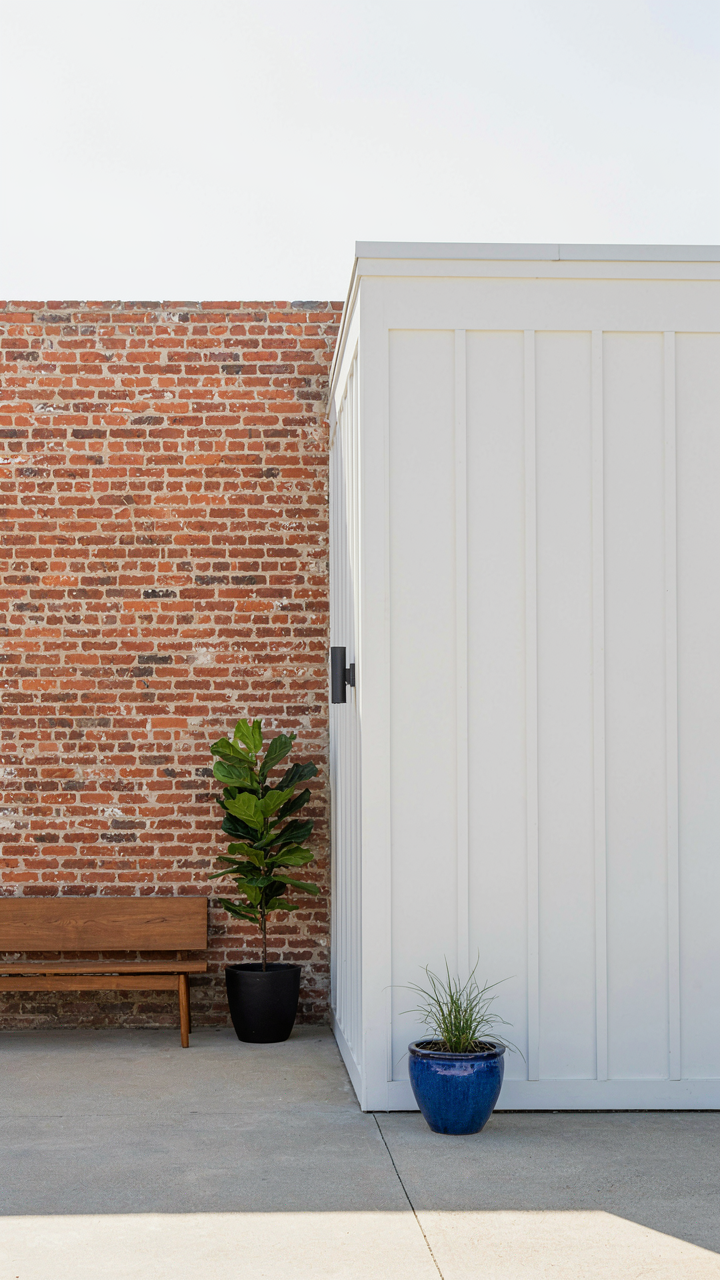
You want permission to keep the old stuff because tearing it down feels like failure. Here’s the mechanism: original brick, mortar joints, and architectural details carry information about the structure’s actual performance. Joanna Gaines exterior work on older homes reveals this pattern consistently. She doesn’t strip brick down to raw material. She cleans it, repoints deteriorated mortar, and lets the patina stay. This works because the brick tells you what survived decades of weather exposure.

Fixer Upper projects preserve original brick patterns, window placements, and roofline details because they’re data points, not decoration. When Gaines updates an exterior, she works around existing brick coursing and maintains sill heights. The constraint forces better decisions. You’re not choosing the aesthetic freely. You’re solving a puzzle with real edges. This produces authentic character because it reflects actual limits, not designer preference.
Edit Without Erasing
Most renovation advice says to modernize everything at once. That’s wrong. Strategic updates on a Joanna Gaines exterior follow a different logic: you change one system at a time and measure the effect. New windows get paired with existing brick. Fresh siding sections sit adjacent to original material so you see the contrast clearly. New roofing comes in a complementary color rather than a total replacement.
This approach works because it forces you to defend each change against what’s already there. You can’t hide a poor decision behind a full exterior renovation. Gaines’ farmhouse exteriors show white board and batten siding next to restored brick, creating visual tension that reads as intentional rather than makeshift. The mechanism is simple: edit one element, see what the structure demands next, then commit to that direction. Start with the roofline or entry. Make one authentic move before the next.
The Patina Protocol: Cultivating Timeless Joanna Gaines Exteriors

Let Materials Weather Honestly
You want your house to look expensive without maintenance. That’s the real tension here, and it’s impossible. Joanna Gaines exteriors age through actual weathering, not theater. Time works like compound interest on materials: wood grays, metal oxidizes, stone develops moss. These changes read as authenticity because they document actual exposure. The mechanism is simple. Surfaces that change prove they’re real, not cosmetic.

Gaines uses materials chosen specifically to improve visibly over years. Reclaimed wood, untreated metal railings, and lime-based mortar don’t resist aging. They embrace it. Paint peels in patterns that become texture. Rust develops character. This isn’t neglect. It’s material selection that treats time as a design tool rather than an enemy to fight.
Real Aging Beats Fake Distressing
The advice to artificially distress new materials is wrong. It signals desperation to look old without the credibility of actual age. Joanna Gaines doesn’t sand edges or apply stain unevenly to achieve character. She specifies durable materials and lets environment do the work. Distressing is theater for people who don’t understand that authenticity can’t be manufactured in a day.
The practical protocol: choose materials that age gracefully, then resist the urge to accelerate the process. Untreated cedar siding, sealed concrete, and raw steel all develop surface stories over seasons. Photograph your exterior every two years. You’ll see the patina accumulate as proof the material is working. Authentic aging compounds. Fake distressing looks the same in year three as it did in year one.
The Joanna Gaines Garden House: Where Function Dictates Form

Utility First, Aesthetics Second
You want your exterior to feel intentional, not accidental. That’s the real draw here. The mechanism is constraint. Joanna Gaines designs backwards from what the space actually needs to do, then lets the materials and structure tell the story. This inverts the typical process where people choose a style first and force function into it afterward.

Her farmhouse exteriors work because they start with questions: Where do guests enter? Where does water drain? Where does the owner work or garden? The siding, trim, and color palette follow these answers, not the other way around. White board-and-batten isn’t arbitrary. It’s durable, reads clean, and hides weathering on a working structure. The porch isn’t decoration. It’s transition space that protects the entry and expands living square footage.
Working Elements Become Design Features
Skilled design makes infrastructure visible without apology. Joanna Gaines treats the working parts of a house as the primary aesthetic. Galvanized gutters. Metal gates. Gravel pathways. Raised garden beds. These aren’t hidden behind prettier elements. They’re centered in the composition because they serve daily function.
This approach demands honest material selection. Stone, metal, and untreated wood age predictably and improve with use. A corrugated metal roof isn’t trendy. It performs. Gable ends and overhangs manage rain. Board spacing on privacy screens provides sight lines and airflow. The visual rhythm of these elements emerges from their job, not from decorative intent. When you build backward from what needs to happen on the exterior, form follows function, not fashion.
Ranch House Reimagined: The Fixer Upper Ranch House Method
Translating Farmhouse Principles Across Styles
You want permission to skip the work of actually understanding your own house’s bones and just apply Joanna’s aesthetic anyway. Here’s what matters: farmhouse principles aren’t a visual skin you paste onto ranch architecture. They’re structural decisions about proportion, material hierarchy, and visual weight that transfer because they solve specific problems.

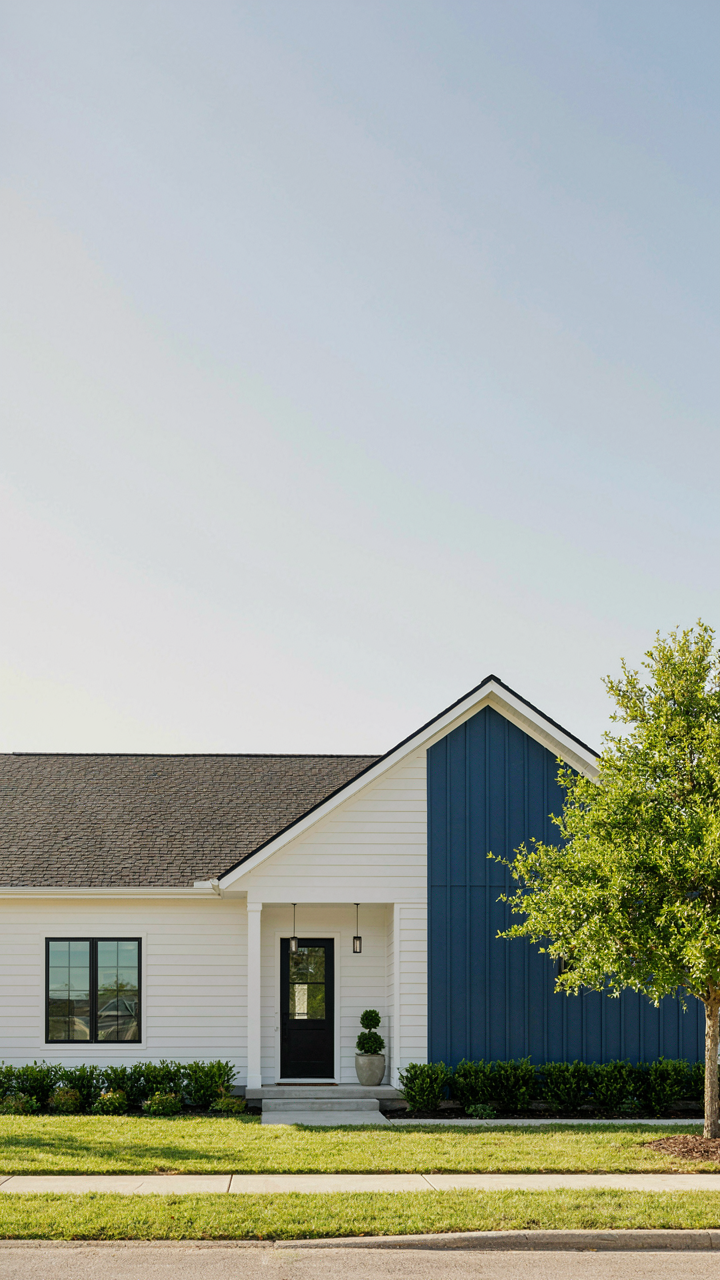
A ranch house sits low and horizontal. Farmhouse design emphasizes vertical breaks, material contrast, and focal points that interrupt that flatness. The mechanism is this: you’re not “adding farmhouse” to a ranch. You’re using farmhouse vocabulary to address what ranch proportions demand. Board and batten siding on a gable end, a centered entry with substantial trim, or a metal roof accent over a porch all work because they create visual interruption where ranch geometry creates sprawl. The translation succeeds when you identify what your existing structure lacks, then deploy farmhouse tools to solve it.
Material selection drives this translation more than any other factor. Joanna Gaines exteriors typically layer natural materials with distinct tactile differences: painted wood siding against stone or brick, metal roofing, exposed wood beams. This isn’t decoration. Layering different materials creates depth perception that makes flat planes read as intentional composition instead of accident. A ranch without this layering reads as undifferentiated. With it, the same footprint gains presence.
Strategic Modifications For Authentic Charm
Most advice says “keep your ranch authentic” or “blend in farmhouse touches.” Both miss the point. Authenticity is a false constraint when your actual goal is curb appeal. The real mechanism is constraint-based design: you modify strategically by removing elements that weaken the composition, then adding elements that anchor attention.
Examine what reads as weak on your ranch’s exterior: exposed foundation, flat roofline, minimal entry treatment, or blank wall planes. These aren’t mistakes to apologize for. They’re design targets. A covered porch with substantial posts redirects how someone reads the entire front facade. A metal awning over the entry signals intention. Gable detailing where none existed creates the visual hierarchy ranches naturally lack. The modifications that feel authentic are the ones that address a specific proportional problem your house actually has, not ones you apply because you saw them on Fixer Upper.
Joanna Gaines exteriors succeed because every modification answers a question the original structure poses. Trim placement follows window alignment. Material changes happen at architectural breaks, not arbitrary points. Color choice respects scale and mass. Each decision reduces visual confusion rather than adding decorative detail. Start by photographing your house’s elevation straight-on, then mark every area where your eye stops or where the plane feels unresolved. Those are your modification zones. Work there first.

The Unseen Hand: Subtlety In Joanna Gaines Homes Exterior

Restraint Beats Loud Design Moves
You want people to notice your home without looking like you’re trying. That’s the real motive here. In architecture, there’s a concept called “signal-to-noise ratio”—the clearer your message, the less gets lost. Joanna Gaines exteriors apply this by stripping away decoration that competes for attention. White board-and-batten siding, simple rooflines, minimal trim: each element has one job. Nothing screams. Everything speaks.
The common advice says “add character with details.” Wrong. You add character by knowing what to leave out. Her homes prove this. A crisp farmhouse exterior gains presence through proportion and material quality, not ornament count. Paint the siding one clean color. Choose one accent. Let the architecture breathe. When a home doesn’t assault the eye, the eye stays longer.
Depth Through Disciplined Detail Work
Most farmhouse designs fail because owners treat every surface as a chance to add texture. Joanna Gaines exteriors work because they treat surfaces as canvas for restraint. A single board-and-batten accent wall on a gable does more than scattered shiplap everywhere. Placement and proportion matter more than quantity. The details compound when they’re intentional.
Consider the mechanics: a well-placed metal bracket, stone chimney, or board accent interrupts blank space without overwhelming it. The eye lands somewhere. It stays because the interruption feels necessary, not decorative. This is the difference between design and styling. Build one strong focal point per elevation. Let negative space do the structural work. The exterior becomes memorable because it’s controlled, not because it’s busy.

The Anti Trend Imperative: Building Enduring Farmhouse Value

Dismiss The Seasonal Aesthetic Trap
You want your exterior to feel timeless so you don’t look foolish in five years. That’s the real driver. Here’s the mechanism: trends move fast because they’re easy to manufacture and market. Farmhouse design became a trend precisely because magazines and retailers could commodify it. But Joanna Gaines didn’t build her reputation on trend participation. She built it on selecting elements that survive aesthetic shifts because they’re functionally honest.
The gap between trend and principle is where endurance lives. A crisp farmhouse exterior doesn’t work because it’s currently popular. It works because white siding, clear lines, and functional hardware solve real problems: they age visibly but never look dated, they photograph well without effort, and they complement rather than fight regional architecture. Gaines designs around constraint and material behavior, not what’s hot on social feeds.
- Clean horizontal lines: Resist vertical or curved details that signal a specific decade. Horizontal planes feel stable and read timeless across most architectural traditions and regional contexts.
- Neutral material palette: Avoid trendy color combinations or finishes that peak in popularity. White, cream, black, and natural wood maintain visual neutrality while materials age.
- Functional hardware as design: Choose door handles, hinges, and fixtures based on durability and operation, not aesthetic novelty. Function outlasts fashion.
- Restrained ornamentation: Skip excessive trim, siding patterns, or decorative elements. Simplicity survives trends because it has nothing to become dated.
- Regional material alignment: Use siding, stone, or wood that belongs in your climate zone. Buildings that fight their environment always look awkward eventually.
The discipline is saying no to what feels fresh and yes to what still looks intentional after a decade of weather and cultural shifts.
Material Grade Over Visual Impact
Everyone knows to choose quality materials. That’s generic advice and it’s incomplete. The real distinction is understanding that cheap materials don’t just fail faster—they fail visibly and damage the entire structure’s credibility while failing. Economics teaches the concept of sunk cost, and exterior design inverts it: poor material choices sink visible costs daily as they deteriorate.
Joanna Gaines specifies materials that fail gracefully or not at all. Hardie board siding doesn’t rot like poorly treated wood or chalk like low-grade paint. Properly installed metal roofing costs more upfront but costs less over twenty years than reroof cycles. Real stone veneer stays structurally sound longer than thin brick veneers prone to delamination. The mechanism is durability as a design element itself. When your exterior materials hold their form through weather cycles, the design remains readable. Aesthetic decay isn’t an option.
The Final Filter: Does Your Joanna Gaines Exterior Tell YOUR Story?

When Your Home Stops Being Yours
You’re afraid you’ll spend money on an exterior and still look like everyone else. Here’s the mechanism: copying Joanna Gaines’ design without interrogating why those choices exist for her life creates a costume, not a home. Her farmhouse exteriors work because they solve specific problems in her context—climate, property scale, family needs, regional vernacular. Your context is different. The gap between aesthetic admiration and authentic application is where most people waste budget.
The real work isn’t selecting shiplap or paint colors. It’s understanding the principle behind each decision, then asking whether that principle applies to your actual situation. Gaines’ exteriors succeed because they’re deeply rooted in Texas Hill Country vernacular and functional constraints. Transplanting that directly without translation produces a hollow replica. Your exterior should reflect the logic of your location, your daily patterns, and what you actually need the house to accomplish.
Building From Constraint, Not Catalog
Stop treating Joanna Gaines’ exteriors as a style menu to order from. That’s the wrong frame entirely. Instead, identify your primary constraint—whether it’s climate, lot size, material availability, budget, or lifestyle demands—and let that constraint generate your design language. Gaines’ work demonstrates this principle consistently. Her exteriors aren’t precious; they’re problem-solving machines wrapped in coherent aesthetics. The whitewashed brick, the board and batten, the metal roofing aren’t trends she chose for their Instagram value. They’re responses to heat, durability, and regional building tradition.
Start by auditing what your exterior must actually do: manage water in your climate, withstand local weather, connect to your neighborhood’s material palette without disappearing into it, function for your daily life. Once you’ve named these constraints, you’ll recognize which Gaines-inspired elements serve you and which ones don’t. Your design process becomes translation, not imitation. The concrete step: map three primary functional demands your exterior must meet, then research materials and forms that solve those demands in your specific region.
The Real Obstacle Isn’t Finding The Right Design; It’s Confronting Your Need For External Validation

You’re scrolling through Joanna Gaines exterior photos because you want permission. Permission to build something that feels right to you. Stop waiting for it. Pull three images you actually love today, not the ones you think you should love, and sit with them for twenty minutes. Notice what they share. That’s your actual taste talking. The farmhouse aesthetic works because it commits fully to its choices, and so must you.



