
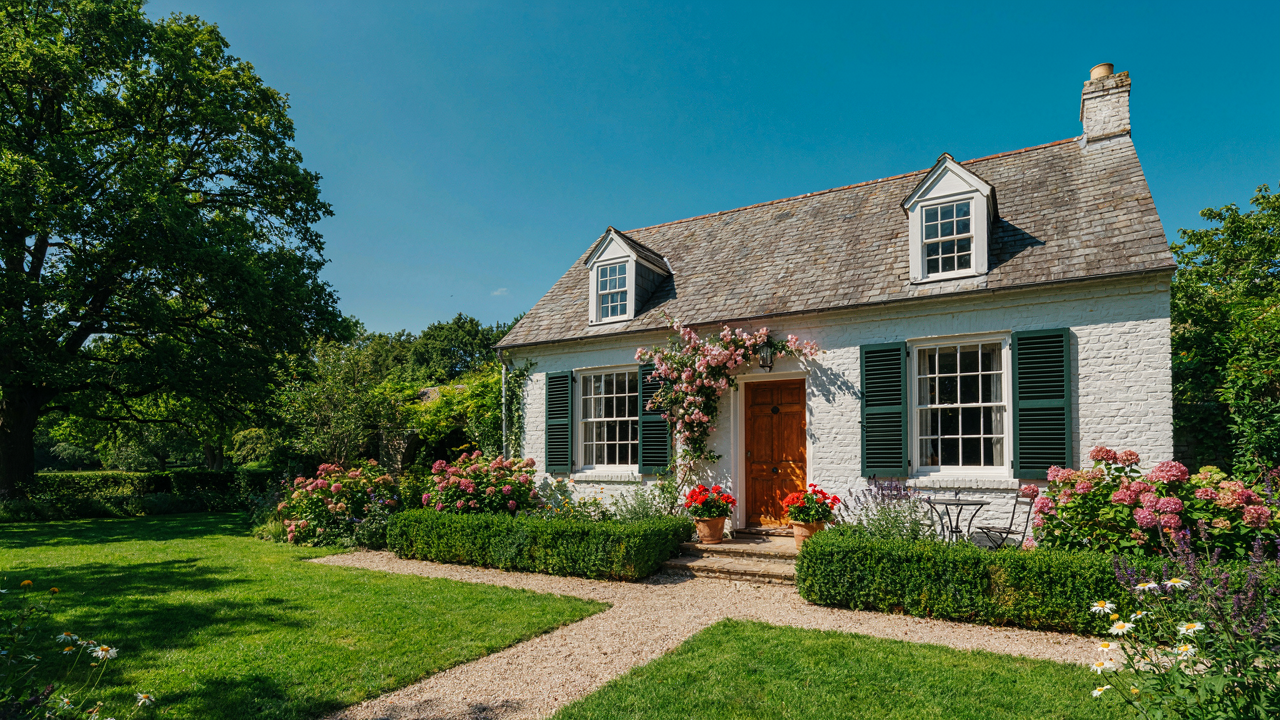
The Whitewash Delusion: Beyond The Instagram Filter
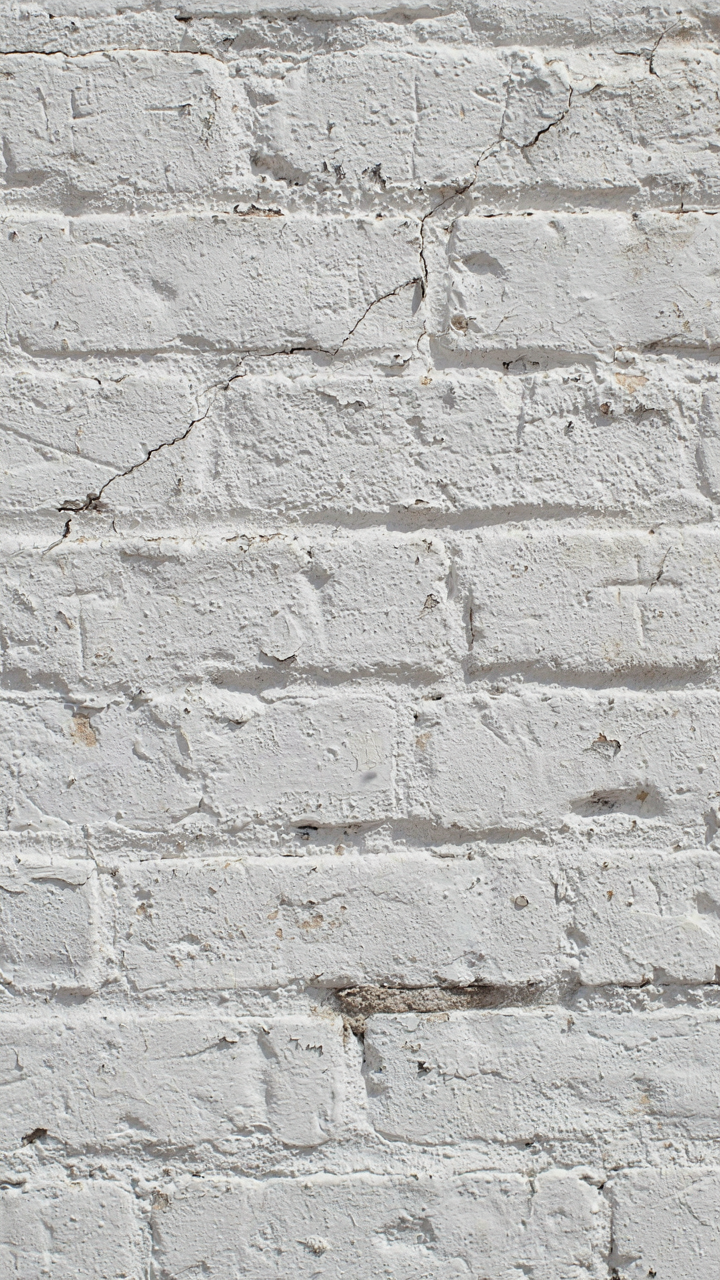
What The Paint Can’t Fix
You want the aesthetic without the work. That’s the real reason you’re reading this. Whitewash photographs beautifully, which means it feels like a shortcut to a finished look. But here’s the mechanism: whitewash is a transparency layer, not a coverage system. It reveals every flaw in the substrate beneath it while creating the illusion of perfection in still images.
Brick that’s spalling, efflorescent, or structurally compromised won’t improve under whitewash. The paint doesn’t seal the problem. It obscures it temporarily. A cottage with failing mortar joints or water-damaged bricks will show those failures through whitewash faster than through solid paint because the semi-transparent nature of the finish exposes rather than conceals. You’re trading one problem for another: now you own both the original brick damage and the maintenance cycle of keeping a porous finish clean.
The Real Cost Of Undoing It
Most design advice skips this part because it’s not romantic. Removing whitewash from brick is labor-intensive and expensive. Pressure washing damages the mortar. Grinding or sanding creates dust and costs money. Chemical stripping exists but risks altering the brick’s texture permanently. The cottage that looked charming in a magazine becomes a liability when you want to restore it to original brick or apply conventional paint instead.
Once you whitewash, you’ve committed to managing that finish for years. Dirt accumulates visibly. Mold grows in the porous coating during humid seasons. You’ll repaint every five to seven years minimum, sometimes sooner depending on climate and exposure. The economics work against you: multiple thin applications cost more over a decade than one application of quality exterior paint that lasts twice as long.
The Brick Whisperer Protocol: Decoding Your Home’s DNA
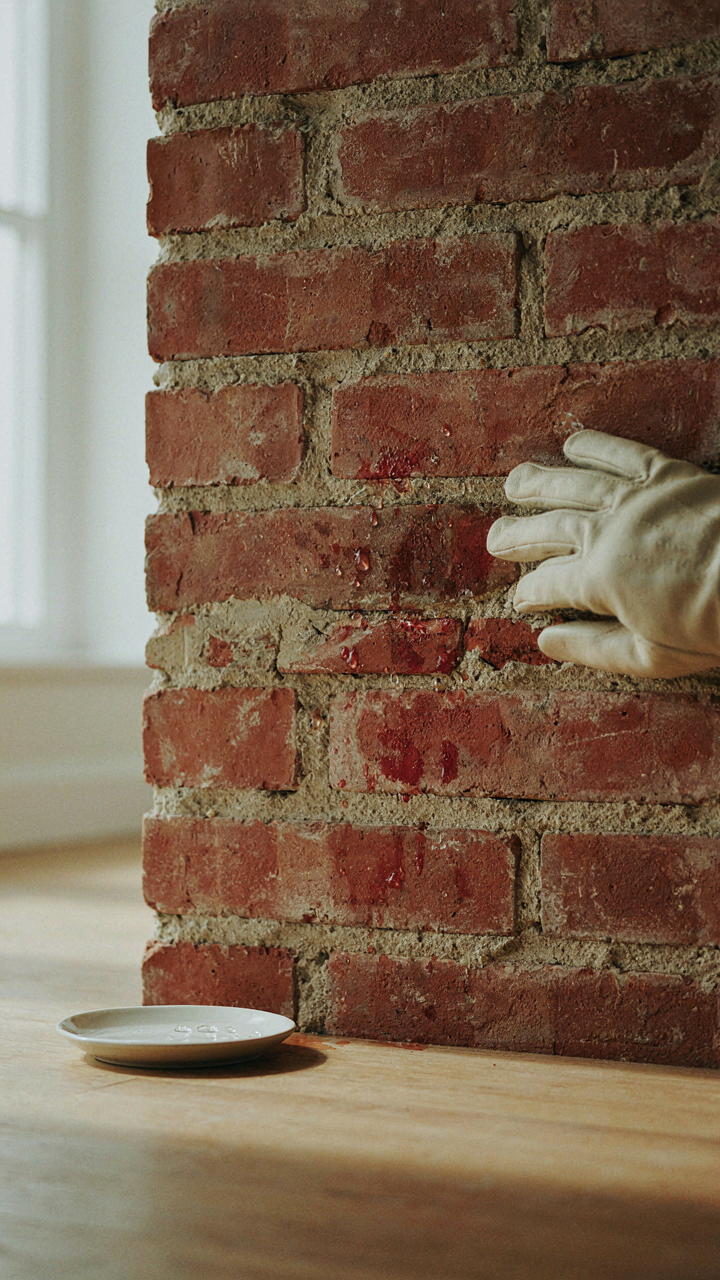
What Your Brick Is Actually Telling You
You want to paint your brick cottage and have it look intentional instead of like you covered up a mistake. That fear drives the real question: what’s underneath matters before you decide on color. Brick operates on physics principle called vapor permeability, which means moisture moves through it like air through a screen door. Old brick is porous by design. Water enters from rain, ground moisture, and humidity, then evaporates back out. Paint that blocks this process traps water inside the masonry, causing spalling, efflorescence, and structural decay that costs thousands to repair.

The standard advice says “just use breathable paint.” Wrong. Breathable paint is a band-aid on the wrong diagnosis. You need to understand what your specific brick is doing first. Run your hand across the surface. Does it feel chalky or powdery? That’s lime mortar, common in cottages built before 1900. Does water bead up or absorb immediately? Absorption rate tells you the brick’s actual porosity level. Modern dense brick absorbs differently than handmade heritage brick. Before any paint touches your cottage, you measure the moisture content with a meter and document what’s happening in the masonry baseline. That data determines whether you paint, whitewash, or leave it bare.
Finding The Cottage’s Original Specifications
Most painted brick cottages have a hidden story in the masonry composition and construction era. Identifying when your cottage was built and what brick type the builder used cuts through guesswork. Early cottages, especially from the 1800s and early 1900s, often used local brick fired in temporary kilns. The brick varied in density, color, and composition based on regional clay. Later construction used standardized manufactured brick with uniform properties and tighter tolerances. This matters because heritage brick tolerates different paint systems than modern brick, and whitewash works better on older, softer masonry than on contemporary high-fired brick.
Check your cottage’s documentation or county records for construction date. Examine the mortar joints and brick dimensions. Heritage brick runs smaller and more irregular than modern units. Look for any historical paint or whitewash residue in protected areas like under eaves or inside foundation cracks. If your cottage originally had whitewash, you’re working within its intended design language. If the brick was always exposed, adding paint shifts the aesthetic load permanently. The decision to paint isn’t aesthetic only, it’s structural. Map this before any paint primer goes on the wall.
Beyond Soft White: The Palette Of Authenticity
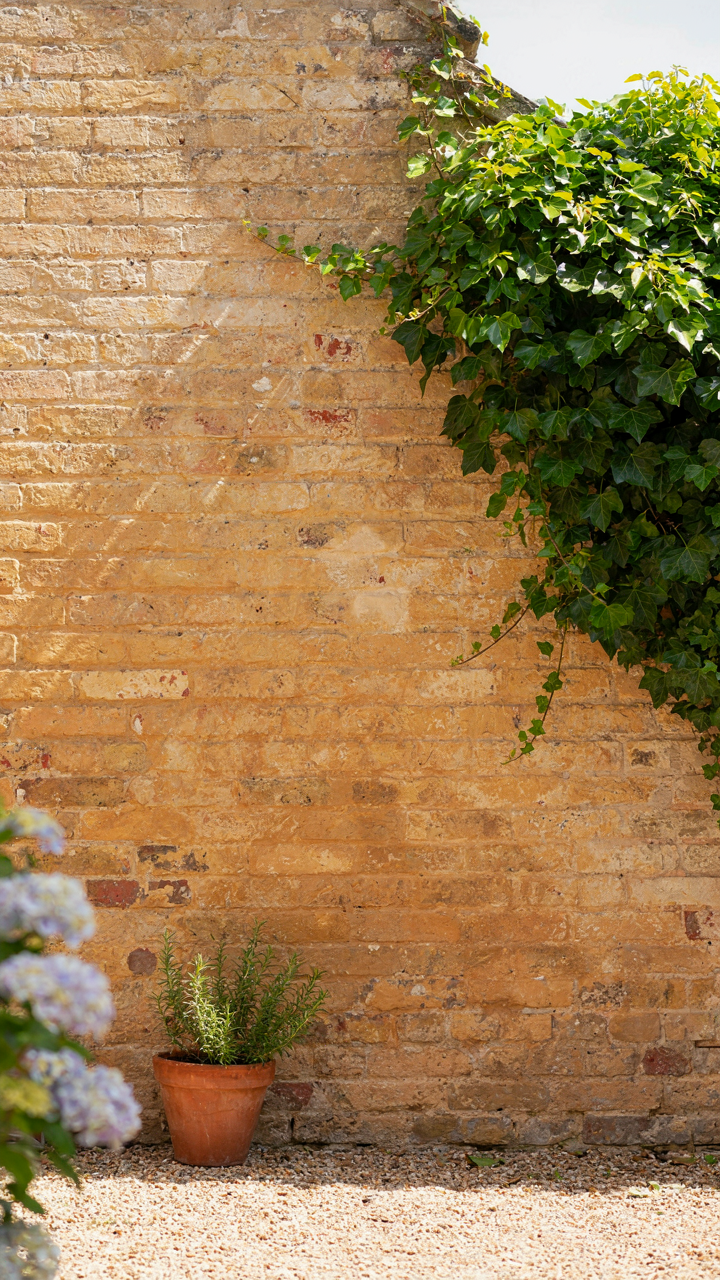
Pigment Choices For Natural Weathering
You want a painted brick cottage that looks like it earned its patina, not one that screams “I hired someone last month.” That’s status anxiety dressed as design preference, and it drives every choice here. Weathering is a physics problem: paint fails predictably based on pigment density, binder strength, and UV exposure. Lime-based and clay pigments weather gracefully because they fade and soften rather than peel in aggressive chunks. Modern acrylics lock too hard to the brick surface, creating the false appearance you’re trying to avoid.

Historic cottages used earth pigments—ochres, umbers, iron oxides—because they were abundant and they aged honestly. These pigments don’t maintain perfect color saturation over five years. They fade in bands and patches. That’s the mechanism you need. Choose paint formulations with natural iron oxide bases if you want authentic weathering. Avoid Benjamin Moore’s “Bone White” or similar designer whites that hold their color too uniformly. The goal isn’t perfection; it’s controlled degradation that reads as lived-in rather than neglected.
Layering Techniques That Build Depth
The flat look isn’t a paint problem. It’s a preparation problem, and everyone skips this part because it doesn’t feel like real work. Brick naturally holds light differently across its surface due to texture, mortar lines, and slight dimensional variation. You erase that by painting a single uniform coat. Instead, apply a primer that sits on the brick without flattening its geometry, then layer two finish coats with slight color variation between them—not dramatic, just enough tonal shift to let the substrate show through selectively.
The second layer should be slightly more translucent than the first, allowing the base brick color to influence the final appearance in certain areas. This creates visual depth without adding complexity to the paint specification itself. Brush application matters more than spray here because it naturally creates micro-variations in coverage. A roller makes everything uniform and lifeless. Paint when the brick is dry but not hot, so the material absorbs the first coat partially rather than sitting on top like a skin. This process takes longer but produces the dimensional quality that reads as intentional rather than accidental.
The “Painted Brick Cottage” Is A Myth: Embrace The Imperfect
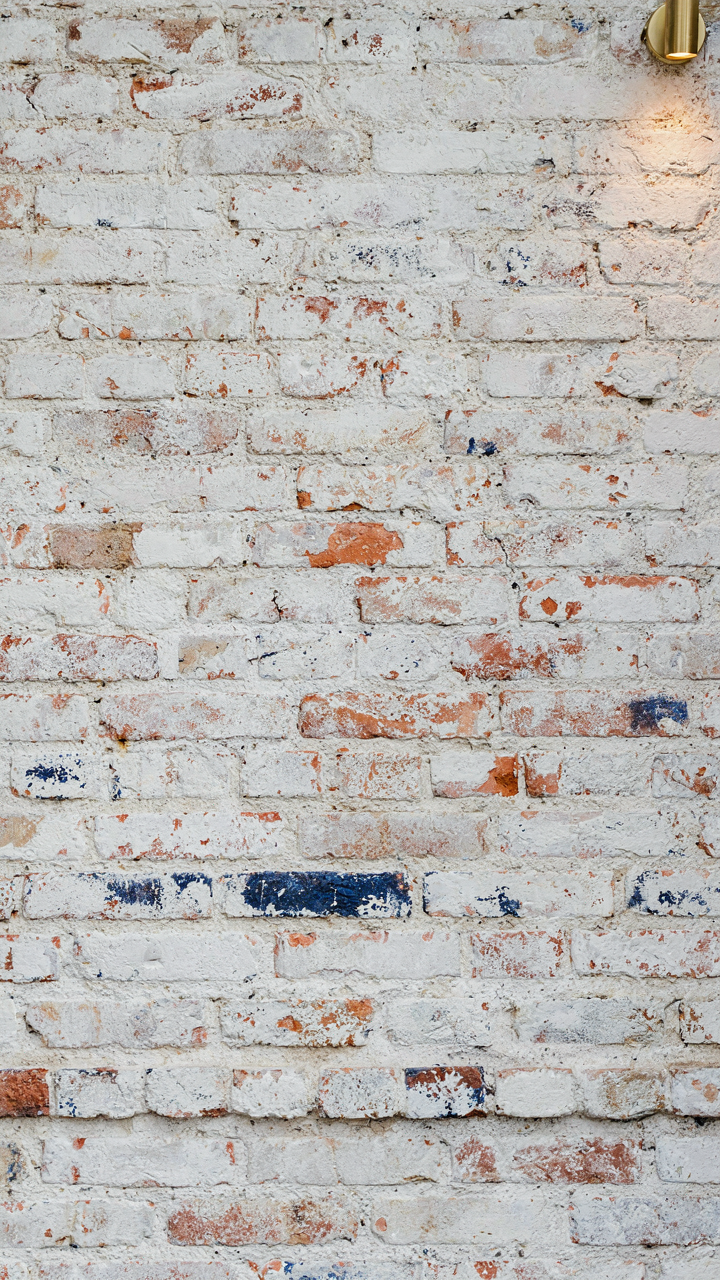
Aged Patina Beats Flawless Finishes
You want permission to stop chasing the Instagram version. Here’s the mechanism: your brain equates worn surfaces with authenticity and time, which signals safety and permanence. New paint reads as temporary. Old brick with visible weathering, color variation, and surface texture communicates that a structure has survived. This isn’t sentiment. It’s pattern recognition wired into how humans assess durability.

The whitewashed cottage aesthetic works precisely because it doesn’t hide brick underneath. Paint applied unevenly over aged mortar, with color pooling in recesses and thinning on high points, creates visual depth that flat coverage cannot match. Stop trying to achieve sterile perfection. The imperfections are the entire point. Visible brush marks, varied opacity, and natural fading after exposure are features, not flaws. Accept the surface as it transforms over years rather than fighting for uniformity on day one.
Let Weather Write The Design
Thermodynamics governs paint behavior on masonry: moisture moves through brick, temperature cycles stress adhesion, and UV radiation breaks molecular bonds. Your paint finish isn’t static. It will fail, fade, and crack in patterns determined by the brick’s porosity, orientation, and local climate, not your intentions. Work with this reality instead of against it.
The best painted brick cottages show the marks of exposure. Salt spray near coasts, freeze-thaw cycling in cold regions, and intense sun in dry climates each create distinct aging patterns that become part of the visual narrative. Choose paint formulations designed for your specific environment. Accept that maintenance happens at irregular intervals following visible deterioration, not on a calendar. This approach costs less money and produces more character than fighting environmental forces with premium products and frequent repainting cycles.
Long Term Value: A Home As An Investment, Not A Trend
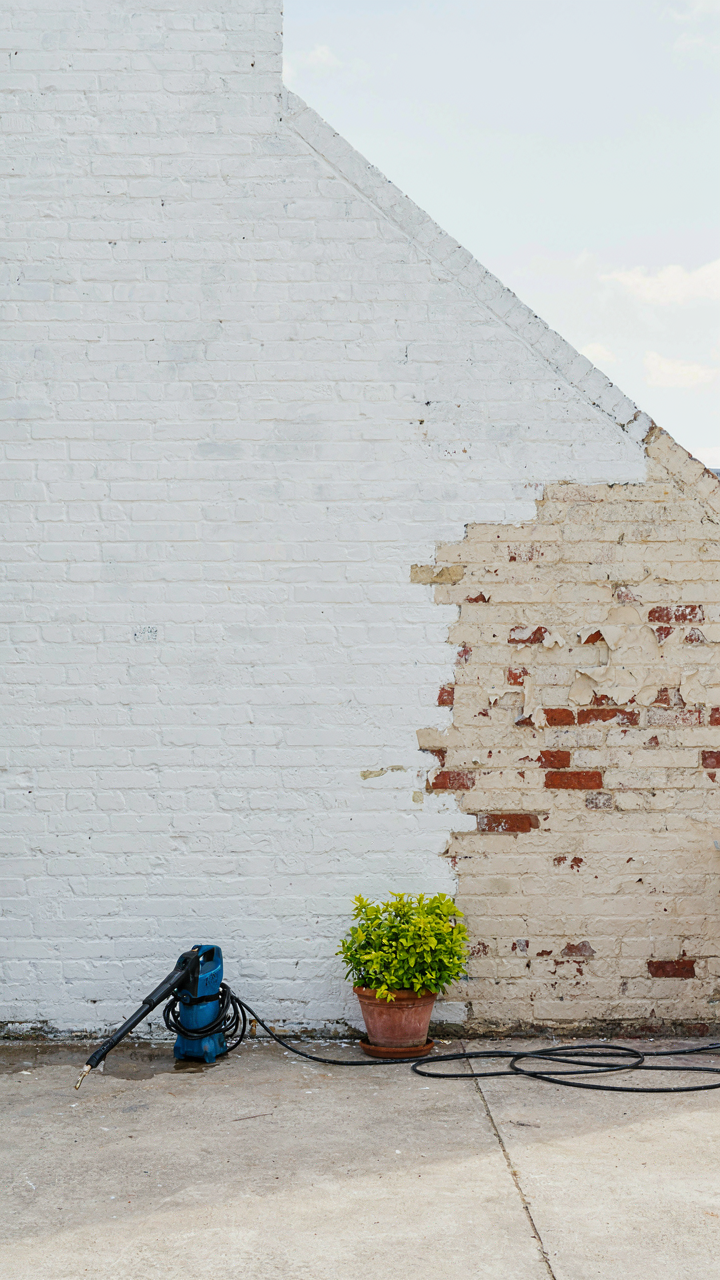
When Paint Becomes A Maintenance Calendar
You want to know this will hold value. That’s the real question underneath. Here’s the mechanism: painted brick ages visibly, so your maintenance schedule becomes your net worth statement. Paint on brick fails predictably. Masonry absorbs moisture. Paint seals that moisture behind a membrane. When temperature swings, the trapped water expands and contracts, pushing the paint away from the substrate in 5-10 years depending on climate and paint quality. A whitewashed finish masks this timeline—it looks intentionally weathered, giving you a 2-3 year buffer before the damage reads as neglect instead of character.
The maintenance cycle isn’t optional. You recoat exterior brick every 7-12 years in temperate climates, every 4-6 years in freeze-thaw regions. Pressure washing before recoat is mandatory, not optional. It removes failed paint, algae, and salt deposits that block new adhesion. Skipping this step guarantees premature failure of the next coat. A whitewashed cottage actually demands more frequent touch-ups than solid paint because the thin, intentionally rustic finish deteriorates faster and shows every gap in coverage. Budget accordingly or accept that your cottage will look abandoned by year three.
Paint Quality Determines Resale Price, Not Sentiment
Buyers know the difference between a proper job and cosmetic concealment. A well-executed paint job on brick means professional surface prep, quality masonry primer, and exterior-grade paint applied at the right temperature and humidity. Poor execution—cutting corners on primer, using interior paint, not addressing underlying moisture—shows up as blistering and peeling within 18 months. That visible failure signals deeper problems to any inspector, tanking perceived value before appraisal happens. Resale price moves on evidence, not narrative.
The whitewashed aesthetic compounds this effect. It’s trendy now, which means the market recognizes it. But trend recognition fades. A poorly maintained whitewashed cottage reads as dated and neglected in five years. A well-maintained one maintains equity. The difference is prep work and premium materials, not design choices. If you’re painting brick to hold or increase value, you’re investing in a five-year maintenance commitment, not a permanent finish. Paint is maintenance, not architecture.
The Psychology Of Surface: Why We Fear Raw Brick

Status Anxiety Runs The Decision
You care about this because exposed brick signals either taste or negligence, and you can’t control which interpretation strangers land on. That’s the mechanism: raw brick creates ambiguity in a status-conscious market, and your brain rejects ambiguity. The painted brick cottage emerged as a design category precisely because it resolves this tension. Paint converts uncertainty into intention. A whitewashed brick wall reads as curated. Bare brick reads as unfinished or poor maintenance, even when neither is true. The choice to paint brick is fundamentally a choice to be legible.

Most homeowners don’t admit this is what they’re optimizing for. They say they want “cleanliness” or “brightness” or “a fresh look.” These are the acceptable narratives. The real lever is conformity with recognized design language. Painted brick cottage aesthetics borrowed from Scandinavian and English rural traditions where lime wash served practical purposes, but now serves symbolic ones. Your neighbors recognize painted brick as intentional. They don’t have to wonder. That clarity costs something: it costs the rawness, the history, the texture that unfinished brick actually carries.
The Texture Trap And What To Do Instead
The common advice says to embrace raw brick for “character” and “authenticity.” This is incomplete. Raw brick does have character, but character alone doesn’t justify a design choice. Texture demands maintenance, hides dust, and broadcasts wear patterns that paint conceals. The real trade is not character versus sterility. It’s visibility of wear versus invisibility of wear.
Whitewash and paint don’t eliminate texture; they redistribute it. A well-applied limewash still shows the brick’s grain, its color variation, its dimensional quality. Paint flattens. Whitewash preserves while controlling. This is why the painted brick cottage with soft whitewashed looks performs: it gets the status resolution of intentionality without sacrificing the tactile depth that makes brick material worth using at all. The protocol is specific: choose limewash or clay-based finishes over latex acrylic if texture matters to you, because they settle into the brick rather than coat over it.
Architectural Integrity: The “White Brick Bungalow” Reimagined
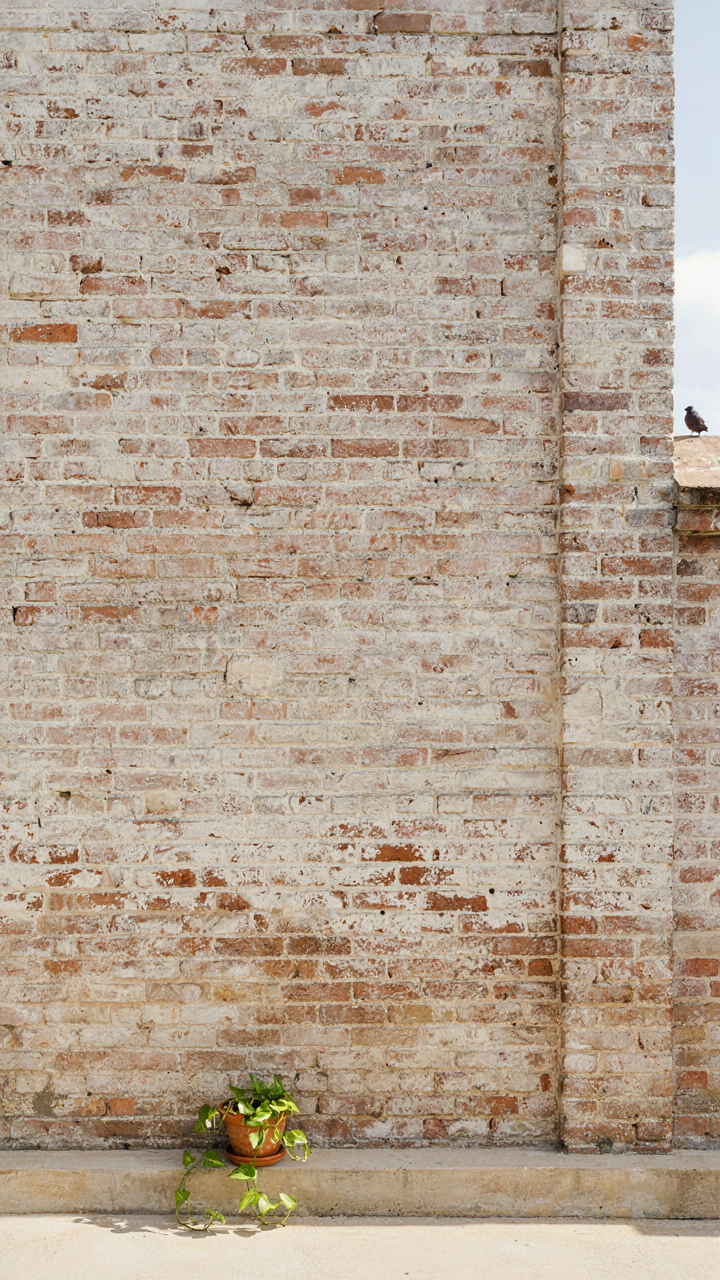
How Bungalows Were Actually Built
You care about this because you’re worried that painting brick will wreck the house’s value and character. The mechanism at work is constraint: bungalows built between 1900 and 1950 used exposed brick as both structure and finish because it was economical and honest construction. The brick wasn’t decorative—it was the building envelope. Paint changes that equation, but only if you ignore what the original builder actually intended.

Most bungalows show brick because the owner couldn’t afford stucco or cladding. Paint became the reframe: it aged gracefully, required minimal maintenance, and unified the façade in a way raw brick didn’t. Early whitewash and lime wash weren’t trendy choices. They were practical answers to weather, cost, and regional material availability. Knowing this changes how you approach the decision—you’re not fighting the original design by painting. You’re completing what the economics of the era started.
Paint As Envelope Restoration
You’ve heard the old story: never paint brick because you’ll trap moisture and ruin the wall. That’s incomplete. Brick is porous, yes, but the real question is what protects it. When a bungalow’s mortar fails or weather exposure accelerates deterioration, paint seals the damage and extends the wall’s life. The mechanism is capillary action—moisture moves through the brick matrix. Paint blocks surface evaporation but doesn’t prevent vapor transmission if you use the right product.
Use vapor-permeable exterior paint, not rigid urethane or oil-based sealer. Apply only after repointing failed mortar and addressing active moisture sources. Soft whitewash and chalk-based paints work because they allow the brick to breathe while protecting the surface. The goal isn’t to make brick waterproof. It’s to control where water moves and how fast it evaporates. Schedule inspection of the mortar joints every five to seven years after painting, and repoint only where joints show active failure.
The “White Brick House” Effect: A Study In Contrast
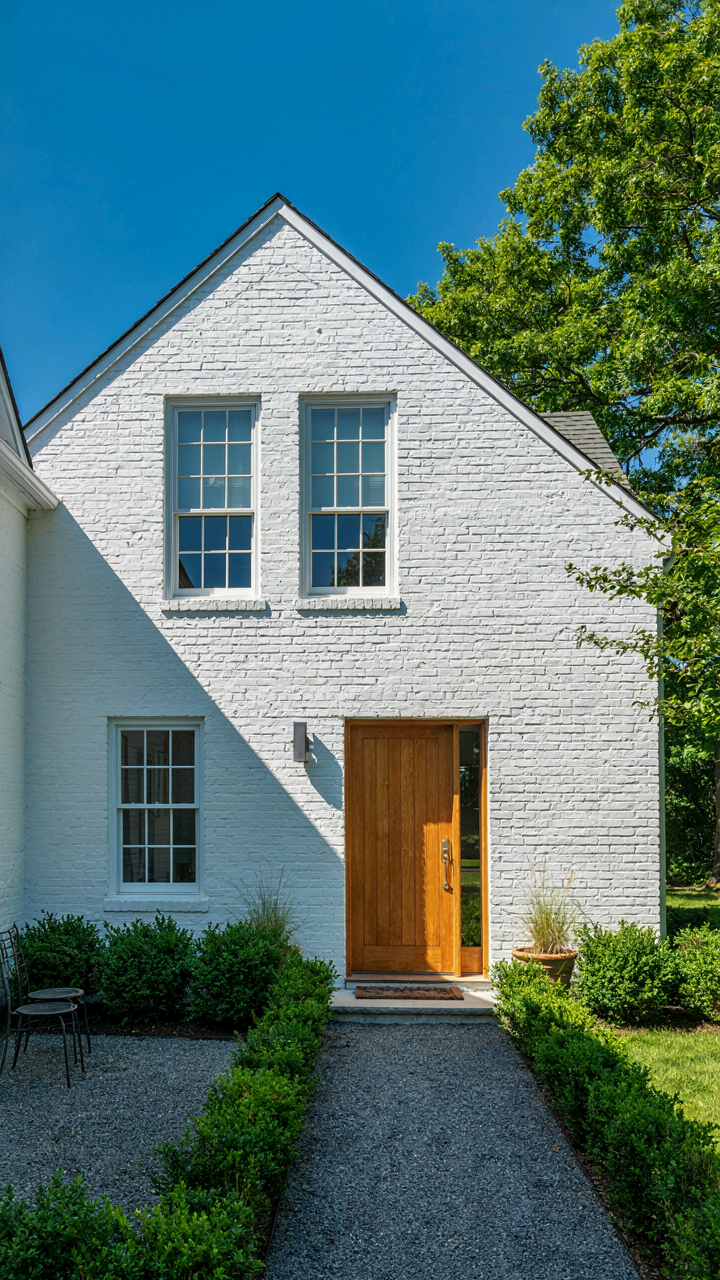
Depth Through What Surrounds The Paint
You want people to notice your cottage looks intentional, not like you ran out of money for siding. Here’s the real mechanism: white painted brick only reads as sophisticated when the eye has something to compare it against. Isolation kills the effect. A whitewashed brick cottage surrounded by lawn and nothing else looks incomplete. Context is the delivery mechanism for perceived quality.

The contrast principle from visual hierarchy dictates that brightness gains impact only against darker or textured neighbors. Plant deep green shrubs directly against the white brick. Use charcoal or black shutters if the cottage has them. Run darker gravel or slate around the foundation instead of mulch. Keep the front door in a warm or deep tone. These elements don’t decorate the cottage—they make the painted brick register as intentional architecture rather than surface treatment.
Shadow And Light As Structural Language
Most advice treats shadows as something that happens to your cottage. That’s backward. You place shadow strategically to create the illusion of mass and dimension in a flat whitewashed surface. This borrows directly from chiaroscuro, the Renaissance painting technique using light and dark contrast to model form on a two-dimensional plane. Your painted brick cottage is flat. Shadow creates the perception of depth.
Overhanging eaves and roof lines cast deliberate shadows across upper walls. Mature trees positioned on the south or west side create moving shadow patterns that prevent the painted brick from reading as blank. Window recesses and deep door frames generate shadow naturally. The painted brick behind these recesses should stay slightly darker or less saturated than the wall face, amplifying the three-dimensional effect. This isn’t decoration—it’s optical correction. Use this during site planning before any paint touches brick.
The “Brick House Exterior Makeover” Illusion: Systems Thinking
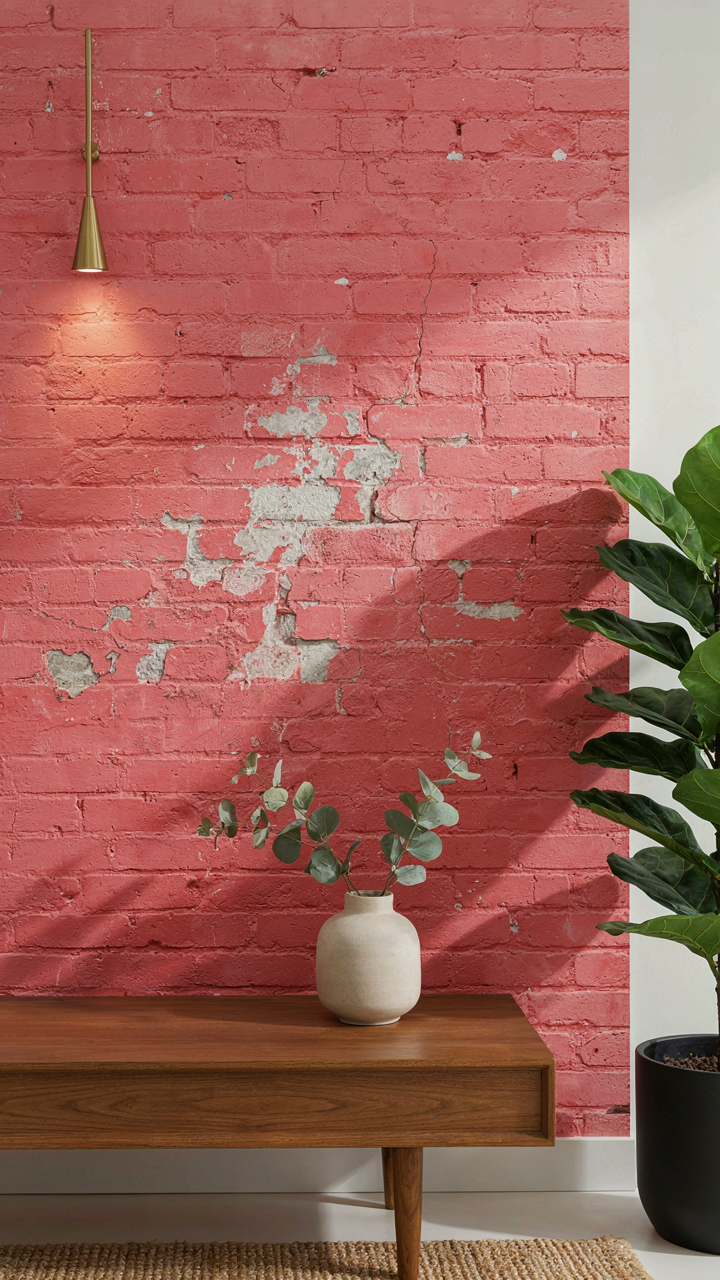
How Paint Creates Feedback Loops
You want the exterior transformation to stay beautiful without constant maintenance—that’s the real ask hiding behind all the aesthetic talk. Paint on brick operates as a closed feedback system: it traps moisture, creates pressure beneath the surface, and forces a choice between repainting every 3-5 years or watching the system collapse. Cybernetics calls this “positive feedback”—each cycle amplifies the original problem.

Brick is porous. Paint seals it. Water doesn’t vanish; it gets trapped behind the paint film and migrates laterally or downward, finding mortar joints and the brick base itself. The painted surface stays dry while everything underneath degrades faster than unpainted brick ever would.
- Efflorescence acceleration: Water carries salts through the brick matrix and deposits them at the paint interface, creating white crystalline buildup that pushes the paint film outward.
- Mortar joint deterioration: Trapped moisture weakens mortar faster than weathering alone, requiring repointing sooner than expected timelines.
- Paint adhesion loss: Moisture pressure from inside breaks the bond between paint and substrate within 4-7 years in humid climates.
- Spalling risk: Trapped ice expansion in freeze-thaw cycles cracks both brick and paint simultaneously, exposing raw brick to accelerated erosion.
- Repainting escalation: Each repaint adds film thickness, worsening the moisture-trapping effect and shortening the next cycle.
The whitewashed aesthetic masks a system that demands intervention. You’re not just maintaining appearance; you’re managing a physical pressure cooker. Most cottage owners discover this after the first repaint when the contractor quotes twice the original cost.
The Initial Choice That Compounds
Your first paint decision locks you into a 40-year maintenance schedule whether you realize it or not. Long-term systemic impact starts the day the brush hits the brick. A painted cottage requires specific primers (breathable acrylics, not latex), specific repainting intervals, and specific repair protocols that unpainted brick simply doesn’t demand.
The mechanism is compound degradation: soft whitewash finishes accelerate because they’re thinner than standard exterior paint, offering less protection but more aesthetic softness. They fail faster, trigger earlier repaints, and each cycle increases your cost baseline. An unpainted cottage lets brick breathe. A painted one treats brick like a sealed container.
Your decision today determines whether future owners inherit a cottage or a maintenance obligation. Paint the brick and you’ve committed to active management. The economics shift immediately: budget for repainting every 5-7 years, factor in unexpected mortar repairs, and accept that the “soft whitewashed look” will degrade faster than conventional paint finishes. Breathable masonry coatings exist but cost 40-60% more upfront. You pay now or pay later—and paying later means paying more.
Beyond The Fad: Cultivating A Timeless “Painted Brick Tudor Exterior”
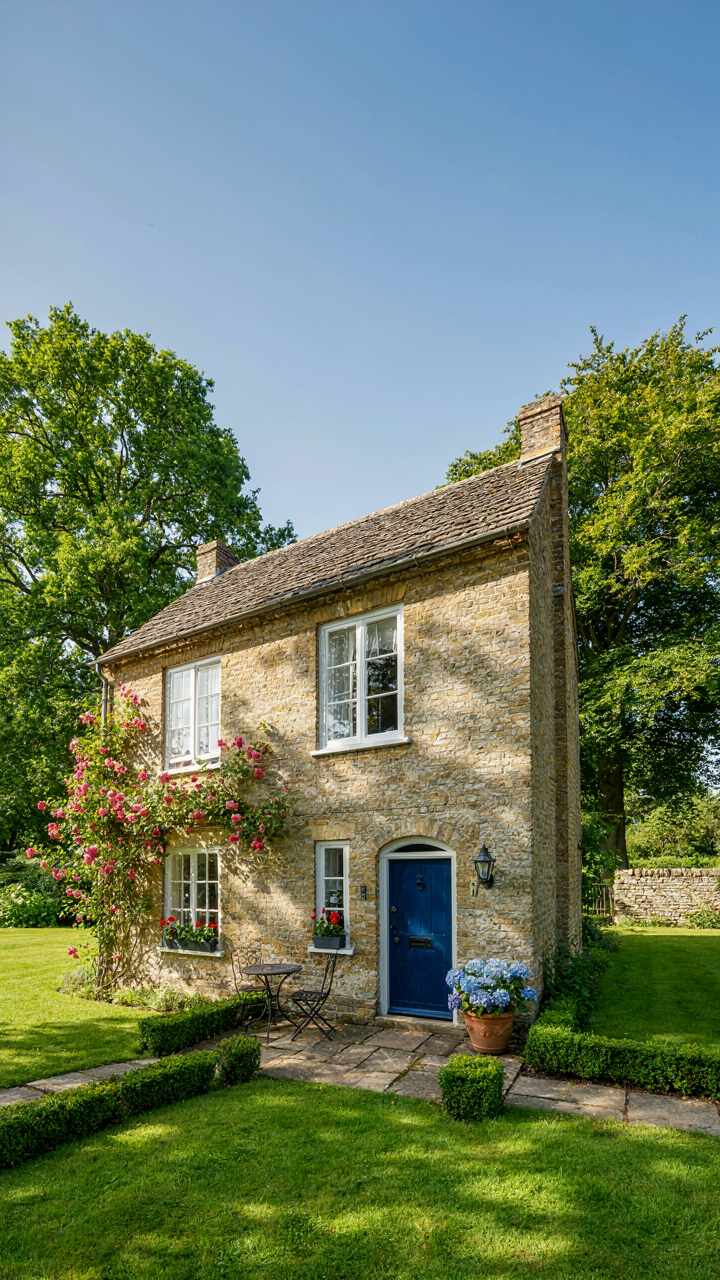
Authenticity Over Instagram Value
You want this to feel special because you’re tired of houses that look like everyone else’s. Here’s the mechanism: painted brick cottages hold value because they resist trend cycles, not because they follow them. Authenticity compounds. A whitewashed brick exterior painted with historically appropriate lime-based products or modern masonry paint that mimics lime behavior actually weathers better than trendy matte finishes. The paint bonds to the brick’s porous surface without trapping moisture. This isn’t opinion. It’s material science applied to a 100-year-old aesthetic.
Most advice skips this: the color choice matters less than the paint type. A properly executed painted brick cottage from 1920 still reads as intentional today because the craft was honest. You picked a finish that suited the material, not a color algorithm. When you eventually sell or pass the property down, that decision won’t feel dated. It will feel deliberate.
The Mechanism Behind Staying Current
Economics calls this “optionality”—the value of keeping future choices open. Paint your brick a color trend demands today, and you’ve locked yourself into that trend’s lifespan. Paint it a neutral warm white or soft gray using durable masonry paint, and you’ve bought 15 to 20 years before the next refresh becomes necessary. That’s not boring. That’s strategic patience.
The real cost of trend-chasing in exterior design is repainting every five years. Scraped brick, replaced mortar, accumulated damage. A painted brick cottage designed for longevity uses paint as protection, not decoration. Soft whitewashed looks work because they sit neutral enough to accommodate changing interiors, landscaping, and market preferences without forcing an overhaul. One decision compounds across decades, not quarters.
Your Fear Of Permanence, Not The Paint, Is The Real Obstacle
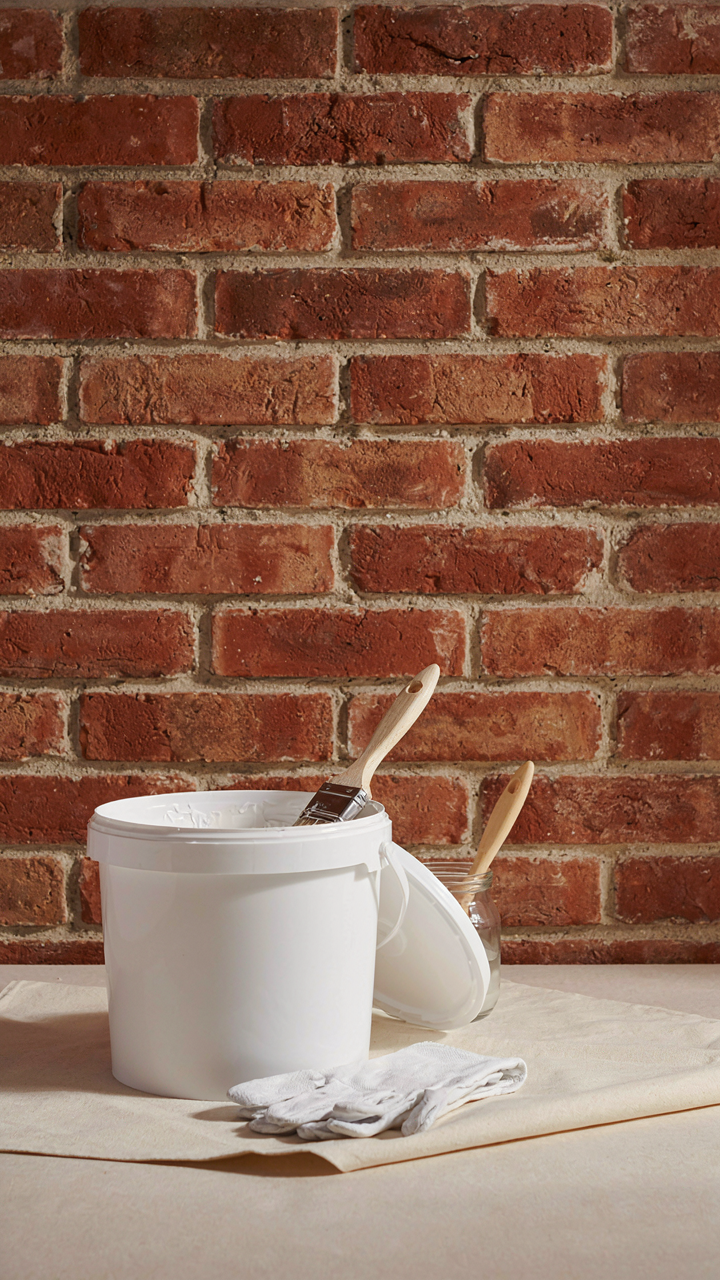
You’re not actually afraid of picking the wrong white. You’re afraid of committing to something that lasts. Paint feels permanent because it is. But here’s what matters: a painted brick cottage stops apologizing for itself. Pick a white tomorrow. Order the paint. The worst outcome isn’t the color. It’s spending five more years staring at unpainted brick, waiting for the perfect answer that never comes. You don’t need perfect. You need done.



