
The Scandinavian Cottage Interior Deception: Why “Hygge” Fails You

What Comfort Actually Costs
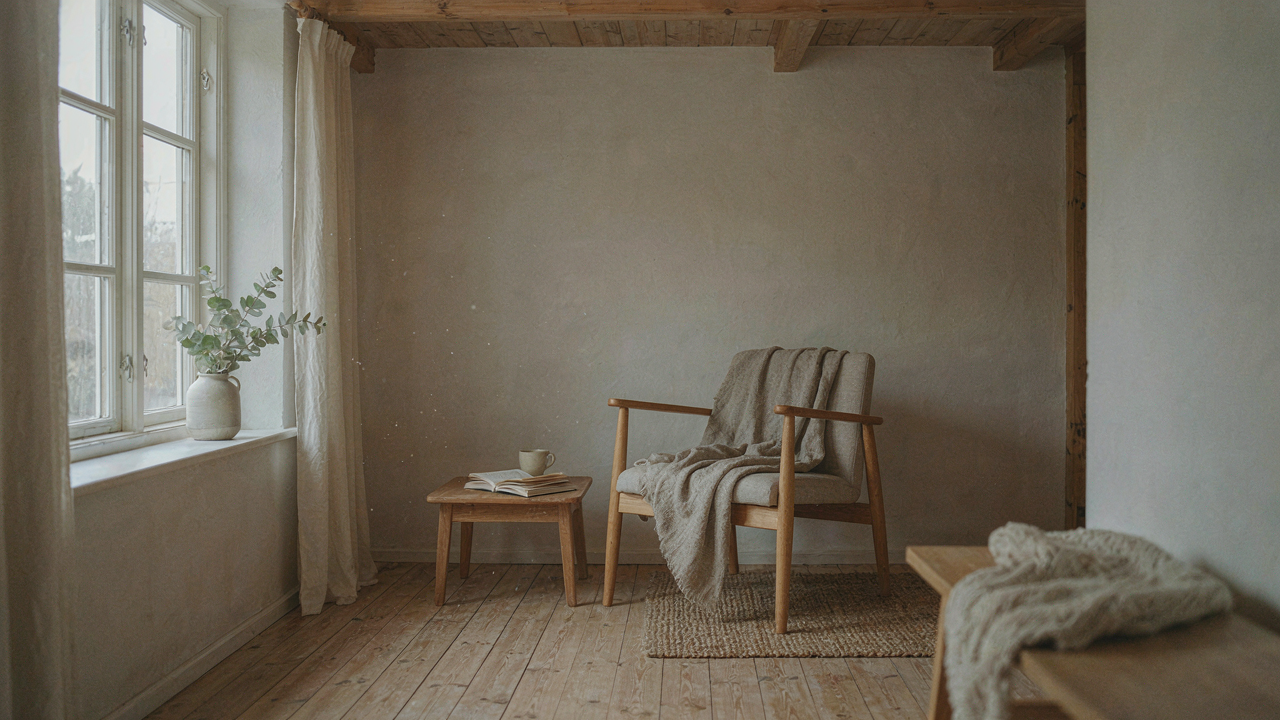
You want to believe a room can feel expensive without being expensive, and that’s why hygge seduces you. But comfort isn’t a feeling you generate through candlelight and wool blankets. Comfort is friction removed from daily function. The Scandinavian cottage interior solves a specific climate problem: long dark winters in uninsulated spaces with minimal heating. Soft textures aren’t decorative—they’re thermal insulators that replaced central heating people couldn’t afford.
The mistake most people make is importing the aesthetic without the logic. You cannot buy coziness. Hygge works because Scandinavian cottages were built with tight corners, low ceilings, and materials that trap warmth and sound. Recreating the look in a modern open-plan home with vaulted ceilings produces the opposite effect: a sterile room that looks like a catalog shoot. The texture has to serve a thermal or acoustic function or it reads as staged.
The Real Job Scandinavian Design Does
Contrary to design media, Scandinavian cottage interiors don’t exist to make you feel emotions. They exist to solve material constraints. Borrowing from systems thinking, the core function of this design language is “constraint-driven optimization”—doing more with less because you have no other option. In 18th and 19th century Nordic cottages, softness came from linen, wool, and untreated wood because those materials were local, renewable, and performed under stress.
Every design choice reflects a protocol: choose materials that age visibly so you know what’s failing, use layered textiles for adjustable insulation, keep surfaces simple so cleaning requires minimal water and resources. The Scandinavian cottage interior is a closed-loop system. Soft natural textures aren’t chosen for warmth alone—they’re chosen because they reveal wear patterns that signal when replacement is needed, extending your decision-making window rather than forcing sudden renovation. When you select a piece for your space, ask what problem it solves beyond aesthetics.
Strategic Austerity: The Unspoken Rule Of Scandinavian Cottage Design

Stripping Away The Excess
You want to look refined without appearing cold. That’s the real tension here. The mechanism behind Scandinavian cottage design works like signal-to-noise ratio in information design: every object either communicates or competes. Remove the competitors and your intentional pieces gain authority. Scandinavian interiors strip surfaces bare not from poverty but from clarity. Fewer items mean each one registers. The eye doesn’t fragment across clutter searching for meaning.

This explains why cheap trinkets and decorative objects ruin the aesthetic instantly. They activate visual noise the moment you add them. The cottage interior gains power through subtraction. A single ceramic vessel on a shelf commands more attention than five. Restraint isn’t deprivation. It’s aggressive curation. Remove everything that doesn’t anchor the room to a specific mood or material story.
Purpose Before Possession
Most advice tells you to choose pieces you love. Wrong framework. Scandinavian cottage design asks what each object does first, aesthetics second. A piece earns its place by solving a problem or enabling a function. A wooden bench stores items and provides seating. A linen throw manages temperature and drapes naturally. A stone vessel holds water or wood. The sentimental object with no utility becomes furniture you’re storing, not designing with.
This distinction matters because sentiment creates bloat. The inherited candlestick your grandmother owned carries emotional weight but occupies physical space. In a cottage interior built on restraint, every item must justify itself functionally or it creates visual debt. Before adding anything, state its purpose in five words or less. If you can’t, it doesn’t belong.
The Brutalist Comfort Protocol For Your Cottage Interior
Materials That Earn Their Weight
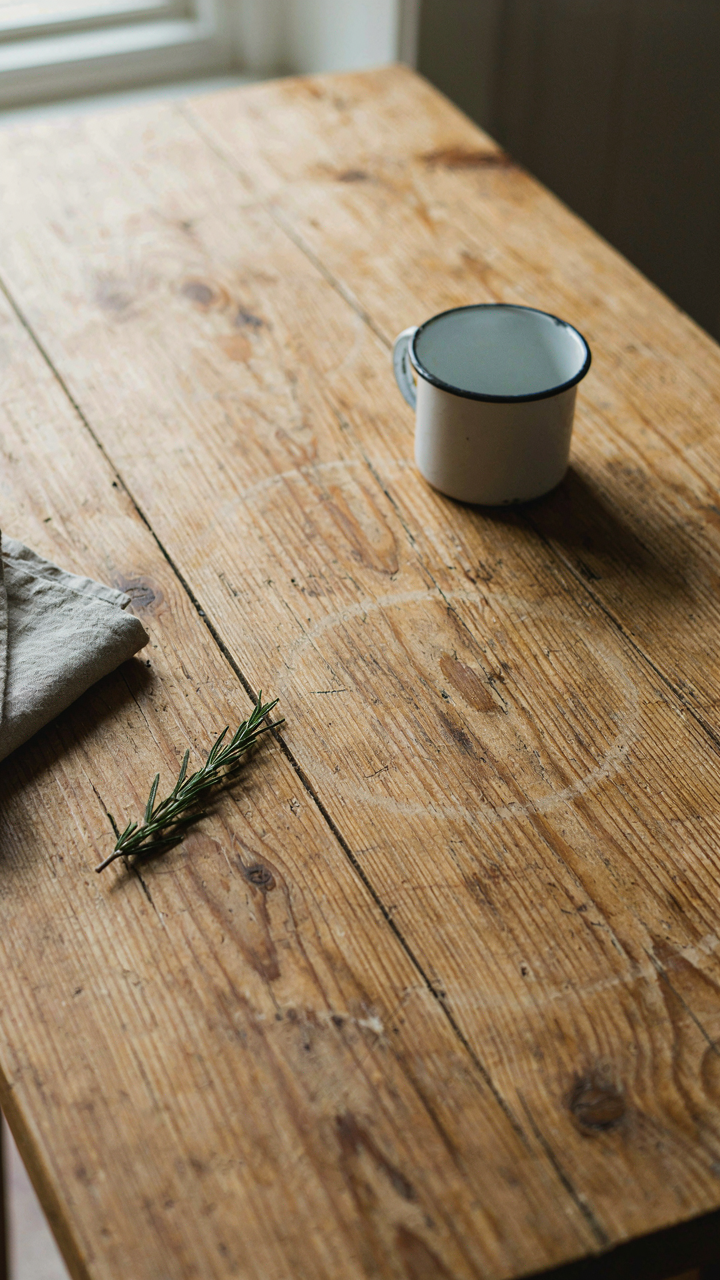
You want this space to feel intentional and curated, not like you’re pretending to live simply. Here’s the mechanism: durability is the only honest aesthetic. In Scandinavian design philosophy, a material proves itself through time, not appearance. Wood—specifically softwoods like pine and spruce—dominates Nordic cottages because they age predictably and require minimal intervention. The grain darkens. Surfaces develop patina. You’re not fighting entropy; you’re documenting it.

Stone, wool, and linen follow the same logic. These materials perform work. Stone handles heat and moisture without degrading. Wool insulates and hides soil better than synthetics. Linen softens with washing instead of pilling. The Scandinavian cottage interior rejects anything chosen for looks alone. Every surface should function harder than it photographs. When you select materials this way, maintenance becomes transparent—you’re simply letting the object do what it was designed to do.
Reduction As A Design Constraint
The common advice frames minimalism as aesthetic preference. Wrong. Minimalism in Scandinavian cottage interiors operates like constraint-based problem solving in engineering: remove variables until only essential functions remain. Each object must justify its presence through use or structural integrity. Nothing decorative. Nothing redundant. A shelf holds books. A table seats people. A lamp produces light. The visual clarity you get is a side effect of ruthless functional thinking, not the goal.
This approach actually reduces decision fatigue and maintenance burden. Fewer objects mean fewer surfaces to clean, fewer things to arrange, fewer aesthetic choices daily. You stop performing and start inhabiting. The protocol is simple: before adding anything to your cottage interior, name its specific function. If you cannot state it clearly in one sentence, it doesn’t enter the space. This isn’t austere—it’s efficient living with texture and warmth built into the materials themselves.
Beyond Soft Textures: The Tactile Feedback Loop Of A Scandinavian Cabin Interior
How Touch Sharpens Attention
You want this room to feel calming so you can finally focus, but you’re confusing texture with sedation. The mechanism is neurology: touch input competes with cognitive noise. Scandinavian cottage design uses specific textures because they demand just enough sensory attention to quiet the mental chatter without triggering stress. Linen, untreated wood, and wool create what neuroscience calls “proprioceptive anchoring”—your nervous system registers the surface and stops reaching for stimulation elsewhere. A rough wool throw on a chair does this better than a smooth synthetic because the fibers vary slightly, forcing real contact instead of passive draping.
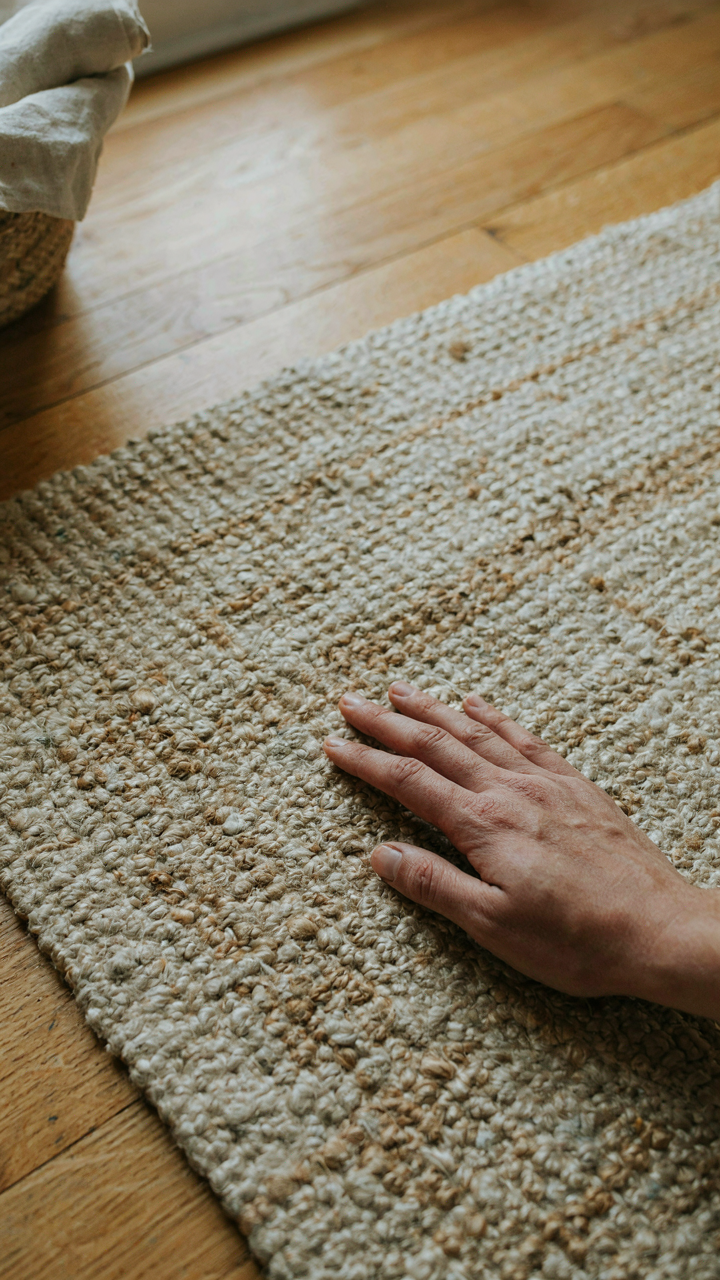
The cottage interior achieves this through materials that refuse to disappear. Chunky knit blankets in natural fibers, sanded pine surfaces with visible grain, and hand-woven rugs all share one trait: they push back. When you touch them, they communicate. This isn’t philosophy. Your fingertips send consistent data to your brain, and your brain stops treating the space as invisible background. Spend five minutes running your hand across a genuine linen upholstery versus a polyester copy. One roots you. The other doesn’t.
Natural Materials As The Nervous System Reset
Grounding works through disruption of the dopamine cycle, not mystical earth connection. Your body recognizes raw wood, undyed fibers, and stone because they’ve been part of human environments for millennia. Scandinavian cottage design exploits this by stripping away processed finishes. A cottage interior built on these materials tells your nervous system there’s no threat here, no cheap shortcuts, no planned obsolescence lurking in the fibers. Oiled wood, untreated linen, and natural rubber underfoot activate a physiological downshift that polished surfaces can’t replicate.
The placement matters as much as the material. A single piece of raw oak visible on a shelf, a jute rug under your feet as you enter, a wool cushion at arm’s reach on the sofa—these aren’t decorative choices. They’re the first contact points your skin encounters. Scandinavian cottage interiors prioritize these entry surfaces because they set the tone before you sit down. When your hand touches unfinished wood or loose-weave linen first, the rest of the room feels coherent. When synthetic textures meet your skin first, no amount of natural elements in the background will reset the response.
The Unfinished Aesthetic: Why Perfection Kills Your Scandinavian Cottage
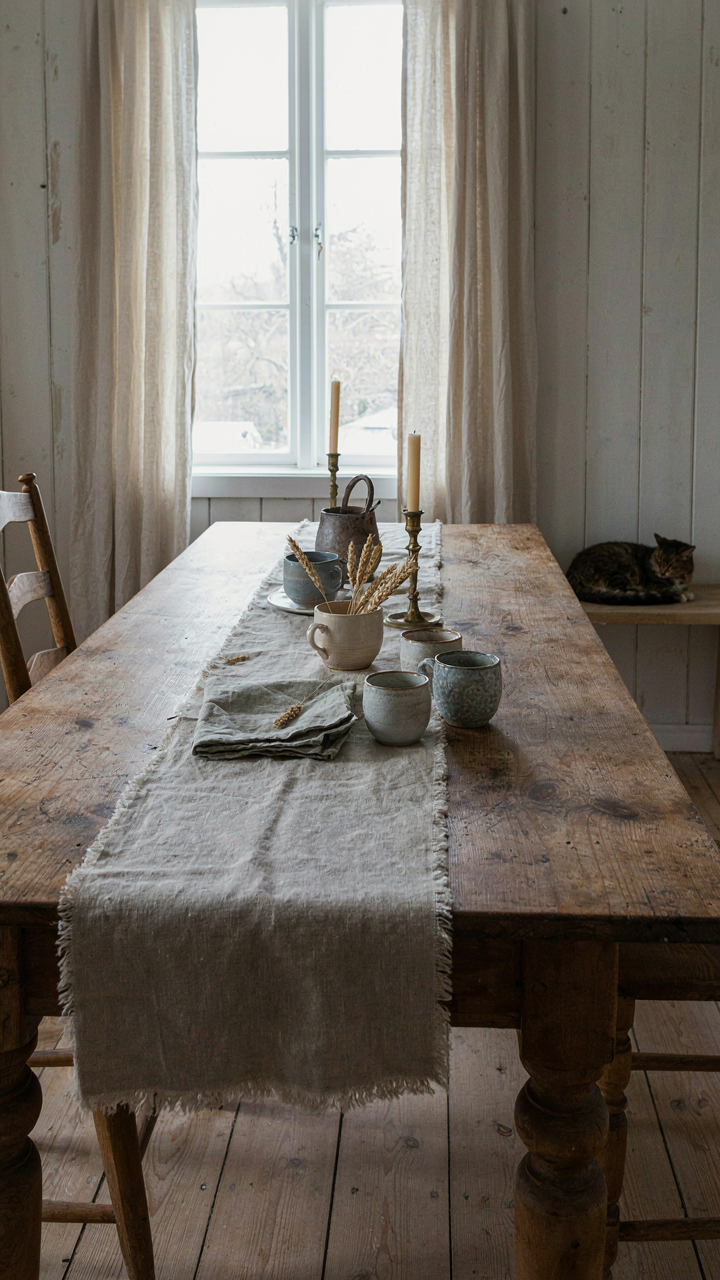
Embracing Imperfection For Longevity
You want your cottage to look intentional and curated, not like you stopped trying. Here’s what actually happens: the moment you chase flawless execution, you trap yourself into constant maintenance and replacement cycles that contradict the entire point of Scandinavian design. The real mechanism is durability through acceptance of use-marks, not resistance to them.

Scandinavian cottages were built in climates where wood swells, shrinks, and weathers visibly. Rather than fight this, the tradition treats material change as inevitable and honest. A table scratched from fifty years of family dinners reads as authentic. A beam darkened by smoke and time reads as established. When you design expecting this evolution instead of preventing it, you stop wasting resources on restoration and start building things that improve with honest living.
Patina As A Design Feature
The common advice treats patina like damage you tolerate. Wrong. In materials science, oxidation and surface degradation are predictable chemical processes, not failures. Scandinavian cottage design harnesses this by selecting materials and finishes that age in specific, controlled directions rather than random deterioration.
Raw or lightly sealed wood surfaces oxidize to silver-gray tones predictably. Unglazed ceramics absorb stains that map usage patterns. Linen fabrics fade uniformly. The strategy is material selection that guarantees beautiful aging, not hoping age looks good anyway. Choose untreated pine over polyurethane, natural linen over synthetic blends, and raw stone over polished. Document your initial baseline so the transformation from new to established reads as intentional rather than neglected.
The Scandi Cabin Light Manipulation Method
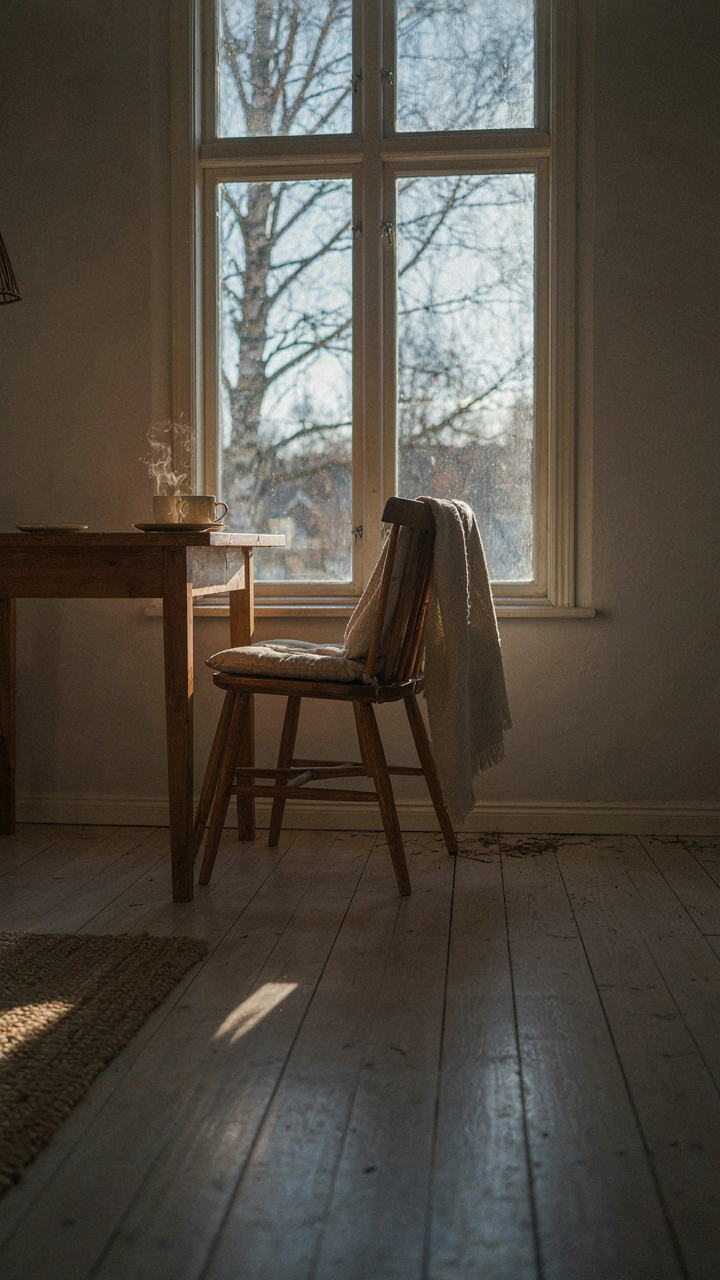
Natural Light Anchors Your Circadian Schedule
You care about this because you sense your energy crashes in winter and want a design fix to blame instead of examining your actual habits. Here’s what matters: chronobiology is the study of biological time, and your circadian rhythm functions as the operating system for your cottage’s functional layout. Winter in Scandinavia means 3-4 hours of useful daylight. The cabin doesn’t fight this. It surrenders to it strategically.

Scandinavian cottages position primary living spaces on the south and west sides where low-angle winter sun penetrates deepest. Large windows—typically unadorned or with minimal treatment—face these directions. The mechanism is direct: more morning and midday light exposure resets your melatonin production and cortisol timing, which then influences sleep quality and alertness for the rest of your day. This isn’t decoration. It’s behavioral architecture.
Artificial Light Completes The Work Day
The common advice about “warm lighting” and “ambiance” misses the actual function. Task lighting in a Scandinavian cottage isn’t about feeling cozy. It’s about finishing work when natural light fails, which happens by 3 PM in December. Focused light sources—pendant fixtures over work surfaces, directed floor lamps near seating where reading happens—create zones of visibility without flooding the entire room with uniform brightness.
Pendant lights hung 24-30 inches above tables, desk surfaces, or kitchen work areas prevent eye strain during focused tasks. Wall-mounted sconces beside seating provide directional light for detail work. The principle mirrors industrial efficiency: light exactly where you need it, nothing wasted. This separation of task zones from ambient space is why Scandinavian cabins never feel cluttered despite being small. Purpose determines placement, not aesthetic balance.
Scandinavian Cabin Kitchen: The Culinary Command Center
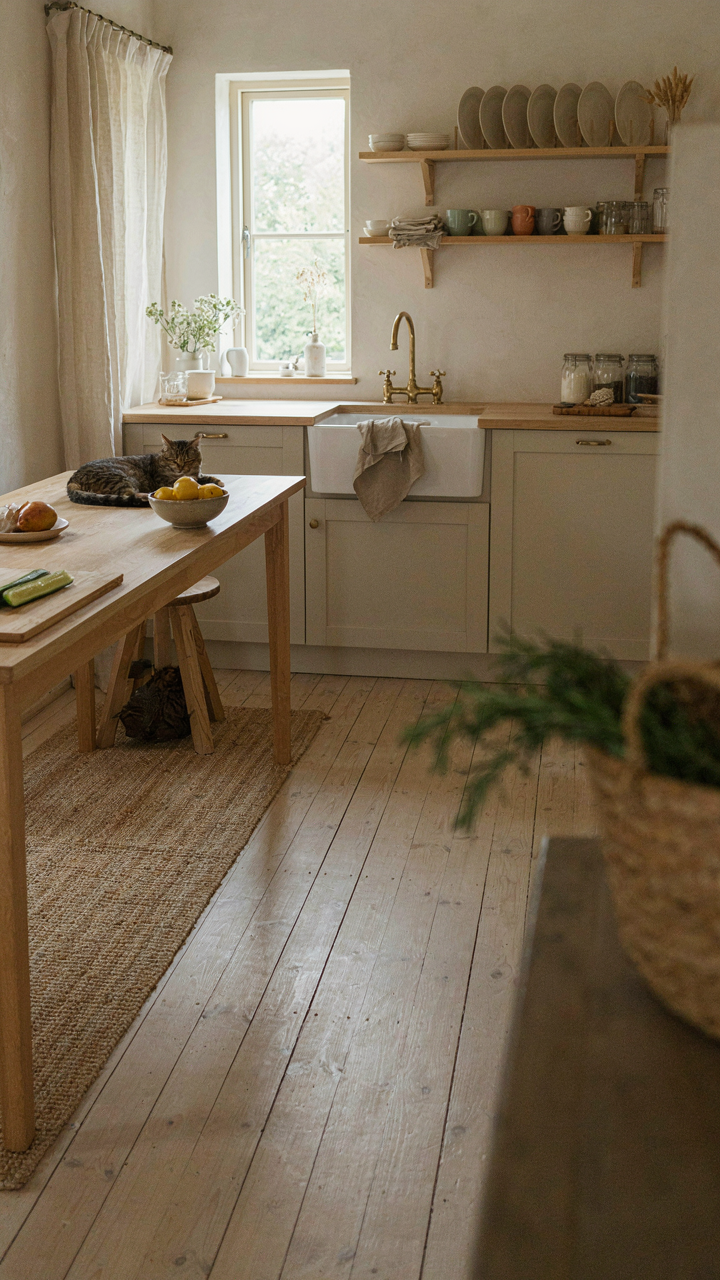
Work Zones Before Aesthetics
You want your kitchen to look intentional, not like you’re trying. The real mechanism is workflow—applying ergonomic zones from commercial kitchens to residential space. You separate prep, cooking, and cleaning into distinct areas to eliminate wasted steps and friction. Scandinavian cottage kitchens flatten this hierarchy because the space is small, but the principle holds: position your stove, prep surface, and sink in a triangle that minimizes backtracking. Distance matters more than decor.
Most cottage kitchens fail because owners stack functions on top of each other without thinking about movement patterns. A wooden prep table placed perpendicular to your sink cuts prep time and creates natural flow. The surface material stays practical—oiled birch or pine handles moisture and wear without demanding refinishing every season. You’re not building for show; you’re building for use.
Smart Storage Without Visual Clutter
The common advice is to “hide everything,” which creates dead space and forces you to hunt. Instead, scandinavian cottage storage follows the principle of visibility through restraint: store only what you use regularly, organize it by frequency, and display it on open shelving or within glass-fronted cabinetry. You see everything without seeing clutter. The constraint forces discipline.
Open shelving in a cottage kitchen works because the space is intimate. Use natural wood shelves with brackets of wrought iron or simple steel. Stack bowls, plates, and jars by material and size—this creates visual rhythm that functions as both organization and decor. Deep drawers with dividers handle utensils and linens. The mechanism is simple: if it takes more than three seconds to find something, you’ve stored it wrong.
Modern Scandinavian Cabin Interior: Dispelling The “Rustic” Delusion
Technology Belongs In Plain Sight
You want Scandinavian cottage interiors to feel timeless so nobody questions your taste, but the real mechanism is this: Scandinavian design emerged during electrification, not before it. The movement solved a real problem—how to integrate modern systems without aesthetic compromise. Hiding technology behind walls or false panels creates visual clutter disguised as minimalism. Exposure forces you to design the object itself worth looking at, which is the actual constraint that drives quality.
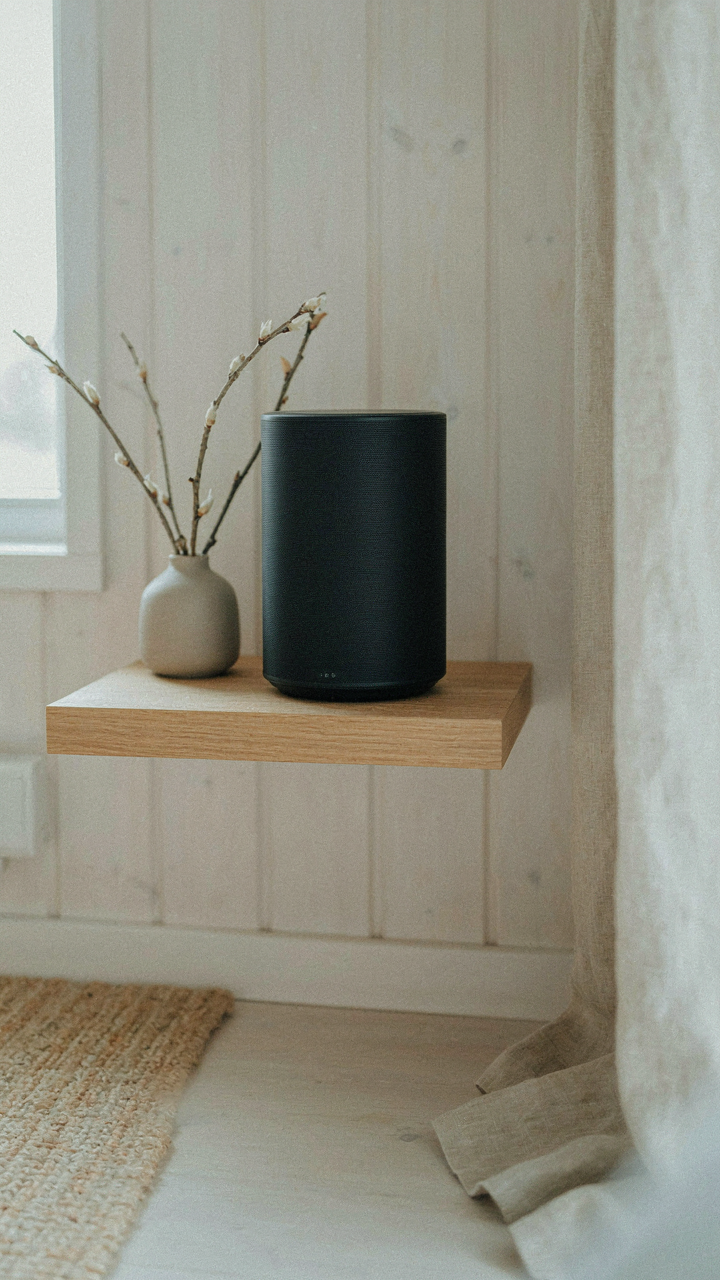
Modern Scandinavian cabins display technology as part of the material palette. A sleek black speaker sits on a shelf like a book. Charging cables run along baseboards in neutral tones, visible but not competing with sightlines. Stainless steel appliances or matte black fixtures become design elements through proportion and placement, not concealment. This approach demands intentionality—every visible item must earn its presence through form and function alignment.
Straight Edges Create Decision Space
The common advice says clean lines are calming, which misses the actual leverage. Think of your visual field like cognitive load in information design—each diagonal, curve, or pattern interrupts processing. Straight lines in Scandinavian cottage interiors reduce decision friction. Your eye moves predictably. Your brain allocates fewer resources to navigation and more to comfort.
Implement this by standardizing angles: vertical posts, horizontal shelving, square table corners. Avoid mixing geometry types in a single room. Textiles introduce pattern without adding angles—a woven throw on a linear sofa reads as single-purpose. The goal isn’t sterility; it’s removing unnecessary cognitive obstacles so soft textures and natural materials become the focus rather than competing elements.
The Enduring Utility Of The Cottage Interior
Function Over Fashion Statement
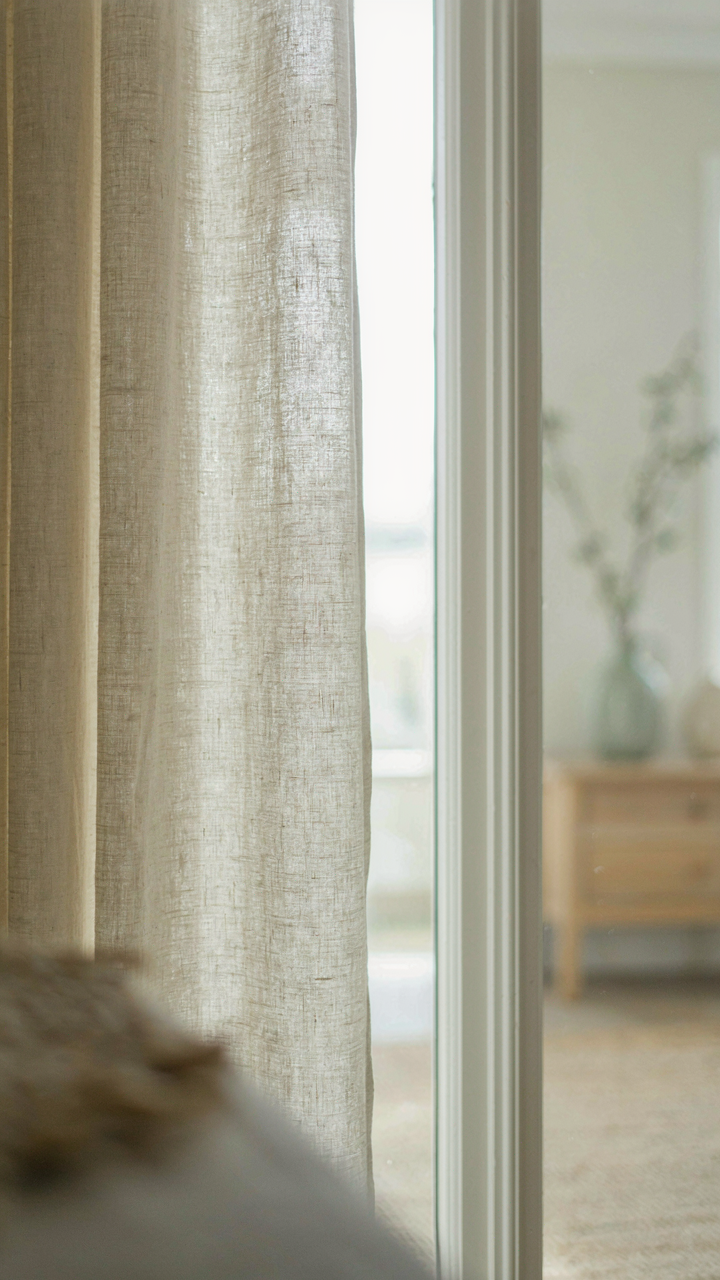
You want this section to reassure you that your choices won’t look dated in five years. Here’s the mechanism: Scandinavian cottage design works because it strips away ornament and builds from material reality instead. A linen curtain doesn’t trend because linen performs. It diffuses light predictably. It ages visibly but doesn’t degrade functionally. This is the opposite of trend-driven design, which optimizes for novelty, not use.

The Scandinavian cottage interior emerged from necessity, not aesthetics. Rural Nordic homes needed interiors that handled extreme seasonal shifts, low light, and material scarcity. Heavy wool textiles retained heat. Light woods reflected available light. Minimal decoration meant faster cleaning and fewer surfaces for moisture to damage. These aren’t design choices—they’re engineered solutions that happen to look restrained. When you copy the function, the aesthetic follows automatically.
Design That Compounds In Value
Economic theory calls this “negative time preference”—choosing something that costs more upfront but saves resources over time. A Scandinavian cottage room built on solid wood, natural fiber textiles, and simple joinery becomes cheaper per year of use as it ages, while trend furniture becomes more expensive to maintain or replace. You’re not buying aesthetic preference. You’re buying a system that rewards patience.
A linen sofa, solid pine table, and wool rug purchased today will outlast three cycles of trend-driven furniture. The materials visibly improve with wear. Linen softens. Wood develops patina. Wool compacts into density. This is the opposite of planned obsolescence. Invest in pieces that perform at year one and year twenty, using the same materials Scandinavian craftspeople selected over centuries. Your actual cost per use drops every year. That’s the mechanism that makes this worth doing.
Curating Your Environment: The Scandinavian Cottage Edit
Principles For Object Selection
You want permission to keep things. That’s the real reason you’re reading this section. The mechanism is simple: Scandinavian design applies economic principle of scarcity to objects. Limited resources in Nordic climates forced deliberate selection. You keep only what serves function or creates genuine visual rest. Everything else adds cognitive load, not value.
- Utility first: Every piece must earn its space through use or honest material beauty. Decoration for decoration’s sake violates the entire framework.
- Material authenticity: Wood, linen, wool, ceramic. These materials age visibly and improve with time. Plastic and veneers degrade and break the visual continuity.
- Color restraint: Whites, grays, blacks, and natural wood tones. One accent color maximum. Restraint isn’t limitation—it’s precision.
- Scale to the room: Oversized furniture in small cottages creates visual chaos. Undersized pieces disappear. Match proportions to actual wall lengths and ceiling heights.
- Touchable surfaces: Rough linen, worn wood, unglazed ceramic. Smooth plastic and high-gloss finishes signal mass production, not craft.
The edit isn’t about owning less for moral reasons. It’s about owning exactly what your eye needs to rest and your hands need to use. Before acquiring anything, state its function in one sentence. If you can’t, it doesn’t belong.
The Ruthless Decluttering Process
Everything you’ve heard about decluttering is incomplete. The common advice says to sort by category or ask if something sparks joy. Both miss the actual problem. Cottages fail when they hold objects from three different aesthetic systems at once. A mid-century chair, a boho throw, a farmhouse sign. They cancel each other out. Your eye never settles.
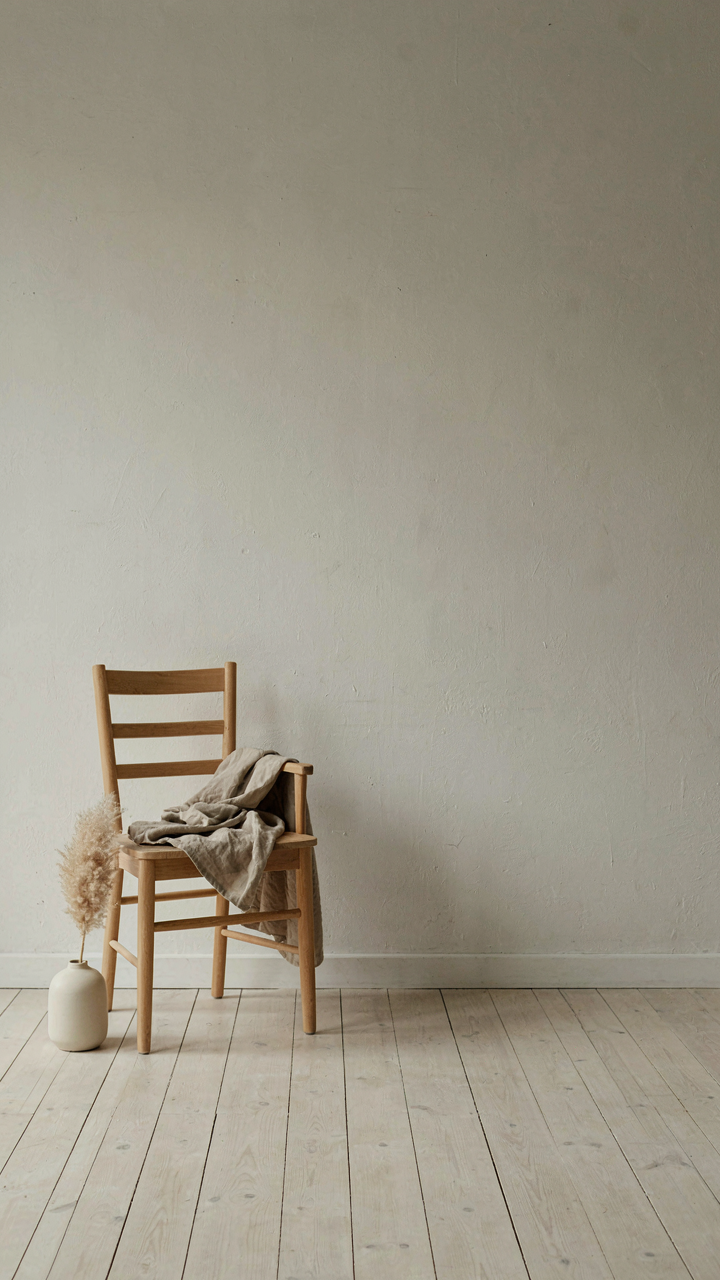
Start by defining one visual language for each room. Scandinavian cottage has specific markers: hand-finished wood, natural fiber textiles, minimal pattern, neutral base with one material accent. Now move through the space and physically remove anything that breaks that language. Not broken items—items that compete. A shiny vase. A patterned pillow. A decorative object that demands attention. One pass removes seventy percent of visual noise. What remains feels intentional instead of accumulated.
Your Clutter Isn’t A Design Problem; It’s A Decision Problem
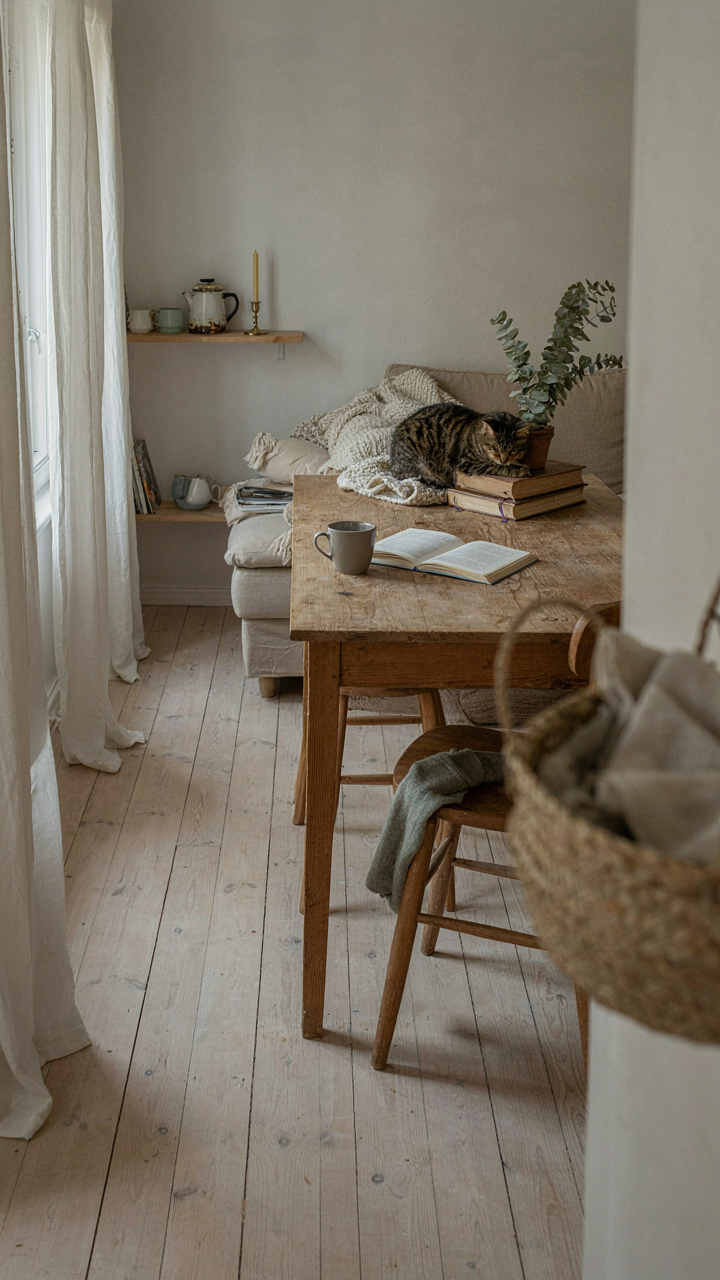
Most people blame Scandinavian design for their failed interiors. They think the aesthetic demands perfection. It doesn’t. It demands intention. Every object in a Scandinavian cottage interior earns its place through use or meaning, not decoration. You keep things because you chose them, not because Instagram told you to. Walk through your space today and remove one item you don’t actually touch. That’s the real design shift happening. Everything else flows from deciding what matters.