
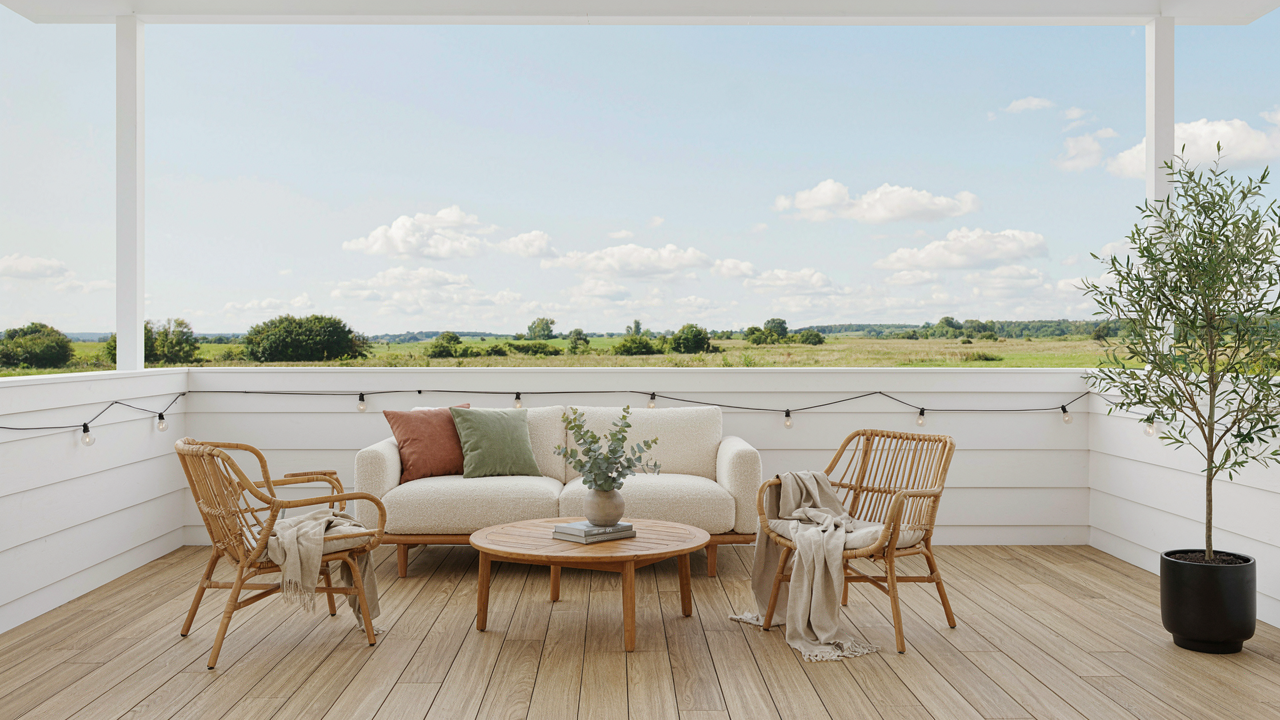
The Unspoken Truth: Why You Really Want A She Shed Deck

The Space You Don’t Have To Earn Back
You want a she shed deck because you’re terrified of losing focus to your phone. Your home is colonized by obligations. Every room broadcasts someone else’s needs. A she shed deck offers what architects call “threshold separation”—a physical boundary that signals to your brain that distraction doesn’t follow you here. It’s not about the hobby. It’s about reclaiming the mental real estate your devices have already claimed.
The mechanism works because transition spaces reprogram attention. Moving from your main house to a deck forces a mental reset. Your notification streams don’t follow the same way they would if you stayed indoors. The slight friction of going outside, sitting down, and settling into a task creates a circuit break in your habitual phone-checking patterns. This is why the deck matters more than an interior craft room ever would.
Attention Is Your Actual Problem
Nobody admits this, so here it is plainly: you don’t lack hobbies or interests. You lack the ability to sustain focus on any single thing for more than twenty minutes. A she shed deck doesn’t fix that directly, but it removes the environmental conditions that broke your focus in the first place. Environmental design beats willpower every time. That’s the lesson from behavioral economics that actually transfers to residential space.
The deck works because you can’t multitask while sitting outside with weather and light as your only stimuli. No tabs open. No devices within arm’s reach doing their best to interrupt you. You sit down to paint, read, write, or build something, and the structure of the space itself prevents you from context-switching. This is why a she shed deck produces consistency that an indoor studio rarely does. You show up because the space is designed to keep you there.
Beyond Instagram: Function Over Fluff For Your Backyard Studio

Start With What You Actually Do
You want the she shed deck to look like you’re someone who creates or thinks deeply. The real mechanism is this: a space designed around your actual behavior generates momentum. A deck built for the wrong activity kills motivation faster than no deck at all. Most people design backward from aesthetics, then wonder why they never use the space.

Define the primary activity first. Writing, painting, reading, crafting, video work—pick one. The deck’s dimensions, orientation, electrical access, and materials all cascade from this choice. If you’re working digitally, you need weather protection and power. If you’re hand-crafting, you need natural light and a work surface. The deck itself becomes a platform that supports the activity, not decoration that surrounds it.
Daylight, Shelter, And Surface Quality
Productive work in a she shed deck hinges on three non-negotiable elements. Daylight determines whether you can see your work and whether you’ll actually show up. A north-facing deck gets soft, consistent light without glare. A south-facing deck needs an overhang or shade structure to prevent heat and washout. East or west requires management but works if you build with trees or pergolas.
Weather protection separates a functional workspace from a seasonal novelty. A solid roof or three-sided cover with one open face gives you year-round use. Your deck flooring must drain fast—composite or pressure-treated wood with proper slope prevents pooling and rot. The deck’s surface quality determines whether you’ll treat it as a real workspace or just a furniture display.
The “Deep Work” Deck Protocol
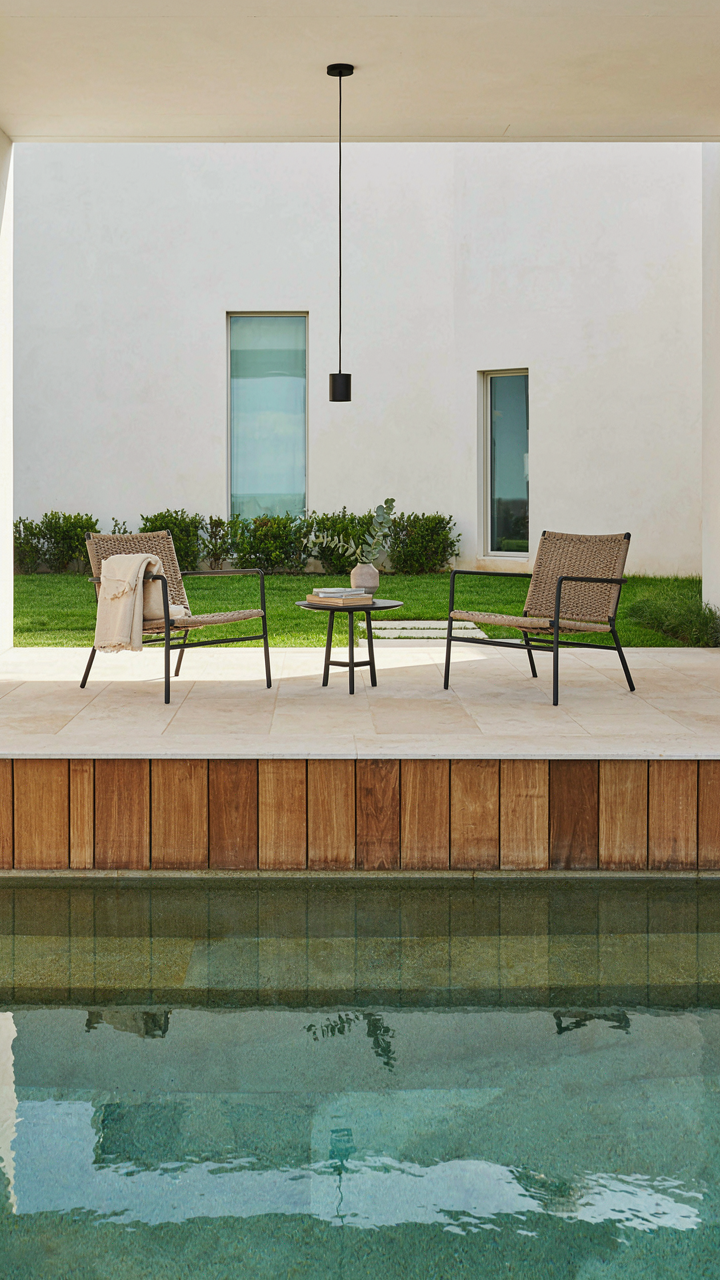
Deck Layout For Unbroken Attention
You want the porch seating because you think it looks good. The real reason you need it is because your brain can’t focus without a physical buffer between you and interruption. Neuroscience calls this “environmental friction.” A she shed deck with purposeful porch seating creates a defined threshold that signals to others you’re unreachable. Distance matters more than locks.

The deck’s depth becomes your moat. Position seating six to ten feet from the shed entrance, perpendicular to foot traffic sight lines. This forces anyone approaching to make a conscious choice to interrupt, not an unconscious drift toward your door. A four to six foot deep porch accomplishes this without wasting square footage. The geometry itself does the filtering work.
Blocking Intrusion Points On Your Porch
Most she shed advice tells you to add privacy screens. That’s incomplete. Screens look busy and still allow sound and visual fragments through. What you need is strategic opacity at entry points. Position seating so the shed door sits behind you, not in your peripheral vision. Add the deck railing at a height that blocks ground-level sight lines into the workspace itself.
Sound bleeds through more readily than sight. A she shed deck with porch positioning near the property edge, away from the main house, reduces ambient noise by distance alone. You don’t need elaborate soundproofing. A simple railing with solid lower panels, eight inches to two feet high, stops background chatter from reaching your work zone. The porch becomes a noise buffer, not decoration. Sit where you face away from the house.
Small Garden Office: Maximize Space, Minimize Clutter
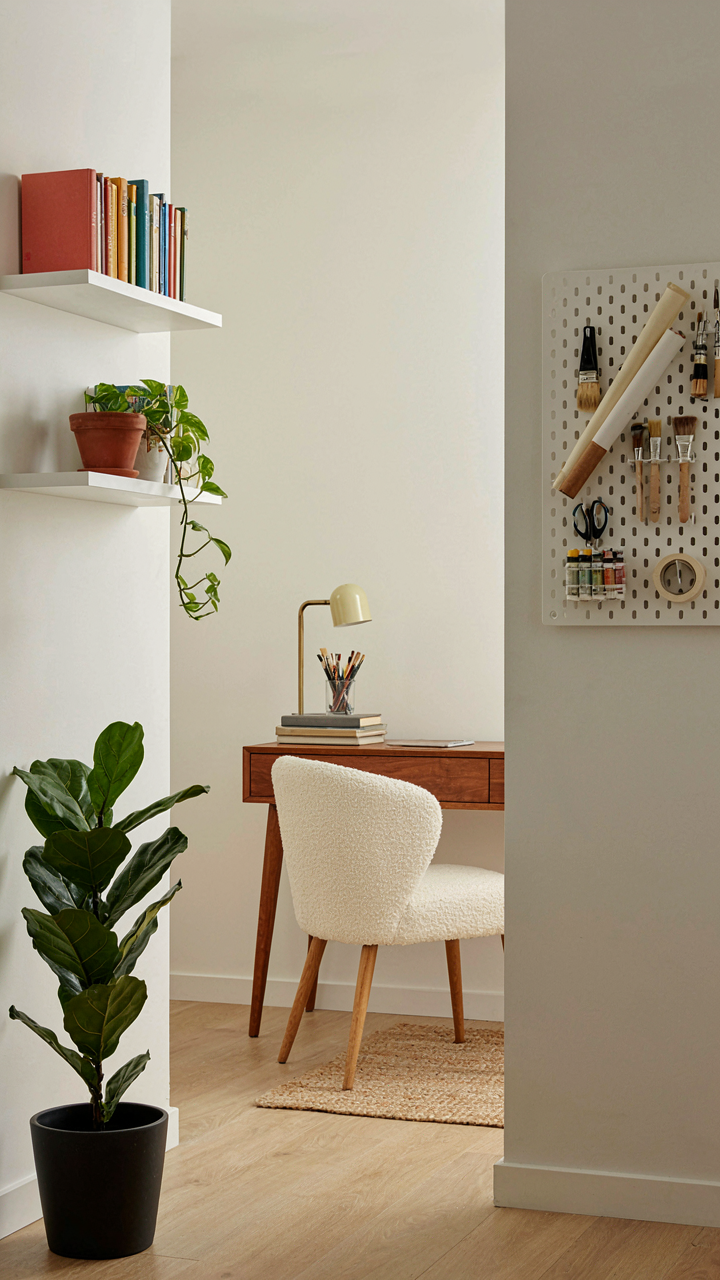
Go Vertical Or Go Home
You want people to think you’re organized when they visit your she shed deck. The real mechanism is this: horizontal surfaces collect debris. Vertical storage eliminates the decision fatigue of where things land. In industrial design, this principle is called stacking density—the ratio of usable storage to floor footprint. A she shed deck with wall-mounted shelving, pegboards, or ladder-style organizers reclaims square footage without eating into your workspace. The constraint forces intentionality.

Wall-mounted solutions also create sight lines. When every item has a defined vertical position, you spot what’s missing or duplicated instantly. Corner shelves, magnetic strips for metal tools, and tension rods for rolled materials transform dead space into active storage. Install these at arm height to avoid reaching overhead repeatedly. This reduces fatigue and makes your work area functional for eight-hour stretches, not just weekend projects.
Surfaces That Earn Their Weight
Generic advice says buy a small desk and a stool. That’s lazy. You need furniture that solves multiple problems simultaneously. A fold-down desk mounted to the wall becomes a work surface that vanishes when you need floor space for projects or seating. A storage bench acts as both a seat and a repository for blankets, tools, or seasonal items. A rolling cart with multiple tiers stores supplies while moving to wherever you’re actually working that day.
The she shed deck thrives on reversible commitments. Furniture on wheels, hinged shelves, and drop-leaf tables let you reconfigure the space without renovation. A narrow console table behind a seating area stores office supplies vertically while staying invisible to someone sitting on your deck. When your physical environment stops fighting your workflow, you stop wasting energy on friction. Build for the work you actually do, not the aspirational version of yourself.
The “Architectural Psychology” Of Your Shed Deck
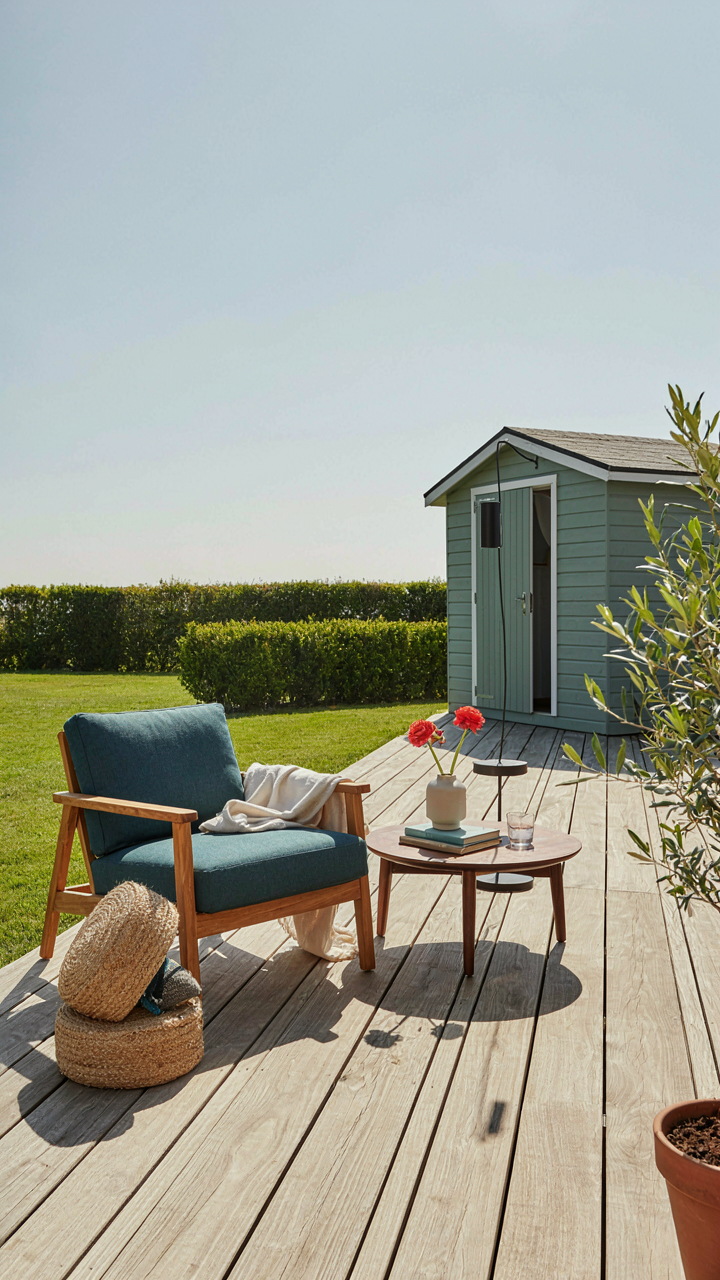
Light And Views Shape What You Actually Do There
You want this space to feel intentional so you stop feeling guilty for spending time away from the main house. Here’s what actually happens: environmental psychology shows that natural light and sightlines directly regulate circadian rhythm and mood regulation through exposure to blue wavelengths and spatial depth cues. Your deck’s orientation and view access aren’t decoration—they’re the operating system for whether you use this space or let it become storage.

East-facing decks catch morning light, which elevates cortisol naturally and primes focus work. South-facing decks bake during peak afternoon hours, which numbs productivity but suits social lounging. West-facing exposure creates evening wind-down conditions. The view matters equally. A view of trees or water reduces mental fatigue faster than a view of the fence line or your neighbor’s siding. Position your seating to face the best view available, not toward the shed or the house.
Layout Nudges You Toward Specific Behaviors
Behavioral economics teaches us that friction shapes choice architecture—the physical setup determines which action requires least effort, and people take that path by default. Your deck layout works the same way. If your porch seating faces the main house, you’ll sit facing it. If it faces outward toward landscape, you’ll sit facing that instead. The first setup makes the shed feel like an extension of obligations. The second makes it feel like escape.
Common advice says “arrange furniture for conversation,” which works if conversation is your actual goal. Most people want this space for solo focus or small-group quiet. Position the primary seating perpendicular to the shed entrance, creating a natural buffer zone between work-mode and leisure-mode. This single layout shift reduces the psychological weight of chores pulling your attention and makes the deck a functional alternative to your office or living room.
She Shed Makeover: Upgrading For Utility, Not Just Looks
Quick Wins That Actually Work
You want this section to validate that your she shed deck isn’t half-finished. The real mechanism is simple: a functional space compounds in value every time you use it, while a pretty one you avoid costs money for nothing. Functionality breeds habit. Habit breeds use.

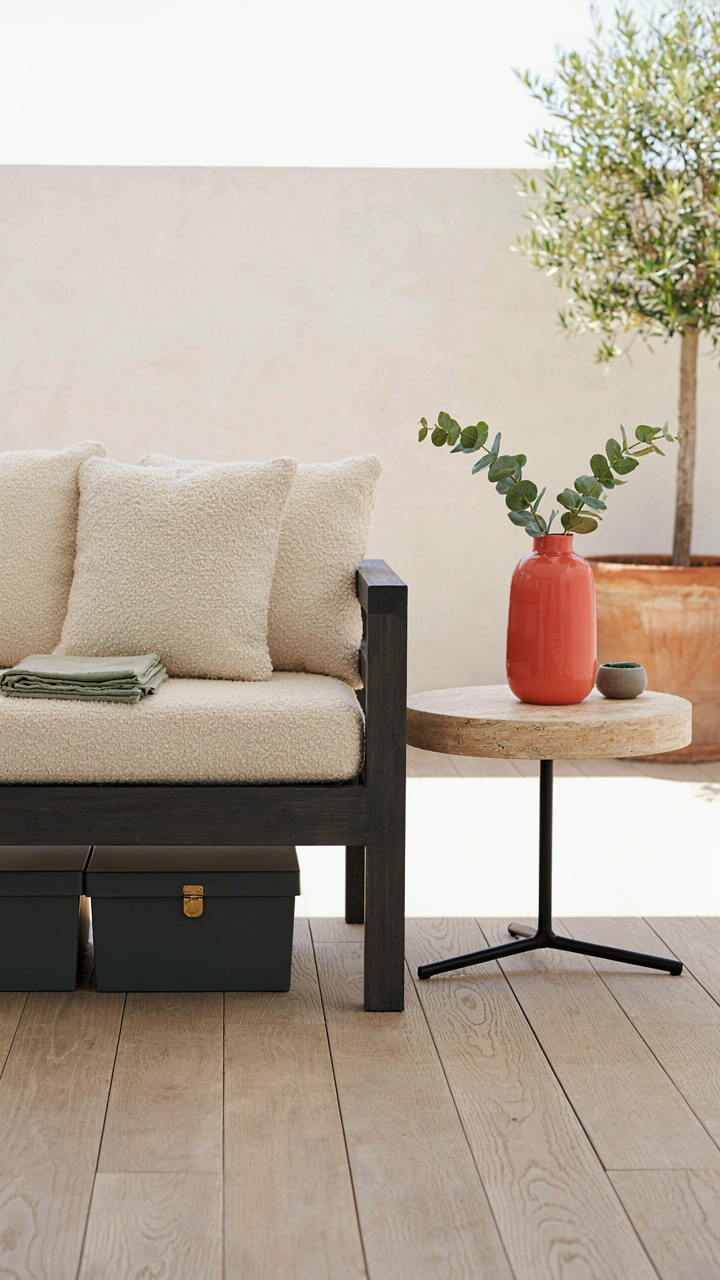
Start with what breaks first: handrails, steps, and deck boards that cup or splinter. These aren’t cosmetic. A wobbly step costs you a liability claim or a fall. Add weatherproof storage boxes beneath seating to hide tools and seasonal items. Install a simple overhead structure, even partial shade cloth on a frame, to extend usable months. These improvements solve friction points that prevent you from actually spending time there.
- Handrails and step reinforcement: Prevents falls and protects against liability. Use pressure-treated lumber or metal brackets rated for residential use.
- Under-seat storage boxes: Captures dead space and keeps gear organized. Build simple wooden boxes with piano hinges and weatherproof stain.
- Partial shade structure: Extends deck season by blocking direct sun. A simple frame with shade cloth costs less than roofing but adds months of comfort.
- Deck board replacement or sanding: Splinters and cupping destroy the invite to sit. Sand high-traffic areas or replace compromised boards before they fail.
- Ground-level access paths: Worn grass or mud around the deck signals neglect. Lay stepping stones or mulch to define approach and reduce maintenance friction.
The mistake most people make is treating upgrades as decoration projects. They’re not. Each improvement removes one friction point between you and actually using the space. Track which improvements you use within two weeks. Those are your real priorities. Everything else waits.
Materials That Don’t Bleed Money
People buy expensive decking materials thinking longevity equals value. That math breaks when the she shed sits unused because the deck was over-designed and under-thought. The actual lever is material selection that matches climate stress and maintenance tolerance, not Instagram aesthetics.
Pressure-treated lumber dominates for a reason: it costs less upfront, handles moisture without rotting for 15 to 20 years in most climates, and you can repair sections without replacing the entire deck. Composite materials cost two to three times more and fail in seating areas from repeated weight and movement. For accent pieces or railings, reclaimed wood or metal brackets cost the same as new premium wood but carry zero maintenance expectation and look intentional. Use concrete piers instead of burying posts in soil, which accelerates rot. Gravel or mulch base layers dry faster than bare earth, extending the life of framing underneath.
Stairs and railings pull budget fast because code requires specific materials and spacing. Use pressure-treated lumber for these and allocate your material budget to the deck surface where people actually stand and sit. A $200 railing that meets code outlasts a $800 composite railing that delaminates in five years. Paint or stain pressure-treated wood annually, not because it looks good, but because sealed wood repels moisture and adds five years of life per coat cycle.

Backyard Sheds: The Strategic Placement Of Your Porch Bar
The Path From Door To Drink
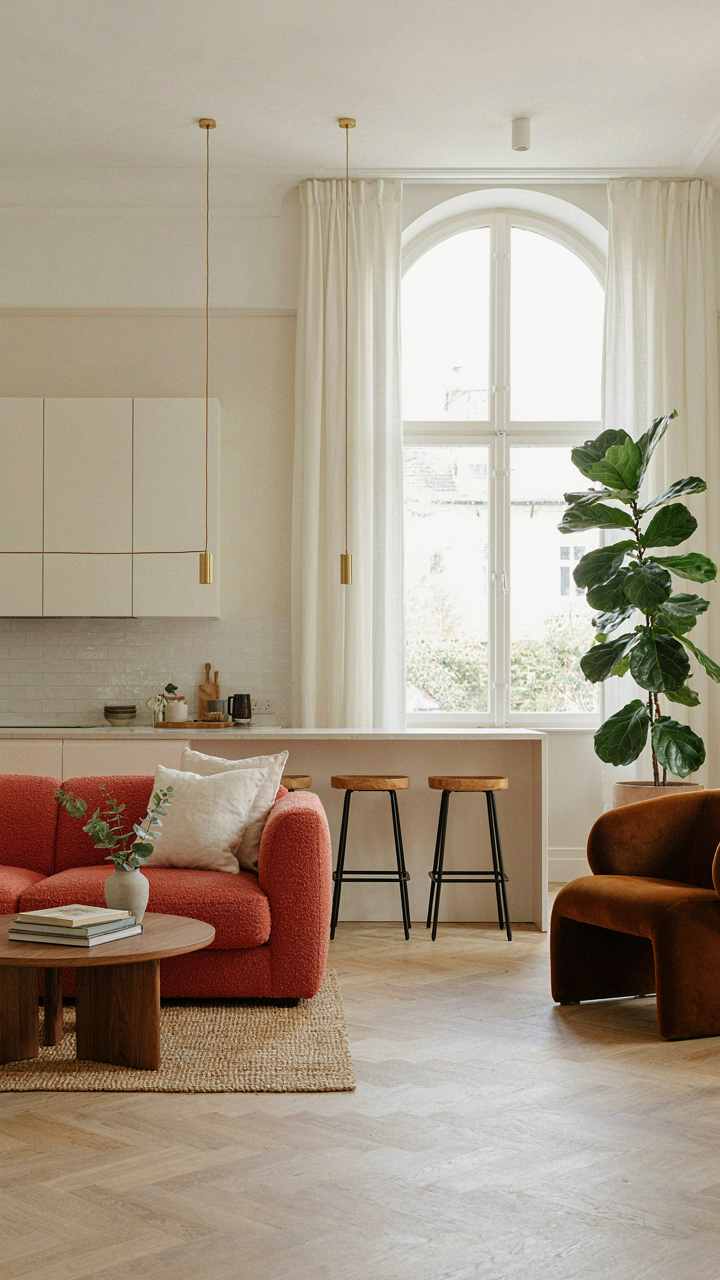
You want the porch bar positioned so guests never wonder where to go or feel like they’re interrupting something. That’s the real problem nobody states. Placement is logistics, not decoration. Think of it through site planning principles: you’re creating a circulation path. Position the bar on the side of the shed closest to the main yard entrance. This eliminates dead space and forces foot traffic past the bar naturally. A 4 to 6 foot setback from the shed’s front edge works. This distance creates a buffer zone where people can queue without blocking the shed’s entry door.
The bar itself should sit perpendicular to the main approach line, not parallel. Parallel placement creates a barrier. Perpendicular creates an invitation. Mount it 36 to 42 inches high, standard countertop depth. Ensure the deck surface extends at least 3 feet on both sides of the bar so two people can move past someone pouring a drink without contact. The porch seating should sit 8 to 10 feet behind the bar, creating a natural tiering effect that separates the service zone from the lounge zone. This single architectural decision eliminates congestion before it happens.
Protection Against The Elements
Everyone says seal your deck wood and call it done. That misses the actual mechanism. Wood fails under UV exposure and moisture cycling, not from one or the other. You need a two-layer defense system. Start with pressure-treated lumber rated for ground contact for all support posts and joists. Treat the deck surface itself with a water-repellent sealer every two years, not every three or four. The bar structure requires the same discipline: a sealed wood bar top or a composite surface, plus monthly inspection for standing water pooling on horizontal surfaces.
Your porch bar equipment matters for longevity too. Metal hardware corrodes faster than wood rots. Use stainless steel fasteners and hinges wherever metal touches weather. For a bar top made of natural wood, apply an exterior marine-grade polyurethane coat annually. Composite materials like PVC lumber for railings require cleaning but resist rot entirely. Position the bar so it slopes slightly away from the shed, creating drainage without creating a visible slant. Check all corner joints and seal gaps wider than a quarter inch with exterior-grade caulk. A five-minute inspection every spring catches problems that become expensive by summer.

The Resilient Studio: Building For Longevity And Low Maintenance
Materials That Don’t Rot Your Budget
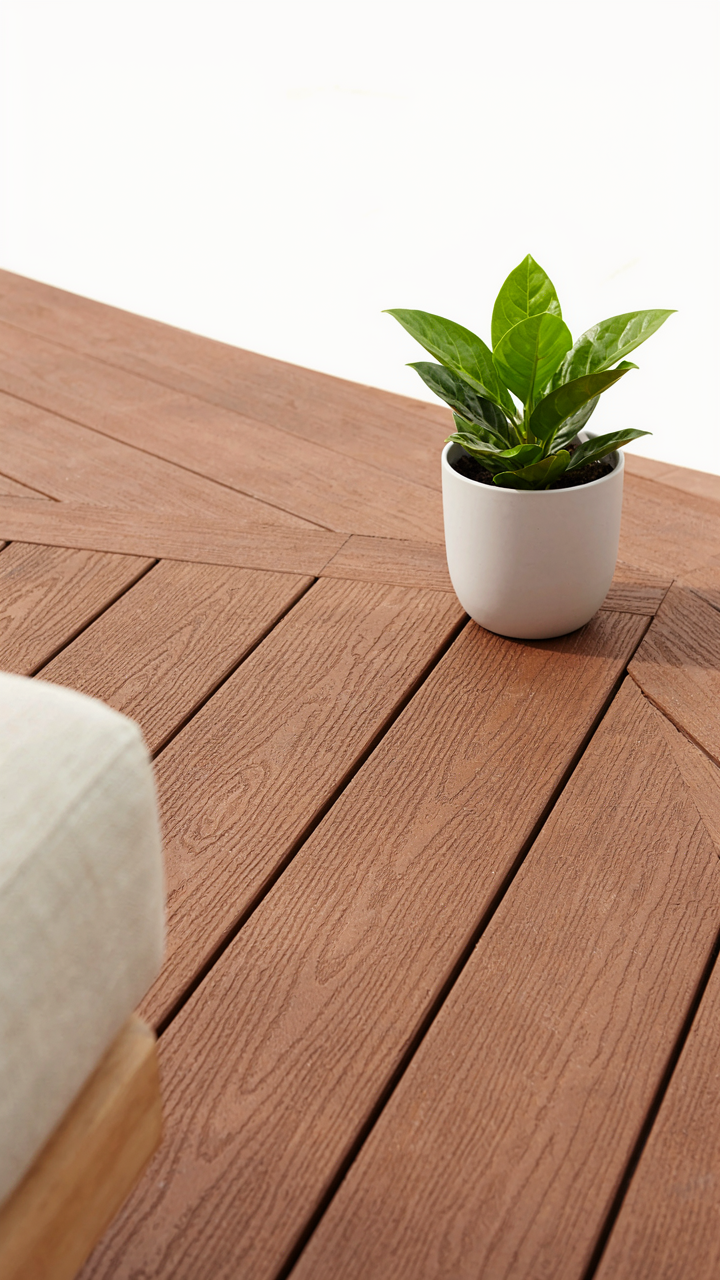
You want to believe a she shed deck will look pristine in ten years without touching it. It won’t. The real mechanism at play here borrows from materials science: decay resistance correlates directly with moisture barriers and chemical stability, not aesthetics. Pressure-treated lumber resists rot through copper-based preservatives that penetrate wood fibers, extending its life to 15-20 years when properly sealed. Composite decking—wood fibers bound in plastic polymer—eliminates rot entirely because fungi cannot digest plastic, though it costs 40-60% more upfront.
Treated wood demands annual sealant reapplication to maintain that barrier. Composites sidestep this through their material composition alone. The trade-off: treated wood ages visibly and needs stain refreshes, while composites fade uniformly and require only occasional cleaning. For a she shed deck where you’re not spending six figures, pressure-treated southern pine or Douglas fir works fine if you commit to a spring sealing ritual. Composites justify their premium only if you resent maintenance schedules.
Maintenance Protocols Beat Material Claims
Common advice says “buy the best materials and you’re done.” False. The real cost driver isn’t what you build with—it’s the system you establish to keep it intact. Moisture accumulation, not material weakness, causes most deck failure. You stop decay by managing water: ensure ground clearance of at least 12 inches, pitch the deck plane 1/8 inch per foot toward drainage points, and keep gutters clear of debris that redirects water under the structure.
Establish a maintenance calendar tied to seasons, not inspiration. Spring: inspect boards for soft spots, reapply sealant to exposed wood, clear debris from under joists. Fall: drain any standing water, trim vegetation touching the deck structure, and verify fasteners remain tight. Winter requires nothing if drainage works. This three-step protocol costs almost nothing and extends deck life by decades. Most people skip it entirely, then blame materials when failure happens.

The Obstacle Isn’t Your Budget Or Design Skills; It’s Your Inability To Define True Purpose Beyond Surface-level Aesthetics
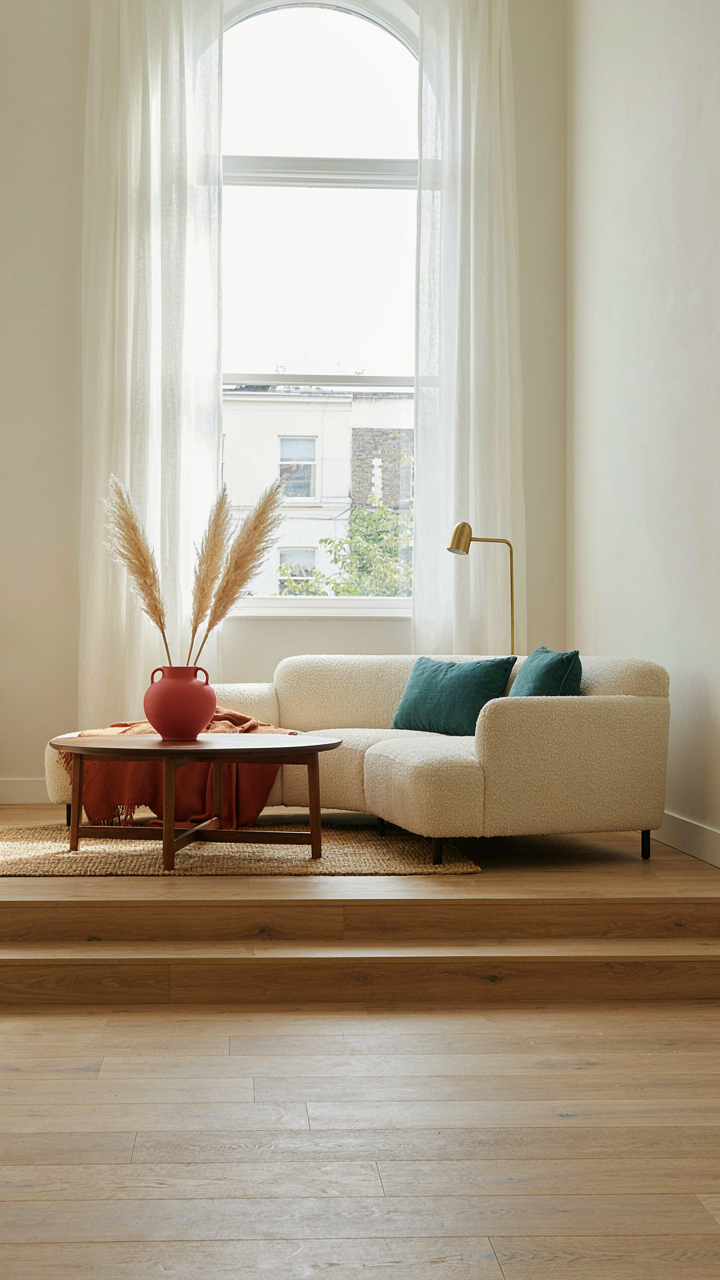
Most people build a she shed deck to check a box. They want the Instagram version without asking why they actually need it. Before you pick a single board or cushion color, write down what you’ll actually do there. Work? Read? Host? Every design decision flows from that one answer. Your deck fails not because it looks wrong, but because it serves nothing real. Build for function first, and aesthetics follow like a shadow.