
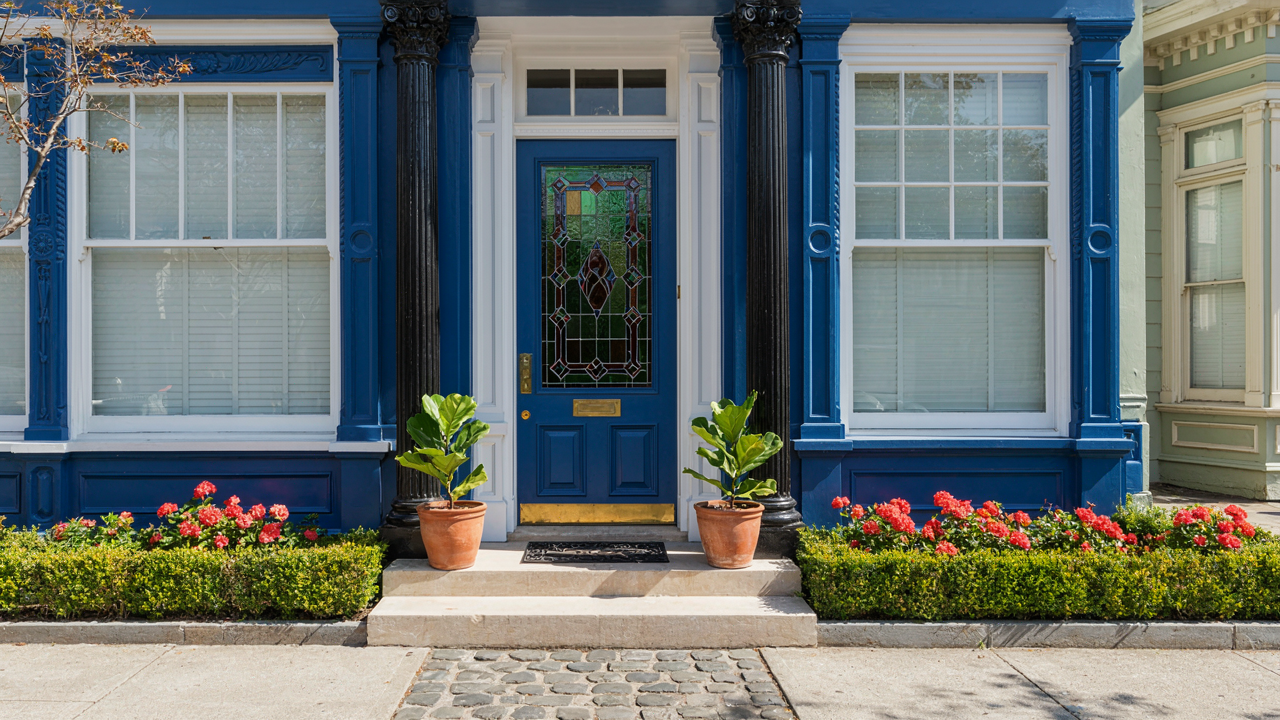
The Victorian Front Door Authenticity Paradox

What Original Actually Means
You want the status signal of “authentic Victorian” without the actual cost or inconvenience of owning one. Here’s the mechanism: authenticity in Victorian doors operates like currency valuation in economics—scarcity and verification determine value, not sentiment. An original Victorian door from the 1850s-1890s carries structural compromises: hand-planed wood moves with humidity, mortise joints weaken over decades, and period glass warps. Replica doors eliminate these liabilities while keeping visual identity. But this trade creates a classification problem. Builders, sellers, and buyers use “Victorian style” and “authentic Victorian” interchangeably, which collapses the actual distinction between a door made during the Victorian era and a door made to resemble one.
Original Victorian doors command higher prices not because they perform better—they perform worse—but because they signal ownership of historical property or deep architectural knowledge. A replica built from modern materials and joinery will outlast an original by decades. The original wins only on one metric: it existed when the house was built, which means it has documentary evidence in the form of the house itself. That specificity matters for homes on historic registers. For everyone else, you’re paying for provenance theater while getting inferior function.
When Reproduction Kills The House Value
The common advice says to preserve original doors for authenticity’s sake. This is incomplete reasoning that ignores market mechanics. A non-original door damages resale value only when the buyer can detect the replacement and perceives it as a loss of historical integrity. If the replica matches period specifications closely enough—panel configuration, glass composition, wood species, proportions—informed buyers won’t penalize you. The damage occurs when someone installs a “Victorian-inspired” door that violates the home’s actual architectural language: wrong panel counts, modern hardware, incorrect stained glass patterns, or mismatched wood tone.
Erosion accelerates when the original door’s absence becomes obvious to inspectors or historical society reviewers. Homes in historic districts face documentation requirements. Neighborhoods with strong period character see buyers who specifically want authenticity and will pay premiums for proof. The protocol: before replacing a Victorian front door, verify whether your property falls under historic district guidelines. If it does, document the original condition with photographs and confirm what your local authority permits. If it doesn’t, match the period specifications precisely, then stop worrying about authenticity theater.
Beyond The Blue Front Door: The Stained Glass Algorithm

Light Control And Privacy Without Compromise
You want people to think your home has depth and character without actually letting them see inside. Stained glass solves this by functioning as an optical gate. Think of it like signal processing in telecommunications: certain frequencies pass through while others refract or scatter. Victorian stained glass operates the same way with visible light. Colored and textured glass breaks up sightlines while still admitting daylight, creating a barrier that reads as intentional design rather than obstruction.

The practical mechanism: glass density and color absorption determine how much interior detail remains visible from the street. Lighter tints and clear beveled sections allow more ambient light through. Darker colors and densely patterned designs restrict visibility while maintaining the glow effect that makes a door visually interesting from outside. You choose the ratio based on your actual street exposure, not on what design magazines say looks good.
Pattern Complexity Dictates Perceived Value
Everyone thinks Victorian stained glass doors work because they’re “beautiful” or “ornate.” That’s not the mechanism. Complexity functions as a durability signal in design perception, which is borrowed from biology where intricate patterns suggest investment and survival fitness. A simple geometric pattern takes two weeks to design and execute. An intricate multifigural composition with beveled borders and copper caming takes eight weeks and costs three times as much. The buyer’s brain registers this time expenditure as quality, regardless of actual craftsmanship.
Pattern density also dictates how much visual information the door transmits. Dense patterns with multiple colors, lead lines, and beveled segments fragment the view more effectively than sparse designs. This fragmentation paradoxically increases perceived sophistication because the eye cannot process it instantly. A plain beveled border reads as thin. The same border with radiating geometric sections reads as intentional architectural detail. When designing or selecting a Victorian front door panel, complexity should match your neighborhood’s baseline or exceed it slightly. Anything less signals neglect of your own entrance.
Victorian Front Door Ideas: The Investment Matrix
What A Victorian Door Actually Costs You
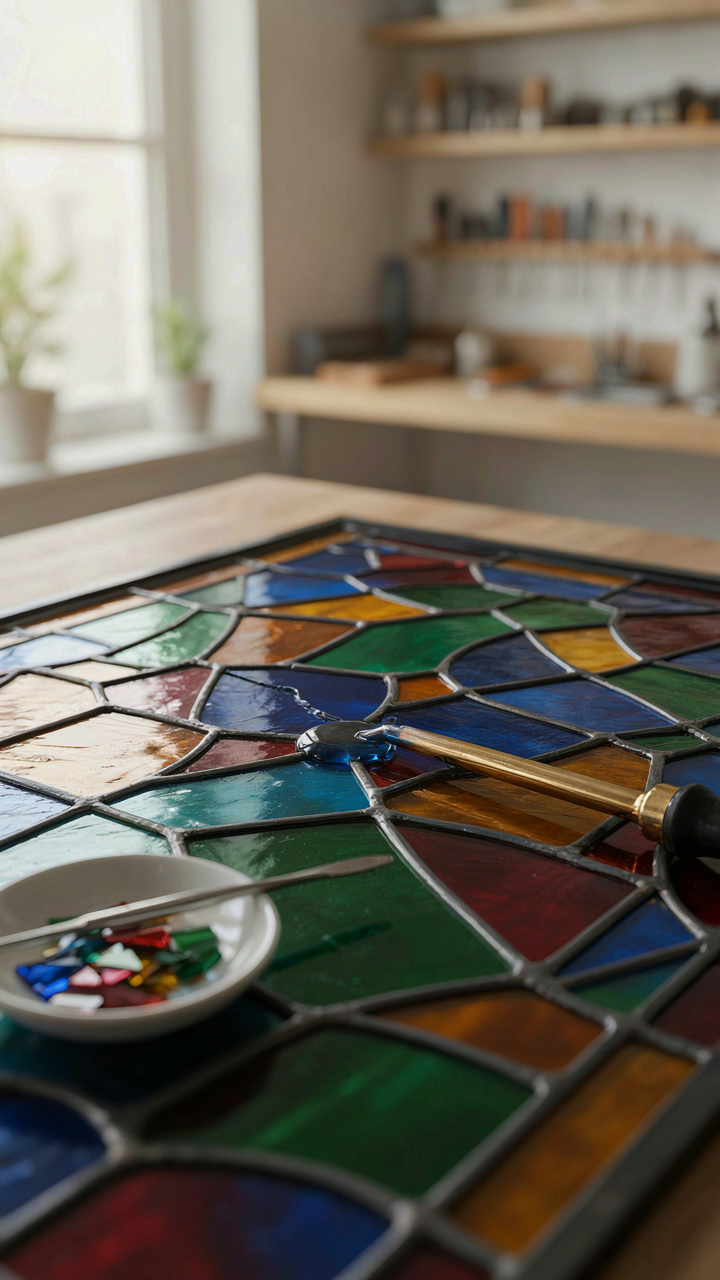
You’re thinking about this because you want the house to feel valuable, and you’re hoping a period-correct front door proves it. Here’s the mechanism: a Victorian front door with stained glass operates like a financial asset with dual depreciation curves. The door itself loses functionality and appeal on a predictable timeline. The stained glass component follows a separate decay path tied to climate exposure, frame integrity, and the rarity of replacement artisans. Most homeowners ignore this split and treat the entire assembly as one purchase decision.

A Victorian front door with authentic materials runs 3,000 to 8,000 dollars installed. Reproduction doors cost less but signal “not original” to buyers who notice. Real stained glass panels push costs higher because each pane has structural weight and thermal properties that affect the door’s performance in extreme climates. The ROI on a Victorian front door rarely exceeds 50 to 70 percent at resale in most markets. You’re buying emotional coherence and curb weight, not guaranteed financial return.
Keeping Old Glass And Wood Alive
The common advice says Victorian doors are charming but require constant attention. That’s incomplete. What actually happens is wood and glass create different maintenance schedules that force you into reactive spending if you don’t plan proactively. Victorian doors demand annual glazing inspection, frame sealing every three to five years, and hardware maintenance that most contractors mishandle because the materials demand period-correct techniques they don’t know.
Stained glass specifically needs interior protection from weather stress and exterior shielding from direct sun exposure that causes thermal stress in lead came and solder joints. Wood frames rot first at joints where water pools, not uniformly across the surface. Preventive maintenance means sealing the frame perimeter every year and addressing micro-cracks before winter freeze cycles expand them. One season of neglect can force a 2,000 dollar restoration that a 200 dollar caulking job would have prevented. The protocol is: inspect frame joints in fall, apply appropriate sealant before November, check glass for loose putty quarterly, and replace any cracked panes within two weeks of discovery.
The Victorian Door Structural Imperatives
Weight And Frame Support Requirements
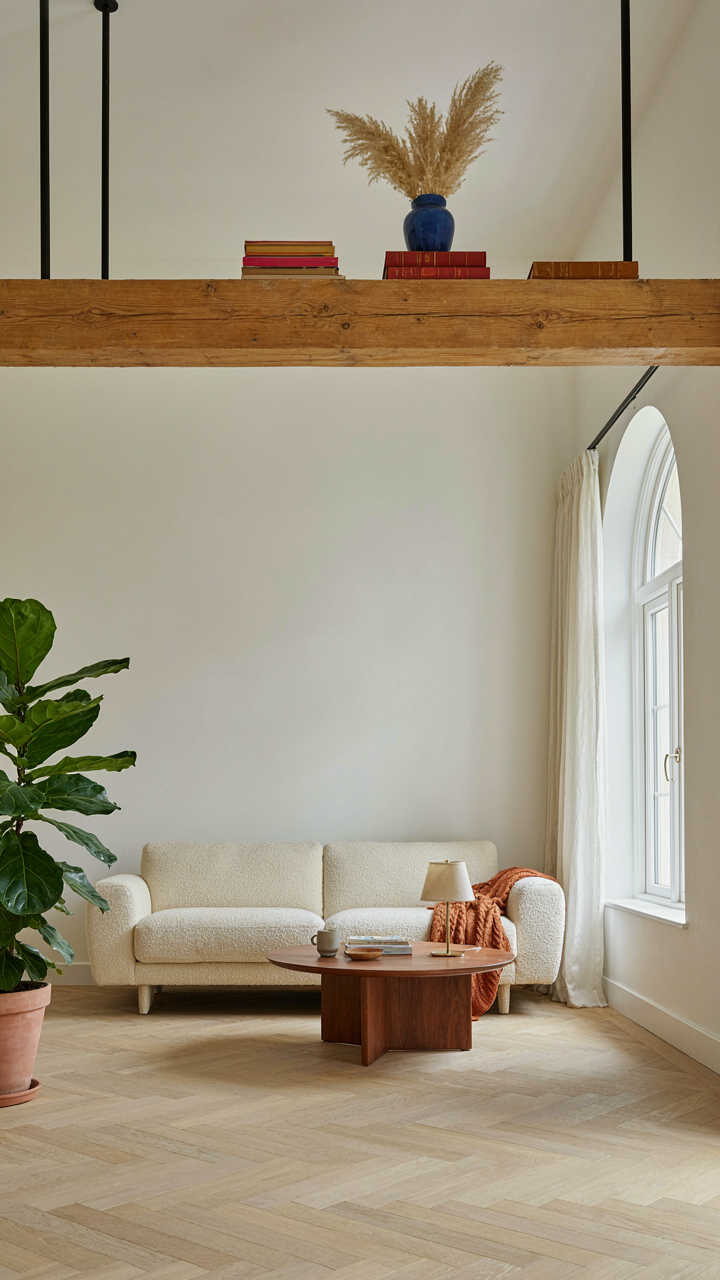
You want a Victorian door that looks period-correct but won’t sag into your entryway in five years. The real constraint is load-bearing mechanics: a Victorian door with stained glass panels weighs between 150 and 250 pounds depending on wood species and glass thickness, and that weight transfers directly through the frame into your jamb and surrounding wall structure. Engineering principles apply here the same way they apply to any load-bearing system. The frame must carry the door’s mass without deflection, which means the jamb needs adequate depth and the header needs real support behind it.

Most Victorian reproductions fail because people underestimate frame requirements. The original Victorian door frame was never a thin trim piece. Jambs ran three to four inches deep, headers sat on load-bearing walls or substantial lintels, and hinges mounted into solid wood, not drywall. Modern installation shortcuts kill period authenticity and create binding, misalignment, and eventual structural failure. Your frame needs to match Victorian depth standards or the door will rack, gap, and deteriorate. Have a contractor verify wall framing can support the concentrated load at hinge points before committing to a heavy stained glass door.
Weatherproofing Historical Designs
Victorian doors breathe, which is the opposite of what modern construction assumes should happen. Stained glass panels expand and contract seasonally, solid wood frames move with humidity shifts, and the exterior paint serves not as a waterproof barrier but as a sacrificial layer that sheds water and requires renewal every five to seven years. The mechanism is capillary action: water moves through micro-gaps via surface tension and settles in wood grain, causing rot from the inside while the exterior looks fine. Victorian builders accepted this and built maintenance into their design expectations, not weather-sealing into their construction.
Never caulk a Victorian door frame completely. Seal the exterior sill and the gaps where stained glass meets frame mullions, but leave the frame-to-wall junction open to vapor release. Use high-quality exterior paint on raw wood surfaces and accept that repainting happens on schedule, not when visible damage appears. If water enters, trapped moisture will rot the jamb faster than any flood would. Establish a maintenance protocol: inspect for paint failure annually, repaint every five to seven years, and caulk only where glass meets wood, not where wood meets wall.
Victorian Home Front Door: The Era Specific Accents
Hardware Selection For Period Accuracy
You want the door to signal authenticity because you know someone will notice if it doesn’t. Here’s what actually matters: Victorian hardware functions as a load bearing element in perception. Just like load bearing walls carry structural weight, hardware carries the visual weight of credibility.

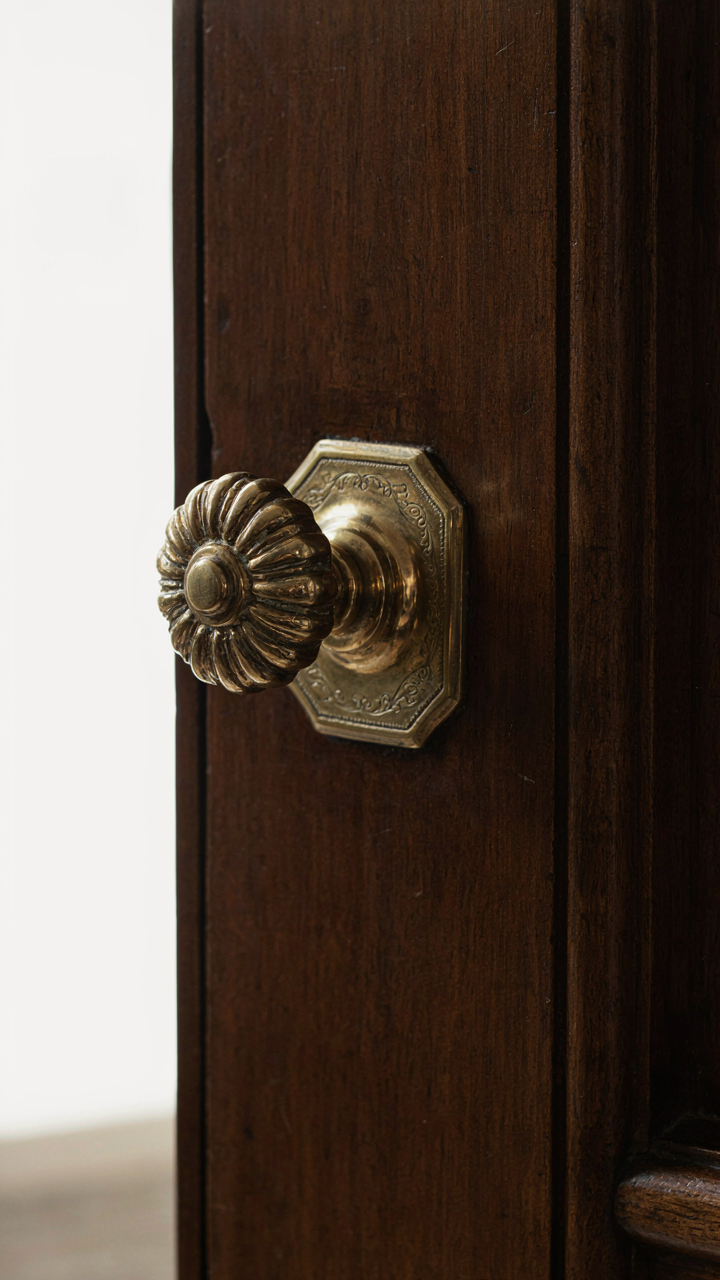
Victorian doors used cast brass, bronze, and iron hardware between roughly 1837 and 1901, with distinct shifts in aesthetic. Early Victorian favored heavy, ornate designs. Mid Victorian introduced more geometric patterns. Late Victorian moved toward simpler, streamlined forms. The knob, escutcheon, hinges, and strike plate all need to match the same era within your chosen period, or the eye catches the inconsistency immediately.
Most doors fail here because people mix Edwardian hardware with mid Victorian doors or add modern reproduction brass that lacks weight and patina. The mechanism is simple: genuine Victorian hardware has asymmetrical wear patterns and uneven casting surfaces. Modern reproductions look stamped and uniform. Source hardware from architectural salvage yards or commission pieces from specialists who understand the specific decade you’re targeting. Your hinges should be visible, not concealed, and they should carry the same design language as your knob and plate.
Color Palettes Beyond Generic Choices
The standard advice says paint your Victorian door “deep red” or “forest green” and call it authentic. This is incomplete. Victorian doors reflected local availability of pigments and regional taste, not a universal formula.
Deep burgundy, British racing green, and dark brown dominated high income urban areas where imported pigments cost less. Rural properties and working class homes used cheaper ochres, darker yellows, and blacks because they required fewer pigment layers. Port cities saw more blues and grays due to naval influence and ready access to indigo and prussian blue stocks. The color you choose should align with your home’s geographic location and the documented wealth tier of your original owners during their period.
Most modern restorations ignore this economic layer entirely. They apply trendy historical colors that never existed in their specific region. The mechanism is economic availability, not aesthetic preference. Research period photographs of similar homes in your area, not national trend lists. If you can’t find local precedent, match your door color to the undertones in your brick or stone exterior. The door should emerge from the facade, not fight it.

The Victorian Stained Glass Cottage Door: Contextual Leverage Protocol
Read Your House Before You Read The Catalog
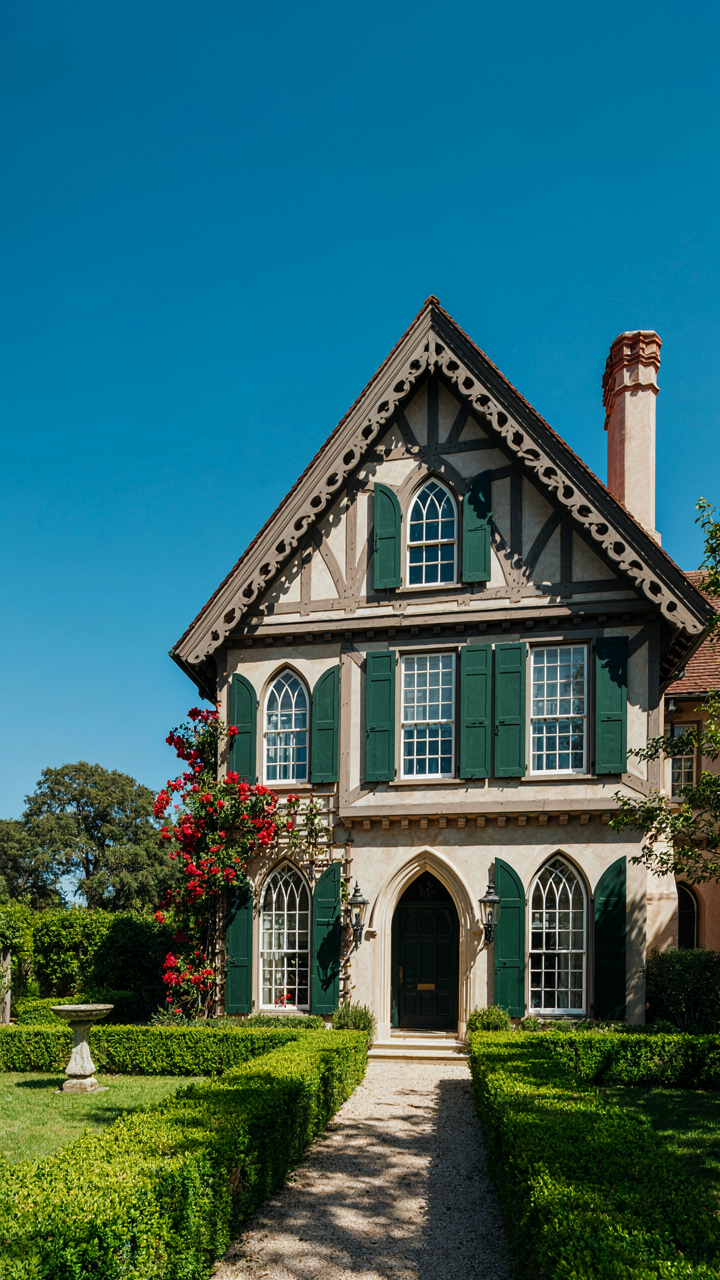
You want permission to spend money on a stained glass door without looking like you’re overdecorating. Here’s the real mechanism: your door must match the reconnaissance data already embedded in your house’s structure. Military intelligence uses terrain analysis to determine tactical positioning. Your Victorian front door operates the same way. The architecture of your home, roof pitch, window placement, and material palette are fixed coordinates. Your stained glass choice either amplifies these existing signals or creates visual noise that kills curb appeal.
Map your house’s actual style category first. Victorian covers a broad range: Italianate homes have different proportions than Gothic Revival cottages. Check your roof line, cornice details, and window head treatments. These elements constrain which stained glass patterns actually work. A geometric art glass design works in a Queen Anne facade. The same pattern fails in a simpler Cottage or Romanesque Victorian. Your door doesn’t get to contradict the building’s structural language.
Rarity Creates Perceived Value
Economic supply-side theory explains this: when supply of authentic materials drops, the perceived value of scarcity increases. Authentic Victorian stained glass became scarce when hand-cut production stopped and factories shifted to industrial methods. Your door now functions as a scarcity signal rather than a decorative choice. Buyers and visitors read it as evidence you own something they cannot easily replicate or replace.
The leverage works because genuine stained glass panels cost more than reproduction glass, and people know it. You cannot fake authentic Victorian glass without a trained eye catching the difference. Reproduction stained glass uses modern machinery that produces uniform leads and perfect solder joints. Authentic Victorian glass shows hand-cut inconsistencies, wavy leads, and solder beads that vary. Install real period glass and install the economic signal that comes with it.

Victorian Doors: The Security Compromise
The Aesthetic Trap Costs Money
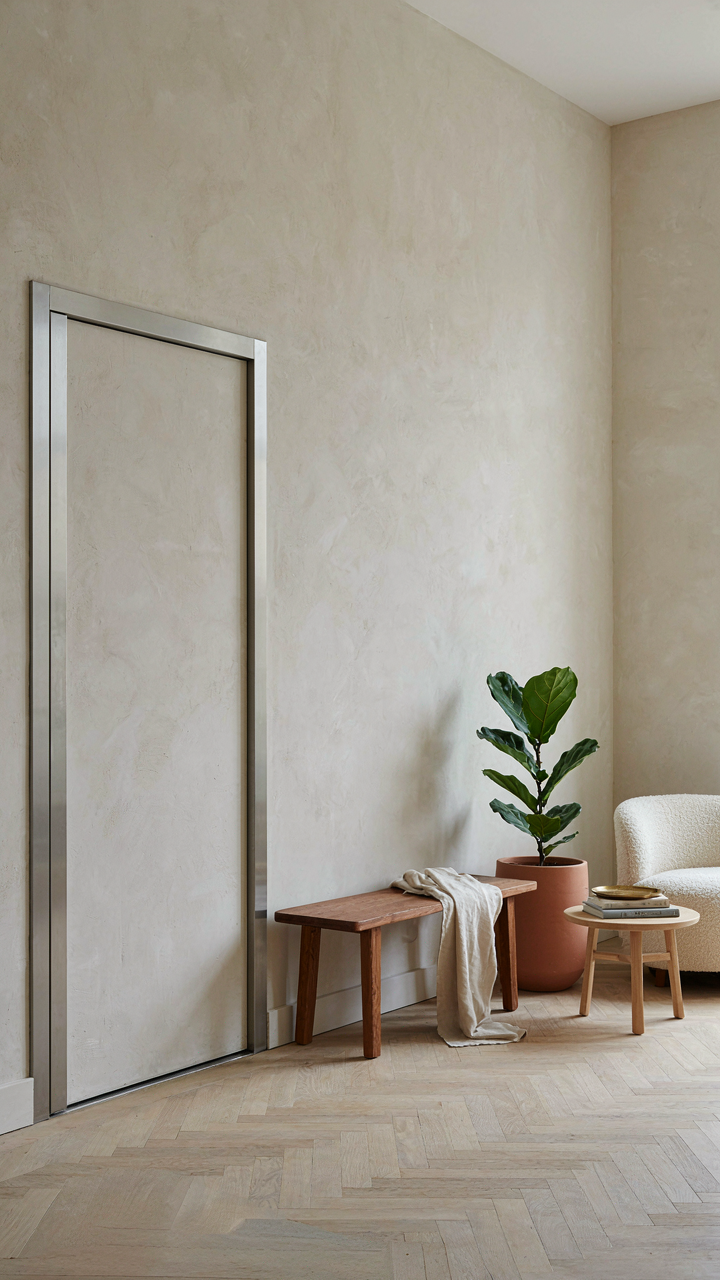
You want the stained glass and the brass hardware because they signal taste. The mechanism working against you is that Victorian doors were built for a world without deadbolts, surveillance, or forced entry methods that exist now. The original design prioritizes visual impact over resistance to modern threats. A Victorian door with period-correct glazing stops exactly no one determined to enter.
The frame, not the door itself, determines security. Victorians installed doors into wooden jambs with minimal reinforcement. A standard kick defeats the original setup in seconds because the strike plate connects to wood that splits easily. Modern security retrofitting demands steel or composite frames, which visually contradicts the period aesthetic you’re paying for. You cannot have both without compromise.
Materials That Actually Hold
The common advice is to replace the door entirely. That wastes the stained glass and the historical integrity you bought the house for. The real answer is selective reinforcement at load points. Install a steel tube frame inside the existing wooden jamb, anchored to the foundation sill and the header. The exterior appearance stays untouched. The door now resists forced entry because the frame cannot fail.
Stained glass panels should be moved to non-load-bearing sections or replaced with laminated security glass in active entry areas. Laminated glass looks identical to period stained work but holds together under impact. The expense is real, but it costs less than replacing the entire door assembly while preserving what made you choose Victorian in the first place. Have a locksmith specify the frame reinforcement before any work begins.

Stained Glass Door: Repair Vs. Replacement Economics
When Repair Makes Sense
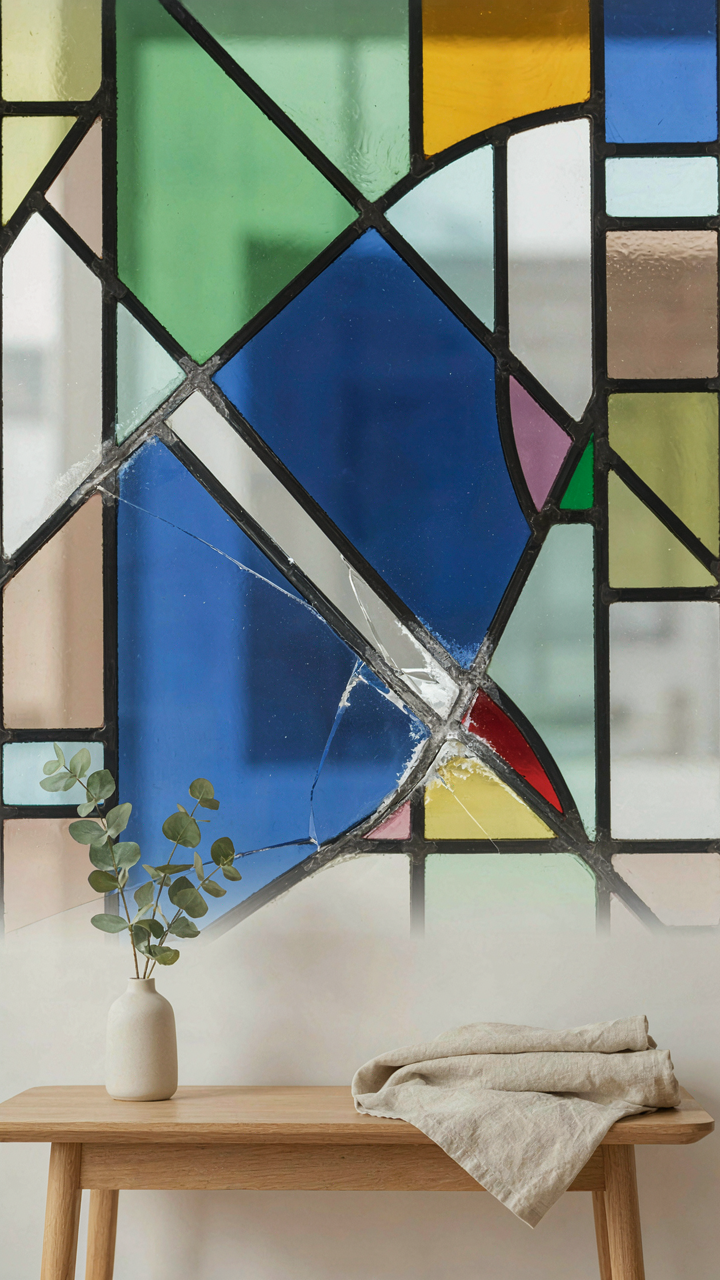
You want to believe your original Victorian door is worth saving because replacing it feels like defeat. Here’s the mechanism: stained glass fails in zones, not uniformly. A cracked pane, failed leading, or loose solder joint doesn’t mean the entire door is compromised. You assess damage by isolating which components have actually degraded versus which still perform their function.
Check these specific failure points:
- Lead came deterioration: Lead oxidizes and becomes brittle over decades. If the leading shows white corrosion but glass remains intact, repair is viable and costs 40 to 60 percent less than replacement.
- Solder joint failure: Solder bonds lead intersections. Failed joints cause glass movement and rattle but don’t require full door replacement. Re-soldering runs 200 to 500 dollars per panel.
- Cracked or broken glass: Single pane replacement preserves the door’s integrity. Matching period glass colors exists through specialty suppliers, making targeted replacement economical.
- Frame structural integrity: If the door frame itself is sound and the wood shows no rot, the envelope protects the stained glass investment. Wood repair costs less than sourcing a period-correct replacement door.
- Water infiltration patterns: Leaking around edges differs from leaking through glass. Edge sealing and caulk replacement solves most water problems without replacing panels.
Repair economics favors the original door when damage affects one to three components. Get a glazier’s written assessment that specifies which elements require work. This prevents guessing and stops you from paying for unnecessary full replacement.
Full Replacement: When The Math Changes
Most advice tells you to repair unless the door is destroyed. Wrong. Economics reverses when labor and sourcing exceed replacement cost, and that threshold sits lower than people assume. A Victorian front door operates like a system where one failing component cascades into others once the door exceeds fifteen years old.

Here’s where replacement wins: custom stained glass panels run 3,000 to 8,000 dollars for authentic Victorian design. If your door requires two or more panels replaced and the lead matrix shows widespread oxidation, you’re already at 50 to 70 percent of replacement cost before touching the frame repairs. Add frame restoration, weatherproofing, and labor for reassembly, and a new historically accurate door becomes the rational choice. Order from specialists who reproduce Victorian specifications rather than settling for generic reproductions. The installed cost lands between 4,000 and 12,000 dollars depending on glass complexity and wood species, but you avoid the five to eight month timeline of sourcing vintage-original components and the risk of failed repairs that require re-doing within three years.
Victorian Front Doors: The Unseen Energy Drain
Where Heat Actually Leaves Your Home
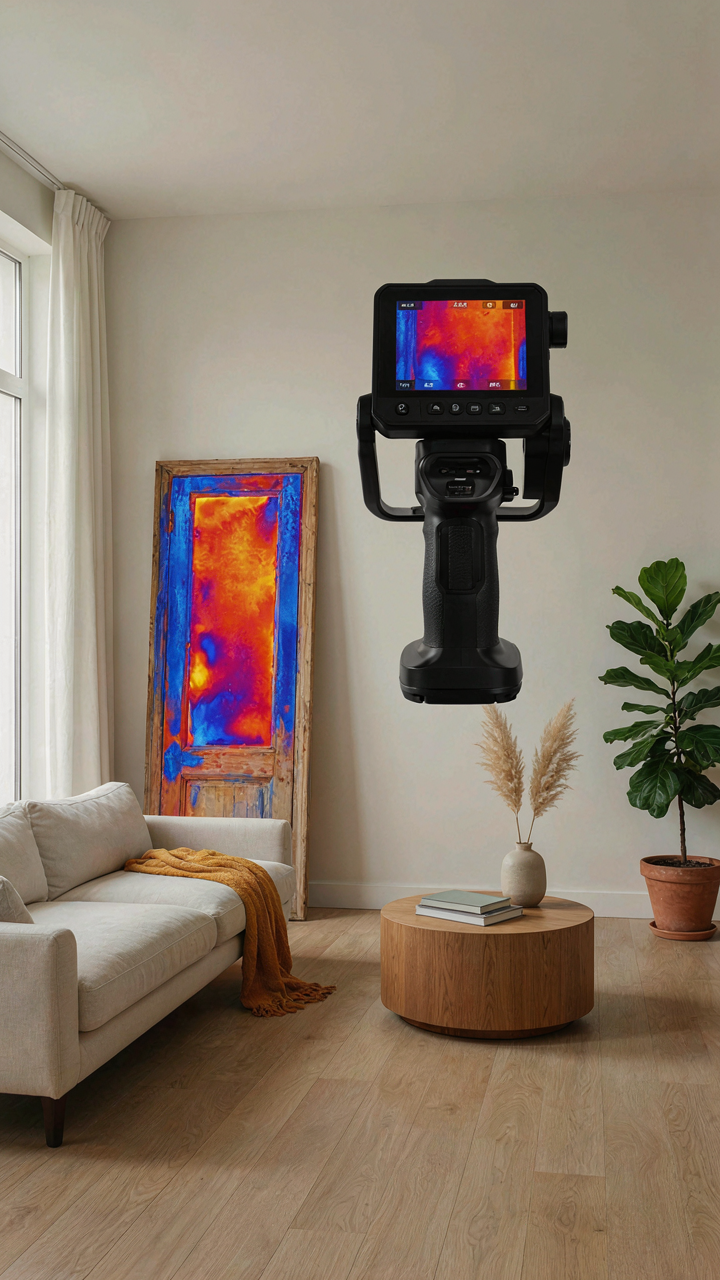
You want a Victorian front door because it looks expensive and signals taste. The real problem is that it bleeds energy like a sieve, and you probably don’t know why. Think of thermodynamics: heat always moves toward cold. Your Victorian door is a direct thermal bridge between conditioned interior space and exterior temperature. The mechanism is simple. Wood expands and contracts with humidity and temperature swings. Victorian doors were built with solid wood construction, often single-thickness panels with minimal backing material. This wood moves. As it moves, gaps form around the frame perimeter, between panels, and at the threshold.
Modern doors use compressed foam cores and weather sealing that Victorian construction never had. The gap formation isn’t a failure of craftsmanship. It’s physics working on materials that weren’t engineered for thermal consistency. Most people blame poor installation or old age. That’s incomplete. The door itself was never designed to stop heat transfer the way contemporary doors are. The stained glass panels compound this because glass conducts temperature faster than solid wood. A Victorian front door sitting in direct sunlight can heat the interior surface while the exterior remains cool, creating condensation and frame stress that widens gaps further.
Stopping The Bleed Without Losing The Aesthetic
The common advice is to replace the door entirely or caulk and weatherstrip it. Both miss the actual solution. Caulk fails because the wood never stops moving, so the caulk cracks within two to three years. Weatherstripping works temporarily but doesn’t address the core issue: air moves through the door frame itself, not just around it. You need a two-layer approach. Install a storm door on the exterior. This creates an air cavity that acts as insulation. The storm door takes the thermal beating while your Victorian door remains protected from direct temperature swings. This reduces wood movement by 60-70 percent, which directly reduces gap formation.
The second layer is sealing the interior side. Apply rope caulk around the interior frame where the door meets the wall. Use silicone-based products, not acrylic, because they flex with wood movement. At the threshold, install a rain-screen threshold with a adjustable sweep that compresses against the door bottom without forcing it permanently compressed. This sweep maintains tension without stress. The storm door cost is your highest single expense, but it’s the only mechanism that actually solves the physics problem instead of fighting it yearly.
The Real Obstacle Isn’t Finding The Right Victorian Front Door, It’s Your Inability To See Beyond Surface-level Aesthetics

Most people buy a Victorian front door the way they buy clothes: based on how it looks in the photo. They miss that every design choice signals something about who lives there. The stained glass isn’t decoration. It’s a statement. Stop scrolling through options and start asking what message you actually want your entrance to send. Visit one Victorian home this week. Stand at the threshold. Feel the difference between a door that performs and one that performs and speaks. Your front door should make people curious before they even knock.



