
The Folly Of Perfect Weathered Whites

When Sterile Becomes The Enemy
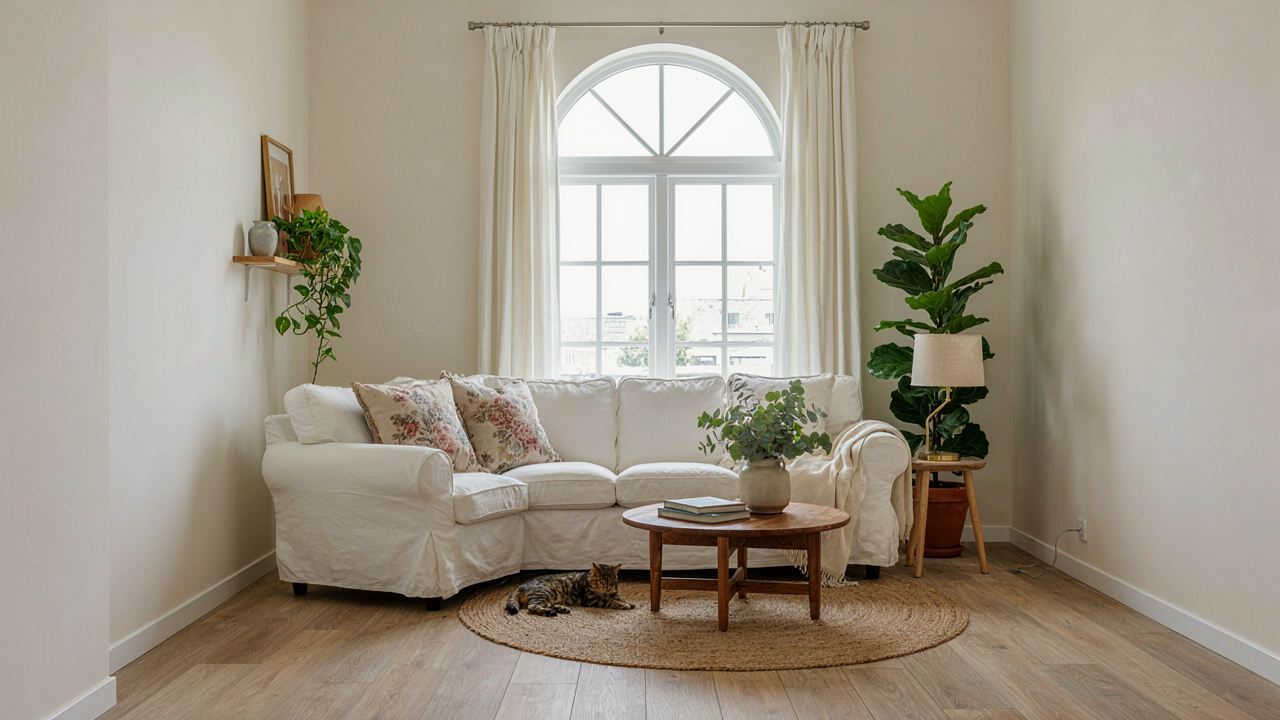
You want the aesthetic without the mess. That’s the real reason you’re reading this. But here’s what kills authenticity: treating white as a blank canvas instead of a material with history. In architecture, entropy is the measure of disorder in a system. Shabby chic cottage whites work because they embrace entropy—the natural decay and color shift that happens over years, not the staged version you buy pre-distressed at a furniture store. Sterile white demands perfection. It repels lived-in space.
Manufactured distressing strips white of its power. Real patina comes from sunlight fading, dust settling into crevices, and actual use wearing edges smooth. A wall painted eggshell white five years ago develops character through weathering. Factory-distressed trim looks like someone learned distressing from a YouTube tutorial. The difference isn’t subtle to anyone who spends time in actual old cottages. Paint color shifts from zinc oxide oxidation and UV exposure, not from someone hitting wood with chains. Stop buying the myth that you can speed up time with tools.
Lived In Beats Staged Every Time
The mechanism here is simple: your eye detects randomness and trusts it. Staged distress follows patterns. A hammer blow leaves marks in a sequence. Real wear scatters unpredictably across surfaces based on foot traffic, light angle, and weather exposure. Authentic cottage whites show variation—some areas stay brighter, others yellow near windows, still others dull where hands touch. This inconsistency is what your brain reads as genuine. Consistency reads as performance.
Build patina through function, not fabrication. Use genuine furniture in your cottage for two years instead of buying pre-worn pieces. Paint walls with quality eggshell or matte finishes that accept wear gracefully. Let sunlight do the fading work. Select whites that shift tone naturally—cream bases yellow slower than pure whites under UV. The protocol: choose one room as your test space, live in it fully for a season, observe which surfaces age fastest, then apply that knowledge to other spaces. Patience is the only tool that produces authentic weathered whites.
Deconstructing The Floral Fallacy: Beyond Grandmas Wallpaper

When Florals Actually Work In Your Space
You’re worried people will think your cottage looks dated or feminine in a way that signals poor taste. The real mechanism is this: florals fail when they dominate without contrast, not because florals themselves are the problem. Shabby chic cottages use florals as accent layers, not as the visual foundation. A single floral wallpaper or upholstered piece works only when surrounded by neutral surfaces that let it breathe. The mistake is treating florals as the main event instead of strategic punctuation.

Proportion controls whether florals read as intentional or accidental. A floral throw pillow on a linen sofa works. A floral sofa in a floral wallpapered room does not. Paint 80 percent of walls in warm white or soft grey, then introduce one floral element per room maximum. This creates hierarchy. The floral becomes a discovery rather than an assault. Scale matters too: large, loose botanical prints age better than tight, dense patterns from the mass-market cottage catalog.
Texture And Pattern Collision
Most advice tells you to mix patterns carefully. That’s incomplete. The actual principle from graphic design is contrast through density, not through sameness. Pair a delicate floral with a heavy linen texture, not with another floral of similar weight. Weathered wood grain already competes visually, so florals must sit on smooth surfaces or tight weaves that recede. A faded toile on a chair works against smooth cotton curtains. A toile against patterned damask just creates visual noise.
Introduce unexpected textures to interrupt pattern fatigue before it starts. Rough-hewn wood beams read as texture, not pattern, so they complement florals without fighting them. Worn leather, aged metal hardware, and unfinished plaster all anchor patterned fabrics. The cottage doesn’t need more pattern. It needs materials that feel lived-in and real against the softness of florals. That contrast is what prevents the space from collapsing into a single aesthetic gesture.
The Junk Chic Cottage: Curating Imperfection Protocol
Character Over Decay
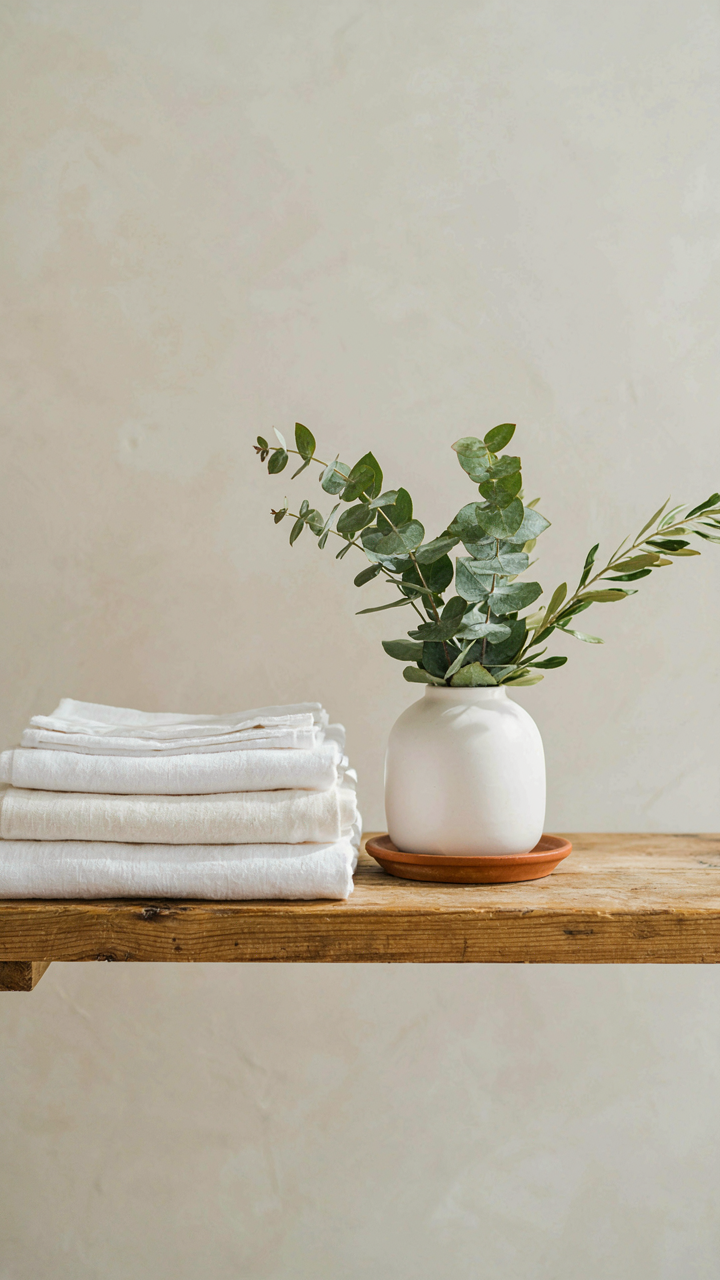
You want permission to buy old stuff without feeling like you’re just hoarding trash. The real mechanism is this: shabby chic works because it signals intentionality, not neglect. A piece earns its place through restraint, not accident. Most people confuse “shabby” with “anything weathered.” That’s wrong. You’re hunting for objects that aged through use, not objects that aged in a dumpster.

The difference lies in patina versus damage. Patina is the surface transformation that happens when materials weather consistently over decades. A painted farm table with honest wear shows deliberate living. A broken chair leg held together with duct tape shows you didn’t care enough to fix it. Shabby chic cottages contain the first category almost exclusively. The selection process is rigorous, even if the final rooms look effortless.
Salvage With A Purpose Statement
You cannot just scatter old pieces around and call it design. The common advice says “mix eras and styles freely”—that’s incomplete. Salvaged pieces work only when they solve a functional or compositional problem in the room. A vintage door becomes a headboard because it anchors the bedroom’s visual weight and provides texture. An old ladder functions as a blanket rack, not decoration.
Start by identifying what each room needs first: storage, focal point, or texture contrast. Then source salvage that answers that need. A weathered wooden shelf fills dead wall space while adding cottage character. A distressed mirror bounces light and creates depth. An old metal bed frame provides structure and visual interest simultaneously. The piece must earn its space through function before it earns it through aesthetics.
Cottage Salon Alchemy: Blending Eras, Not Copying Trends

When Old Meets New Without The Apology
You want permission to mix things that don’t belong together, because mixing periods feels risky and you’re afraid it’ll look broken instead of intentional. The mechanism is contrast theory from visual design: tension between elements creates interest, but only if the tension has a reason. Shabby chic works because it deliberately pairs decay with refinement. A worn Windsor chair next to a polished marble side table doesn’t clash—it narrates a specific aesthetic choice. The decay isn’t an accident or poor maintenance. It’s the point.

Most people think blending eras means “put old and new in the same room and call it eclectic.” Wrong. You’re actually layering different production quality and finish states on objects with compatible proportions and materials. A faded floral upholstered settee from the 1950s and a modern linen throw work together because both exist in the muted, worn fabric family. A rusted iron gate repurposed as wall art and a contemporary gallery print don’t fight because they share linear simplicity. The pairing works when the visual logic is there, not when you’ve simply grabbed different decades.
Objects That Argue With Purpose
Objects in a room are storytelling devices, and the story fails when pieces don’t establish a clear conflict or resolution. Narrative requires that each object earn its place by either supporting or deliberately contradicting what came before it. A chippy paint-finish dresser with drawers that stick creates tension when paired with a sleek modern mirror above it—the story is “beauty through time and use,” not confusion. But if you add a high-gloss contemporary nightstand beside the dresser, you’ve lost the narrative thread because now you’re telling three different stories at once.
The technical move is curation through restraint, not abundance. Select one or two statement pieces that anchor the era-blending conversation, then let everything else support that axis. An ornate 1920s vanity becomes your anchor. Everything else—the lighting, smaller furnishings, textiles—either mirrors its ornate vocabulary or deliberately strips it back to create intentional contrast. The room reads as a choice, not a collection of inherited items you couldn’t throw away.
Shabby Chic Room: The Unforced Evolution Method

Where You Actually Spend Time First
You want the shortcut to looking intentional without the work. That’s the real reason you’re reading this. The mechanism is borrowed from permaculture zones: design high-traffic rooms first, then work backward to peripheral spaces. Your living room matters more than your guest bedroom. Your kitchen matters more than your hallway.

Most shabby chic advice treats the entire cottage as equal. It isn’t. A weathered white dresser in your bedroom gets seen by you and maybe a partner. The same piece in an entryway gets seen by everyone. Start there. Paint the front-facing pieces. Source the authentic distressed wood where guests land first. The rest follows naturally because the visual anchor already exists.
Letting Decay Work For You
Ecological succession describes how ecosystems mature over time without forced intervention. Apply that lens to shabby chic: your cottage improves through strategic neglect, not constant refinishing. This contradicts the common advice that shabby chic requires meticulous aging techniques and distressing tricks.
The real mechanism is time plus selective placement. A white-painted wood chair naturally weathers in sunlight. Floral upholstery fades authentically in a room with south-facing windows. Hardware tarnishes in humid kitchens. You’re not forcing this. You’re positioning pieces where environmental conditions do the work. After six months to two years, the piece reads as genuinely aged because it is. The finishing protocol: place high-value pieces in high-exposure zones and photograph them annually to track the shift.
Vintage Touch, Not Vintage Theme: Authentic Integration
Subtle References Without The Museum Trap
You want the credibility that comes from looking intentional about history without admitting you’re chasing a trend. Here’s what actually matters: the difference between a shabby chic cottage and a history museum is restraint. One worn piece tells a story. Ten worn pieces tells people you couldn’t afford new furniture. The mechanism is scarcity. You place vintage selectively, not as theme but as evidence of living with things that matter.

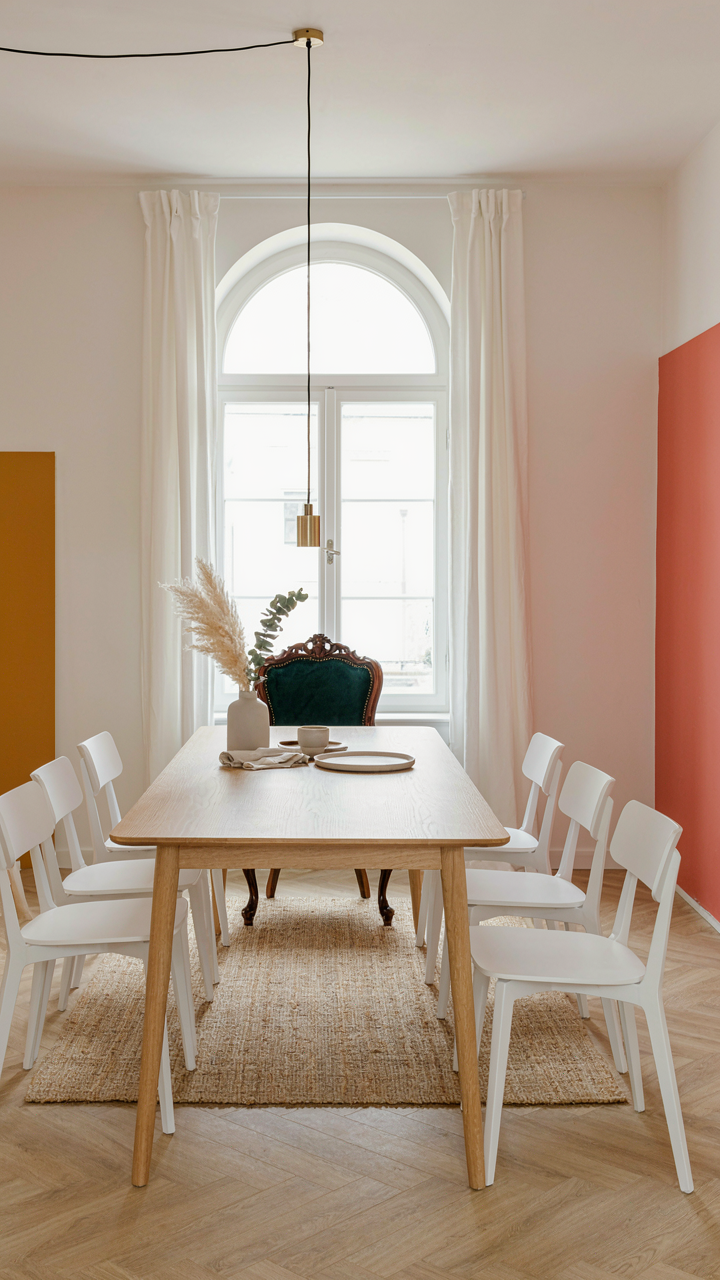
A single Victorian chair at the dining table works. A room full of mismatched Victorian furniture doesn’t. The eye registers one displaced object as character. Multiple displaced objects register as clutter or financial constraint. Real shabby chic cottages earned their look through decades of keeping what worked, not through intentional curation of “vintage finds.” Your job is to mimic that result without the actual decades. That means leaving most of your palette modern and neutral, then introducing one or two pieces with genuine patina or age.
Vintage As Problem Solving, Not Decoration
Most design advice says use vintage for “charm.” Wrong. You use vintage because it actually solves a problem better than new alternatives do. A reclaimed wood shelf functions identically to a new one, except it carries visual weight and doesn’t read as mass-produced. An old cast iron stove heats the same room a modern stove does, but it anchors the entire cottage because it looks like it has purpose beyond this season’s aesthetic.
The protocol is simple: never acquire a vintage piece without naming its function first. If you can’t explain why that specific piece solves a problem your cottage has, it’s decoration masquerading as substance. Weathered whites and florals work in shabby chic because they serve the cottage’s cooling function and the soft natural light. Everything else follows that same logic. The piece has to earn its spot through utility or structural relevance, not Instagram potential.
Beyond The Bathroom: Vintage Theme Bathroom Ideas That Work
Salvaged Fixtures That Actually Function
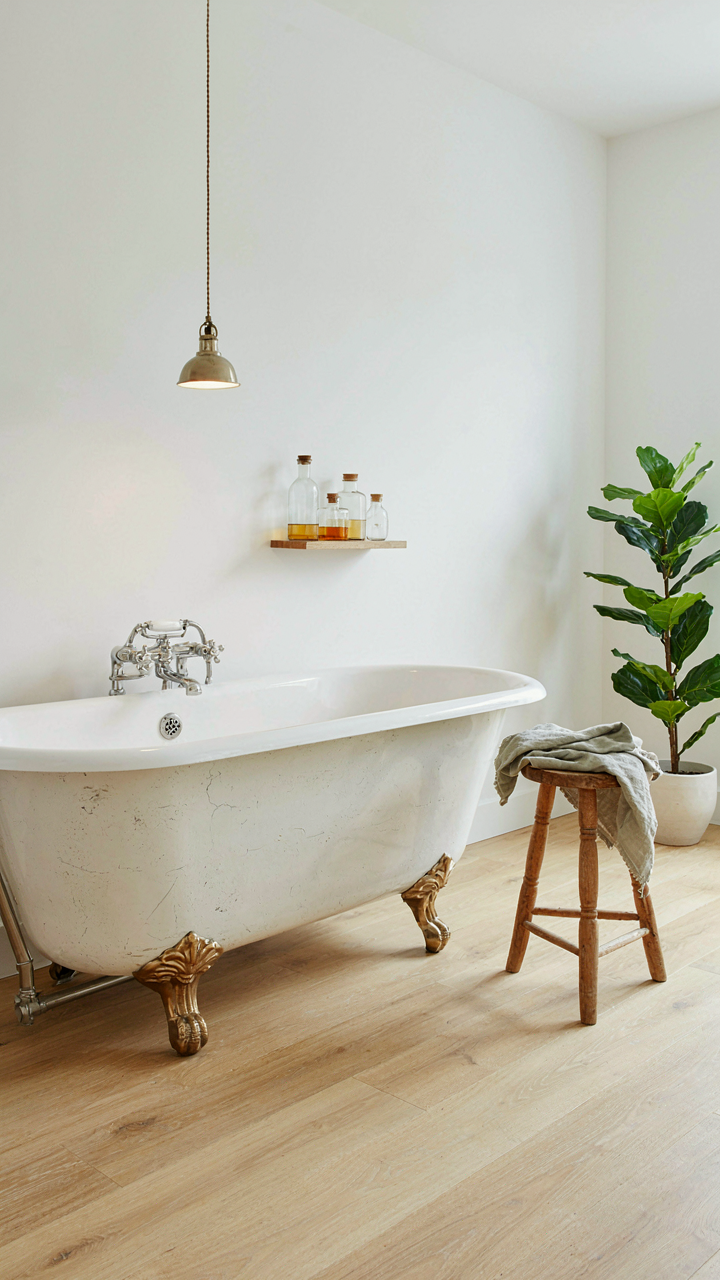
You want permission to ignore matching furniture catalogs and feel smart about it. Here’s the mechanism: salvaged fixtures work because they carry real material history, not reproduction theater. This operates like archaeology in reverse—you’re not digging up the past, you’re installing it. A cast iron clawfoot tub from the 1920s wasn’t designed to look aged. It actually aged through use, and that authenticity reads instantly to anyone in the room.

The common advice is to hunt for “vintage charm.” That’s lazy. Hunt instead for fixtures that were engineered to last past their owners. Genuine salvaged sinks have thicker porcelain, solid brass hardware, and drainage systems that still outperform modern equivalents. Reclaimed wood vanities, when sourced from old barns or deconstructed homes, carry the material density and joinery craftsmanship that plywood-based reproductions cannot fake. Source through architectural salvage yards, not online marketplaces selling new-made “distressed” pieces. The difference compounds every time you use the fixture.
The Lived In Bathroom Demands Imperfection As Design
A truly lived-in bathroom rejects the staged museum approach entirely. Mismatched vintage mirrors, stained glass panels salvaged from old homes, and chipped subway tiles installed deliberately create coherence through restraint, not uniformity. The principle mirrors urban planning strategy—cities function because zones contain deliberate contradictions, not because everything matches. Your bathroom should feel like someone with actual taste edited it over time, not like someone followed a design board on Pinterest last Tuesday.
Install fixtures at different heights rather than aligned symmetry. Mount a medicine cabinet from the 1960s, place a salvaged apothecary shelf above it, add worn brass hooks at varying levels. Let grout lines sit visible and slightly irregular. Stock the space with actual vintage bottles and glass jars—not reproductions—so the room documents real choices. The mechanism is friction: when visitors sense the room wasn’t designed in one afternoon, they register it as genuine.
Cottage House Interior: The Art Of Deliberate Discomfort
When Perfection Kills The Room
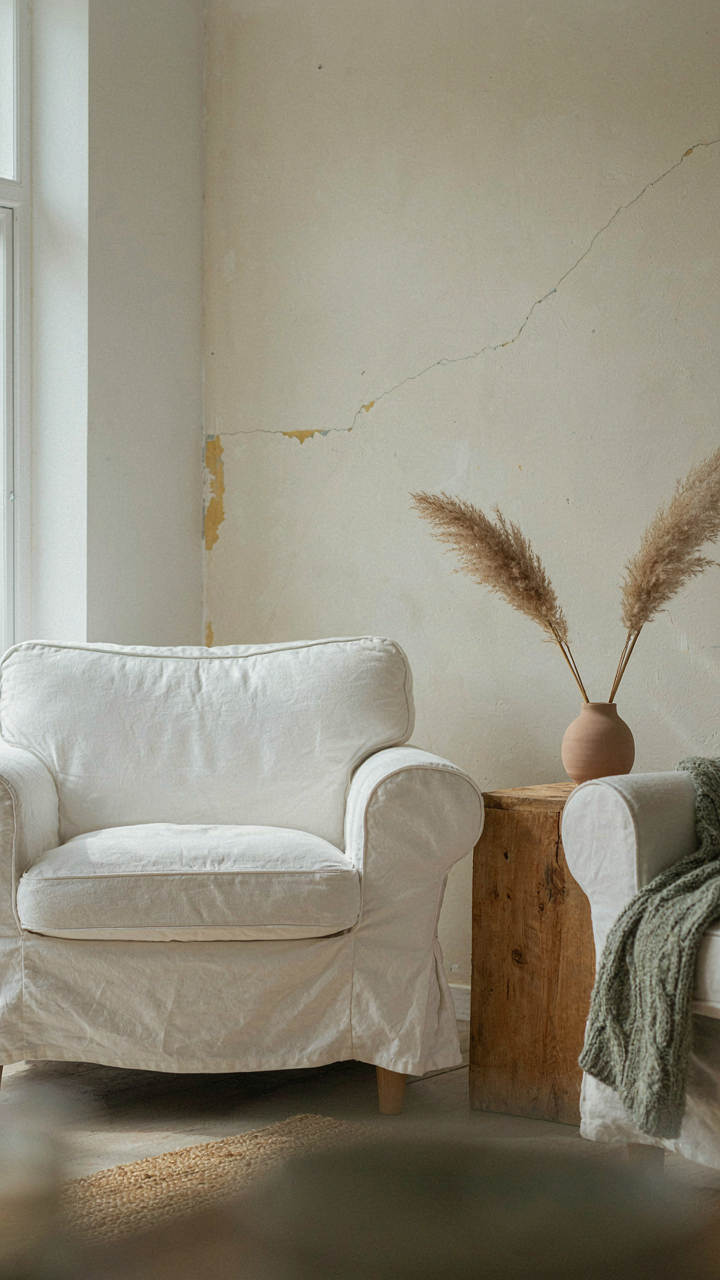
You want your space to feel lived-in because you’re afraid sterile rooms expose emptiness. The mechanism is simple: perfection demands nothing of you, so your brain ignores it. A flawless room is furniture arrangement. A worn room is a story that makes you participant, not observer. Shabby chic cottages work because they hide behind intentional decay instead of demanding you fill the void with your own personality.

Sterile comfort numbs. It’s the design equivalent of white noise. Your eyes land nowhere because nothing breaks the pattern. Shabby chic reverses this by placing friction where it matters. A weathered beam, a cracked paint edge, a linen slipcover with visible mending creates focal points that arrest attention. The room stops being backdrop and becomes conversation. This is why generic modern interiors feel lonely even when full of people.
The Friction That Builds Meaning
In material science, roughness increases surface area and grip. Shabby chic cottages apply this principle to human psychology: exposed imperfection increases emotional adhesion. The common advice says to layer textures and soften everything. That’s incomplete. You need contrast between the broken and the intentional, between decay that happened and decay that was preserved on purpose.
- Unfinished Wood Surfaces: Leave grain and knots exposed rather than sanded smooth. This creates visual weight and suggests the wood has earned its patina through use, not neglect.
- Cracked Paint As Boundary Marker: Paint edges that chip and flake define architectural transitions without looking accidental. Choose where deterioration happens; don’t let entropy choose for you.
- Visible Seams And Stitching: Upholstered pieces with exposed thread, button tufting, or repair work show that comfort required effort. This signals authenticity that new furniture cannot replicate.
- Layered Textiles With Wear: Blankets folded over chair arms, rugs placed asymmetrically, linens in varied weaves create depth through use patterns, not decorator planning.
- Metal Hardware Left Unpolished: Brass, iron, and copper fixtures should show patina and oxidation. This tells time passing, which is what cottages are supposed to embody.
Ruggedness isn’t softness with dirt on it. It’s structural honesty. A cottage that looks weathered because the builder skipped maintenance fails. A cottage that shows deliberate wear through material choice and placement works. The difference separates design from accident. Identify one surface per room where you’ll preserve visible imperfection and anchor your decisions around that single point of friction.
Cabin Bathroom Design Ideas: Rough Hewn Elegance

Wood And Stone In Raw Form
You want this space to feel authentic because you’re tired of the sterile bathroom aesthetic everyone else settled for. The mechanism is simple: raw materials signal that you didn’t chase trends. You use wood and stone because they age visibly, which proves intentionality over decoration.

Reclaimed wood works best on vanities and shelving. It carries genuine weathering rather than manufactured distress. Stone appears on countertops, shower surrounds, and floors where water exposure matters functionally. Both materials handle moisture without requiring the fussy maintenance of painted surfaces. The visual payoff is earned, not purchased.
The Tension Between Worn And Polished
Everyone tells you to just embrace the rough texture everywhere. That’s incomplete. The real move is creating friction between elements. A weathered wood vanity next to a perfectly smooth marble sink. Rough stone walls framing a clean mirror frame. This contrast prevents the space from reading as neglected.
Refinement here means precision, not perfection. A carefully selected antique brass faucet. A mirror with a simple frame instead of ornate molding. Subtle hardware on cabinet doors. These details cost more because they demand editorial judgment. You’re not decorating a bathroom. You’re editing one down to what actually belongs.
The Real Obstacle Isn’t Finding Vintage Pieces; It’s Your Fear Of Embracing Imperfection

You already know what a shabby chic cottage looks like. The real problem is you think your flaws disqualify you from building one. That chipped paint, that mismatched furniture, that worn fabric—you’re treating these like mistakes instead of the entire point. Stop curating perfection and start placing one weathered piece in your home today. The gap between inspiration and action closes the moment you accept that broken is beautiful.



