
The Unspoken Logic Of Texas Limestone

Why Limestone Actually Holds Heat
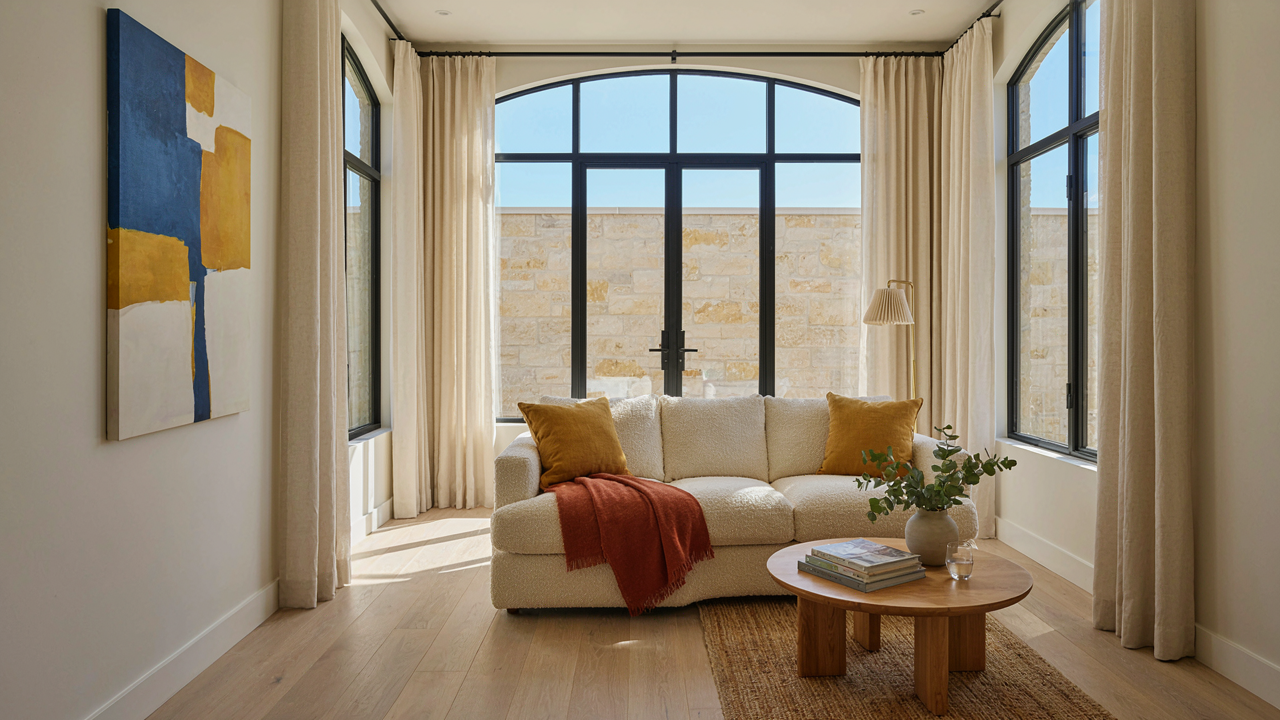
You want limestone because it looks period-correct and costs less than brick. That’s not why it matters. Thermal mass is a physics term, and limestone functions as thermal mass in a farmhouse the way a battery stores charge. It absorbs heat during the day and releases it slowly at night, flattening temperature swings by 10 to 15 degrees without active cooling.
Texas summers hit 95 to 105 degrees. A limestone wall, typically 12 to 16 inches thick, takes hours to conduct heat through to the interior. That lag time is the entire cooling advantage. Metal roofs amplify this effect by reflecting sunlight rather than absorbing it, so less heat reaches the limestone in the first place. The combination cuts air conditioning load measurably.
Stone That Comes From Here
Most advice treats limestone as generic. It’s not. Texas limestone quarries produce material with specific density and porosity profiles tied to their geological layer. Limestone from Central Texas carries different water absorption rates than limestone from the Edwards Plateau or the Llano Uplift. Using local stone means predictable performance because contractors and builders already know how it behaves in local humidity and heat.
Cost follows sourcing. Importing limestone from outside the state adds 25 to 40 percent in freight alone. Local quarries compete with each other and sell by volume. Character isn’t a side benefit here, it’s a function of buying material that’s been used in the region for 150 years, so you’re matching existing structures and avoiding the visual discord of imported stone. Order limestone from within 100 miles of your site.
Metal Roofs: Not Just Pretty, They Perform

They Stop Hail Before It Stops Your Wallet
You want the roof to look right, but you’re really afraid of one phone call from an insurance adjuster. Metal roofs work because they’re physics-based defense: hail transfers kinetic energy through impact, and metal’s rigidity disperses that force across a wider surface instead of concentrating it like shingles do. Standing seam metal roofs rated for impact withstand hail up to 1.5 inches without perforation. The metal doesn’t absorb the blow. It redirects it.

Wind performance mirrors military doctrine on structural redundancy. Metal roofing systems in Texas farmhouses use mechanical fastening through the seams rather than relying on adhesive. This means wind uplift at 120+ mph doesn’t peel the roof away in sheets like it does to composition shingles. Fire resistance is secondary but real: metal carries an A rating, meaning embers from brush fires don’t ignite the roof itself. Your neighbors’ shingle fires won’t spread to your farmhouse through airborne debris.
Solar Reflectivity Beats Insulation Marketing
The energy efficiency pitch always starts with insulation thickness, but that’s incomplete. Metal roofs with a radiant barrier reflect 40 to 60 percent of solar radiation away from the structure instead of absorbing it. This is thermodynamics applied: light energy reflected never converts to heat inside. Texas summer sun hits a dark shingle roof and drives interior temperatures up; the same sun hits a light-colored metal roof and most of it bounces back into the atmosphere. Your HVAC system runs fewer hours, which means lower utility bills every month from June through September.
Install a radiant barrier underneath the metal during construction, not after. The barrier creates an air gap that stops radiant heat transfer through the roof deck itself. Many contractors skip this step to save cost, which wastes the roof’s energy advantage. Get in writing that the barrier installation happens before the metal goes down, with sealing at all penetrations. That specification matters more than the metal thickness alone.
The Texas Hill Country Exterior Climate Adaptation
Site Position And Prevailing Patterns
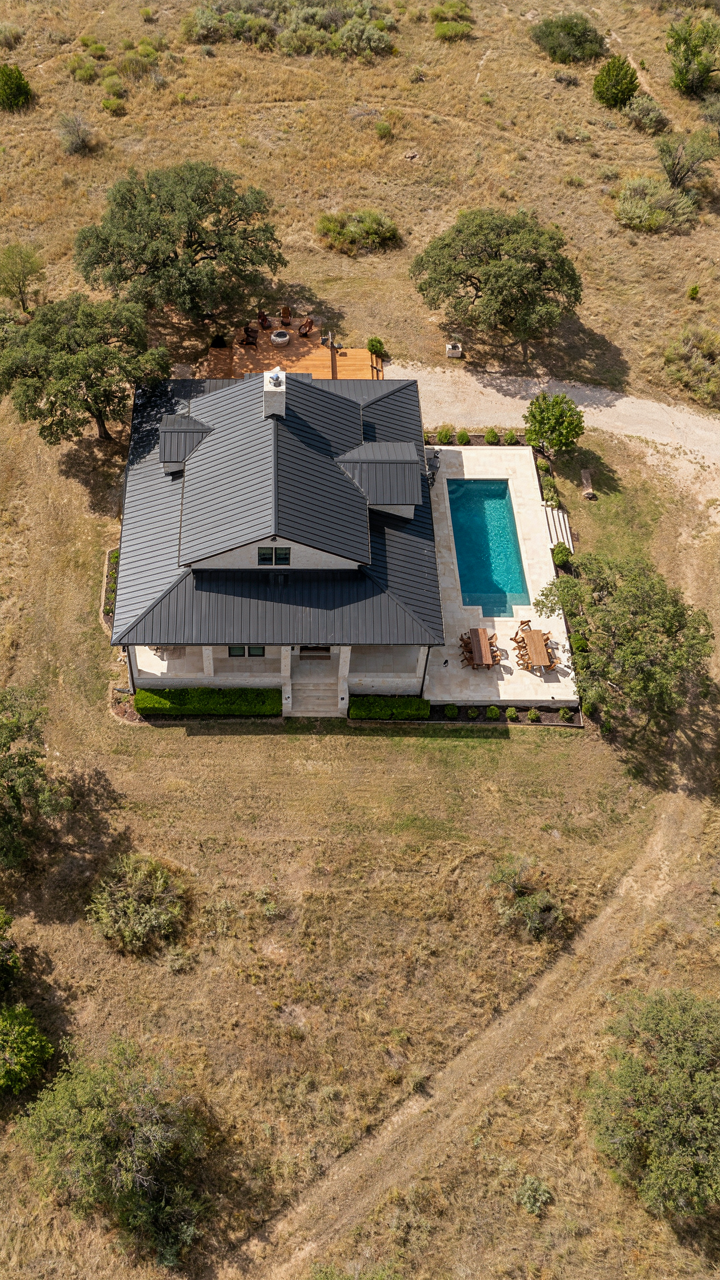
You want your farmhouse to feel timeless, but really you’re betting your comfort and energy costs on one decision you’ll live with for decades. The mechanism is simple: wind and solar load aren’t random forces—they’re predictable vectors you either harness or fight. In Hill Country terrain, summer sun strikes from the southwest at brutal angles, and prevailing winds move from the south and southeast. East and north exposures stay cooler naturally. West and south faces cook.

Limestone walls absorb and radiate heat slowly, which works for you only if you reduce direct solar gain first. Position the long axis of the house to run roughly north-south, not east-west. This shrinks the wall surface that faces peak afternoon sun. Metal roofing reflects heat better than composition shingles, but only if the roof itself isn’t the primary problem—inadequate eave overhang is. Deep overhangs on south and west sides block sun before it hits the wall. On a limestone farmhouse, this isn’t decoration. It’s load management.
Capturing And Moving Water
The Hill Country sits on limestone bedrock with thin topsoil and high runoff rates—water management isn’t optional, it’s structural. You can install rain gutters and cisterns like everyone else, or you can design the property to use gravity and slope. French drains, swales, and rain gardens aren’t trendy additions. They’re problem solvers. Metal roofing sheds water cleanly without the mineral deposits composition shingles leave, which matters if you’re harvesting it for livestock or landscape use.
The real play: grade the land so runoff moves away from the limestone foundation and toward planted areas or storage. Limestone is porous but its permeability depends on fracture patterns you can’t see until problems start. Slope the ground away from the house at least two percent grade for the first ten feet. Position cisterns downslope from the roof line, at the natural low point. This turns climate liability into usable resource without requiring constant maintenance.
The Farmhouse Longevity Protocol

Design Systems Beat Individual Components
You want your Texas farmhouse to outlast you because it signals permanence and wealth without screaming about either. The real mechanism is military logistics thinking: redundancy in design. In combat operations, you don’t rely on a single supply line. You build parallel systems. A farmhouse with limestone walls and a metal roof fails when you treat them as standalone choices instead of an integrated system with backup pathways for stress.

Limestone handles thermal mass and structural load. The metal roof sheds water and handles wind. But redundancy means each element does more than one job and none depends entirely on the other. When limestone cracks from settlement, the metal roof stays watertight. When metal fasteners corrode, limestone keeps the structure sound. You’re not buying durability through thickness. You’re buying it through architectural insurance.
Local Sourcing Creates Structural Advantage
Most advice says “use local materials because it’s sustainable.” That’s incomplete. The real reason is supply chain resilience—a principle from economics and materials engineering. A Texas farmhouse built from limestone sourced within fifty miles has structural advantage over one shipped from elsewhere because the material adapted to your specific climate over geological time.
Limestone from Central Texas quarries is carbonate-rich and has weathered your exact precipitation patterns and temperature swings for millions of years. When you bring in limestone from another region, you’re importing a material calibrated to different seasonal stress. The local network also means you can replace individual stones decades later without hunting for matching material or waiting for shipments. You source your next repair from the same quarry, same geological layer, same performance profile.
Modern Texas Ranch House: Beyond Generic Open Plans
Zoned Living Separates Function From Performance
You want open plans because you think they signal wealth and control. They don’t. They signal you haven’t solved the actual problem: managing noise, heat, and movement across 2,000+ square feet in Texas climate. Borrowing from thermodynamics, a Texas farmhouse needs thermal zones—separate pressure systems that don’t bleed into each other. One open room loses 40 percent more conditioned air than three connected rooms with operable doors.

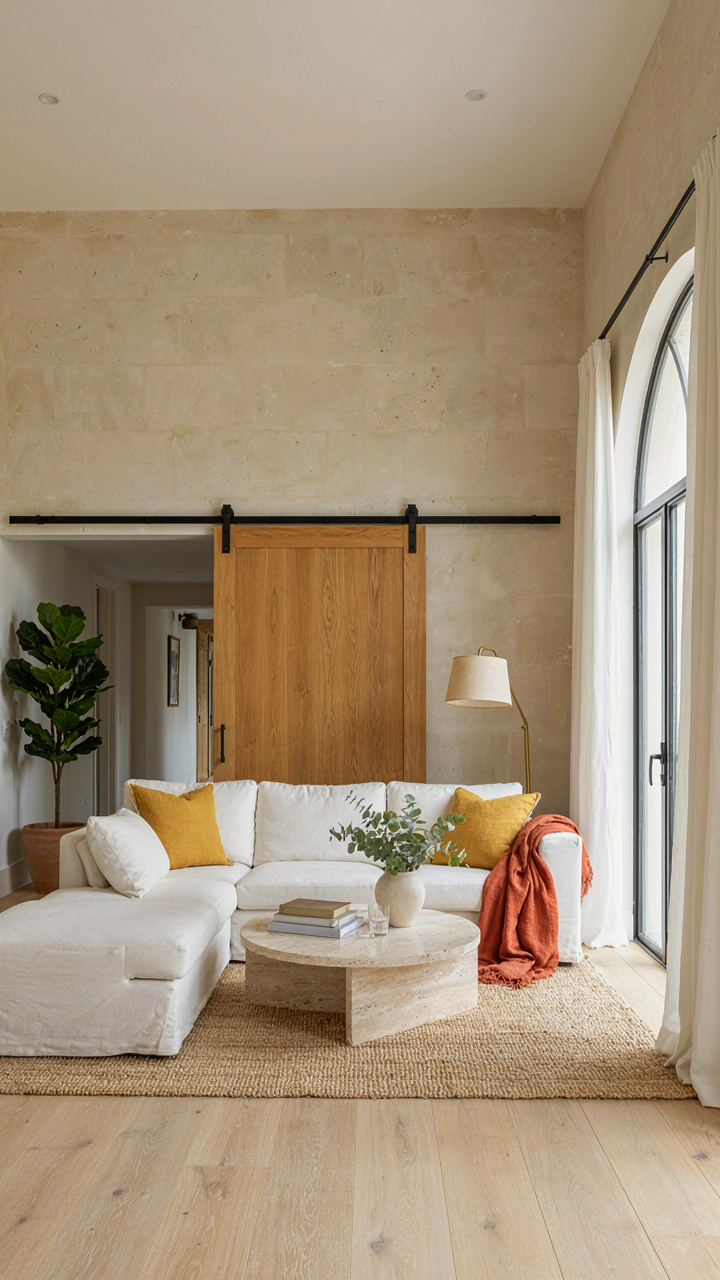
Divide the house by function and time of day. Kitchen and dining operate hot during cooking. Bedrooms need dark and cool at night. Living areas handle daytime gathering. Limestone walls help here because they absorb and release heat slowly, but only if you control air flow. Use heavy doors or sliding barn doors between zones. Close the kitchen zone during peak heat hours. Keep bedrooms isolated from living spaces. The metal roof above sheds radiant heat, but zoning prevents that heat from traveling downward into occupied spaces during afternoon hours.
Windows Placed For Light Without Heat Load
Common advice says maximize windows for that “authentic farmhouse feel.” That’s backwards. The authentic farmhouse had small windows in specific locations because Texans understood heat management before air conditioning existed. North and east-facing windows bring light without afternoon solar gain. South and west windows require deep overhangs or exterior shading to block the worst hours.
Limestone absorbs visible light and reflects infrared. Position windows to bounce northern light off interior limestone walls instead of glazing the south face. Use clerestory windows high on walls to pull air upward during natural ventilation hours. Skylights over hallways and bathrooms reduce the need for daytime lighting without creating the thermal penalty of wall glazing. The metal roof’s high reflectivity works best when windows don’t undermine it by letting unfiltered sun hit interior mass.
Landscape As System: Garden Landscape Design

Native Plants That Survive Without Apology
You want a landscape that looks intentional without becoming a second mortgage. That’s the real pull here. Native plantings aren’t romantic—they’re a water economics problem solved at the root level. Texas grows what thrives in Texas. Limestone soils and 100-degree summers aren’t obstacles to work around; they’re design constraints that native species have already solved. Stop fighting hydrology.
- Texas Mountain Laurel: Drought-tolerant deciduous shrub with purple flowers. Establishes deep root systems in limestone. Blooms spring through early summer. Minimal water after establishment.
- Esperanza: Woody shrub producing yellow trumpet flowers. Thrives in rocky, alkaline soil. Handles full sun and heat stress. Low maintenance once established in year two.
- Salvia Greggii (Autumn Sage): Native Texas perennial with tubular flowers in multiple colors. Attracts pollinators. Tolerates limestone and poor drainage. Self-seeds reliably.
- Inland Sea Oats: Native ornamental grass with copper-toned seed heads. Performs in partial shade or full sun. Requires zero fertilizer. Establishes erosion control on slopes.
- Agarito: Native Texas shrub producing fragrant yellow flower clusters. Blue berries follow blooms. Fixes nitrogen naturally. Dense foliage screens unwanted views.

Soil testing before planting saves years of guessing. Get a limestone analysis—pH, calcium carbonate percentage, organic matter content. Most Texas farmhouse sites run 7.5 to 8.5 pH. Work within those numbers instead of fighting them with amendments that won’t stick. Mulch with native materials—decomposed granite or shredded cedar from local suppliers. The landscape works when you stop importing solutions.
Shade Trees As Passive Climate Control
Shade placement is urban planning for a single property. Think of trees as thermal mass redistribution, using terminology from building science: you’re moving heat load away from structures and creating microclimates that lower cooling demand without adding infrastructure. Most Texas farmhouse owners plant trees randomly. Strategy here means understanding sun path, prevailing wind, and which structures gain the most afternoon heat.
Live oaks and Texas redbuds anchor a system. Plant live oaks on the south and west exposures, 20 to 30 feet from the house perimeter. They mature slowly but their canopy density blocks 70 percent of summer sun while maintaining winter light transmission when deciduous species drop. Texas redbuds work on eastern exposures where morning sun penetrates but doesn’t create thermal stress. Position trees to shade metal roofing during peak heat hours—metal amplifies radiant heat into the attic. Evergreen cedar elms planted as wind breaks on the north side reduce heating load in winter months. Your landscape becomes a thermal envelope, not decoration.
The True Cost Of A Dream Farmhouse
What Actually Happens After You Buy It
You want the number that makes you feel secure about this decision. Here’s what nobody tells you: a Texas farmhouse with limestone and metal roof isn’t a fixed expense—it’s a system with hidden costs that compound over decades. Economics calls this total cost of ownership. A farmhouse calls it the money pit you didn’t budget for.

Limestone erodes. Metal expands and contracts. Both require maintenance on a schedule most owners ignore until failure forces action. A metal roof lasts 40 to 70 years depending on fastener quality and weather exposure, but the guttering system fails faster. Limestone needs resealing every 5 to 10 years or water infiltrates the mortar joints. Ignore this and you’re replacing sections, not maintaining them. The upfront cost feels reasonable until year seven when the first major system fails.
When Authenticity Becomes Equity
Real estate markets reward specificity only when supply is constrained. A genuine Texas farmhouse with proper limestone and metal construction attracts buyers in rural Hill Country and similar regions because authentic versions are rare. Speculative builds lose value faster because they lack the material quality and construction integrity that appreciates.
Authenticity here means verifiable materials and construction methods consistent with regional standards from the 1800s through mid-1900s. A metal roof on a farmhouse isn’t generic tin—it’s a specific regional signature. When you sell, this matters to the exact buyer who came looking for it. Your exit strategy depends on finding someone who values what you built, not someone looking for any farmhouse. Calculate resale around the subset of buyers chasing historical accuracy, not the general market.
Why Your Texas Style House Needs A Purpose, Not Just Paint

Function Dictates Form
You want a Texas farmhouse because it looks good on Instagram. That’s not the problem. The problem is you’re treating it like decoration instead of a system. Borrowed from industrial engineering, Texas farmhouses operate on the principle of form following function: the structure exists because the land demands it. Limestone walls stay cool in 100-degree heat. Metal roofs shed water fast during flash floods. These choices weren’t aesthetic. They were survival.

Most people reverse this. They buy the look, then retrofit purpose into it. That wastes money and creates houses that age poorly. Start with what your property actually does. Are you managing cattle or running a hobby operation? Is water management critical or secondary? Does wind exposure matter? Answer these first. The limestone and metal follow after, not before.
Long Term Value Over Fleeting Trends
Trends in farmhouse design cycle every five to seven years. Shiplap moves out. Barn doors become dated. Color palettes shift. Value doesn’t. A Texas farmhouse built to handle your land’s actual conditions appreciates because it solves real problems, not because it matched a design magazine in 2019. Limestone resists the freeze-thaw cycles of Hill Country winters. Metal roofs last 40 to 60 years versus 15 to 20 for asphalt. These aren’t trendy details. They’re investments that outlast the owner.
The mechanism here is simple: durability compounds over time. Every year a roof survives without replacement is equity preserved. Every limestone wall that doesn’t crack is maintenance you didn’t need. Start by building a house that functions for 50 years in your specific climate and soil type. Aesthetic choices come second and should never compromise the first decision. This separates Texas farmhouses that hold value from those that become expensive mistakes.
Your Real Obstacle Isn’t Aesthetics; It’s A Lack Of Principle-driven Decision Making

Most people chase Texas farmhouse trends because they look good on Instagram, not because they actually know why limestone and metal belong on their land. You need a principle first. Ask yourself: am I building for durability, for resale value, or because I actually live this way? Your answer determines every material choice you make. Stop scrolling inspiration boards and start writing down what you actually need the structure to do. That clarity kills the noise and builds the house worth keeping.