The Scandinavian Farmhouse Illusion: Why Most “Calm Layers” Fail
Aesthetics Without Architecture
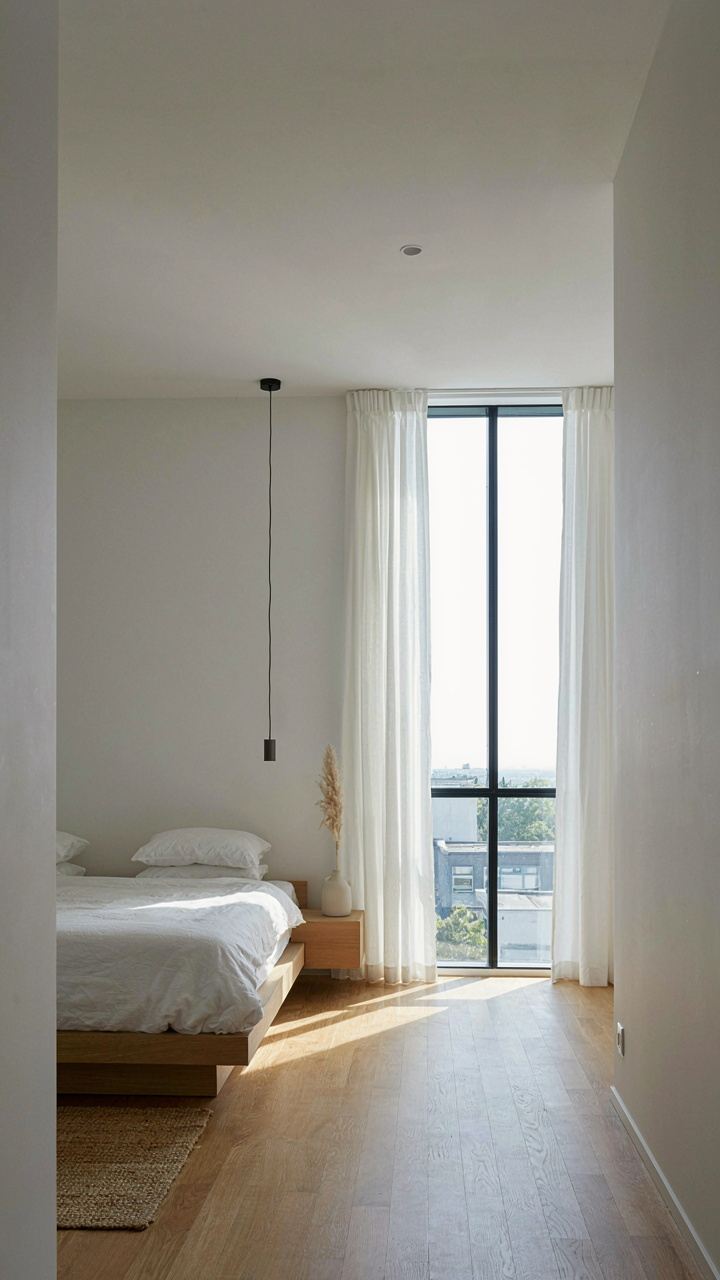
You want the credibility of a well-designed space without admitting you don’t know how rooms actually work. Most Scandinavian farmhouse bedrooms fail because people treat design like decoration—slapping white linen, reclaimed wood, and muted tones onto a room that still functions like chaos underneath. The mechanism is simple: surface materials cannot override poor spatial planning. A Pinterest-ready bedroom with bad lighting, no storage strategy, and cramped proportions will never feel calm, no matter how many linen layers you add.
Scandinavian farmhouse design emerged from practical constraint, not aesthetic choice. Farmers in Norway, Sweden, and Denmark built bedrooms to manage heat, maximize natural light, and organize limited resources. They didn’t prioritize looks—they prioritized function first, and calm followed as a side effect. When you reverse that order and start with how things should look, you inherit the visual language but lose the structural logic that made it work. The bedroom stays noisy because the architecture stays broken.
The Weight Of Hidden Systems
Cognitive load works like warehouse inventory: your brain can only process so much before performance degrades. A Scandinavian farmhouse bedroom that appears minimal but contains visual clutter—mismatched textures, unclear storage, competing focal points—creates what neuroscientists call “decision fatigue” even when you’re asleep. You never consciously notice it, but your nervous system does. The calm you’re chasing gets sabotaged by systems you can’t see.
Real Scandinavian farmhouse design obsessed over hidden infrastructure. Built-in storage hid in wall paneling. Textiles came in intentional layers with clear visual hierarchy, not random stacking. Lighting sources stayed out of sight, making spaces feel naturally lit rather than decorated. Most modern attempts reverse this by exposing everything—floating shelves, visible hangers, decorative baskets—and calling it “authentic.” Start by identifying what belongs invisible: storage that doesn’t announce itself, routing cables, and layering that follows one clear organizational principle rather than aesthetic impulse.
The De Clutter Protocol: Eliminating Visual Noise In Scandi Bedroom Ideas
The One In One Out Rule For Every Item
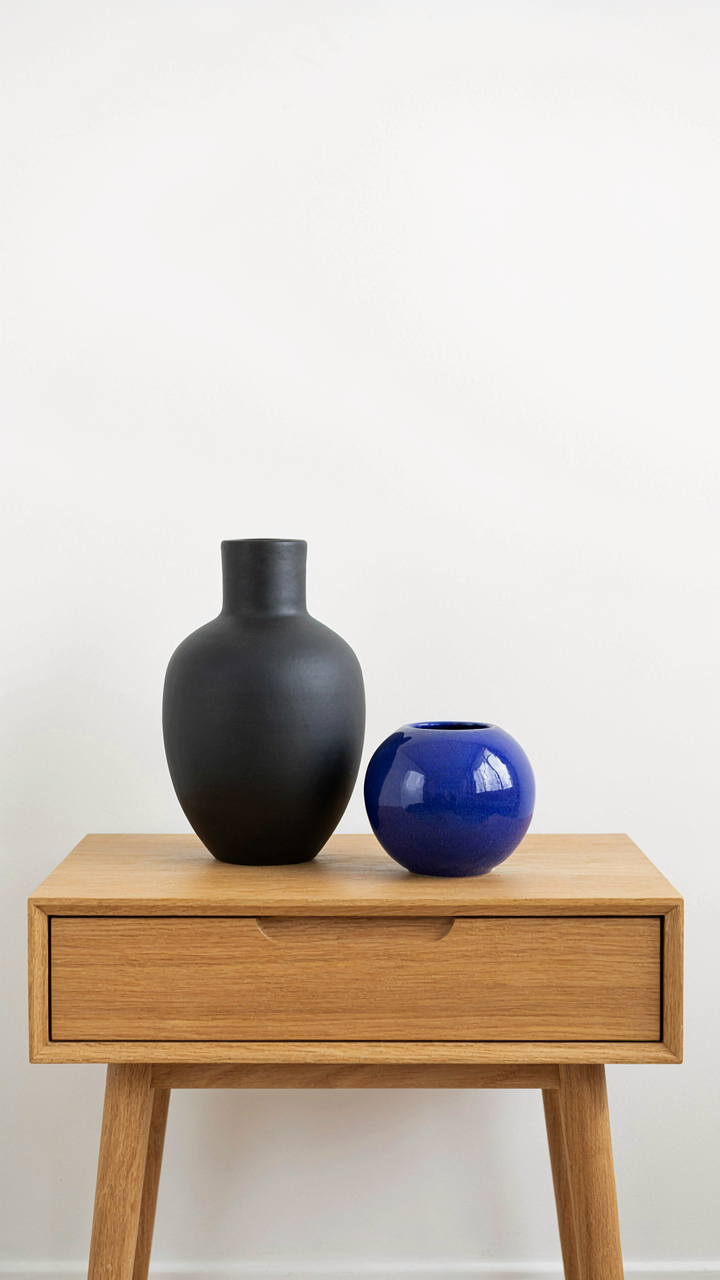
You want permission to keep things without feeling guilty about the clutter. Here’s the mechanism: every object in your field of vision competes for your brain’s attention. Scandinavian farmhouse bedrooms work because they respect this scarcity. The one-in, one-out rule isn’t about minimalism as ideology. It’s about maintaining a fixed mental load. When you add a new piece, you remove something of equal weight. This prevents the slow creep of accumulation that kills calm.

Apply this at the decision point, not months later during annual purges. When you buy new bedding, box the old set immediately. When a decorative item enters, another leaves the room that day. Nordics historically built lean because resources were finite. The principle persists in modern scandi design not as virtue signaling but as functional clarity. One in, one out keeps the visual field stable and your nervous system unburdened.
Strategic Negative Space: A Design Weapon
Negative space functions like air in architecture: it’s not empty, it’s load-bearing. In scandinavian farmhouse bedrooms, blank wall becomes a tool, not a problem. The common mistake is treating empty space as an opportunity to fill it. Wrong. Empty wall, empty surface, empty floor beside the bed generates cognitive relief. Your eye settles faster. Your thoughts don’t scatter across competing objects.
Scandinavian farmhouse design emerged from environments where walls were plaster or whitewashed wood and stayed that way deliberately. Furniture floated in the room rather than clustered. This wasn’t aesthetic preference. It was practical: fewer surfaces to clean, easier to move through tight quarters, reduced visual fatigue in dark winters. Create at least one completely clear wall per bedroom. Leave 40 percent of your nightstand surface bare. The mechanism is direct: less visual stimuli equals lower baseline stress. This is how calm compounds.
Sensory Minimalism: Beyond The Hype Of Scandinavian Bedroom Ideas
Texture As Controlled Input
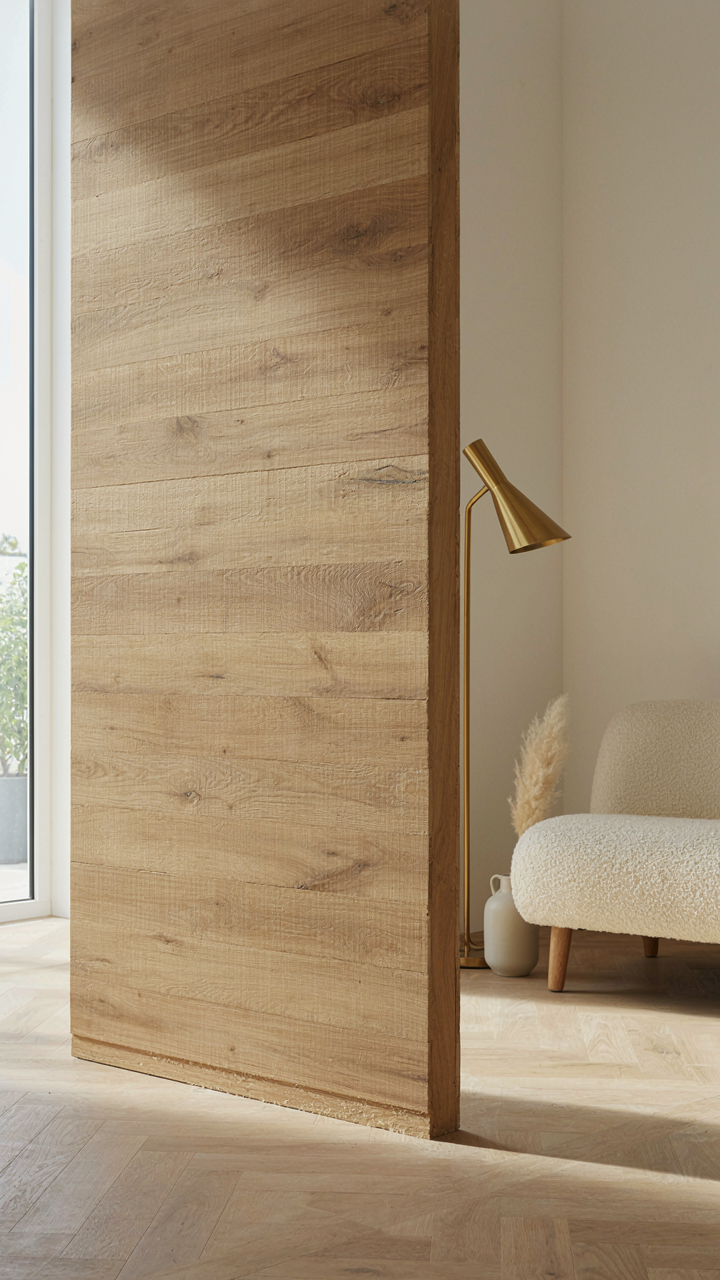
You want your bedroom to feel “calm” because you’re running a simulation in your head all day and need to stop the loop. Texture is the mechanism that interrupts mental noise. Scandinavian farmhouse design treats texture like signal processing: coarse linen absorbs sound and visual complexity, while smooth wood grounds tactile input into a single, readable pattern. This isn’t decoration. Raw wool, undyed flax, and hand-planed timber create friction against the eye and skin that forces present-moment attention.

Most advice says “add layers of texture.” That’s incomplete. The rule is specificity: one texture per surface, applied with purpose. A linen duvet does one job. A wool throw does another. Rough plaster walls do a third. Stack them indiscriminately and you recreate the sensory chaos you escaped. Scandinavian farmhouse bedrooms earned their reputation for calm by selecting textures that read as unified, not collected. The tactile palette narrows. Attention drops. The room works.
Light As A Biological Tool
Neuroscience maps light to circadian regulation, not aesthetics. Your Scandinavian farmhouse bedroom either trains your nervous system or trains chaos into it. Scandinavian design didn’t emerge from aesthetic preference. It emerged from latitude: six months of low-angle light and seasonal darkness forced a mechanism where every surface, angle, and material had to work double duty as a light redirector and absorber. This is why you see so much pale wood and linen in these bedrooms. They’re not soft. They’re functional.
Electric light placement matters more than fixture style. Place warm sources low and indirect. Avoid overhead fixtures that flatten the room into a clinical box. Scandinavian farmhouse bedrooms use task lighting near reading areas and ambient light from window-adjacent surfaces. This mirrors how northern European farms managed light scarcity: concentrated where needed, gentle everywhere else. Deploy one warm lamp on a nightstand or corner shelf, position it to bounce off a pale wall, and let that become your only evening light source. The nervous system responds to consistency. Consistency comes from protocol, not from buying the right lamp.
The Biomimicry Blueprint: Designing Your Scandi Bedroom For Flow
Optimize Pathways, Reduce Friction
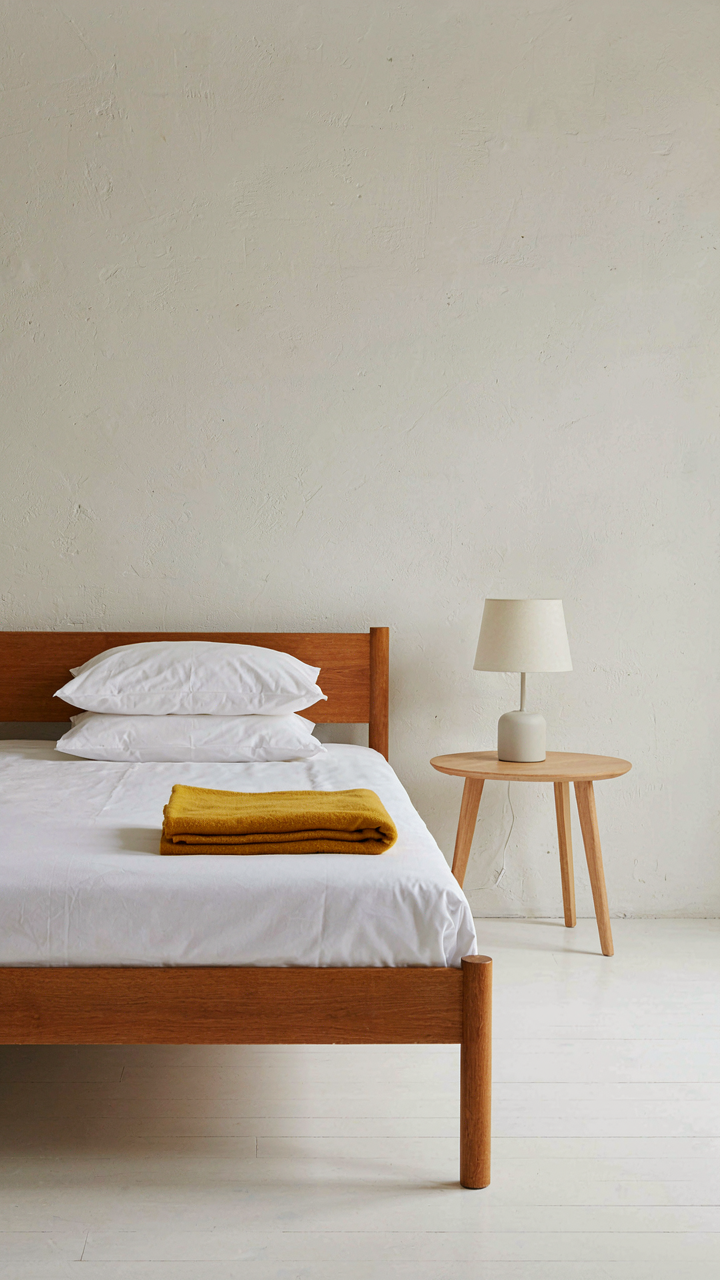
You want this room to feel effortless because effortlessness signals control, and control signals status. But here’s the mechanism: biology teaches flow through pathways. In a forest ecosystem, water moves along the path of least resistance. Your bedroom layout works the same way. A Scandinavian farmhouse bedroom succeeds when movement through the space requires no decision-making, no navigation around obstacles.

The practical application: clear sightlines from the door to the bed, unobstructed routes to essential zones like the window or wardrobe. Place furniture along walls rather than floating it mid-room. This isn’t about minimalism for its own sake. It’s about removing the cognitive load that prevents your nervous system from downshifting at night. Swedish and Norwegian farmhouses achieved this naturally because rural bedrooms were small, functional spaces without room for clutter or ornamental blocking.
Everything Serves A Purpose
Common advice says to “choose pieces you love,” which is how people end up with decorative objects that create visual noise and serve zero function. A Scandinavian farmhouse bedroom rejects decoration as a category. Every object either facilitates sleep, storage, or light. A wooden nightstand isn’t there to look rustic. It holds your lamp, your water glass, your book. The linen curtains don’t filter light softly for aesthetic reasons. They regulate temperature and morning brightness to keep your circadian rhythm stable.
This principle comes directly from rural farming culture. Bedrooms in 18th and 19th century Scandinavian farmhouses contained only what the body needed: a bed, storage for textiles, a small table, a source of heat. Modern additions like accent lighting or wall art don’t align with this economy. When you strip away pieces that don’t directly support sleep, recovery, or temperature regulation, you eliminate the visual stimulation that keeps your brain semi-alert. Audit every item in your room by asking one question: does this regulate my sleep or does it distract from it?
Mastering The Palette: The Power Of Monochromatic Scandinavian Interior Bedroom Design

Your Brain On Neutral
You want this room because you think it signals taste. Here’s the mechanism: your nervous system processes visual information constantly, and every color choice demands a decision from your prefrontal cortex. Scandinavian farmhouse bedrooms strip away that tax. Neutrals reduce cognitive load. White, cream, greige, soft gray—these aren’t boring. They’re metabolically efficient. Your brain stops categorizing and starts resting the moment you enter the space.

Monochromatic design emerged from Scandinavian practicality, not aesthetic theory. Long winters meant minimal daylight, so interiors used light-reflecting surfaces to maximize available sun. This constraint became a feature. The palette—cream walls, natural linen, pale wood—wasn’t chosen for drama. It was chosen because it worked. Your bedroom inherits that logic. One dominant color family eliminates visual noise and creates the neurological conditions for actual rest instead of perpetual low-level stimulation.
Depth Through Surface, Not Hue
Everyone says “add interest with texture.” That’s incomplete. Texture works because it creates shadow and depth without introducing new colors that restart your decision-making process. A rough linen throw, smooth wooden beams, matte plaster walls, and woven jute—these elements occupy different visual planes even at identical color values. Your eye moves through the room without your brain fragmenting attention across competing colors.
Scandinavian farmhouse bedrooms layer materials methodically. Linen performs differently than cotton, which performs differently than wool. Matte finishes absorb light where gloss reflects it. Wood grain creates variation that manufactured flatness cannot. This is the actual tension—surface against surface, not color against color. Start with walls in a single neutral, then introduce tactile elements in the same value range. The room gains dimension without gaining complexity.
Strategic Imperfection: The Wabi Sabi Of Scandi Farmhouse Bedroom
Worn Surfaces Tell The Real Story
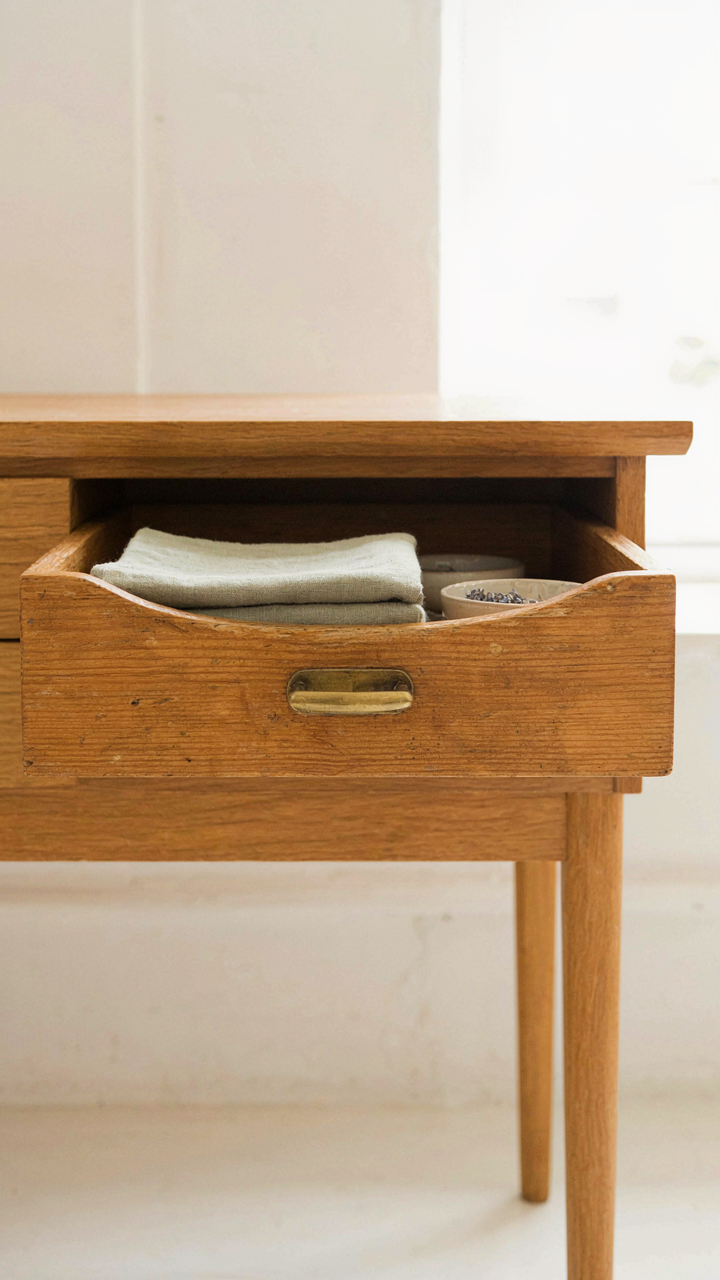
You want imperfection because it signals authenticity you haven’t earned yet. The mechanism is simple: genuine wear creates visual proof of time and use that artificial distressing cannot replicate. Scandinavian farmhouse bedrooms reject the Instagram aesthetic of fake distress. Real patina from decades of touch, weather, and living becomes the design. A floorboard darkened by foot traffic reads differently than a board sanded and stained to look old. The difference is measurable. Natural wear concentrates on contact points: drawer edges, bedframe corners, wood grain that catches light differently after years of handling. This pattern is impossible to fake convincingly because it follows actual physics of friction and exposure, not design taste.

Scandinavian craftsmen understood this distinction in the 19th and early 20th centuries when farmhouse furniture had no choice but to age in place. The bedroom reflected accumulated life, not purchased atmosphere. A weathered dresser or bed frame shows where hands grip it daily, where elbows bump it moving through tight spaces, where sunlight bleaches one side over seasons. You source this furniture now by buying functional antiques, not reproductions. The piece has already done the work. Your job is recognition, not creation.
Human Marks Over Machine Precision
Handmade elements defeat the cost economy entirely: they cost more and take longer. But they operate on a different principle than factory production. A hand-carved wooden bed rail shows tool marks, slight thickness variations, and micro-corrections a machine never makes. These aren’t flaws to sand away. They’re evidence of decision-making during the making. In Scandinavian farmhouse tradition, the maker’s attention becomes part of the object’s value. A hand-woven linen throw reveals fiber inconsistencies, slight color shifts, and weaving rhythm. These variations anchor the room in human effort rather than industrial uniformity.
When you place a handmade blanket or headboard in a farmhouse bedroom, you’re not decorating with texture. You’re introducing an object made by someone solving problems in real-time. Jute rope handles on a wooden chest, uneven nail heads on a metal bedframe, hand-stitched details on pillows. Each demands you notice the person who made it. This shifts the entire perception of the room from “styled” to “inhabited by intention.” Commit to one or two major handmade pieces per bedroom rather than scattering token artisan items everywhere. The depth comes from choosing what you actually use.
Functional Aesthetics: Farmhouse Bedroom Decor Ideas That Serve A Purpose
Every Object Earns Its Place Through Utility
You want permission to buy things and call it design. The real mechanism is this: Scandinavian farmhouse design applies the principle of carrying capacity from systems biology. Just like an ecosystem collapses when it exceeds its load threshold, a bedroom becomes chaotic the moment decorative objects outnumber functional ones. The math is simple. Every item must justify its square footage through use.

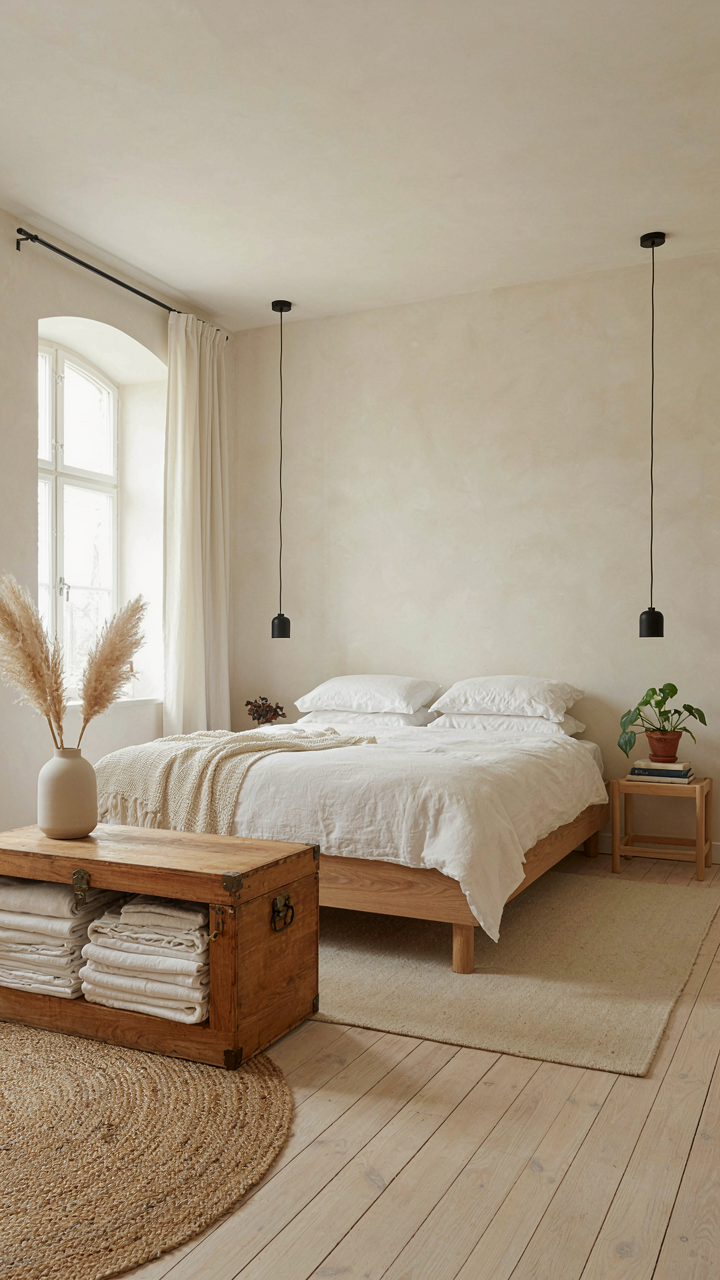
Scandinavian farmhouse rejects decoration as status. A wooden trunk at the foot of the bed isn’t there to look rural. It stores blankets. A linen shelf doesn’t exist for visual interest. It holds sheets you actually rotate. This isn’t minimalism with a farmhouse filter. It’s the deliberate elimination of the gap between what something looks like and what it does. When form and function align completely, the room stops fighting itself.
Hidden Storage: The Ultimate De Stressor
A visible object triggers a decision every time you see it. The brain registers clutter as unfinished business, which is why a room stuffed with visible items depletes mental energy faster than actual physical mess. Hidden storage removes that loop entirely. You see calm because the decisions are made. The items exist, but they’re not demanding your attention.
- Bed skirts with storage compartments: Capture the space under the bed frame without turning it into a visible catchall. Scandinavian designs use natural linen or wool blends that match bedding.
- Wooden chests with flat tops: Function as both seating and storage. Farmers used these for textiles and seasonal items. They anchor a room while eliminating shelf clutter.
- Built in wall cabinets above nightstands: Exploit vertical space without adding furniture. Doors close completely, hiding books, bottles, and personal items from view instantly.
- Woven baskets under console tables: Store throws, extra pillows, or off season items. The weave pattern matches farmhouse textiles while the table surface stays clear for lamps.
- Drawer dividers in nightstands: Segment the interior so every item has a fixed location. This prevents the drawer from becoming a dumping ground that stresses you during bedtime.
Most bedrooms fail because storage happens after decoration. You buy things, then scramble to hide them. Reverse the process: design storage first, then place only the objects that fit. The bedroom becomes a machine that supports sleep instead of a visual argument.
The Light Equation: Harnessing Natural Illumination In Bedroom Scandinavian
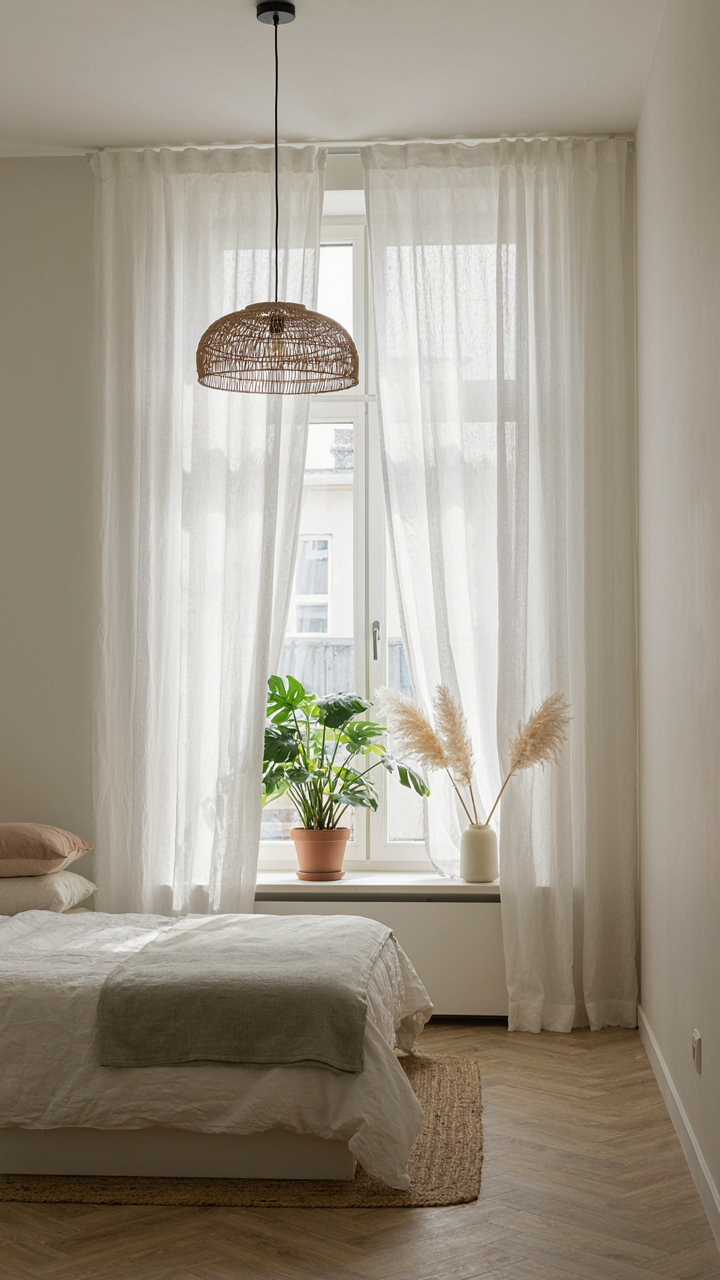
Window Placement And Daylight Strategy
You want this room to feel expensive without trying, and that starts with light. Scandinavian farmhouse design treats windows as load-bearing infrastructure, not decoration. The mechanism is simple: unobstructed daylight in the morning resets your circadian rhythm, while diffused afternoon light keeps the space from feeling institutional. North-facing windows work best in these climates because they deliver consistent, shadowless illumination without temperature swings that force you to regulate your environment constantly.

Traditional Scandinavian farmhouses positioned bedroom windows to the east or north deliberately. Heavy drapery negates this entire strategy. Instead, use linen in natural ecru or undyed flax. Linen diffuses light rather than blocks it, maintaining the circadian benefit while controlling glare on surfaces. The farmhouse aesthetic demands this anyway, so you are not sacrificing function for style. This is the rare case where they overlap.
Layered Lighting For Evening Control
Most people layer light wrong because they treat it as decoration instead of a circadian tool. Your bedroom needs three distinct systems: task lighting for getting dressed, ambient lighting that mimics twilight, and a kill switch that produces near darkness. Edison-style bulbs at 2700K mimic firelight and do not trigger alertness the way cooler temperatures do. Position bedside fixtures at arm’s reach so you control dimming without leaving bed.
Scandinavian farmhouse bedrooms originally used candles and later oil lamps, which naturally produced warm, dimmable light. Replicate this constraint with modern hardware. Install warm-white LED strips behind wooden bed frames for low-level ambient light, add a central fixture dimmable to 30 percent or lower, and place one dedicated reading lamp with a shade that directs light downward. The protocol is this: at 9 PM, shift to ambient only. At 10 PM, drop to 30 percent. At 10:30 PM, use the bedside lamp alone. Darkness is a tool you schedule, not something that happens to you.
Beyond Trends: Cultivating A Timeless Scandinavian Farmhouse Sanctuary
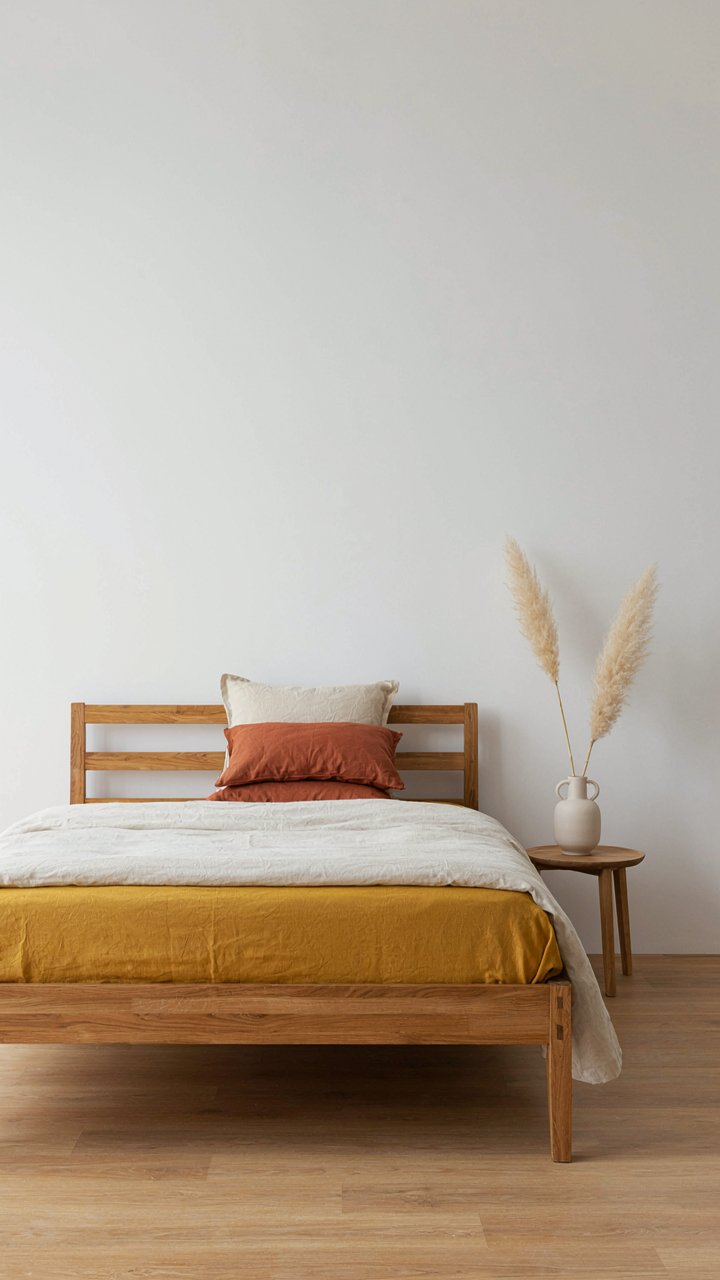
Buy Once, Cry Once
You want permission to spend money without feeling guilty about it. Here’s the mechanism: trending bedroom pieces depreciate in value and relevance within 18 months. Scandinavian farmhouse relies on materials and construction methods that outlast fashion cycles because they were never fashionable to begin with. A solid pine bed frame or linen duvet from the 1970s functions identically today. Trend pieces deteriorate functionally and psychologically.

Real investment in a Scandinavian farmhouse bedroom means selecting materials that gain patina instead of showing wear. Untreated wool, raw linen, and solid wood absorb use and improve. A cheap particle-board nightstand scratches and warps within years. A handcrafted wooden piece with proper joinery develops character. The cost difference upfront is real. The cost of replacement and the psychological drag of constant upgrading compounds over a decade.
Design Compounds Like Interest
Intentional spatial design operates under a compounding mechanism identical to financial returns. Small decisions made today layer upon each other and accelerate the room’s coherence over time. A deliberately chosen color palette of white, cream, and soft gray from day one eliminates future clashing. Every new object integrates seamlessly because the foundation was built to absorb rather than reject.
Rooms built on impulse and trends require constant correction and replacement. Each correction costs time, money, and mental energy. A Scandinavian farmhouse bedroom established with intention requires nearly zero maintenance decisions after the first six months. The room simply functions. Objects added later conform to existing patterns because patterns were intentional from the start. This is why farmhouse bedrooms feel peaceful while trend-driven rooms feel chaotic.
The Real Obstacle Isn’t Finding The Right Design; It’s Your Inability To Ruthlessly Eliminate The Unnecessary
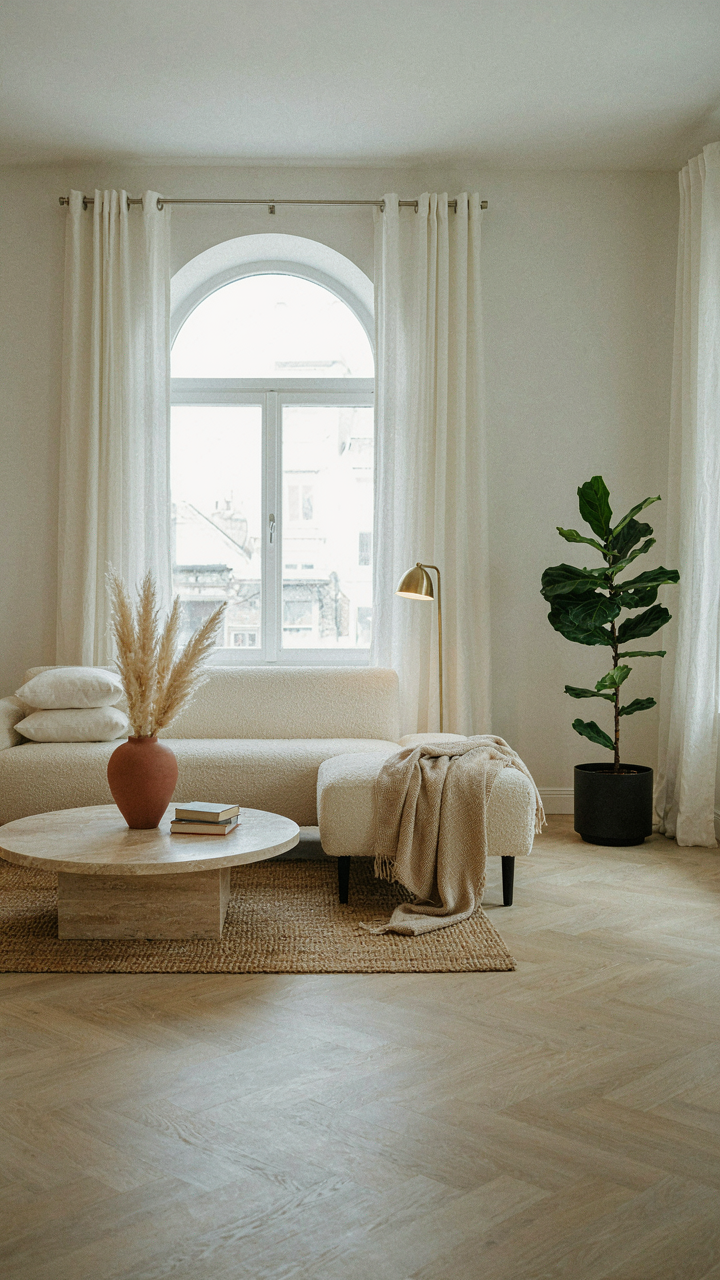
Most people don’t fail at a Scandinavian farmhouse bedroom because they lack design ideas. They fail because they can’t say no to stuff. You own too much. Your brain uses it as a security blanket. Strip your bedroom to bare walls today. Remove everything except a bed, one nightstand, and a lamp. Live with it for three days. You’ll notice what you actually need versus what you’re afraid to lose. That discomfort is where real design clarity lives. A calm bedroom doesn’t happen when you add the right things, it happens when you finally stop adding.