
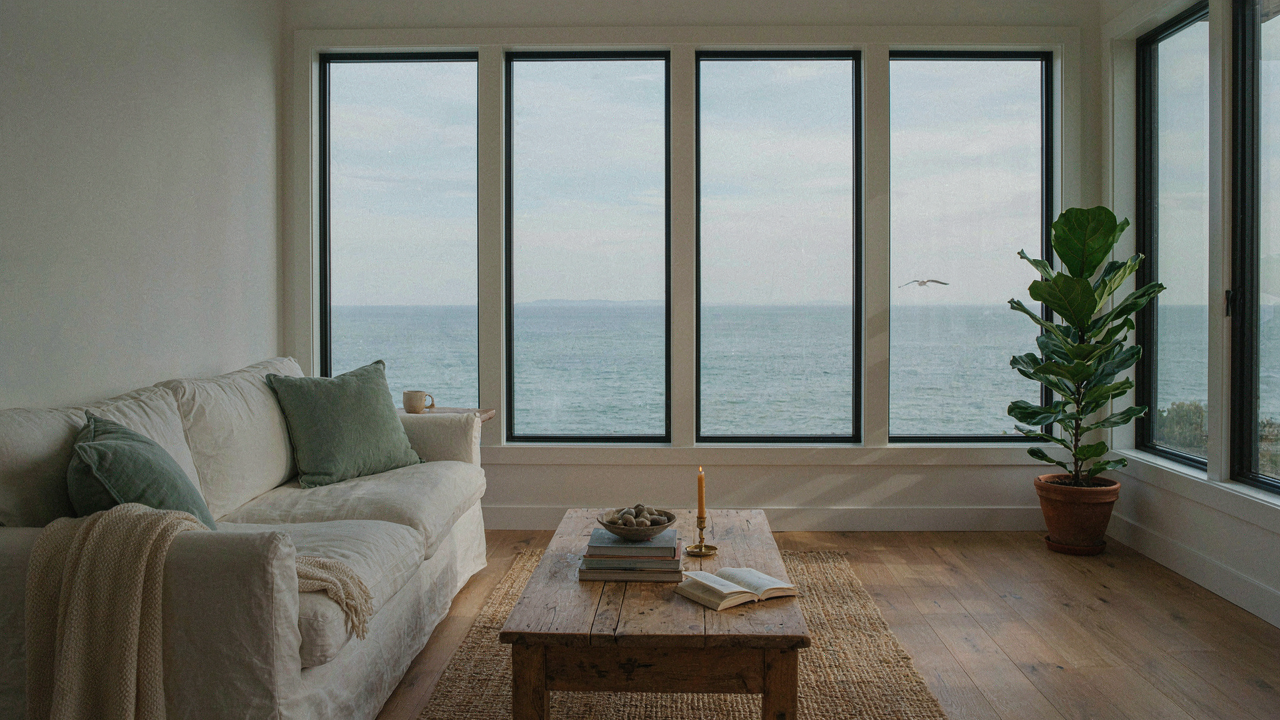
The Un Decorating Imperative For Coastal Cottage Living Room

Strip The Obvious Coastal Tropes
You want to feel like you belong to a place you don’t actually live in, and Pinterest has convinced you that rope, driftwood, and nautical striping are the password. They’re not. They’re the default move everyone makes before realizing they’ve built a theme park instead of a room. The mechanism is simple: coastal cottage design fails when it prioritizes aesthetic symbols over the material reality of how light, salt air, and water damage actually behave in a seaside environment.
The common advice gets this backward. Design blogs tell you to “add coastal elements.” The real work is the opposite. Start by removing everything that looks deliberately coastal. That means the rope ladder wall hanging, the oversized anchors, the color palette borrowed from a beach resort gift shop. What remains is what actually belongs in a room exposed to salt spray, humidity, and intense reflected light. That foundation reveals what materials and colors survive. That’s your design language, not a catalog aesthetic.
Identify What Actually Stays
In architectural terms, load-bearing elements determine structure. In a coastal cottage living room, material resilience determines design. Paint fades in salt air within months unless formulated for marine environments. Fabrics deteriorate faster from UV and humidity. Wood warps. Metals corrode. The discipline of coastal design is not choosing what looks good but choosing what doesn’t fail. Your eye should train on durability first, appearance second, because appearance that disappears is worthless.
Begin with a material audit. Walk the room in morning light, afternoon light, and evening. Note where sun hits directly, where salt-laden air drifts, where humidity pools. These zones demand different materials. A wool blend sofa fails near the window. A linen-cotton blend with a tight weave survives it. Select your foundational pieces by their actual performance history in coastal conditions, not by their design pedigree. Once you’ve placed durable large-scale items, everything else arranges itself around physical constraints, not decoration choices.
Beyond Beige: The True Coastal Palette

Pull Colors From What’s Actually There
You want a coastal room that feels “authentic” without looking like a hotel lobby. That desire is fine, but it’s hiding the real mechanism: most people copy the wrong reference points. They grab colors from coastal design magazines instead of studying actual shorelines in their region.

Real shorelines don’t deliver uniform palettes. A New England rocky coast reads differently than a Gulf Coast beach or a Pacific Northwest cove. The sand, rocks, water depth, and sky conditions shift the entire color story. The mechanism from ecology applies here: environmental pigmentation. Your room’s colors should match the specific coastal environment you’re referencing, not some generic “beach aesthetic.”
Visit the actual shoreline you’re trying to capture. Photograph the sand at different times of day. Notice how rock faces absorb light differently than water surfaces. Collect physical samples if you can: shells, driftwood, sea glass. This isn’t decorating advice. This is data collection. Your palette builds from observed fact, not assumption.
How Daylight Changes Everything
The common advice says “use light colors in coastal rooms.” That’s incomplete. Light colors are just a symptom. The real driver is how natural light behaves in your specific space and time of year.
A room facing east gets cool, short-duration morning light. A west-facing room gets long, warm afternoon light that shifts shadows. South-facing rooms in northern latitudes stay relatively consistent. North-facing rooms stay perpetually cool. Your wall colors, fabric choices, and reflective surfaces must respond to these light patterns, not ignore them. Natural light functions as your primary pigment, not your backdrop.
This means testing before committing. Paint large swatches on each wall. Live with them for a full week across different times of day. Watch how the color shifts as light angles change. A soft greige that looks perfect at noon might turn sickly green by 4 PM. Adjust undertones based on what the light actually does to the surface. The color you choose is the one that remains true across your room’s complete light cycle.

The Tidal Flow Protocol: Furnishing Your Beach House Style Living Room
Anchor Furniture To Movement Patterns
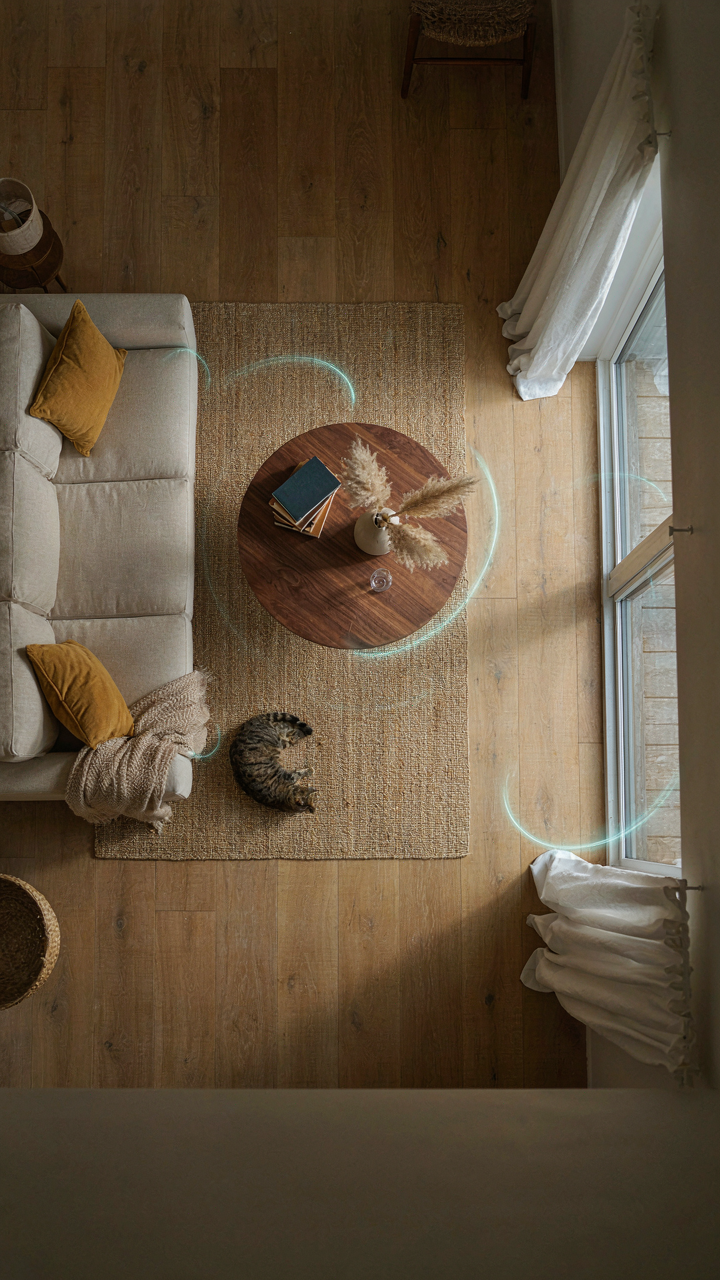
You want a living room that feels effortless, but the real reason you care is that a poorly arranged space signals you don’t have your life together. The mechanism is borrowed from fluid dynamics: water flows around obstacles, not through them. Your furniture placement either creates channels for movement or dead zones. Start by mapping the actual paths people take from the entry to the kitchen, from seating to the view. Place your largest piece—the sofa—perpendicular to these paths, not blocking them. This isn’t aesthetic. It’s structural.
Coastal cottages compress living and circulation into tight quarters. Your sectional, console table, and coffee table form a zone, but they must leave clear sightlines and walkways to the kitchen and deck access. The common mistake is centering everything around a fireplace or window view, then jamming a chair in the remaining corner. Instead, measure the actual square footage, subtract door swings and traffic routes, then right-size your furniture to what remains. Scale down intentionally rather than cramming full-sized pieces into a small room.
Materials That Age Instead Of Deteriorate
Most people say “go with durable fabrics,” which is lazy advice that misses the actual problem. Salt air degrades standard finishes in months. The distinction that matters: materials that weather and patina versus materials that rot and stain. Teak, reclaimed pine, and solid oak develop character. Particleboard and treated plywood fall apart. Linen and canvas with marine-grade sealant hold up. Cheap upholstery darkens and smells like mildew.
Source your pieces from furniture makers who work with coastal materials, not from mass retailers stocking materials designed for climate-controlled homes. Reclaimed wood with visible grain patterns and natural finish beats anything pre-distressed in a factory. Iron and brass fixtures oxidize and gain depth over time in salt environments. Concrete and stone don’t degrade. Glass and mirror stay stable. Build your room around these anchors. Everything else you add should either age or be replaceable without loss.

The Deliberate Drift: Crafting Authentic Coastal Cosiness

Mood Without The Merchandise
You want the room to feel calm so people think you’re calm, but you’re buying objects instead of understanding how environments actually regulate your nervous system. Thermodynamics teaches us that temperature equilibrium happens through energy transfer between objects and their surroundings. In a coastal cottage living room, this principle works the same way: your furnishings and surfaces either absorb emotional intensity or reflect it back.
Hard, reflective surfaces amplify stimulation. Bare white walls, glass tables, and polished concrete bounce light and sound around the room, keeping your nervous system in a state of low-level alertness. Soft, absorbent materials do the opposite. Linen, wool, and weathered wood dampen visual noise and create genuine ease. The mechanism is simple: dense fibers trap light instead of bouncing it, reducing the sensory load your eyes process. This isn’t about aesthetics. It’s about what your body actually experiences when it enters the room.
Heat Transfer Through Touch
Texture is how energy moves between your skin and your environment, and most people get this backwards by treating texture as pure decoration. A linen sofa isn’t better than microfiber because it looks “more coastal.” It’s better because the fiber structure creates different thermal and tactile feedback. When you sit on loose-weave linen, air pockets slow heat transfer between your body and the fabric, creating a cooler sensation. This matters in a beach cottage where the goal is comfort during actual warm months, not Instagram performance.
The second layer is consistency. Mismatched textures keep your nervous system categorizing and comparing instead of settling. Pair your linen sofa with wool throws, jute rugs, and weathered oak tables. These materials share a common trait: they age visibly and feel honest. Your brain recognizes authenticity in texture patterns. Rougher surfaces, fraying edges, and natural color shifts signal that nothing here demands performance from you. Run your hand across each surface before committing. This single action reveals whether a material will work or waste your money.

Integrating Found Objects: The Modern Coastal Apartment Decor Secret

Objects With Actual Stories Beat New Things Every Time
You want found objects in your space because they signal you have taste and access. But the real mechanism is simpler: your brain treats authentic history as social proof. A piece with genuine provenance creates narrative weight that new retail items cannot manufacture, no matter the price tag.
The difference between a legitimate found object and decoration is specificity. A driftwood branch you collected from a specific beach trip fifteen years ago carries information about your choices. A mass-produced “weathered” branch from a home goods store carries only the store’s decision. Specificity is what your eye actually responds to, even if you can’t articulate why.
Skip The Intentionally Distressed Market
The market for artificially aged coastal decor exists because manufacturers solved a logistics problem, not a design one. Real distressing happens through use, salt air exposure, and time. The industrial supply chain cannot replicate this without it looking cosmetic.
This means your sourcing changes entirely. Stop browsing curated vintage sections online. Start checking estate sales, salvage yards, and actual antique markets where objects predate the coastal aesthetic trend. A piece from 1970 picked up from a barn has texture that came from legitimate neglect, not a factory process. Buy from people liquidating homes, not retailers selling the concept of age.

Lighting As Atmosphere: Nantucket Living Room Illumination
The Depth Problem With Flat Light
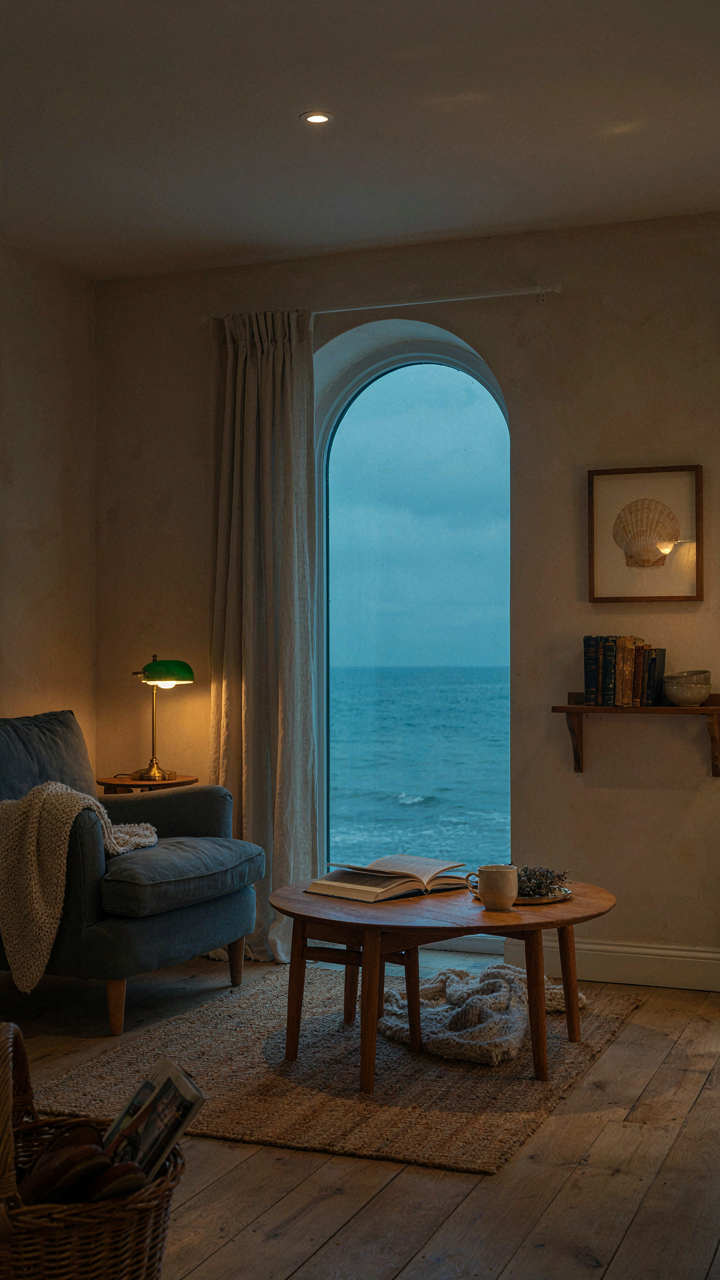
You want your living room to feel intentional, not like you’re sitting in a hotel lobby. That’s the real reason you care about lighting layers. Most people treat lighting as an afterthought—one overhead fixture, maybe a lamp, done. Wrong. Light is architecture. Physics calls this layering “intensity distribution,” and in a coastal cottage living room, it means the difference between a space that feels inhabited and one that feels staged.
The mechanism is simple: human eyes evolved to navigate spaces with multiple light sources at different angles and intensities. When you recreate this, your brain relaxes. A single bright source creates visual tension and flattens depth. Layered lighting—ambient, task, and accent combined—creates visual interest and makes the room feel larger than it is. Install ambient light first (ceiling fixtures or recessed lights), add task lighting where people actually sit, then position accent lights to highlight architectural features or artwork.
- Ambient lighting: Ceiling fixtures or recessed lights that provide overall room brightness without harsh shadows or glare.
- Task lighting: Table lamps or wall sconces positioned near seating where people read or work without straining eyes.
- Accent lighting: Positioned to highlight artwork, built-in shelving, or architectural details that define the room’s character.
- Dimmer controls: Allow you to adjust intensity based on time of day and mood without rewiring or replacing fixtures.
- Warm color temperature: Bulbs rated 2700K or lower mimic natural sunset light and prevent the sterile feel of cooler commercial lighting.
The execution matters more than the style. A coastal cottage living room with no dimmers and no flexibility looks frozen. Install dimmers on all ambient and task circuits. This single decision transforms how the room functions across morning light, afternoon work, and evening relaxation. The cost is minimal. The impact is permanent.
Windows As Primary Light Infrastructure
Natural light isn’t atmosphere—it’s the structural foundation everything else sits on. The common advice treats windows like decoration. They’re not. They’re the primary load-bearing mechanism of the room’s visual comfort.

Coastal cottages typically have good window placement because oceanfront properties were designed around water views. The error people make is treating these windows as static. Position furniture to maximize natural light on faces and work surfaces, not away from it. Seating facing a window creates visual depth and reduces eye strain compared to sitting with your back to the light source. This isn’t about view aesthetics. It’s about how your nervous system reads the space. During daylight hours, your task and accent lighting should complement natural light, not compete with it. At dusk, transition gradually by bringing task lighting online incrementally rather than flipping everything on at once. This prevents the jarring shift from natural to artificial light that makes rooms feel hostile. The goal is continuity, not a lighting event.
The Function First Imperative: Coastal Traditional Living Room
Design For The Environment You Actually Have
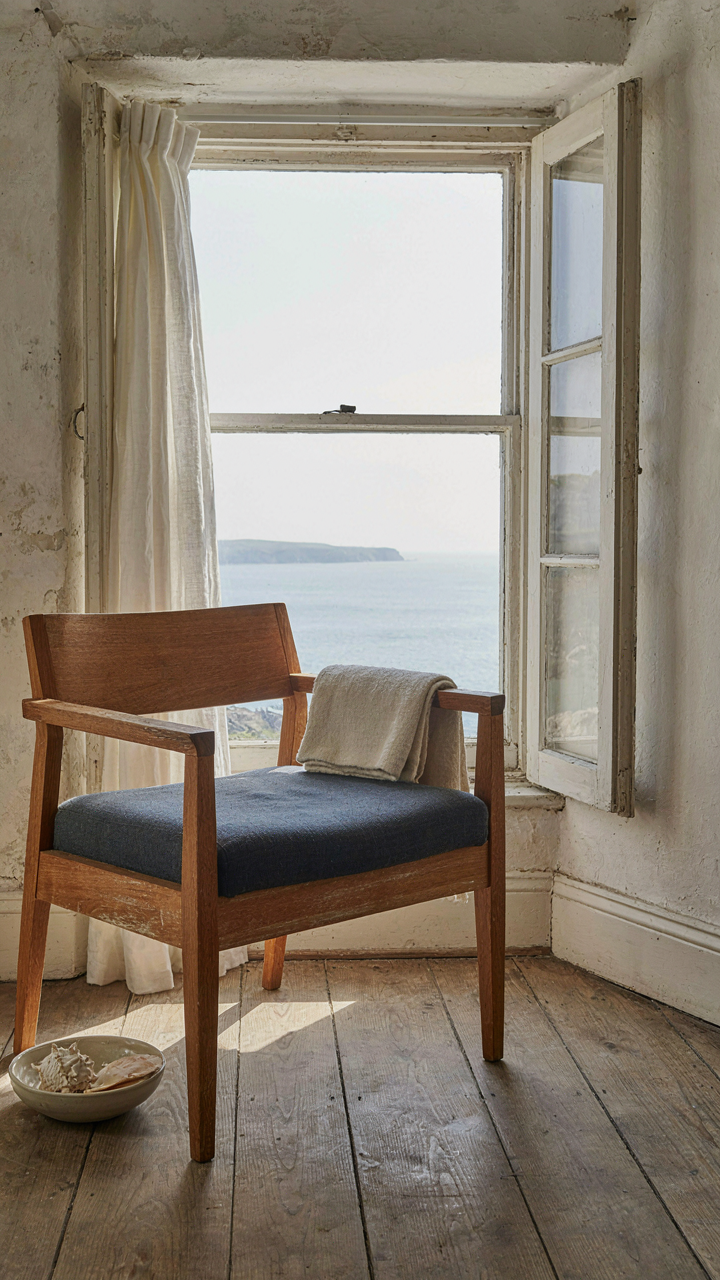
You want the coastal cottage look because it feels aspirational, but you’re avoiding the actual reason it works: it’s engineered for salt air and moisture. Borrow the naval concept of “weatherproofing” and apply it here. Coastal traditional design isn’t about aesthetics first—it’s about material selection that survives the specific conditions your room faces. Salt spray corrodes metal. Humidity warps untreated wood. UV light fades fabric. The style exists because earlier inhabitants solved these problems through necessity, not decoration.
Your living room sits in an aggressive environment. Temperature swings between heated indoor air and damp coastal conditions. This cycle causes wood to expand and contract, paint to blister, and upholstery to develop mildew. Coastal cottage furniture traditionally uses rot-resistant woods like teak, cedar, or reclaimed barn wood because they tolerate this abuse. Finishes stay matte or weathered because gloss coatings fail faster in salt environments. The charm isn’t incidental—it’s the visible result of choosing durability over appearance.
Materials That Actually Withstand Coastal Conditions
Start with this truth: most interior design advice ignores the physics of coastal living. Designers who work inland recommend pieces that fail within two years near the ocean. Coastal traditional design survives because it reverses the priority. Pick materials that resist salt corrosion, moisture absorption, and UV degradation first. Aesthetics follow.
- Reclaimed or weathered wood frames: Aged wood resists rot better than new lumber and already shows patina, so future damage won’t stand out. Salt-treated historical timbers perform better than untreated modern stock.
- Slipcovers in performance fabrics: Linen and cotton fail quickly in coastal humidity. Use solution-dyed acrylic or polypropylene blends rated for moisture environments. They dry faster and resist mildew growth.
- Metal hardware in stainless steel or brass: Galvanized steel rusts within months. Stainless steel and solid brass withstand salt air exposure. Avoid plated hardware that corrodes underneath.
- Low-VOC, exterior-grade paint: Interior latex fails faster in moisture-heavy rooms. Use paint formulated for humid climates with mildew inhibitors built in, typically found in exterior lines.
- Concrete, tile, or sealed stone flooring: Wood floors cup and warp from coastal humidity. Stone and concrete don’t absorb moisture. Seal them annually to prevent salt staining and mineral deposits.

The mechanism works like this: buy one premium item per season instead of replacing cheap pieces yearly. A teak chair costs more upfront but survives fifteen years of salt air. A fabric chair from a big box store lasts eighteen months before mildew takes hold. Track your actual spending, not your initial receipt. Most people discover they overspend on cheap replacements while thinking they’re saving money.
Beyond Trends: Cultivating A Timeless Coastal Interior Design
The Real Cost Of Chasing Waves
You want this room to matter in ten years. That fear of obsolescence drives most design decisions, and it’s backward. The mechanism here borrows from evolutionary biology: organisms survive by adapting to their environment, not by changing their structure every season. A coastal cottage living room survives by establishing permanent anchors, then rotating temporary elements around them. The permanent anchors are your bones: wall color, flooring, the scale of your furniture. Everything else is decoration pretending to be foundation.
Trends in coastal design shift fast because they’re easy to manufacture and sell. Shiplap went from authentic to overdone in five years. Weathered gray became the default, then tired. The trap is treating these surface moves as strategy when they’re just tactics with expiration dates. Real longevity comes from understanding what doesn’t change: light quality in a room stays consistent, the proportion of your windows doesn’t shift, and the way salt air ages materials follows predictable patterns. Build on these constants, not against them.
Quality Materials Do The Work You Can’t
Buying cheap coastal furniture is buying a timer on disappointment. A low-grade linen sofa in a salt-air environment deteriorates in three to five years. A real linen piece with proper stitching and frame construction lasts twenty. The math isn’t subtle. Spend on what touches skin, what holds weight, and what the sun touches every day. Frames should be hardwood or engineered ply with eight-way hand-tied springs, not particleboard wrapped in staples.

Fading and decay are not romantic in a cottage room. They’re evidence of poor material selection. Coastal light is brutal. It bleaches cheap upholstery and dissolves weak finish on wood. Invest in UV-resistant fabric if your windows face south or west. Choose solid wood tables over veneer veneered pieces. Salt spray corrodes metal fast, so brass and steel need clear coating or they’ll patina into rust spots. The protocol: identify the three pieces you use most, then double your budget for those three. Everything else can be modest.
The Real Obstacle Isn’t Finding The Right Decor; It’s Your Inability To Trust Instinct Over Imitation

You’ll scroll Pinterest for hours hunting the perfect coastal cottage living room, but you already know what you want. You’re just afraid it won’t look like everyone else’s version. Stop collecting inspiration and start collecting pieces that actually move you. Walk into a thrift store today and buy one thing that feels wrong to the algorithm but right to your gut. Your coastal cottage living room won’t come alive until you stop decorating for the internet and start decorating for the life you actually live.