

The Cottage Window Delusion: Why Quaintness Is A Trap

What The Market Tells You To Want
You want cottage windows because they signal you’ve escaped the ordinary. That’s the real hook, and it matters because most people chase the aesthetic without asking whether it solves an actual problem. The market has weaponized “quaint” to mean “valuable,” but quaintness and function operate on different axes. A cottage window style communicates taste. It doesn’t guarantee light, heat retention, durability, or maintenance burden. You’re buying a feeling, not a specification.
The cottage window sits at the center of a false choice. Design magazines show divided lights and painted trim as the ultimate residential authenticity. But authenticity in historical cottage design emerged from material constraint, not preference. Divided lights existed because glaziers couldn’t produce large panes cheaply. Painted trim covered cheap wood and hid weathering. When you replicate these choices today without their original drivers, you’re paying for visual nostalgia while inheriting their technical liabilities.
What Actually Happens When You Install Them
Divided light windows reduce usable glass area by 15 to 25 percent through muntins and mullions. Fewer rays reach interior spaces. Your rooms stay dimmer. Painted exterior trim requires maintenance every three to seven years depending on climate exposure and paint quality. That’s not quaint. That’s a scheduled cost most homeowners don’t budget. Interior painted trim collects dust in the frame joints and shows wear faster than bare wood or modern finishes.
The real impact emerges over five years, not five minutes. You notice the darker room first. Then the peeling paint. Then the window frame rot that starts where painted trim traps moisture against wood. The divided light design that looked period-appropriate in the showroom photograph now represents a maintenance schedule you didn’t anticipate. The mechanism is simple: painted surfaces age visibly, and divided lights reduce light transmission. Both are real trade-offs masquerading as stylistic choices. Before specifying cottage windows, measure your available daylight and calculate your actual maintenance capacity.
Divided Lights: More Than Meets The Eye

Why Divided Panes Actually Matter
You want divided lights because they signal authenticity. That’s not the real reason to use them. Borrow from structural engineering: load distribution is how small panes outperform large ones. Medieval craftsmen didn’t divide windows for nostalgia. They divided them because single large panes would fail under their own weight and thermal stress.

Each muntin—the wood strip dividing panes—acts as a structural load point. Smaller panes mean each piece of glass carries less weight and less thermal shock when temperature swings. A cottage built in the 1800s with divided lights wasn’t making an aesthetic choice; it was solving a material limitation that became an advantage. Modern sealed units changed the math, but the mechanical benefit never disappeared.
The Function Glass Manufacturers Want You To Forget
Everyone assumes divided lights are purely decorative now. They’re wrong. A divided window creates multiple thermal zones within a single frame. In winter, air trapped between each pane acts as dead space insulation. In summer, it delays heat transfer through the glass. This is thermodynamics, not decoration.
The original cottage window with true divided lights and wooden muntins performs better than a single large pane of the same era. Install divided lights for authenticity if you want, but understand the mechanism: you’re creating intentional air gaps that reduce conduction. The cottage builders figured this out through failure and repetition, not theory.
The Painted Trim Protocol: Engineering For Longevity

Primer Selection As Foundational Investment
You’re reading this because you want your cottage to look maintained without actually maintaining it constantly. That’s the real play here, and it starts with primer, not paint. Think of primer as the adhesion layer in materials science: it’s the molecular bridge between substrate and topcoat. Skip it and you’re betting everything on surface tension alone. That bet fails within three years on exterior trim.
Exterior trim demands oil-based or shellac primer on raw wood. Water-based primers don’t penetrate cedar or pine effectively and fail faster in freeze-thaw cycles. Oil primer seals grain, blocks tannin bleed (the brown staining that wrecks white trim), and bonds mechanically to wood fibers. One coat minimum. Primer isn’t optional. It’s the structural foundation of the paint system, and cutting it out costs you five to ten years of durability.
Paint Durability The Hidden Cost Of Cheap
Generic advice says premium paint lasts longer. That’s incomplete. The mechanism is binder concentration. Cheap exterior paint uses low-resin formulas that chalk and crack because the binder breaks down under UV faster than pigment sheds. You’re not paying for color. You’re paying for resin content that resists degradation. A $25 gallon of exterior paint will fail noticeably by year five on trim. A $60 gallon stays intact for ten to twelve.
The cottage aesthetic doesn’t require fresh paint every season. It requires paint that holds grain visibility and trim definition without peeling. Paint durability compounds yearly: one year of chipping equals ten years of cosmetic decline. Invest in 100% acrylic latex or alkyd trim paint from manufacturers that publish resin percentages. Apply two coats over primer. Check the paint data sheet before buying, not after delivery.
Thermal Dynamics: Maximizing Cottage Window Efficiency

Where Heat Actually Leaves Your Window
You want your cottage to feel cozy without heating the neighborhood. Here’s the mechanism: physics calls it “thermal resistance”—the ability to oppose heat flow. Your window’s R-value measures this. A single-pane cottage window has an R-value near 1. Divided-light frames add wood mullions that create air pockets, bumping resistance slightly. Triple glazing pushes R-values to 3 or higher. The gap between panes matters more than the glass itself. Still air trapped between layers does the real work. Poor sealing around the frame wastes everything you gain inside.

The common advice treats windows as simple barriers. Wrong. Windows are the weakest thermal link in your envelope. A single-pane divided-light window loses heat at four times the rate of an insulated wall. Your cottage’s window performance dictates whether you’re comfortable in winter or hemorrhaging money. Modern restoration practices often remove original single-pane windows for efficiency, but historically accurate cottage work requires understanding where the actual loss happens: the perimeter seal and the air space management, not the glass selection alone. Measure air infiltration with a blower door test before choosing materials.
Insulation Compounds Like Interest
Upgrade costs look brutal upfront. This is the economic multiplier at work. A twenty-year-old cottage with original single-pane divided lights loses 25 to 35 percent of heating energy through glazing. Replacing ten cottage windows costs $8,000 to $15,000 depending on frame quality and divided-light configuration. Annual heating savings reach $500 to $1,200 in cold climates. That’s 6 to 10 percent of total heating spend. Payback happens in ten to twelve years, then savings accumulate.
The real leverage sits beyond payback math. Better thermal performance means smaller HVAC equipment. Smaller systems cost less to install and operate. Comfort stabilizes—no cold spots near windows, no draft. Resale value rises for cottages with documented efficiency upgrades. The multiplier isn’t just the heating bill. It’s the avoided equipment upsizing, the reduced operational strain, the buyer premium for proven performance. When you choose between divided-light styles, pick frames with thermal breaks and insulated cores, then seal the perimeter with polyurethane caulk and verify with thermal imaging before winter arrives.
The View Out Of Window: Curating Your Visual Assets

Plants As Property Boundary Markers
You want strangers driving past to think you have taste. That’s the real reason you care what they see through your cottage windows. But here’s the mechanism most people miss: planting strategy works like real estate zoning. You’re using vegetation to create visual property lines that have nothing to do with actual deed boundaries. Divided light windows frame these planted zones into discrete compositional rectangles, which is why the view matters at all.

The common advice says “plant for curb appeal,” which is lazy. What actually moves property value is controlled depth and layered density. Place evergreen shrubs closest to the house foundation, deciduous trees mid-distance, and taller screening at the property edge. This creates a visual narrative through the window panes that reads as intentional stewardship. Painted trim then acts as the frame that completes the composition, turning a random yard into a curated asset people can price.
Framing The Landscape Through Divided Panes
Divided light windows don’t just hold glass. They impose geometric order on whatever chaos exists outside, which is why the exterior view suddenly matters when you upgrade your windows. The muntins create a grid that breaks the landscape into manageable visual portions, each one becomes a small composition rather than an overwhelming panorama.
Position trees and focal points so they anchor specific window panes rather than floating across the entire view. A mature shrub should sit squarely in one rectangular section. A distant structure or garden feature works best when it occupies the upper or lower tier created by the horizontal muntins. Paint your trim a color that contrasts slightly with exterior landscaping. This contrast signals the boundary between frame and framed, which is what makes the eye register the composition as intentional rather than accidental. The painted trim becomes the apparatus that completes the mechanism.
The English Cottage Secret: Weathering The Elements
Wood Species That Actually Survive Exposure
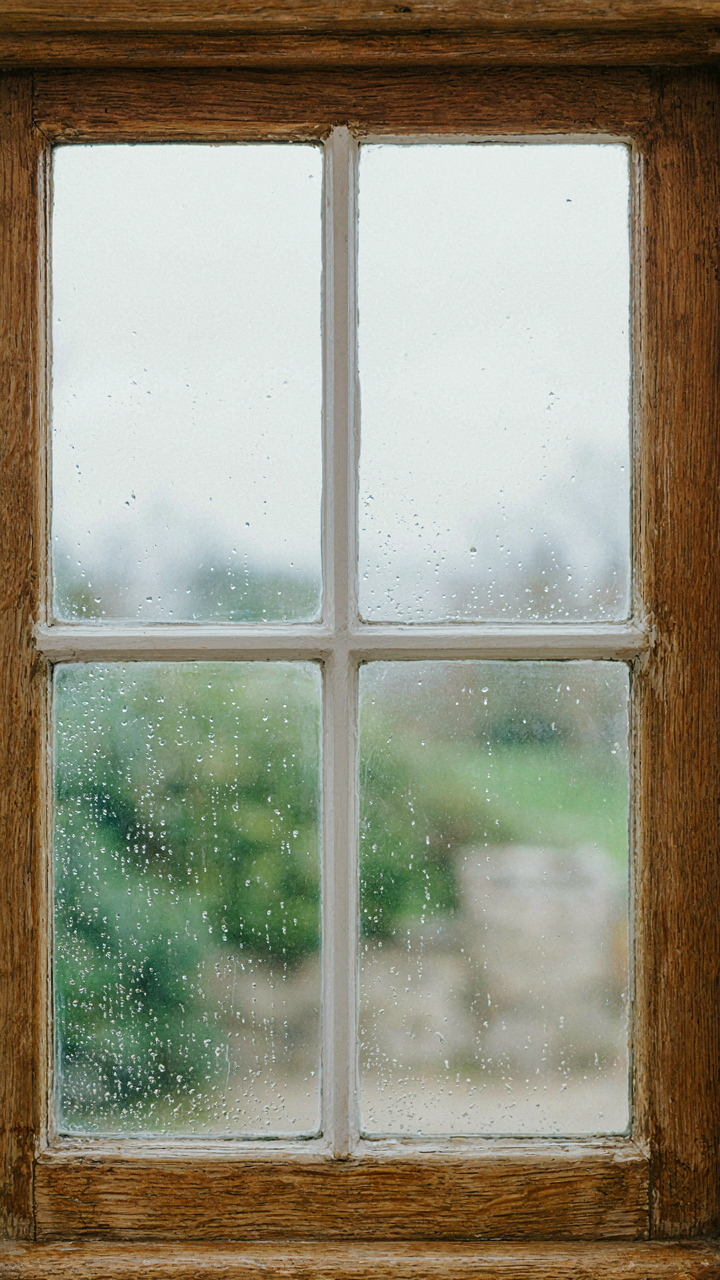
You want cottage windows that look period-correct without replacing them every decade. That’s not nostalgia talking—it’s economics. Materials science teaches us about durability through resistance to moisture infiltration, and in cottage windows, the wood frame is your first line of defense against that infiltration.

Oak and elm dominated English cottage construction for a reason beyond tradition. Oak contains natural tannins that resist rot; elm swells uniformly when wet, which actually helps it seal gaps rather than crack and split like softer woods do. Pitch pine, though less common today, resists decay through its high resin content. Softwoods like spruce or fir demand constant maintenance because they absorb water quickly and offer no chemical resistance to fungi.
The mistake most people make is assuming all “old wood” performs identically. It doesn’t. Heartwood from slow-growth trees outperforms anything quick-grown by decades. When selecting materials for cottage window restoration or new divided-light frames, specify heartwood grades—you’ll pay more upfront and recoup it through reduced maintenance cycles.
Sealing Methods That Resist Weather Rotation
Paintwork alone doesn’t protect cottage windows. Paint is a sacrificial barrier that wears faster than the wood underneath if the seal fails first. The actual protection mechanism requires a layered approach: primer seals wood porosity, paint creates a weather shed, and caulk fills the joints where wood movement exposes raw material to rain.
- Linseed oil primer: Traditional base coat that allows wood to breathe while blocking initial moisture. Modern water-based primers dry faster but offer less penetration into grain.
- Acrylic latex topcoat: Flexible enough to move with seasonal wood expansion. Rigid oil-based paints crack when wood swells and shrinks annually.
- Polyurethane caulk in joints: Remains flexible indefinitely, unlike silicone which hardens and separates after five to seven years in full exposure.
- Glazing compound under glass: Putty or modern sealant creates an airtight seal where glass meets the muntins. Dried or missing compound allows water infiltration directly to wood.
- Drip edge trim at sills: Channels water away from the frame base where it pools and accelerates rot. Without it, water sits against end grain and penetrates upward.
The sequence matters more than the individual products. Seal wood grain first, establish the paint barrier second, caulk movement joints third, and maintain drip paths fourth. Skip any step and weather finds the gap. Repaint every four to six years on north-facing exposures, every six to eight on protected sides. This isn’t guesswork—it’s the actual cycle at which UV degradation and paint failure accelerate simultaneously.
Rustic Window Vs. Modern: The Investment Disparity

What Actually Happens To Window Value
You’re asking this question because you want permission to buy the cheaper option and feel smart about it. Here’s the mechanism: vintage cottage windows depreciate slower than modern replacements because they hold cultural weight, not because they’re objectively superior. Economics calls this “positional goods”—objects whose value depends partly on scarcity and narrative. A 1920s divided-light window loses maybe 15-20% of its restoration value over 15 years. A new vinyl cottage-style window loses 40-50% in the same span because the market knows it’s a copy, not an original artifact.

The real cost curve matters. Original wood windows with working hardware command higher resale multiples because buyers perceive authenticity and craftsmanship. Modern reproductions depreciate like appliances—they age out, they crack, seals fail. When you sell a house with original cottage windows, buyers accept maintenance as part of the deal. When you sell a house with vinyl reproductions, buyers see them as failed attempts to deceive and price accordingly. The disparity widens every five years.
Maintenance Spend Over Decades
Everyone says old windows need constant attention. That’s incomplete. Old wood windows need predictable, knowable maintenance: repainting every 7-10 years, occasional glazing compound replacement, hardware restoration. Costs are visible and linear. Modern vinyl windows fail catastrophically and unpredictably: seal breakdown between panes, frame warping in temperature swings, hardware corrosion that makes them inoperable without full replacement.
A restored cottage window costs $150-300 to maintain annually across your property. A failed vinyl window costs $800-2,500 to replace per unit because you can’t repair the frame—you throw it away and start over. Over 30 years, maintaining originals runs $4,500-9,000 total. Replacing failed vinyl units runs $8,000-25,000 because failures cluster in years 15-20 when multiple seals give out simultaneously. The maintenance cost inversion happens around year 12, and most homeowners don’t see it coming until the bills arrive.
Cottagecore Window: Authenticity Over Trend
The Real Cost Of Copying Pinterest
You want to look like you have taste without the work of developing it. Here’s the mechanism: cottagecore aesthetics have become a status signal detached from the material reality of actual cottage construction. You’re buying the image, not the logic. Economics calls this arbitrage—exploiting price differences between markets. In windows, it’s the gap between what divided lights actually do and what people think they signal. Real cottage windows evolved from necessity: small panes because large glass was expensive and fragile. Divided lights reduced wind load on frames and saved money on materials. When you install them now purely for appearance while ignoring their structural purpose, you’re paying for nostalgia, not function. The cost compounds when you repaint them annually for Instagram instead of understanding why the trim color matters to water drainage.

The difference between authenticity and aesthetic arbitrage is simple: one solves a real problem, the other solves nothing. Authentic cottage windows have divided lights because glazing bars provide structural support to wide expanses of glass. Painted trim protects wood from weather, not from obscurity. If your cottage windows don’t account for these mechanics—if the glazing bars are purely decorative or the paint scheme ignores exposure direction—you’re not building a cottage aesthetic. You’re building a replica that will cost you more to maintain. Start by identifying which direction your windows face, what weather they endure, and what size glass your frame can actually support without glazing bars doing structural work.
Design That Outlasts The Algorithm
Real endurance in cottage window design comes from one principle: match materials and proportions to the building’s original construction logic. Authenticity isn’t a feeling—it’s a set of constraints that forced good design. A cottage built in 1890 used divided lights because that’s what engineering allowed. The trim proportions came from millwork capabilities. The paint colors reflected available pigments and regional tradition. Copy those constraints, not the image. A window that survives fifty years does so because it functions correctly, drains water properly, and has trim that doesn’t trap moisture at vulnerable joints. Enduring design solves technical problems first. The aesthetic emerges from the solution, not the other way around.
The protocol is straightforward: research how cottages in your region were actually built during their construction period. Visit old examples. Photograph their glazing bar profiles, trim widths, and paint systems. Note which windows failed and which survived. Then apply that data to your own windows. If 1910s cottages in your area used six-over-six divided lights with two-inch trim, that’s your baseline. Deviate only when your specific structural conditions demand it. Enduring design requires you to think like a builder solving problems, not a consumer solving insecurity.
The Feedback Loop Of Light: Optimizing Internal Environments

When Your Wake Cycle Actually Matters
You want cottage windows to make you feel better and more productive, but you’re hoping the aesthetic choice alone does the work. It doesn’t. Circadian rhythm science borrowed from chronobiology gives us a specific term: “zeitgeber,” or time-giver. Your cottage windows function as a zeitgeber. East-facing windows sync your cortisol rise to actual sunrise, not your phone’s alarm. South-facing windows in northern climates maintain consistent light exposure through seasonal shifts. The placement determines whether your body’s internal clock aligns or drifts.
Most cottage design ignores timing entirely, treating windows as static features. Position east or southeast windows in bedrooms and work areas to capture morning light between 6 and 8 AM. This isn’t decoration advice. It’s biology. North-facing cottage windows provide stable, diffused light for tasks requiring color accuracy without glare. West-facing windows create afternoon glare and heat that disrupts focus after 2 PM. Your window orientation dictates your energy levels, not your discipline.
Practical Light Stacking For Output
The common advice is that more windows equal more light. Wrong. Divided-light cottage windows actually outperform modern single-pane designs for light distribution. The muntins break reflections and scatter light across the room instead of creating hot spots. Paint your trim white or cream on interior surfaces to bounce light deeper into the space, not to match your aesthetic preferences. Matte finishes absorb more than satin or gloss, so choose accordingly.
Layering matters more than abundance. Install windows at varying heights. Sill heights between 30 and 36 inches catch direct light and sight lines simultaneously. Transom windows above doors bounce light to ceiling surfaces, multiplying effect. A single additional window tier increases perceived brightness by redirecting angles, not by adding square footage. Measure your actual light levels at different times before adding windows. One well-positioned divided-light window delivers more functional light than two poorly placed modern panes.
Plants Outside Window: Beyond Decoration, Cultivating Asset Growth

Biophilic Design Signals Market Value
You want people to assume your cottage is well-maintained without saying anything. That’s the real play here. Biophilic design—borrowing from environmental psychology—treats visible greenery like a signal of system health. Just as a captain reads a ship’s rigging to assess seaworthiness, buyers read plants framing cottage windows to assess owner competence. Plants visible through divided-light windows function as proof that someone actually maintains this property.
The mechanism is simple: a well-planted view through a window costs almost nothing but signals continuous care. Cottage buyers pay premiums for properties that feel lived-in and tended, not abandoned. Hydrangeas, climbing ivy, or boxwoods positioned to frame window panes create the visual anchor that makes a cottage feel rooted rather than transient. This isn’t decoration. It’s evidence.
Landscape ROI Through Sight Lines
Most people think landscaping is about curb appeal. That’s incomplete. Strategic plantings visible from inside windows through those divided lights create a secondary value mechanism: interior property value perception. When you’re sitting inside looking out, plants positioned at sight-line height frame the view and make rooms feel larger and more intentional.
Low-maintenance plantings—evergreens, established perennials, native shrubs—require minimal work once established but hold their visual impact year-round. Position them so cottage windows frame them naturally without blocking light. This setup converts maintenance cost into perceived luxury without scaling effort. The window becomes a frame. The landscape becomes the art that justifies the house’s price.
The Real Obstacle Isn’t Aesthetics; It’s Your Inability To See Windows As A Strategic Asset
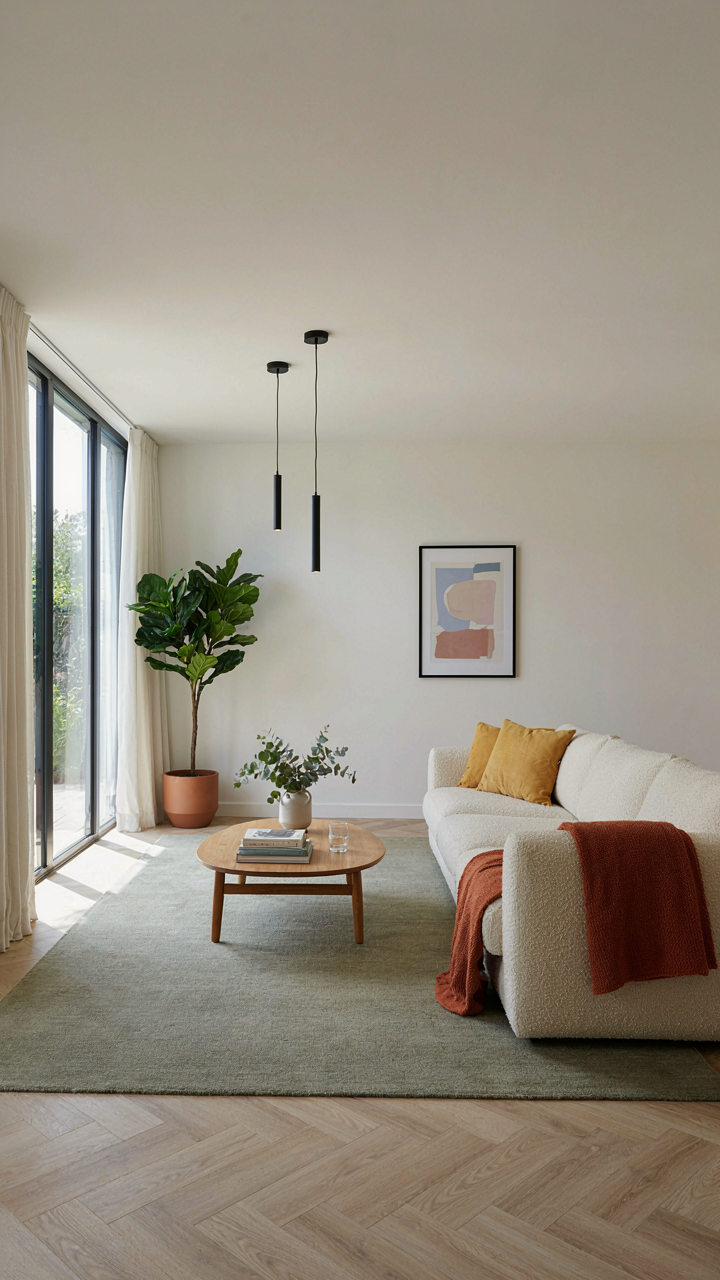
Most people treat cottage windows as decoration. They’re not. Windows dictate light, airflow, and how a room actually functions. Divided lights and painted trim aren’t style choices—they’re systems that solve real problems. Stop asking “what looks good” and start asking “what do my spaces need to survive?” Go measure your worst-lit room today. That’s where your cottage window strategy begins. The best design solves what’s broken before it impresses anyone.



