

The Illusion Of Farmhouse Trends: Why Most Railings Miss The Mark

What “Farmhouse” Actually Means
You’re drawn to farmhouse railings because they signal authenticity you don’t possess—and you’re right to worry about it. The mechanism is borrowed from architecture: load-bearing versus decorative function. Real farmhouse railings solved a problem first, looked good second. They were built to contain livestock, support worn handrails on steep porches, and survive decades of weather without maintenance. Modern farmhouse railings reverse this. They’re decorative interpretations of function that no longer exists.
Most people attach “farmhouse” to anything with horizontal lines and weathered paint. This is surface-level copying. Actual farmhouse railings from the 1800s and early 1900s varied wildly by region, available materials, and the farmer’s budget. A railing in Vermont didn’t resemble one in Texas. They shared one trait: they were built from what was local and durable, not what Instagram deemed rustic.
Mass Production Kills The Point
The contradiction is obvious if you name it plainly: mass-produced farmhouse railings defeat the entire concept. Factory-made spindles, pre-cut balusters, and standardized spacing remove the constraint that made farmhouse design honest. Real farmhouse railings looked handmade because they were. The carpenter adapted to available wood, hand-planed pieces, and the client’s specific porch dimensions. Consistency wasn’t the goal. Durability was.
When you buy a “farmhouse railing kit,” you’re buying imitation of constraint, not constraint itself. The manufacturer standardized everything to scale across thousands of installations. This kills variation. It kills the weathering story that made original farmhouse railings compelling. Buy the kit and your porch looks like fifteen others in your neighborhood. The mechanism is simple: remove the problem that forced innovation, and you remove what made it worth looking at.
Reclaiming Rustic: The Origins Of Real Farmhouse Porch Railing

When Porches Protected More Than Your Image
You want this to feel authentic without admitting you’ve never lived on an actual farm. Here’s the mechanism: farmhouse porch railings exist because front porches were working spaces, not Instagram backdrops. Early American farmhouses needed railings to prevent people and livestock from falling off elevated platforms. The railing wasn’t decorative. It solved a practical problem on structures that served multiple functions daily.

The style emerged from necessity, not nostalgia. Farmers built railings from whatever timber grew locally or remained after construction. Wood was abundant and replaceable. Metal railings appeared later, typically as cost allowed or when fire risk demanded it. The simplicity you see in farmhouse design wasn’t a choice. It was the result of building only what the function required.
Straight Lines Over Ornamental Waste
Economics governs form more than taste does. A railing built with ornamental spindles costs more labor, requires skilled turning, and wastes material. A farmhouse railing uses straight vertical balusters because they’re faster to cut, easier to install, and require no specialized skill. The aesthetic you associate with rustic farmhouse design is actually the visible proof of production efficiency.
The common advice frames this as “simple elegance.” That’s backward. Farmers weren’t pursuing elegance. They were minimizing cost per linear foot. Straight 1×2 or 1×3 balusters spaced 4 to 6 inches apart met building codes and prevented falls. No chamfered edges. No decorative caps. No hand-carved details. The form followed the budget, and that’s why it endures: it still works.
The “Integrity First” Porch Banister Protocol

Material Selection Beats Aesthetics
You want your railing to look intentional and timeless so visitors think you have taste. That’s not why it matters. The mechanism is simple: materials that resist moisture damage cost nothing extra upfront but save thousands in replacement within ten years. Wood rots from the bottom up, especially where posts meet the deck. Metal rusts where water pools. Concrete cracks from freeze-thaw cycles. Pick wrong here and you’re replacing the entire structure before the farmhouse aesthetic even settles in.

Pressure-treated lumber handles weather better than untreated, but “better” still means decay starts around year eight in humid climates. Cedar and redwood resist rot naturally and age to gray without rot holes underneath. Metal components corrode fastest at joints where different materials meet and trap moisture. The real play is not choosing one material but understanding where each material fails and isolating it from standing water. Treated wood for posts buried in concrete. Cedar or composite for visible horizontal rails. Stainless or powder-coated steel for brackets. Stop trying to build one material railing and build a railing that survives.
Construction Methods That Outlast Trends
Everyone says use galvanized fasteners and sealed wood. That advice is incomplete. The actual mechanism comes from structural engineering: load paths. Your railing carries horizontal force from someone leaning or falling against it, and that force transfers downward through posts into the deck frame. If you bolt those posts into only the rim joist, the rim joist flexes and cracks the bolts. If you bolt into the band board and the rim joist together, the load spreads and holds.
Posts should sit on the deck surface, not hang off the edge. Lag bolts go through rim joist into the band board beneath. Through-bolts with washers and lock washers beat screws every time because fasteners loosen under cyclic stress. Seal all wood end grain with deck stain or spar urethane before assembly, not after. The sequence matters more than the product. Assemble dry, apply finish to completed sections, then install. This means moisture seals into joints before stress has a chance to open gaps.
Beyond Instagram: Designing With Purpose, Not Clicks

Your Porch Solves A Problem, Not An Aesthetic
You want a farmhouse railing that looks intentional—because an intentional-looking porch signals you understand something about taste that others don’t. Here’s the mechanism: farmhouse railings work when they solve the specific structural and climate demands of your site first, then express style second. This is constraint-based design. Your porch faces north with constant wind, or sits in high humidity, or needs to bridge a twelve-foot span without posts. The railing’s visual character emerges from solving those problems authentically, not from copying what performed well on someone else’s property.

The common mistake is treating design as decoration you apply after structure is locked in. You pick balusters because they “feel farmhouse,” then realize they won’t handle seasonal wood movement or the load your local code requires. Reverse this entirely. Define your climate zone, span distances, traffic load, and material durability limits first. Then choose materials and proportions that solve these constraints within a rustic framework. A railing that stands twelve years because it was engineered for your exact conditions will always look better than one that looks perfect in year two and fails in year four.
Matching Materials To What Your Porch Actually Endures
Rustic lines don’t mean abandoning structural logic. If your porch faces sea air or sits in freeze-thaw cycles, pressure-treated lumber or composite materials handle the job better than reclaimed wood that looks more authentic but rots in five years. This is material science, not nostalgia. The visual simplicity of farmhouse railings—horizontal lines, minimal ornamentation—actually works with durable materials because you’re not fighting material properties with complex joinery that will fail.
Real farmhouse railings weren’t designed for appearance. They were designed cheap and fast by people who couldn’t afford mistakes. The aesthetic you’re after—simple posts, horizontal rails, wide spacing—came from building what works with hand tools and locally available wood. Replicate that logic, not just the look. Specify materials based on your humidity and temperature swings, not based on what the reference photo used. Your railing performs its job when it requires zero maintenance for five years and still looks deliberate, not when it matches a Pinterest board.
Weathering The Storm: Materials For Authentic Front Porch Railings

Wood Choices That Actually Last
You want your railing to look old without rotting in five years. The mechanism is simple: wood density determines how fast moisture penetrates and how long the wood resists decay before it fails structurally.
- White Oak: Dense hardwood with natural tannins that resist rot and fungal decay. Holds finish longer than softwoods and weathers predictably over time without rapid deterioration.
- Pressure Treated Southern Pine: Chemically infused to resist rot and insects. Common in farmhouse builds because it’s affordable and rated for exterior ground contact, though it requires regular sealing.
- Cedar: Naturally contains oils that repel insects and slow decay. Softer than oak but splits and checks visibly as it ages, which some prefer for authentic weathering aesthetics.
- Composite Materials: Wood fiber mixed with plastic polymer creates a rot-proof alternative. Mimics wood appearance but doesn’t weather naturally and feels artificial underhand on a railing you’ll grip daily.
- Reclaimed Barn Wood: Salvaged from old structures already proven against decades of exposure. Authenticity is real, but wood quality varies and structural integrity can be compromised by hidden decay.

Softwoods like standard pine fail fastest because their open grain structure lets water travel deep into the wood. Hardwoods and naturally rot-resistant species slow this process significantly but still require surface protection to extend functional life beyond ten years.
Protective Coatings That Work
Everyone tells you to stain and seal. That’s incomplete. The real function is creating a sacrificial barrier that degrades predictably so you know when to reapply it, not a permanent shield that pretends wood stops aging.
Exterior stains with UV blockers (typically containing zinc oxide or titanium dioxide) absorb into the wood grain and fade as they lose effectiveness, which signals recoating time visually. Oil-based stains penetrate deeper and show wear gradually. Water-based stains dry faster but don’t penetrate as far, leaving the wood’s interior more exposed. Polyurethane and spar urethane finishes sit on top of the wood, creating a harder shell that peels when it fails. Spar urethane flexes slightly with wood expansion and contraction, making it better for railings than rigid polyurethane. Paint offers the most protection but hides the wood grain and requires scraping before recoating. Most farmhouse designs use semi-transparent stain because it shows wood character while replacing protection every three to five years instead of annually.
The maintenance schedule is the real strategy. Mark your calendar for inspection every spring after freeze-thaw cycles end and every fall before moisture sits in cracks all winter. Recoat when water no longer beads on the surface during rain.
The “Less Is More” Doctrine For Porch Railing Ideas

Remove What Doesn’t Earn Its Weight
You want people to think your porch is intentional, not cluttered. That’s the real motive here. Borrowing from architecture’s principle of load-bearing design, think of your railing components as structural decisions that must justify their existence. Every vertical, every horizontal, every decorative detail either supports the visual weight of the porch or it creates noise. Most farmhouse railings fail because they stack elements without editing. A spindle doesn’t need a cap rail, a trim piece, and ornamental brackets all fighting for attention.

The mechanism is simple: constraint forces clarity. When you decide that only three types of materials will appear in your railing, you stop making random choices. Wood planks. Steel fasteners. Maybe one accent color or finish. That’s the edit. Remove cross-hatching patterns, remove applied moldings, remove mixed metal finishes. What remains reads as purposeful instead of accumulated. Start by listing every element currently in your design, then identify which ones do nothing but add visual complexity.
Celebrate Raw Material Honesty
Material honesty isn’t romantic. It’s a practical signal that you understand proportion and restraint. Farmhouse railings that work expose the grain structure of wood or the geometric truth of iron. You see the mortise and tenon joinery. You see how wood darkens where moisture hits it. You see bolt heads and welds if they’re part of the assembly. This directness is what separates farmhouse from fake farmhouse.
The mistake most builders make is hiding materials behind paint or stain. They think uniform color reads as finished. It reads as insecure. Raw wood aging naturally, steel developing patina, properly weathered finishes tell the truth of how materials perform in climate. Your railing should look like it’s already been there for years, not like it just arrived from a factory. Expose the joinery, accept the weathering, and let the material do the communicating instead of relying on applied decoration.
The “Economic Scarcity” Model Of Porch Rails Ideas Farmhouse

When Constraints Force Better Design
You want permission to spend less and still look intentional. That’s the real question here. Farmhouse railings work because economic scarcity—the constraint of limited resources—forces designers to strip away everything ornamental and keep only what functions. Historical farmhouses weren’t built with decorative rails because farmers could afford them. They were built that way because farmers couldn’t afford waste. The mechanism is simple: limitation breeds clarity. When you have no budget for complexity, you solve for elegance instead.

This principle still applies. A farmhouse rail made from rough-hewn wood balusters spaced wide apart costs less than turned spindles packed tight. But the design reads as intentional because it visibly solves a problem. The spacing reflects the material reality of the build. Viewers perceive this constraint as authenticity rather than cheapness. The rail works because it announces its own economic logic. Nothing is hidden or apologized for.
Utility Shapes Everything Worth Building
Value in farmhouse railings comes from what they do, not how they look. Most generic porch rail advice focuses on aesthetics first—colors, finishes, visual balance. That’s backward. A farmhouse rail must handle weather, foot traffic, and structural load before it deserves to be called designed. The economics work this way: a rail that requires constant maintenance becomes expensive regardless of its initial cost. Wood that resists rot costs more upfront but delivers value over decades. Metal that rusts becomes a liability.
The most durable farmhouse rails use materials chosen for performance in local climate conditions. Cedar or pressure-treated lumber in wet regions. Steel posts sunk in concrete in high-wind areas. Hardware rated for salt exposure near coastal farms. These choices aren’t aesthetic decisions dressed up as practical ones. They’re economic decisions that happen to look right because they reflect the actual demands placed on the structure. When you build for utility first, the design solves itself.
DIY Or Die: Crafting Your Own Porch Banister

What You Actually Need To Start
You want to build this yourself because hiring someone else costs money and admitting you can’t do it costs ego. The mechanism is simple: a porch railing is a load-bearing system, not decoration. Using structural engineering terms, your banister must resist both vertical loads (people leaning) and lateral loads (impact). Get the load path right first, aesthetics second.
- Circular saw or miter saw: Cuts balusters and rails to length and angle. Precision here prevents weak joints that fail under weight.
- Drill with countersink bits: Creates pilot holes and hides fastener heads. Prevents splitting wood and maintains the clean line farmhouse style demands.
- Level and measuring tape: Ensures horizontal rails stay level and vertical spacing stays consistent. One degree off compounds across eight to ten feet.
- Square and marking pencil: Layout accuracy prevents costly cuts and assembly delays. Mark once, cut once applies here more than anywhere else.
- Exterior-grade fasteners and wood glue: Stainless steel or galvanized hardware resists rust. Wood glue in every joint creates rigidity that nails alone cannot achieve.

Start with 2×4 or 2×6 pressure-treated lumber for top and bottom rails, then size balusters based on code requirements in your jurisdiction. Most codes demand balusters spaced no more than four inches apart and the rail positioned 36 to 42 inches above the deck surface. Build one section, test it for movement, then replicate the exact procedure across your remaining sections.
Where Most People Wreck The Job
Everyone says measure twice, cut once. That’s not the problem. The problem is nobody checks their materials before assembly. Wood warps, twists, and bows. You inspect each board before you cut it, or you waste material compensating for defects mid-build. Pressure-treated lumber especially moves as it dries, so buy it and let it acclimate for two weeks before you touch it with a saw.
The second failure point is fastening strategy. Screws are not nails. Screws hold better under lateral stress because they thread into grain. Most DIYers hand-nail balusters to rails, creating joints that loosen within a year. You use construction screws rated for exterior use, driven at opposing angles to create triangulation. Pilot holes prevent splitting. No pilot holes, the wood splits, the joint opens, and your railing becomes a liability.
Beyond The Fad: Timeless Front Porch Railing Ideas
What Actually Lasts On A Porch
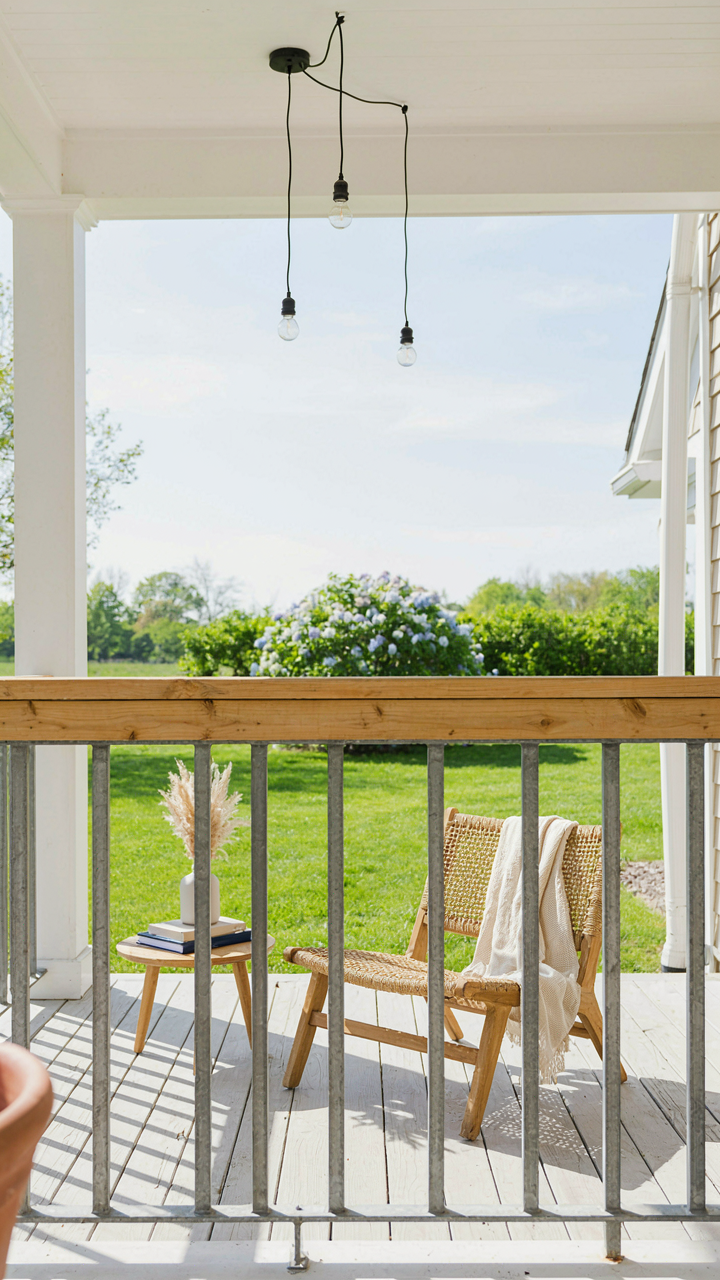
You’re worried your railing choice will look dated in five years and tank your home’s resale value. Here’s the mechanism: trends move fast because they’re built on novelty, not function. Farmhouse railings survive because they solve a physical problem—supporting weight while framing a view—with honest materials. Wood balusters, metal posts, and simple geometric patterns don’t go in and out of style because they’re solving the problem the same way carpenters solved it in 1890. The railing either works or it doesn’t. Function doesn’t trend.

Material selection is where most people fail. They pick what looks current instead of what performs over decades. Treated wood, galvanized steel, and wrought iron age predictably. They weather visibly but they don’t fail structurally. Composite materials and trendy finishes mask their deterioration until they suddenly don’t. You want a railing that gets better looking as it ages, not one that requires constant intervention to hide wear.
The Real Cost Of Chasing Design Trends
Trend-based railings fail economically because replacement cycles destroy long-term value. You install a railing with ornamental details or finishes designed to photograph well. In seven years, the aesthetic shifts. Your porch suddenly reads as dated. You replace it. That’s not maintenance. That’s a design failure you paid for twice. Economics calls this the sunk cost trap applied to exterior design. A timeless railing depreciates your capital differently: through honest material wear, not stylistic obsolescence.
Stick to subtractive design. Remove ornament until only structural necessity remains. Simple turned balusters, straight rails, and clean transitions between materials don’t accumulate visual debt. They’re harder to get wrong because there’s nothing to hide behind. Galvanized square balusters with a basic top rail in wood work today and work in thirty years because they’re not doing anything but their job. Measure twice, build once. Don’t rebuild because the mood changed.
The Enduring Value Of Genuine Farmhouse Porch Railing
Craftsmanship As A Living Investment
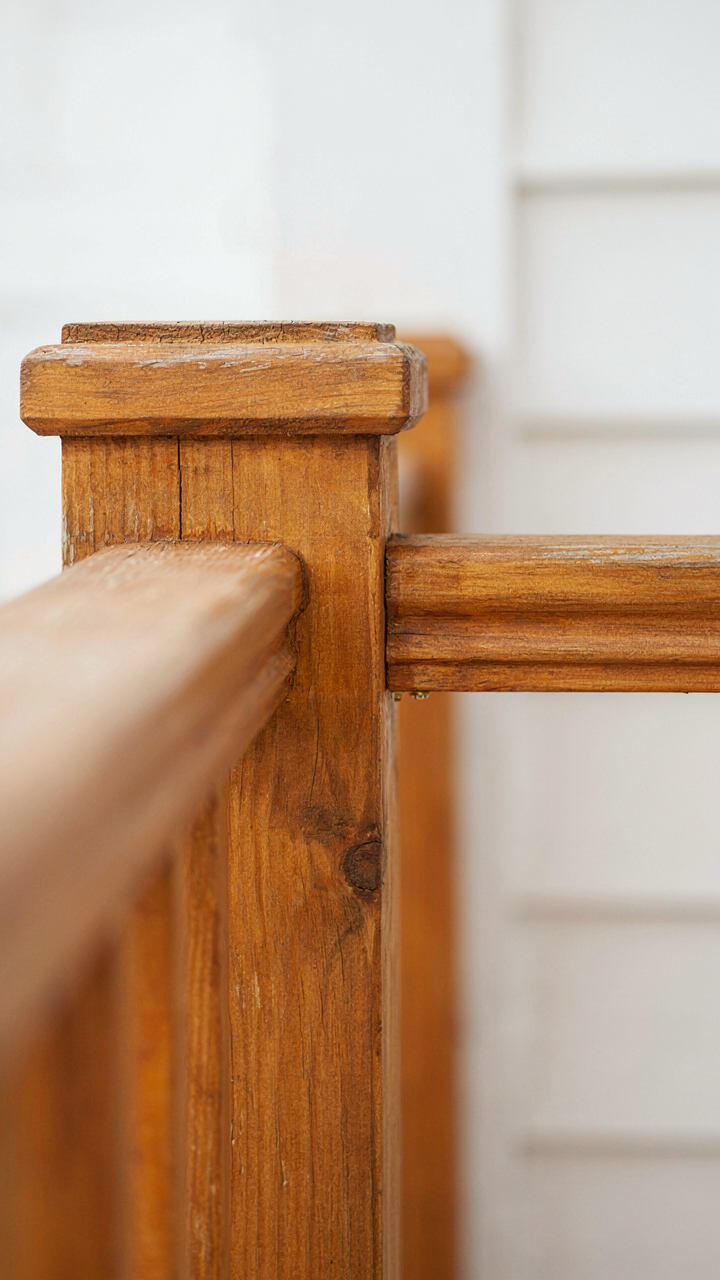
You want a porch railing that won’t embarrass you in five years. That fear drives this entire decision. The mechanism is simple: craftspeople who build farmhouse railings don’t compete on trend cycles. They compete on durability and repair costs. A poorly jointed railing fails at the connection points where wood swells and contracts. A well-built one accounts for seasonal wood movement by using traditional joinery like mortise and tenon construction instead of bolts and brackets that loosen over time.
Farmhouse railings that survive decades share one trait: they were built for replacement of individual components, not entire systems. A baluster cracks from freeze-thaw cycles. You replace that baluster. The top rail splinters. You plane and sand it. The newel post loosens. You re-wedge it. This modularity isn’t aesthetic preference. It’s economic reality. Systems designed this way cost less to maintain than modern railings that require manufacturer parts or complete replacement when one element fails.
Resilience In Material Selection And Time
Wood that survives decades outdoors requires understanding expansion and contraction as a structural force, not a flaw to ignore. Building codes treat wood railings as static objects. Field data shows the opposite. Farmhouse railings resist failure because they use wood species selected for stability in your climate and accept movement rather than fight it. Pressure-treated pine swells and contracts more than cedar or locust. Choose the species, not the trendy material.
The other half of resilience is exposure. Covered porches create different moisture patterns than open ones. A railing in constant sun dries faster and cracks differently than one in shade. Existing farmhouse railings show their age by where they fail first, which tells you exactly how to build yours. Paint failure starts on the north side where sun exposure stays lowest. Rot begins at the baluster-to-rail junction where water pools. These aren’t surprises if you’ve examined railings built thirty years ago in your region. Document what fails first, then specify materials and details that prevent exactly that failure mode.
The True Obstacle Isn’t Finding The Right Railing; It’s Overcoming Your Fear Of Genuine Craftsmanship

Most people don’t build a farmhouse porch railing because they’re waiting for permission or the perfect plan. They’re waiting because actual craftsmanship demands you show up, make mistakes, and iterate. Sketch your design today. Not tomorrow. Not when you “have more time.” Grab a pencil and paper right now and draw what you actually want on your porch. Your hands know something your brain refuses to admit: you’re already capable of this. The only thing standing between your porch and a real farmhouse railing is the decision to stop thinking and start building.



