
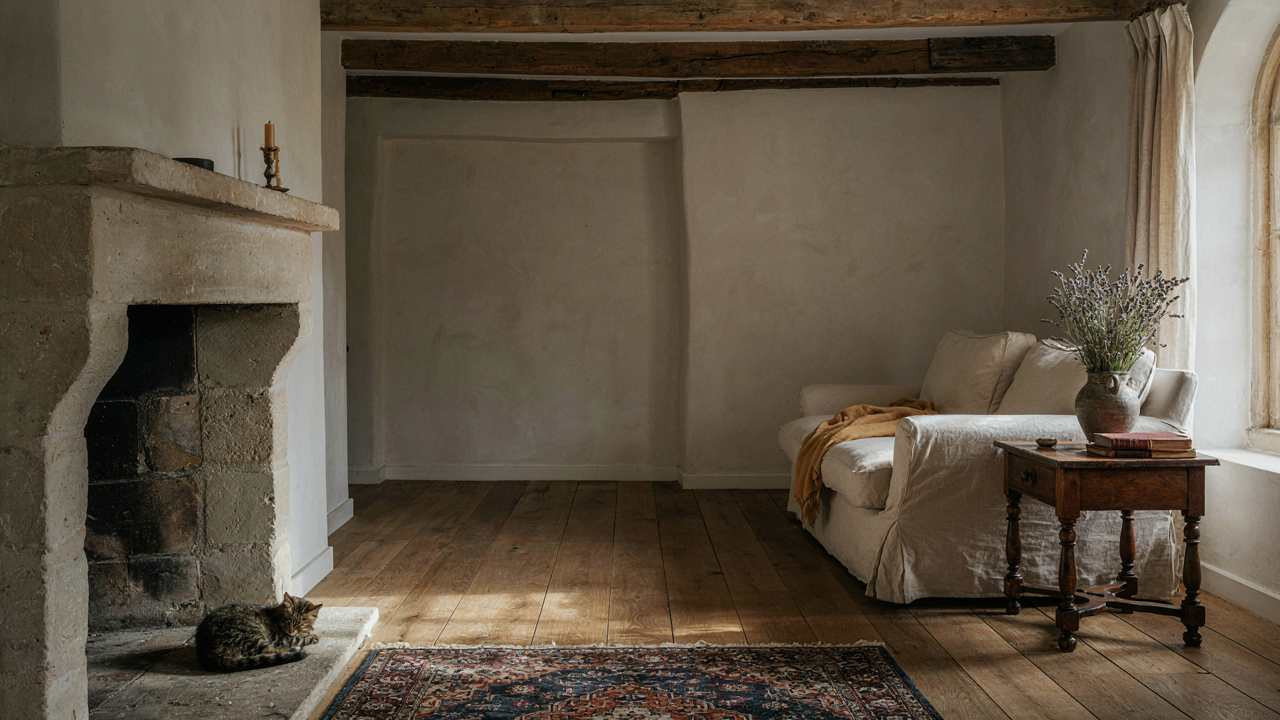
The Myth Of The French Country Home Aesthetic Starter Pack
Why Mass Produced Heirloom Lacks Soul
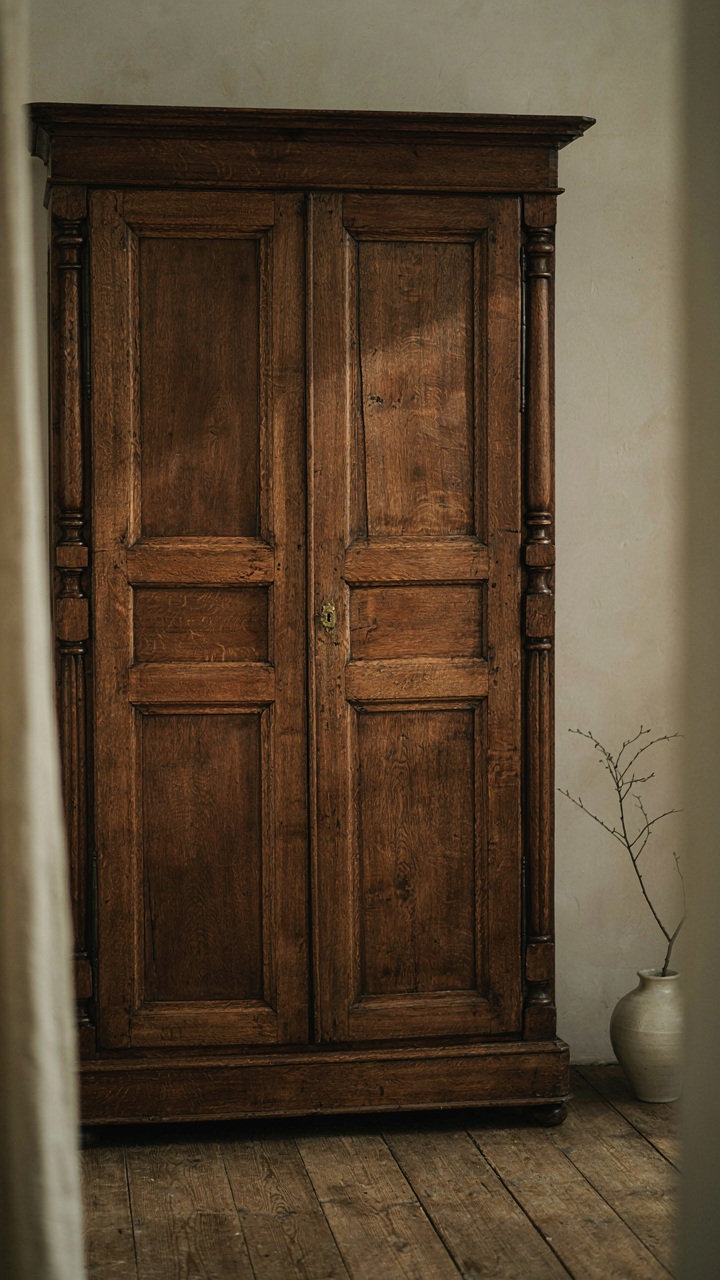
You want to believe a sofa from a big box store can carry the weight of history. It can’t, and knowing this saves you money and regret. The mechanism is simple: mass production erases the traces that signal authenticity to your brain. A 200-year-old French armoire shows tool marks, uneven wood grain, and joints that shift slightly because the wood moved over decades. Factory reproductions hide these tells under uniform finishes and perfect symmetry.
Heirloom charm comes from imperfection that took time to create. When you buy new, you’re buying the visual template without the actual object. The wood doesn’t have age. The finish doesn’t have patina from real use. Your brain knows the difference even if you can’t name it. The cost difference between reproduction and genuine rarely justifies the pretense.
The Soulless Catalog Clone Trap
Avoiding the trap means rejecting the entire premise of the starter pack approach. The common advice says buy pieces that “match the vibe,” which is how you end up with a room that looks like everyone else’s Pinterest board. The real mechanism is constraint. Genuine French country interiors weren’t designed by committee or algorithm. They evolved from what was available locally, affordable at the time, and functional for the actual lives being lived in those spaces.
Catalog clones fail because they treat French country as a fixed style rather than a design philosophy born from necessity and geography. A Provençal farmhouse used what local craftspeople made and what the climate demanded. You can’t recreate that by ordering matching sets from a catalog. Instead, source pieces from different eras and regions, buy secondhand first, and accept visual friction. That friction is what proves the room wasn’t designed to Instagram.
Beyond Beige: The True Color Palette Of French Country Interior
Where Colors Come From, Not Where They Go
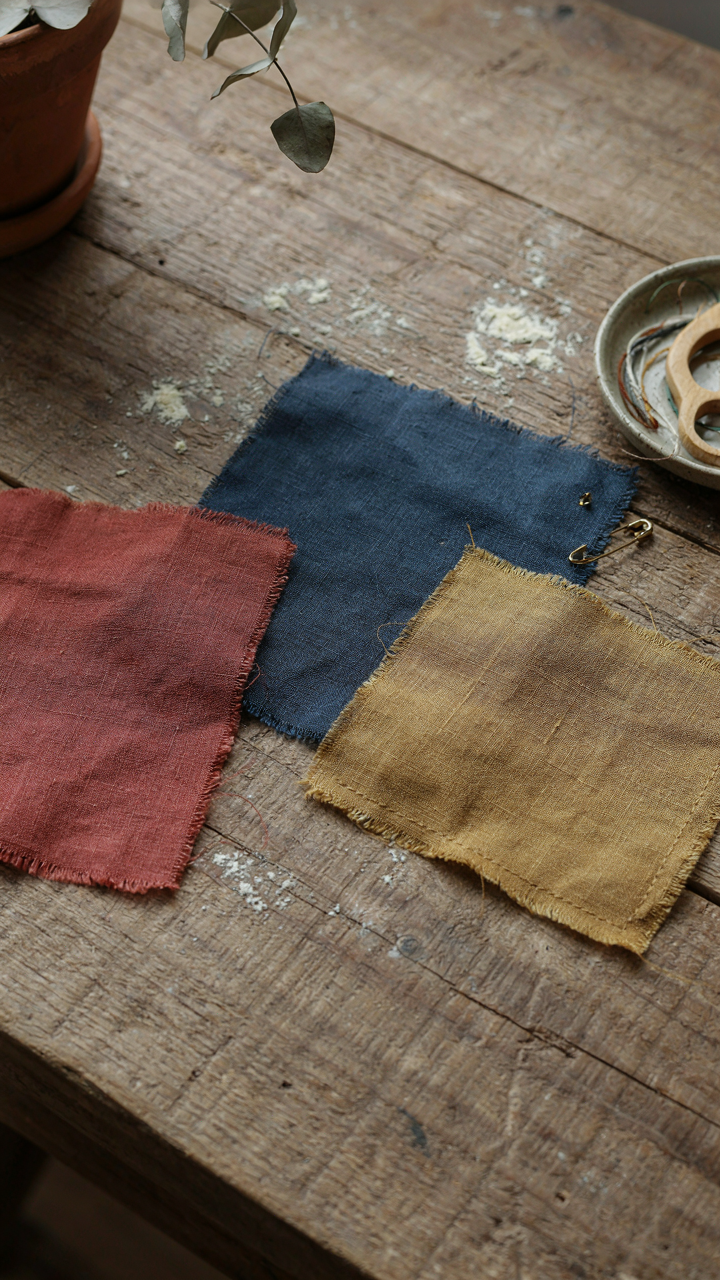
You want permission to use color without looking confused. That’s the real question buried under “what colors work.” French country interiors rely on natural dyes and pigments because they were the only option for centuries, and that constraint solved a problem we still face: how to make colors feel settled instead of chosen. Madder root produces reds and terracottas. Woad and indigo yield deep blues. Iron oxide creates ochres and browns. These pigments oxidize and fade predictably over time, which means aging improves them rather than wrecking them.

The mechanism is simple. When you select colors derived from mineral and plant sources, they harmonize because they share similar undertones and saturation levels. A madder-based red wall next to an indigo-stained linen curtain don’t clash because they’re pulling from the same limited chemical palette. Modern synthetic dyes offer infinite variation, which creates decision paralysis. French country interiors sidestep this by respecting what earth and plants actually produce. This is why reproductions that use historically accurate pigment formulas feel authentic while trendy “French-inspired” rooms painted in high-saturation acrylics feel like imitations.
Restraint Reads As Wealth
Everyone says French design favors subtlety, then they paint a room eggshell white with one accent wall and call it done. That’s not subtlety, that’s fear. Real restraint means understanding that aged patinas create visual complexity without noise. A terracotta wall doesn’t need contrast to work. It needs time and exposure to develop uneven fading, dust accumulation, and surface texture that makes it read as expensive. Stark contrasts require newness to pop. Subtlety requires imperfection.
Patina operates like archaeological layering. You see depth because light catches worn edges differently than flat surfaces. A painted armoire with chipped cream-colored paint over a layer of older blue underneath signals history and craftsmanship, not decay. When choosing colors for French country spaces, select muted tones that will age gracefully when exposed to light and air. Avoid bright whites or high-pigment colors that look worse as they fade. The goal is for the room to improve visually as it accumulates years, not deteriorate toward a lesser version of the original vision.
The “Provenance Protocol”: Building Layers Of Authentic Charm
The Hunt For Real Versus Fake Age
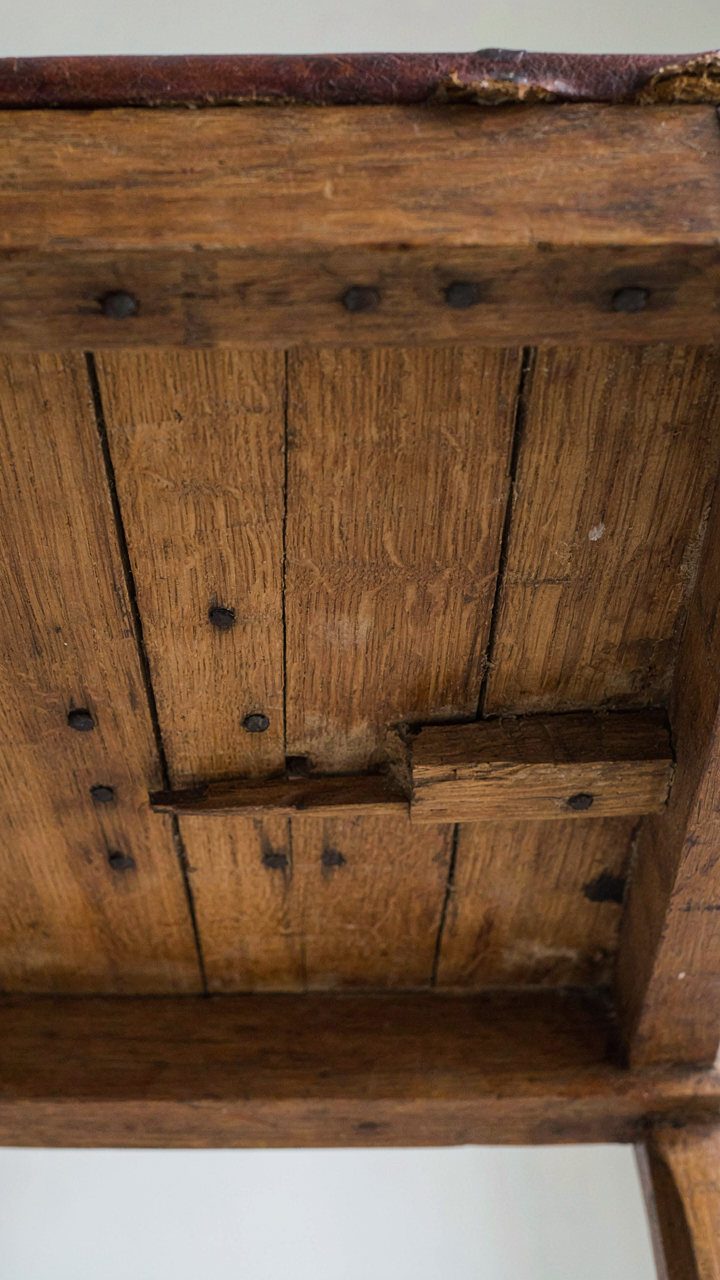
You want the shortcut to credibility without the work of actually finding old things. Here’s the problem: distressed new furniture signals that you tried, but didn’t commit. The mechanism is simple. Authentic wear tells a story through specificity. New wood stained to look aged has uniform damage. Real pieces show concentrated wear where hands gripped, where light faded one side, where liquid sat. A 1920s French bistro chair has wear patterns that match how bodies actually moved. A reproduction has wear that matches a design template.
- Genuine Provenance: Seek pieces from regional French auction houses, estate sales, or documented dealers. Verify origin through construction details, wood type, and hardware marks rather than seller claims alone.
- Construction Clues: Hand-planed surfaces, square nails, wooden dowels, and irregular joinery indicate pre-1940s production. Machine-consistent joints and modern fasteners signal reproduction regardless of stain color.
- Wood Behavior: Old wood shrinks and warps predictably. Drawer sides cup inward. Table aprons bow slightly. Reproductions built from new lumber sit flat and uniform until artificial distressing.
- Patina Logic: Authentic finishes show buildup in crevices and thin spots on edges where fingers naturally touch. Distressed finishes apply damage evenly, missing the logic of actual use patterns.
- Hardware Inspection: Iron hinges, handles, and locks from different eras have distinct manufacturing signatures. Reproduction hardware uses modern casting methods that leave microscopic inconsistencies under magnification.

The real cost difference matters less than you think. One authentic 1960s French cupboard costs what three distressed reproductions cost. But that cupboard won’t betray you in five years when the stain cracks and the particle board swells. Buy old or don’t buy it. The middle ground corrupts the entire aesthetic.
Mixing Decades Without Visual Chaos
The common advice is “just blend styles” which is useless because it gives you no filter. Here’s the actual mechanism: French country design survived 200 years by absorbing new objects into existing systems rather than replacing everything. Think like an archaeologist, not a decorator. Your room is a site of accumulated time, not a curated collection. A 1950s Formica-top table coexists with 1890s oak because both objects served the same function in the same kitchen across different eras.
The key is functional honesty, not stylistic matching. A modern stainless steel pot lives in a 19th-century French kitchen because it cooks. It doesn’t need to look old. What fails is mixing design eras that contradict the room’s actual function. Placing a sleek contemporary dining chair next to a hand-rush seat looks intentional only if the room signals intentional curation. In French country interiors, intentional curation reads as precious. The lived-in feel requires that newer pieces slip into the existing logic without announcing themselves. They work alongside, not against, the older framework.
Haus Innenarchitektur: The Psychology Of “Cozy” Not “Cluttered”
When Emptiness Signals Wealth More Than Stuff
You want permission to own less and feel like you’re not failing at decoration. That’s the real pull here. Behavioral economics calls this scarcity premium—the phenomenon where limited supply signals value. French country interiors exploit this ruthlessly. A room with one perfect armchair and empty wall space reads as intentional wealth. A room stuffed with objects reads as uncertainty. Rural French farmhouses used sparse placement not from minimalism ideology but from actual poverty. They owned fewer things, so each object had to earn its visual weight. The mechanism is identical today: restraint creates authority.

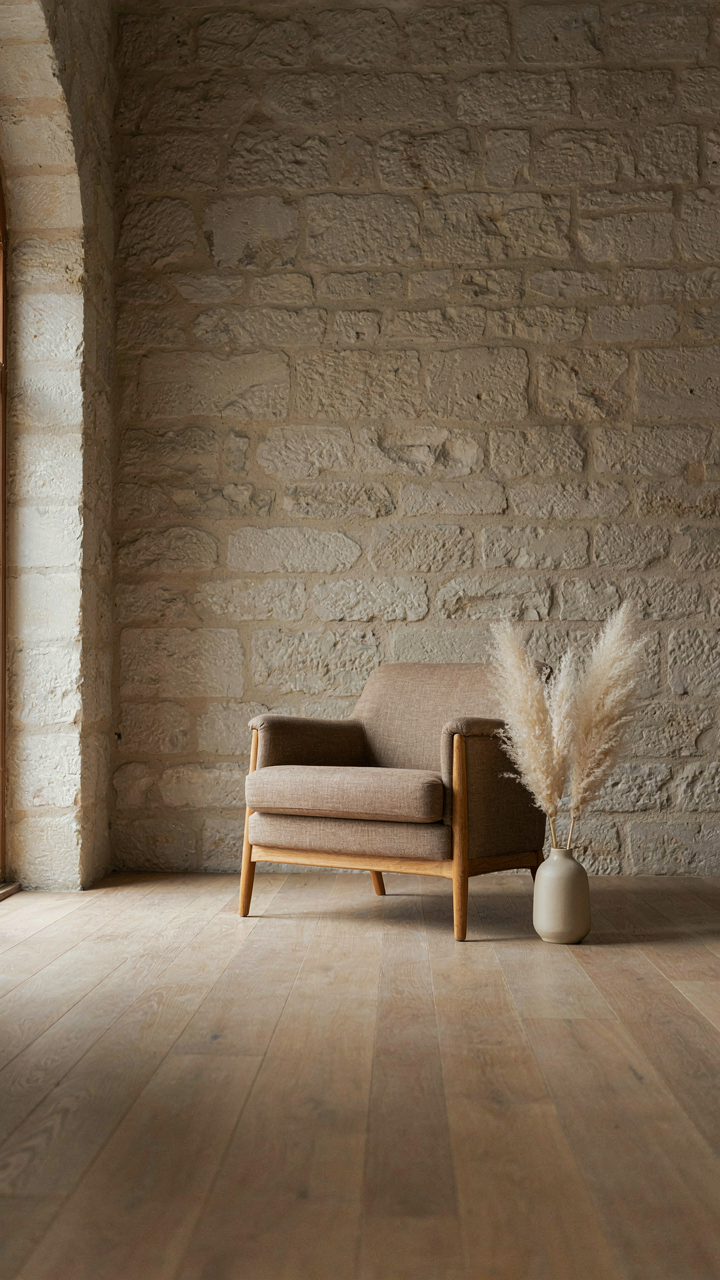
The counterintuitive play is abundance through absence. Place a single worn linen chair against bare stone and it commands attention precisely because nothing competes with it. Crowd that same chair with side tables, lamps, and decorative boxes and it disappears into visual noise. French country design doesn’t minimize for aesthetic purity—it minimizes because scarcity makes items feel rare. Strategic emptiness forces the eye to land on what matters. When you place objects, you’re not decorating. You’re curating what the room acknowledges as real.
Visual Rests Create The Illusion Of More Space
Focal points aren’t just about beauty; they’re about psychological relief. Your eye needs somewhere to stop moving or it exhausts itself scanning. A large fireplace with a simple mantel becomes the anchor. Bare wall space around it isn’t wasted—it’s the reset button. Without these visual pauses, even a small room feels chaotic. A pause is a section of wall, floor, or ceiling that contains nothing. It breaks the pattern. It signals completion.
French country interiors build focal points through restraint, not decoration. One piece of weathered furniture against a wall of plaster. One window framed by simple shutters. One painting hung in isolation. This creates rhythm. The eye lands, rests, moves to the next focal point, rests again. The room feels larger because your brain processes it in digestible segments rather than one overwhelming visual field. Place your focal point first, then measure the bare space you need around it. That blank space is structural—remove it and the whole composition collapses.
The Folly Of Modern French Country Living Room Trends
Why Trend Chasing Kills The Room You Build
You want permission to spend money on something that feels safe. Trends give you that permission. The mechanism is simple: follow what Instagram shows you, and you’ve outsourced the decision-making. But trends in French country interior design move faster than the actual material culture they’re borrowing from. Authentic French country homes evolved over centuries, not seasons. When you chase the current aesthetic, you’re buying into planned obsolescence dressed up as discovery.

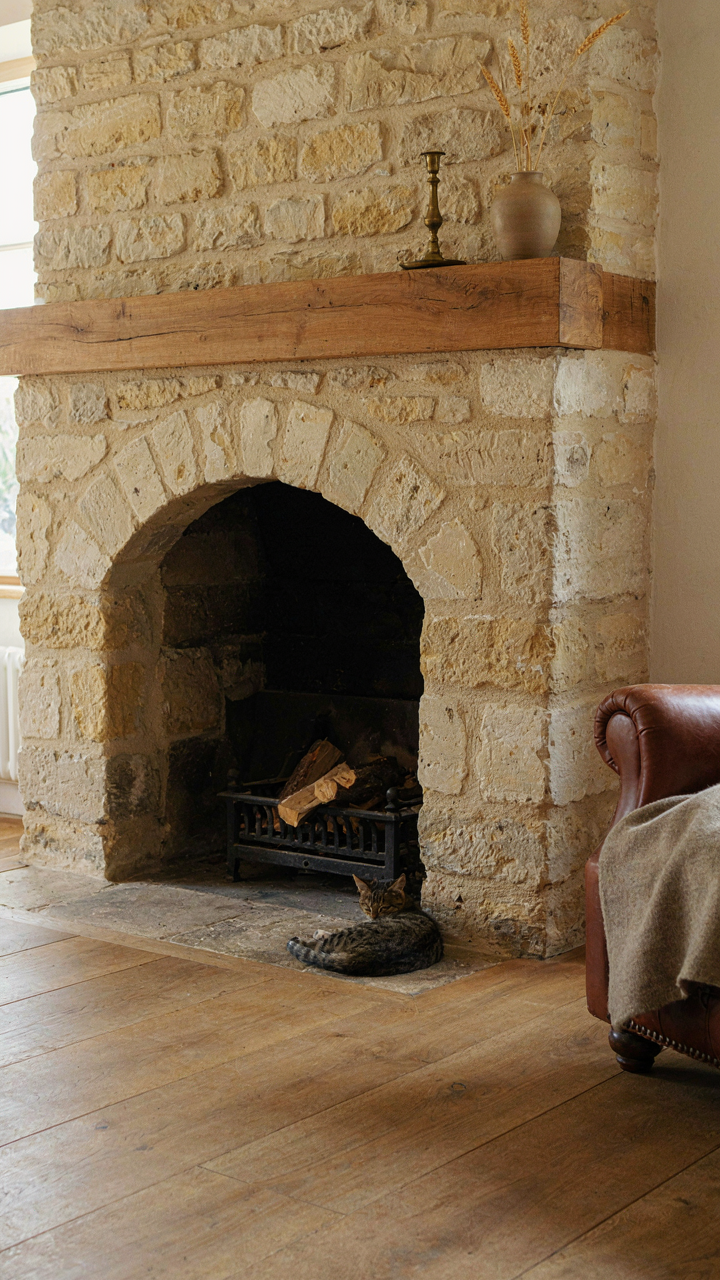
The real cost isn’t the money spent on pieces. It’s the mental overhead of abandoning what you built every eighteen months. French country interiors that lasted worked because they weren’t built to impress anyone watching. They were built to function and age well. A limestone fireplace doesn’t trend. Linen that softens with use doesn’t trend. The moment you optimize for what’s currently popular, you’ve guaranteed that your room will look dated the instant the algorithm shifts.
Principles That Actually Age
Trends operate on scarcity and novelty. Principles operate on constraint and repetition. Take the principle of material honesty: wood looks like wood, stone looks like stone, linen looks like linen. French country design didn’t invent this, but it built itself on it. When you choose materials for what they are instead of what they signal, they don’t depreciate. A worn oak table isn’t falling out of fashion because it never entered it.
The other principle that holds is proportion. French country rooms use specific ratios between ceiling height, furniture scale, and open space. These ratios come from historical building constraints, not aesthetic preference. A room that respects these proportions will read as intentional regardless of what surfaces you choose. Start with proportion. Then choose materials that will soften and deepen over time. Those two decisions eliminate ninety percent of the trend risk.
Rustic Interior Design Farmhouse Style French Country: Function Dictates Form
Objects That Work Come First
You want permission to buy beautiful things without guilt. That’s what this section promises. The real mechanism is harder: French country design strips away decoration the moment an object stops earning its place through daily use. Beauty compounds when it solves a problem.

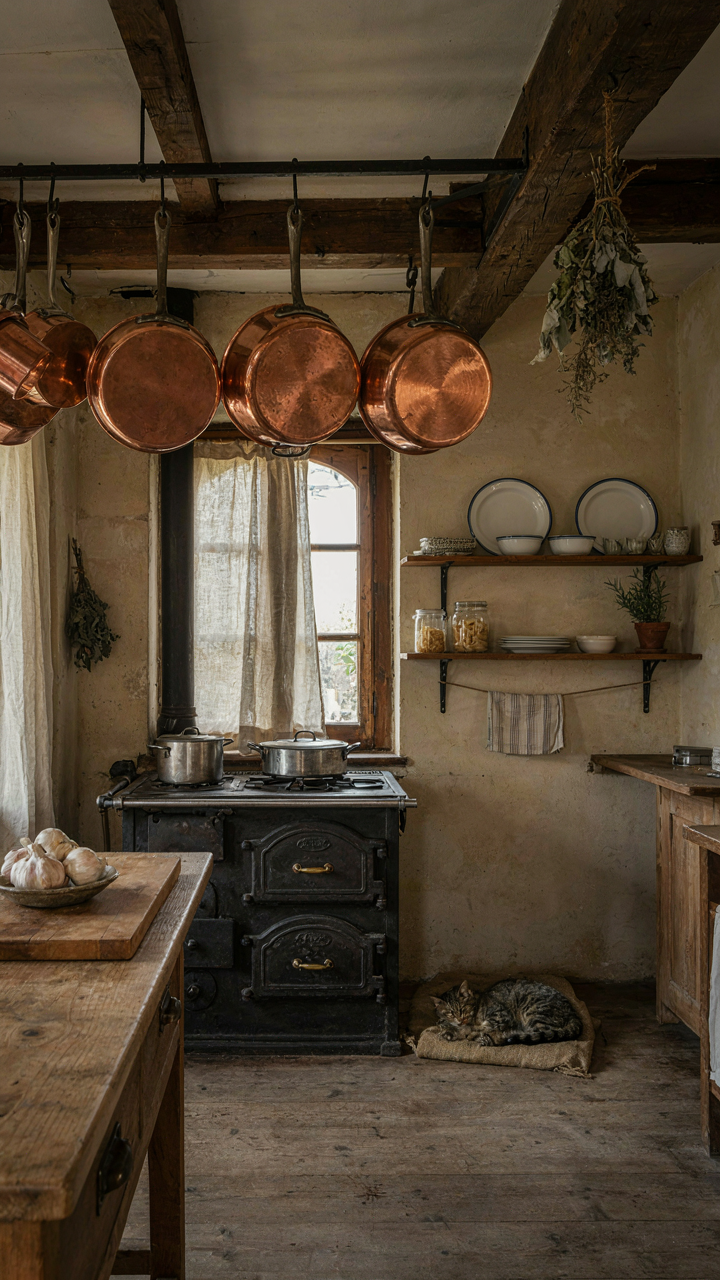
French country interiors emerged from agrarian necessity, not aesthetic theory. A copper pot hanging above the stove wasn’t there for Instagram. It was there because you needed it five times a week, and hanging it meant finding it fast. Objects in working farmhouses became beautiful because they were shaped by their job. The form followed the function so completely that ornament became redundant. This is the opposite of how most people approach interiors. They buy the look, then retrofit purpose onto it.
Repair Trumps Replacement As The Design Rule
This sounds romantic. It’s actually an economic principle: durable goods with high repair costs die faster than durable goods with low repair costs. A French country interior treats repairability as a first-order design requirement, not an afterthought. Buy what you can fix yourself, or fix cheaply.
Peasant furniture in French country homes survived centuries because joints could be reglued, legs could be replaced, and seat straw could be restuffed. A modern sofa with glued particleboard and welded metal frame cannot be salvaged. This is why heirloom pieces appreciate while contemporary furniture depreciates: repairability compounds value. When selecting pieces, prioritize construction methods you can access. Mortise and tenon joints beat dowels. Real wood beats veneer. Bolt-together frames beat welded ones. The initial cost matters less than the cost of ownership over ten years.
The “European French Country House Interior” As A Storyboard
Rooms That Move Forward, Not Just Sit There
You want this interior style because it signals you have depth—that your home reflects accumulated taste rather than a catalog order. Here’s what actually works: narrative architecture, borrowed from screenwriting, means each room functions as a scene that propels meaning forward. In French country interiors, this isn’t decoration. It’s sequencing. The kitchen anchors practicality and warmth. The salon holds conversation and restraint. The bedroom whispers privacy. Each room has a job in the story your space tells.

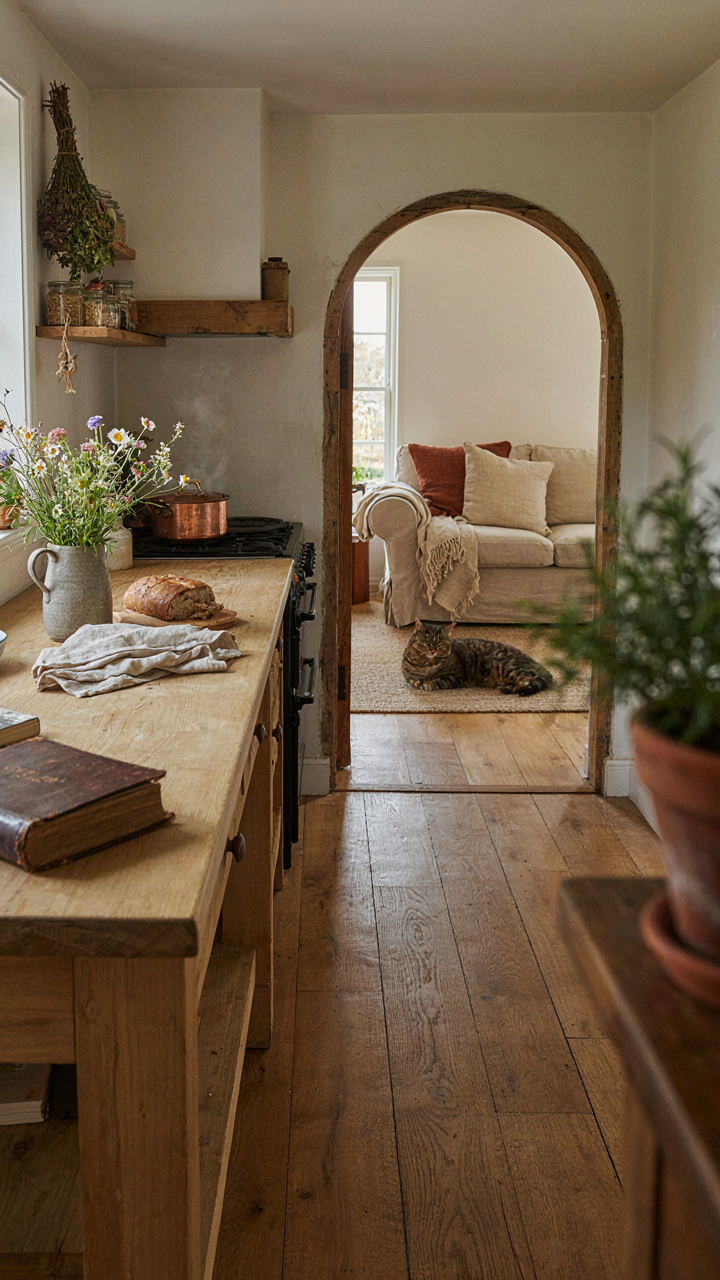
Most people furnish rooms in isolation, treating them as standalone galleries. That kills coherence. A French country interior only lands when rooms connect through material repetition, color threading, and scale logic. Stone appears in the kitchen floor and echoes in the fireplace surround. Linen moves from the sofa to the curtains to the table runner. The progression isn’t random. It’s deliberate enough to feel inevitable, loose enough to avoid feeling designed. That tension—between control and ease—is where the style actually lives.
Collecting Evidence, Not Just Filling Shelves
Curating personal history means you make deliberate choices about what stays and what doesn’t. The difference between a room that feels manufactured and one that feels inherited lies in this specificity. A French country interior accumulates objects tied to actual use or actual memory, not aspirational identity. That ceramic pitcher your grandmother used. The side table from a specific market. The books you’ve actually read. These carry weight because they mean something concrete to you, not because they look right in a magazine spread.
The mechanism here is scarcity through selectivity. When every object earns its place through utility or connection, the room gains authority. You’re not proving taste through volume. You’re proving it through restraint and reasoning. Display three well-chosen pieces instead of filling a shelf. Keep furniture that functions and carries patina rather than pieces bought pristine and styled. The French country aesthetic depends on this editing discipline. Without it, you get clutter dressed up as charm. With it, you get a room that breathes and a history that reads.
French Traditional Home: Cultivating Imperfection For Dream House Interior
The Aesthetics Of Honest Decay
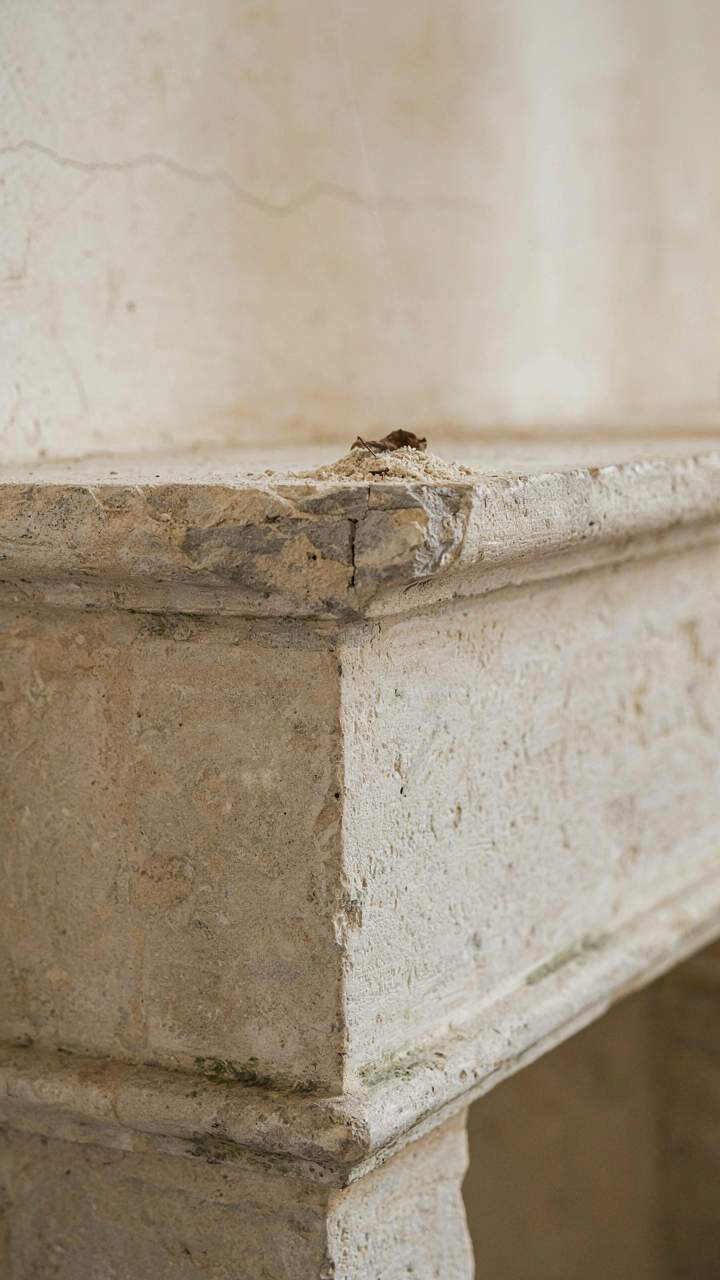
You want permission to stop fighting entropy. You’re tired of the sterile perfection trap. Here’s the mechanism: French country design treats wear as evidence of use, not failure. A chipped edge on a limestone mantel, a faded paint layer on shutters, or a water stain on plaster aren’t problems to hide. They’re the record of the house’s actual life. Restoration craftspeople in rural France don’t sand these marks away. They stabilize the structure and leave the surface story intact.

The difference between “shabby chic” and authentic French country is brutal and simple. One is performed decay. The other is real deterioration that stopped before structural failure. A farmhouse table with worn finish from decades of meals reads differently than a new table you distressed with tools. Age compounds. You can’t fake the specific pattern of how time moves across a surface. The practical step: inventory what’s actually old in your space, and decide what genuinely works versus what needs repair. Leave the rest alone.
Beauty In Surfaces That Show Their Years
Wabi-sabi, the Japanese design principle, maps directly onto the French provincial philosophy of acceptance. Both systems reject the Western obsession with smooth, uniform surfaces. Both say impermanence and material honesty are where beauty lives. French country interiors achieved this not through philosophy but through economic reality. Rural families couldn’t afford to replace things. They repaired in place, and that constraint became the aesthetic.
Plaster walls in old French homes develop irregular color gradations, micro-cracks, and texture variation that no paint finish today replicates convincingly. Stone floors develop grooves from foot traffic. Wood beams darken unevenly from exposure and smoke. These aren’t flaws you correct with sealers or restoration products. You maintain structural integrity and leave the visual record. The protocol: when renovating, use compatible materials that age similarly, avoid high-gloss finishes that emphasize flatness, and resist the urge to make everything uniform. Intentional inconsistency is the mechanism that makes a room feel lived-in rather than staged.
The Real Problem Isn’t Your Furniture; It’s Your Inability To See Your Home As A Living Archive
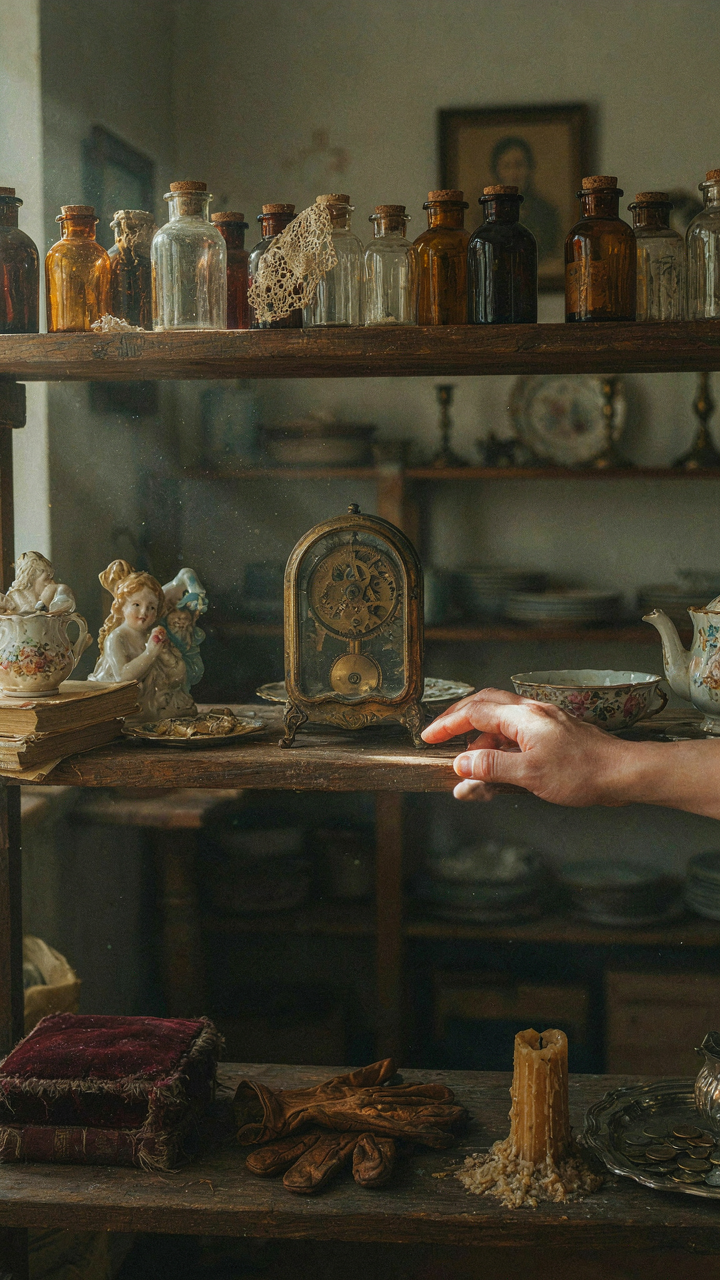
Most people buy French country interiors like they’re assembling IKEA. You don’t. You collect. You dig through estate sales, flea markets, your grandmother’s attic. You treat every room like it’s telling a story that only you can finish. Today, stop scrolling Pinterest and walk into one thrift store. Buy one piece that confuses you a little. That discomfort means it’s real. Your home doesn’t need to match. It needs to breathe.




