
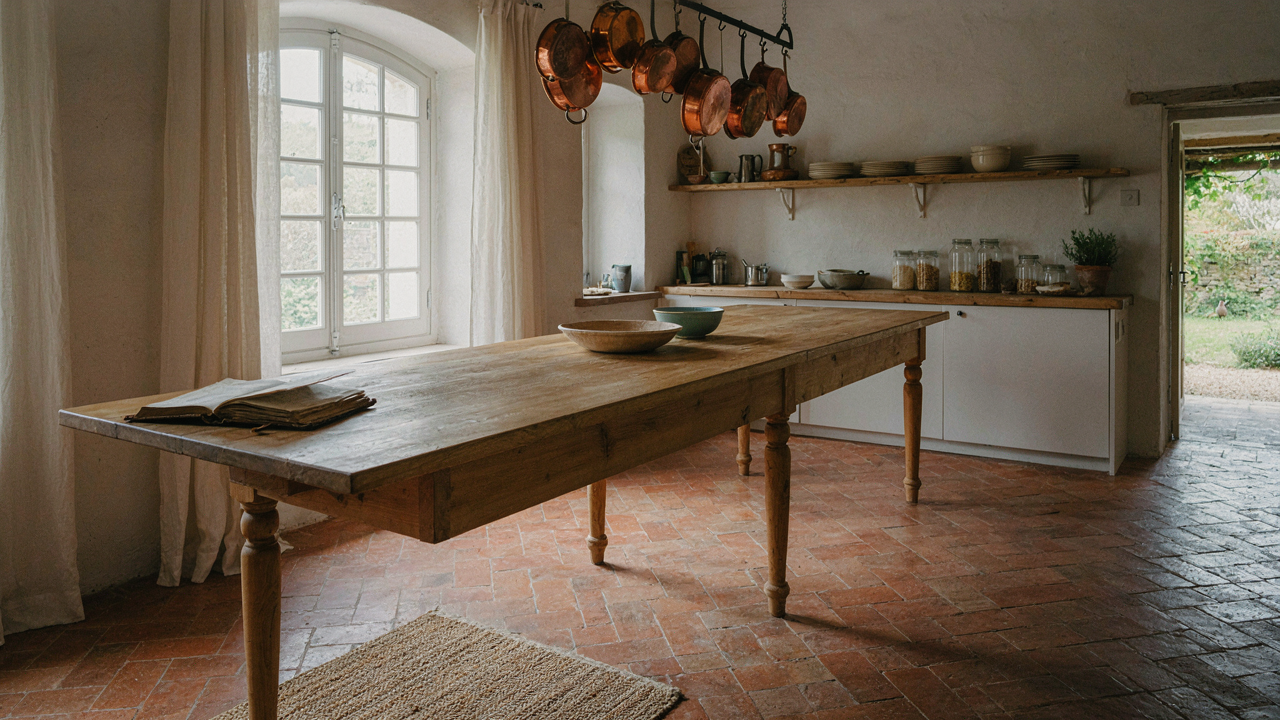
The Authenticity Algorithm: Decoding True French Country Kitchens
Where The Style Actually Came From
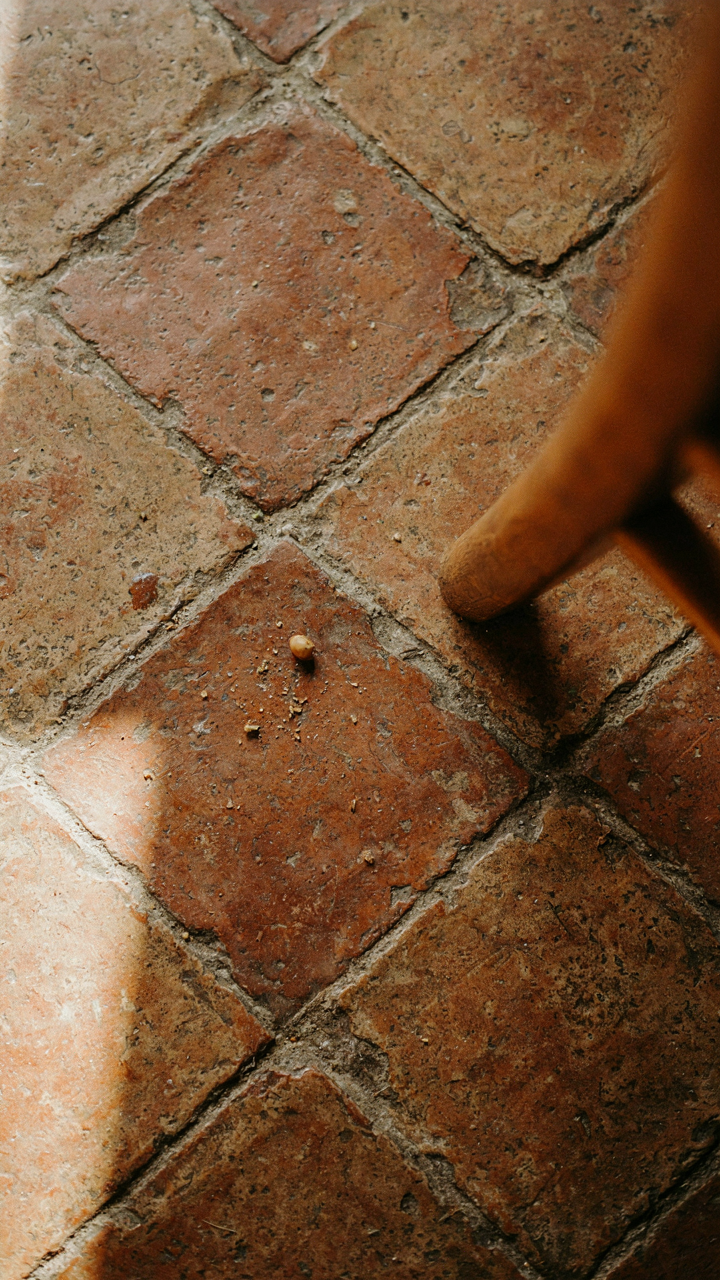
You want this style because it signals you know something most people don’t. Here’s what most miss: French country kitchens weren’t designed. They evolved from necessity in rural farmhouses between the 17th and 19th centuries, where kitchens had to heat homes, preserve food, and feed large families. The aesthetic followed function, not the reverse. Peasants didn’t choose terracotta tiles for warmth or stone for romance. They chose them because they lasted and worked.
This history matters because it tells you what to keep and what to discard when you’re building a real version. A kitchen that copies the look but ignores the reason for each element becomes a costume. The mechanism is simple: materials and layouts persisted because they solved actual problems. Reproduce the problem-solving, not just the appearance, and you get authenticity that reads as intentional rather than themed.
Materials Do The Work, Not The Decorator
Everyone talks about adding Provençal color or rustic charm. That’s lazy. The real move is understanding that French country kitchens used specific materials because they performed. Terracotta, limestone, cast iron, and copper solved problems in kitchens without electricity. They managed heat, resisted moisture, and lasted decades. Economics drove every choice, not aesthetics.
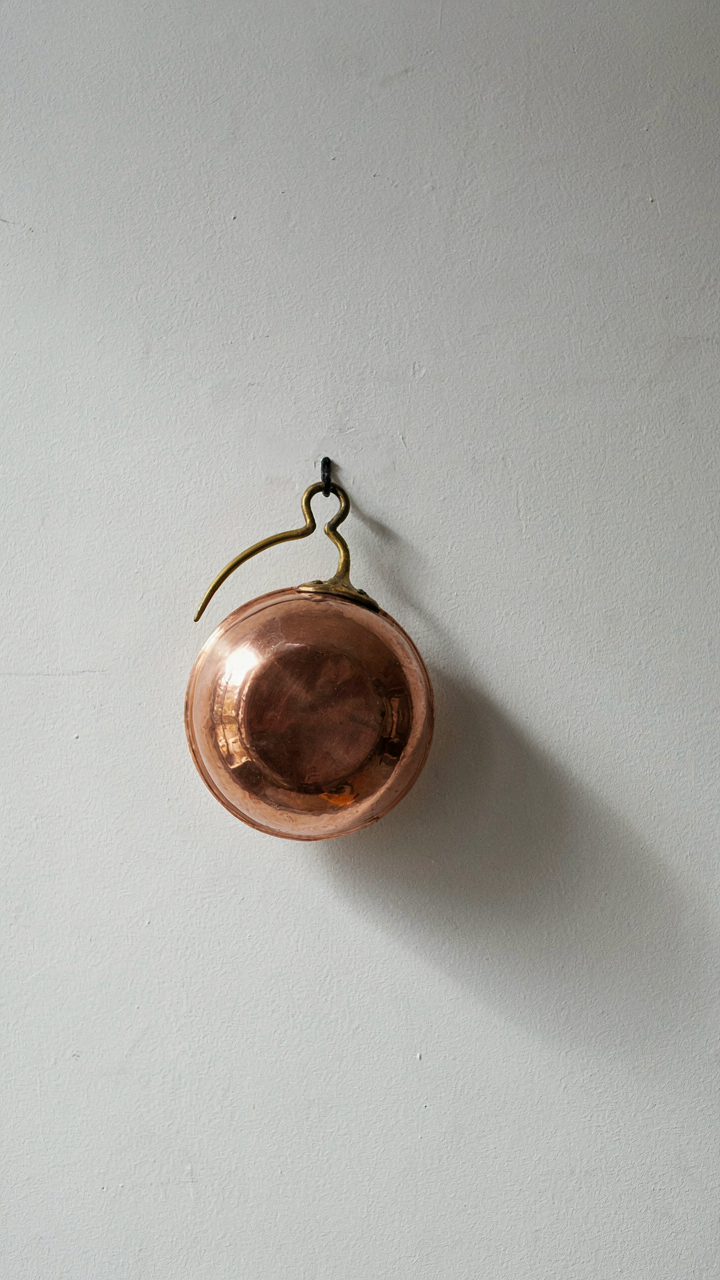
When you select materials for your kitchen, reverse-engineer from function first. Terracotta tiles stay cool underfoot and hide dirt. Limestone counters age beautifully and tolerate heat. Copper pots conduct heat evenly and hang visibly because storage was limited, not because it looks good. This protocol prevents you from buying decorative junk that contradicts the actual logic of the space. The kitchen works, then it looks right.
Beyond Beige: The Real Palette Of French Country Kitchen Ideas
Materials Determine Color, Not The Other Way Around
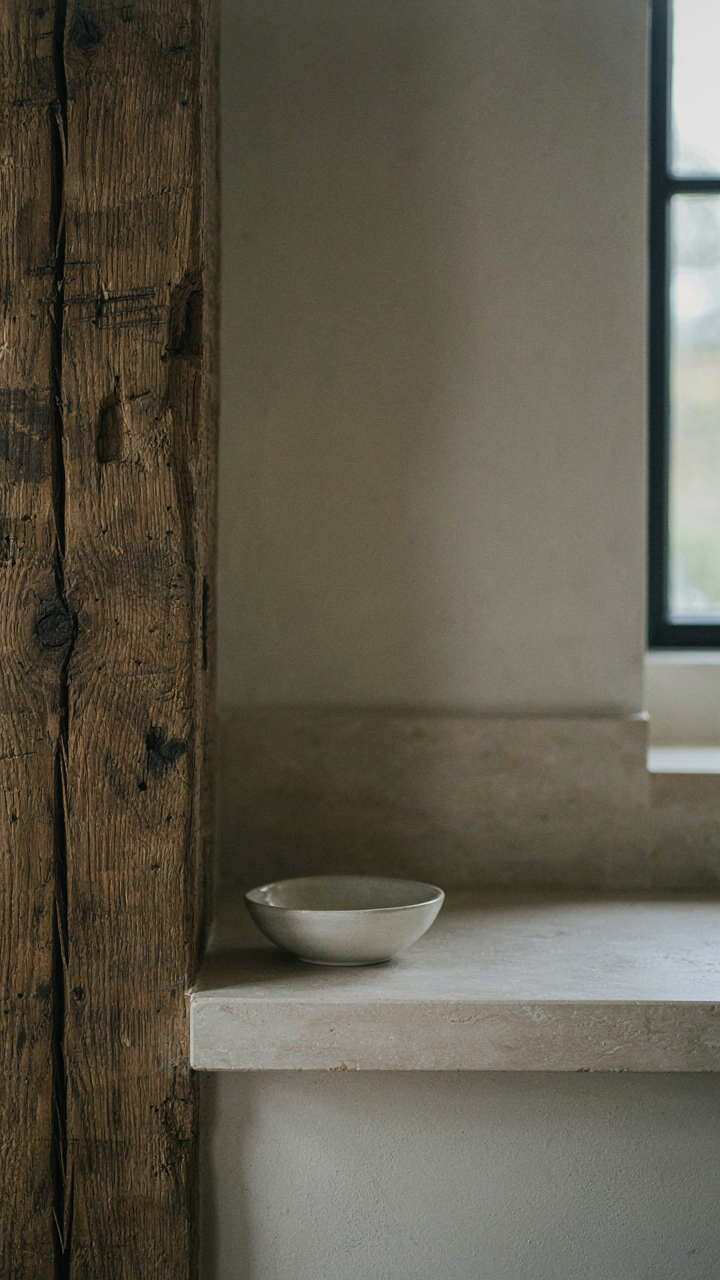
You want permission to use color without looking like you’re trying. That’s the real ask here. The mechanism is simple: in French country kitchens, color isn’t chosen from a Farrow & Ball deck and then applied to surfaces. The surfaces themselves generate the color. Stone, clay, wood, iron, and plaster dictate what you see. This inverts how most people design. You pick the material first. Color arrives as a consequence, not a decision.

Limestone sourced from Burgundy carries warm grays and subtle ochres baked in by mineral deposits and time. Terracotta tile from Provence isn’t “rust” or “burnt sienna”—it’s the actual oxide content of local clay fired in a kiln. Reclaimed oak beams pull deep browns and warm blacks from decades of smoke, handling, and oxidation. You don’t paint a beam to look old. You source a beam that already is. This is why French country kitchens feel coherent without feeling designed. Everything references the same geographic origin and material logic.
Wear Reads As Authenticity
The design world tells you imperfections humanize a space. That’s incomplete and misses the real value. Patina operates like a timestamp in forensics—it proves history. A limestone countertop with a shallow groove worn by decades of knife work, a copper pot with verdigris creeping across its surface, terracotta tiles with uneven glaze—these aren’t flaws you tolerate. They’re evidence you can’t fake without looking desperate.
The French country aesthetic rejects the “distressed” trend entirely, where makers artificially age new materials to approximate age. That fails immediately. Real patina has logic. It accumulates where hands touch, where water pools, where heat concentrates. A cabinet door darkened unevenly from steam and sunlight tells a true story. Your job isn’t to create weathering. It’s to source materials that already carry it, then resist refinishing them back to uniformity. Leave the groove. Leave the stain. Leave the variation.
The Patina Principle: Accelerating Timelessness In Your Cozy Kitchen
Materials That Age With Purpose
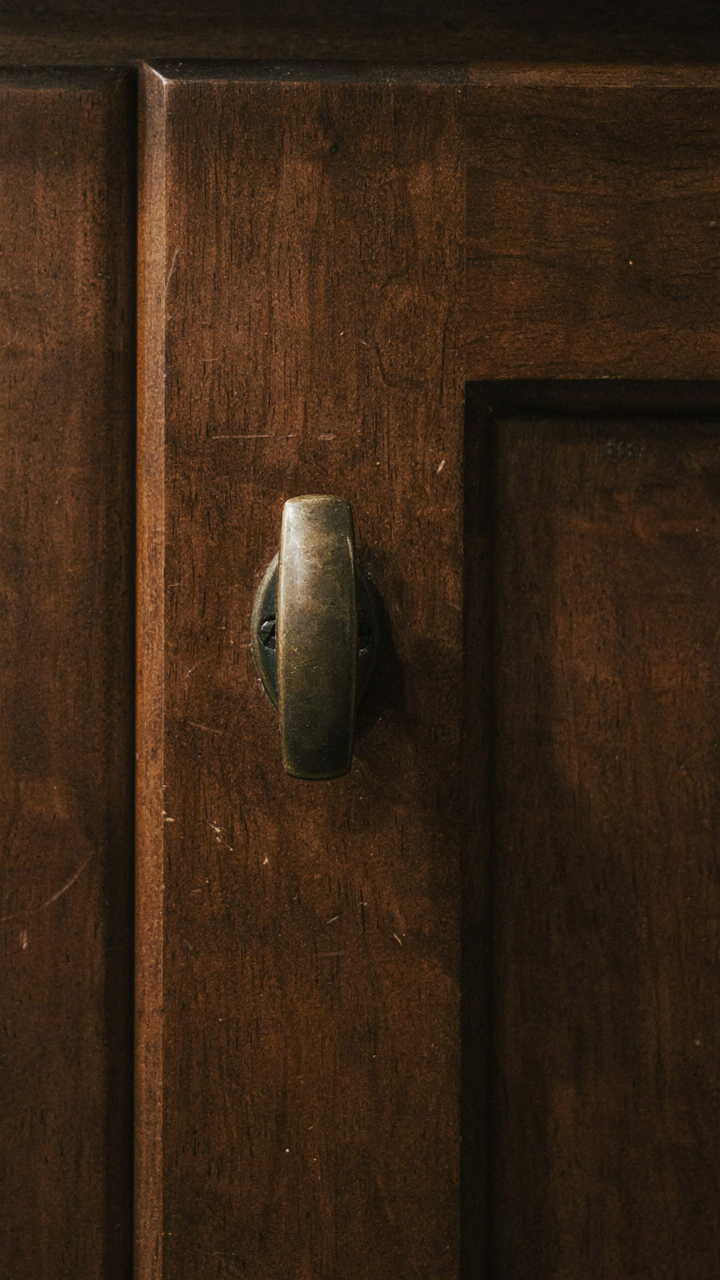
You want your kitchen to look like it’s been there for decades the moment you finish it. That’s the real ask here, and it’s status anxiety dressed up as design taste. The mechanism is simple: materials that oxidize, patina, and develop surface character don’t look abandoned or cheap as they age. They look collected. They look lived-in by someone with restraint.

Think of patina like compound interest in materials. It’s the inverse of depreciation. While polished stainless steel shows every fingerprint and screams “installed last month,” weathered brass, aged copper, and natural stone accumulate visual depth. French country kitchens were built in eras before planned obsolescence. The design survives because the materials themselves improve with time.
- Solid Brass Hardware and Fixtures: Develops a warm, darkened patina over years. Avoid lacquered finishes that prevent oxidation and trap the bright look indefinitely.
- Unfinished or Lightly Sealed Natural Stone: Limestone, marble, and slate deepen in color and develop micro-scratches that add texture. Sealing them completely halts this evolution.
- Cast Iron Cookware and Trivets: Builds an earned black patina through use. This isn’t decorative. It’s functional evidence of repeated purpose.
- Reclaimed or Salvage Wood: Already carries decades of wear. New wood stained to match reads as imitation. Actual aged wood reads as authentic inevitability.
- Copper Cookware and Vessels: Transitions from bright to deep burnt orange and dark brown. The color shift is dramatic and irreversible, marking time visibly.
The mistake most people make is buying new materials and immediately distressing them with sandpaper and stain. That’s the opposite move. Buy materials that require nothing from you but use. Time does the design work. Your job is selecting pieces that actually improve when they’re neglected, not when they’re refinished.
The Real Cost Of Authentic Wear
Strategic wear looks nothing like artificial distressing. Distressed finishes are applied uniformly across a surface, which telegraphs the artifice instantly. Real aging is random. It concentrates around high-touch zones. It follows physics, not a decorator’s mood board.
A kitchen island in constant use develops worn spots on the corners and edges where hands grip, objects slide, and elbows rest. The top shows marks where cutting boards lived. The finish thins from actual friction, not sandpaper theater. You cannot manufacture this pattern. You can only allow it to happen. Stop refinishing surfaces that show legitimate wear. That wear is doing the temporal heavy lifting your budget cannot buy. When you sand and restain something that’s developing authentic patina, you reset the clock to zero.
The Un Curated Look: Modern French Country Kitchen Storage Secrets
Display The Daily Tools You Actually Use
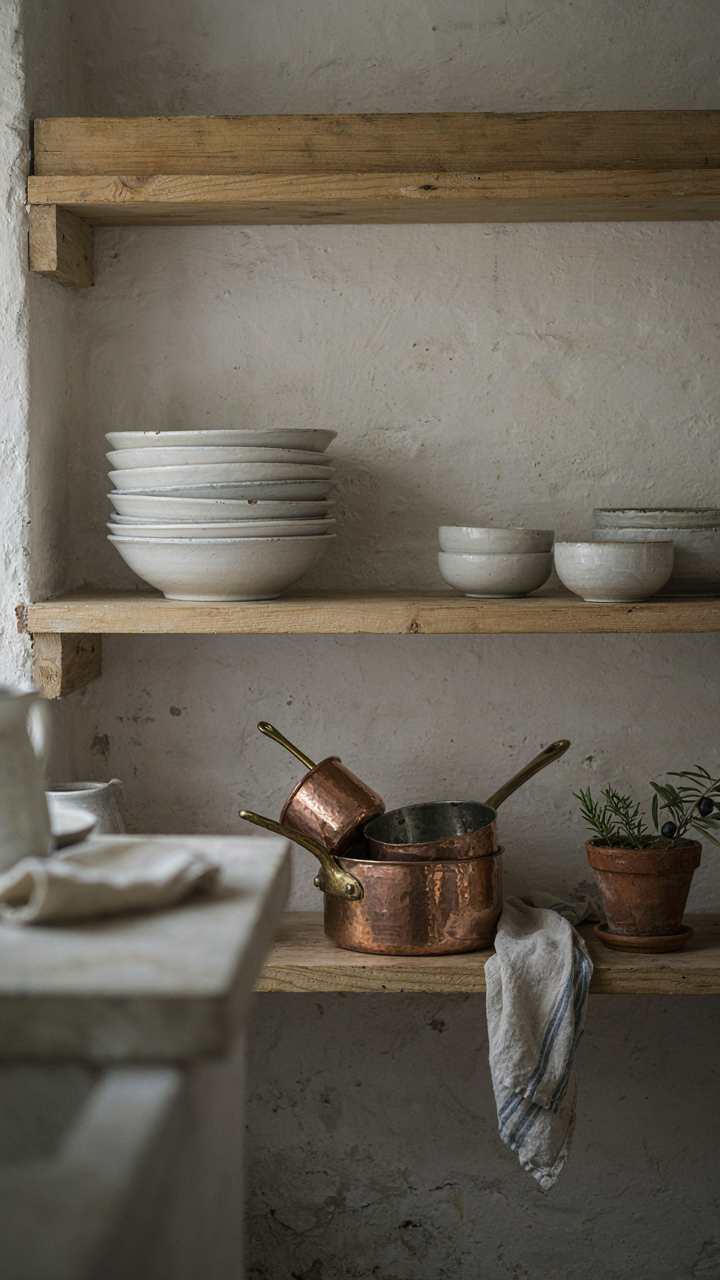
You want people to think your kitchen isn’t trying. That’s the real motive here, and it costs discipline. Open shelving works because it forces you to commit to what stays visible. Everything on display must earn its place through function or age. French country kitchens historically displayed ceramics, copper, and cast iron because these items were expensive and proved competence. The mechanism is simple: visibility creates accountability.

What you display should rotate with actual use patterns. Bowls you eat from daily. Glasses people drink from at meals. Copper pots you cook in weekly. The moment an item becomes decorative rather than functional, move it behind a door. This isn’t minimalism. It’s the opposite. Your shelves will look full because they contain what your kitchen genuinely requires. The visual calm comes from coherence, not emptiness.
Keep The Rest Behind Doors And Drawers
Most advice says “hide clutter” like clutter is the problem. Wrong. The problem is visual noise from mixed intentions. Behind closed storage, you can keep bulk items, specialty tools, and the things you need twice yearly without undermining the honest aesthetic of daily life. French country kitchens used cupboards with solid doors, not glass, precisely because they contained everything that didn’t fit the narrative of constant use.
Closed storage follows the same principle as a ship’s hold: compartmentalize by function, not by frequency. Baking supplies together. Seasonal equipment together. Specialty appliances together. When someone opens a cabinet, they encounter a decision, not a visual explosion. Label the interior face of doors or use clear containers so you know what’s there without opening them repeatedly. This protocol eliminates the reach-and-search waste that destroys kitchen efficiency.
The Paradox Of Comfort: Modern French Country Seating & Layout
When The Chair Actually Fits Your Body
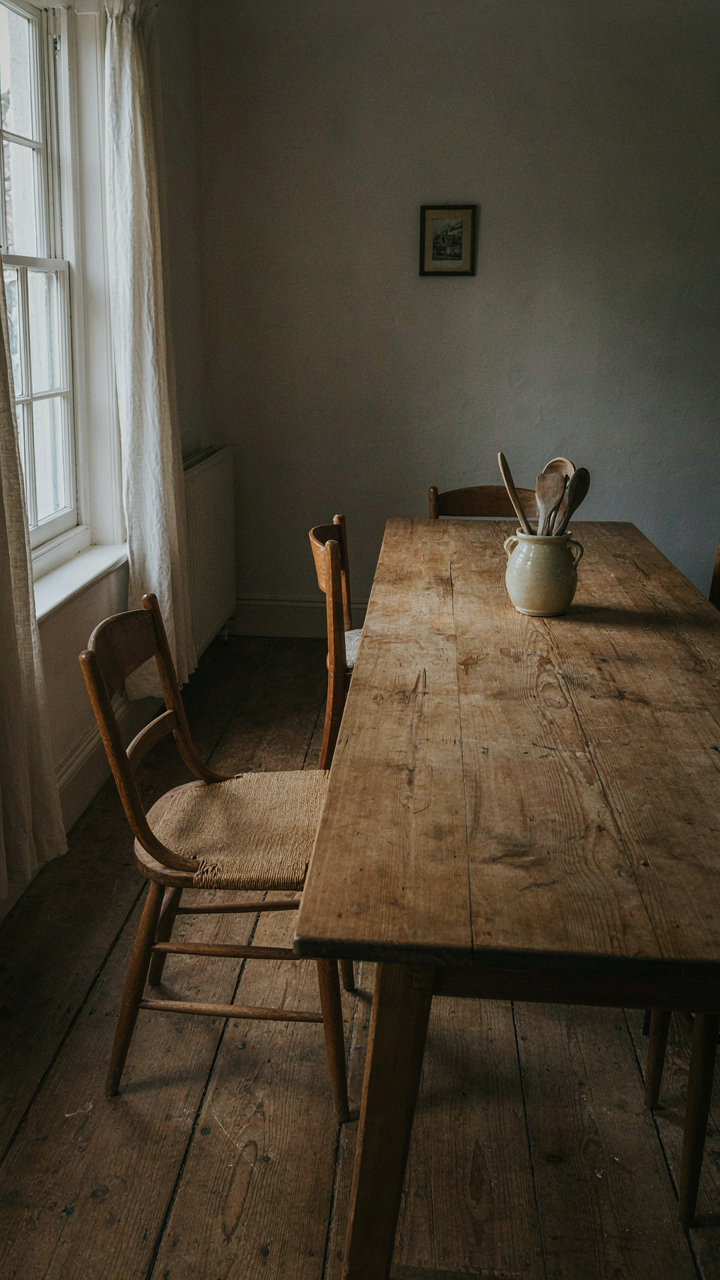
You want this kitchen to feel effortless and inviting, but what you’re really after is permission to stop performing. That’s the gap between Instagram French country and functional French country. The mechanism is biomechanics applied to domestic space: your body either votes yes or it doesn’t, and no amount of aesthetic rightness overrides physical rejection. French country kitchens succeeded historically because peasant and rural furniture came from necessity, not trend. Seat height, backrest angle, and table clearance weren’t debated—they were calibrated through generations of actual use.

Modern French country seating fails when designers prioritize silhouette over ergonomics. A rush-seat chair with a curved ladder back looks period-correct but demands you sit upright for thirty minutes before your lower back files a complaint. The corrective action is simple: test every seat for twenty minutes at table height before committing. Measure the distance from seat to table edge. If your thighs don’t have two inches of clearance, the piece doesn’t belong. A bentwood café chair, a upholstered farmhouse stool, or a linen-covered dining chair only works if the human using it can actually relax there.
The Table As Anchor, Not Decoration
Gathering spaces that work operate on arrival friction. Lower the barrier to sitting down, and people stay longer. French country kitchens built around large communal tables functioned this way by design—the table was the room’s gravitational center, not a furniture object placed within it. Placement dictates behavior more than aesthetics do. A table positioned eight feet from the counter pulls people away from the action. Positioned four to five feet out, it creates a natural working perimeter where movement flows in loops instead of dead-ends.
The common mistake is centering the table in the room’s geometric middle. Most kitchens benefit from an off-center placement that acknowledges the actual traffic pattern: someone entering, someone at the stove, someone at the counter. The table’s location should reduce the steps required to interact with all three zones simultaneously. Use this test: stand at the table with someone standing at the stove and someone at the counter. Can all three make eye contact without neck strain? If not, move the table until the geometry solves itself.
The Alchemist’s Approach: Transforming Found Objects For French Kitchens Ideas
Hunt Local Before You Hunt Expensive
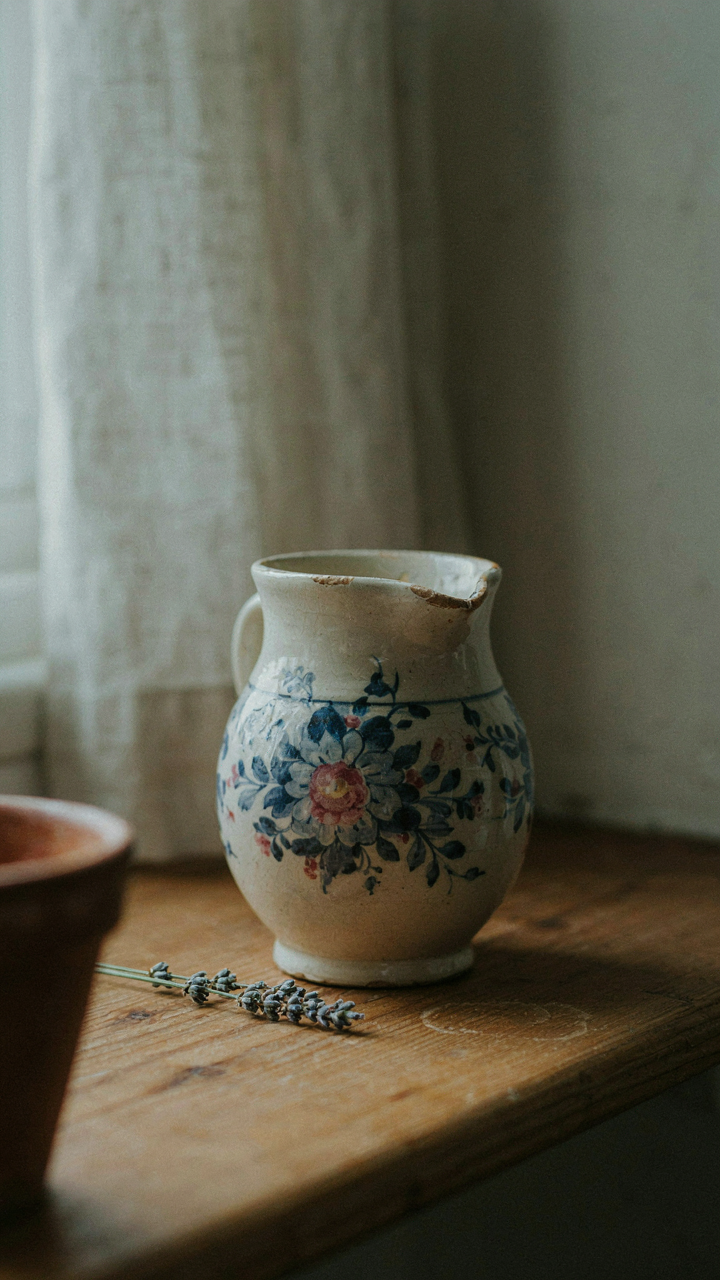
You want objects with narrative weight because they signal taste without screaming effort. That’s the real mechanism here. French country kitchens work through scarcity and specificity, not abundance. Hit local antique dealers, estate sales, and flea markets in your region before scrolling design sites. A chipped ceramic vessel from a nearby farmhouse auction carries more authority than a pristine reproduction ordered online. The object’s imperfection proves it lived somewhere before your kitchen.

Regional sourcing also means your pieces match the actual patina and wear patterns of objects that spent decades in real use. When you source locally, you get authentic aging that no factory can replicate. This is not about virtue signaling—it’s about construction. The wood grain, the glaze variation, the hardware weight all tell you whether something functioned for fifty years or fifty days.
Decay As Design Language
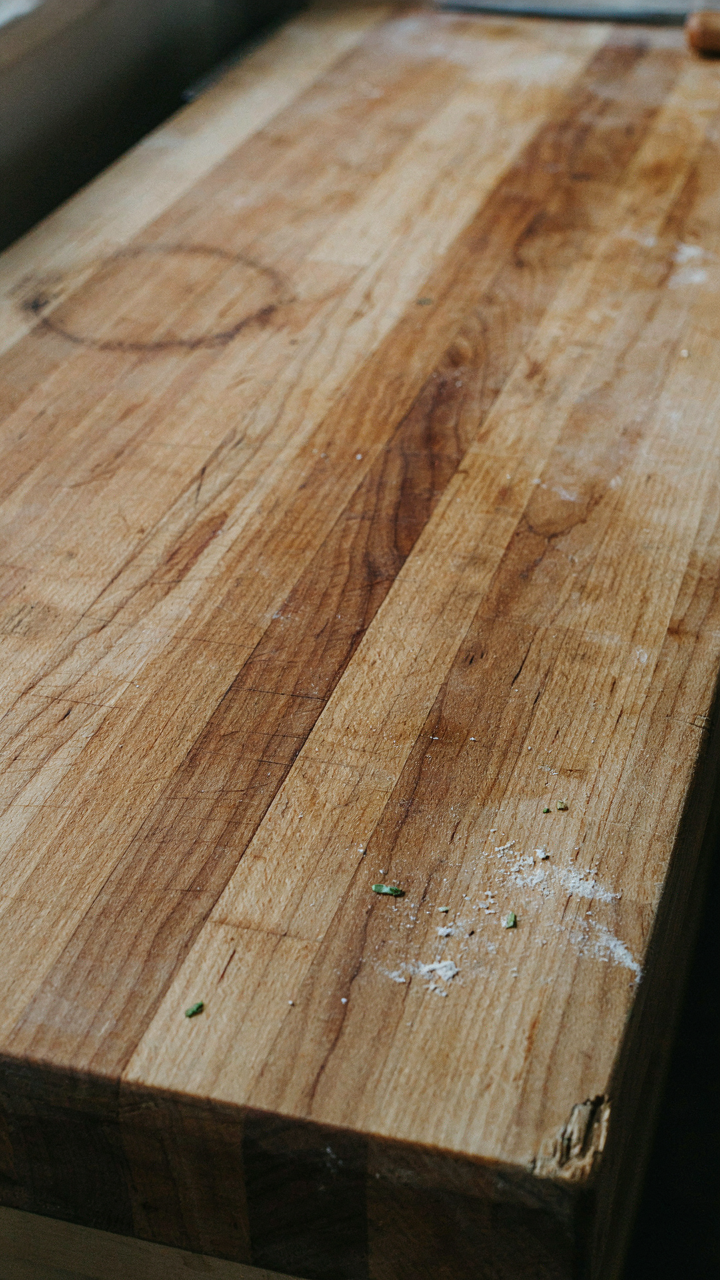
The common advice says restore everything to mint condition. That’s wrong. French country design borrows from thermodynamics: entropy is the visual grammar. Scratches, worn edges, and faded paint are not flaws to hide. They’re evidence of utility that photographs better than perfection. A scratched wooden cutting board or a cabinet with partial paint loss reads as honest labor, not neglect. This is the actual French country aesthetic—the acceptance that use improves appearance.
Repurposing with purpose means asking what an object did before and letting that history shape what it does next. An old metal milk can becomes countertop storage. A wooden apple crate becomes a wine rack. The transformation respects the original material and form instead of disguising it. Each piece retains its functional logic while shifting context. This protocol prevents the trap of collecting decoration that screams “I bought this to look rustic.”
The Ecosystem Of Light: Illuminating Your French Country Kitchen Ideas
Windows Before Fixtures
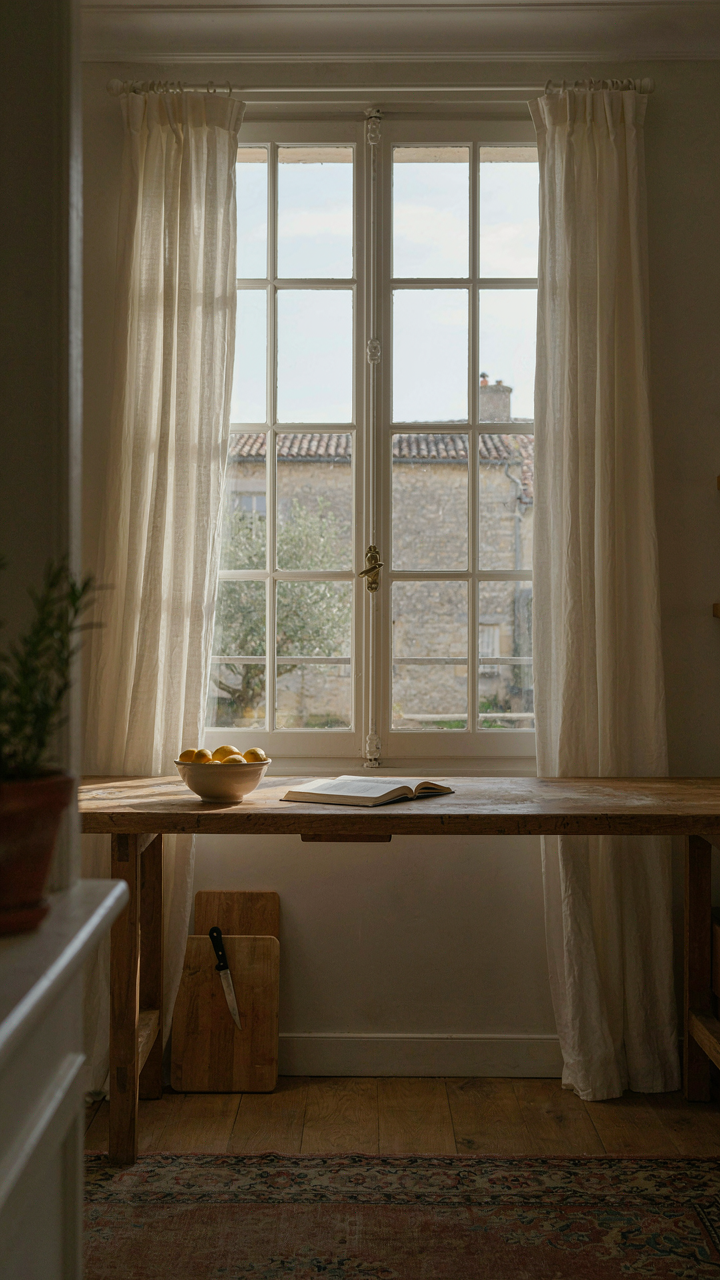
You want this section to make your kitchen feel expensive without spending money on it. That’s the real motive. Here’s the mechanism: natural light operates like military strategy’s concept of terrain advantage. You control the space itself before deploying resources. French country kitchens were built around south-facing windows in Provence and Normandy because that’s free light all day. No fixture budget required. The kitchen’s sightlines and window placement determine everything that follows.

Start by auditing your existing windows. Identify which wall receives consistent daylight and position your work zones there. Remove heavy curtains or replace them with linen panels that filter without blocking. This isn’t decoration. It’s infrastructure. The window placement dictates whether your kitchen feels open or cave-like at 3pm, and you decide this before buying a single lamp.
Layering Creates Function, Not Atmosphere
Mood sculpting sounds precious. It’s actually physics applied to workflow. You need three light types working in sequence: ambient base light, task light over surfaces, and accent light for depth. French country kitchens use this stacking because rural homes had unreliable electricity and needed to work efficiently regardless. Pendants over an island handle prep work. Wall sconces flanking a mirror or shelf add visibility without glare. A single overhead fixture does none of these jobs well.
Brass and iron fixtures appear in historic French kitchens because they don’t yellow under heat and you can actually see them corrode to know they’re working. Dimmable bulbs in those fixtures control the entire mood shift. Install separate switches for each layer. A layered approach means you turn on only what you need, when you need it. This reduces energy use and prevents the blown-out, sterile feeling that kills a room’s character instantly.
The Entropy Reversal Protocol: Maintaining Timelessness In French Country Kitchen Decorating Ideas
The 80/20 Ruthlessness Rule
You want a French country kitchen to look effortless because you believe that signals taste and breeding. The mechanism is simple: you’re confusing abundance with richness. Economics teaches the Pareto Principle—80% of your visual impact comes from 20% of your objects. In a French country kitchen, this means identifying which pieces actually carry weight and removing everything else without guilt. Most kitchens fail because owners keep decorative items from sentiment, not function or beauty.

Start by photographing your space from across the room. The objects you see clearly are your 20%. The rest—the small ceramic pieces, the extra copper molds, the redundant linens—are the 80% consuming mental space. Remove them entirely for two weeks. If you miss nothing, they stay gone. French country design survived centuries because it rejected clutter, not because it accumulated “character.” Constraint creates the aesthetic, not accumulation.
Maintenance As Capital Deployment
Treating your kitchen like an asset class rather than a space to use changes everything. You won’t schedule cleaning; you’ll schedule preservation. A copper pot unpolished oxidizes faster. Terracotta that absorbs moisture without sealing cracks. Waxed wood surfaces lose protection monthly. These aren’t maintenance tasks—they’re capital preservation decisions identical to how you’d maintain investment property.
Create a quarterly calendar tied to material needs, not to how dirty things look. Polish copper and brass in spring. Reseal wood and terracotta in fall. Degrease cast iron monthly. This isn’t extra work—it’s replacing the random “deep clean” panic with predictable intervals. The cost is lower, the results last longer, and your kitchen maintains its value instead of degrading. Timelessness doesn’t happen; it’s built through scheduled intervention.
The Soulful Kitchen: Beyond Trends, Towards Legacy
Every Choice Tells A Story
You want this kitchen to say something about who you are. That’s the real driver here, and it matters because it determines whether you’ll actually use what you build or resent it within two years. The mechanism is simple: French country kitchens work because every element carries intention, not decoration. A worn butcher block isn’t vintage because it’s trendy. It’s worn because someone cooked on it for decades. Copy the restraint, not the aesthetic.

The difference between a soulful kitchen and a catalog showroom is personal friction. Real French country design emerges from constraint and repetition, not shopping sprees. When a French cook chose copper cookware, she chose it because it conducted heat efficiently and lasted a lifetime. That same logic should guide your choices. Ask why before you buy. If the answer is “because it looks nice,” you’re building a display, not a kitchen.
Spaces That Absorb Your Life
Biological systems adapt to their environment through feedback loops—your kitchen should work the same way. A truly functional French country kitchen doesn’t stay static; it develops patina, reorganizes around your actual habits, and improves as you use it. The common advice says to design everything upfront and lock it down. That’s backwards. You need structural bones (cabinetry, layout, major surfaces) that won’t change, but everything else should have room to shift.
Start with neutral base materials: cream or soft white cabinetry, stone counters, terracotta or stone floors. These don’t dictate how you’ll live in the space. Then add one thing at a time and live with it for three months before adding more. Your kitchen should feel more settled and more yours by year three than it did at installation. The protocol: install infrastructure, use the space for a full season, then add secondary elements based on what you actually need.
The Real Obstacle Isn’t Finding The Right Decor; It’s Escaping The Tyranny Of Curated Perfection
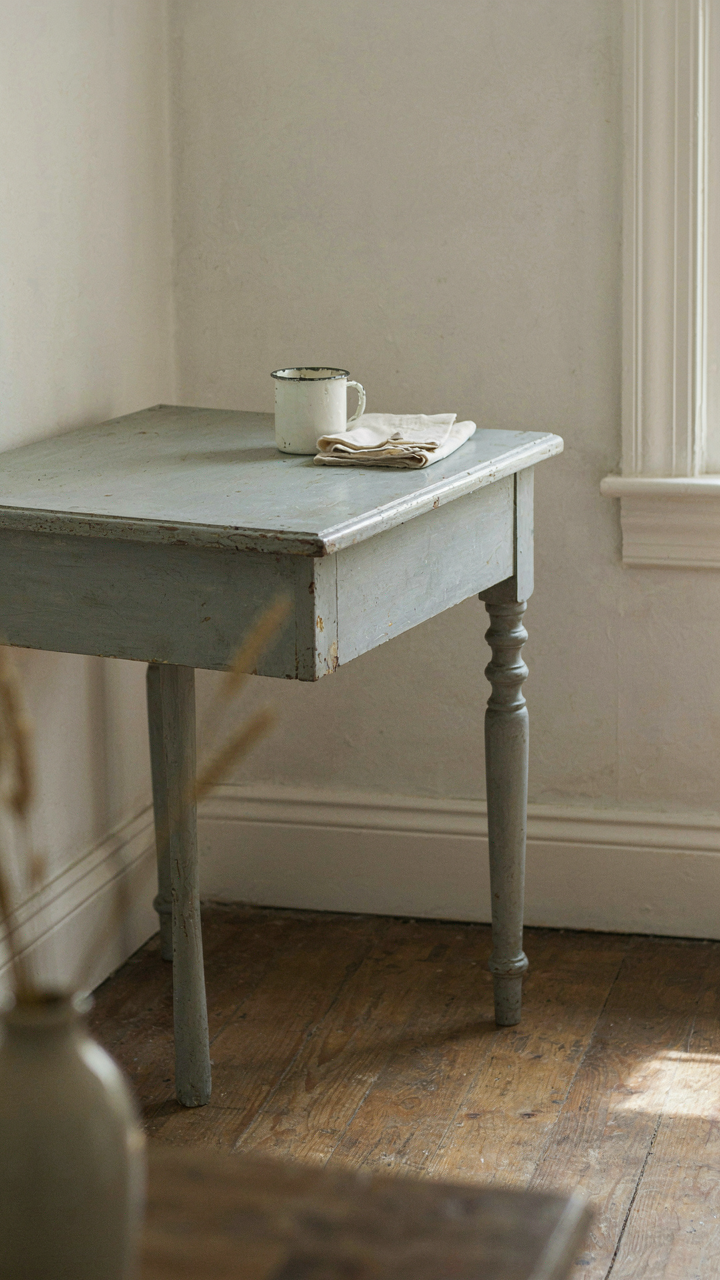
Most people kill their French country kitchen before they start. They wait for Pinterest perfection. They hunt for matching sets. They freeze. Stop. Go buy one piece of actual wood furniture this week, something old and imperfect from a local antique shop. Live with it. The magic doesn’t come from curated harmony. It comes from layering real objects that actually mean something to you. Your kitchen should look lived in because it is.



