The Cognitive Load Fallacy Of “Cozy” Decor

Visual Noise Depletes Decision Energy
You want people to think your cabin feels intentional, not like you’re hiding behind clutter. Here’s the mechanism: your brain treats every object in a room as a potential decision. That lamp. That textile. That wooden bowl. Each one demands a micro-evaluation. Scandinavian design strips this down by treating negative space as a material, not a failure. The cognitive psychology is clear—fewer visual elements lower cortisol and increase focus. A cluttered cabin doesn’t feel warm; it feels like work.
Overloading a room with “warm” textures and objects inverts the desired effect. You spend mental energy categorizing instead of relaxing. Scandinavian cabins succeed because they eliminate decision fatigue through restraint. White walls, raw wood, minimal decor, and functional pieces create a visual rest state. Your nervous system doesn’t have to process contradiction. The space communicates clearly, and your mind settles faster. This is why minimalism feels peaceful and maximalism feels suffocating, regardless of how many “cozy” items you pile in.
The True Cost Of Addition
The common advice says add layers, textures, and warmth through accumulated objects. That’s lazy thinking that confuses comfort with clutter. Every item you add to a Scandinavian cabin has a cost: it competes for attention, requires maintenance, and increases visual weight. Designers call this “the tyranny of stuff.” A room with thirty pieces demands thirty micro-decisions from your brain daily. Ten pieces demand ten. The math is ruthless.
Scandinavian cabin decor works because it respects the economics of attention. Each piece must justify its presence through function or genuine beauty, not nostalgia or status signaling. This means fewer throws, fewer decorative objects, fewer “character-building” mistakes. The hidden cost of “more” isn’t money or space—it’s the permanent drain on your mental resources. Every object taxes your nervous system. Remove objects ruthlessly, not apologetically.
Scandinavian Cabin Interior Design: The Subtractive Method
What You Actually Remove Matters
You want this to look effortless because effortlessness signals you have taste and money. The mechanism is simple: Scandinavian design borrows from Japanese minimalism’s principle of negative space as active material. Empty wall becomes structure. The difference between a cabin that breathes and one that suffocates is what leaves, not what arrives. Most people add objects hoping density creates coziness. It creates clutter that deadens the room and kills the lines of the furniture and architecture you paid for.

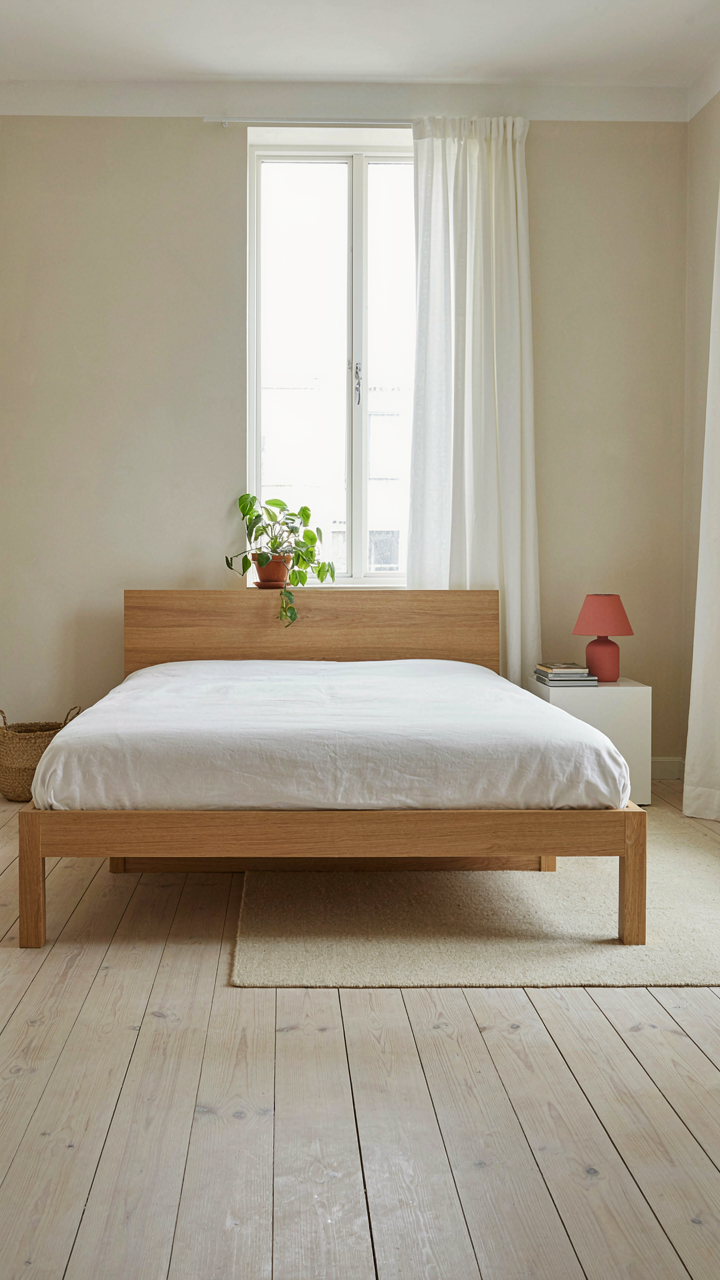
Start by removing one category entirely. Not “some books” or “a few decorative items.” One full category. Strip the nightstand to mattress, lamp, and one book. Strip shelves to volumes you actually reference and objects under ten centimeters tall. The goal is not emptiness for performance. It’s revealing the actual spatial geometry so light, shadow, and wood grain do their work without competition.
How Space Moves Through Your Room
Architects call this circulation. In a cabin, it’s the path your eye and body take when you enter, sit, and move to the next room. Bad placement blocks this path with visual or physical obstacles. A chair that faces a wall instead of the hearth kills flow. A side table cluttered with objects stops the eye mid-scan and creates mental friction. Scandinavian cabins are small, so every piece either enhances movement or taxes it.
Map the actual traffic patterns in your space. Where do people naturally walk? Where does light enter first? Orient your primary seating toward both the light source and the direction most visitors enter. Place smaller objects low or flush against walls. Keep horizontal surfaces mostly clear. The mechanics are invisible when executed correctly. You notice only that you want to stay in the room, not that the room engineered that feeling through deliberate spatial choreography.
Modern Scandinavian Cabin Interior: Light As A Lever
Windows That Work Harder Than Decoration
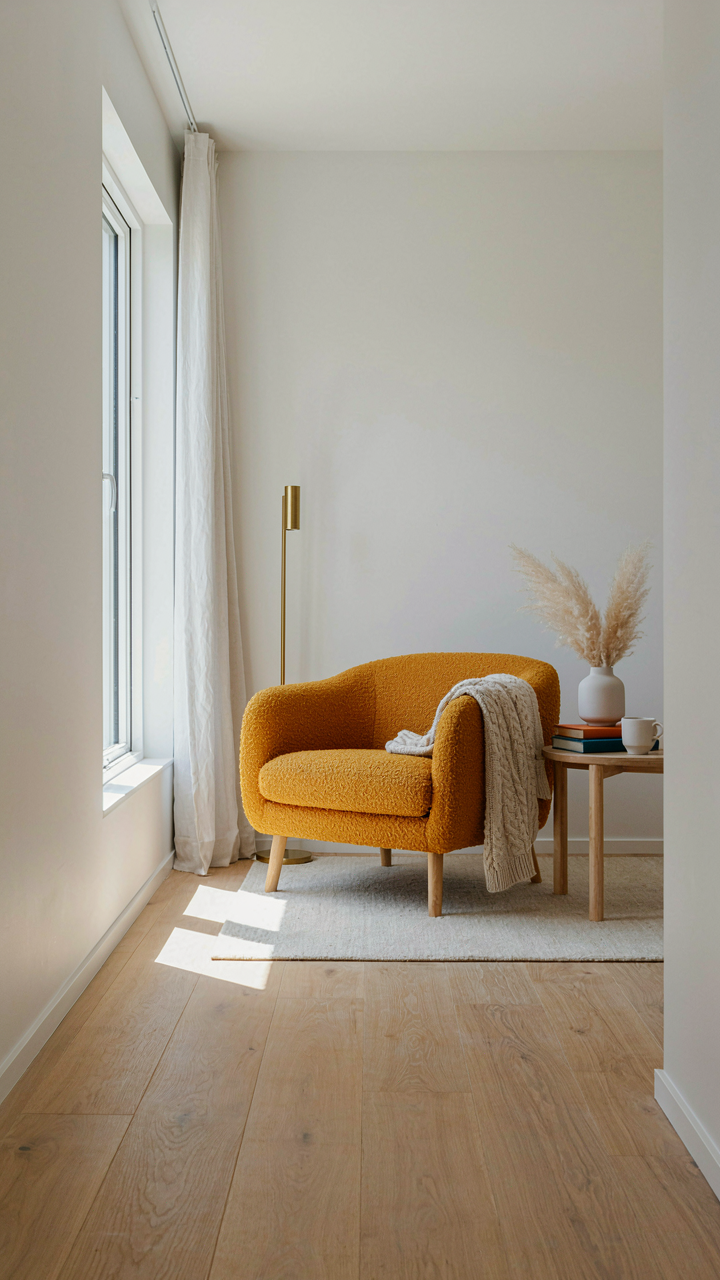
You want natural light because it makes your cabin feel bigger and costs nothing to maintain. But here’s what actually happens: light functions as contrast. Scandinavian design borrowed from architecture the principle of aperture—controlled openings that frame and define space. Large windows don’t just brighten a room. They create the visual boundary between interior and exterior, which makes the interior feel intentional and bounded rather than cramped.

The mechanism is simple. Position seating to face the strongest light source. This forces the eye outward first, then inward, which perceptually expands the volume you’re sitting in. A cabin with southern or western exposure needs minimal intervention. North-facing cabins require deliberate placement of reflective surfaces—white walls, light wood—to bounce ambient light through darker hours. Install windows high on walls, not just at eye level. This pulls light deeper into the structure and prevents the visual dead zone that occurs when only perimeter walls receive direct sun.
Layered Artificial Light Destroys Ambiance
The standard advice says use warm bulbs and dimmers. That’s incomplete. Lighting design borrows from stage lighting the concept of key light, fill light, and back light. One central fixture creates shadow and fatigue. Three deliberately placed sources at different heights create depth. In a Scandinavian cabin, this means task lighting (reading), ambient lighting (diffused overhead), and accent lighting (edge surfaces like shelving or stone walls). Warm color temperature matters only if you’re using the right lumens at the right angle.
Position your primary light source slightly above and behind where you sit. Use a secondary fixture on the opposite wall at a lower height. Add a third source near a focal point like a fireplace or window seat. Light does not need to be bright to feel warm. Seventeen hundred Kelvins at lower wattage creates better cabin atmosphere than three thousand Kelvins at high output. The rule: multiple sources at staggered heights eliminate shadows while keeping the space visually calm. Start with these three fixtures placed before adding anything else.
The Materiality Protocol: Raw Honesty In Scandinavian Cabin Design
Touch Over Optics
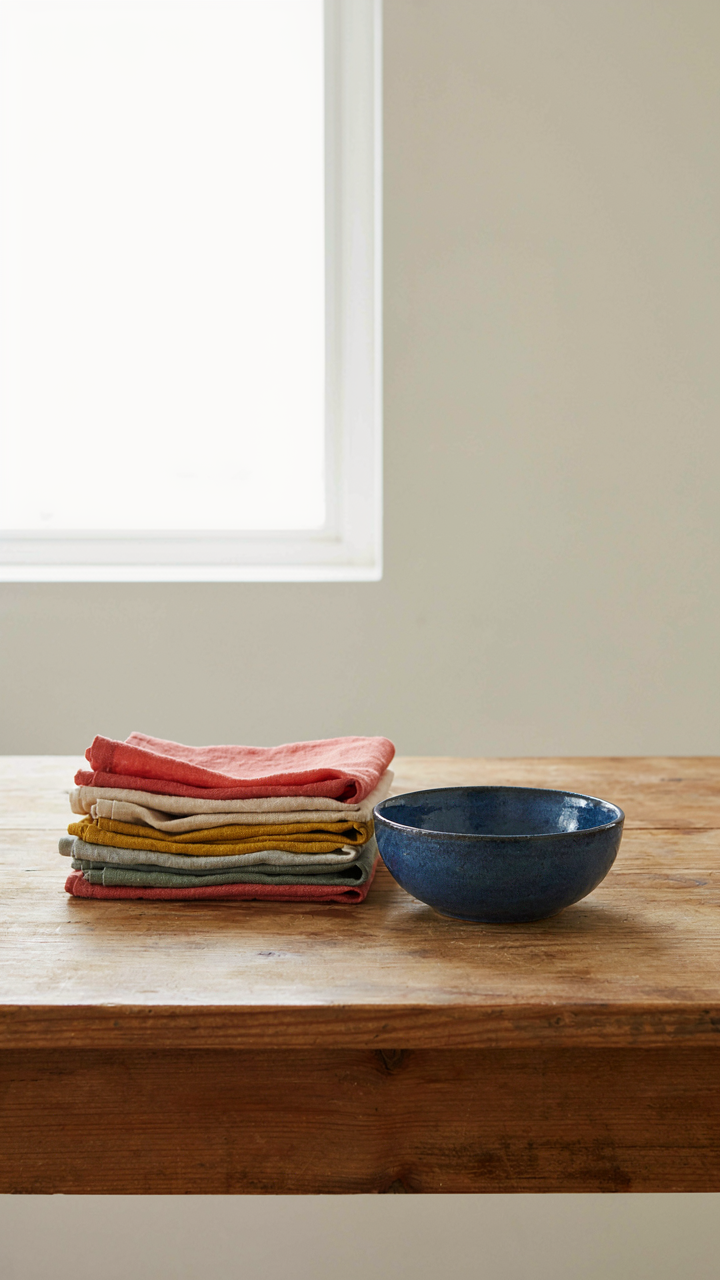
You want your cabin to feel intentional without looking like you tried too hard. That’s the real motive here. Scandinavian cabin design borrows from materials science the concept of “stress distribution”—how a material handles pressure without breaking reveals its true character. In cabins, this means choosing materials that actually perform under real conditions: temperature swings, moisture, foot traffic, time. Raw wood, untreated stone, wool, linen, and iron don’t deceive. They show wear honestly.
The common advice is to “add texture.” That’s lazy. Texture without tactile substance is decoration. A Scandinavian cabin demands materials you can feel—not just see. Rough sawn timber sourced from regional suppliers, linen upholstery that softens after years, cast iron that develops patina, stone floors that warm slowly underfoot. These aren’t aesthetic choices. They’re structural honesty translated into design.
Built For Decades, Not Seasons
Trending design collapses under real use. Scandinavian cabins were built in regions where the environment tests materials ruthlessly: freeze-thaw cycles, high humidity, extreme seasonal shifts. The materials that survived weren’t chosen for Instagram appeal. They were chosen because they lasted. Solid wood furniture, not veneer. Load-bearing stone, not decorative cladding. Wool textiles that hold up to decades of handling.
The mechanism is simple: durability removes the burden of replacement. You buy once, maintain properly, and the object becomes part of the space’s narrative. A wooden dining table that shows 40 years of family wear beats a new table every 5 years. This isn’t nostalgia or sentimentality. It’s economics and restraint working together. When you select materials rated for 50-year lifespans instead of 5-year cycles, you stop shopping and start inhabiting.
Scandinavian Cabin Interior Design Ideas: The “Less, But Better” Principle
Pieces That Work Across Multiple Contexts
You want permission to buy less stuff without feeling like you’re settling. That’s the real driver here. The mechanism is constraint: when you force a single piece to solve multiple problems, you stop accumulating decoration and start building a system.

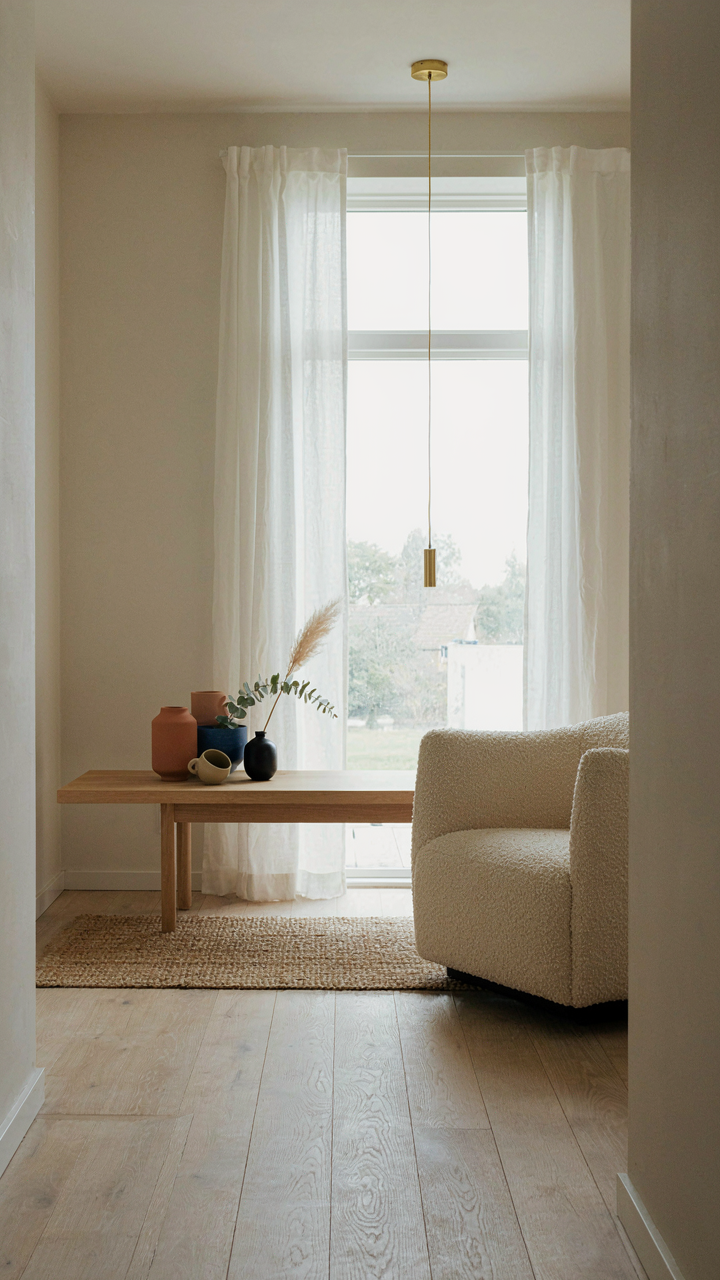
Scandinavian design borrowed from industrial engineering the concept of “design for manufacturability”—but applied it to living. A low wooden bench becomes seating, storage, or a base for layering textiles. A simple dining table serves meals, becomes a workspace, and functions as a display surface for objects. This stacking of purpose eliminates the need for single-use furniture that occupies floor space and demands visual attention without earning its place.
The trap most people fall into is confusing minimalism with emptiness. They buy one perfect chair and leave the room sparse. Wrong move. Instead, choose pieces with genuine structural versatility: open shelving that displays and stores, side tables with drawers, stools that tuck under surfaces. Each item must have at least two jobs, ideally three. Build density through function, not through clutter.
The Cost Per Use Calculation
Common advice says invest in quality. That’s incomplete. The actual principle is this: calculate the cost per year of use, not the upfront price. A 1200 dollar handmade Norwegian wool rug used daily for fifteen years costs eighty dollars annually. A 300 dollar mass-produced rug that sheds, fades, and demands replacement every three years costs one hundred dollars annually, plus the friction of replacement.
Scandinavian cabin makers historically worked with regional materials—pine, birch, wool, linen—because they were available and because long winters meant furniture faced real durability tests. Cheap pieces failed fast in that environment. You’re not in a cabin enduring Scandinavian cold, but the logic remains: buy materials that improve with use, not degrade. Oil-finished wood deepens. Natural linen softens. Wool felts slightly and becomes more durable. Calculate your actual timeline, then work backward from the cost per use to your budget. If you plan to keep something seven years, divide the cost by eighty-four months and decide if that monthly cost makes sense for the problem it solves.
Warm Scandinavian: The Echo Location Of Comfort
Sound Absorption Builds Real Quiet
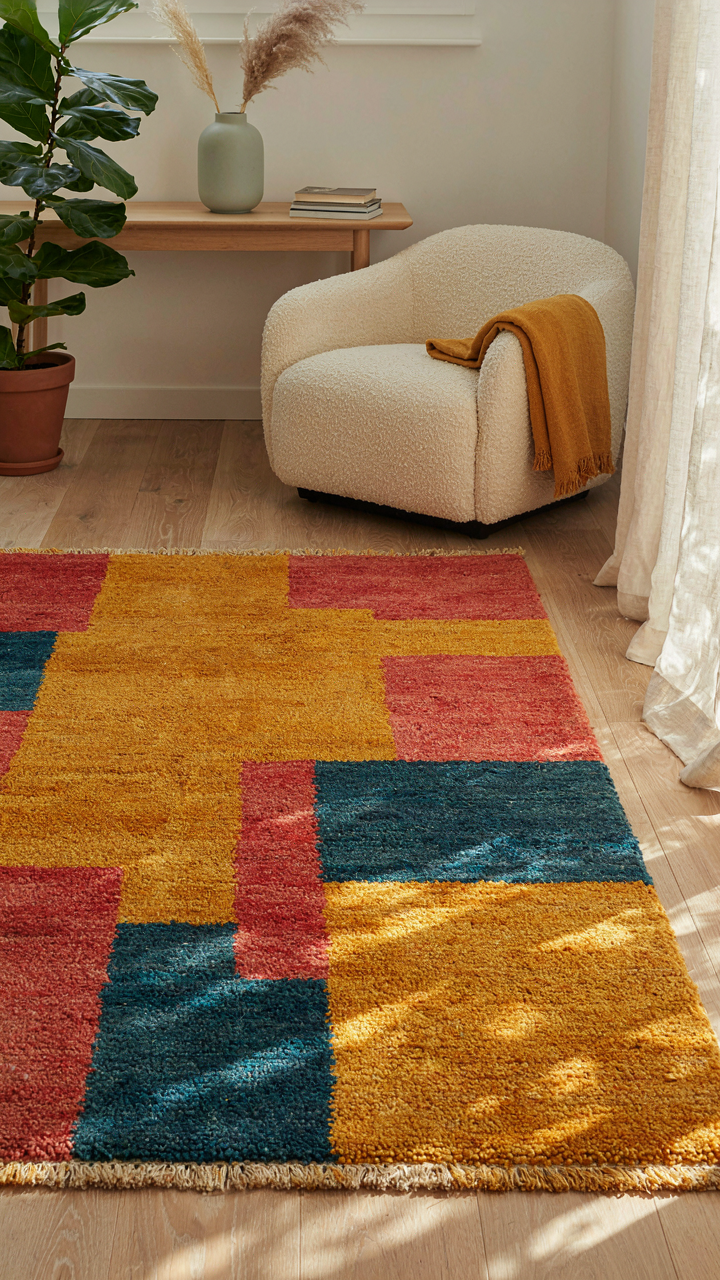
You want this section because silence feels like status, like you’ve escaped the noise everyone else tolerates. But that’s wrong. What you actually need is acoustic dampening, which is the physics term for absorbing sound energy rather than reflecting it. Scandinavian cabins use this principle through material selection: thick wool textiles, untreated wood with natural porosity, and layered fabrics stop sound waves cold instead of bouncing them around the room.

The mechanism works like this. Hard surfaces reflect sound and create echo. Soft, fibrous materials trap sound waves inside their structure. A Scandinavian cabin with wool rugs, linen curtains, and rough-hewn timber walls dampens ambient noise by 3 to 5 decibels compared to a minimalist space with concrete and glass. That shift moves your nervous system from mild alert to baseline calm. The space doesn’t feel warm because of color—it feels warm because your body isn’t processing constant acoustic stimulation.
Texture Creates Unconscious Safety
Cybernetics teaches us feedback loops. In a cabin, tactile feedback works the same way: your hands touch rough linen, cool stone, warm wool, and send signals to your brain that trigger a cascade of responses. You’re not consciously choosing comfort—your nervous system is reading environmental data. Scandinavian design exploits this by layering textures: raw wood grain, uneven weave in textiles, natural stone with variation, hand-thrown ceramics. Each texture is irregular, which means your fingers get continuous input variation instead of sameness.
This matters because sameness bores the nervous system. Boredom masks itself as unease. When you sit on a hand-woven wool blanket instead of synthetic fleece, the microscopic texture variations keep your sensory system engaged without effort. The protocol is direct: replace one smooth surface per room with a textured alternative. Swap a polished side table for rough birch. Replace flat linen with chunky-weave fabric. Your body registers safety through tactile complexity, not visual minimalism.
Scandinavian Cabin Ideas: Function As The Dominant Aesthetic
Objects Earn Their Space
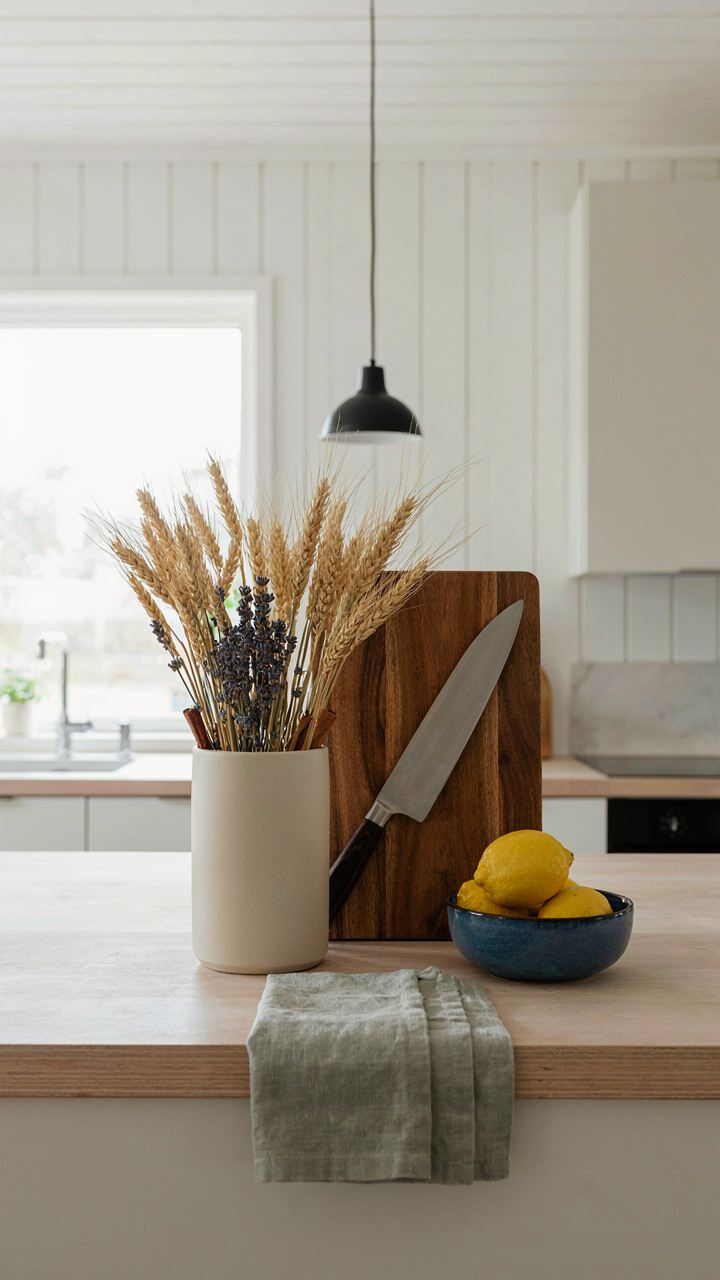
You want permission to buy less and feel like you’re doing it right. Here’s the mechanism: Scandinavian cabin design treats every object as a tool first, decoration second. Nothing exists to prove taste. A wooden shelf holds books and tools. A wool blanket insulates you and drapes over a chair. A ceramic vessel stores dried goods and sits on the counter. This isn’t minimalism pretending to be restraint. It’s the opposite of hoarding decisions you haven’t made yet.
Norwegian and Swedish rural interiors didn’t evolve from design theory. They came from winters where wasted space meant wasted heat, and wasted objects meant resources you couldn’t replace until spring. The cabin culture that shaped this aesthetic had no room for ornament that didn’t work. Every surface pulled its weight. When you strip away decoration that doesn’t serve a purpose, the remaining objects become more visible, not less. Their materials and proportions matter because they’re all you see.
Design That Collapses Friction
Scandinavian cabin spaces compress your daily actions into fewer steps. A sleeping loft reduces heating demand and consolidates your life vertically. Wall-mounted storage keeps essentials within reach without floor clutter. Heavy wooden tables serve as work surfaces, dining areas, and storage bases simultaneously. The goal isn’t aesthetics. The goal is eliminating the gap between intention and action.
This is how you identify whether something belongs in your cabin: trace the path of your morning routine and place objects at the point where you need them. A coat hook near the door isn’t charming. It’s the difference between hanging your coat and dropping it on a chair. A wood stove centered in a single room doesn’t just heat it. It anchors where you sit, where you eat, where you spend hours. When design removes friction from repetition, the cabin functions like a tool you’ve worn into shape.
Scandinavian Cabin Decor: The Uncluttered Palette
The Foundation Isn’t Boring
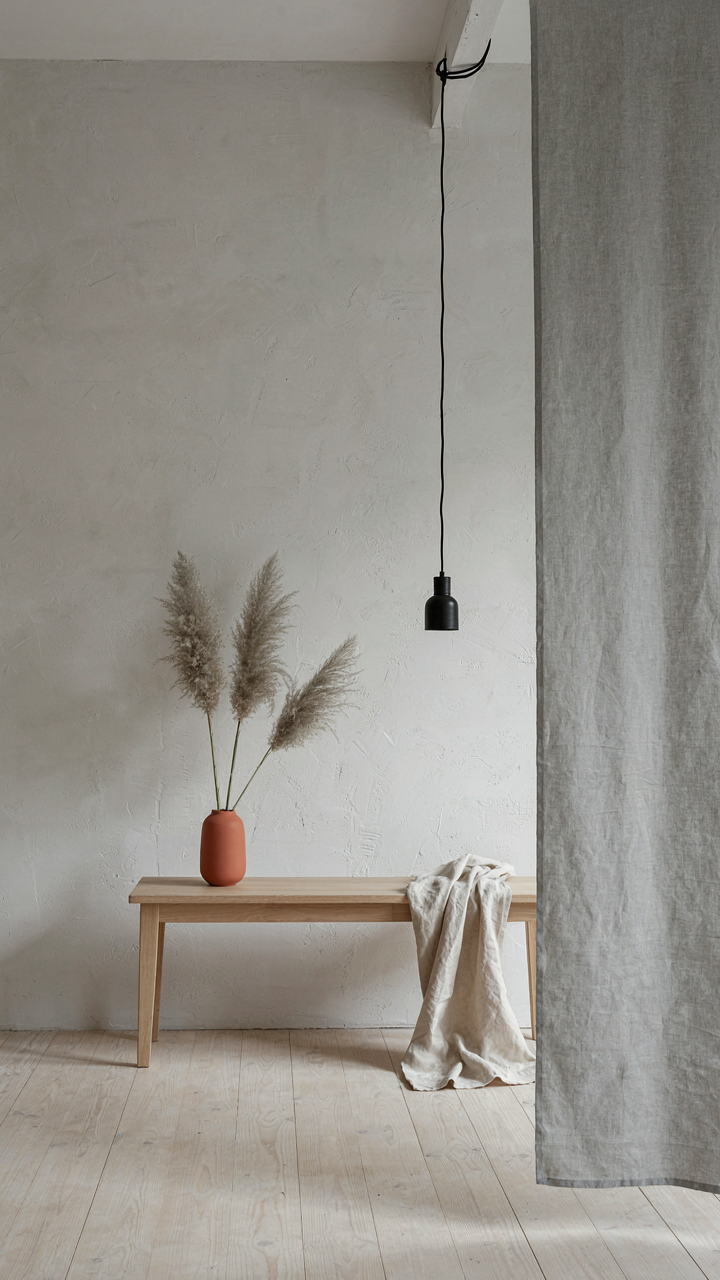
You want people to think your space is effortless, which means you’re secretly afraid of looking like you tried too hard. Neutral palettes work because they’re not about absence—they’re about control. Scandinavian cabins use whites, creams, grays, and soft blacks as architectural decisions, not defaults. These colors recede visually, which lets you control what the eye lands on next. The mechanism is simple: constraint creates clarity. When everything screams for attention, nothing gets it.
Most design advice treats neutrals as a blank canvas. That’s incomplete. In Scandinavian design, neutrals are the load-bearing wall. They absorb light differently depending on material—linen reads warmer than wool, matte plaster differs from glossy trim. The palette doesn’t bore because it forces precision everywhere else. You can’t hide behind color. Every wood tone, every texture, every line becomes visible.
Depth Through Restraint
Designers borrow from contrast theory in visual perception—the idea that value difference creates perceived depth. Scandinavian cabins engineer this by layering one neutral against another, not through color but through tone and finish. A weathered floorboard sits next to fresh white walls. A dark timber beam anchors a cream ceiling. These aren’t accidents; they’re decisions that make small spaces feel larger and lived-in without clutter.
The variations you actually deploy:
- Warm whites and cool whites: Cream-based whites feel residential; blue-tinted whites feel clinical. Scandinavian cabins use warm whites on walls, cool whites on trim to create edge definition without contrast that feels harsh.
- Raw wood tones against finished surfaces: Untreated pine or birch against painted plaster creates tactile depth. The matte wood grounds the space while finished surfaces reflect light and push the eye outward.
- Charcoal or dark gray accents: Deep grays on doors, shutters, or single walls anchor the palette. They prevent the space from reading as washed out and give the eye somewhere to rest.
- Linen and wool textures: Light fabrics in off-white or oatmeal scattered through the cabin create visual breaks without introducing new colors. Texture alone signals richness when the palette stays tight.
- Matte versus polished finishes: A polished concrete floor with matte plaster walls creates dimensional interest through sheen variation, not hue. This technique scales from large surfaces down to furniture.
The payoff isn’t visual interest for its own sake. Subtle variations train the eye to notice what matters—a well-made chair, the grain in wood, how light moves through the day. You stop fighting the palette and start using it. Apply this by choosing your three core neutrals first, then testing materials and finishes before committing to paint or furnishings.
Scandinavian Cabin Design: The Art Of Intentional Emptiness
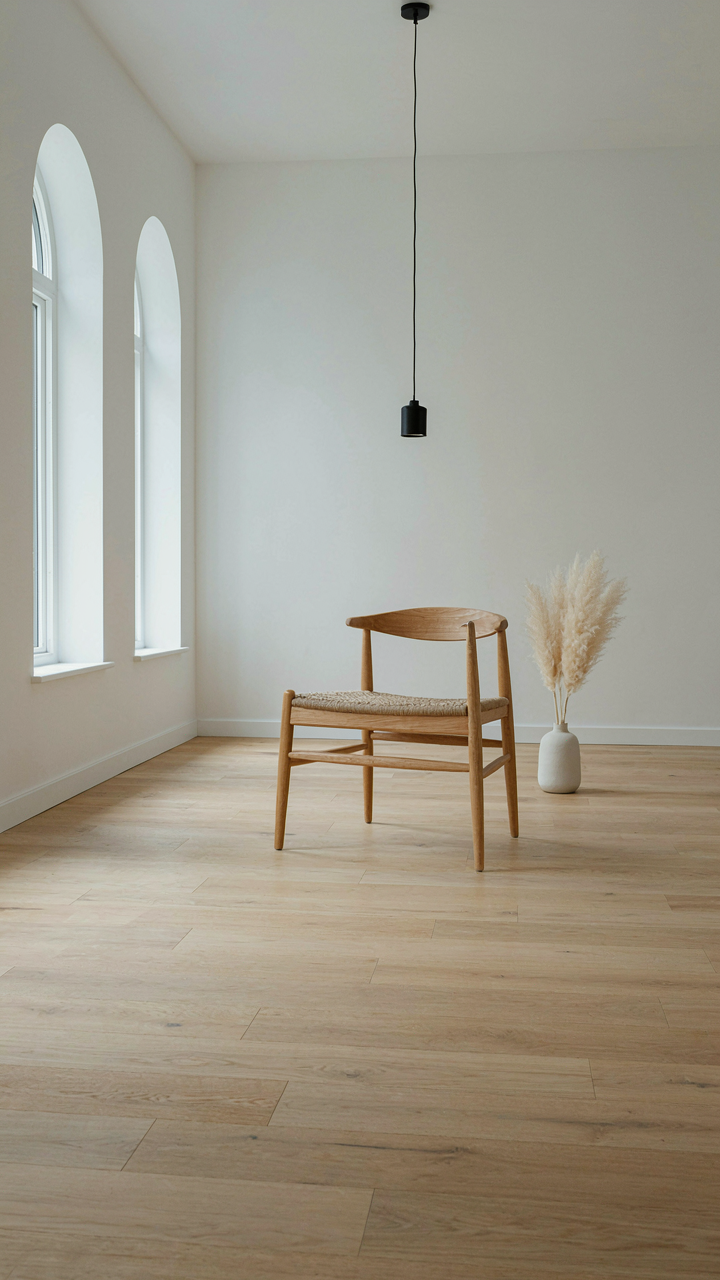
White Walls Make Objects Matter
You want permission to leave your cabin mostly empty because it feels sophisticated and you’re tired of clutter. Here’s the mechanism: in physics, contrast creates visibility. A single object against a blank surface demands attention in ways ten objects competing for space never will. Scandinavian design borrows this principle from minimalism’s roots in Japanese aesthetics, where emptiness becomes the active design choice, not the default.
White and off-white walls form the standard foundation in Scandinavian cabins because they amplify light and recede visually. This isn’t about aesthetics alone. When walls disappear into the background, every piece you place becomes loadbearing. A single wooden chair, a cast iron stove, a linen throw. The room works harder because it has less to work with. This constraint forces intentionality.
Spacing Objects Like They’re Meant To Exist
Most people crowd furniture because they fear empty rooms feel incomplete. They’re wrong. Cramping a space doesn’t add comfort; it creates visual noise that your brain processes as chaos even if you don’t consciously register it. Nordic cabin interiors use distance between objects as a design material, the same way a composer uses silence between notes. Silence makes the note matter.
Place a wooden bench against a wall with two meters of floor space in front of it. That bench becomes a destination, not an afterthought. A single pendant light hanging in the center of a room draws the eye upward and defines the space without walls. The space around each object gives it permission to exist. Without that breathing room, even quality pieces feel suffocated and cheap.
The Clutter Isn’t Just Around You; It’s In Your Head. Design For Subtraction, Not Accumulation

Most people treat Scandinavian cabin decor like a shopping list. They buy and add. You do the opposite. Walk through your space and remove one thing today. One object. Just one. Notice what you feel. That clarity you get is what Scandinavian design actually sells. Not the aesthetic. The mental space. Everything you own should earn its place or disappear. The cabin that changes your life isn’t full of things that matter. It’s empty of things that don’t.