
The Brutalist Comfort Paradox Of Scandinavian Cabin Interior Design
Minimalism As A Philosophical Weapon
You want permission to own less without feeling like you’re sacrificing status. That’s the real draw here. Scandinavian minimalism solves this by reframing restraint as sophistication, not deprivation. The mechanism is borrowed from economic scarcity: what’s rare commands respect. Fewer objects, higher intentionality. Pale wood and wool aren’t sparse because the designer ran out of money. They’re sparse because each piece carries weight. This inverts the consumption hierarchy. Abundance becomes the cheaper move psychologically and aesthetically.
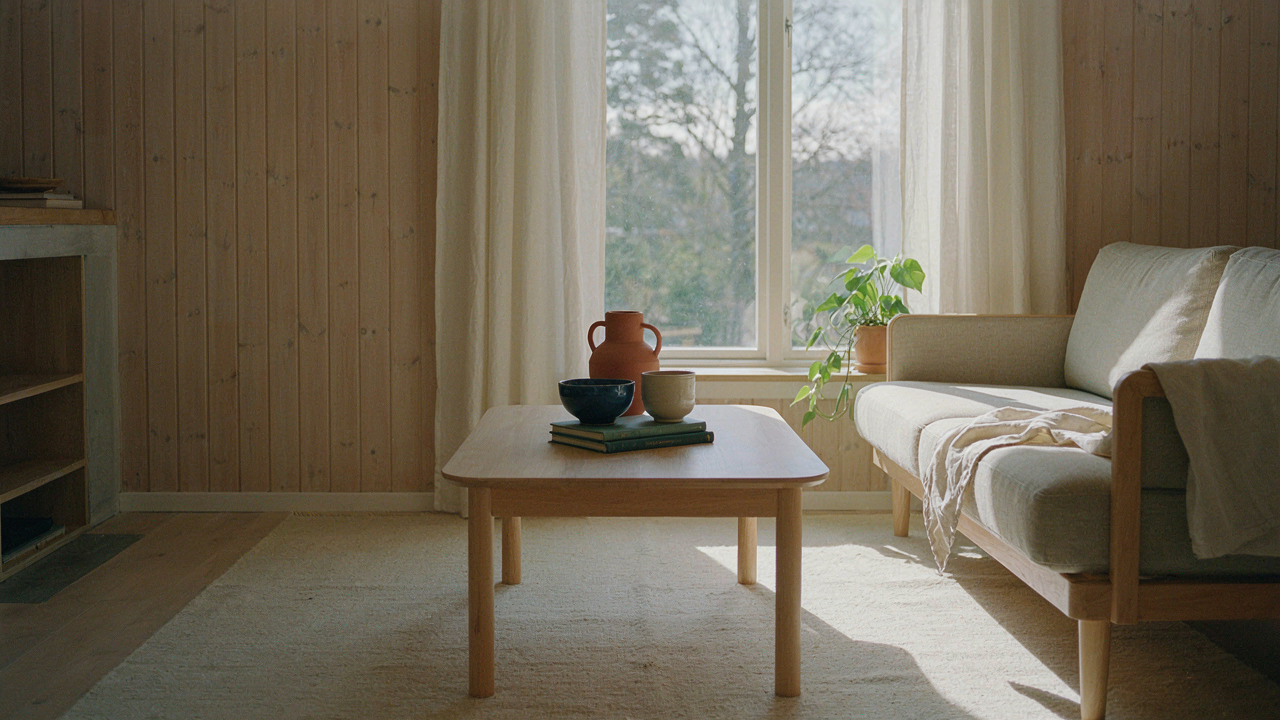
The Scandinavian cabin living room strips decoration down to material truth. A single linen throw, one ceramic vessel, a birch frame. This isn’t asceticism disguised as taste. It’s the opposite of performance. When your room contains only what serves a function or teaches you something about craft, the space gains a kind of authority that rooms full of decorative objects can’t touch. The emptiness isn’t absence. It’s editing.
Where Form Bends To Survival
Everyone says “function over form” like it’s a design philosophy. It’s not. It’s a description of how things actually worked in Norwegian and Swedish cabins where people lived through winters that killed careless decisions. Pale wood didn’t win because it looked clean. It reflected light in months of darkness. Wool didn’t dominate because it photographs well. It retained heat when buildings leaked cold. Form followed function because the alternative was freezing.
This distinction matters because it changes what you actually build. A Scandinavian cabin living room isn’t a style you apply like a filter. It’s a set of materials and layouts that solve a real problem: maintaining comfort with minimal energy and maintenance. The sofa placement faces the heat source, not the view. The coffee table dimensions accommodate a person’s legs and a book simultaneously. The storage runs floor to ceiling because floor space is too valuable to waste on a tall cabinet. When you design this way, the room becomes more efficient before it becomes more beautiful.
Pale Wood: More Than Just Pretty, It’s Psychological Warfare
Light Reflection Battling The Dark Months
You want pale wood because you’re terrified of winter depression and won’t admit it. Here’s the mechanism: light reflection operates on the principle of albedo—borrowed from physics, it measures how much radiation a surface bounces back into a room instead of absorbing it. Pale spruce and birch have high albedo. Dark materials trap light. In Scandinavian cabins where winter daylight lasts four hours, wood that reflects rather than absorbs becomes infrastructure for your nervous system, not decoration. The pale grain bounces available light across walls and ceilings, multiplying its psychological impact without adding heat.

This isn’t mood adjustment. It’s photon economics. A room with pale wood surfaces and white plaster walls can amplify weak winter light by 30-40 percent compared to identical layouts with darker finishes. Nordic builders understood this long before seasonal affective disorder became a diagnosis. They didn’t have the vocabulary. They had the survival instinct. Install pale wood on one wall as a test, observe your own behavior for three weeks, then decide whether this is cosmetic or functional.
Space Expansion Through Material Honesty
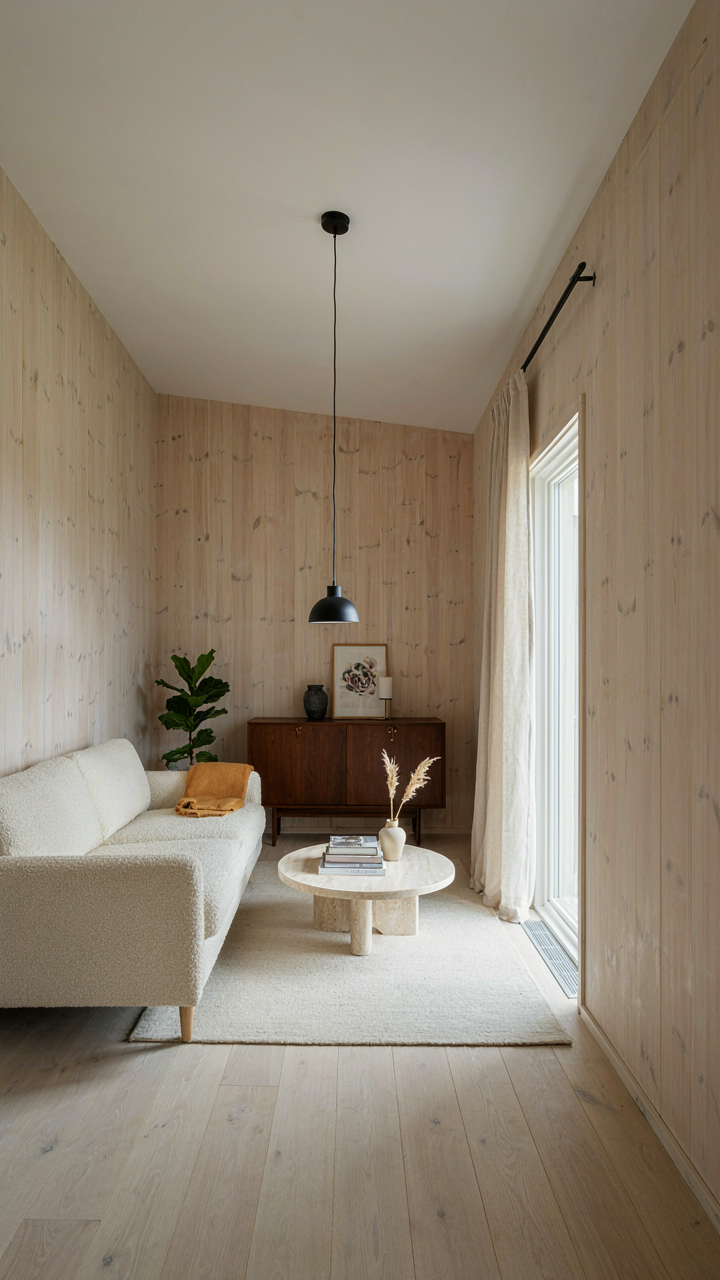
Everyone says light colors make small spaces feel bigger. That’s incomplete. The real mechanism is visual continuity, not illusion. Pale wood creates fewer visual breaks in a compact room because it doesn’t contrast sharply with other pale elements like linen upholstery or off-white walls. Your eye doesn’t constantly reset to track material boundaries. The space reads as one volume instead of a collection of separate objects fighting for attention. Small Scandinavian cabins work because they refuse to trick you—they use material consistency to make tight confines feel intentional rather than cramped.
Pale wood accomplishes this by matching the light value of surrounding surfaces, reducing shadow depth and visual fragmentation. A narrow living room with pale spruce paneling and cream wool upholstery eliminates the dark corners that make spaces feel claustrophobic. The eye travels across surfaces without stopping. To apply this: choose pale wood at 60-70 percent of your room’s wall area, then anchor it with one statement piece in a slightly darker wood tone to prevent visual monotony and maintain spatial definition.
Wool: The Original Thermal Regulator In Log Cabin Interior

Ancient Technology For Modern Warmth
You want wool in your cabin because it signals you understand comfort in a way most people don’t. But the real mechanism is thermodynamics: wool traps air in its fibers, creating dead space that resists heat transfer. This is why Scandinavian builders stopped treating it as decoration and made it structural to the living room’s thermal performance. Log walls alone leak heat; wool layers weaponize that gap between perception and physics.

Wool rugs and throws work because they interrupt the convection cycle that cold air naturally creates along floors and near seating. Place a dense wool rug directly under furniture groupings, not decoratively around edges. The fibers absorb radiant heat from bodies and release it slowly, maintaining room temperature with zero active effort. This is why traditional cabins relied on wool long before central heating existed. The choice isn’t aesthetic—it’s mechanical.
Quiet Density Cuts Through Noise
Sound travels through empty space and bounces off hard surfaces like logs and stone. Wool absorbs it. Acoustics engineering calls this damping, and a wool-rich living room operates like a built isolation chamber. High-frequency noise dies in fiber; low-frequency rumble gets muffled instead of amplified. Your cabin isn’t peaceful because of its location—it’s peaceful because you’ve added mass that kills vibration.
Layer wool strategically: one substantial rug as the floor anchor, wall hangings or panels on the side facing exterior walls, and upholstered seating with wool content. These absorb wind noise, rain percussion, and internal sound that bounces between log walls and glass. The density matters more than the color. A thin decorative throw does nothing; a thick felted wool panel actually changes how sound behaves inside the room. Install it, then listen for the silence you’ve engineered into place.
The “Hygiene Hypothesis” Of Scandi Cabin Living

Removing Unnecessary Stimuli From Your Space
You want this design philosophy to work because it promises relief without admitting you’re exhausted. Here’s the mechanism: biology’s hygiene hypothesis states that exposure to pathogens builds immunity. Scandinavian cabin living applies the inverse principle to sensory input. Remove unnecessary visual noise, and your attention system doesn’t waste energy filtering it. Pale wood and wool don’t stimulate. They inform. The restraint is the tool. Your brain stops defending against overstimulation and starts recovering.
Most design advice gets this backwards, treating minimalism as aesthetic preference rather than neurological strategy. Scandi cabins don’t reduce stimulus for purity. They reduce it because fewer competing inputs mean stronger signal processing for what remains. A single pale wood beam draws focus precisely because nothing else demands it. Texture matters more than color variation. Silence matters more than ambient sound. The mechanism is subtraction enabling concentration, not subtraction enabling pretense.
Controlled Exposure Builds Mental Toughness
Sensory deprivation sounds passive. It’s not. Scandinavian cabin design enforces active mental work by removing external scaffolding. No background noise means you hear your own thoughts. No visual complexity means you process deeper. This mirrors resilience training used in military and athletic settings where controlled stress exposure builds adaptability rather than fragility.
Pale wood cabins historically served populations in extreme climates. Long winters meant extended periods of minimal external stimuli. Inhabitants developed tolerance for psychological stillness. Modern cabin living imports that framework intentionally. You sit with wool textures, wood tones, and quiet. Your mind either fractures from boredom or recalibrates to internal processing. The cabin environment selects for the latter. Extended time in this setting rewires baseline attention span. Start with weekends. Accumulate hours. Let understimulation become your operating system.
Warm Scandinavian: The Controlled Environment Protocol
Layering Heat Without Creating Dead Zones
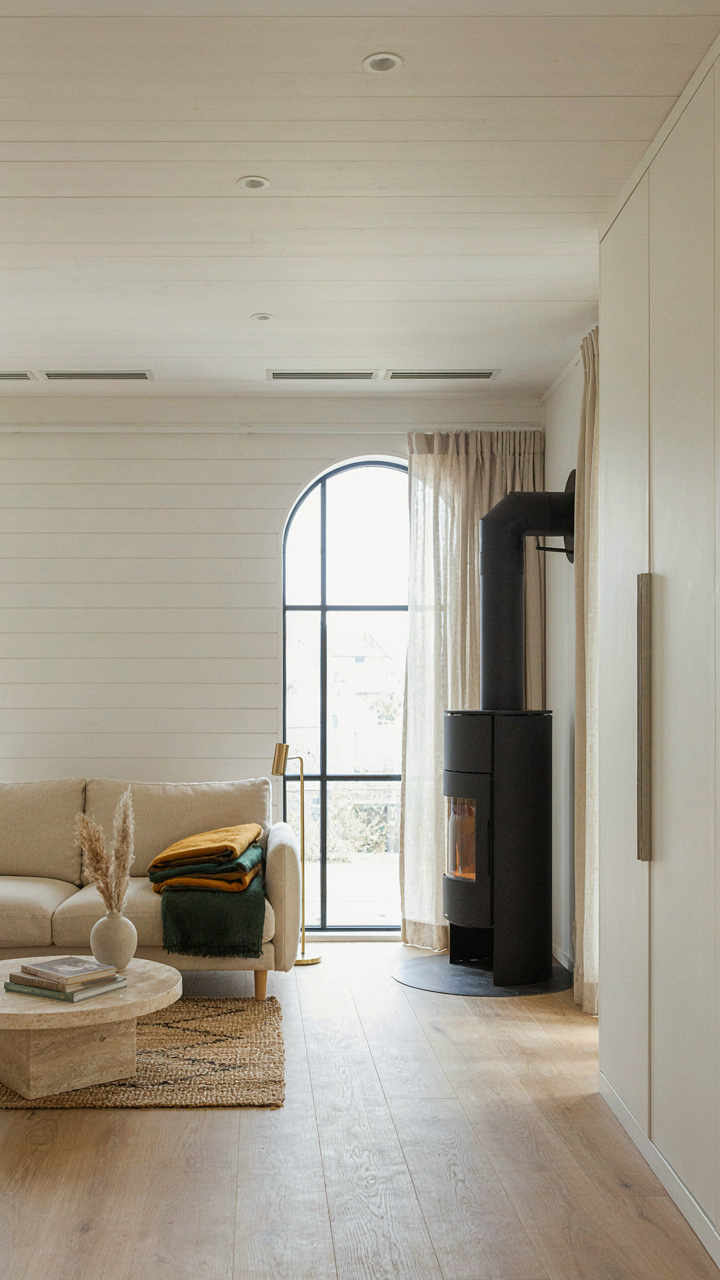
You want a cabin that feels expensive and intentional, not like you’re either freezing or sweating through your clothes. The mechanism here borrows from thermodynamics: temperature stratification. Heat rises, but in a poorly designed room it pools at the ceiling while your ankles freeze. Scandinavian cabins solve this through deliberate layering that maintains usable comfort zones at body level, where people actually sit.

Pale wood absorbs and reflects heat differently than dark surfaces. Wool rugs on concrete or wood flooring create insulation at ground level, which is where thermal comfort begins. Stack your heat sources vertically: low ambient warmth from a wood stove or heating, mid-level wool blankets on seating, and upper ventilation that prevents hot air from trapping. This isn’t decoration. It’s physics applied to furniture placement.
The Overheating Problem Nobody Names
Most cabin designs fail because they treat warmth as a binary: cold or hot, no middle ground. The real mistake is static heating without temperature regulation. A Scandinavian cabin in winter needs constant micro-adjustment. If your pale wood living room has one heat source centered in the room, you’ve created zones where some areas overheat while others stay cold. Pile furnishings, textiles, and materials based on proximity to heat, not aesthetics.
Pale wood cabinets and wall paneling act as heat reflectors, which means they push warmth away from the surface. Position seating and wool upholstery closer to heat sources, not further. Use layered wool throws and cushions as moveable thermal buffers you can add or remove seasonally. The protocol: assess your heat source location first, then arrange pale wood furniture to create a secondary barrier that distributes warmth evenly across sitting areas.
Decluttering: The Cognitive Load Reduction Method For Cabin Interiors
Mental Clarity Through Visual Emptiness
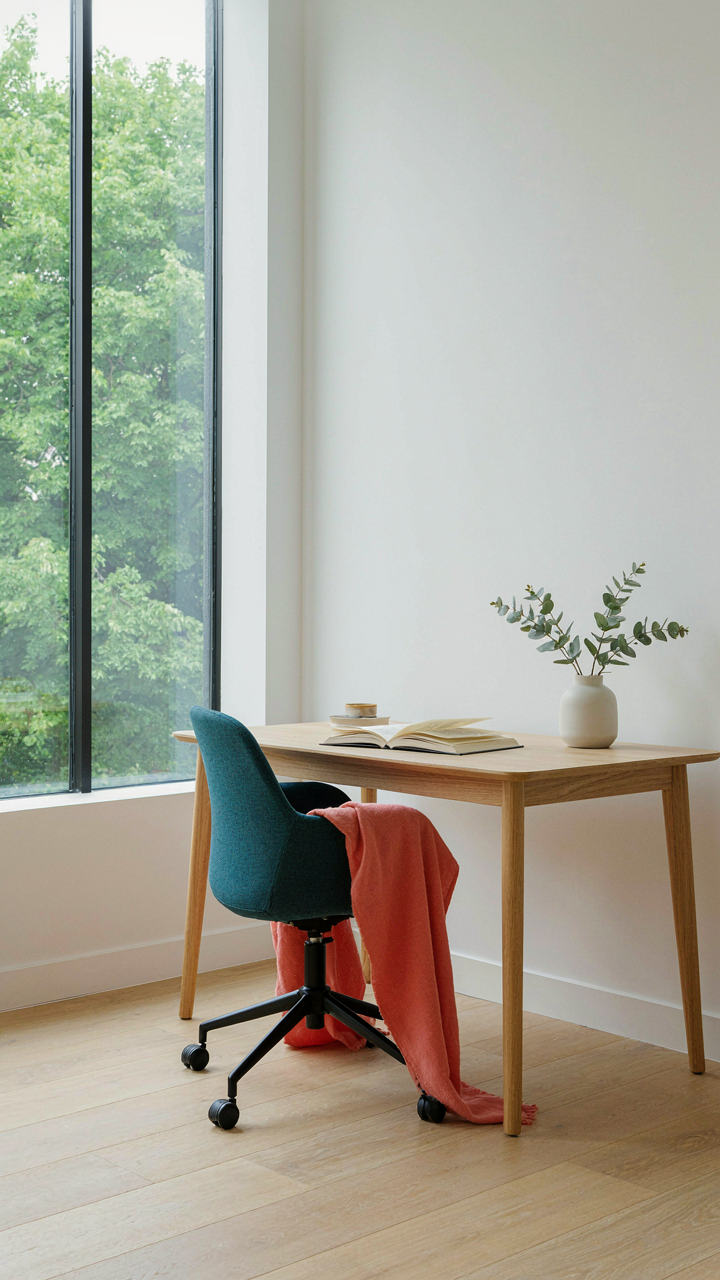
You want the cabin to feel peaceful because you’re hoping emptiness will fix what your actual life won’t. That’s not wrong, but it’s incomplete. The real mechanism is cognitive load. Your brain processes every object in a room. More objects mean more processing. Scandinavian cabin design treats visual space like a finite resource to protect, not decorate. The pale wood and wool palette works because it reduces the chromatic decisions your eyes need to make. Fewer colors mean fewer things competing for your attention.

The cabin becomes restful because your brain stops working. Remove unnecessary items, and you lower the baseline noise your mind processes constantly. This isn’t about asceticism or minimalism as identity. It’s about function. A room with ten objects allows you to focus on the fire, the light, the texture of the wool blanket. A room with forty objects fragments your attention into forty pieces before you even sit down. The Nordic approach to cabin living spaces recognized this centuries before neuroscience confirmed it.
The Focus Tax Of Too Much Stuff
The advice to “just declutter” is lazy. People clutter cabins because they haven’t decided what the space is actually for. Decision fatigue is an economics term, but it applies directly to cabin interiors. Each object you keep represents a decision already made. Each object you haven’t decided about represents a decision still draining your mental energy. You walk into the room and unconsciously negotiate with the clutter. That negotiation costs focus you could spend elsewhere.
The mechanism is simple: remove the undecided items first, then the items that compete with your primary purpose. If the cabin is for reading, remove decorative pieces that demand visual attention. If it’s for socializing, remove small tables that fragment the seating layout. If it’s for rest, remove anything that suggests tasks or obligations. The pale wood base already handles 80 percent of this work, so you’re mostly removing what contradicts that foundation. When you walk in next time, your brain doesn’t negotiate. It settles.
Natural Light: The Circadian Rhythm Reset Of Scandinavian Cabin Interior
Windows Aligned To Seasonal Shifts
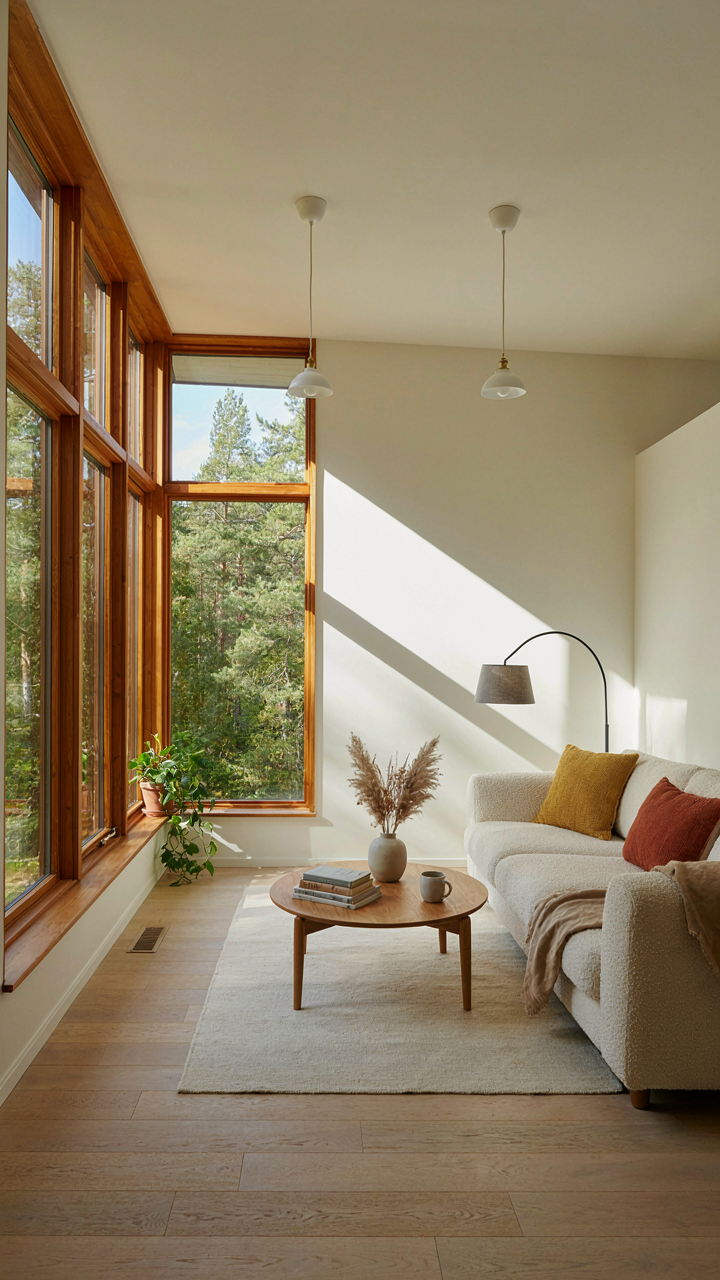
You want this section to validate that your cabin design choices matter beyond decoration. Here’s what actually moves the needle: Scandinavian cabin design treats windows as a biological instrument, not a decorative element. The mechanism is straightforward. Winter daylight in Scandinavia peaks at four hours. Summer extends to nearly twenty. Your window placement must account for this swing, or your interior collapses into either perpetual darkness or glare that makes the space unusable.
Pale wood and wool only reflect light efficiently if light actually enters the space where it lands. Position primary windows on the south and southwest exposures during winter months to capture low-angle sun. During summer, you need deep overhangs or interior shutters to block high-angle rays that turn the cabin into an oven. This isn’t aesthetic. This is load management. Scandinavian designers solved this centuries ago by building cabins with variable window depths and exterior timber frames that cast predictable shadows.
Light As Biological Programming
Circadian rhythm science reveals that wavelength, not brightness, controls your sleep-wake cycle. Your cabin’s interior needs to deliver blue-enriched light in morning hours and shift toward amber tones by evening. Common advice says “just add big windows.” That misses the mechanism entirely. Large windows without directional control flood the space with unfiltered light that disrupts melatonin production after sunset, especially in summer when darkness arrives late.
Pale wood acts as a diffuser. It scatters light evenly instead of concentrating it, which prevents the glare spikes that trigger eye strain and mental fatigue. Wool textiles absorb warm frequencies and reflect cooler ones, creating a natural color temperature shift throughout the day as sun angle changes. This isn’t cozy. This is your nervous system recalibrating itself. Install blackout capability on south-facing windows, and position reading areas on the east side to catch morning light when cortisol peaks naturally.
The Unspoken Rules Of Modern Scandinavian Cabin Interior
Buy Once Or Buy Twice
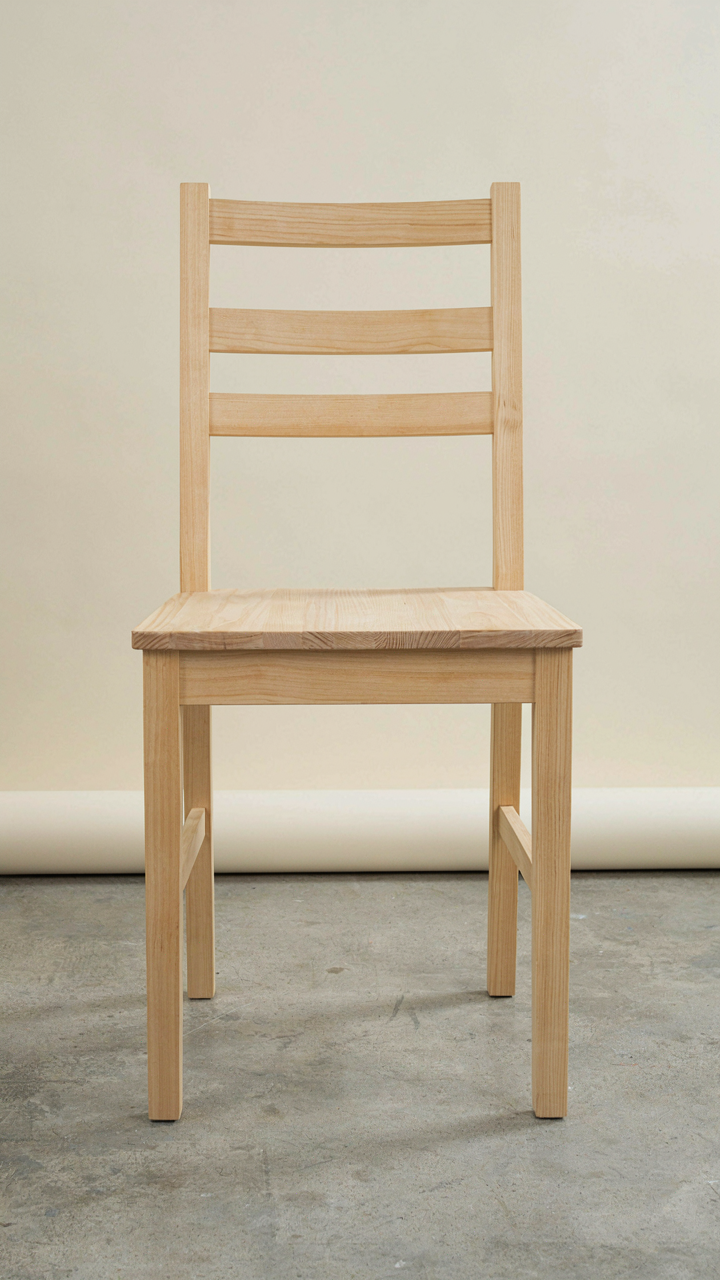
You want permission to spend money without guilt. Here’s the mechanism: Scandinavian cabin design treats durability as capital expenditure, not consumption. A wool sofa lasts thirty years. A cheap one lasts three. The math is simple—high cost per year divided by lifespan reveals the real price. Pale wood furniture from companies like Carl Hansen or Fritz Hansen costs more upfront because they’re engineered to absorb decades of use without degrading. This isn’t luxury pricing. It’s amortization you can touch.

The cabin context amplifies this. Seasonal exposure—temperature swings, humidity shifts, UV through large windows—destroys poor construction fast. Scandinavian builders learned this centuries ago. They specification materials that move with the environment rather than against it. Solid wood adjusts to moisture. Wool fibers compress and recover. Leather deepens with age. Each material has a lifespan calculation built into its structure. You pay upfront to skip replacement cycles entirely.
Materials That Earn Their Cost
Economics calls this “sunk cost recovery”—you’re Scandinavian cabin design, and your materials are your competitive advantage. Pale birch, ash, and spruce don’t just look neutral. They withstand thermal cycling without warping because they’re grown in climates that demand it. These woods contain lower sap content and denser grain structure than tropical alternatives. Wool holds insulation properties unchanged for fifty years. Linen becomes softer with every wash. These aren’t aesthetic choices. They’re longevity specifications.
- Pale Birch And Ash: Northern growth produces tight grain and natural UV resistance. Minimal finishing required. Develops subtle patina rather than deteriorating.
- Merino Wool Upholstery: Resists pilling better than standard wool. Temperature regulation prevents fabric breakdown from humidity extremes common in cabins.
- Solid Wood Joinery: Mortise and tenon construction distributes stress across multiple planes. Outlasts dowel joints by decades under seasonal movement.
- Natural Linen Textiles: Strengthens with age and washing. Doesn’t off-gas chemical treatments. Mold and mildew resistance builds over time naturally.
- Untreated Leather: Develops protective patina that seals itself. Repair is straightforward. Costs less per year than synthetic alternatives despite higher purchase price.
The cabin tests these materials constantly. Humidity spikes in winter when snow melts near walls. Temperature drops forty degrees between dawn and dusk. Low-quality construction fails within five seasons. Materials chosen by Scandinavian standards—not interior design trends—remain functional and structurally sound for generations. Select materials based on performance data, not brand reputation or Instagram aesthetics.
Embracing Imperfection: The Wabi Sabi Of The Scandi Cabin
Worn Surfaces Tell A Story
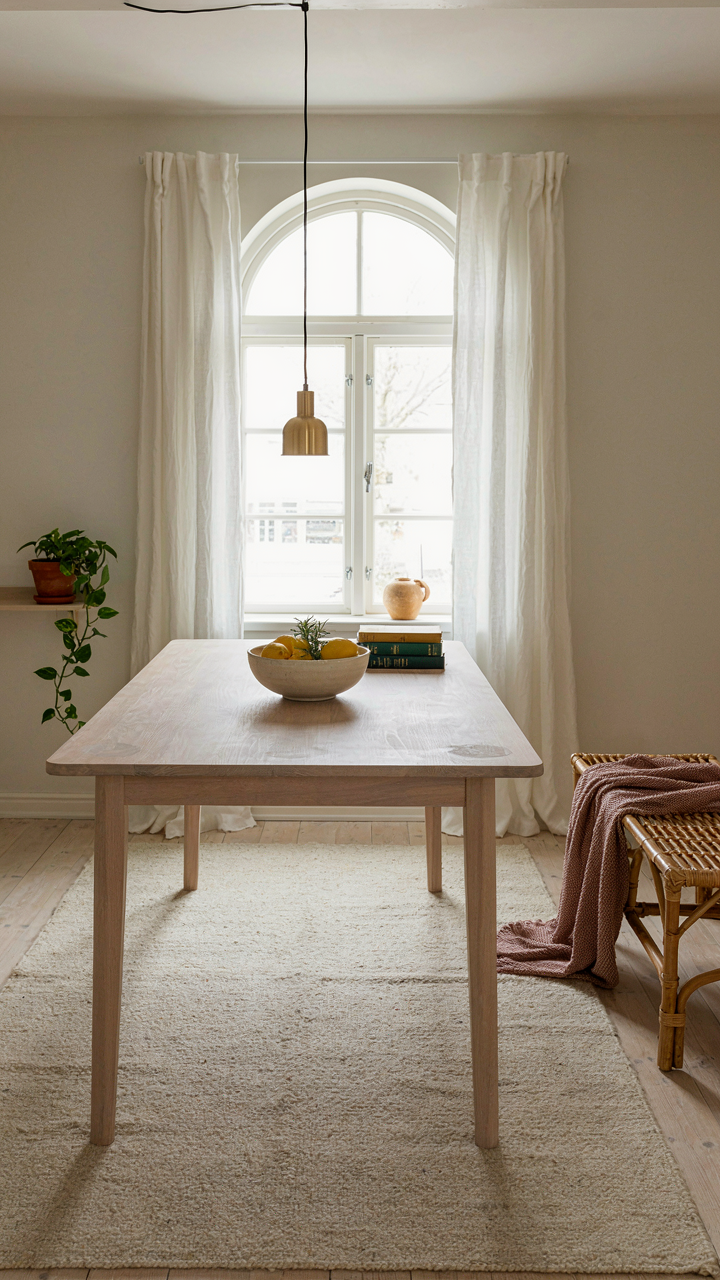
You want permission to stop fighting decay. The real mechanism here is psychological: surfaces that show use signal authenticity and remove the burden of maintenance theater. Scandinavian cabin design borrows from Japanese wabi-sabi philosophy, where impermanence becomes the primary aesthetic currency instead of polish. A pale wood floor with visible grain variation and foot traffic marks doesn’t fail the room. It proves the room functions. The cabin exists to be lived in, not preserved in amber.

This isn’t about romanticizing neglect. Worn pale wood develops patina through legitimate contact—spilled coffee, dragged furniture, seasonal moisture shifts. Wool throws fray at edges. Linen upholstery yellows. These changes happen on a timeline you control through use patterns, not through forced distressing techniques. The Scandinavian approach accepts this trajectory as preferable to constant refinishing. A lived cabin reads as inhabited. An immaculate cabin reads as unused.
Objects That Earn Their Place
Nobody tells you this directly: the common advice says “choose pieces that are both beautiful and functional.” That’s incomplete. True utilitarian design means the object’s purpose shapes its form so completely that separating aesthetics from utility becomes impossible. A heavy cast iron fireplace poker isn’t decorative because it works. A wooden ladder shelf doesn’t need justification beyond storage. These objects sit visible in Scandinavian cabins because hiding them wastes their design logic.
Pale wood furniture with simple joinery, exposed hardware, and minimal ornamentation demonstrates this principle. A wool storage ottoman or hand-woven baskets function as climate control, seating, and containment simultaneously. They don’t apologize for existing. They don’t need a narrative. Place utilitarian objects where they solve problems, not where design theory suggests they belong. The room organizes itself around what actually works.
The Ecosystem Of Cozy: Your Scandinavian Cabin System

How The Room Actually Works Together
You want this to feel effortless, like you didn’t overthink it, which is exactly why you need to overthink it. Scandinavian cabin design works like a load-bearing structure in architecture: remove one element and the whole system loses its stability. Pale wood, wool, light, and negative space don’t just sit next to each other. They perform specific functions that reinforce each other.
The wood establishes thermal mass and visual weight. Wool provides acoustic dampening and warmth retention. Light defines the mood and draws the eye toward the materials. Negative space prevents sensory overload and makes the other elements register. Each one makes the others more effective. This isn’t decoration layered on top of a room. This is a functional stack where every piece holds load.
Materials That Make Decisions For You
Common advice says “choose what feels right.” That’s lazy thinking. When you pick pale birch or pine as your dominant wood, you’ve already decided your color temperature, your light reflection, and your maintenance schedule. When you commit to genuine wool upholstery instead of synthetic, you’ve locked in durability, aging characteristics, and how the room will actually feel against skin.
The mechanism works this way: strong foundational choices eliminate ten thousand smaller decisions downstream. A pale wood palette constrains your fabric choices to cream, oatmeal, charcoal, and muted earth tones. This sounds limiting. It’s actually liberation. You stop debating and start building. Once material commitments are made, the room tells you what comes next.
The Real Obstacle Isn’t Design; It’s Your Inability To Embrace Environmental Honesty
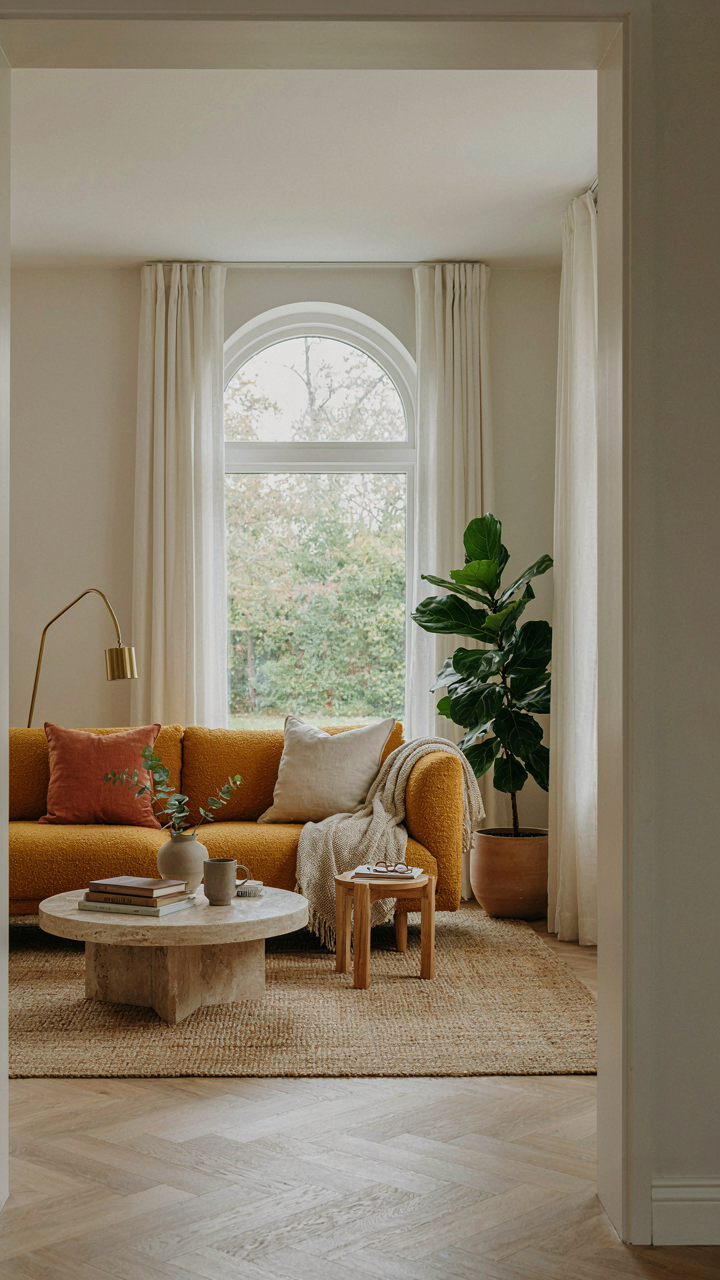
Most people won’t build a Scandinavian cabin living room because they chase trends instead of materials. You want the aesthetic without the commitment to wood, wool, and honest craftsmanship. Today, photograph three objects you own that feel cheap. Tomorrow, replace one. The gap between wanting a space that feels alive and actually building one is your willingness to buy less, choose better, and stop pretending comfort comes from decoration. A room that lasts doesn’t apologize for what it’s made of.



